Hit enter to search or ESC to close
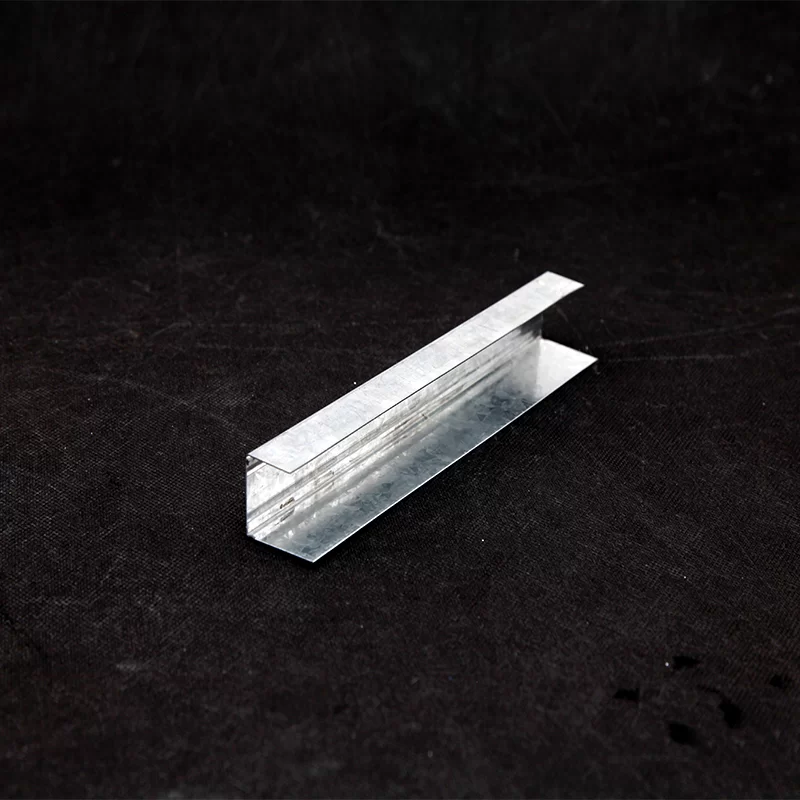
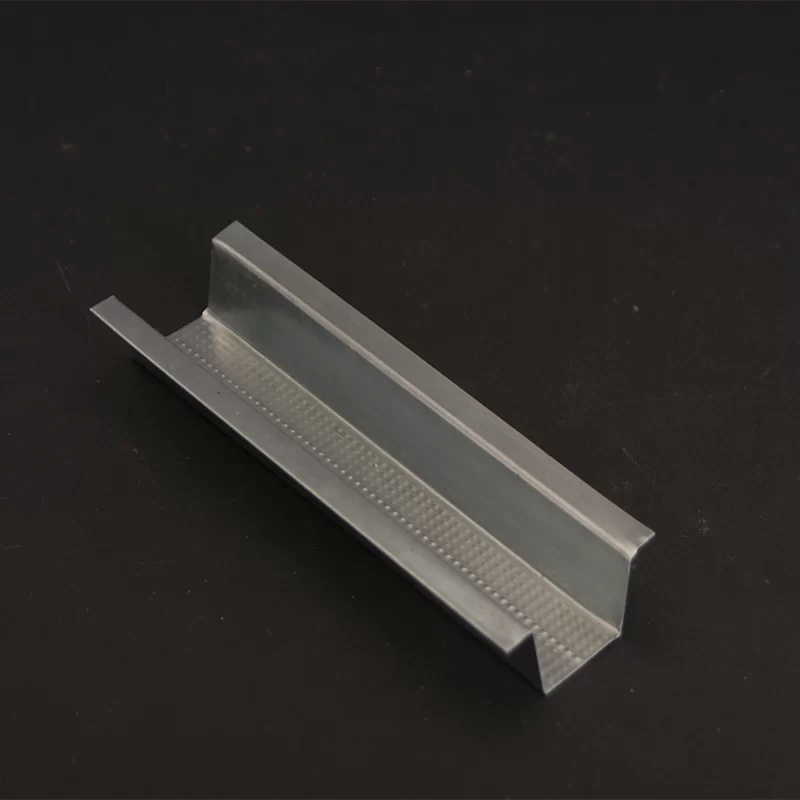
Galvanzed Strong Steel Material DX51D, zinc 120-275g
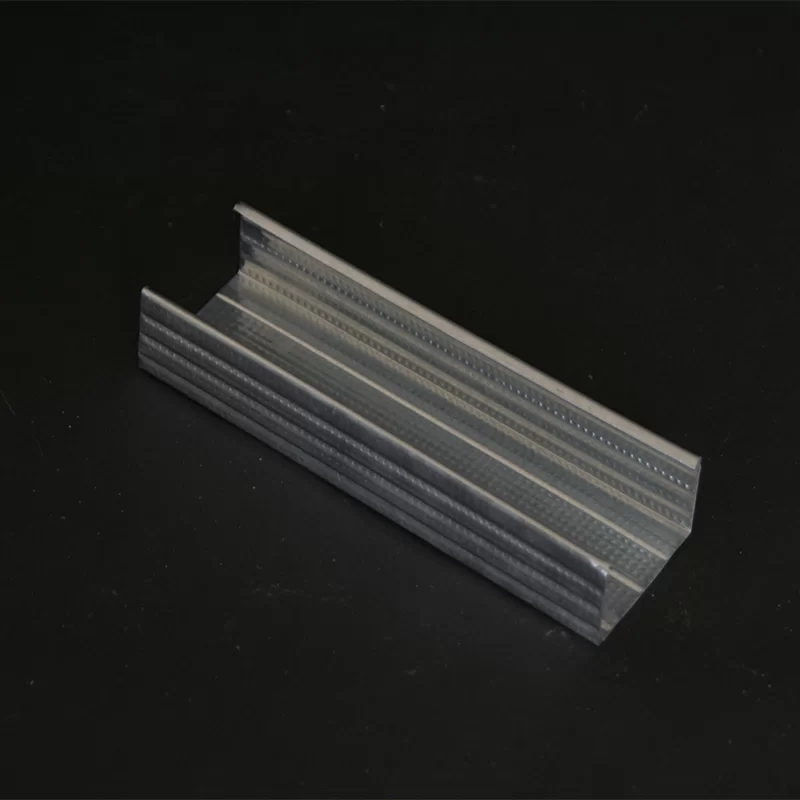
Furring Channel Tracks are fixed to walls to support end of furring channels or battens. They support wall and ceiling framing by providing a strong connection. They can be cut to size on site for more accurate installations and are quick and easy to install.
Size: 30x28mm
Available thickness: BMT 0.50mm
Available length: 3000/3600mm
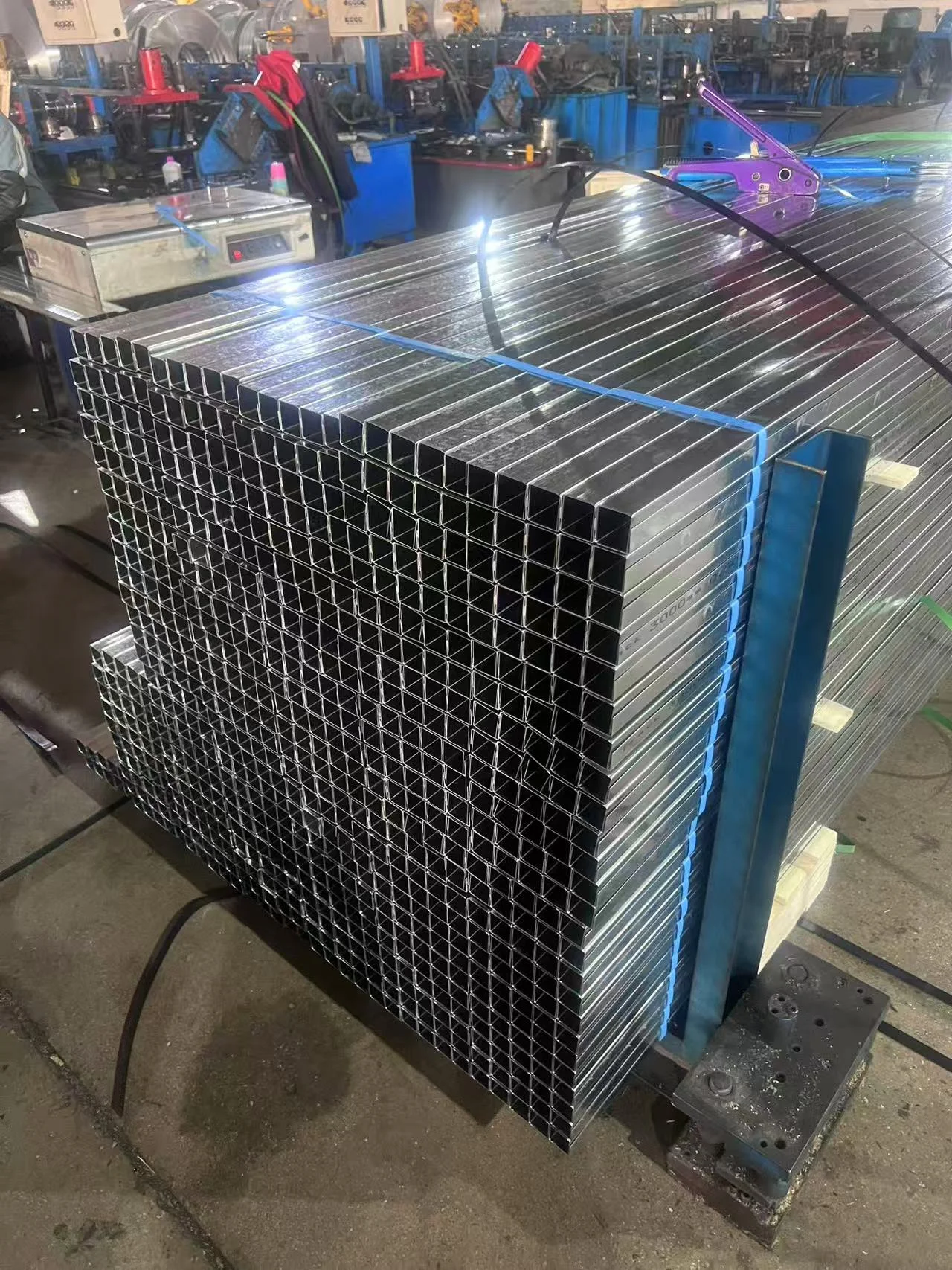
furring channel track 10pcs/bdl
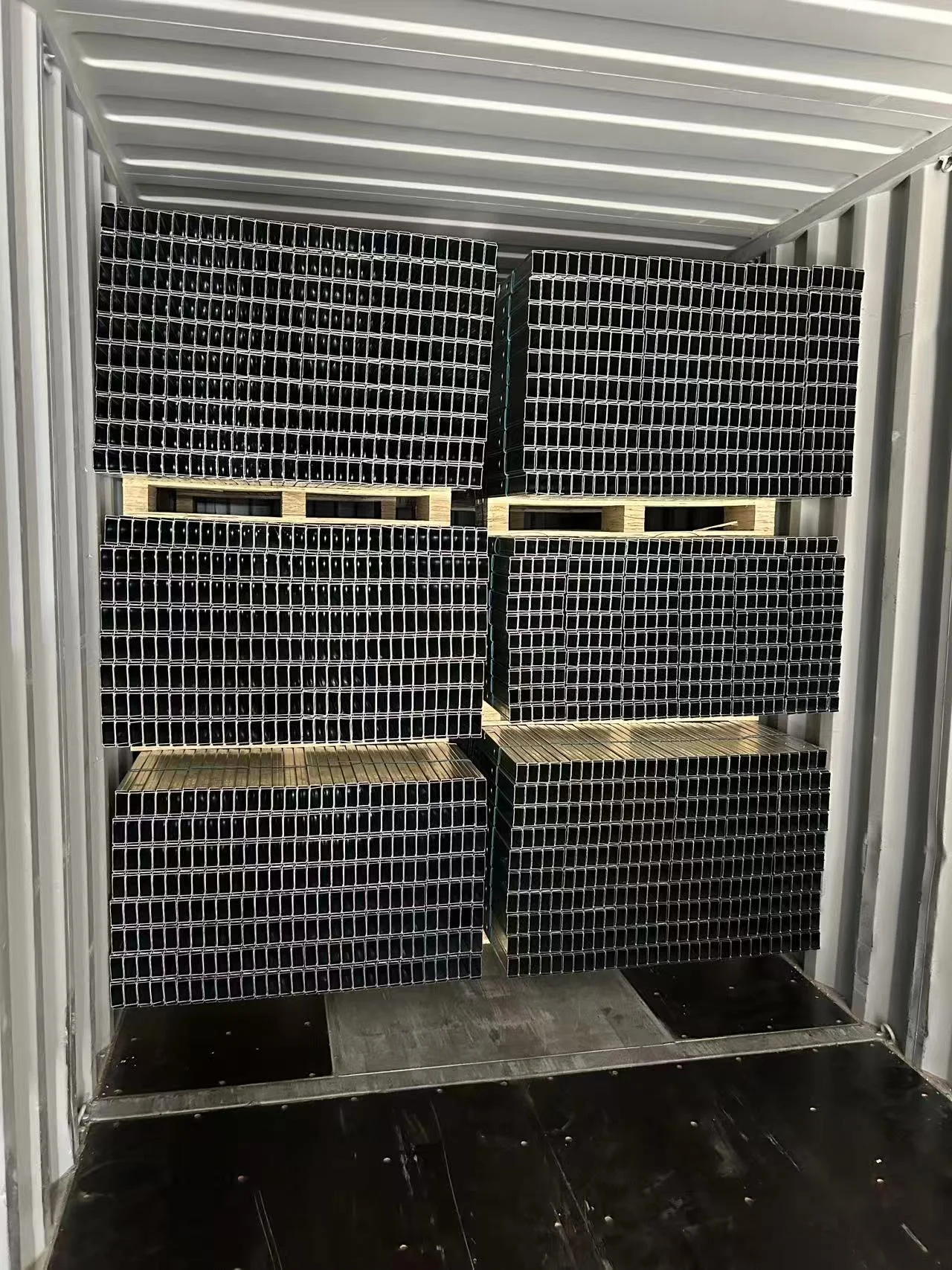
furring channel track loading
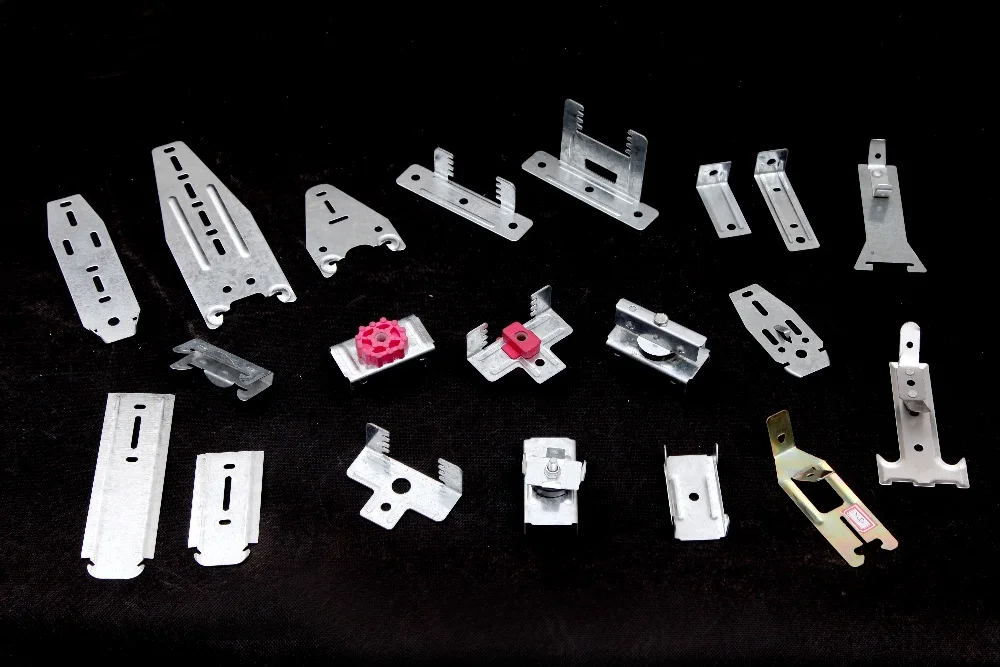
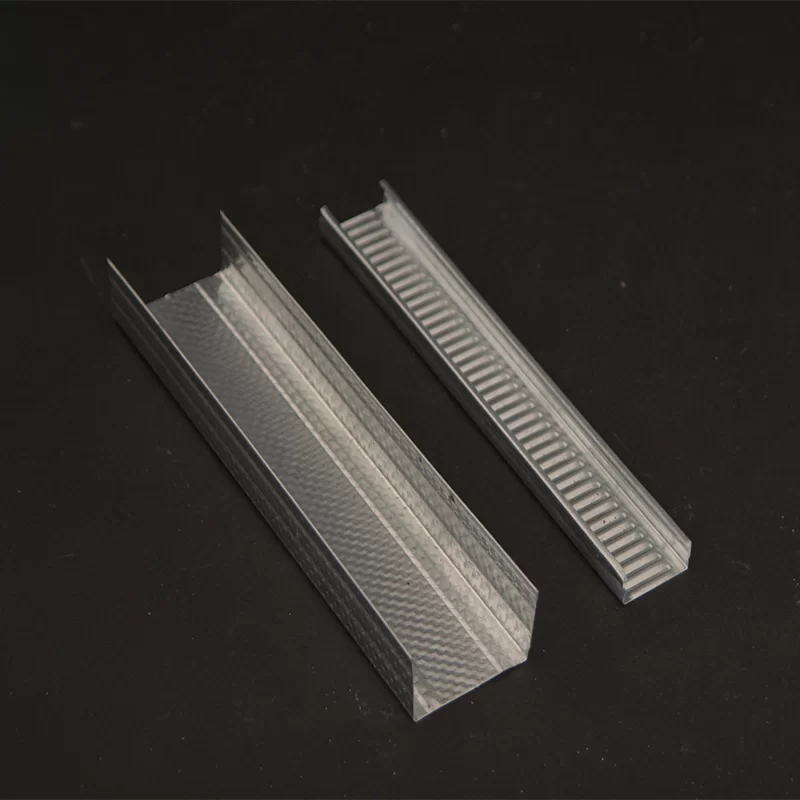
When To Use Furring Channel
A furring channel is a lightweight metal framing component designed to create a smooth, level surface for attaching ceiling boards, wall panels, or other finishing materials. Typically made of galvanized steel or aluminum, it is shaped like a hat or “C” channel and is used to correct uneven surfaces while providing a stable structure for drywall, plasterboard, or decorative panels. Knowing when to use a furring channel ensures strong, long-lasting installations.
Uneven or Irregular Surfaces
Furring channels are ideal when walls or ceilings are uneven, such as in older buildings or renovation projects. They create a uniform plane by bridging gaps and correcting misaligned structural members. This provides a perfectly level substrate for drywall or acoustic panels, resulting in a polished, professional finish.
Suspended or Drop Ceilings
When installing a suspended ceiling system, furring channels help lower the ceiling height and hide plumbing, electrical wiring, or HVAC ducts. Their adjustable hangers allow precise leveling, making them essential in commercial spaces, offices, and basements where access to utilities is required.
Soundproofing and Insulation
Furring channels are frequently used in soundproofing applications. By decoupling drywall from the main framing, they reduce vibration transfer and improve acoustic performance. This makes them valuable for recording studios, theaters, and residential spaces requiring noise control. They also create cavities for adding insulation to improve energy efficiency.
Moisture-Prone or High-Traffic Areas
Galvanized or coated furring channels resist corrosion, making them suitable for bathrooms, kitchens, or coastal constructions. Their lightweight yet strong design supports heavy wall finishes while minimizing structural load.
In summary, use furring channels whenever you need a level installation surface, integrated soundproofing, concealed utilities, or added insulation. Their versatility and durability make them an essential component in both new construction and remodeling projects.
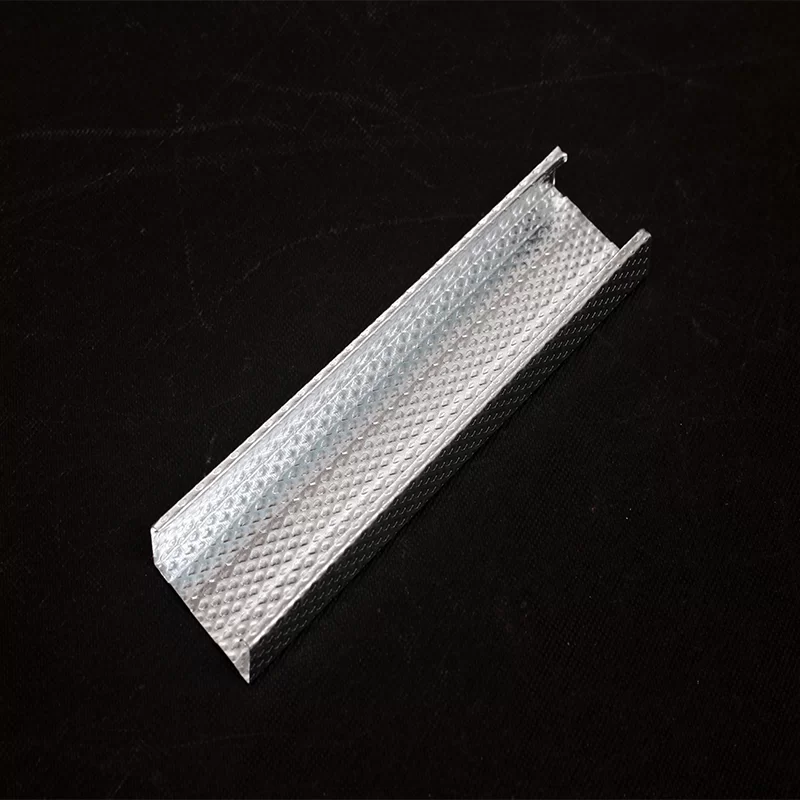
What Is A Furring Channel?
A furring channel is a lightweight metal framing component designed to create a smooth, level surface for attaching wall boards, ceiling panels, or other finishing materials. Typically manufactured from high-quality galvanized steel or aluminum, a furring channel is shaped like a narrow “C” or “hat,” providing strength while remaining easy to handle and install.
Function and Purpose
The primary role of a furring channel is to level uneven surfaces and provide a stable base for drywall, plasterboard, acoustic tiles, or decorative wall panels. By bridging gaps or irregularities in existing walls or ceilings, it ensures a flat, professional finish. Furring channels are also essential in suspended or drop ceiling systems, where they create the framework that supports ceiling panels and conceals wiring, plumbing, or HVAC ducts.
Acoustic and Insulation Benefits
Because furring channels decouple the finished surface from the structural framing, they help reduce sound transmission and vibration, making them ideal for noise-sensitive areas such as offices, studios, and home theaters. The space between the furring channel and the structural wall can also accommodate insulation materials, enhancing thermal efficiency and energy savings.
Durability and Design
Manufactured from corrosion-resistant galvanized steel, furring channels are suitable for high-humidity environments such as bathrooms, kitchens, or coastal buildings. Their lightweight design allows for quick installation with minimal labor, while their strength provides reliable support for various wall and ceiling finishes.
Applications
Furring channels are widely used in residential, commercial, and industrial construction projects. They are compatible with drywall screws, direct-fix clips, or adjustable hangers, allowing flexible installation in both new builds and renovations.
In summary, a furring channel is an essential building component that delivers stability, sound control, and a perfectly level surface, ensuring long-lasting, high-quality wall and ceiling finishes.
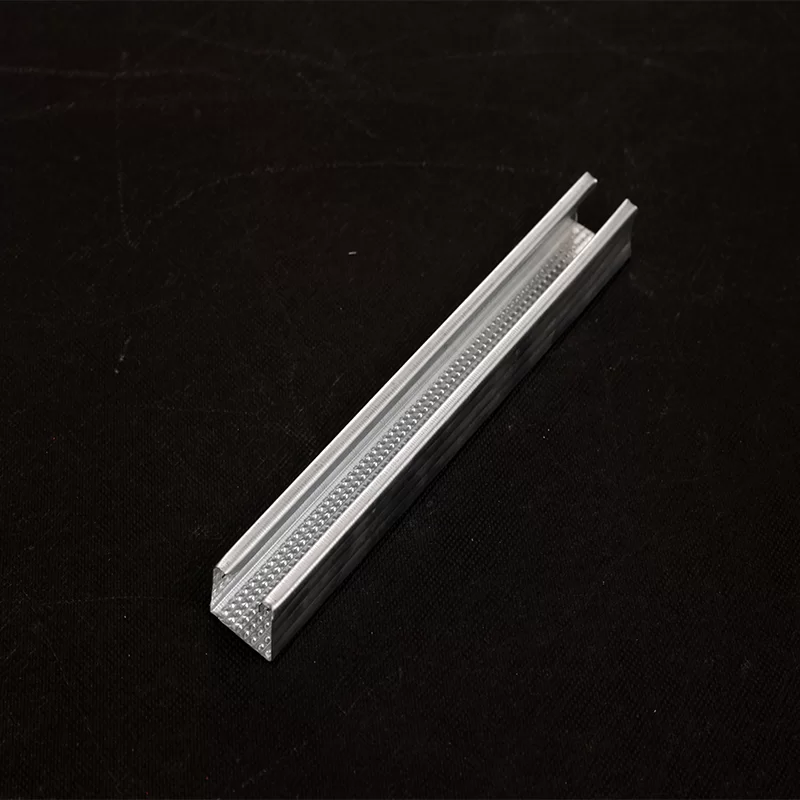
What Are Furring Channels?
Furring channels are specialized metal framing components widely used in modern construction to create a stable, level surface for attaching wall panels, ceiling boards, or other finishing materials. Typically made from galvanized steel or aluminum, these channels are lightweight yet strong, with a distinctive “C” or hat-shaped profile that allows them to support various finishes while remaining easy to handle and install.
Primary Function
The main function of furring channels is to level uneven walls or ceilings. In older buildings or renovation projects, structural surfaces may be irregular, warped, or rough. Installing furring channels provides a straight, flat substrate for drywall, plasterboard, acoustic panels, or decorative finishes. This ensures a professional, clean look and prevents future issues such as cracks or misalignment.
Applications in Ceilings and Walls
Furring channels are essential in suspended or drop ceiling systems, where they create the framework to support ceiling tiles while concealing wiring, plumbing, or HVAC ducts. They also provide spacing for insulation and acoustic materials, improving soundproofing and thermal efficiency in residential, commercial, or industrial spaces. By decoupling the finish material from the structural frame, furring channels help reduce vibration and noise transmission.
Durability and Advantages
Galvanized or coated furring channels are corrosion-resistant, making them suitable for humid environments such as bathrooms, kitchens, or coastal areas. Their lightweight design simplifies transportation and installation, reducing labor and construction time. Despite their lightness, they provide reliable support for heavy panels, lighting fixtures, and ceiling components.
Conclusion
In summary, furring channels are versatile, durable, and practical construction elements that improve the flatness, stability, and functionality of walls and ceilings. Their ability to support various finishes, enhance acoustic and thermal performance, and allow easy installation makes them an indispensable component in both new construction and renovation projects.