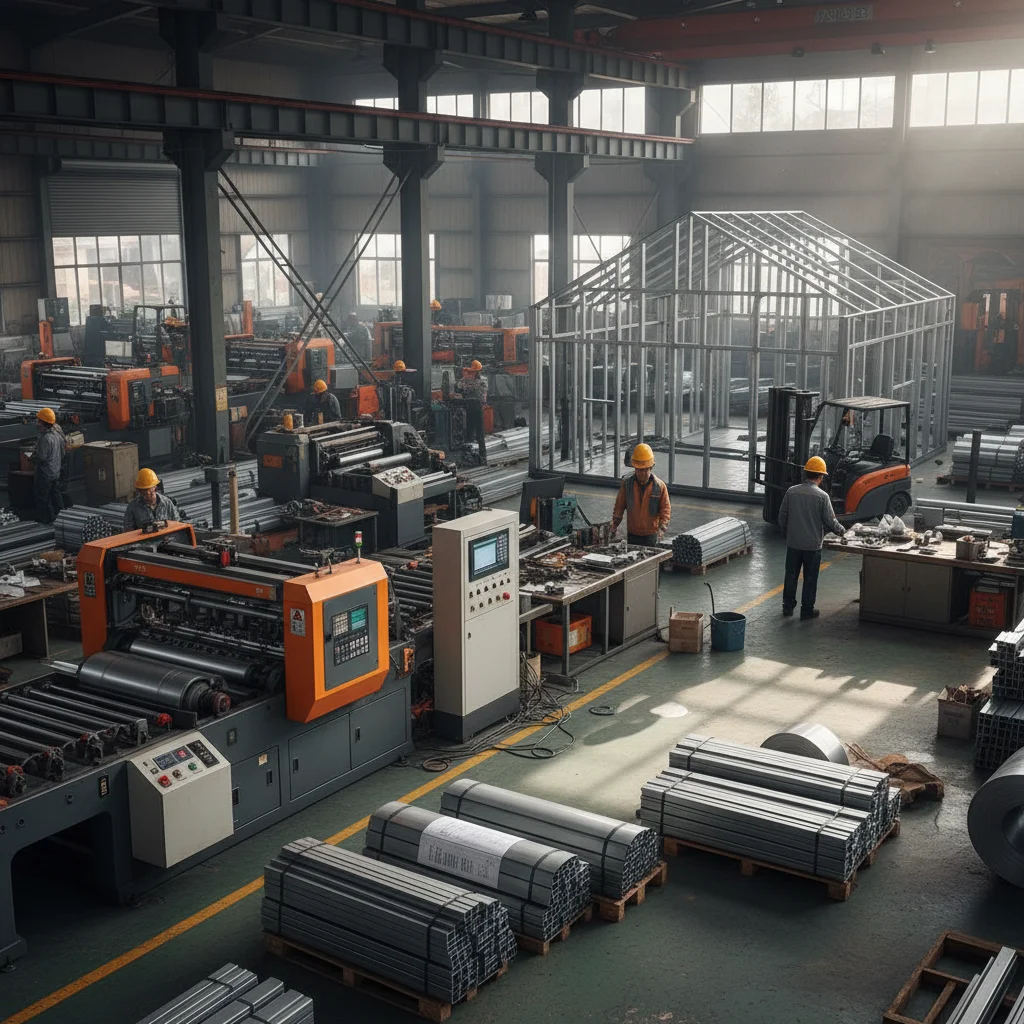
Light gauge steel modular construction is rapidly transforming the building industry, offering a compelling alternative to traditional construction methods. This innovative approach leverages the strength and durability of steel, combined with the efficiency of off-site manufacturing, to deliver high-quality, cost-effective, and sustainable buildings. From disaster relief housing to large-scale commercial developments, its adaptability and speed of deployment are driving its global adoption.
The demand for faster, more sustainable, and affordable housing and infrastructure solutions is escalating worldwide, fueled by population growth, urbanization, and the increasing frequency of natural disasters. light gauge steel modular construction directly addresses these challenges by providing a scalable and resilient building system. Understanding its principles, applications, and future potential is crucial for architects, engineers, developers, and policymakers alike.
This approach isn’t just about speed; it’s about precision, quality control, and minimizing environmental impact. By shifting a significant portion of the construction process to a controlled factory setting, light gauge steel modular construction reduces waste, improves material utilization, and enhances overall project efficiency, contributing to a more sustainable built environment.
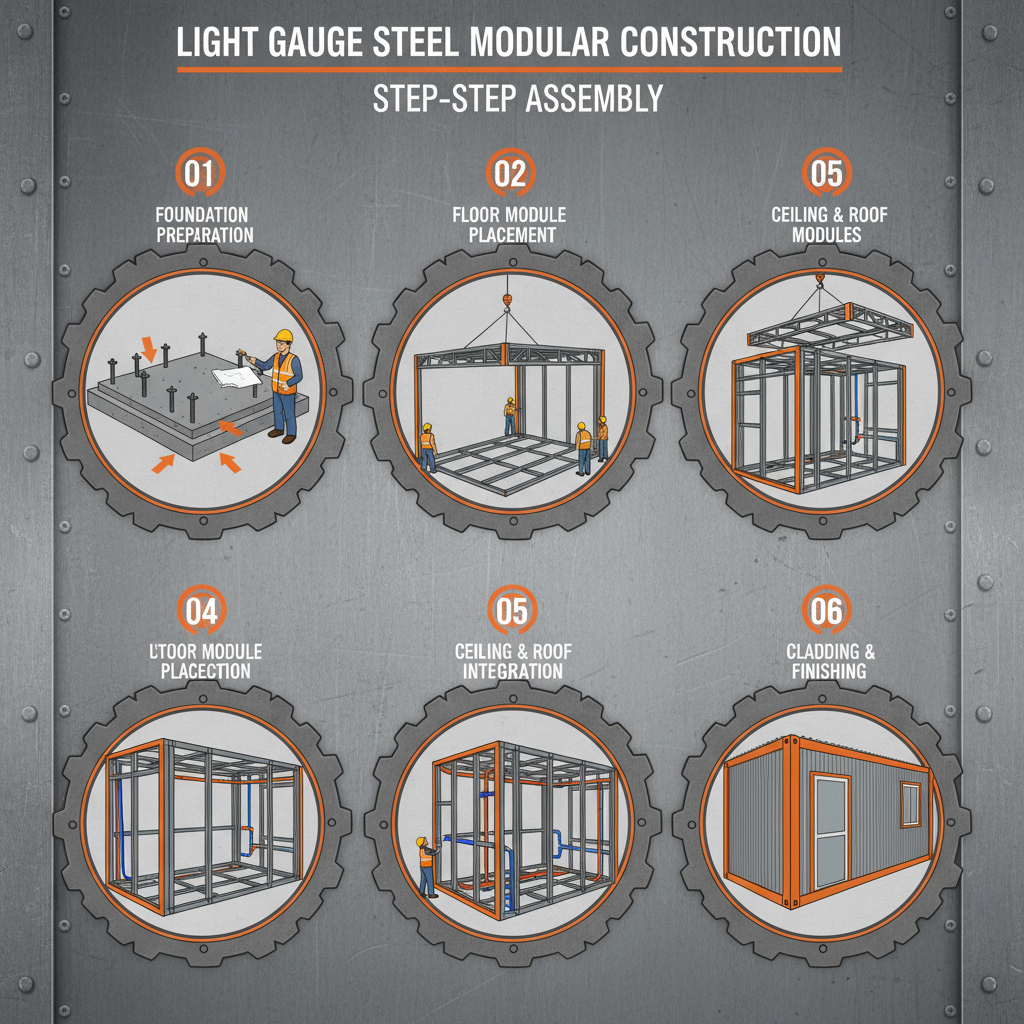
Introduction to Light Gauge Steel Modular Construction
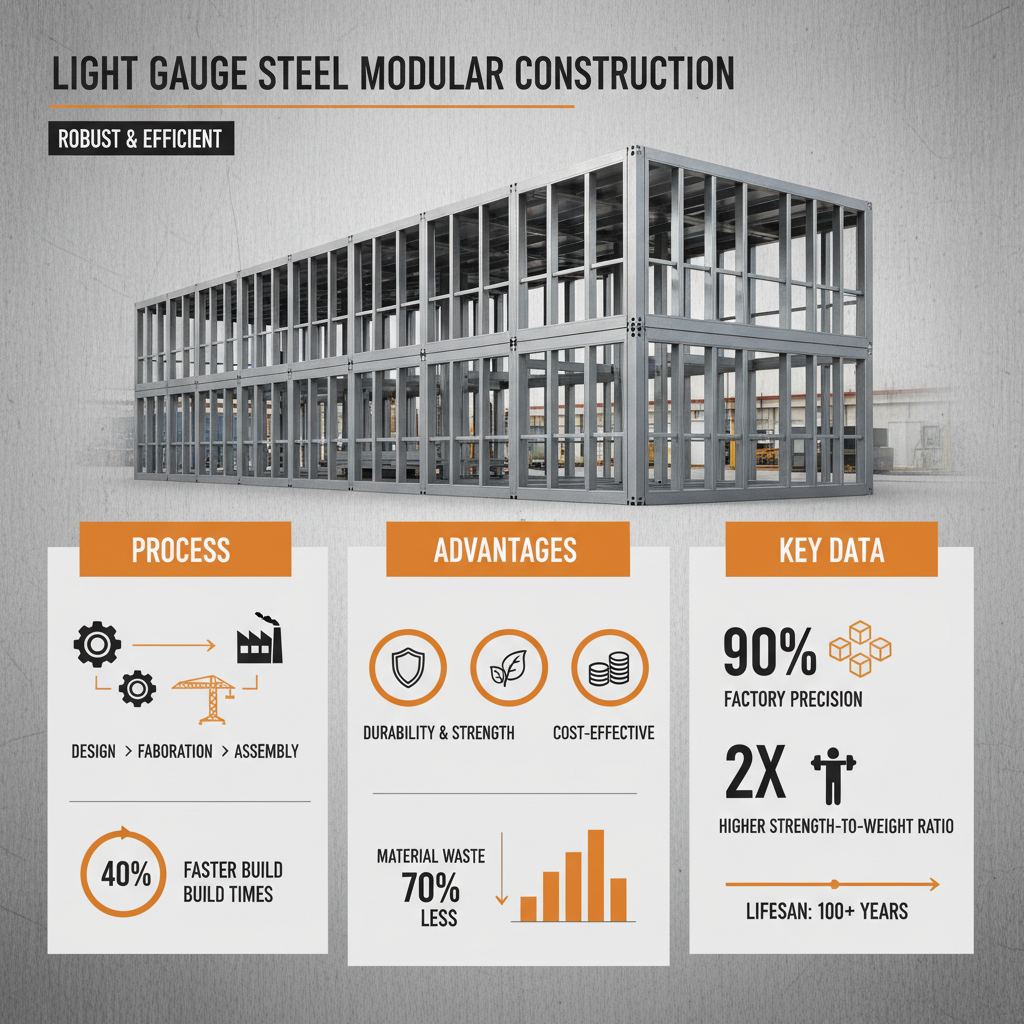
The core principle of light gauge steel modular construction lies in creating building components – modules – in a controlled factory environment. These modules, constructed with high-strength light gauge steel framing, are then transported to the building site for assembly. This process drastically reduces on-site construction time, minimizes disruption, and ensures consistent quality.
This method isn't limited to residential buildings; it’s applicable to a wide range of structures, including schools, healthcare facilities, commercial offices, and even emergency shelters. The inherent flexibility and adaptability of light gauge steel framing allow for diverse architectural designs and structural configurations, making it a viable solution for various building needs.
Global Relevance and Industry Context
The global construction industry is facing immense pressure to deliver more with less. According to a 2023 report by the UN, the world needs to build 100 million affordable housing units by 2030 to meet the growing urban population. Traditional construction methods often fall short in addressing this demand due to their time-consuming nature, high costs, and environmental impact. light gauge steel modular construction provides a scalable and efficient solution.
Furthermore, the World Bank estimates that the infrastructure gap in developing countries will reach $1.5 trillion annually by 2030. Modular construction, with its inherent speed and cost-effectiveness, can play a vital role in bridging this gap. ISO standards for modular construction are also gaining traction, promoting interoperability and quality control across international projects.
A significant challenge facing the construction industry is its substantial contribution to global carbon emissions. Light gauge steel is a highly recyclable material, and the precision manufacturing of modular components minimizes waste, making this construction method a more sustainable option compared to conventional building practices.
Defining Light Gauge Steel Modular Construction
Light gauge steel modular construction is a construction technique that involves prefabricating building modules off-site in a factory setting and then transporting and assembling them on the final building site. Unlike traditional stick-built construction, a significant portion of the work is completed in a controlled environment, leading to increased efficiency and quality.
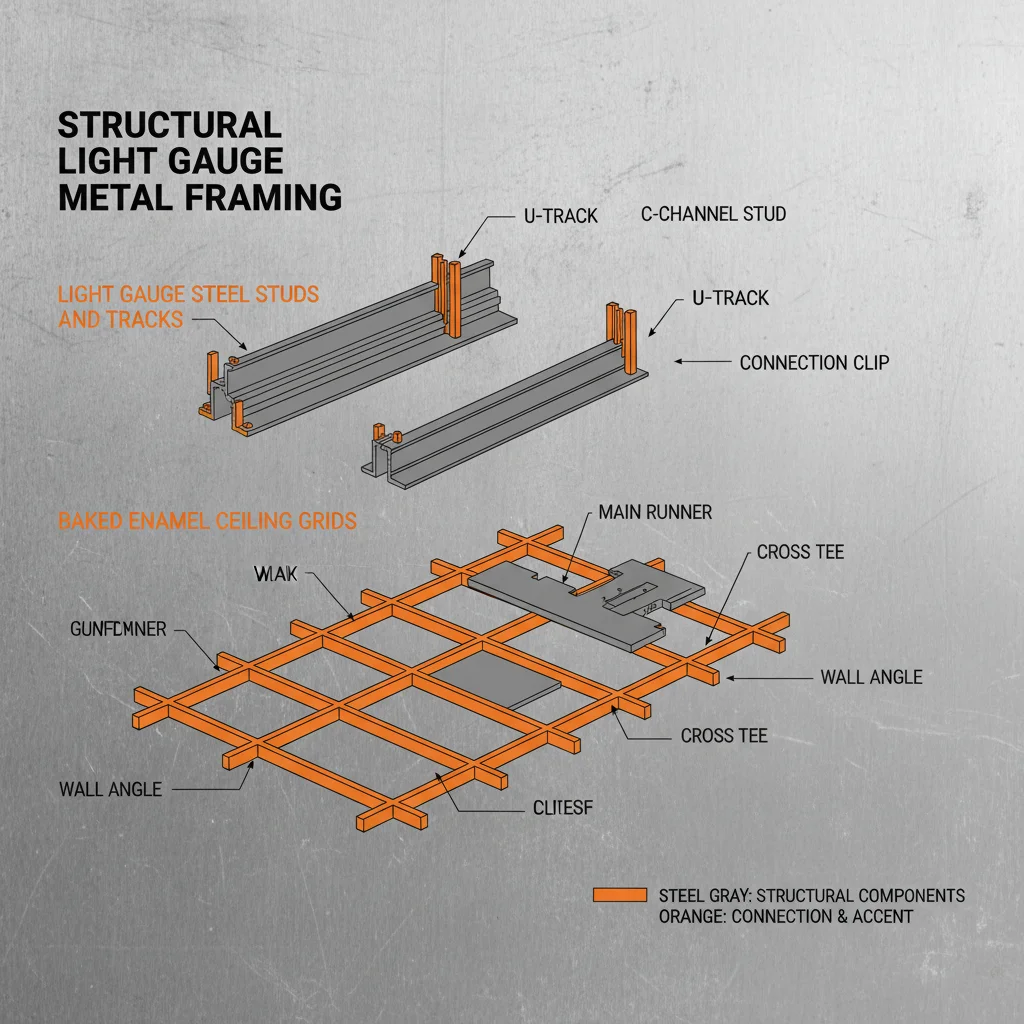
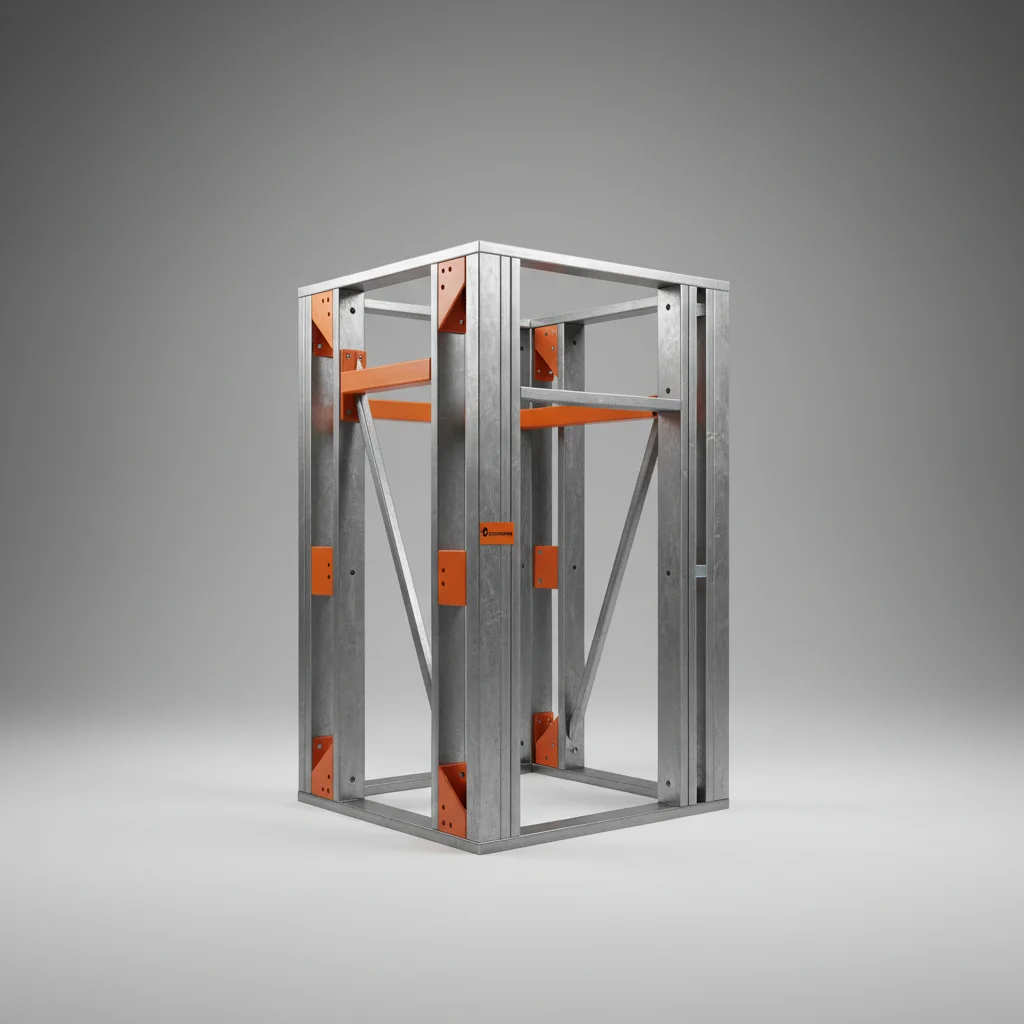
The “light gauge” aspect refers to the steel’s thickness – typically ranging from 12 to 16 gauge. Despite its lighter weight, this steel possesses exceptional strength-to-weight ratio, making it an ideal material for framing modular structures. It's also naturally resistant to fire, pests, and mold, adding to the long-term durability of the building.
This approach is increasingly important in addressing both modern industrial needs and humanitarian emergencies. It offers a rapid deployment solution for temporary shelters, field hospitals, and disaster relief housing, as well as a sustainable and efficient method for building permanent infrastructure in both developed and developing nations.
Key Factors & Core Components
Several key factors contribute to the success and growing popularity of light gauge steel modular construction. Firstly, Durability is paramount. Light gauge steel is inherently strong and resistant to environmental factors, ensuring long-lasting structures with minimal maintenance. Secondly, Scalability is a major advantage. Modules can be easily added or removed to accommodate changing needs, offering flexibility in building design and expansion.
Cost Efficiency is another significant benefit. Off-site manufacturing reduces labor costs, minimizes material waste, and speeds up project completion, resulting in substantial savings. Furthermore, Sustainability is embedded in the process. Light gauge steel is highly recyclable, and modular construction generates less waste compared to traditional methods. Finally, Design Flexibility allows architects to create diverse and innovative designs, catering to a wide range of aesthetic preferences. Speed of Construction is a critical factor, significantly reducing project timelines.
Module Assembly Time Comparison
Global Applications & Use Cases
Light gauge steel modular construction is being deployed across the globe in a diverse range of applications. In post-disaster relief operations, these modules provide rapid and comfortable shelter for displaced populations. Organizations like the Red Cross are increasingly utilizing modular housing for emergency response efforts, offering a quicker and more dignified solution than traditional tents.
In remote industrial zones, such as mining camps and oil fields, modular construction offers a practical solution for providing worker accommodations. The speed of deployment and ease of transportation make it ideal for these locations. Furthermore, modular buildings are being utilized in healthcare, with hospitals and clinics being constructed quickly and efficiently to address critical healthcare needs.
Advantages & Long-Term Value
The advantages of light gauge steel modular construction extend beyond just cost and speed. The tangible benefits include reduced construction waste, improved material utilization, and lower long-term maintenance costs due to the inherent durability of steel. The precision manufacturing process ensures higher quality control, minimizing potential defects and ensuring building longevity.
From a social impact perspective, modular construction offers a more dignified housing solution for those in need, providing safe, comfortable, and sustainable living spaces. The innovative nature of this approach fosters trust and confidence in the building process, and its sustainable practices align with a growing global demand for environmentally responsible construction.
Future Trends & Innovations
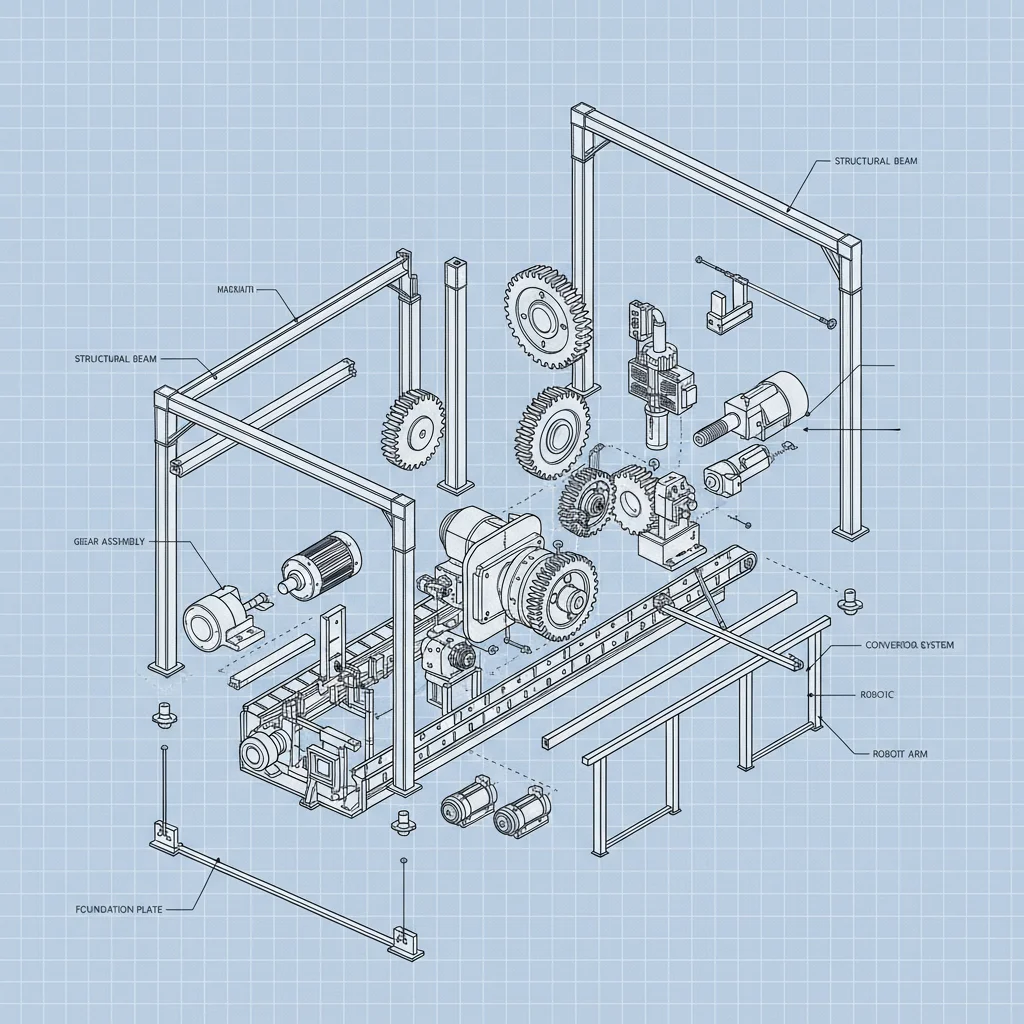
The future of light gauge steel modular construction is brimming with exciting possibilities. Integration with Building Information Modeling (BIM) and digital twins will further enhance design accuracy, coordination, and project management. Automation and robotics in the manufacturing process will drive down costs and increase production efficiency.
The increasing focus on green energy and sustainability will drive the development of more environmentally friendly materials and construction practices. Combining modular construction with renewable energy technologies, such as solar panels and rainwater harvesting systems, will create truly sustainable and self-sufficient buildings.
We're also seeing advancements in modular design, with the development of more complex and customizable modules that can accommodate a wider range of architectural styles and building requirements. This will further expand the applicability of modular construction to diverse projects.
FAQS
Light gauge steel modular construction offers several advantages including faster project completion, reduced construction costs, improved quality control through factory production, and enhanced sustainability due to material efficiency and reduced waste. The process minimizes on-site disruption and allows for greater design flexibility, adapting to various project needs more efficiently than traditional methods.
Light gauge steel is known for its high strength-to-weight ratio and inherent resistance to fire, pests, and mold. Modular construction employing light gauge steel often exceeds the durability standards of traditionally built structures. Precise manufacturing and quality control within a factory setting further contribute to enhanced longevity and reduced maintenance requirements, ensuring a robust and reliable building.
Yes, light gauge steel modular construction is adaptable to various climates and geographical locations. Steel's inherent properties provide resilience against extreme weather conditions. Modular designs can be engineered to withstand high winds, seismic activity, and varying temperatures. Proper insulation and cladding materials can be incorporated to enhance energy efficiency and climate control for specific regions.
Permitting and regulatory requirements for modular construction vary by location, but generally align with local building codes. Most jurisdictions now have established pathways for approving modular buildings, often requiring inspections at the manufacturing facility and final on-site assembly. It's essential to engage with local authorities early in the project to ensure compliance with all applicable regulations.
Light gauge steel is a highly recyclable material, reducing the environmental impact of construction. Modular construction minimizes material waste through precise manufacturing and optimized material utilization. The off-site process reduces on-site pollution and disturbance, and the faster build times lower the project's carbon footprint. These factors contribute to a more sustainable built environment.
A building constructed using light gauge steel modular construction can have a lifespan comparable to, and often exceeding, that of traditionally built structures. With proper maintenance and adherence to building codes, these buildings can realistically last for 50-100 years or more. The durability of steel and the quality control inherent in the modular process contribute to its long-term reliability.
Conclusion
Light gauge steel modular construction represents a paradigm shift in the building industry, offering a compelling blend of speed, cost-effectiveness, sustainability, and quality. Its ability to address pressing global challenges – from housing shortages and disaster relief to infrastructure development – makes it an increasingly important solution for the future. The benefits span across economic, social, and environmental dimensions, driving its adoption worldwide.
As technology continues to advance and building codes evolve, we can expect further innovations in modular design and manufacturing processes. Embracing light gauge steel modular construction isn't just about building faster; it's about building smarter, more sustainably, and creating a better future for generations to come. Learn more about how we are leading the way at Jinka IBM.