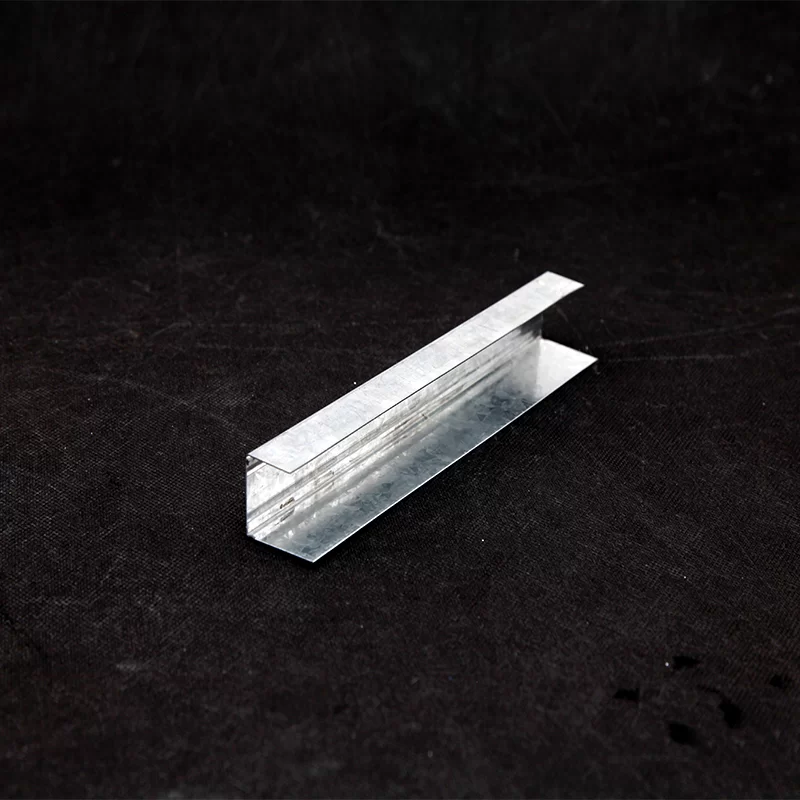
Premium prefabricated light gauge steel building Solutions for South Korea

Premium prefabricated light gauge steel building Solutions for South Korea

Advancing South Korean urban infrastructure with high-precision structural engineering and sustainable metal framing systems tailored for seismic resilience.

Premium prefabricated light gauge steel building Solutions for South Korea

Integrating advanced metallurgical standards with rapid assembly techniques to deliver high-performance structural solutions across the Korean Peninsula.

Current Landscape of Metal Construction in South Korea

Analyzing the shift towards modularity in the Asia-Pacific hub

South Korea's construction industry is currently navigating a transition from traditional reinforced concrete to high-efficiency structural light gauge metal framing. Due to the high density of urban areas like Seoul and Busan, there is an urgent demand for materials that reduce onsite waste and accelerate project timelines without compromising structural integrity.

The local market is particularly sensitive to seismic activity and strict energy efficiency ratings. This has led to an increased adoption of precise metal framing gauges that ensure exact tolerances for insulation fitting, reducing thermal bridging in the harsh winters of the northern provinces.

Furthermore, the rising cost of labor in South Korea is driving the industry toward off-site manufacturing. The integration of automated rolling technology allows for a seamless transition from architectural BIM models to physical lightweight steel frame building components, optimizing the supply chain from factory to site.
Evolution and Technical Trajectory of Steel Framing

From basic partition supports to sophisticated load-bearing systems

Market Development History

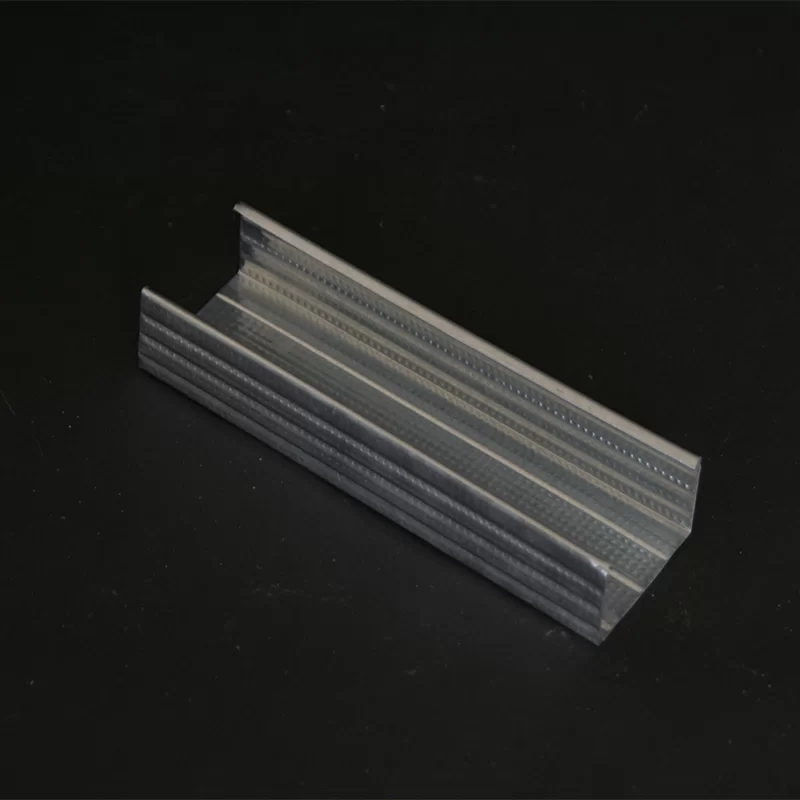
In the late 20th century, the Korean market primarily utilized steel for heavy industrial frames, while interior walls relied on basic steel stud gauge options used only for non-load-bearing partitions.

Between 2010 and 2020, a technical shift occurred as South Korea adopted international Cold-Formed Steel (CFS) standards. This period saw the introduction of high-tensile alloys and galvanized coatings specifically designed to resist the corrosive salt-mist environments of Korea's extensive coastline.

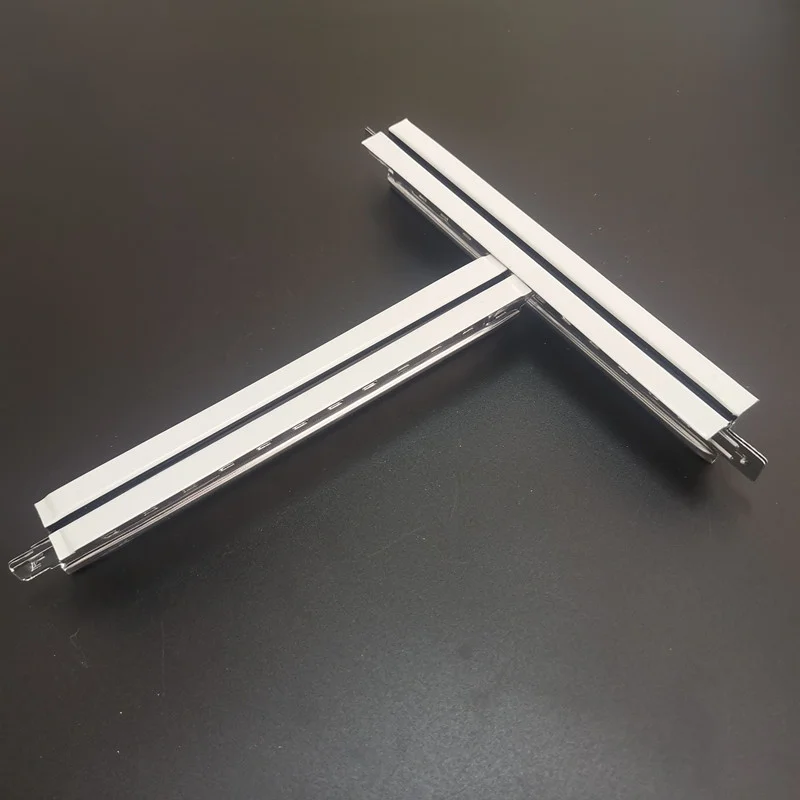
Today, the industry has evolved into a fully digitized ecosystem where structural analysis software dictates the exact metal framing gauges required for each specific member, ensuring maximum material efficiency and minimum weight.

Future Development Trends

AI-Driven Design Optimization

Integration of generative design to optimize member placement, reducing steel consumption while maintaining strict Korean building code compliance.

Hybrid Material Integration

The emergence of hybrid systems combining light gauge steel with cross-laminated timber (CLT) to meet carbon-neutral targets by 2050.

Automated Robotic Assembly

Transitioning from manual fastening to robotic assembly lines to counter the shrinking workforce in the South Korean construction sector.

Industry Outlook and Future Projections

Strategic forecasting for the next 3-5 years in South Korea

Net-Zero Construction
Shift towards recyclable steel frames to meet the "Green New Deal" objectives of the South Korean government.
Hyper-Modularization
Transitioning from simple framing to volumetric pods for rapid deployment in high-density urban zones.
Seismic Optimization
Development of specialized ductility-enhanced framing to withstand increasing tectonic requirements in Asia.
BIM-to-Factory Integration
Direct API links between architectural software and roll-forming machines for zero-error fabrication.

Industry Outlook

Google search trends in the region indicate a surging interest in "sustainable modular housing" and "fast-build commercial spaces." This suggests that the South Korean market is moving away from traditional masonry toward lighter, more flexible steel systems.

We expect the adoption rate of lightweight steel frame building to grow by 15% annually, driven by the need for rapid urbanization and the government's push for industrialized construction methods (ICM).

Localized Application Scenarios in South Korea

Real-world implementation of light gauge steel in diverse Korean environments

1. Seoul Urban Infill Housing

Utilizing precision-engineered frames to maximize living space in extremely narrow urban lots where traditional concrete pouring is logistically impossible.

2. Jeju Island Eco-Resorts

Deploying corrosion-resistant galvanized steel systems that withstand high salinity and humidity while minimizing the ecological footprint on the volcanic landscape.

3. Gyeonggi-do Industrial Warehousing

Rapidly scalable logistics hubs using high-load structural light gauge metal framing for fast deployment of e-commerce distribution centers.

4. Gangwon-do Mountain Retreats

Implementing thermally optimized steel frames designed for extreme temperature fluctuations and heavy snowfall loads in the mountainous regions.

5. Busan Waterfront Commercial Hubs

Using high-gauge prefabricated components for rapid assembly of waterfront pavilions and retail kiosks with superior wind-load resistance.

Brand Story

Global Development Journey of Wenan Jinkai Construction Materials Co., Ltd.

Foundational Engineering

Established with a mission to solve the inefficiency of traditional building frames through precision metallurgical research.

Technological Breakthrough

Developed proprietary roll-forming processes that allow for unprecedented accuracy in steel stud gauge production.

Global Expansion

Expanded operations into the Asia-Pacific region, adapting products to meet the rigorous seismic and environmental standards of South Korea.

Sustainability Pivot

Integrated eco-friendly coatings and recycled steel sourcing to lead the industry toward a circular construction economy.

Future Vision

Striving to be the primary global provider of smart, prefabricated structural systems for the next generation of urban living.

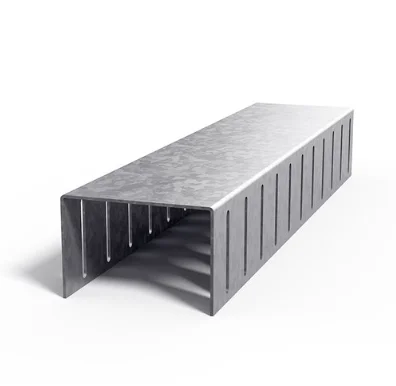
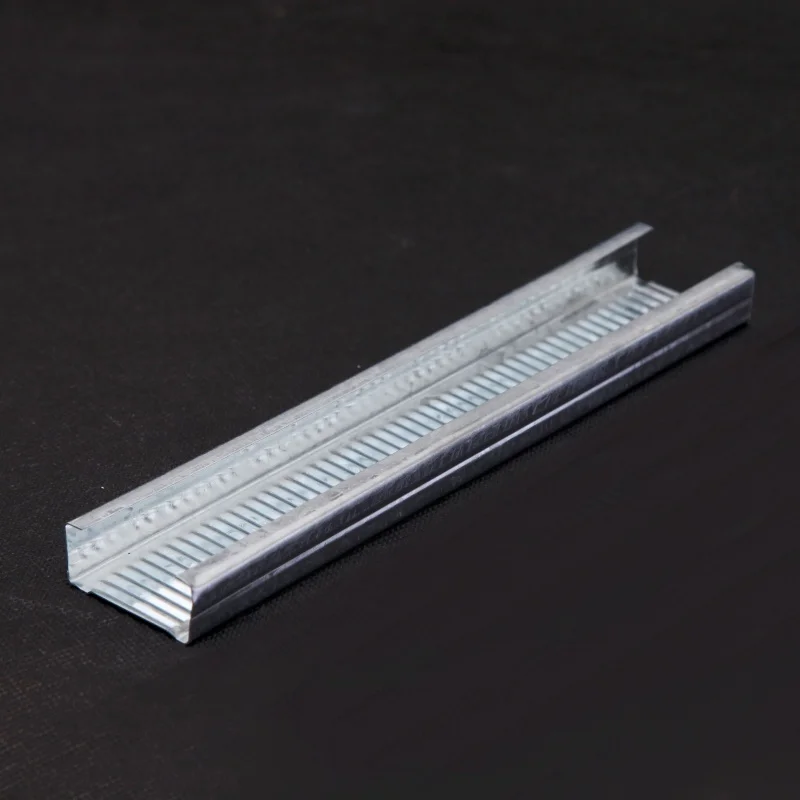
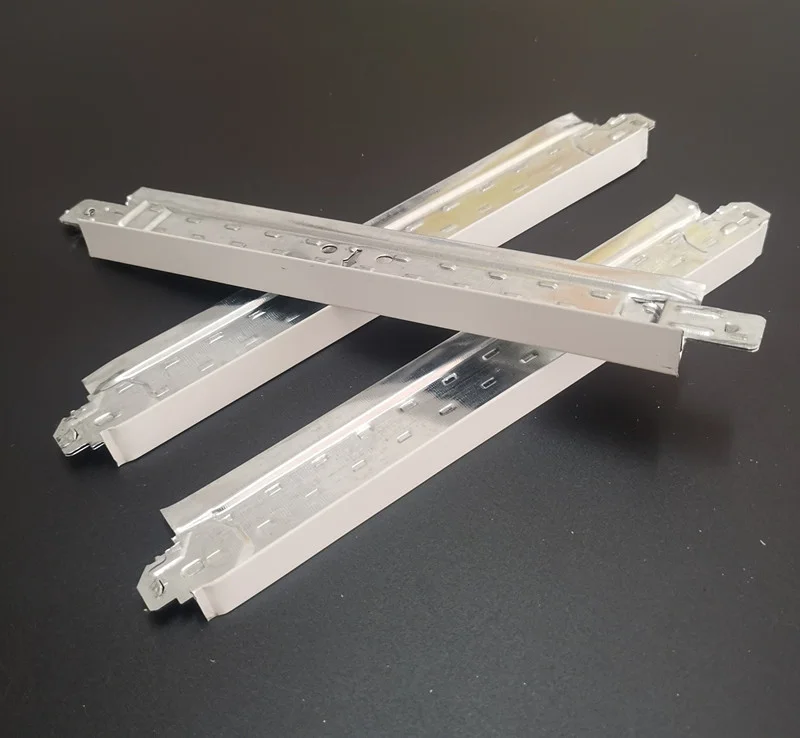
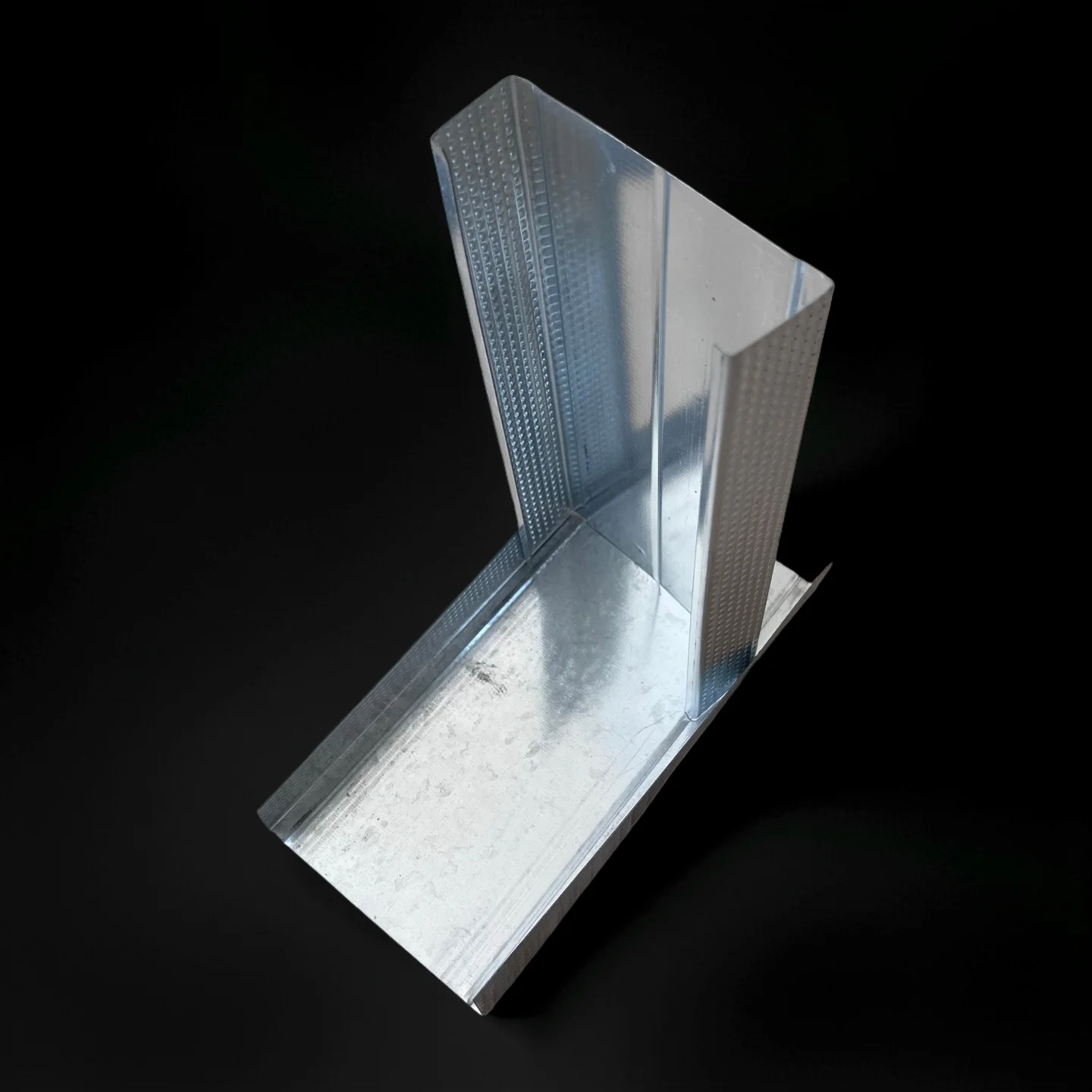
Comprehensive Steel Framing Portfolio for South Korea

High-performance components engineered for Asian construction standards

Common Questions for the South Korean Market

Technical guidance on light gauge steel implementation

How do I choose the correct steel stud gauge for load-bearing walls in Seoul?

Selection depends on the total vertical load and height of the wall. For multi-story urban structures, we recommend using high-tensile structural gauges that comply with the Korean Building Code (KBC).

Are prefabricated light gauge steel building systems resistant to coastal corrosion in Busan?

Yes, our systems utilize Z275 G90 galvanized coatings or optional Alu-Zinc coatings specifically designed to prevent oxidation in high-salinity maritime environments.

What are the standard metal framing gauges used for commercial partitions in Asia?

Common commercial gauges range from 0.6mm to 1.2mm, depending on the required rigidity and the type of cladding material being used.

Can structural light gauge metal framing handle the seismic requirements of the Korean peninsula?

Absolutely. Light gauge steel is inherently flexible and has a high strength-to-weight ratio, making it an ideal choice for seismic-resistant design compared to rigid concrete.

What is the average installation time for a lightweight steel frame building compared to masonry?

Prefabricated steel framing typically reduces the construction timeline by 30% to 50% due to the off-site fabrication and rapid assembly process.

How do I verify the quality of galvanized steel for my South Korean project?

We provide mill test certificates (MTC) for every batch, ensuring that the alloy composition and coating thickness meet ASTM and ISO international standards.

Partner with the Experts in Steel Engineering

Ready to optimize your next construction project in South Korea? Our engineering team is standing by to provide precision-calculated framing solutions.

Contact Us Now

If you are interested in our products, you can choose to leave your information here, and we will be in touch with you shortly.