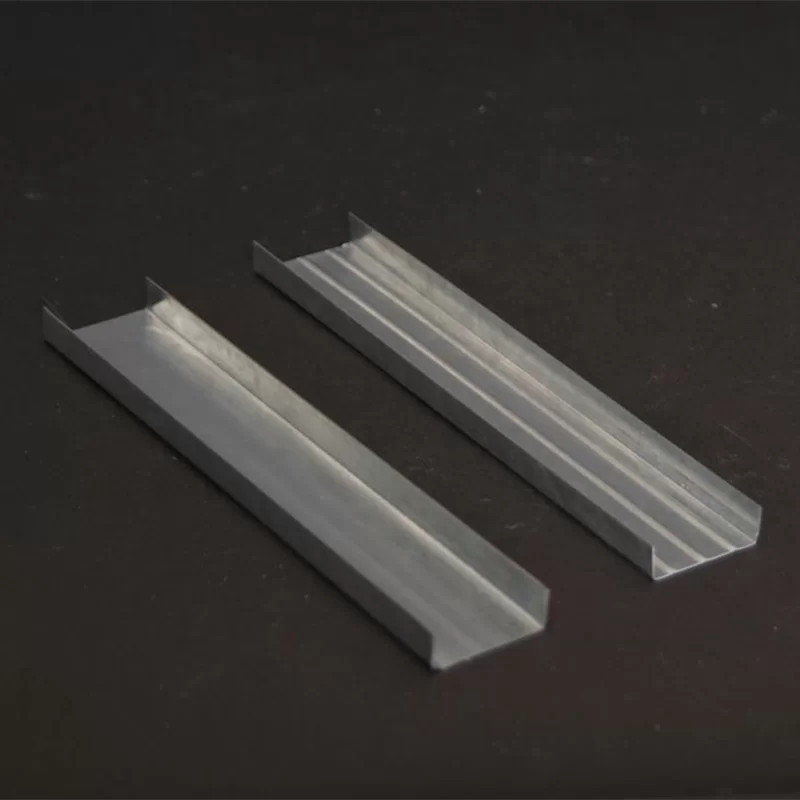
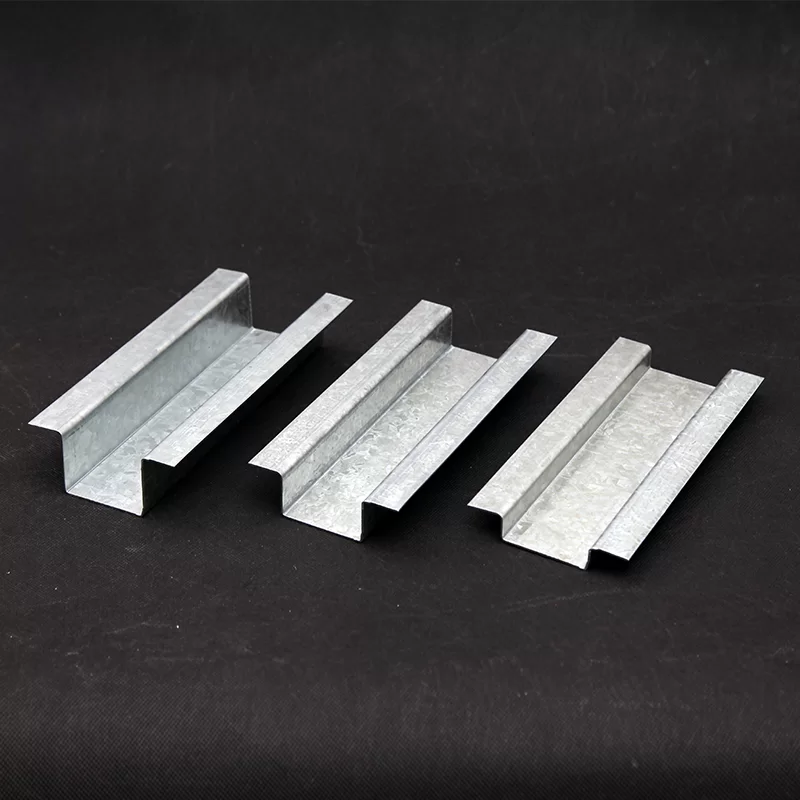
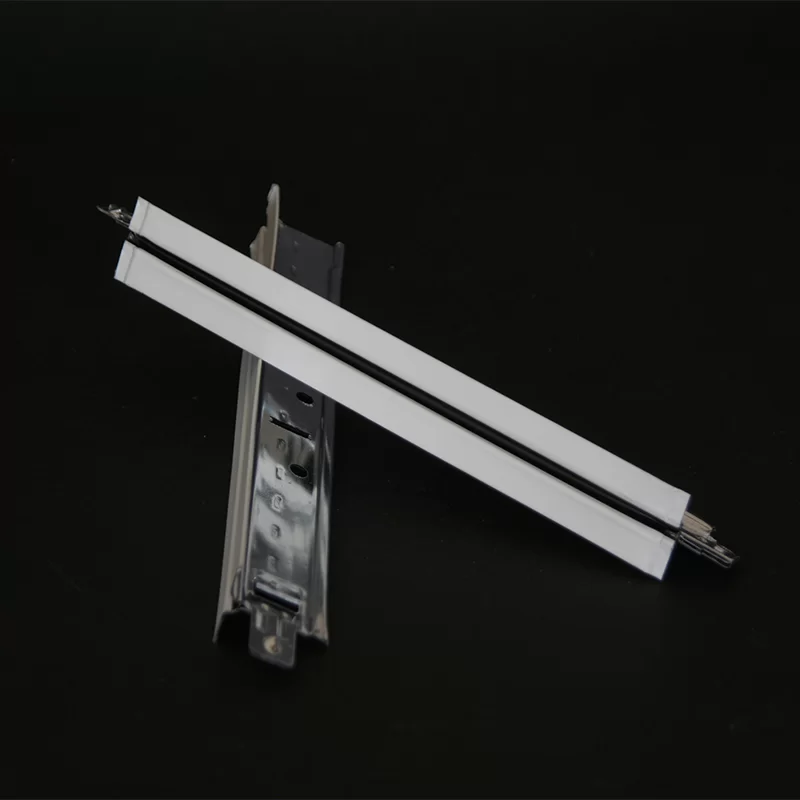
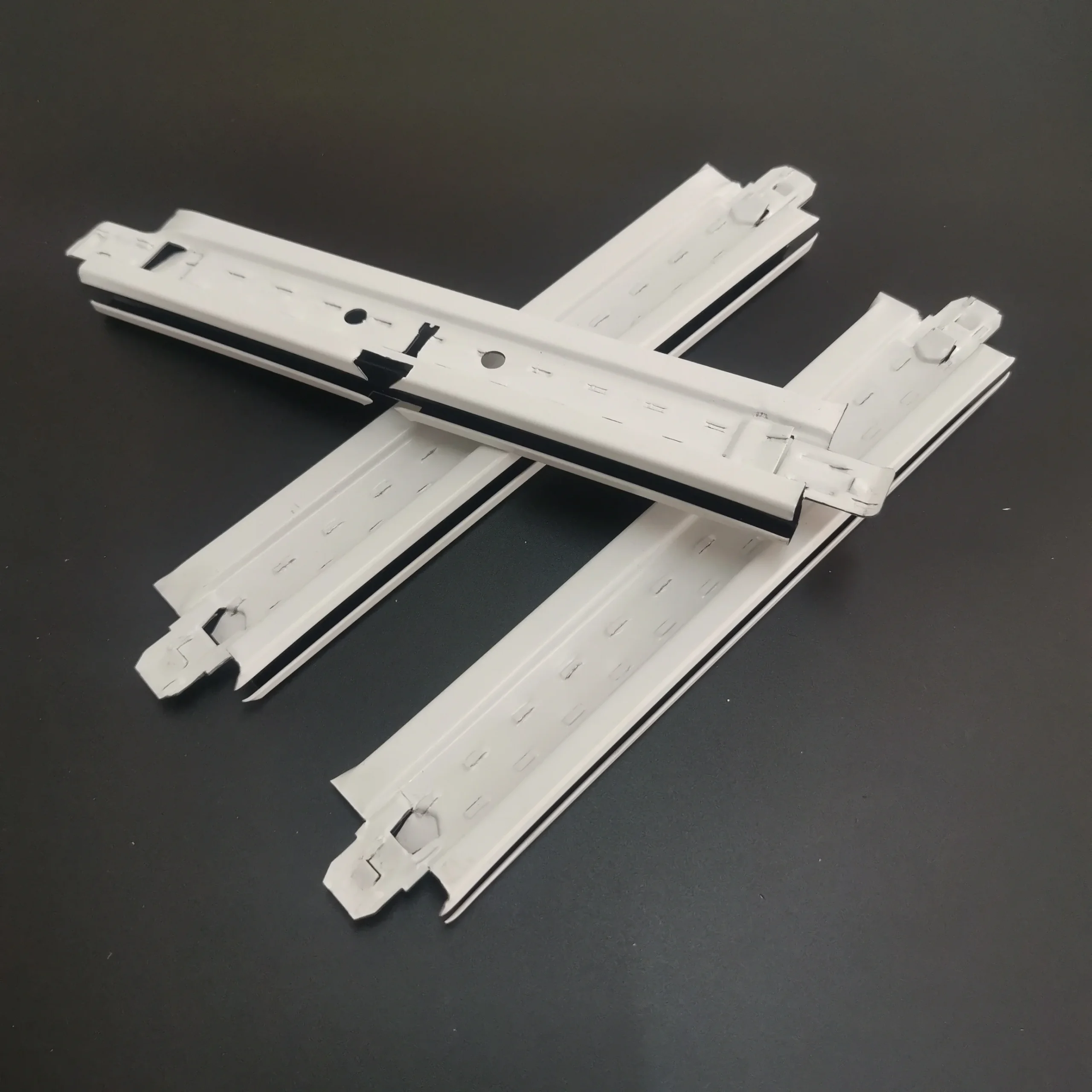
Brazil's construction sector has historically been dominated by reinforced concrete and masonry. However, the demand for rapid urbanization and affordable housing in regions like São Paulo and Rio de Janeiro is driving a pivot toward lightweight steel frame building. The humid subtropical climate requires materials that resist moisture and termites, making galvanized steel a superior alternative to timber.
Currently, the industry faces a critical need for standardization. Many local contractors struggle with inconsistent metal framing gauges, leading to structural inefficiencies. The adoption of international standards is accelerating as the government pushes for sustainable "Green Building" certifications to combat deforestation and reduce construction waste.
Economic volatility in South America has further incentivized the use of prefabricated components. By reducing on-site labor costs and construction timelines, Brazilian developers are increasingly integrating precision-engineered steel studs to meet aggressive project deadlines without compromising structural integrity.