Hit enter to search or ESC to close
Honestly, these days everyone’s talking about prefabrication. Prefab, modular, flat-pack… it's all the rage. Seems like every investor wants a piece of the quick-build pie. But let me tell you, after twenty years on sites, I've seen a lot of "quick" solutions end up costing a fortune in rework. You think you're saving time, but… well, we'll get to that. The demand for light gauge steel framing manufacturers is exploding because everyone needs faster build times, especially with labor shortages. But faster doesn't equal better, you know?
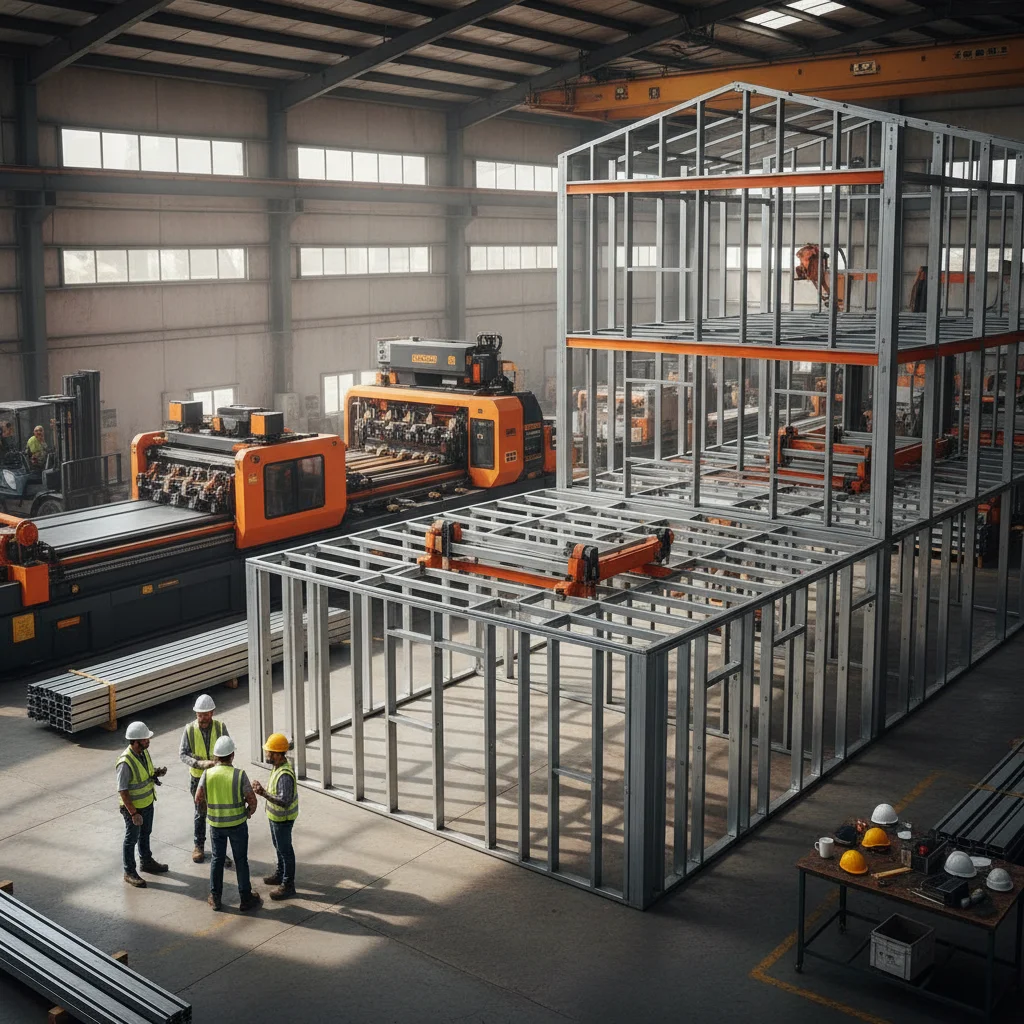
It’s funny, I was at a factory in Tianjin last month, and they were showing off this new automated line for roll-forming. Looked slick, all robots and flashing lights. But have you noticed, the tolerances on some of these machines are…optimistic? They’ll give you a beautiful, shiny frame, but getting everything to line up perfectly on site? That’s where the real work begins. And it's those small misalignments that turn into headaches down the line.
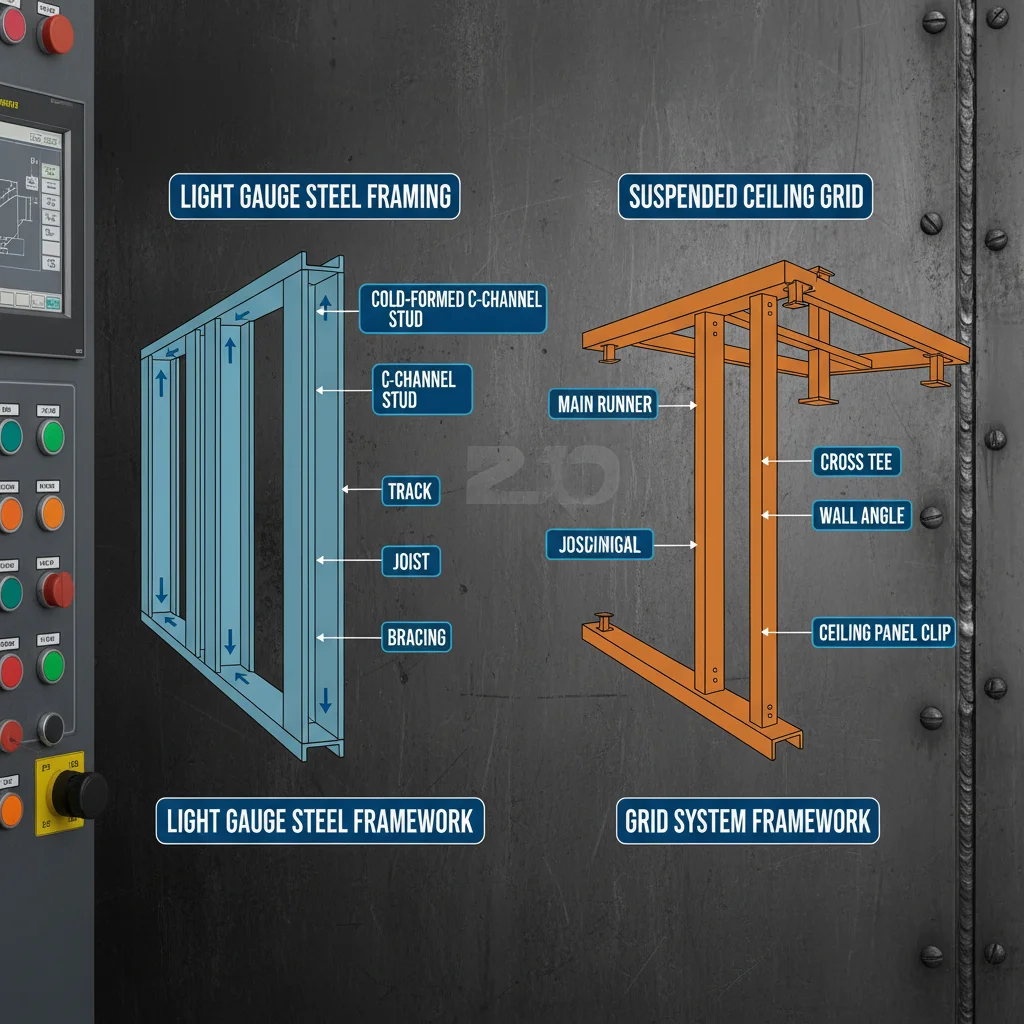
You see, with light gauge steel, it's not just about the steel itself. It's about the coatings, the connections, and the little details. We're mostly dealing with galvanized steel – the smell, you know? That kind of metallic tang. It's a good smell, though, means it's protected. But even galvanized steel needs proper handling. Scratches in the coating, and you’re inviting corrosion. And then there’s the screws… oh, the screws. Self-drilling screws are supposed to make life easier, right? Not always. I've seen them snap under pressure more times than I care to remember.
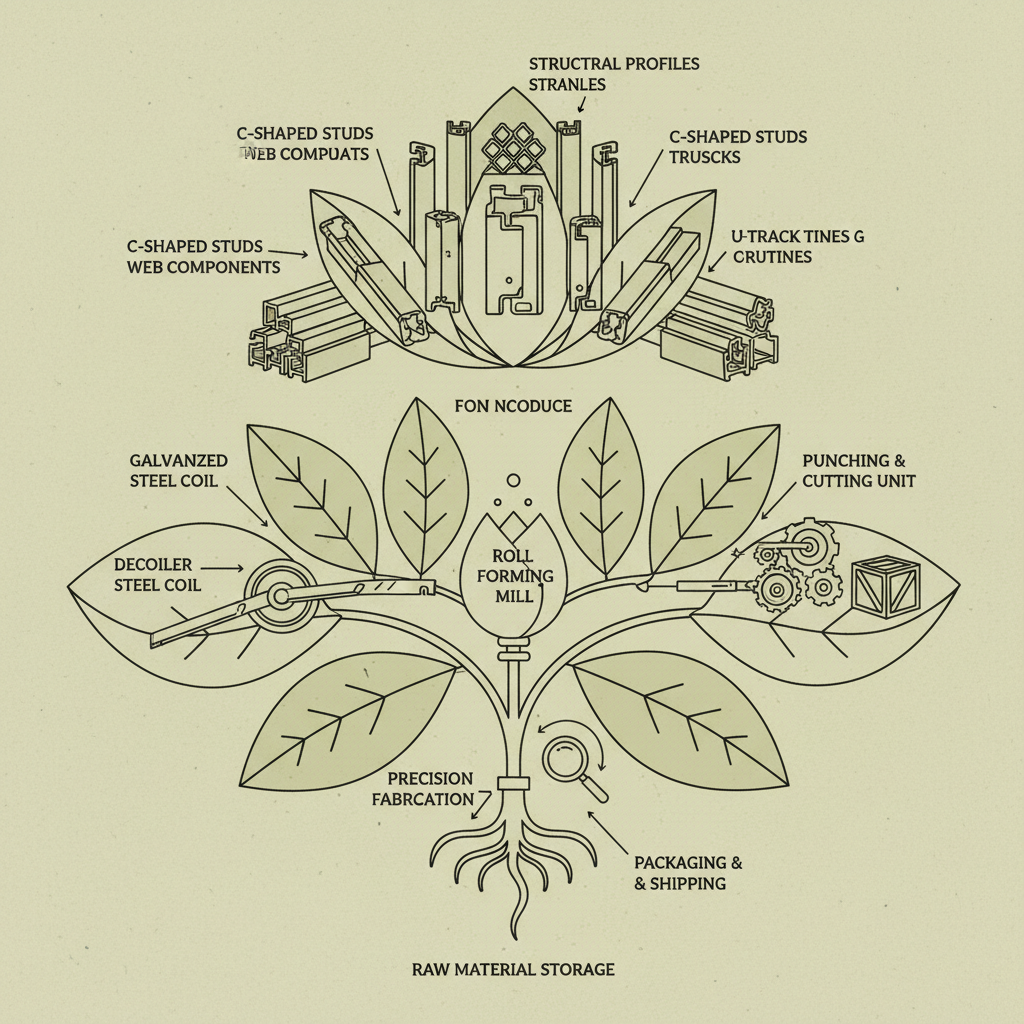
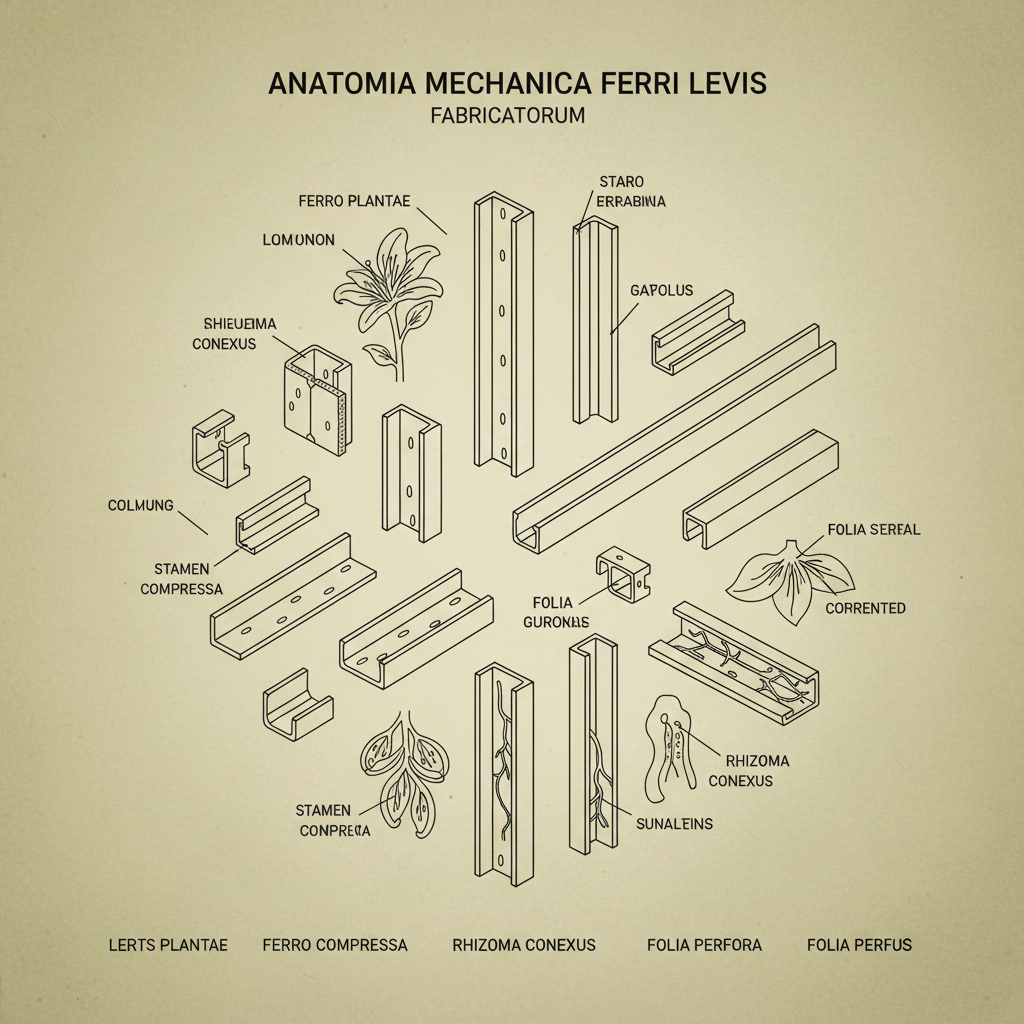
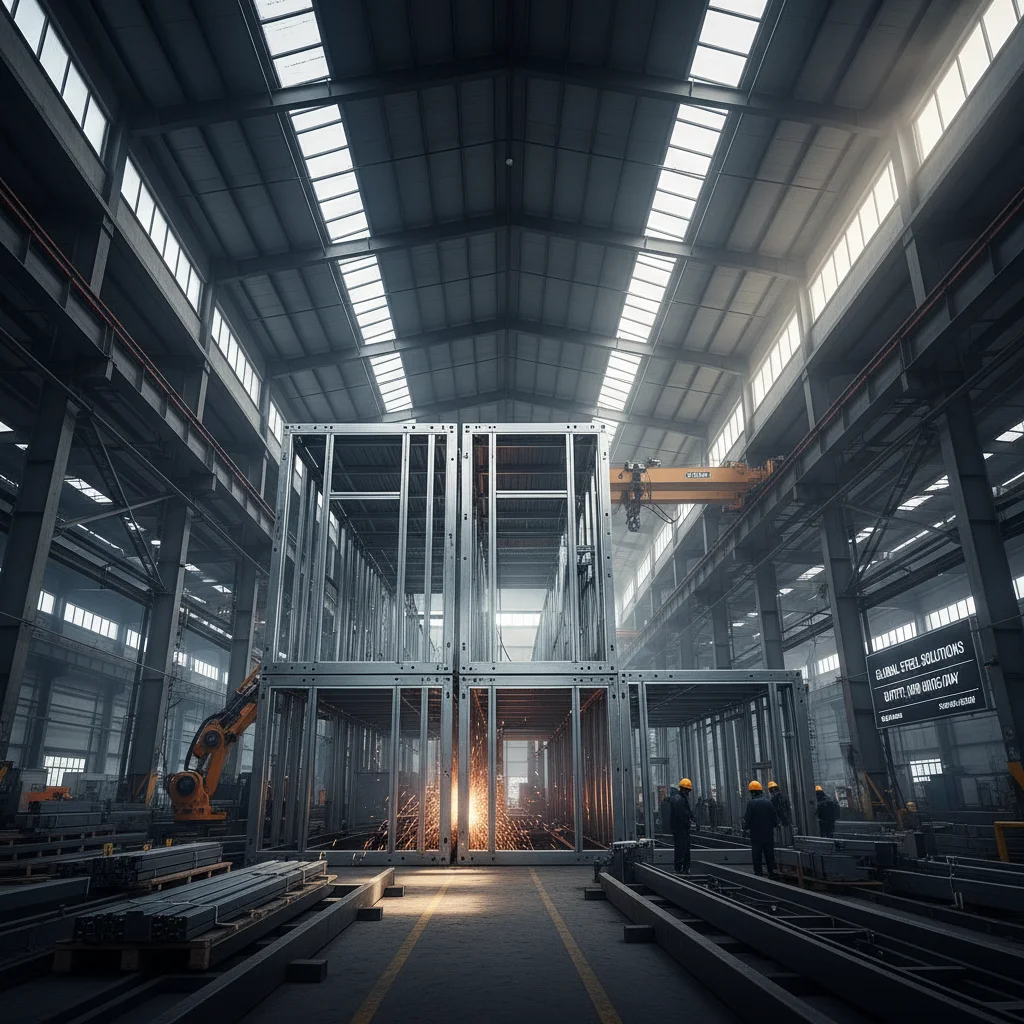
Like I said, the demand is crazy. Everyone wants speed, and light gauge steel framing delivers on that – *in theory*. The biggest players are mostly in China and India, churning out tons of material. But the quality control… varies wildly. You’ve got the big established light gauge steel framing manufacturers, doing things right, and then you’ve got smaller outfits cutting corners. It's a race to the bottom sometimes, and that never ends well. Strangely, the biggest challenge isn't the steel itself, but the logistics. Getting it to site on time, undamaged...that's the real headache.
You’ve also got the rise of integrated systems. Companies offering design, fabrication, and installation all in one package. That can streamline things, but it also means you’re locked into their ecosystem. And if something goes wrong? You're dealing with one company for everything, which can be…complicated.
Honestly, if it’s properly designed, built, and maintained, a light gauge steel framed structure can easily last a century. We've seen examples that are decades old and still going strong. The steel itself doesn't degrade like wood, but you have to protect it from corrosion. Regular inspections and maintenance are key, especially in coastal areas or environments with high humidity. It's really about preventing rust, and that's doable with proper coatings and ongoing care.
That’s a tricky one. Upfront, light gauge steel is often more expensive than wood, mainly due to the material cost and the specialized labor required. However, you need to look at the long-term picture. Steel is more durable, resistant to pests and fire, and requires less maintenance. Over the lifespan of the building, those factors can often offset the initial cost difference. Plus, you might get insurance savings with a steel frame. It really depends on the specific project and local market conditions.
Absolutely. In fact, steel is an excellent material for seismic zones. It's ductile, which means it can bend and deform without breaking, absorbing energy during an earthquake. Of course, the design is crucial. You need to use proper connections and bracing to ensure the structure can withstand the forces. It requires a specialized engineer who understands seismic design principles, but it's a very viable solution.
Honestly? The learning curve for the crews. Most carpenters are used to working with wood, and steel is different. Cutting, drilling, connecting… it all requires different tools and techniques. And you need to be careful about safety – steel can be sharp. Proper training is essential. Also, coordinating the delivery of the steel to the site can be a logistical nightmare. You need to ensure it's protected from the elements and readily available when needed.
Yep, and that's a big plus for sustainability. Steel is one of the most recycled materials on the planet. At the end of its life, a steel framed building can be almost entirely disassembled and the steel recycled into new products. That reduces waste and conserves natural resources. It's a much more environmentally friendly option than some other building materials.
Steel itself is non-combustible, which is a huge advantage. It won’t burn or contribute to the spread of fire. However, steel *does* lose strength at high temperatures. That’s why you often see steel structures protected with fire-resistant coatings or cladding. These coatings insulate the steel and help maintain its structural integrity during a fire. The specific fire resistance rating depends on the type of coating and the design of the structure.
So, yeah, light gauge steel framing manufacturers is having a moment, and for good reason. It offers speed, strength, durability, and sustainability. But it's not a silver bullet. It requires careful planning, skilled labor, and a commitment to quality control. It’s not always cheaper, but it’s often better in the long run.
Ultimately, whether this thing works or not, the worker will know the moment he tightens the screw. If it feels right, if it lines up, if it's solid… then you're on the right track. And that's what really matters. Now, if you’ll excuse me, I need another coffee. This site isn't going to build itself.