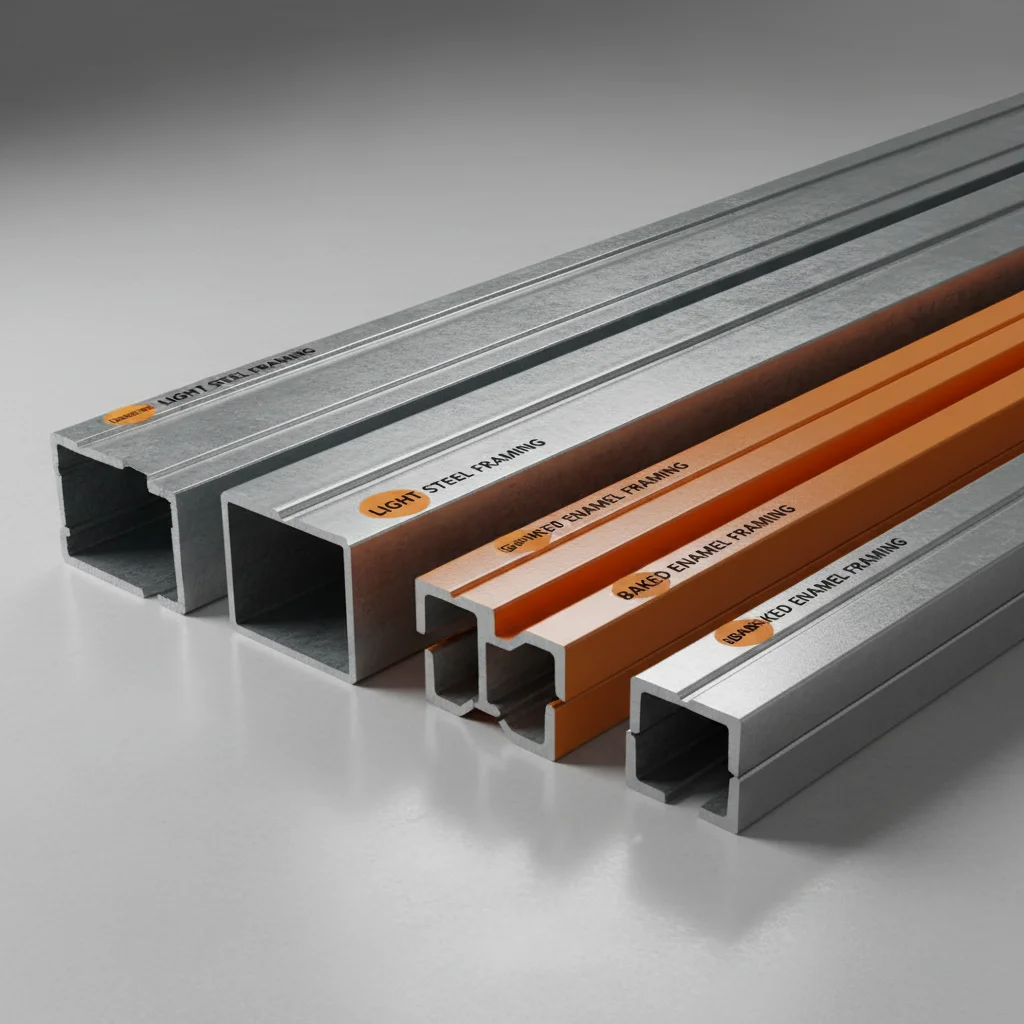
You know, these days everyone’s talking about prefabrication and modular construction. It's everywhere, from the conferences to the job sites. Seems like everyone wants to build faster, cheaper, and… well, less mess. And honestly, it's a good thing. Been seeing a lot more interest in light gauge steel framing too. Been around for a while, sure, but it's really picking up steam.
It's funny though, you spend enough time on sites, you see the same mistakes happening over and over. Folks get caught up in the design software and forget about… well, real life. Like specifying a gauge that’s too thin. Looks good on paper, but try bending it on a windy day. Or they design connections that are a nightmare to assemble in the field. I encountered something like that at a factory in Tianjin last time, spent a whole afternoon just trying to get a bolt to line up. The architect swore it was perfect in the model. Right.
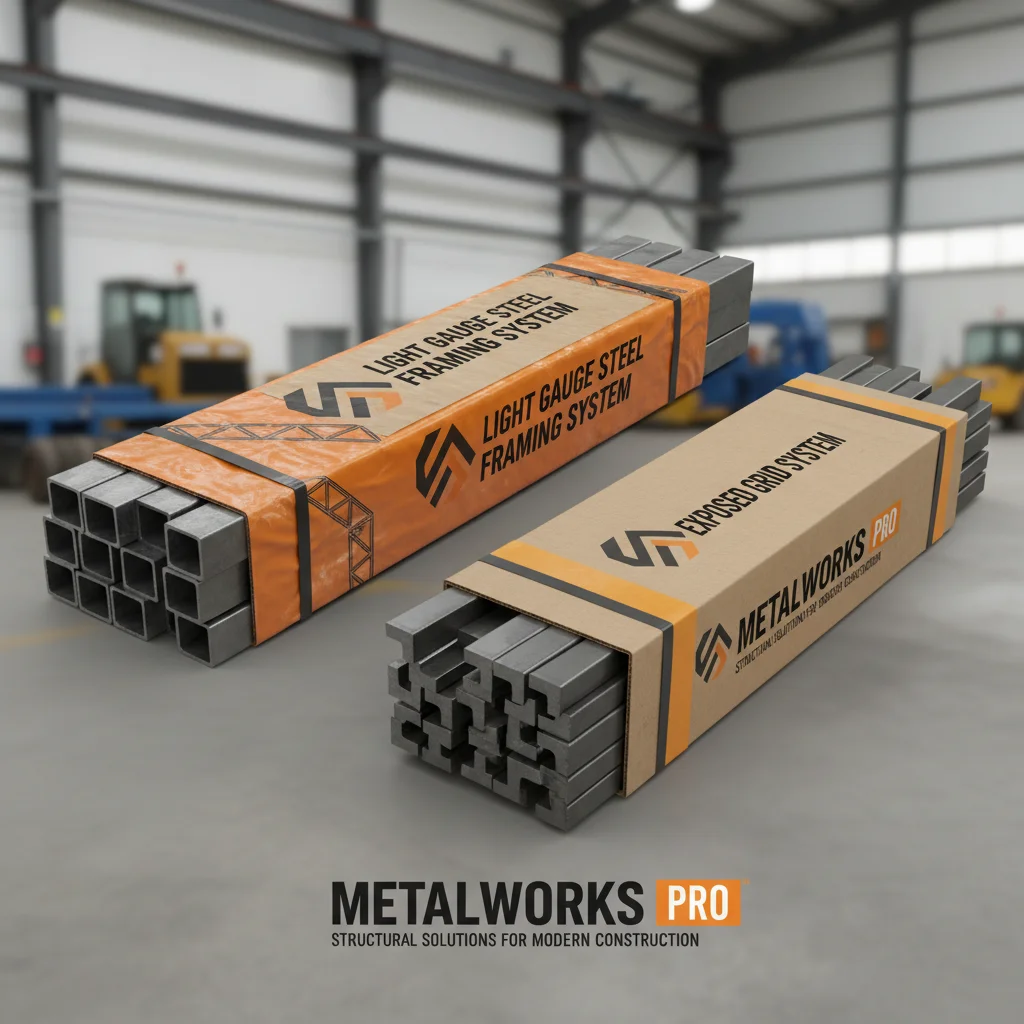
The steel itself… it’s not like working with wood, that's for sure. It’s cold, obviously. And it has that… metallic smell. Not unpleasant, just…distinct. Good stuff is coated, galvanized, you know. Prevents rust. Feel the coating, though. A rough coating means a bad batch. You want something smooth, consistent. That's a good sign. We mostly work with 90-150 mil thickness, depending on the load. Anything less feels… flimsy. And handling it, you gotta wear gloves. Seriously. Those edges are sharp.
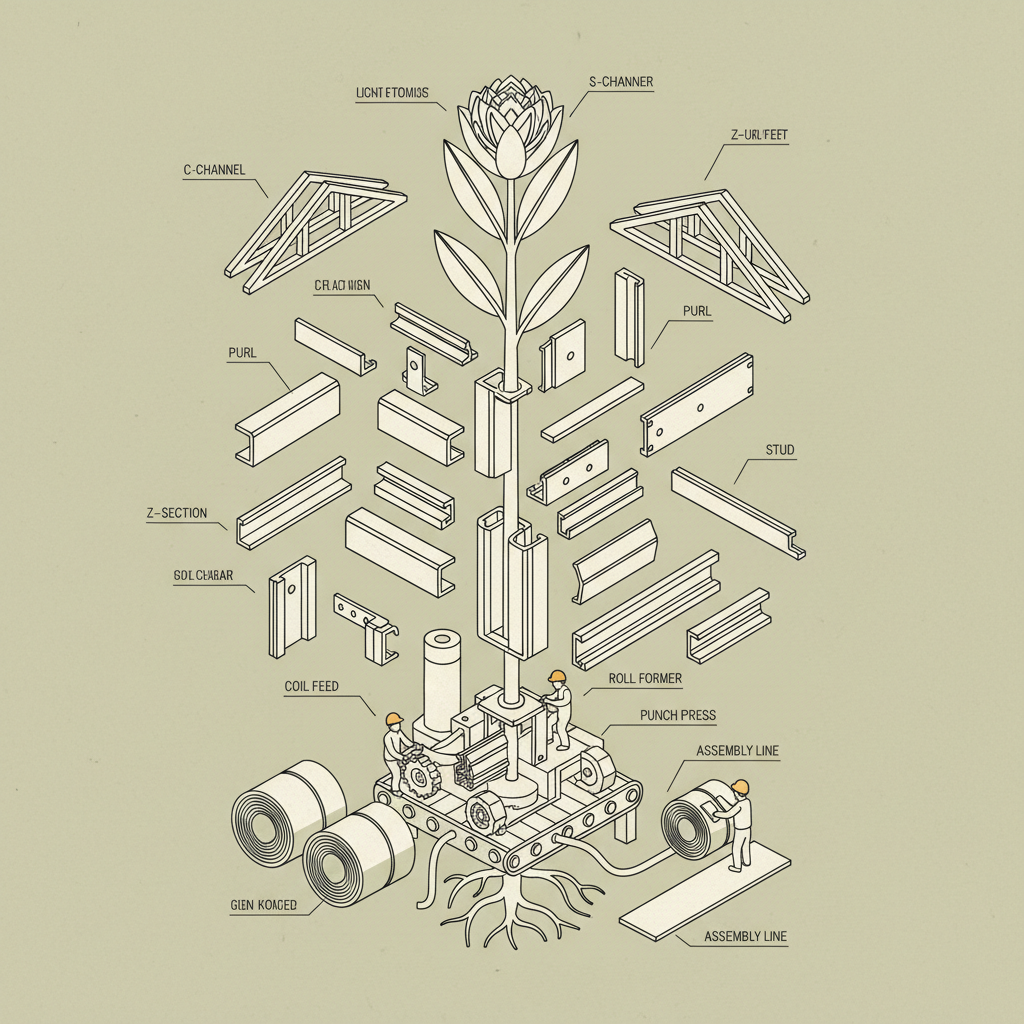
The Rise of Light Gauge Steel in Modern Construction
I mean, have you noticed the speed advantage? You're not waiting for concrete to cure, you're not dealing with the moisture issues of wood. It goes up fast. Really fast. Especially with a good crew that knows what they’re doing. And the consistency… it's so much more predictable than wood. No knots, no warping. Just… steel.
A lot of it is driven by the affordable housing crisis, honestly. Light gauge steel offers a way to build quickly and efficiently, which lowers costs. And it’s surprisingly strong. Don’t underestimate it. It's not the old flimsy stuff your grandfather remembers. Modern light gauge steel is engineered, tested, and pretty darn reliable. There's a lot of demand from light gauge steel manufacturers to fulfil that niche.
Common Design Pitfalls with Light Gauge Steel
The biggest mistake I see? Over-complicating things. These architects, bless their hearts, they design these beautiful, flowing structures... then they try to build them with light gauge steel. It doesn’t always translate. Keep it simple. Straight lines, clean connections. That’s where you save time and money. And frankly, reduce headaches.
Another one is ignoring the corrosion potential. Galvanizing helps, sure, but it's not a magic bullet. You need to think about how the steel will be exposed to the elements. Proper detailing around windows and doors is crucial. And don’t even *think* about using dissimilar metals without proper insulation. Galvanic corrosion is a pain.
Strangely, I also see people trying to mimic wood framing techniques. It just doesn’t work. You have to design *for* the steel, not try to make the steel behave like wood. Understand the load paths, use proper bracing, and utilize the steel’s inherent strength.
Material Properties and On-Site Handling
So, the steel itself... different gauges, different coatings. Most of what we use is galvanized, like I said, but you also see pre-painted steel, which is nice if you want a finished look. But honestly, the paint can scratch easily on site, so be careful. Then there’s galvalume – more corrosion resistance, but it’s more expensive.
I remember encountering a shipment of galvalume at a site in Shanghai last year that was inexplicably oily. Made it impossible to weld properly. Took days to sort out. Anyway, I think the key is knowing your supplier. Reputable light gauge steel manufacturers will provide certifications and material data sheets. Don't skimp on that.
Handling it… wear gloves. Seriously. Cut yourself on that stuff and you’ll regret it. And secure your loads properly during transport. Wind can catch those sheets and turn them into sails. I’ve seen it happen. It’s not pretty.
Real-World Testing and Performance
Look, lab tests are fine and dandy, but they don’t tell the whole story. I want to see how it performs under real-world conditions. We did a test on a project in Guangzhou a couple years ago where we subjected a light gauge steel frame to simulated typhoon winds. It held up remarkably well. Way better than the wood frame we tested alongside it.
But that’s not enough. You also need to consider things like fire resistance. Steel is non-combustible, which is good, but it loses strength at high temperatures. So proper fireproofing is essential. We often use gypsum board or spray-applied fire-resistant materials. We usually have to follow the local regulations.
Light Gauge Steel Performance Metrics
User Applications and Unexpected Uses
Most folks think of light gauge steel for residential framing, and that's a big one. But it’s used in all sorts of things. Warehouses, commercial buildings, even agricultural structures. I saw a guy use it to build a chicken coop once. A surprisingly robust chicken coop, I might add.
I'm starting to see more and more people using it for interior partitions, too. It’s lighter than concrete block, faster to install, and you can run electrical and plumbing through it easily. It's really versatile stuff.
Advantages and Disadvantages of Light Gauge Steel
Okay, let’s be real. It's not perfect. It's more expensive upfront than wood, usually. And it requires specialized tools and skills. You can’t just hand a hammer to anyone and expect them to build a steel frame. But, the long-term benefits usually outweigh the initial costs. It’s more durable, less susceptible to pests and rot, and requires less maintenance.
Also, sustainability is a factor. Steel is recyclable, which is a big plus these days. And because it's dimensionally stable, you have less waste during construction. Plus, less rework. That saves money. Seriously, less rework saves *everyone* money. But don't think it's a silver bullet for eco-friendliness. There's energy required in the manufacturing process, so it's not a completely zero-impact solution.
Customization and Special Applications
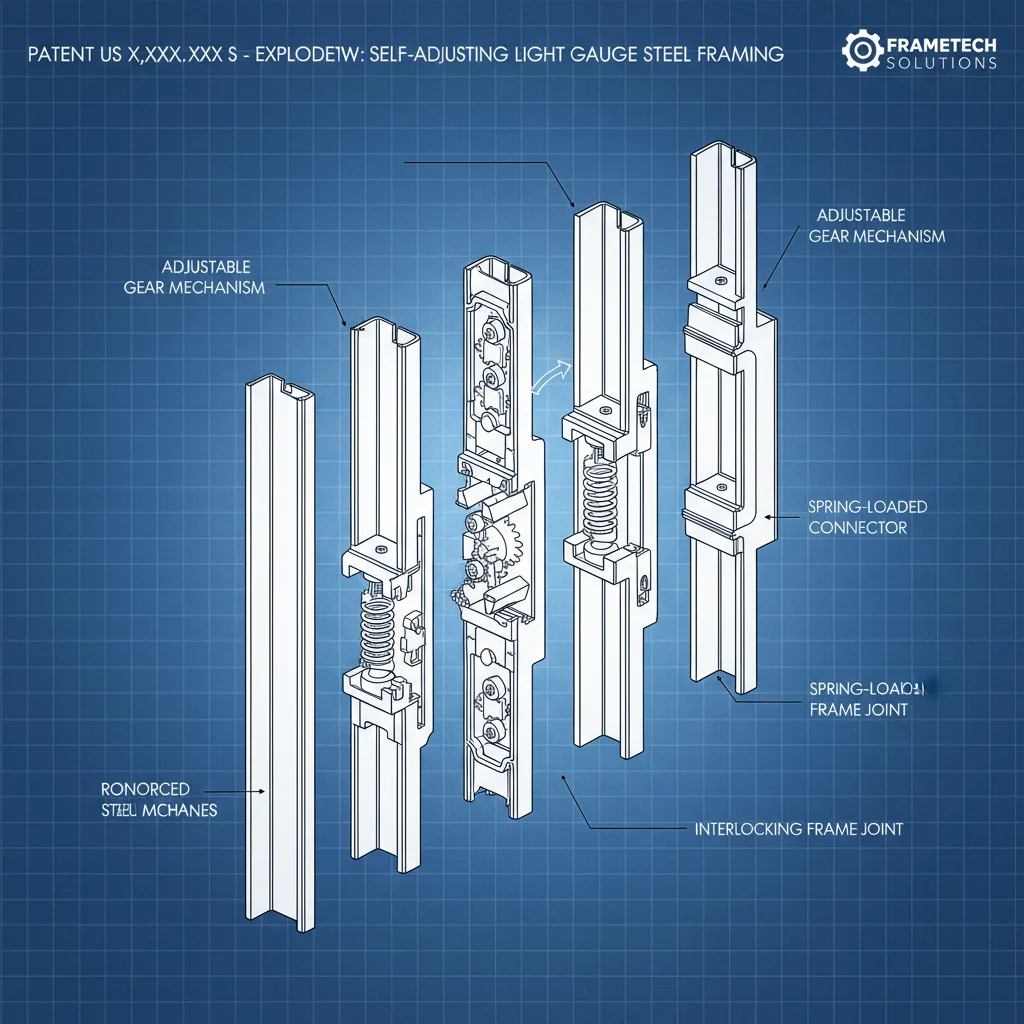
You can get pretty creative with light gauge steel. We did a project in Shenzhen last month, and that small boss who makes smart home devices – a real character, that one – insisted on changing the interface to . For the framing connectors, I mean. Completely non-standard. Said he wanted it to be “future-proof”. It added weeks to the schedule and cost a fortune, but he was adamant. Sometimes you just gotta roll with it.
But generally, customization means things like different gauges, different coatings, pre-punched holes for specific applications. You can even get curved steel sections if you need them. It’s all about finding a light gauge steel manufacturer that can meet your needs.
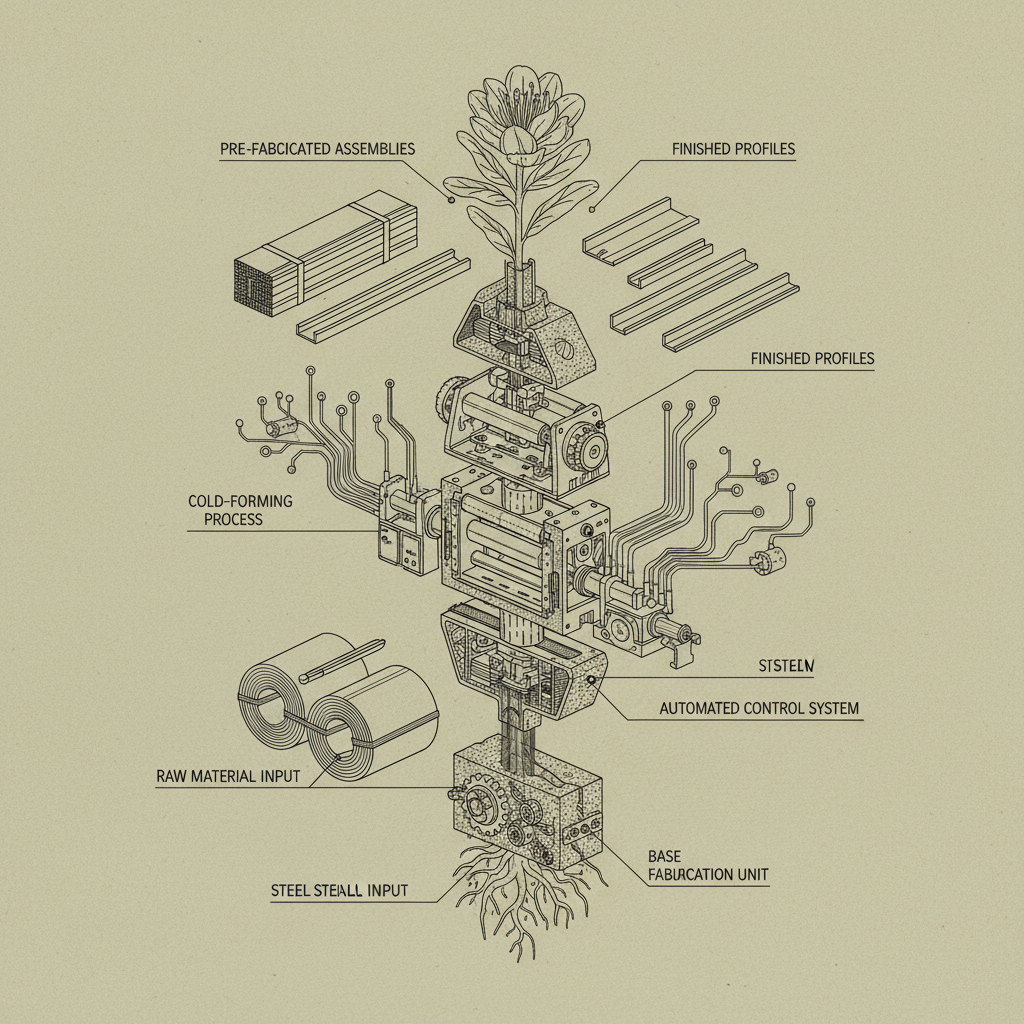
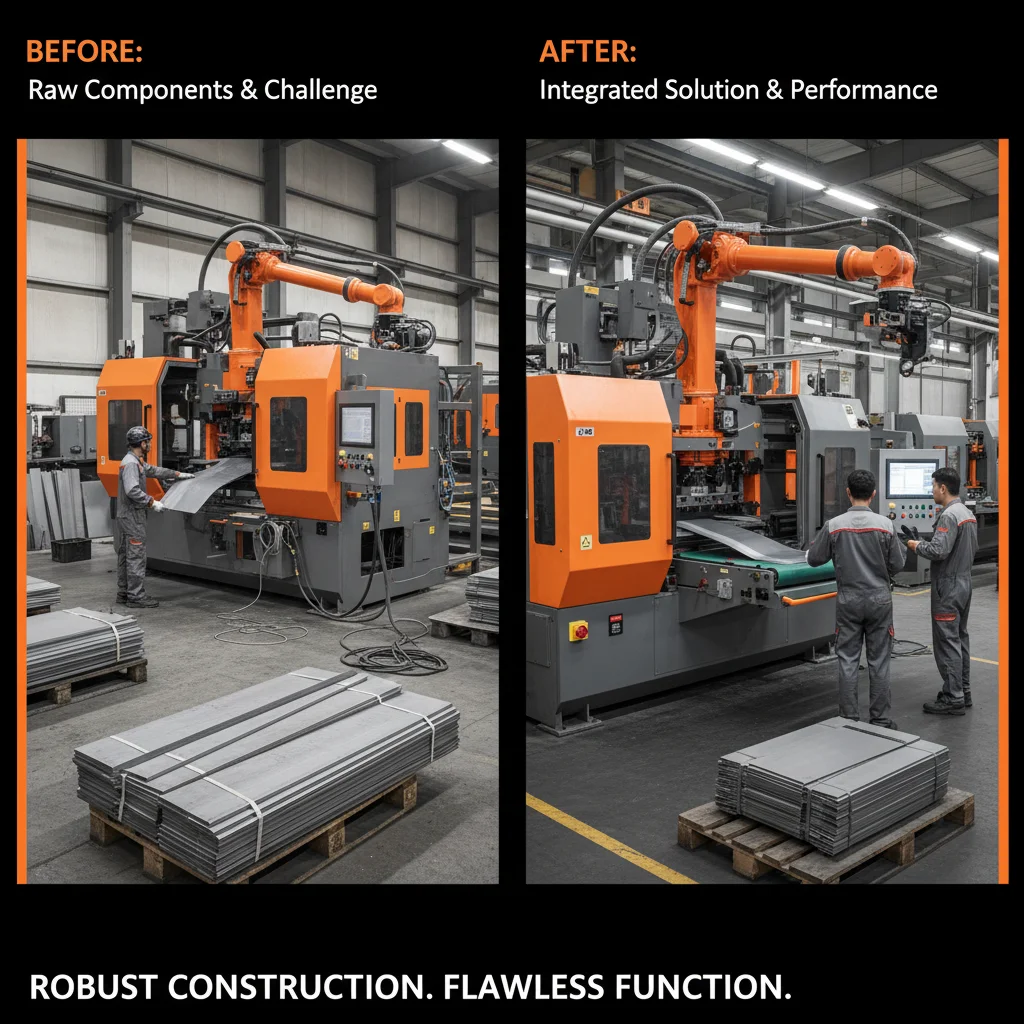
And the speed! The biggest advantage of using light gauge steel is that, you can prefabricate at the workshop, which greatly improves the construction speed.
Summary of Key Considerations for Light Gauge Steel Project Success
| Component |
Cost |
Installation Difficulty |
Long-Term Durability |
| Steel Framing (Standard Gauge) |
$8 - $12 / Linear Foot |
Moderate |
9/10 |
| Galvanized Coating |
$2 - $5 / Linear Foot |
Low |
8/10 |
| Pre-Fabricated Connections |
$5 - $10 / Connection |
Easy |
7/10 |
| Fireproofing Materials |
$3 - $7 / Sq. Ft. |
Moderate |
9/10 |
| Specialty Steel (e.g., Curved) |
$15+ / Linear Foot |
High |
8/10 |
| Skilled Labor (Installation) |
$40 - $80 / Hour |
High |
10/10 (if skilled) |
FAQS
Well, the big ones are durability, fire resistance, and consistency. Wood warps, rots, and is susceptible to pests. Steel doesn't have those problems. It’s also dimensionally stable, meaning it doesn't shrink or expand with changes in humidity. That reduces cracking and other issues down the road. It’s a longer-lasting material, generally.
Upfront, yes, usually. The material cost is higher. But you gotta look at the total cost of ownership. Steel lasts longer, requires less maintenance, and is less susceptible to damage. That can save you money in the long run. Plus, the speed of construction can offset some of the initial cost. It really depends on the specific project.
You need skilled labor. It’s not something you can just learn on the fly. You need people who know how to read blueprints, use the proper tools (screw guns, metal shears, etc.), and understand the principles of steel framing. Welding skills can be helpful, but aren’t always necessary.
Very well, actually. It’s flexible and ductile, which means it can absorb energy during an earthquake without collapsing. It’s often used in seismic-resistant construction. Of course, proper design and detailing are crucial. You can't just throw up a steel frame and expect it to withstand a major earthquake.
Corrosion is a concern, especially in coastal areas or environments with high humidity. Galvanizing is the most common way to protect the steel. But you also need to pay attention to details like proper sealing around openings and avoiding contact with dissimilar metals. Regular inspection and maintenance are also important.
Absolutely. It's becoming increasingly common, in fact. But you need to engineer the structure carefully to ensure it can handle the loads. Proper bracing and connections are essential. And you need to comply with all local building codes.
Conclusion
So, light gauge steel framing. It’s not a magic bullet, but it's a solid choice for a lot of applications. It offers advantages in terms of durability, speed of construction, and sustainability. But it requires skilled labor, careful design, and a good understanding of the material’s properties. It's not a cheap way to build, but it can be a smart way to build.
Ultimately, whether this thing works or not, the worker will know the moment he tightens the screw. He'll feel it. And if it feels right, then you’re on the right track. If you are looking for reputable light gauge steel manufacturers, check out Jinka IBM, they deliver quality, every time.