Navigating the Landscape of Light Gauge Steel Framing Suppliers and Construction
0%

Table of Contents

Look, after running around construction sites all year, you start to see patterns. Right now, everyone’s talking about prefabrication, modular construction… it’s the big thing. But it’s not new, you know? It’s just…finally getting the attention it deserves. And honestly, a lot of it boils down to labor shortages. Finding good steel guys is tough, really tough.

The whole light gauge steel framing thing is a big part of that. Folks are looking for speed, precision, something they can rely on. But don’t think it's all sunshine and roses. I’ve seen too many projects where they spec out fancy software for the design, but forget about the guy actually building it. Have you noticed? The digital models look great on the screen, but the shop drawings… sometimes they're just a mess. It’s always the little things.
light gauge steel framing suppliers

The Current Landscape of light gauge steel framing suppliers

light gauge steel framing suppliers

To be honest, the market's flooded with suppliers now. Everybody and their brother is making light gauge steel. You’ve got the big boys, the established light gauge steel framing suppliers, and then a ton of smaller shops popping up. The quality… well, it varies. A lot. You really gotta vet them. Strangely enough, the Chinese manufacturers have really stepped up their game in the last few years. Their tolerances are tighter than they used to be, and their pricing is… aggressive, to put it mildly.

But it’s not just about price. It’s about reliability. Can they deliver on time? Do they have a good quality control process? I encountered this at a factory in Jiangsu last time, the steel had a weird smell... turns out the coating wasn't properly cured. It delayed the whole project by two weeks. It's the small things, always the small things.

Common Design Pitfalls with light gauge steel framing suppliers

I’ve seen it a thousand times. Engineers design these beautiful, complex structures, and they forget about the practicalities of assembly. Like, they’ll specify a connection detail that’s just impossible to build in the field. Or they’ll use a gauge of steel that's too thin for the span, and then you get deflection issues. And don't even get me started on corrosion protection. People skimp on that, and you’re asking for trouble down the line.

Another big one is thermal bridging. Light gauge steel is a fantastic conductor of heat, so you need to be really careful about how you detail your walls and roofs to avoid energy loss. It's all about layering and insulation. Anyway, I think the biggest mistake is treating it like wood framing. It’s not. It behaves differently. It needs to be designed for specifically.

And the software! So much software promises the world, but if the user doesn't understand the underlying principles, it's just garbage in, garbage out.

Materials and Handling of light gauge steel framing suppliers

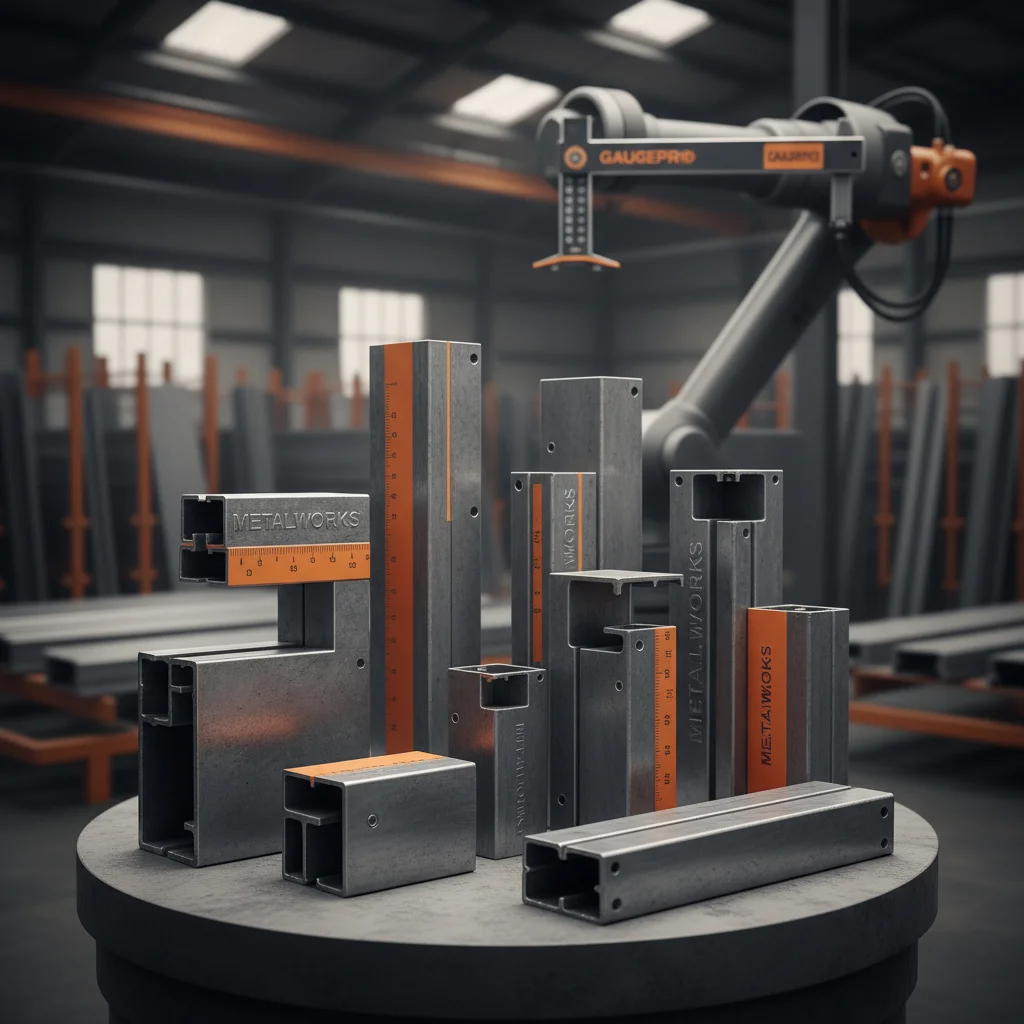
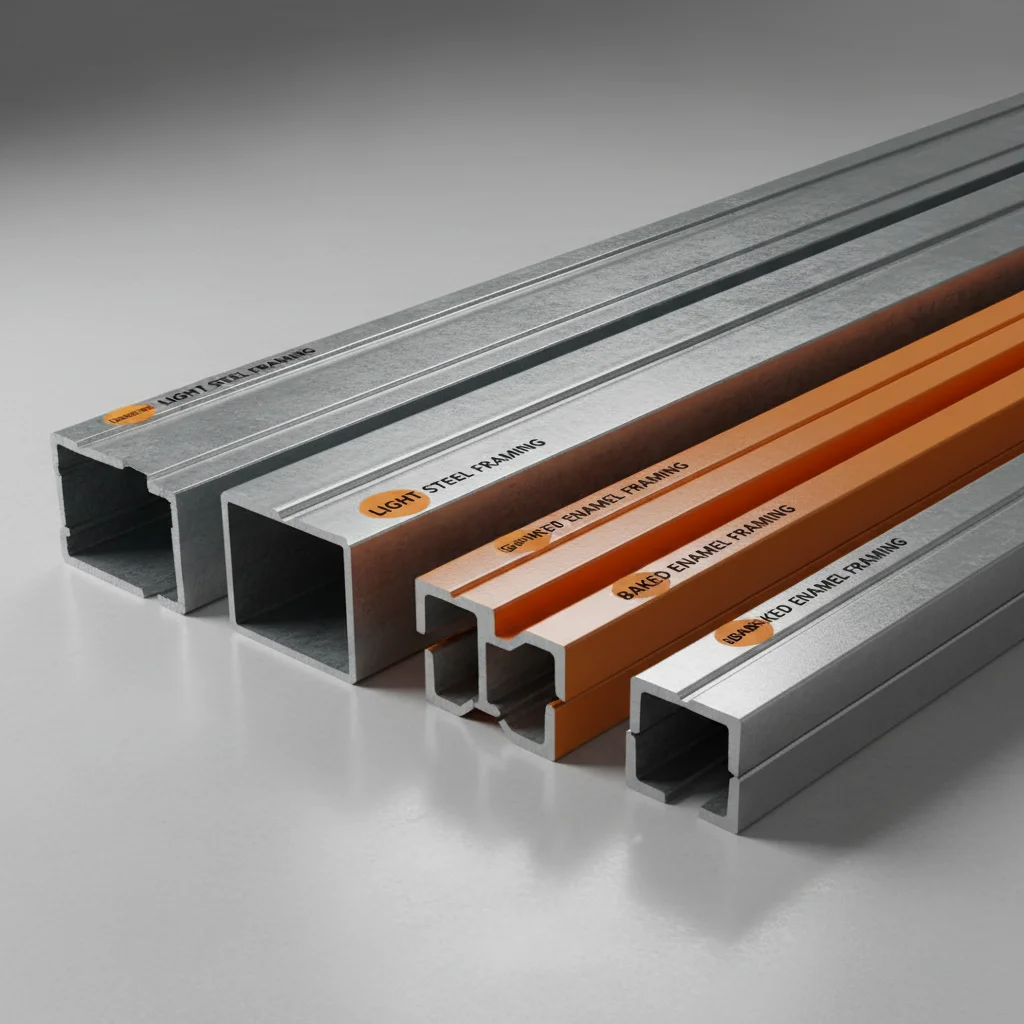
The steel itself…it's pretty straightforward. You’re mostly dealing with galvanized steel, different gauges, different profiles. But the quality of the galvanization is crucial. You want a nice, even coating, without any bare spots. That’s where rust starts. You can tell a good coating by the feel – it’s smooth and slightly oily. The smell, too, a little zinc-y.

Handling it's another story. It's lightweight, yes, but it's still steel. You gotta be careful not to damage the galvanization. No dragging it across concrete. No dropping heavy objects on it. And wear gloves! Seriously. Those edges are sharp. I've seen too many cut hands. And store it properly. Keep it dry. Rust is the enemy.

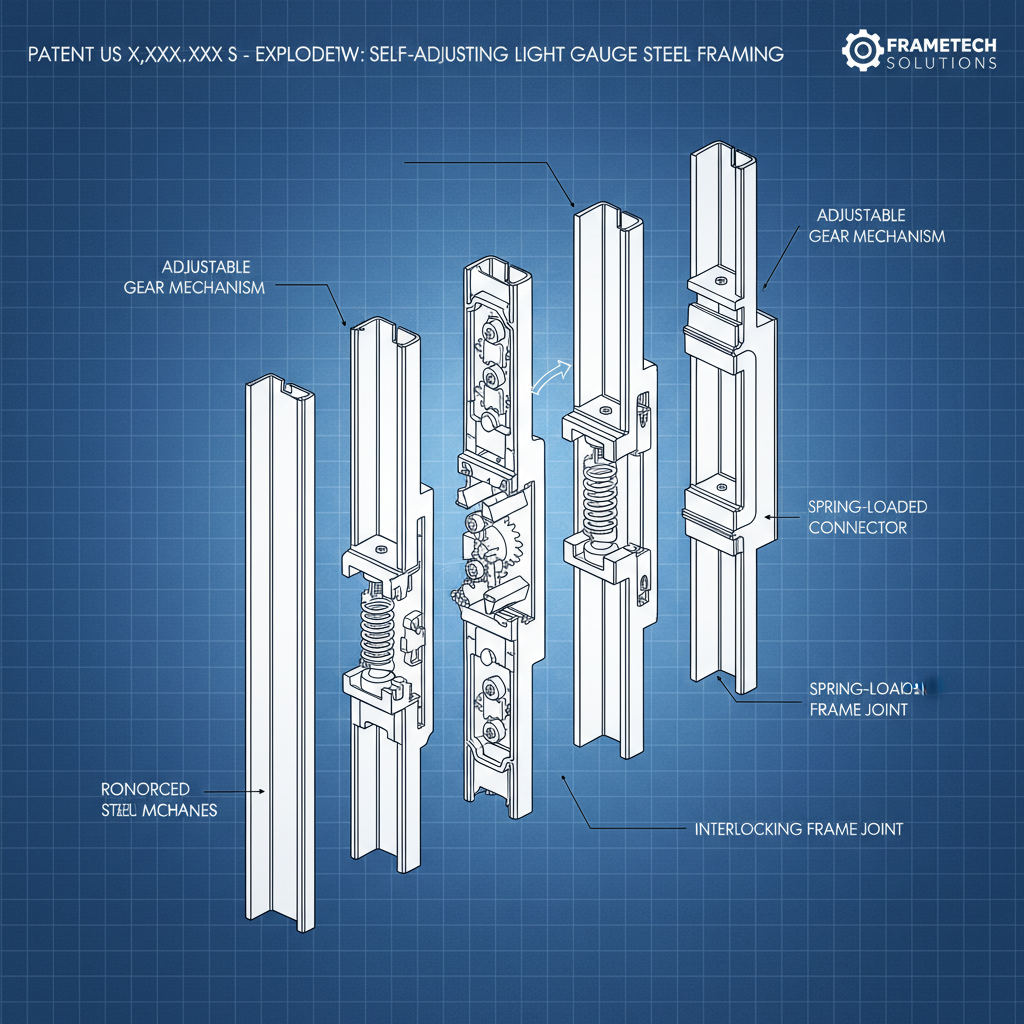
The connectors are also important. You’ve got self-drilling screws, punch connectors, all sorts of things. Make sure they’re compatible with the steel gauge and the coating. And use the right tools. Trying to save a buck on a cheap screw gun will just end in frustration and stripped screws.

Real-World Testing of light gauge steel framing suppliers

Look, lab tests are fine, but they don't tell the whole story. I want to see it tested in the field, under real-world conditions. I mean, can it withstand a hurricane? Can it handle a heavy snow load? I once saw a light gauge steel framed structure buckle under the weight of a particularly heavy snowfall. The design was flawed, obviously, but it was a good reminder that you can’t just rely on calculations.

We do a lot of pull-out tests on site, just to verify the connections. Basically, we attach a load cell to a screw or connector and pull on it until it fails. It's simple, but it gives you a good indication of the connection's strength. We also do deflection testing, to see how much the steel bends under load. It's not glamorous work, but it's important.

Connection Strength Testing - light gauge steel framing suppliers

How Users Actually Employ light gauge steel framing suppliers

You know, it's not always what the designers intend. A lot of times, the guys on site will find shortcuts, improvise, just to get the job done. And sometimes, those improvisations actually improve the process. I’ve seen crews develop their own techniques for joining steel that were faster and more efficient than what was specified in the plans.

We're also seeing a lot of interest from the DIY market. People building sheds, garages, even small homes. They like the speed and ease of assembly. But they often underestimate the skill required to do it properly. It’s not like building with LEGOs, you know?

Advantages and Disadvantages of light gauge steel framing suppliers

Okay, the good stuff first. Speed, obviously. It goes up fast. Accuracy, too. It’s dimensionally stable, so you get a straighter, squarer building. And it's lightweight, which makes it easier to handle. Also, it's termite-proof, unlike wood. That’s a big plus in some areas. But…

The downsides? Cost can be higher upfront, depending on the steel prices. Thermal conductivity is a problem, as we discussed. And corrosion is always a concern. You need to protect it properly, especially in coastal environments. It’s also not as forgiving as wood. If you mess up a cut, you can’t just glue it back together. You need to weld it, which requires a skilled welder.

Customization Options for light gauge steel framing suppliers

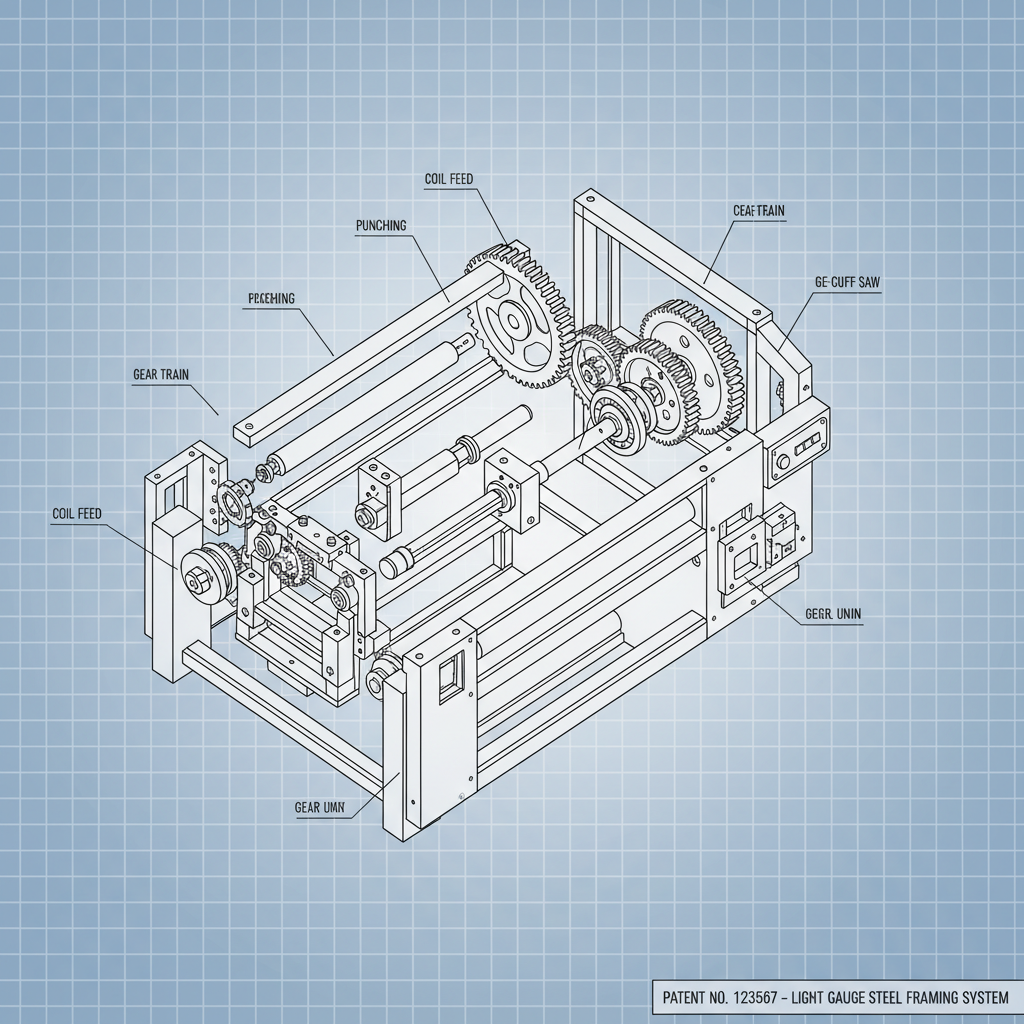
You can customize pretty much anything. Different gauges, different profiles, different lengths. You can even get custom punching and notching. Last month, that small boss in Shenzhen who makes smart home devices insisted on changing the interface to , and the result was a three-week delay because the supplier hadn’t seen anything like it before. You know how it is.

But customization comes at a price. It takes longer, it costs more, and you need to be really clear about your requirements. I always recommend getting a detailed shop drawing approved before you start fabrication. It's worth the extra effort.

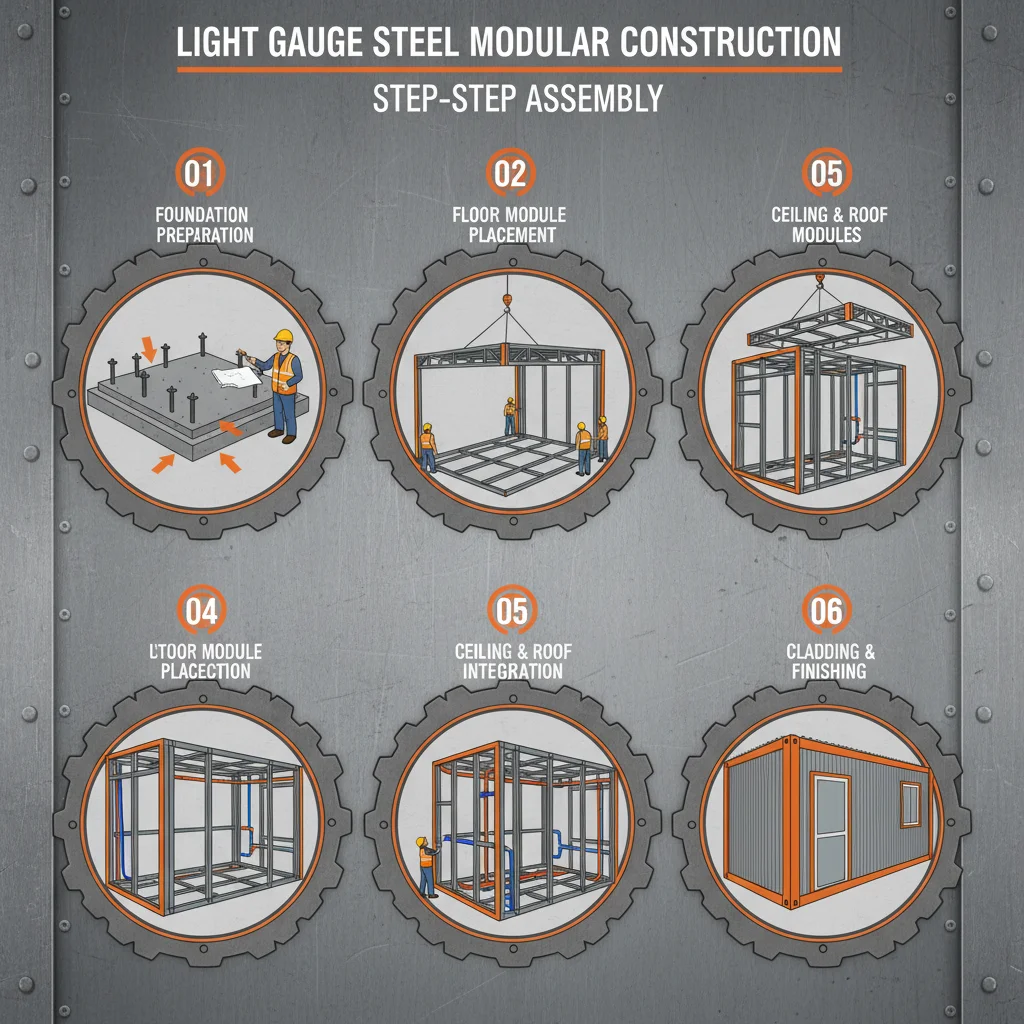
There’s also a growing trend toward pre-engineered systems, where the entire building is designed and fabricated by a single supplier. That simplifies things, but it also limits your flexibility.

Analysis of Customization Cost and Time for light gauge steel framing suppliers

Customization Type Complexity (1-5) Cost Increase (%) Lead Time Increase (Days)
Profile Modification 2 5-10 3-5
Custom Punching 3 10-15 5-7
Length Variation 1 2-5 1-3
Coating Change 4 15-20 7-10
Custom Connection Detail 5 20-30 10-14
Complete System Redesign 5 30+ 20+

FAQS

What is the typical lifespan of a light gauge steel framed structure?

Assuming proper corrosion protection and maintenance, a light gauge steel framed structure can easily last 50-100 years, sometimes even longer. Steel itself is incredibly durable. The real enemy is rust, so regular inspections and re-coating are essential, especially in harsh environments. It really depends on the environment and how well it's looked after.

How does light gauge steel framing compare to wood framing in terms of fire resistance?

Light gauge steel is non-combustible, which is a huge advantage. Wood, of course, burns. However, steel loses strength at high temperatures. So, while it won’t burn, it can buckle or collapse in a fire if not properly protected. Fire-resistant coatings and gypsum board are often used to mitigate this risk. The building code will dictate what’s required.

What are the common challenges with soundproofing in light gauge steel framed buildings?

Steel is a good conductor of sound, so soundproofing can be a challenge. You need to break the sound path with resilient channels, insulation, and sound-dampening materials. Adding mass to the walls and floors also helps. It's often more complex than soundproofing a wood-framed building, but it's definitely achievable. Careful detailing is key.

Is light gauge steel framing suitable for seismic zones?

Yes, absolutely. Light gauge steel framing can be designed to withstand seismic forces, but it requires careful engineering and detailing. You need to use proper bracing and connections to ensure that the structure can absorb and dissipate energy during an earthquake. It's actually often preferred in seismic zones because of its ductility.

What are the typical costs associated with light gauge steel framing compared to traditional wood framing?

Upfront material costs are often higher for light gauge steel, but that can be offset by faster construction times and reduced labor costs. The total cost will depend on a lot of factors, including the complexity of the design, the location, and the availability of skilled labor. Generally, it tends to be in the same ballpark, maybe 5-10% more initially, but you get a more durable and dimensionally stable structure.

What certifications or standards should I look for in a light gauge steel framing supplier?

Look for suppliers that are certified by organizations like the Steel Framing Industry Association (SFIA). Also, ensure that their products meet relevant ASTM standards. ISO 9001 certification is a good sign of quality control. And don’t be afraid to ask for references and check their track record. Do your due diligence, it’ll save you headaches later.

Conclusion

So, where does that leave us? Light gauge steel framing is a powerful tool. It’s fast, accurate, durable, and sustainable. But it’s not a silver bullet. It requires careful planning, detailed design, and skilled execution. And it’s not cheap, but you get what you pay for.

Ultimately, whether this thing works or not, the worker will know the moment he tightens the screw. That’s the bottom line. You can have the fanciest software and the best materials, but if the guy on the ground can't make it work, it doesn’t matter. Visit our website at www.jinkaibm.com to learn how we can help you navigate the complexities of light gauge steel framing.

Michael Johnson

Michael Johnson

Michael Johnson is a Senior Production Manager at Wen'an Jinkai Building Materials. He’s responsible for overseeing the operation of our 99+ automated production lines, ensuring efficient and standardized manufacturing. Michael focuses on optimizing production workflows, maintaining quality control, and ensuring adherence to GB/T13381.1-92 and GB/G14823.1-93 standards. He’s been with Jinkai for ten years and has a deep understanding of the entire manufacturing process. Michael is dedicated to continuous improvement, consistently identifying opportunities to enhance productivity and reduce waste.
Previous Exploring Trends and Challenges in the Light Steel Frame Factory Sector
Next Advancing Modern Building Practices with Light Steel Frame Construction

If you are interested in our products, you can choose to leave your information here, and we will be in touch with you shortly.