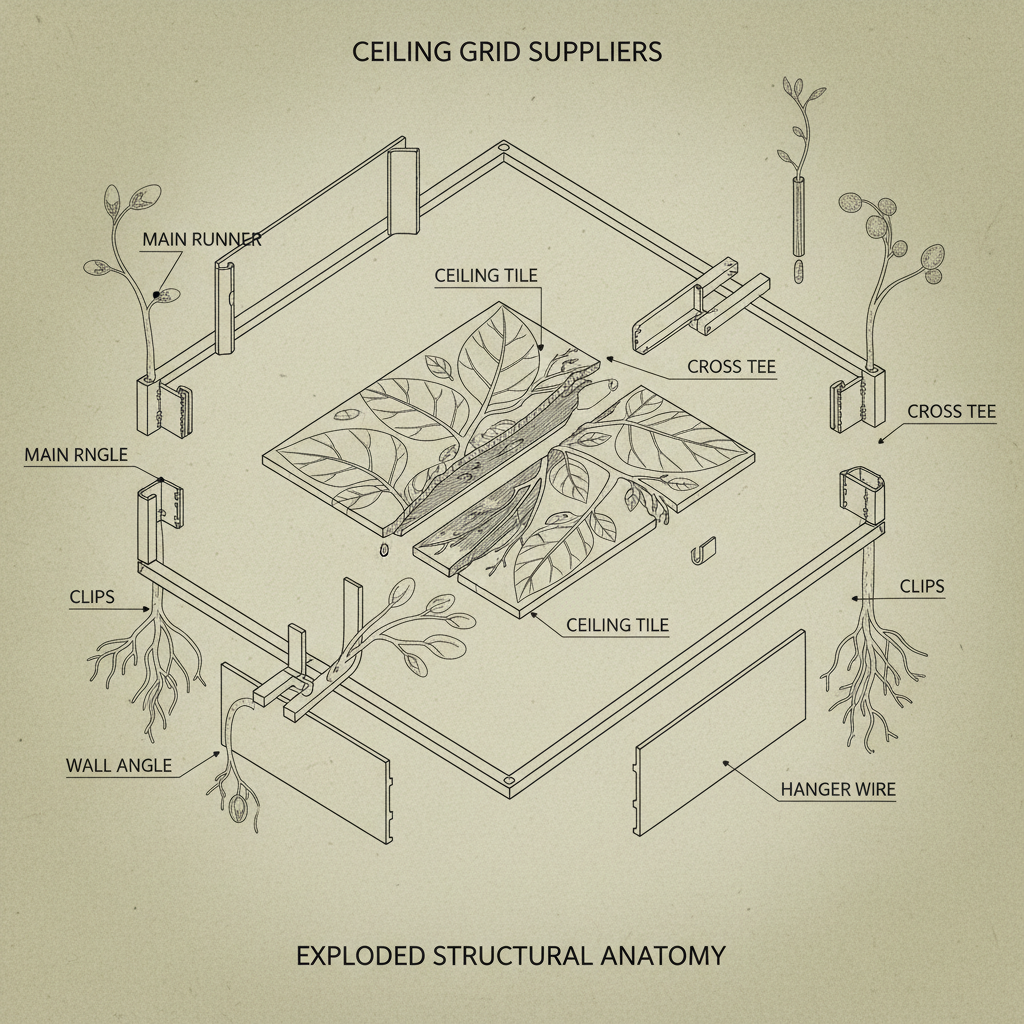
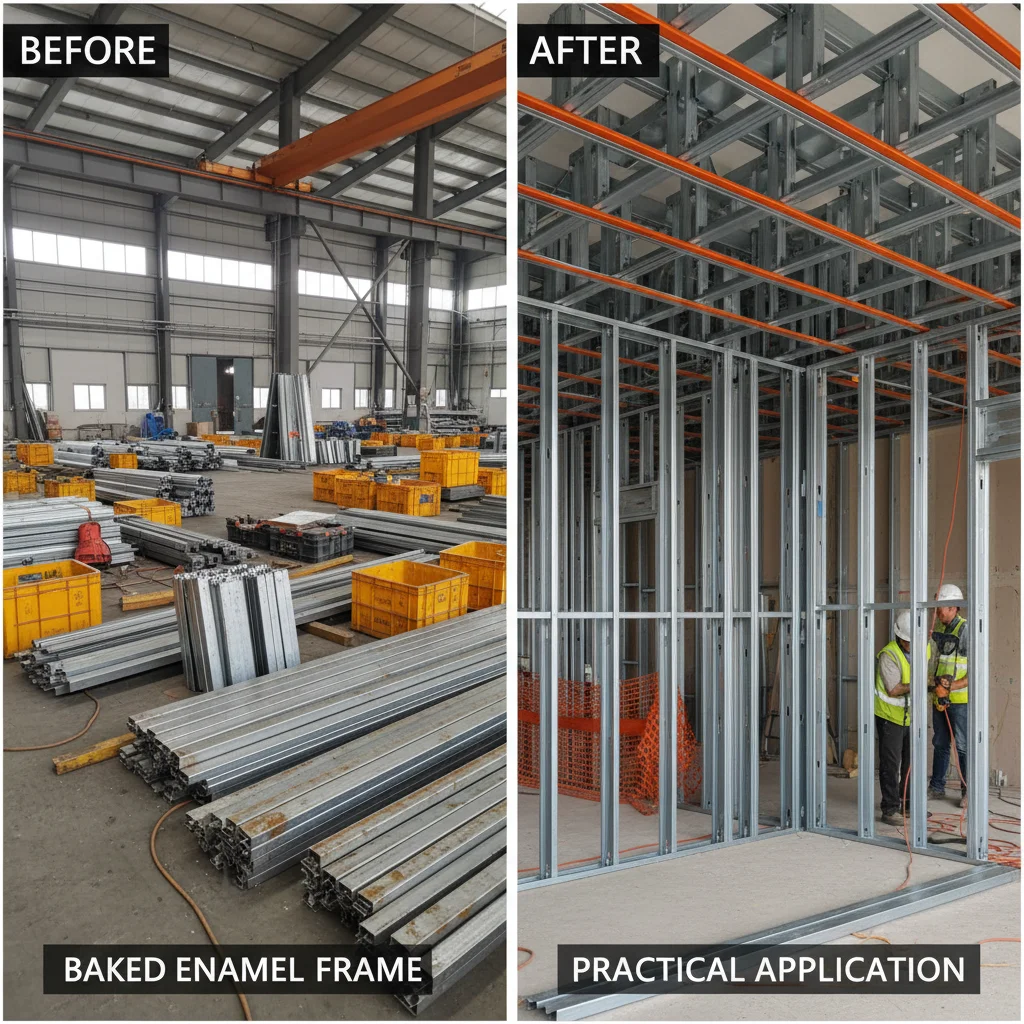
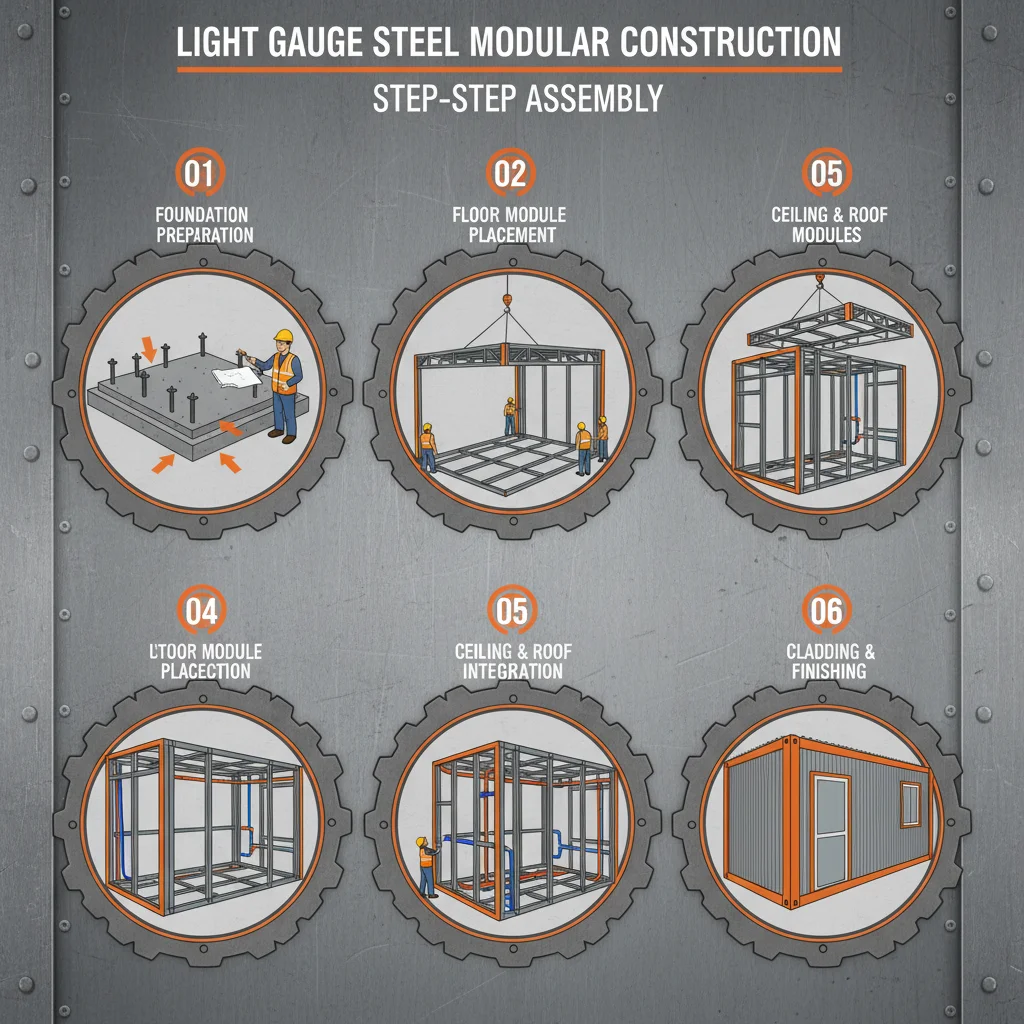
Hit enter to search or ESC to close
You know, I've been running around construction sites all year, dealing with materials, talking to engineers… ceiling grid suppliers, that's what we're talking about today. Honestly, it's a field that doesn’t get the respect it deserves. Everyone focuses on the flashy stuff – the architecture, the design – but a ceiling grid? It's the unsung hero, holding everything together. And lately, there’s been a real push for lighter materials, more modular designs. People want quick installation, less mess, and frankly, cheaper costs. But don't get me started on 'cheaper'…usually means something else suffers.
It’s funny, you spend all this time in the office designing something perfect, then you get to a site and realize it just… doesn't work. Have you noticed how often that happens? I encountered this at a factory in Foshan last time – they’d designed a grid system with these really intricate locking mechanisms. Looked fantastic on paper. But the guys installing it couldn’t get the hang of it, took twice as long, and a bunch of the clips snapped. Simpler is almost always better.
We mostly work with galvanized steel, aluminum, and now, increasingly, some composite materials. The steel… you can smell it, you know? That metallic tang. Feels solid, dependable. Aluminum’s lighter, easier to cut, but it dents too easily if you're not careful. And the composites… they're still a bit of a question mark, to be honest. Some feel flimsy, others are surprisingly durable. You really gotta get your hands dirty to know which ones are good.
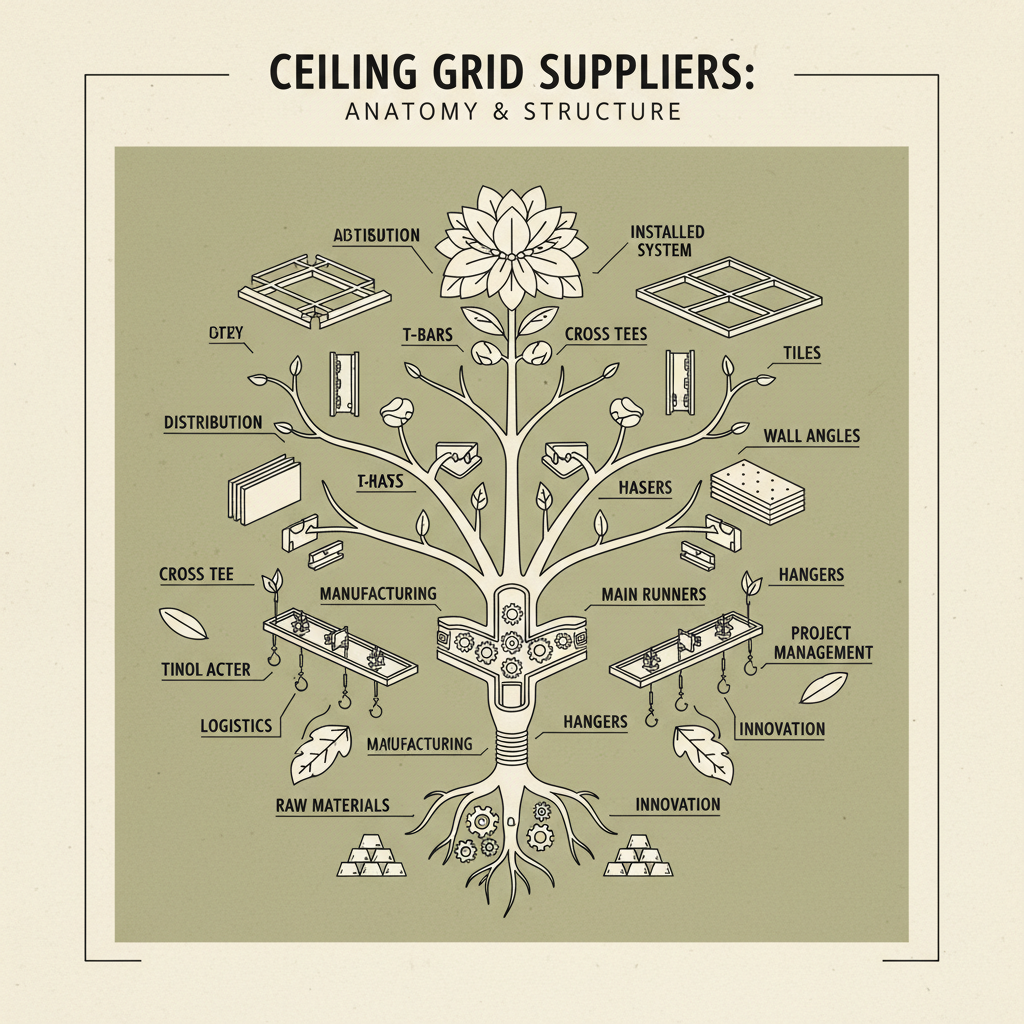
To be honest, the market’s flooded. A lot of suppliers out there, mostly from China, but increasingly from Southeast Asia too. They’re all promising the same thing – fast delivery, low prices, high quality. Separating the wheat from the chaff is… difficult. You need a supplier who understands the nuances, who actually listens to your problems, and who won't disappear after taking your deposit. I’ve seen it happen too many times. Finding good ceiling grid suppliers isn't just about price, it’s about building a relationship.
Strangely enough, there's also this trend of vertically integrated suppliers. They don’t just make the grid, they make the accessories, the hangers, the lighting integration systems… It can be convenient, but it also means you’re putting all your eggs in one basket. I prefer suppliers who specialize in the grid itself and partner with others for the rest. That way, you get the best of both worlds.
One thing I’ve noticed repeatedly is people overcomplicating things. They try to get too clever with the design, adding unnecessary features, complicated suspension systems… it just makes installation harder and increases the risk of failure. Keep it simple! Another common mistake is not accounting for thermal expansion and contraction. Metal expands and contracts with temperature changes, and if the grid system isn't designed to accommodate that, you'll end up with warped ceilings and unhappy customers.
And don't even get me started on acoustic performance. Everyone wants a quiet space, but they often forget that the grid system plays a crucial role in sound absorption. Using the wrong type of grid, or not properly filling the cavity with insulation, can completely ruin the acoustic properties of the room.
Then there's the issue of load capacity. People underestimate how much weight a ceiling grid needs to support – lights, HVAC equipment, sprinklers… it all adds up. You need to do your calculations carefully and choose a grid system that's strong enough to handle the load.
Galvanized steel, as I said, it’s the workhorse. It’s strong, relatively inexpensive, and corrosion-resistant. But it's heavy. Really heavy. And it can be a pain to cut and bend on site. You need the right tools, and you need to wear gloves because the edges can be sharp. It smells like… well, like metal. A slightly oily, metallic smell.
Aluminum is lighter, which makes installation easier. But it's softer, so it's more prone to dents and scratches. It also doesn’t hold paint as well as steel. And it’s more expensive. But, if you're looking for a lightweight solution, it's a good option. It feels…smooth, almost silky to the touch. No real smell though.
The composites are interesting. Some are made from recycled plastic, which is good for the environment. But they vary wildly in quality. Some feel cheap and brittle, others are surprisingly strong and durable. The good ones have a slightly rubbery texture and a faint plastic smell. We are seeing more and more, and frankly, I’m still on the fence.
Forget the lab tests. I care about what happens on a real construction site. We do drop tests, naturally. We simulate wind loads, seismic activity… But the best test is just watching the guys install it. If they struggle, if they curse, if they break things… that tells me everything I need to know.
We also do a lot of on-site mockups. We build a small section of the ceiling grid and subject it to real-world conditions. We hang lights, HVAC equipment, sprinklers… We see how it holds up, how it performs. And we get feedback from the installers. Their input is invaluable.
You’d think people just install the grid and forget about it. But it’s not that simple. Maintenance is a big issue. Dust accumulates, lights need to be replaced, sprinkler heads need to be inspected. Access panels are critical. And they need to be easy to open and close, without damaging the grid. That's a frequent complaint.
And surprisingly, a lot of people use the grid as a makeshift cable management system. They run wires along the grid, attach things to it… It’s not ideal, but it happens. So the grid needs to be strong enough to support the extra weight.
The advantages are obvious: clean aesthetics, easy access to services, improved acoustics, fire resistance. But the downsides? Cost, for one. Good quality ceiling grids aren't cheap. And installation can be time-consuming and labor-intensive.
And frankly, some grids just look… cheap. They detract from the overall design of the space. That’s a big issue for architects and designers. They want something that looks good, that complements the rest of the interior. They want ceiling grid suppliers to understand the importance of aesthetics.
Anyway, I think the biggest challenge is finding the right balance between cost, performance, and aesthetics. It’s a constant trade-off.
We had a client last month, a small boss in Shenzhen who makes smart home devices, insisted on changing the interface to . The original design used a standard rectangular access panel, but he wanted a sleek, flush-mounted port for charging his devices. Sounds simple, right? Wrong. It required completely redesigning the access panel and modifying the grid system. It took weeks, it cost a fortune, and in the end, it barely made a difference. He just wanted to be different.
But customization isn't always about aesthetics. Sometimes it's about functionality. We've done projects where we've integrated lighting directly into the grid system, creating a seamless, uniform look. We've also designed grids with integrated soundproofing materials for recording studios.
The key is to work closely with the client and understand their specific needs. And sometimes, you have to tell them "no." Especially when they want something completely impractical.
| Material Type | Load Capacity (lbs/sq ft) | Installation Complexity (1-5) | Cost (per sq ft) |
|---|---|---|---|
| Galvanized Steel | 50-75 | 3 | $2.50 - $4.00 |
| Aluminum | 30-50 | 2 | $3.00 - $5.00 |
| Composite (High-Density) | 40-60 | 3 | $3.50 - $6.00 |
| Composite (Lightweight) | 20-30 | 2 | $2.00 - $3.00 |
| Integrated Steel/Aluminum | 60-80 | 4 | $4.00 - $7.00 |
| Modular Clip-In | 40-60 | 1 | $5.00 - $8.00 |
Honestly? Chasing the lowest price. It almost always backfires. You end up with inferior materials, poor customer service, and headaches down the road. It's better to pay a little more upfront for a reliable supplier who understands your needs. Don't just look at the price tag, look at the overall value. Reputation, quality control, and responsiveness are all important factors.
Extremely important! Especially in humid environments or areas with high levels of moisture. Galvanized steel is a good option, but even that can corrode over time. Aluminum is naturally corrosion-resistant, but it's also more expensive. And some composites offer excellent corrosion resistance, but you need to choose carefully. Consider the environment and select a material that can withstand the conditions.
The type of grid, the infill material, and the overall cavity depth all play a role. You need to choose a grid system that's designed for acoustic performance. And you need to fill the cavity with an appropriate sound-absorbing material, like mineral wool or fiberglass. The deeper the cavity, the better the acoustic performance will be, generally.
Yes! There's a growing demand for sustainable materials. Recycled steel and aluminum are good options. And some composites are made from recycled plastic. Look for suppliers who are committed to sustainability and who can provide documentation on the environmental impact of their products.
That depends on the material and the environment. Galvanized steel can last 20-30 years with proper maintenance. Aluminum can last even longer. Composites vary, but some can also last 20+ years. Regular inspection and cleaning are essential to maximize the lifespan.
Hire experienced installers! Seriously, don't try to save money by using unqualified labor. Proper installation is critical for the performance and safety of the ceiling grid system. Make sure the installers follow the manufacturer's instructions carefully and use the correct tools and techniques. Inspect their work to ensure it meets your standards.
Ultimately, we’ve covered a lot – from materials and design pitfalls to testing and customization. But what it all boils down to is this: ceiling grid systems are a vital part of any building, and choosing the right one requires careful consideration. You need to think about cost, performance, aesthetics, and sustainability. And you need to find a reliable supplier who can provide you with the support you need.
Look, I've been doing this for a long time, and I’ll tell you what: whether this thing works or not, the worker will know the moment he tightens the screw. It's about practicality, about getting the job done right. If it feels solid, if it installs easily, and if it looks good… then you’ve made the right choice. For quality ceiling grid supplies, visit our website: www.jinkaibm.com
If you are interested in our products, you can choose to leave your information here, and we will be in touch with you shortly.