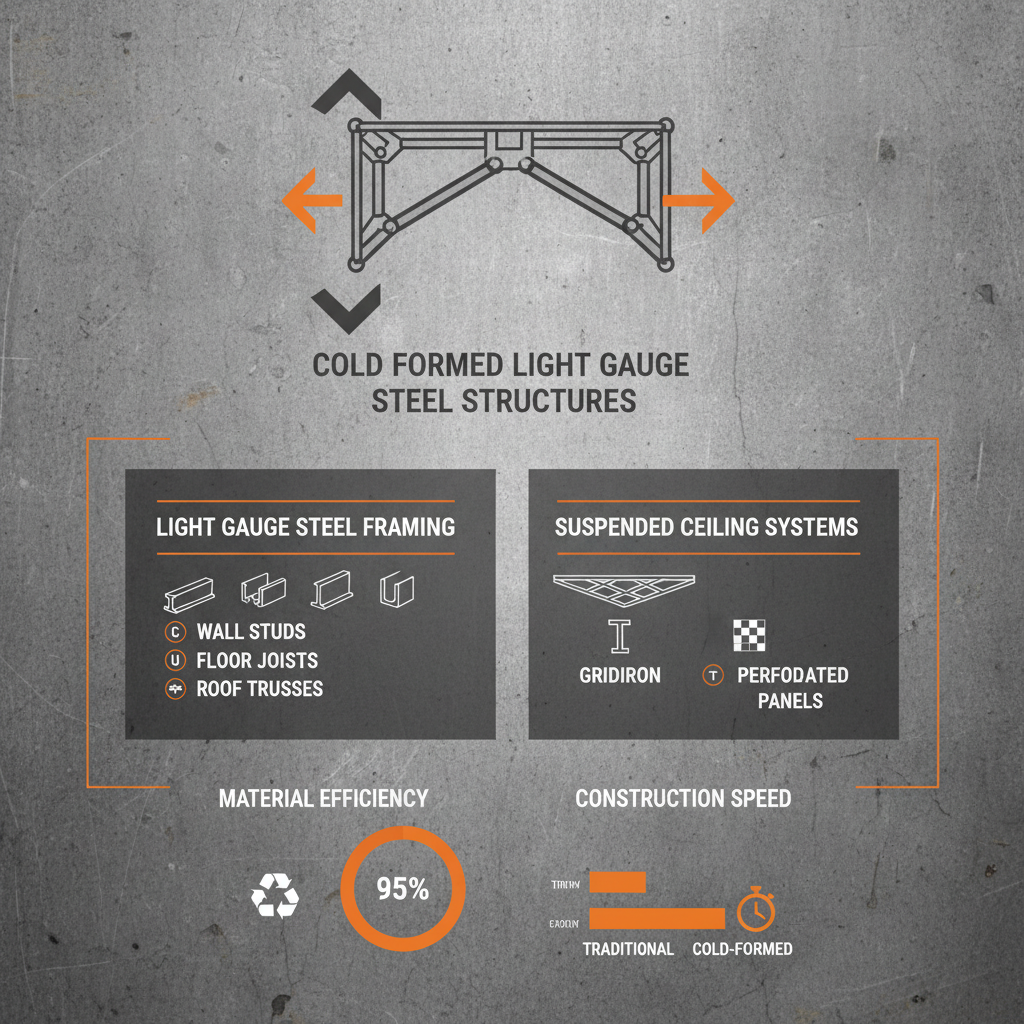
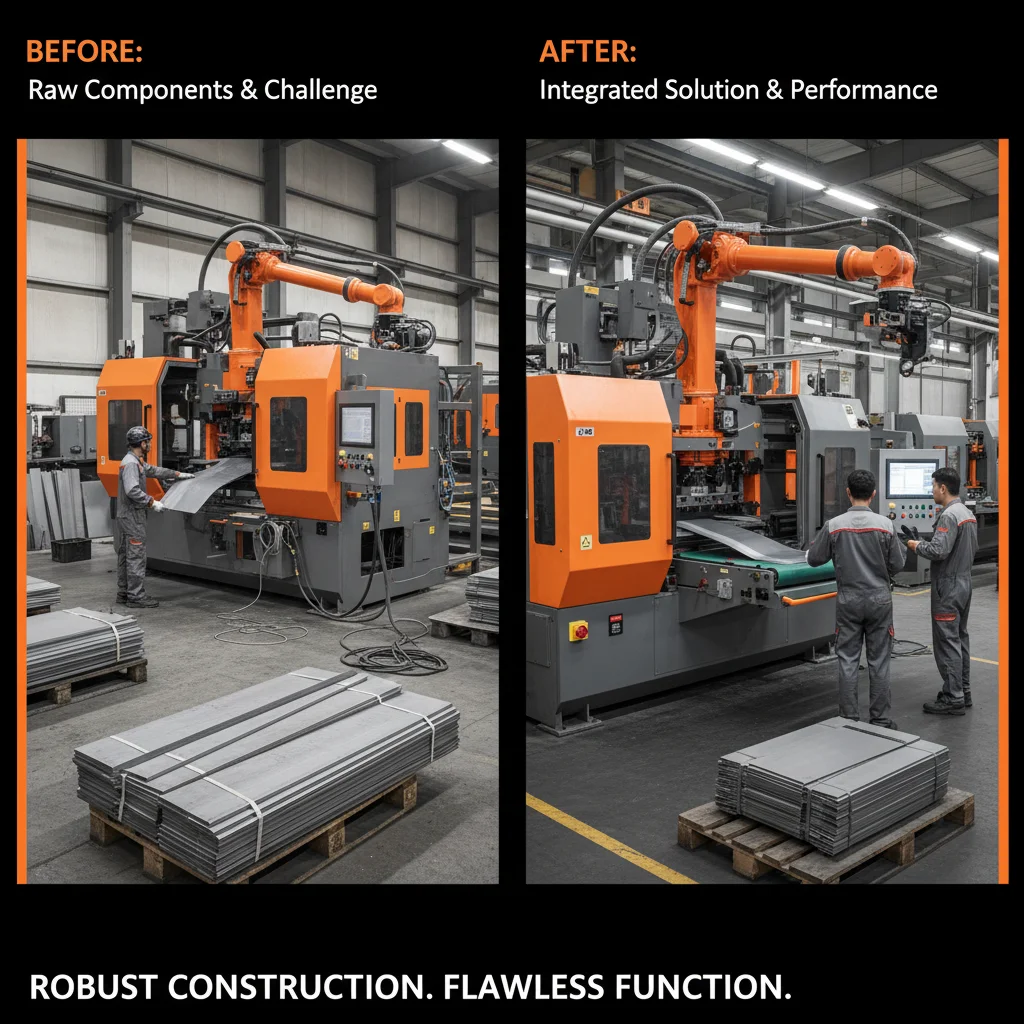
Cold formed light gauge steel structures are revolutionizing the construction industry globally, offering a sustainable, cost-effective, and rapidly deployable solution for a diverse range of applications. From affordable housing to disaster relief shelters and large-scale industrial buildings, these structures are becoming increasingly recognized for their inherent benefits. The demand for innovative building materials is rising due to factors like population growth, urbanization, and the urgent need for environmentally conscious construction practices, positioning cold formed light gauge steel as a key player in shaping the future of building.
The escalating need for resilient infrastructure, particularly in regions prone to natural disasters, fuels the demand for solutions like cold formed light gauge steel structures. These systems offer exceptional strength-to-weight ratios and rapid assembly times, crucial qualities in emergency response scenarios. Furthermore, the lightweight nature of these structures significantly reduces transportation costs, making them ideal for remote or challenging locations. This addresses a critical gap in providing safe and dignified shelter and infrastructure where traditional construction methods are impractical or too slow.
Understanding the principles, applications, and advantages of cold formed light gauge steel structures is no longer a niche pursuit but a vital necessity for architects, engineers, developers, humanitarian organizations, and policymakers worldwide. Embracing this technology allows us to build a more sustainable, resilient, and equitable future.
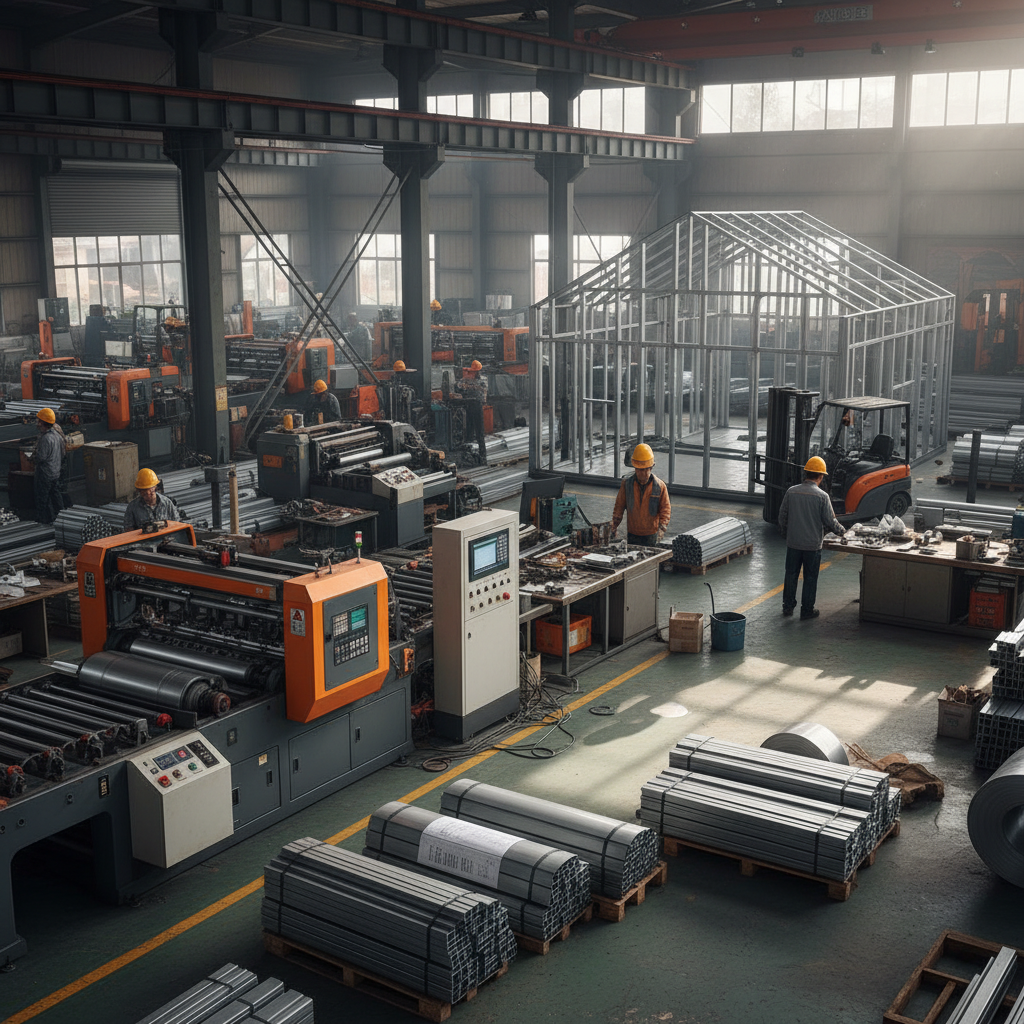
Introduction to cold formed light gauge steel structures
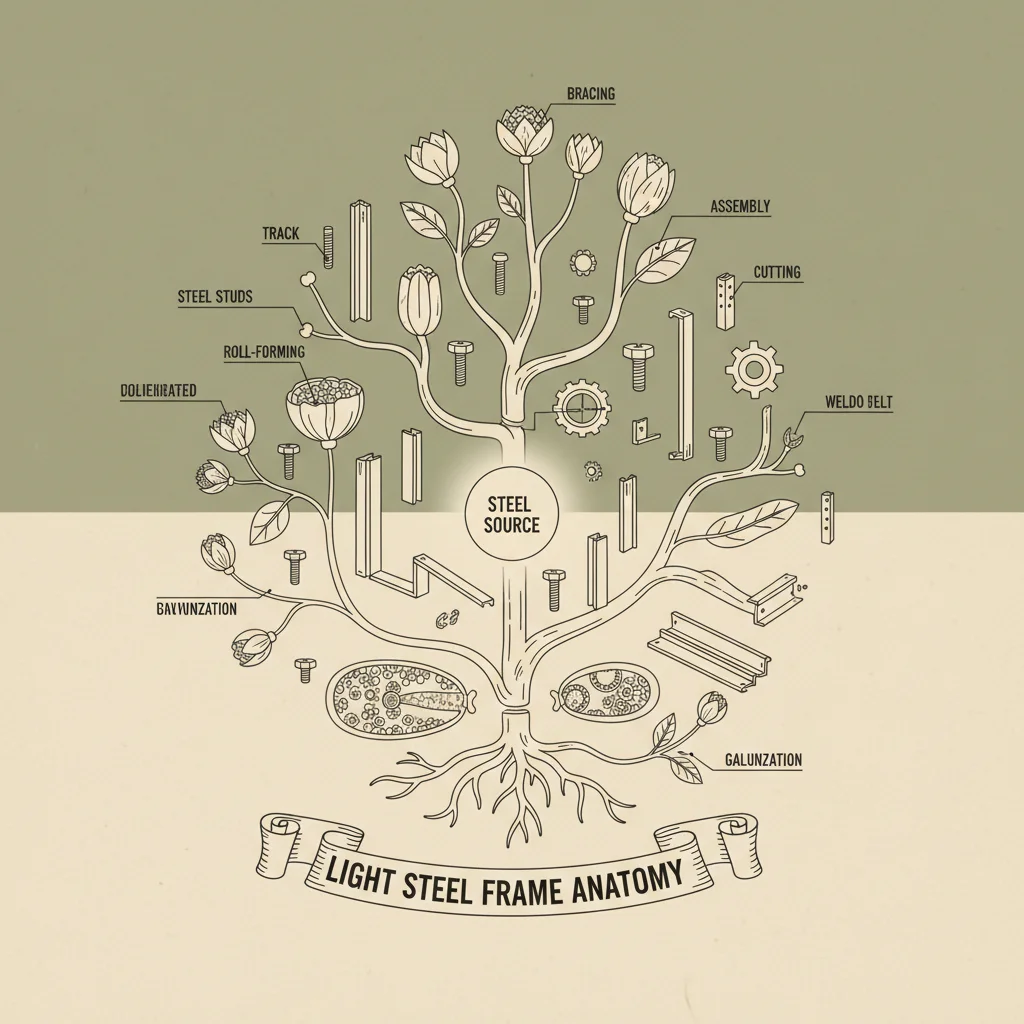
cold formed light gauge steel structures utilize pre-engineered steel components, typically galvanized to prevent corrosion, which are assembled to create building frameworks. This contrasts sharply with traditional construction relying on cast-in-place concrete or heavy timber framing. The inherent strength and lightweight nature of these materials make them adaptable to a wide range of designs and applications, minimizing foundation requirements and reducing overall project costs.
The versatility of cold formed light gauge steel extends beyond simple rectangular buildings. Sophisticated software and engineering techniques allow for the creation of complex geometric designs and custom solutions, making them suitable for diverse architectural styles and functional needs. This adaptability is a key differentiator, particularly in projects requiring aesthetic flexibility and tailored building solutions.
Global Relevance and Industry Context
According to the United Nations, approximately 1.6 billion people worldwide lack adequate housing, a figure projected to rise with continued urbanization. Simultaneously, the construction industry accounts for nearly 40% of global carbon emissions. These converging challenges necessitate a paradigm shift towards sustainable and efficient building practices. cold formed light gauge steel structures present a viable solution by offering a faster, more affordable, and environmentally responsible alternative to traditional construction methods.
The World Bank emphasizes the importance of resilient infrastructure in developing nations, particularly those vulnerable to climate change and natural disasters. The rapid deployment capabilities of cold formed light gauge steel structures are critical in addressing immediate shelter needs after emergencies and rebuilding communities in a timely manner. The ease of transport and assembly reduces logistical complexities in remote areas, making it ideal for humanitarian aid and post-disaster reconstruction efforts.
ISO standards for light gauge steel framing are becoming increasingly prevalent globally, driving standardization and quality control within the industry. This enhanced standardization boosts investor confidence and facilitates wider adoption of these technologies, particularly in regulated markets where building codes prioritize safety and performance. The increasing global acceptance of these standards signals a growing maturity and legitimacy of cold formed light gauge steel as a mainstream construction solution.
Defining cold formed light gauge steel structures
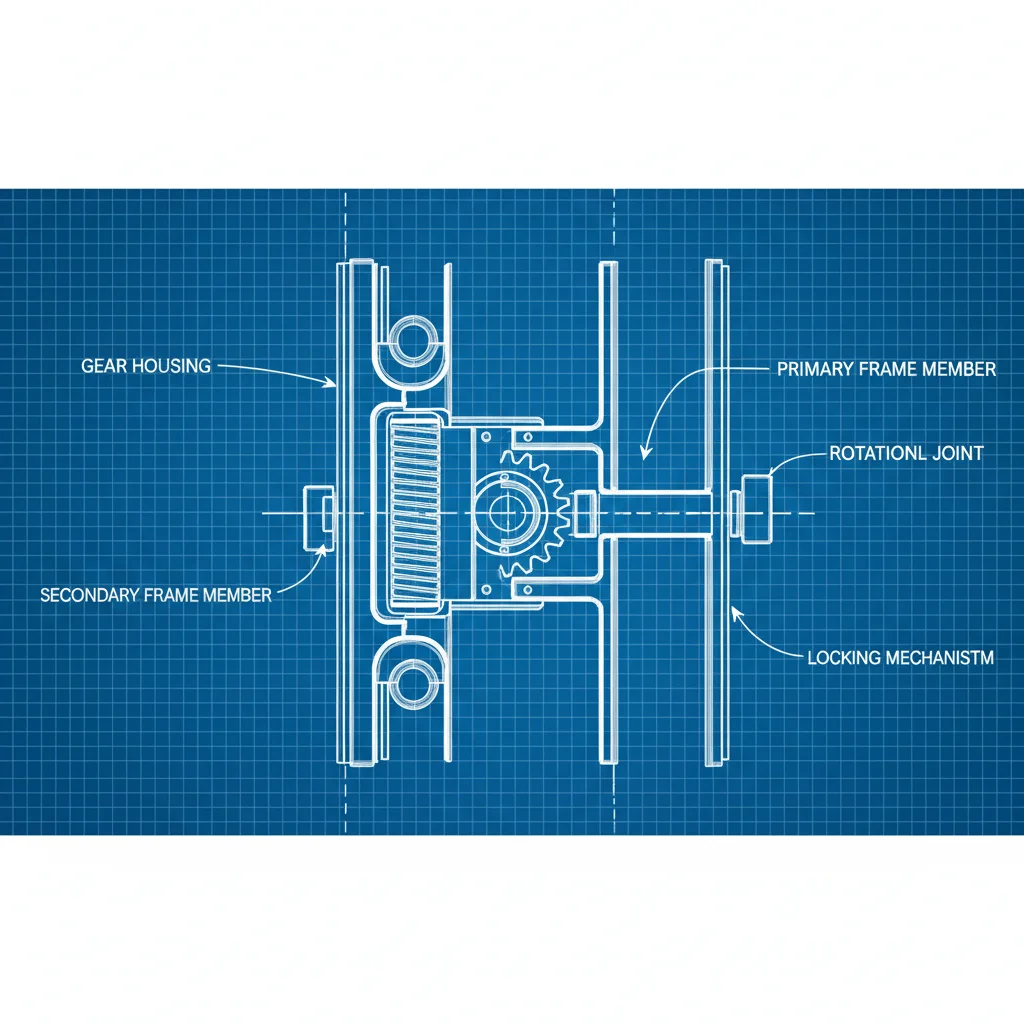
cold formed light gauge steel structures are buildings constructed using thin-gauge steel members, typically 0.4 to 3.0 mm thick, which are formed into specific shapes through cold-forming processes. This method of manufacturing eliminates the need for welding, significantly reducing construction time and labor costs. These steel members are then assembled using self-tapping screws or other mechanical fasteners, creating a strong and durable building framework.
Unlike hot-rolled steel, which is formed at high temperatures, cold-forming preserves the steel’s strength and ductility, resulting in a high strength-to-weight ratio. This allows for lighter foundations and reduced material usage, contributing to both cost savings and environmental sustainability. The process also allows for intricate shapes and designs not easily achievable with traditional steel fabrication.
The application of these structures extends beyond simply providing shelter. They are instrumental in addressing the global need for affordable housing, facilitating rapid response to humanitarian crises, and creating resilient infrastructure in challenging environments. cold formed light gauge steel structures represent a practical and sustainable solution for building a better future.
Key Factors of cold formed light gauge steel structures
One of the most significant advantages of cold formed light gauge steel structures is their Durability. The galvanized steel used is resistant to corrosion, termites, and fire, ensuring a long service life with minimal maintenance. This inherent resilience translates to lower lifecycle costs and increased building longevity, especially in harsh climates.
Scalability is another key benefit. The modular design allows for easy expansion and modification of structures to meet changing needs. This flexibility is crucial for projects requiring phased construction or adaptable spaces. The standardized components and streamlined assembly process ensure consistent quality and reduced construction timelines, regardless of project size.
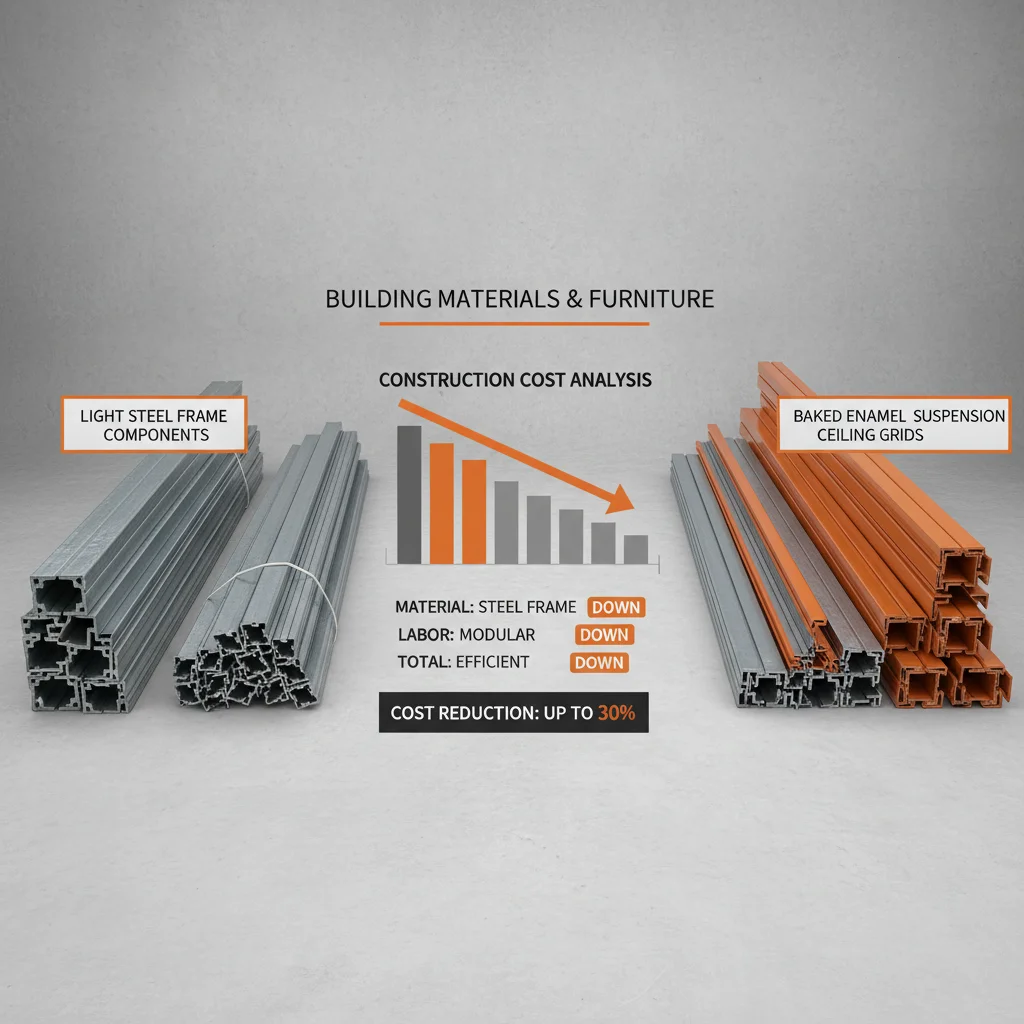
Cost Comparison of Building Materials
Global Applications of cold formed light gauge steel structures
In post-disaster relief operations, cold formed light gauge steel structures are being deployed to provide rapid, safe, and dignified shelter for displaced populations. Organizations like Habitat for Humanity are increasingly utilizing this technology for its speed of construction and affordability, especially in areas devastated by natural disasters like hurricanes and earthquakes.
Within remote industrial zones, particularly in mining and resource extraction industries, the lightweight nature of cold formed light gauge steel structures significantly reduces transportation costs and construction timelines. Prefabricated components can be easily shipped to remote locations and assembled on-site, minimizing disruption to operations. These structures serve as worker accommodations, offices, and support facilities.
Advantages and Long-Term Value
The cost-effectiveness of cold formed light gauge steel structures is a major driver of their adoption. Reduced material costs, faster construction times, and lower labor expenses translate into significant savings for developers and homeowners. These savings are often offset by the long-term benefits of reduced maintenance and increased building longevity.
Sustainability is also a critical advantage. Steel is one of the most recycled materials in the world, and using light gauge steel reduces the environmental impact associated with construction. The minimal waste generated during the fabrication and assembly process further contributes to sustainability. Beyond environmental benefits, these structures promote social impact by providing affordable and dignified housing solutions.
Future Trends in cold formed light gauge steel structures
Integration with Building Information Modeling (BIM) software is streamlining the design and construction process for cold formed light gauge steel structures. BIM allows for accurate 3D modeling, clash detection, and efficient material ordering, minimizing errors and improving project coordination. This digital transformation is enhancing the precision and efficiency of construction.
Advances in coating technologies are further enhancing the corrosion resistance and durability of cold formed light gauge steel structures. New coatings offer increased protection against harsh environments, extending the service life of buildings and reducing maintenance requirements. Simultaneously, research into high-strength steel alloys is promising even lighter and stronger framing solutions.
The convergence of cold formed light gauge steel structures with green energy technologies, such as solar panel integration and rainwater harvesting systems, is creating sustainable and self-sufficient buildings. This holistic approach to building design is aligning with global sustainability goals and driving demand for eco-friendly construction solutions.
Challenges and Solutions
One of the primary challenges facing the wider adoption of cold formed light gauge steel structures is the need for skilled labor. Assembling these structures requires specific training and expertise. However, standardized training programs and certification courses are being developed to address this skills gap, increasing the availability of qualified installers.
Concerns about the thermal performance of steel structures can be mitigated through effective insulation strategies. Utilizing advanced insulation materials and incorporating thermal breaks in the framing design can minimize heat transfer and improve energy efficiency. Proper design and material selection are crucial for maximizing thermal comfort and reducing energy consumption.
Initial upfront costs, while often offset by long-term savings, can sometimes be a barrier to entry. Demonstrating the lifecycle cost benefits and providing financing options can encourage greater investment in cold formed light gauge steel structures. Emphasizing the speed of construction and reduced labor costs also helps to address this concern.
Summary of Challenges and Solutions for cold formed light gauge steel structures
| Challenge |
Impact Area |
Solution |
Implementation Difficulty (1-10) |
| Lack of Skilled Labor |
Construction Efficiency |
Standardized Training Programs |
6 |
| Thermal Performance Concerns |
Energy Efficiency |
Advanced Insulation & Thermal Breaks |
5 |
| Initial Upfront Costs |
Project Budget |
Lifecycle Cost Analysis & Financing Options |
7 |
| Limited Awareness & Acceptance |
Market Penetration |
Educational Campaigns & Demonstration Projects |
8 |
| Building Code Compliance |
Regulatory Approval |
Collaboration with Code Officials & Standard Development |
4 |
| Material Sourcing & Supply Chain |
Project Timeline |
Developing Local Supply Chains & Strategic Partnerships |
6 |
FAQS
cold formed light gauge steel structures inherently offer superior fire resistance compared to timber. Steel is a non-combustible material and will not contribute to the spread of flames. While steel can lose strength at extremely high temperatures, the galvanized coating and inherent structural design of cold formed light gauge steel frames provide substantial protection, delaying collapse and providing occupants with valuable evacuation time. This makes them a safer building option, especially in fire-prone regions. The steel doesn't feed the fire like wood does, contributing to a slower burn and more controlled environment.
With proper maintenance, a building constructed with cold formed light gauge steel structures can easily last 75 to 100 years or more. The galvanized steel protects against corrosion, minimizing structural degradation. Regular inspections and preventative maintenance, such as reapplying protective coatings as needed, can extend the building’s lifespan significantly. Compared to timber, which is susceptible to rot and insect damage, steel offers greater long-term durability and reduces the need for costly repairs or replacements.
Yes, cold formed light gauge steel structures are considered environmentally friendly. Steel is one of the most recycled materials globally, and using recycled steel reduces the demand for virgin materials. The lightweight nature of the structures minimizes transportation costs and carbon emissions. Furthermore, the precision manufacturing process generates minimal waste compared to traditional construction methods. The longevity of steel buildings also reduces the need for frequent rebuilding, further lowering their environmental impact.
While the initial material costs of steel may sometimes be higher, cold formed light gauge steel structures often prove more cost-effective overall. Faster construction times, reduced labor requirements, and lighter foundations contribute to significant savings. The elimination of wet trades like concrete pouring reduces project delays and minimizes the risk of weather-related damage. The long-term durability and low maintenance requirements of steel also translate to lower lifecycle costs.
cold formed light gauge steel structures exhibit excellent seismic performance due to their inherent ductility and lightweight nature. The flexibility of the steel framing allows the structure to absorb energy during an earthquake, reducing the risk of catastrophic failure. Properly designed and engineered cold formed light gauge steel structures can withstand significant seismic forces, providing a safe and resilient building solution in earthquake-prone regions. This is a critical advantage in areas where building codes prioritize seismic resistance.
While cold formed light gauge steel is incredibly versatile, its application in very high-rise buildings can present challenges. The wind loads and structural demands on extremely tall buildings may require the use of heavier steel sections or a combination of materials. However, innovative designs and advanced engineering techniques are continually expanding the capabilities of cold formed light gauge steel, and it is increasingly being used in mid-rise and even some high-rise applications. Careful structural analysis and design are essential for ensuring the stability and safety of these buildings.
Conclusion
cold formed light gauge steel structures represent a paradigm shift in the construction industry, offering a compelling blend of sustainability, affordability, durability, and speed. From addressing the global housing crisis to providing rapid disaster relief and creating resilient infrastructure, these structures are poised to play a pivotal role in shaping a more sustainable and equitable future. Understanding and embracing this technology is essential for architects, engineers, developers, and policymakers alike.
As innovation continues to drive advancements in materials, design, and construction techniques, the potential of cold formed light gauge steel structures will only continue to grow. We encourage you to explore the possibilities and consider incorporating these solutions into your next project. Visit our website at cold formed light gauge steel structures to learn more and discover how we can help you build a better future.