Hit enter to search or ESC to close
Cold formed metal framing gauges represent a crucial element in modern construction, offering a lightweight yet robust alternative to traditional building materials. Understanding the nuances of these gauges—their specifications, applications, and advancements—is becoming increasingly important globally, particularly in addressing the growing demands for sustainable, efficient, and rapidly deployable structures. This knowledge empowers architects, engineers, and builders to optimize designs, reduce material waste, and ensure structural integrity, contributing to more resilient and cost-effective building practices.
The global construction industry is undergoing a significant shift, driven by urbanization, population growth, and the need for sustainable infrastructure. Cold formed metal framing gauges are at the forefront of this transformation, playing a vital role in the development of innovative building solutions like modular construction, prefabricated housing, and disaster relief shelters. Data from the United Nations indicates a projected increase in global urbanization to 68% by 2050, creating a massive demand for efficient and scalable building technologies.
This growing demand highlights a key challenge: the need for construction materials and techniques that are both environmentally responsible and economically viable. Cold formed metal framing gauges offer a compelling solution, providing a high strength-to-weight ratio, ease of installation, and recyclability, addressing the limitations of traditional materials like wood and concrete. The effective selection and implementation of these gauges are therefore essential for meeting the construction needs of the 21st century.
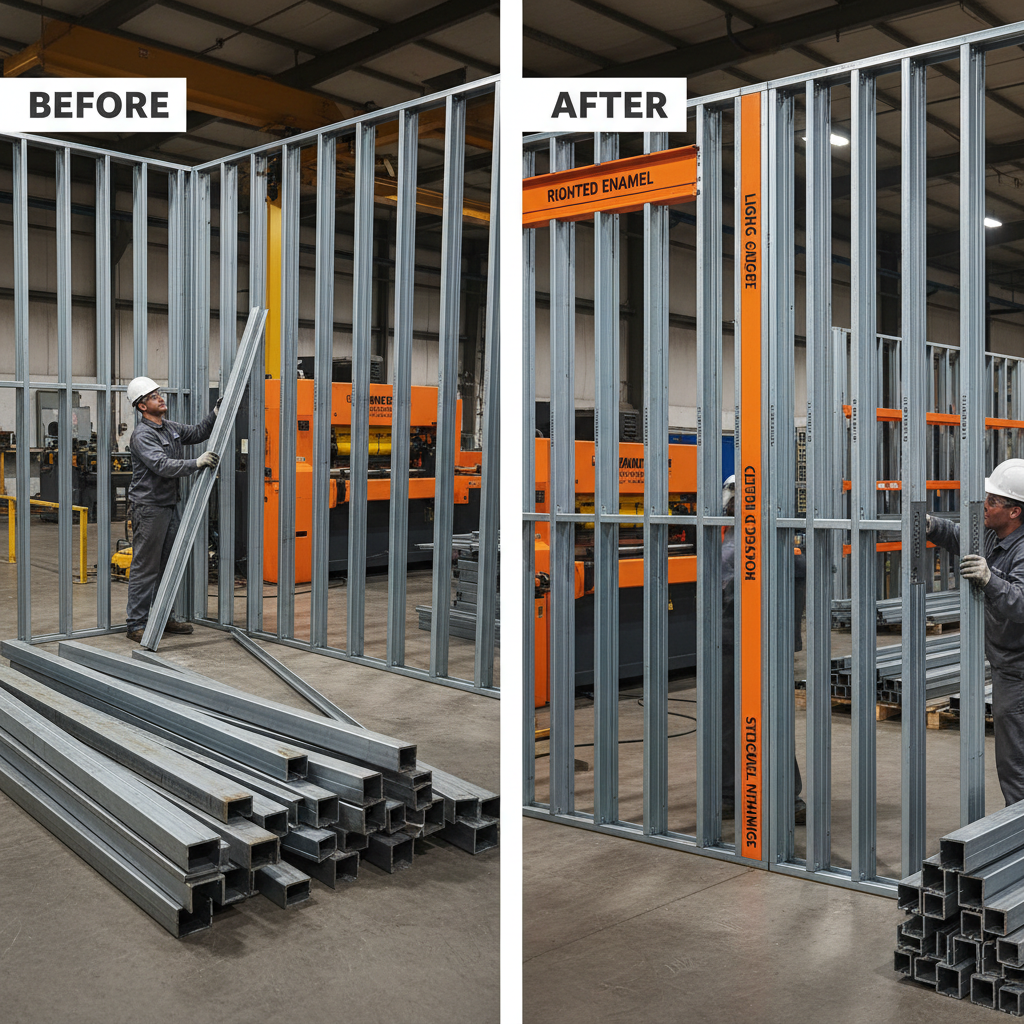
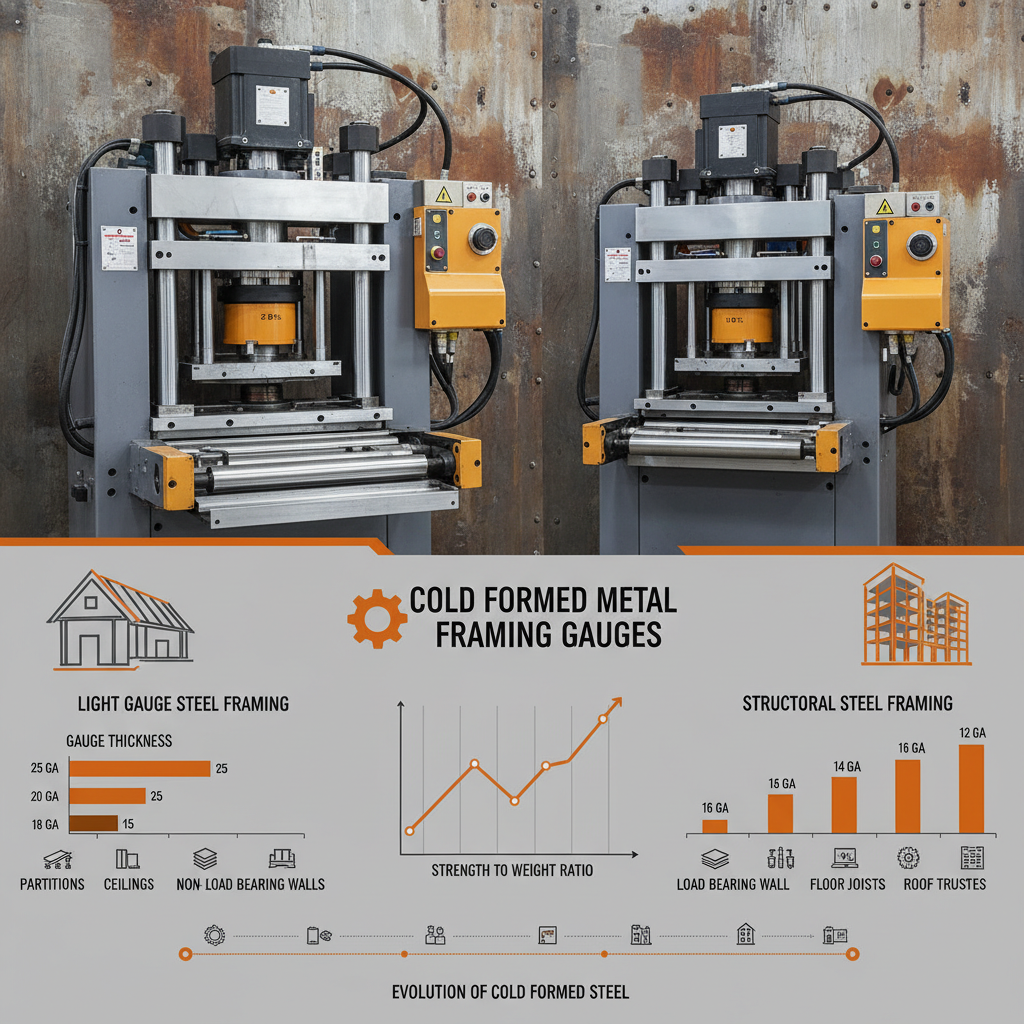
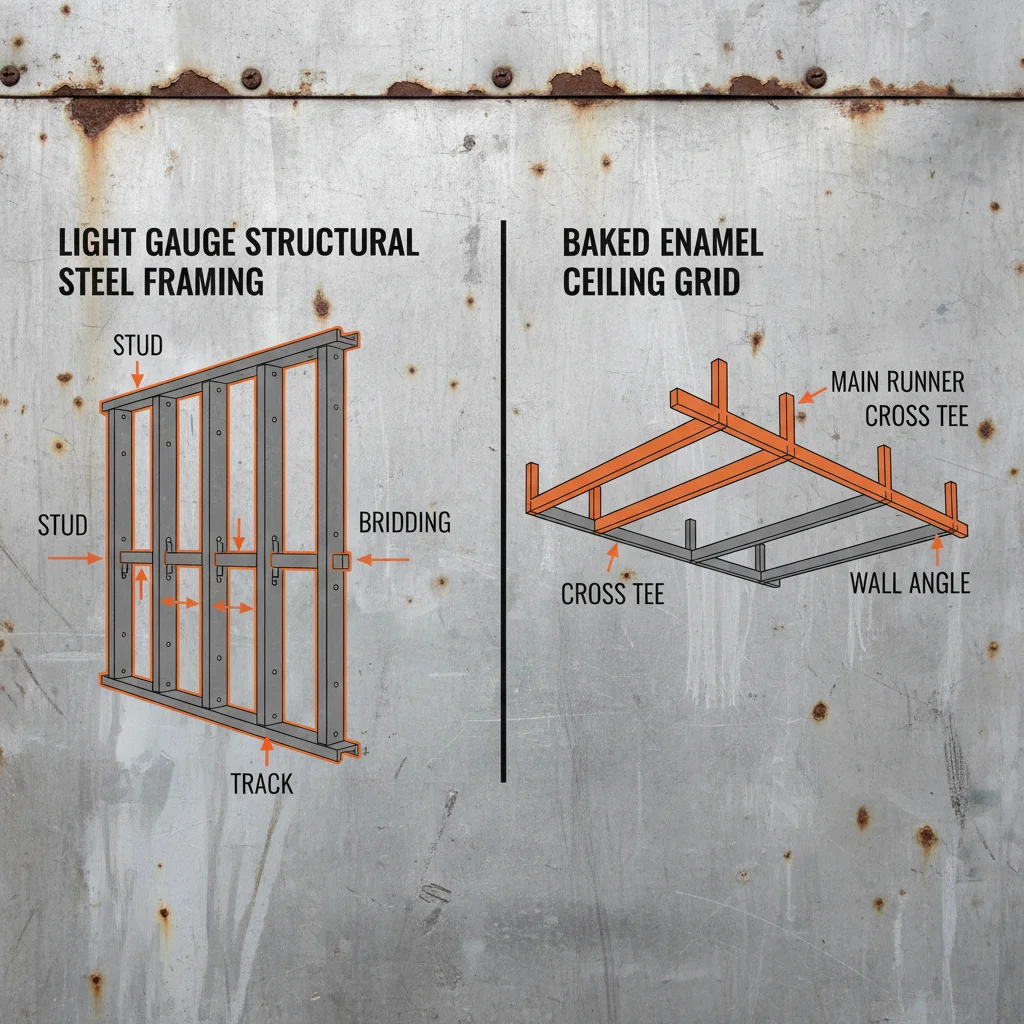
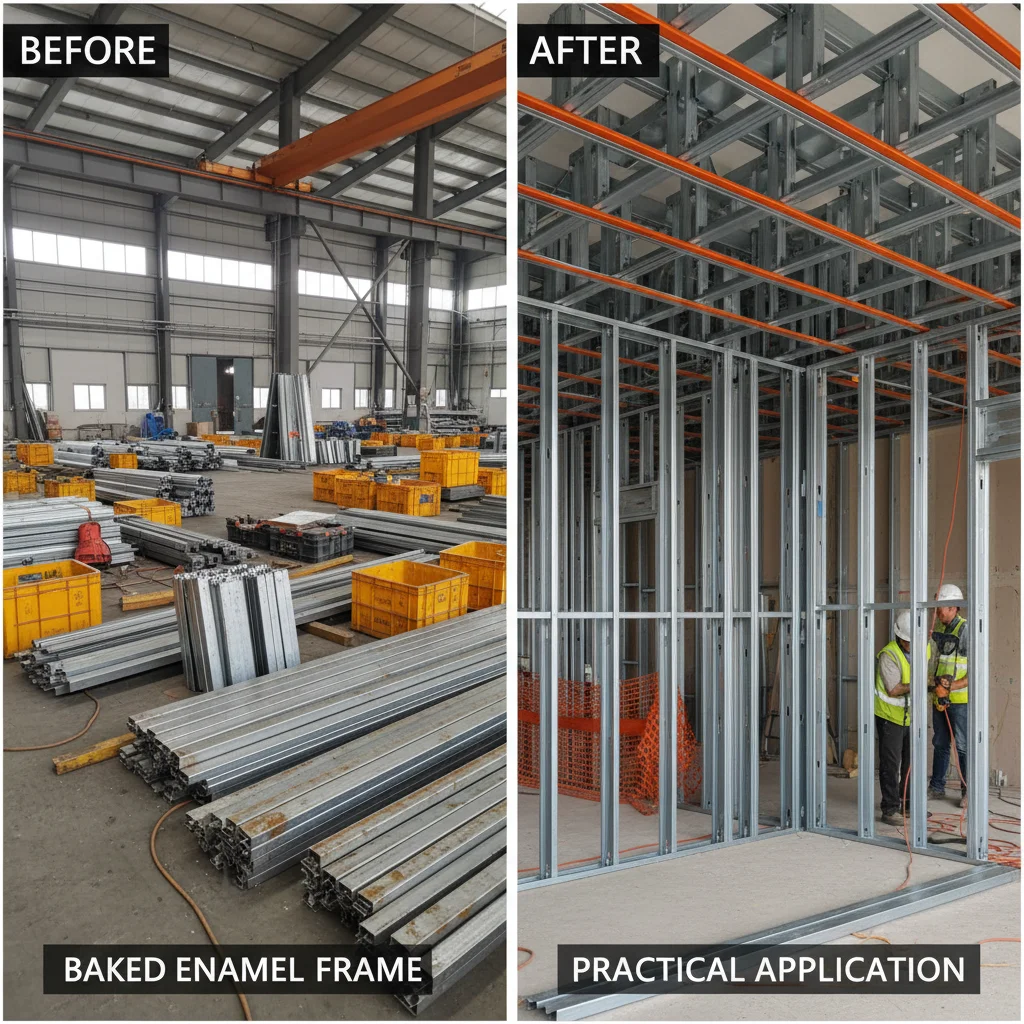
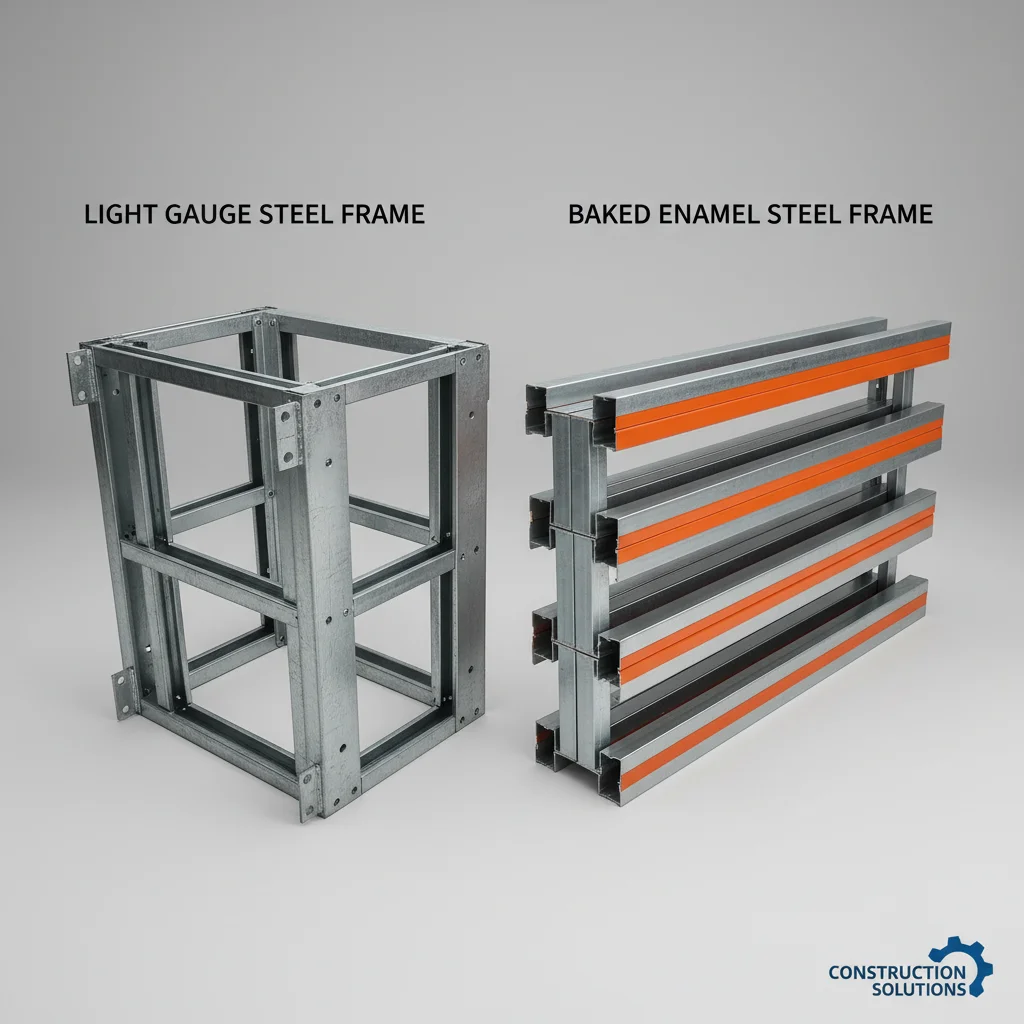
Cold formed metal framing gauges are essentially the thickness measurements of the steel components used in constructing wall systems, roofs, and floor supports. These gauges, typically ranging from 18 to 25, directly correlate with the strength and load-bearing capacity of the framing members. Choosing the correct gauge is vital for structural performance and building code compliance.
The increasing adoption of cold formed metal framing gauges reflects a broader trend toward lighter, more durable, and sustainable construction practices. Compared to traditional wood framing, cold formed steel offers superior resistance to fire, pests, and rot, reducing lifecycle costs and enhancing building safety. It is also a highly recyclable material, contributing to a smaller environmental footprint.
When properly designed, installed, and maintained, structures built with cold formed metal framing gauges can last for decades, often exceeding 75 years. The inherent resistance of steel to rot, pests, and fire contributes significantly to its longevity. Regular inspections and appropriate protective coatings are key to maximizing the lifespan, protecting against corrosion and ensuring sustained structural integrity. This is substantially longer than traditional wood-framed structures.
While the initial material cost of cold formed steel may sometimes be slightly higher than wood, the lifecycle cost is often lower. Steel requires less maintenance, is resistant to pests and fire, and has a longer lifespan. Furthermore, the speed of construction with prefabricated steel components can reduce labor costs. A thorough lifecycle cost analysis, considering material, labor, maintenance, and replacement costs, typically reveals the economic advantages of cold formed steel.
While steel is susceptible to corrosion, it can be effectively mitigated through galvanization, painting, or other protective coatings. Galvanization provides a sacrificial layer of zinc that protects the underlying steel, even if the coating is scratched or damaged. The appropriate coating depends on the environmental conditions and the desired level of protection. Regular inspections and maintenance are also important for identifying and addressing any potential corrosion issues.
The use of cold formed metal framing gauges is regulated by various building codes, including the International Building Code (IBC) and local building codes. These codes specify requirements for material properties, design calculations, installation procedures, and fire resistance. It’s essential to consult with a qualified engineer and ensure that all construction practices comply with applicable building codes and regulations.
Yes, cold formed steel framing can be used for multi-story buildings, but it requires careful engineering design and adherence to building codes. The structural capacity of the framing must be sufficient to support the loads from multiple stories, and appropriate bracing and connections must be used to ensure stability. Lightweight steel framing systems are often used in combination with other structural elements, such as concrete slabs, to create robust and efficient multi-story buildings.
Yes, cold formed metal framing gauges are considered environmentally friendly due to steel's high recyclability rate. Steel is one of the most recycled materials in the world, reducing the need for virgin resources and minimizing landfill waste. The manufacturing process also generates less waste compared to some other building materials. By choosing cold formed steel, builders can contribute to a more sustainable construction industry.
In conclusion, cold formed metal framing gauges represent a critical component in modern construction, offering a compelling combination of strength, durability, sustainability, and cost-effectiveness. Understanding the nuances of these gauges—their specifications, applications, and long-term benefits—is essential for architects, engineers, and builders seeking to create high-quality, resilient, and environmentally responsible structures. Their versatility extends across diverse sectors, from residential and commercial building to industrial facilities and disaster relief efforts.
Looking ahead, continued innovation in materials, manufacturing processes, and digital technologies will further enhance the capabilities and accessibility of cold formed metal framing gauges. Embracing these advancements will be crucial for addressing the evolving challenges of the construction industry and meeting the growing demands for sustainable and efficient building solutions. For more information and to explore our comprehensive range of cold formed metal framing gauges, visit our website at www.jinkaibm.com.