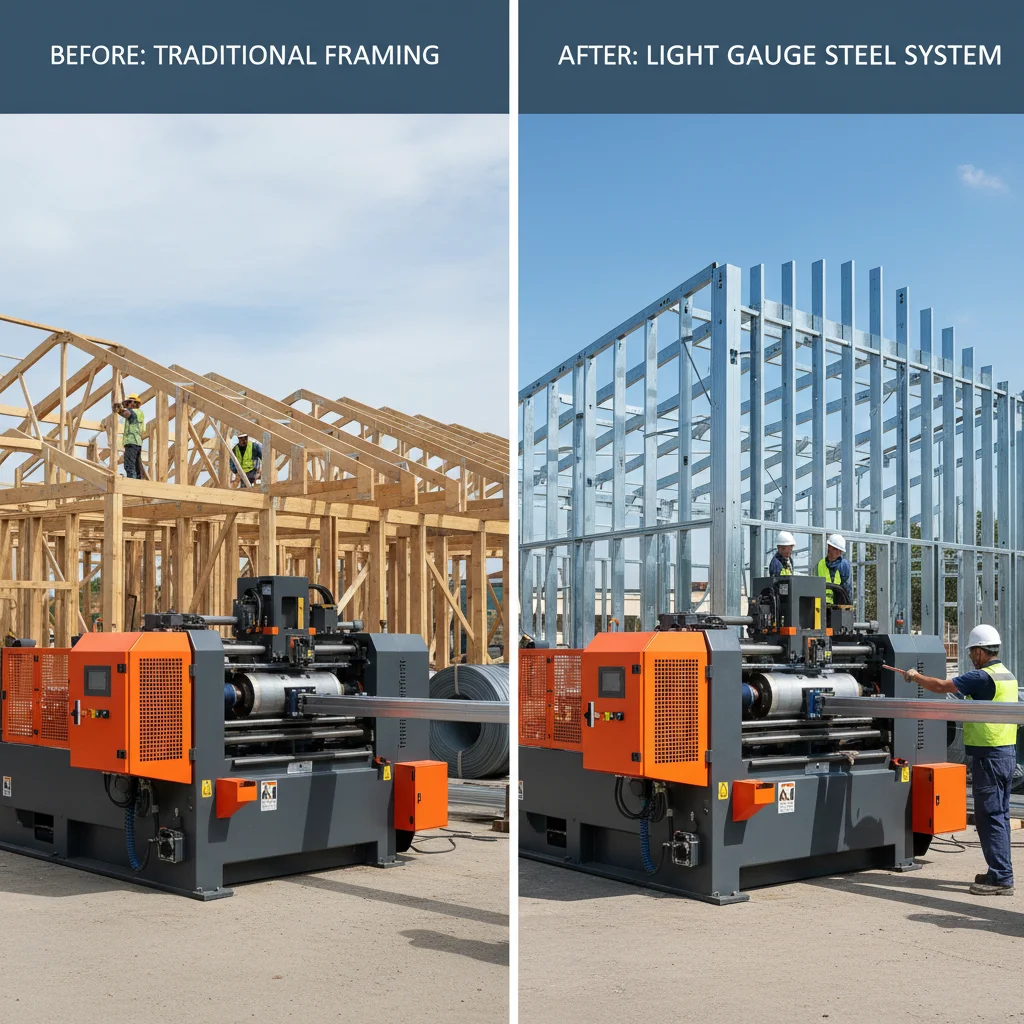
Light galvanized steel frame construction is rapidly becoming a cornerstone of modern building practices globally, offering a versatile and cost-effective solution for diverse applications. Its inherent strength, coupled with corrosion resistance achieved through galvanization, makes it ideal for both temporary and permanent structures. This framework addresses critical needs, ranging from disaster relief and affordable housing to industrial facilities and agricultural infrastructure, significantly impacting communities worldwide. Understanding its benefits is crucial for fostering sustainable and resilient construction solutions.
The increasing demand for sustainable building materials and rapid deployment solutions is driving the adoption of light galvanized steel frame. Global events like natural disasters and humanitarian crises have underscored the need for quickly erectable, durable, and safe shelters. According to UN reports, the demand for emergency housing solutions is expected to rise in the coming decades due to climate change and population displacement. Light galvanized steel frame provides a viable and scalable answer to these pressing challenges.
Furthermore, the World Bank recognizes the importance of affordable housing in promoting economic development, and light galvanized steel frame contributes directly to lowering construction costs and increasing access to quality housing. Its relatively light weight also reduces transportation costs and simplifies on-site assembly, making it a particularly advantageous material in remote or challenging locations.
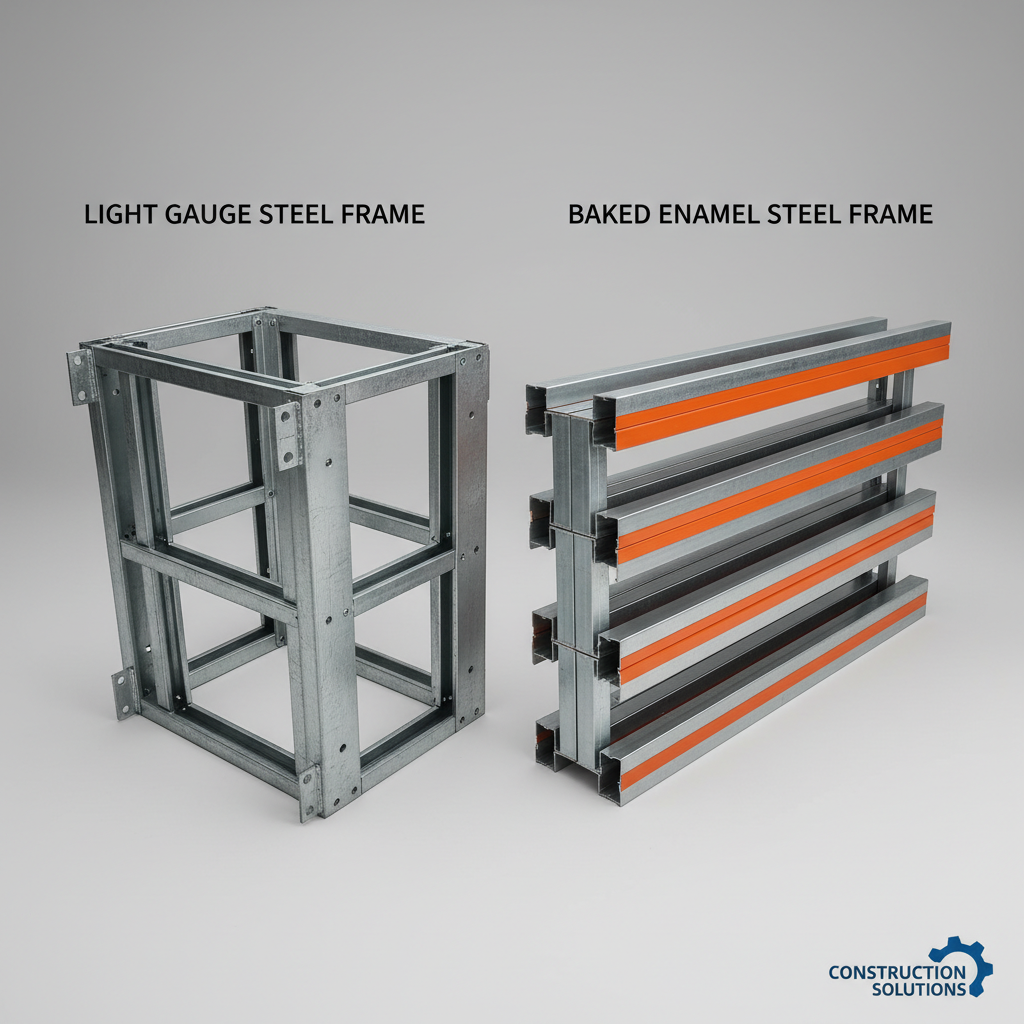
Introduction to light galvanized steel frame
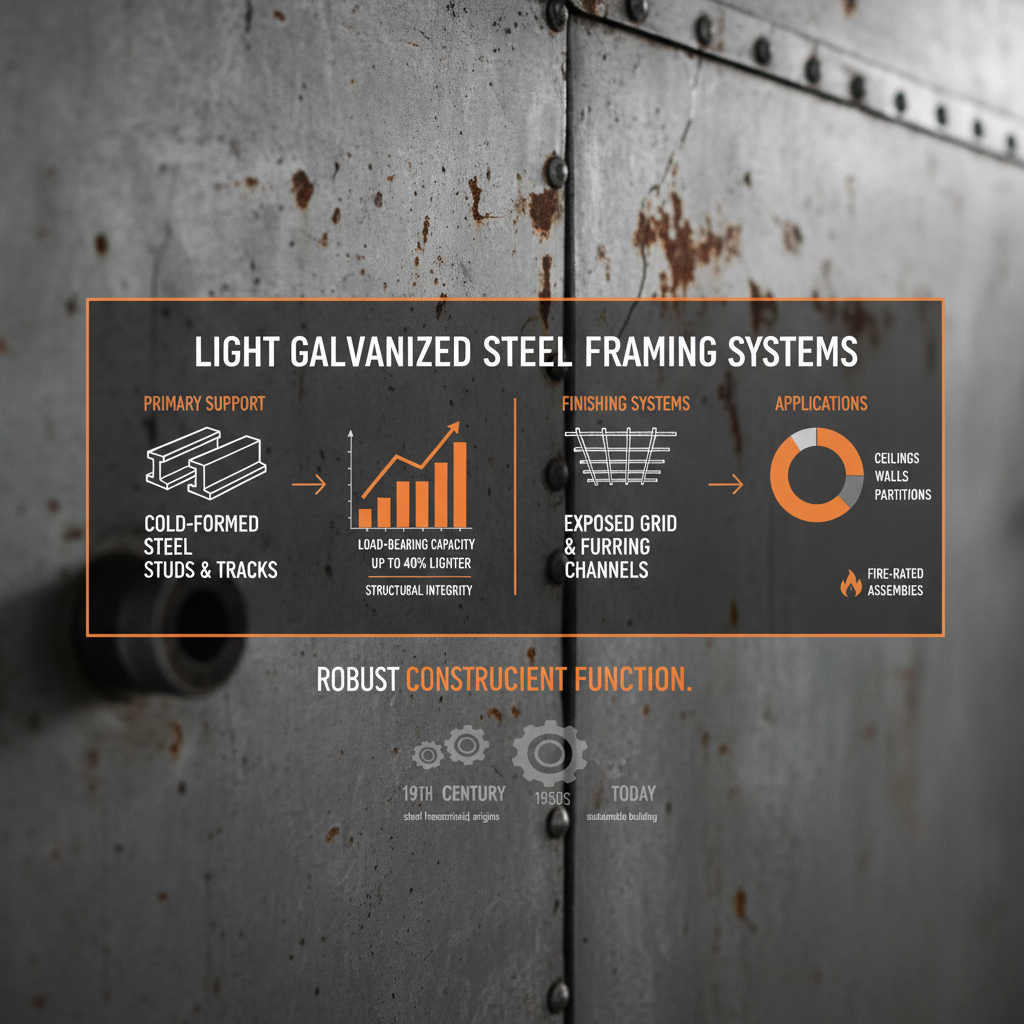
Light galvanized steel frame refers to a construction system utilizing cold-formed steel members, typically galvanized to prevent corrosion. This creates a robust and lightweight structural framework that is highly adaptable to a variety of building designs and applications. light galvanized steel frame offers a modern alternative to traditional building methods, enabling faster construction times and reduced material waste.
Its versatility stems from the ease with which steel can be shaped and connected, allowing for the creation of complex geometries and customized solutions. The galvanization process provides long-lasting protection against the elements, making it suitable for use in diverse climates and environments.
Defining light galvanized steel frame
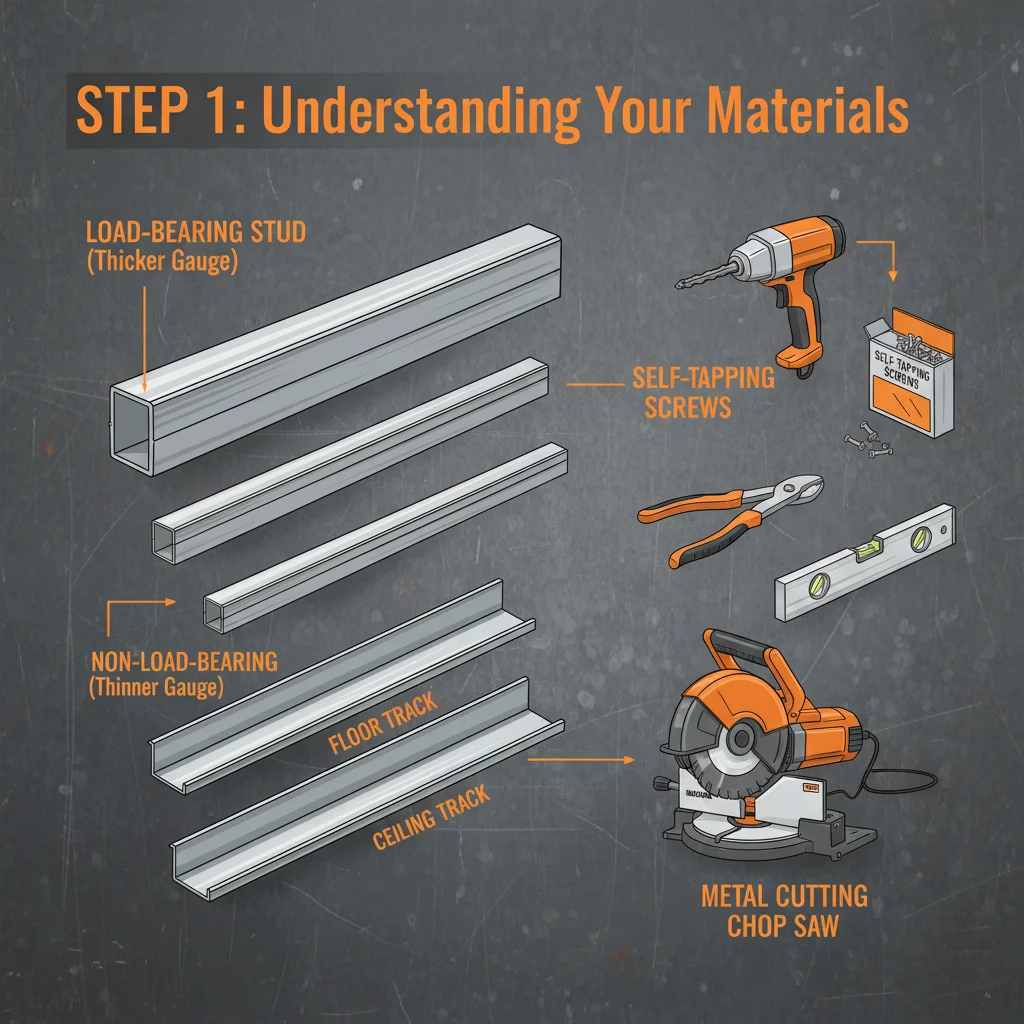
Essentially, a light galvanized steel frame is a structural system engineered from thin-gauge steel sheets formed into various shapes – C-sections, Z-sections, and angles are common. These members are then assembled using screws, bolts, or welding to create a load-bearing framework. The "light" designation refers to the relatively low weight of the steel components compared to traditional hot-rolled steel, which simplifies handling and reduces foundation requirements.
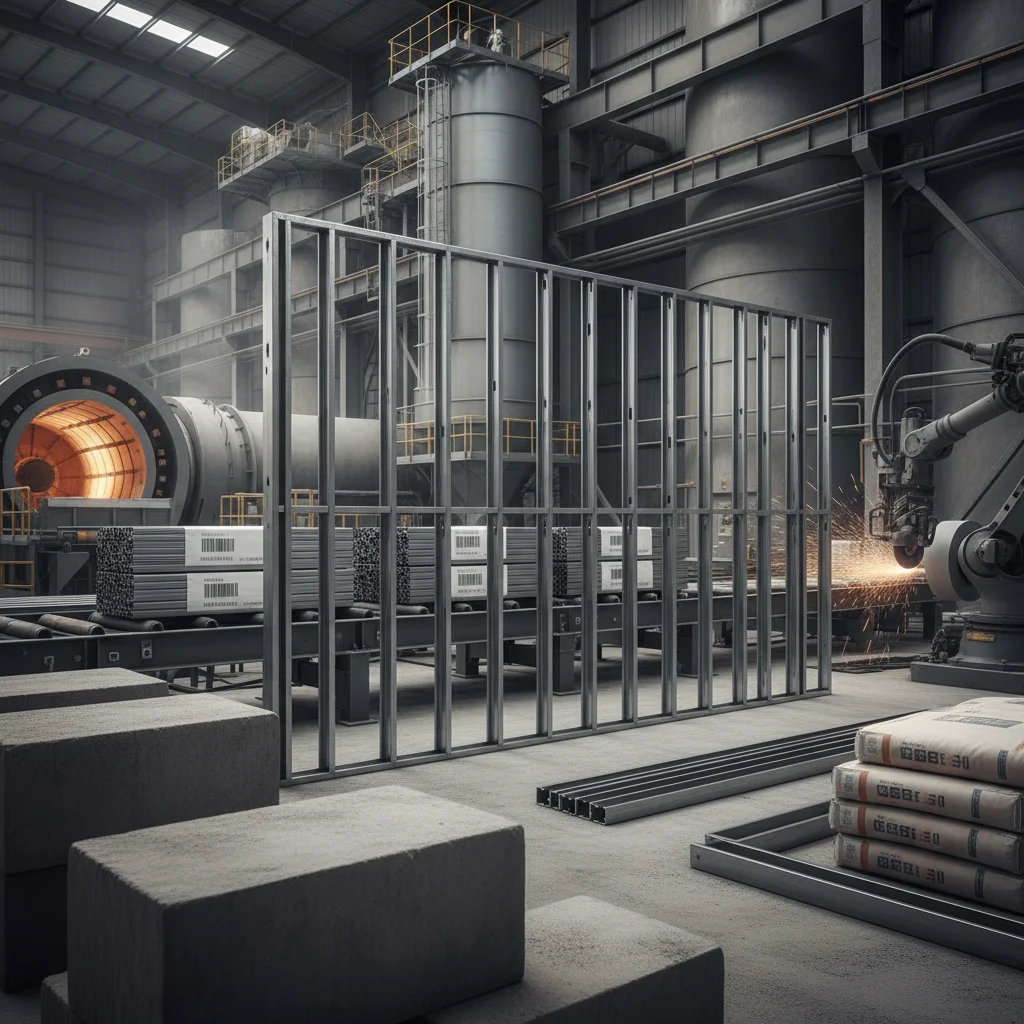
The galvanization process, a crucial step in manufacturing, involves coating the steel with a protective layer of zinc. This layer acts as a sacrificial anode, preventing corrosion even if the steel is scratched or damaged. This makes the framework exceptionally durable and long-lasting, requiring minimal maintenance over its lifespan.
This construction technique aligns perfectly with modern humanitarian needs, providing rapid and reliable shelter solutions in disaster zones and contributing to sustainable development efforts by offering affordable housing options.
Key Characteristics of light galvanized steel frame
Durability: Galvanized steel is inherently resistant to corrosion, rust, and decay, ensuring a long service life even in harsh environmental conditions. This minimizes maintenance and replacement costs over time, making it a cost-effective long-term investment.
Strength-to-Weight Ratio: Light galvanized steel offers an exceptional strength-to-weight ratio, meaning it can bear significant loads with relatively lightweight components. This reduces transportation costs, simplifies handling, and minimizes the need for heavy-duty foundations.
Design Flexibility: Steel is a highly malleable material, allowing for a wide range of design possibilities. Light galvanized steel frame can be easily customized to meet specific architectural requirements and can be adapted to various building shapes and sizes.
Cost Efficiency: Reduced material waste during fabrication, faster construction times, and lower transportation costs contribute to overall cost savings.
Sustainability: Steel is a highly recyclable material, reducing the environmental impact of construction projects. The use of recycled steel in manufacturing further enhances its sustainability profile.
Ease of Assembly: Light galvanized steel frame components are pre-fabricated and can be quickly assembled on-site, reducing construction time and labor costs.
Applications of light galvanized steel frame
Light galvanized steel frame finds widespread application in residential construction, particularly in the creation of single-family homes, multi-story buildings, and modular housing units. Its speed of construction makes it ideal for addressing housing shortages and providing affordable living options.
Beyond residential buildings, it is increasingly used in commercial and industrial structures, such as warehouses, retail spaces, and office buildings. Its ability to span large distances without the need for internal supports makes it well-suited for creating open and flexible interior spaces.
light galvanized steel frame Application Areas
Advantages & Value Proposition of light galvanized steel frame
The benefits of utilizing light galvanized steel frame are multifaceted, extending beyond simple cost savings. The speed of construction translates directly into reduced labor costs and faster project completion, allowing for quicker return on investment. Furthermore, the inherent strength and durability of the material minimize the need for repairs and maintenance, reducing lifecycle costs.
Environmentally, light galvanized steel frame offers a significant advantage due to its recyclability and reduced material waste. Its use aligns with sustainable building practices and contributes to a smaller carbon footprint. The system also provides safer working conditions for construction crews due to the lighter weight of the materials and the streamlined assembly process.
Future Trends in light galvanized steel frame
The future of light galvanized steel frame construction is closely tied to advancements in material science, digital fabrication, and sustainable building practices. The development of high-strength steel alloys and improved galvanization techniques will further enhance the durability and corrosion resistance of these systems.
Integration with Building Information Modeling (BIM) and automated manufacturing processes will streamline design and construction, reducing errors and improving efficiency. The increasing focus on energy efficiency will also drive the development of innovative insulation solutions compatible with light galvanized steel frame, leading to more sustainable and comfortable buildings.
The incorporation of smart technologies, such as sensors and IoT devices, will enable real-time monitoring of structural performance and optimize building operations, leading to increased safety and reduced energy consumption.
Challenges and Solutions for light galvanized steel frame
Despite its numerous advantages, light galvanized steel frame construction faces certain challenges. One concern is the need for specialized training and expertise for design and installation. Ensuring a skilled workforce is crucial for maintaining quality and safety standards.
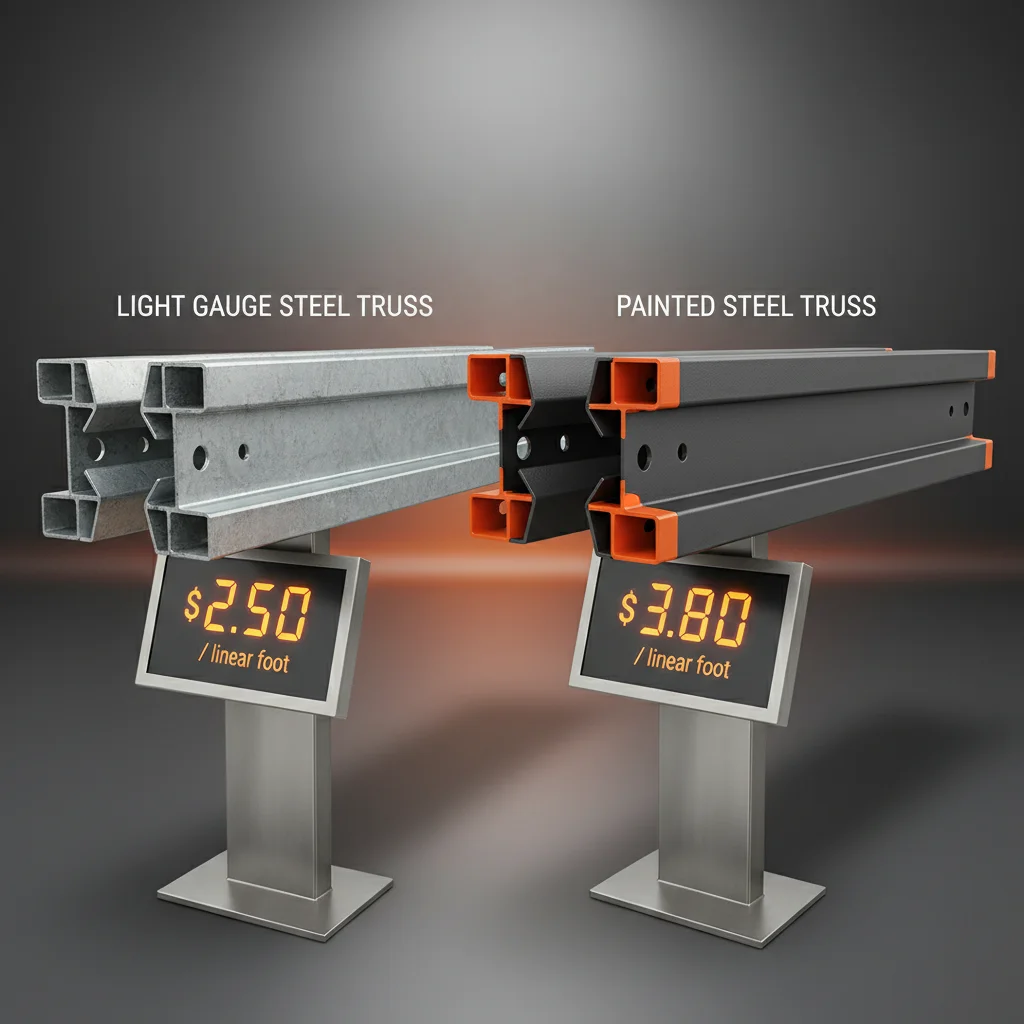
Another challenge is the potential for thermal bridging, which can reduce energy efficiency. This can be mitigated through the use of thermal breaks and proper insulation techniques. Furthermore, the initial cost of galvanized steel can sometimes be higher than traditional building materials, though this is often offset by long-term savings in maintenance and energy costs.
Solutions include investing in comprehensive training programs for construction professionals, promoting research and development of innovative insulation materials, and educating stakeholders about the long-term value proposition of light galvanized steel frame construction.
Summary of Challenges and Solutions for Light Galvanized Steel Frame
| Challenge |
Impact Area |
Severity (1-10) |
Proposed Solution |
| Lack of Skilled Labor |
Construction Quality & Safety |
7 |
Invest in comprehensive training programs and certification. |
| Thermal Bridging |
Energy Efficiency |
6 |
Utilize thermal breaks and advanced insulation materials. |
| Initial Material Cost |
Project Budget |
5 |
Highlight long-term cost savings (reduced maintenance, energy bills). |
| Corrosion in Coastal Areas |
Structural Integrity |
8 |
Employ specialized coatings and increased zinc layer thickness. |
| Design Limitations |
Architectural Flexibility |
4 |
Utilize advanced design software and pre-fabricated components. |
| Code Compliance & Standards |
Regulatory Approval |
6 |
Promote the development and adoption of standardized building codes. |
FAQS
Light galvanized steel frame offers several key advantages over wood framing. It’s non-combustible, providing enhanced fire resistance, and is not susceptible to rot, insect damage, or mold. It’s also lighter in weight, making it easier to handle and transport, and more dimensionally stable, reducing the risk of warping or shrinking over time. The steel is also highly recyclable contributing to a more sustainable building process.
While the initial material cost of galvanized steel can sometimes be slightly higher than wood, the overall cost of construction can be comparable or even lower. This is due to factors such as faster construction times, reduced labor costs, lower maintenance requirements, and minimized material waste. Additionally, long-term benefits such as increased durability and fire resistance can translate to substantial cost savings over the lifespan of the building.
Yes, light galvanized steel frame is highly adaptable to various climates. The galvanization process provides excellent corrosion resistance, protecting the steel from the elements. In coastal areas or environments with high humidity, additional protective coatings can be applied to further enhance durability. The steel’s non-combustibility also makes it well-suited for regions prone to wildfires.
Light galvanized steel frame is a sustainable building material due to its high recyclability rate – steel is one of the most recycled materials in the world. The manufacturing process also utilizes a significant amount of recycled content. Compared to wood, it reduces deforestation and the associated environmental impacts. Furthermore, its durability and long lifespan minimize the need for frequent replacements.
While the assembly of light galvanized steel frame components is relatively straightforward, proper training and expertise are essential for ensuring structural integrity and compliance with building codes. Contractors and builders should receive specialized training in the design, fabrication, and installation of light galvanized steel frame systems. This ensures that the structure is built safely and effectively.
Yes, many building codes and standards now recognize and address light galvanized steel frame construction. The American Iron and Steel Institute (AISI) provides comprehensive standards and guidelines for the design and construction of cold-formed steel structures. Local building codes may also have specific requirements for light galvanized steel frame, so it's crucial to consult with local authorities during the planning phase.
Conclusion
Light galvanized steel frame represents a transformative approach to construction, offering a compelling combination of durability, cost-effectiveness, sustainability, and design flexibility. Its inherent advantages make it an ideal solution for a wide range of applications, from residential housing and commercial buildings to industrial facilities and disaster relief shelters. The continued adoption of this technology promises to create more resilient, affordable, and environmentally responsible communities around the globe.
Looking ahead, continued innovation in material science, manufacturing processes, and building codes will further unlock the potential of light galvanized steel frame. Investing in research and development, promoting industry training, and raising awareness about its benefits are crucial steps in accelerating its widespread adoption and building a more sustainable future. Visit our website at www.jinkaibm.com to learn more about light galvanized steel frame solutions.