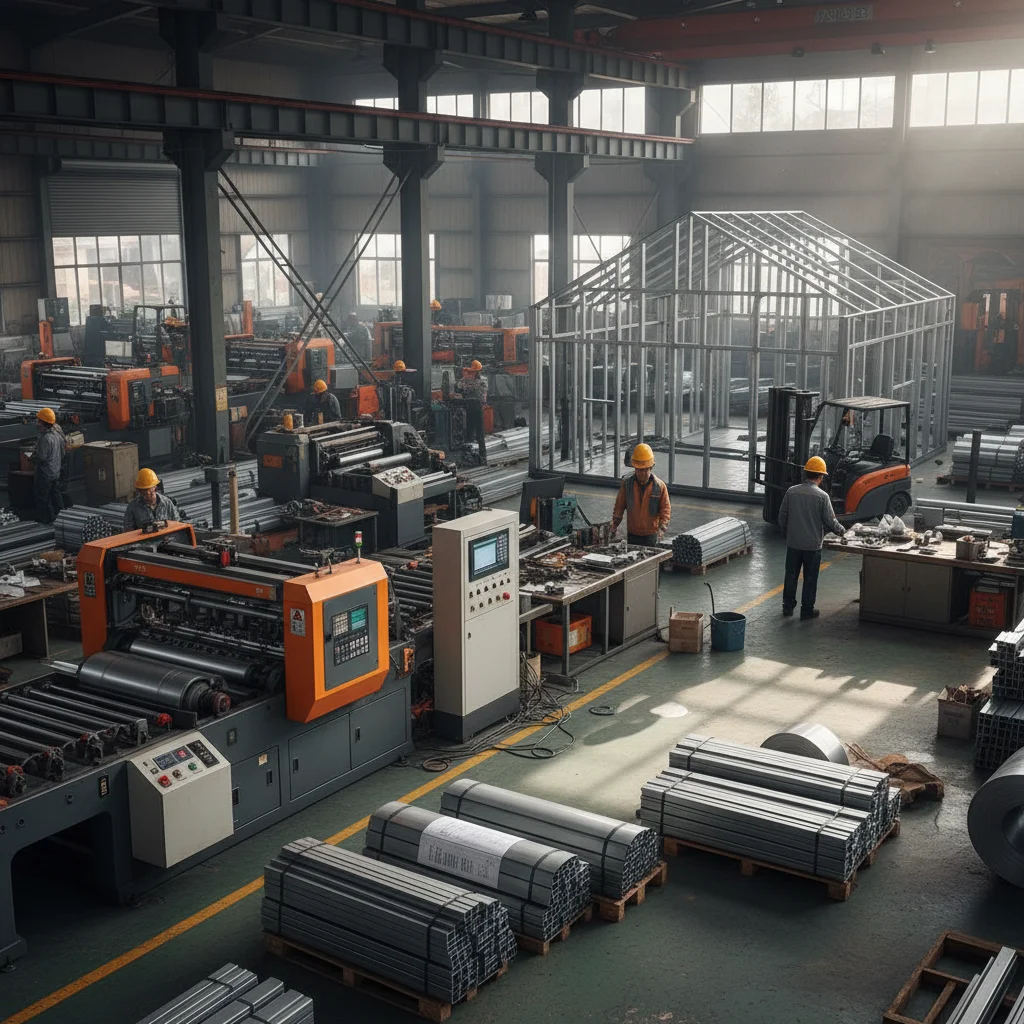
In the modern construction landscape, selecting the right metal stud types is no longer just a matter of structural preference, but a strategic decision that affects the longevity, safety, and cost-efficiency of a building. From commercial high-rises to residential renovations, the shift from traditional timber to galvanized steel framing has revolutionized how we perceive interior partitioning and ceiling support systems.
Understanding the various metal stud types allows architects and contractors to optimize spatial planning while adhering to stringent building codes across different global regions. Whether it is the heavy-duty requirements of a Canada-US Drywall System or the specific standards of the Australian Drywall System, the versatility of steel profiles ensures a level of precision and stability that organic materials simply cannot match.
As sustainability becomes a cornerstone of global urban development, the role of recyclable steel in drywall systems has gained immense traction. By analyzing the specific characteristics of different metal stud types, industry professionals can reduce material waste, accelerate installation timelines, and ensure a fire-resistant environment for occupants worldwide.
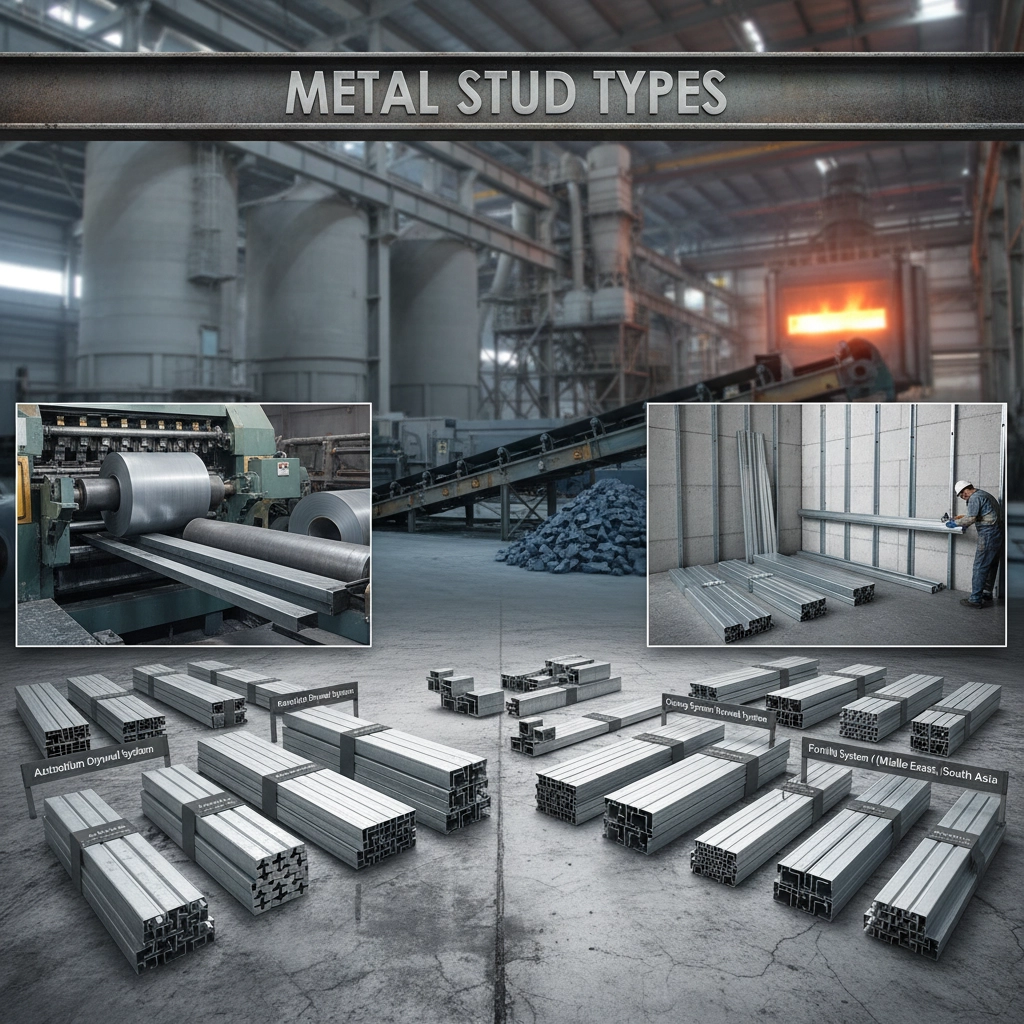
Global Relevance of Metal Stud Types
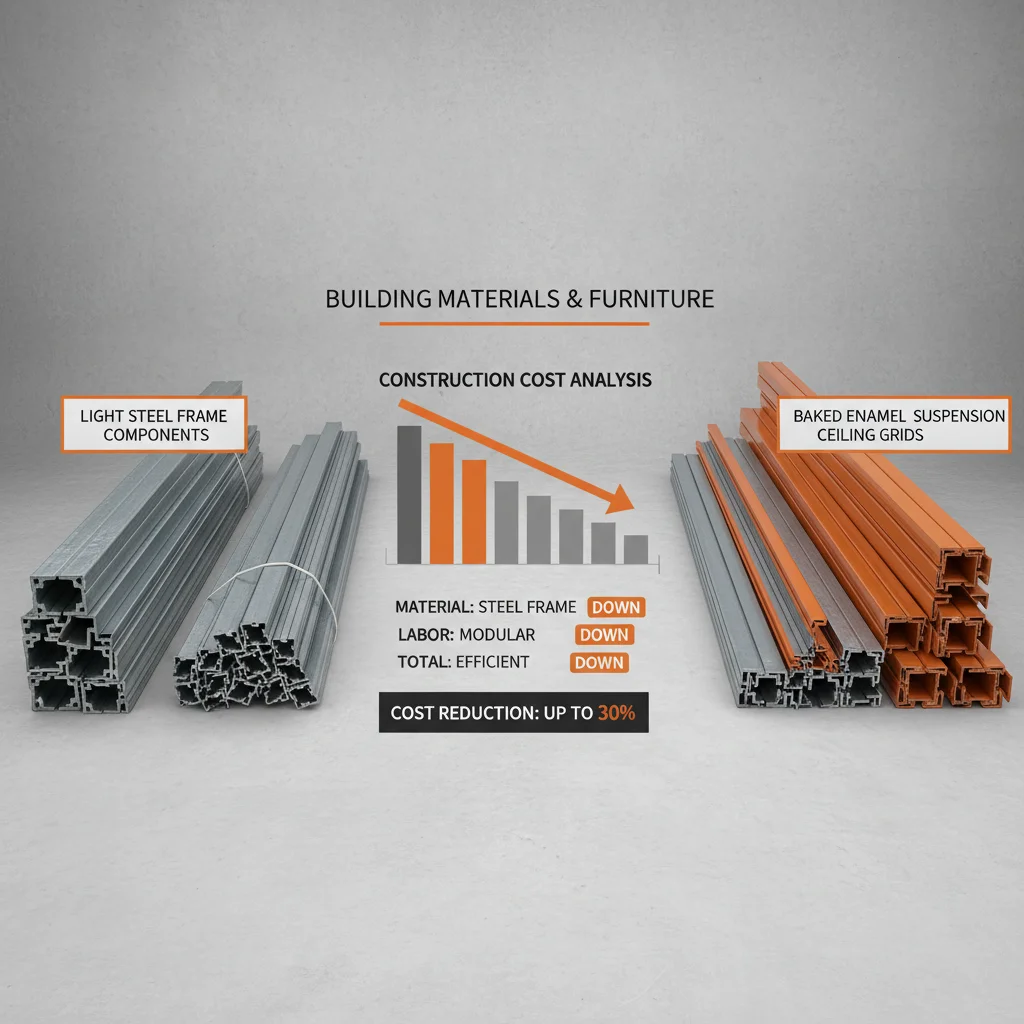
The global construction industry has seen a paradigm shift toward prefabricated steel solutions to meet the demands of rapid urbanization. Data from international building standards suggests that the adoption of diverse metal stud types has reduced construction timelines by up to 30% compared to traditional masonry or wood framing, particularly in high-density urban zones.
This global relevance is further amplified by the need for seismic resilience and fire safety. In regions prone to earthquakes or high-fire risks, the structural predictability of cold-formed steel profiles provides a critical safety margin that protects both human life and capital investments.
Defining Metal Stud Types and Modern Utility
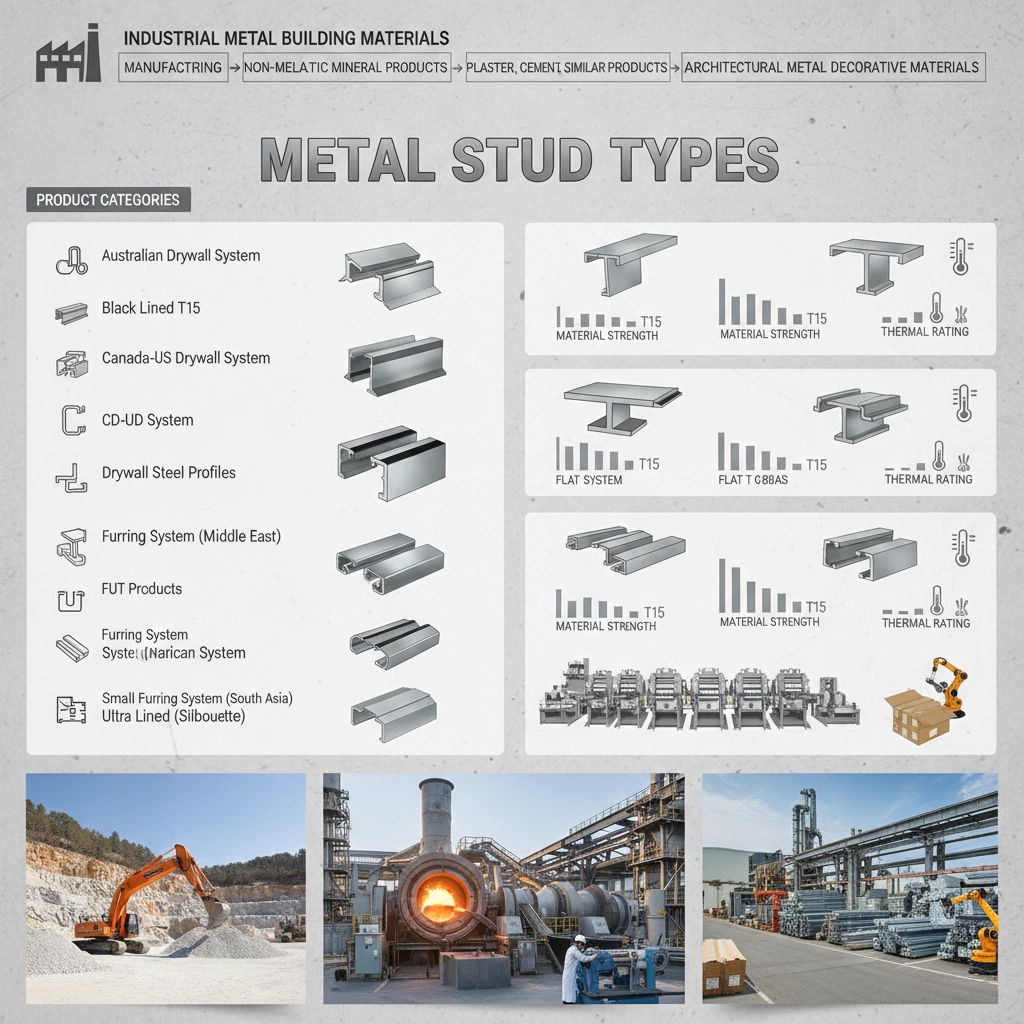
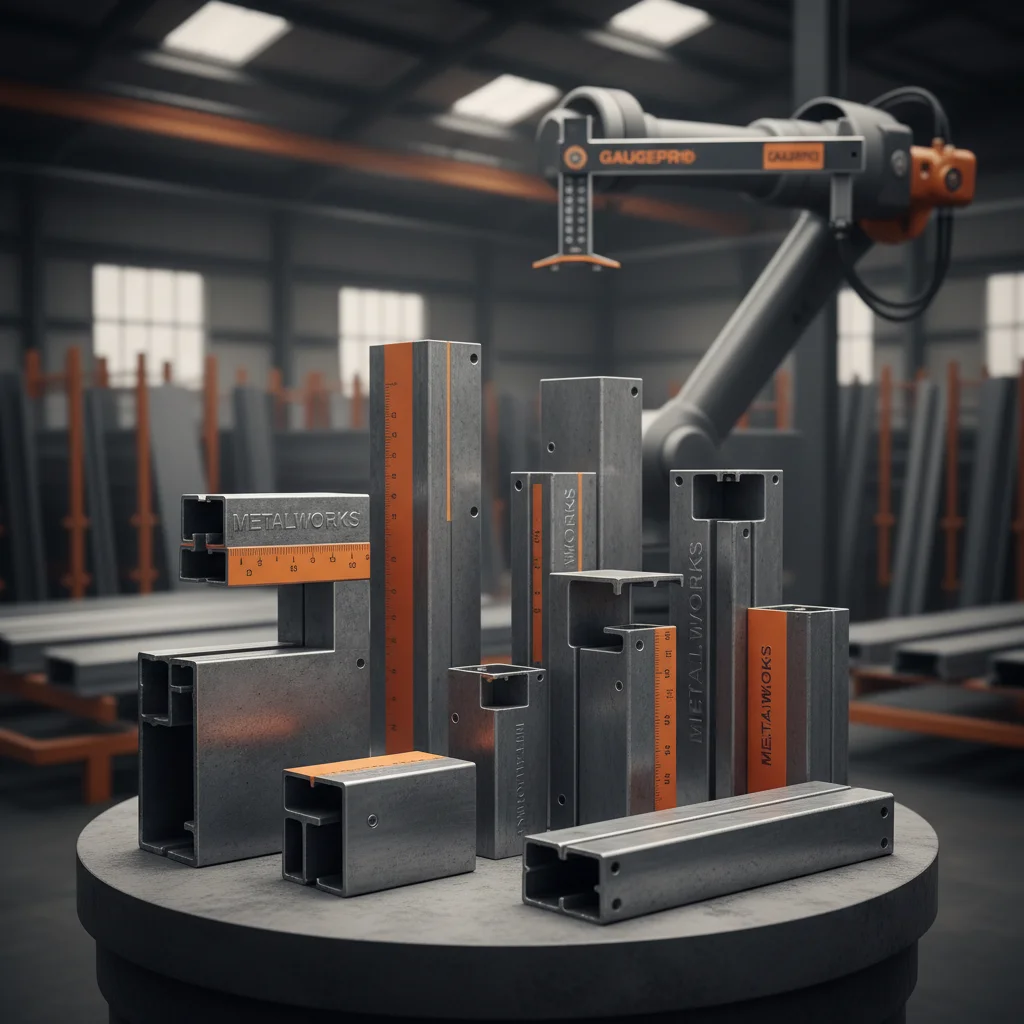
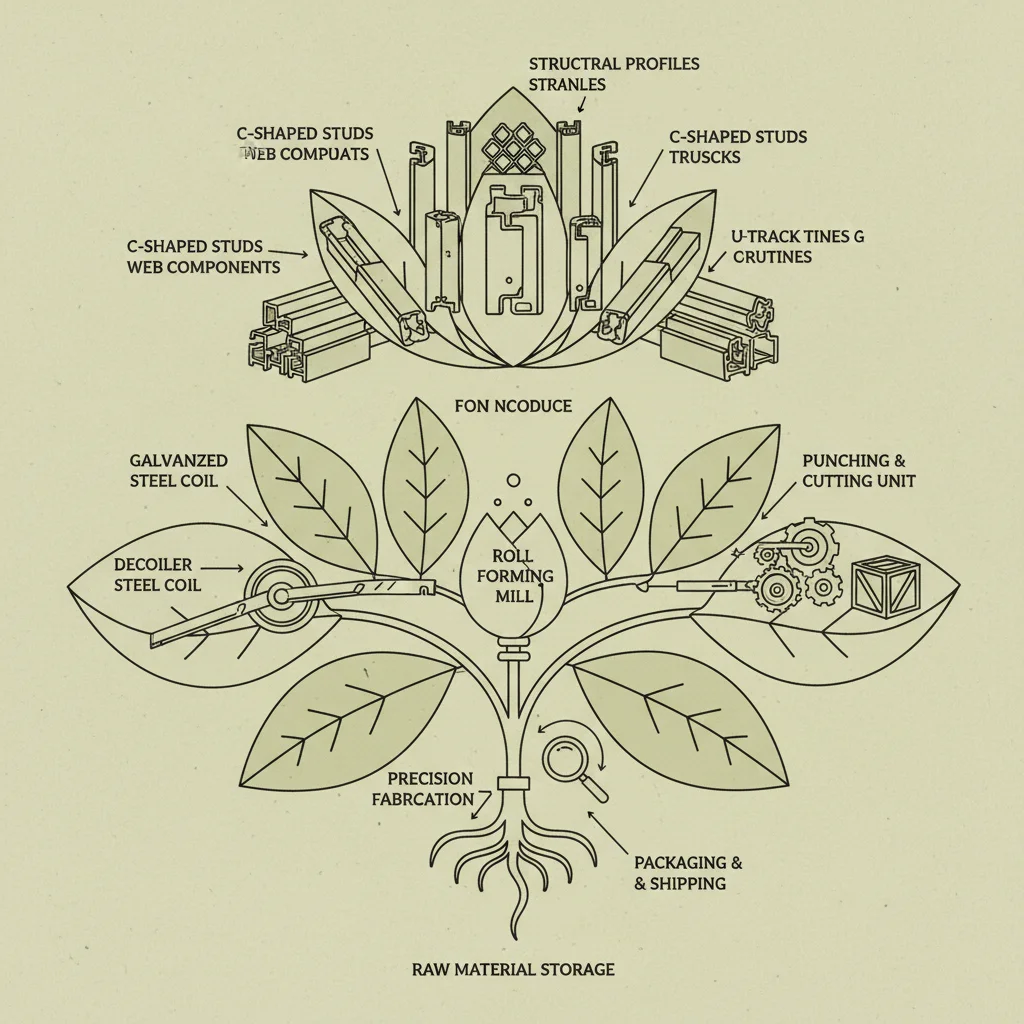
At its most fundamental level, metal stud types refer to the various profiles of cold-rolled galvanized steel used to create the skeleton of interior walls and ceilings. These range from standard C-studs and U-tracks to more specialized profiles like the Black Lined T15 or Ultra Lined (Silhouette) systems, each designed to handle specific load-bearing capacities and acoustic requirements.
The utility of these systems extends beyond simple support; they serve as the primary conduits for electrical wiring and plumbing, allowing for a seamless integration of building services. By utilizing a variety of metal stud types, developers can create flexible floor plans that are easily reconfigurable, which is an essential requirement for modern commercial office spaces.
In the context of humanitarian and rapid-deployment needs, these steel profiles are invaluable. Their lightweight nature and ease of assembly make them the ideal choice for modular housing and temporary medical facilities in disaster-stricken areas, providing dignity and stability to displaced populations through rapid, high-quality construction.
Core Components Driving Performance
The efficiency of different metal stud types is primarily driven by their gauge (thickness) and the quality of the zinc coating used for galvanization. A higher gauge provides the structural rigidity necessary for load-bearing walls, while the coating ensures that the framework remains impervious to moisture and corrosion over several decades.
Scalability is another core factor; by choosing specific metal stud types such as the CD-UD System or Canada-US Drywall System, contractors can scale their projects from small residential rooms to massive industrial warehouses without compromising the integrity of the vertical or horizontal supports.
Finally, cost-efficiency is achieved through the reduction of material waste. Unlike timber, which may have knots or warping, metal stud types are manufactured to precise tolerances, ensuring that every piece fits perfectly, which minimizes on-site errors and reduces the overall cost of labor and materials.
Global Applications and Regional Use Cases
The application of metal stud types varies significantly by region due to differing architectural traditions and climate challenges. In Australia, the Australian Drywall System is the gold standard, focusing on stability and wind resistance, whereas the South American System may prioritize cost-effective materials that can be deployed in rapidly expanding suburban sectors.
In remote industrial zones or post-disaster relief operations, modular systems like the Small Furring System (South Asia) are employed to create quick-dry, fire-safe shelters. These applications demonstrate that the versatility of metal stud types allows them to function as both a luxury architectural element in skyscrapers and a lifesaving structural component in emergency housing.
Performance Comparison of Regional Metal Stud Types
Tangible Advantages and Long-Term Value
The long-term value of investing in high-quality metal stud types manifests in significantly lower maintenance costs. Unlike wood, steel does not rot, warp, or attract termites, ensuring that the internal structure of a building remains pristine for its entire lifecycle. This reliability fosters a sense of trust and safety for building owners and tenants alike.
Furthermore, the sustainability angle is undeniable. Steel is one of the most recycled materials on earth. By utilizing metal stud types, developers can achieve green building certifications (such as LEED), enhancing the property's market value while contributing to a circular economy that reduces the burden on natural forests.
Future Trends and Material Innovations
The future of metal stud types is being shaped by digital transformation and the integration of smart materials. We are seeing the rise of BIM (Building Information Modeling) integrated profiles, where every stud is tracked digitally from the factory to the installation point, ensuring zero waste and perfect alignment through automated assembly.
Innovation is also occurring at the metallurgical level. New alloys are being developed to increase the strength-to-weight ratio, allowing for even thinner profiles that can support heavier loads. This will further optimize the "Ultra Lined" and "Black Lined" categories, making them even more efficient for high-performance acoustic and thermal barriers.
Additionally, the move toward "Net Zero" construction is pushing for the use of recycled steel produced via electric arc furnaces. This transition ensures that the production of various metal stud types is decoupled from heavy carbon emissions, aligning the construction industry with global climate goals.
Industry Challenges and Expert Solutions
Despite the benefits, the industry faces challenges such as acoustic bridging, where sound travels through the metal studs, reducing the privacy between rooms. Expert solutions involve the use of acoustic gaskets and specialized metal stud types designed with dampened profiles to break the vibration path.
Another common limitation is the potential for corrosion in highly saline coastal environments. To overcome this, industry leaders are implementing higher-grade G90 galvanization or aluminum-zinc alloys, ensuring that the structural integrity of the drywall system remains intact regardless of the external environment.
Lastly, the skill gap in installing complex systems like the Flat T Grids T24 can lead to inefficiencies. The solution lies in the development of intuitive, interlocking metal stud types that require less specialized tooling and training, empowering local labor forces to achieve world-class results.
Analysis of Metal Stud Types by Application and Performance
| Stud Profile Type |
Primary Application |
Structural Rating |
Installation Speed |
| C-Stud Standard |
General Interior Walls |
8/10 |
Very Fast |
| Black Lined T24 |
High-End Ceiling Grids |
9/10 |
Moderate |
| CD-UD System |
North American Offices |
10/10 |
Fast |
| Flat T Grids T15 |
Commercial Suspended Ceilings |
7/10 |
Fast |
| Furring System (ME) |
Middle East Residential |
8/10 |
Fast |
| Ultra Lined Silhouette |
Acoustic Specialization |
9/10 |
Moderate |
FAQS
The most common types include C-studs for vertical support and U-tracks for the top and bottom plates. For specialized ceilings, T-bar grids (like T15 and T24) are industry standards. The choice depends on the required load-bearing capacity and the specific regional building codes, such as the Canada-US or Australian systems.
While the raw material cost of steel can be higher than some softwoods, the overall project cost is often lower. This is due to faster installation times, reduced waste, and the elimination of expensive treatments for fireproofing and pest control, which are inherent in the properties of galvanized steel.
For a standard suspended ceiling, Flat T Grids are ideal. If you require a more heavy-duty or decorative finish, the Black Lined T24 offers superior stability and aesthetics. Always consider the weight of the ceiling tiles and the desired acoustic performance of the room before selecting the profile.
Standard interior studs are not for load-bearing exterior use. However, structural steel studs (heavy gauge) are specifically engineered for this purpose. These are much thicker and have reinforced flanges to support the weight of the roof and upper floors, adhering to strict ISO and ASTM standards.
Depending on the environmental conditions and the zinc coating quality, a high-quality metal stud system can last 50 years or more. Because they are inorganic, they do not suffer from the decay, rot, or shrinkage common in organic materials, provided they are protected from direct exposure to corrosive chemicals.
Importing requires a supplier who understands the specific dimensions and tolerances of that region's standards. We recommend partnering with a manufacturer like Jinka that specializes in global systems, ensuring the profiles are compatible with local accessories and meet the required certification for your specific country.
Conclusion
In summary, the strategic selection of metal stud types is fundamental to the success of any modern construction project. By balancing structural requirements, regional standards, and sustainability goals, builders can create spaces that are not only efficient and cost-effective but also safe and resilient for the future. From the precision of the CD-UD system to the versatility of T-bar grids, the right framework is the invisible backbone of architectural excellence.
As the industry moves toward smarter, greener, and more automated construction methods, the evolution of steel profiles will continue to lead the way. We encourage architects and developers to prioritize high-grade, certified materials to ensure long-term structural integrity and environmental responsibility. For more information on the best metal stud types for your next project, visit our website: www.jinkaibm.com.