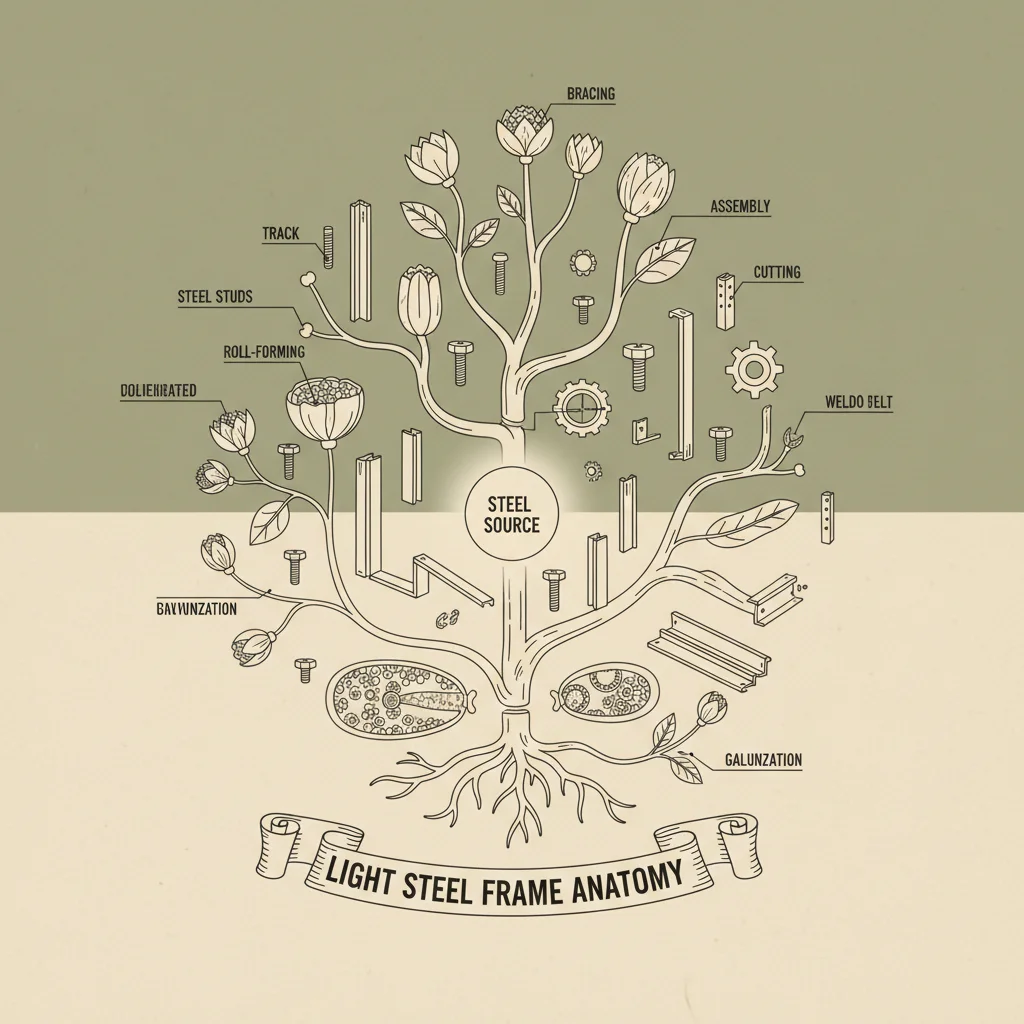
In the modern landscape of commercial and residential architecture, selecting the right metal stud construction type is paramount to ensuring structural integrity and installation efficiency. Unlike traditional timber framing, metal stud systems provide a level of precision and fire resistance that is indispensable for high-density urban developments and industrial facilities globally.
Understanding the various configurations—from lightweight non-load bearing partitions to heavy-duty structural frames—allows developers to optimize material usage and reduce labor costs. As building codes become increasingly stringent regarding sustainability and safety, the versatility of the metal stud construction type has made it the gold standard for drywall systems across North America, Australia, and the Middle East.
Whether implementing a Canada-US Drywall System or a specialized Australian Drywall System, the choice of profile and gauge directly impacts the acoustic performance and load-bearing capacity of the wall. This comprehensive guide explores the technical nuances, global applications, and future innovations of these essential steel framing solutions.
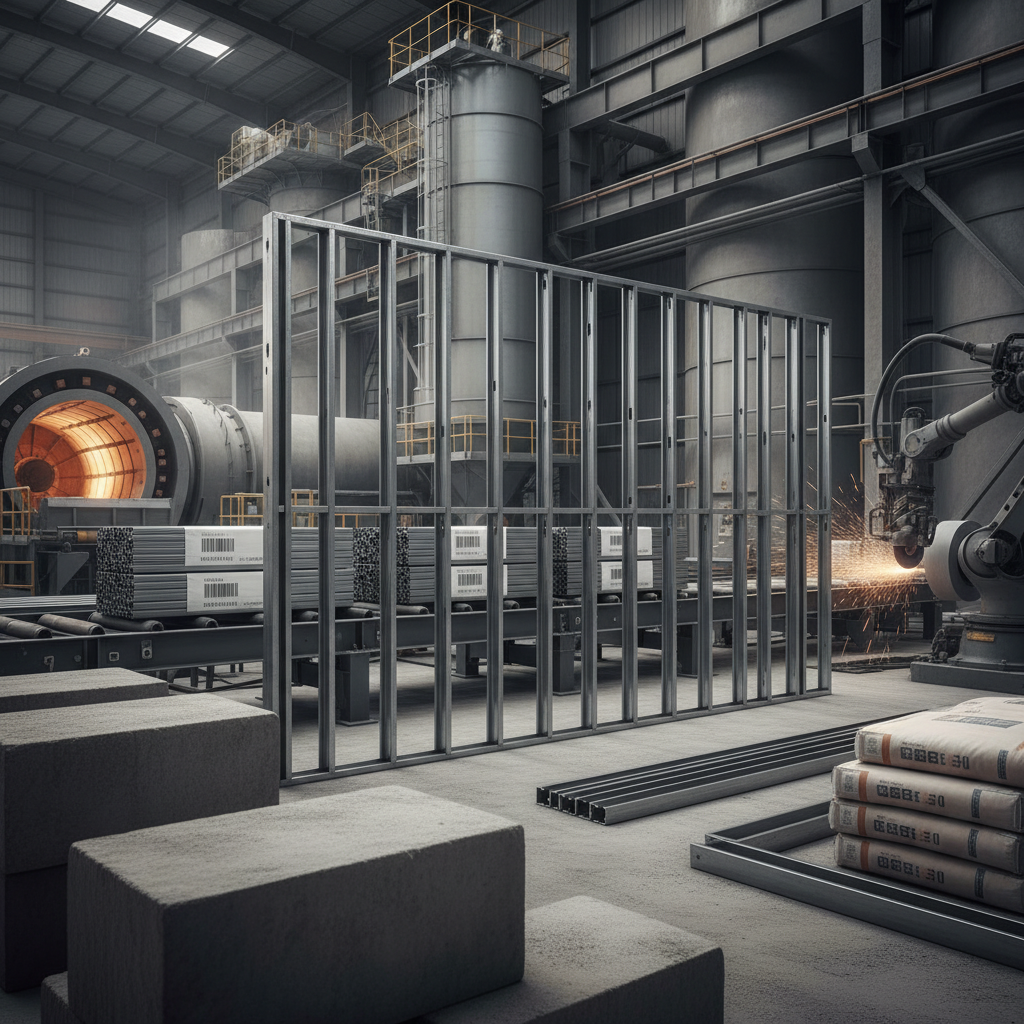
Global Relevance of Metal Stud Construction Type
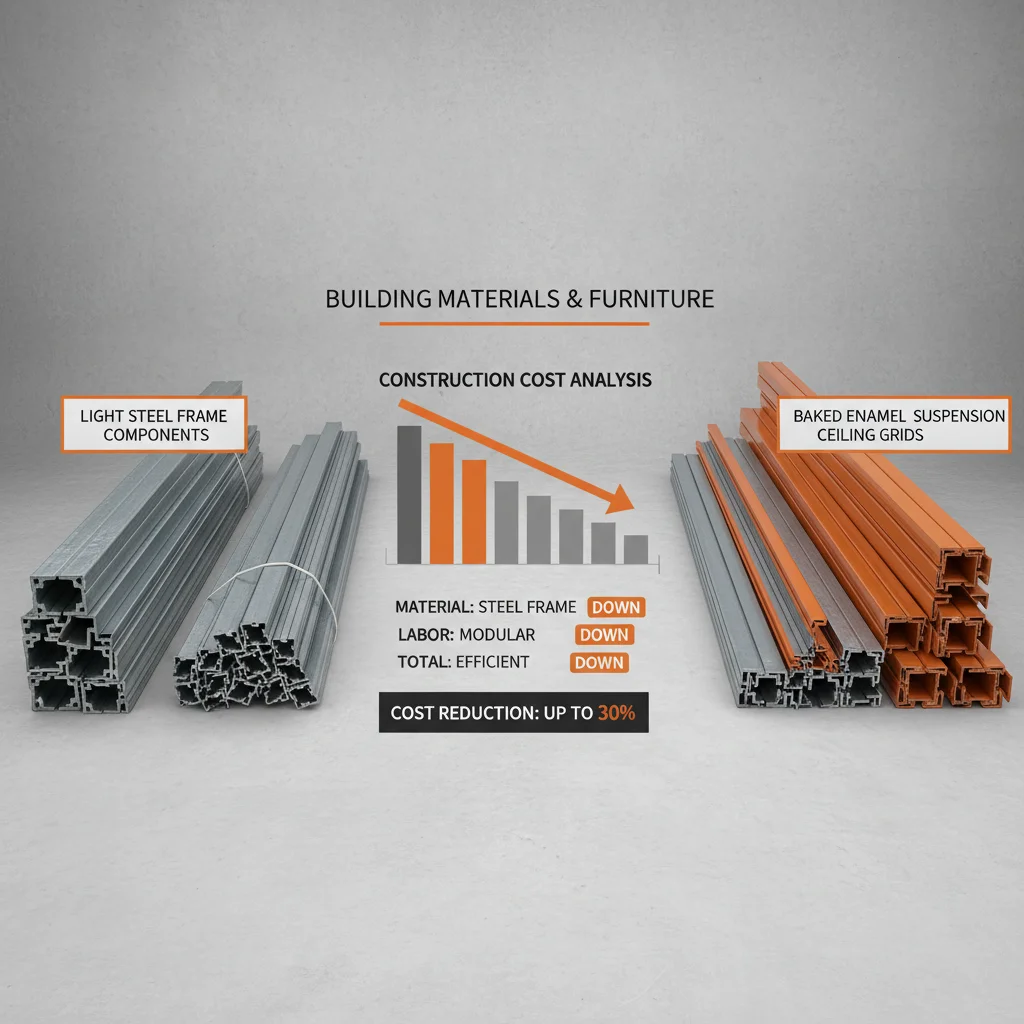
The global shift toward rapid urbanization has placed immense pressure on the construction industry to deliver housing and office spaces faster without compromising on safety. According to international building standards and ISO guidelines, the adoption of a standardized metal stud construction type has significantly reduced onsite waste and accelerated project timelines by up to 30% compared to traditional masonry.
In regions experiencing rapid industrial growth, the challenge often lies in finding materials that can withstand diverse climatic conditions while remaining cost-effective. Metal studs address this by providing a termite-proof, warp-resistant alternative that maintains strict dimensional stability, ensuring that large-scale projects remain perfectly aligned over decades of use.
Defining the Metal Stud Construction Type
At its core, a metal stud construction type refers to the engineered system of cold-formed steel members used to create the internal framework of walls and ceilings. These systems typically consist of vertical studs and horizontal tracks, which are galvanized to prevent corrosion and provide a sturdy base for the attachment of gypsum boards or other cladding materials.
Beyond simple partitioning, these construction types are categorized by their load-bearing capabilities. Non-load bearing studs are primarily used for dividing spaces, whereas structural metal studs are designed to support the weight of the roof or upper floors, bridging the gap between light-gauge steel and heavy structural beams.
This evolution in building technology directly serves the humanitarian need for scalable, safe, and affordable housing. By utilizing modular components like the Canada-US Drywall System or the South American System, developers can deploy high-quality interior shells in a fraction of the time required for traditional wet-construction methods.
Core Components of Modern Steel Framing
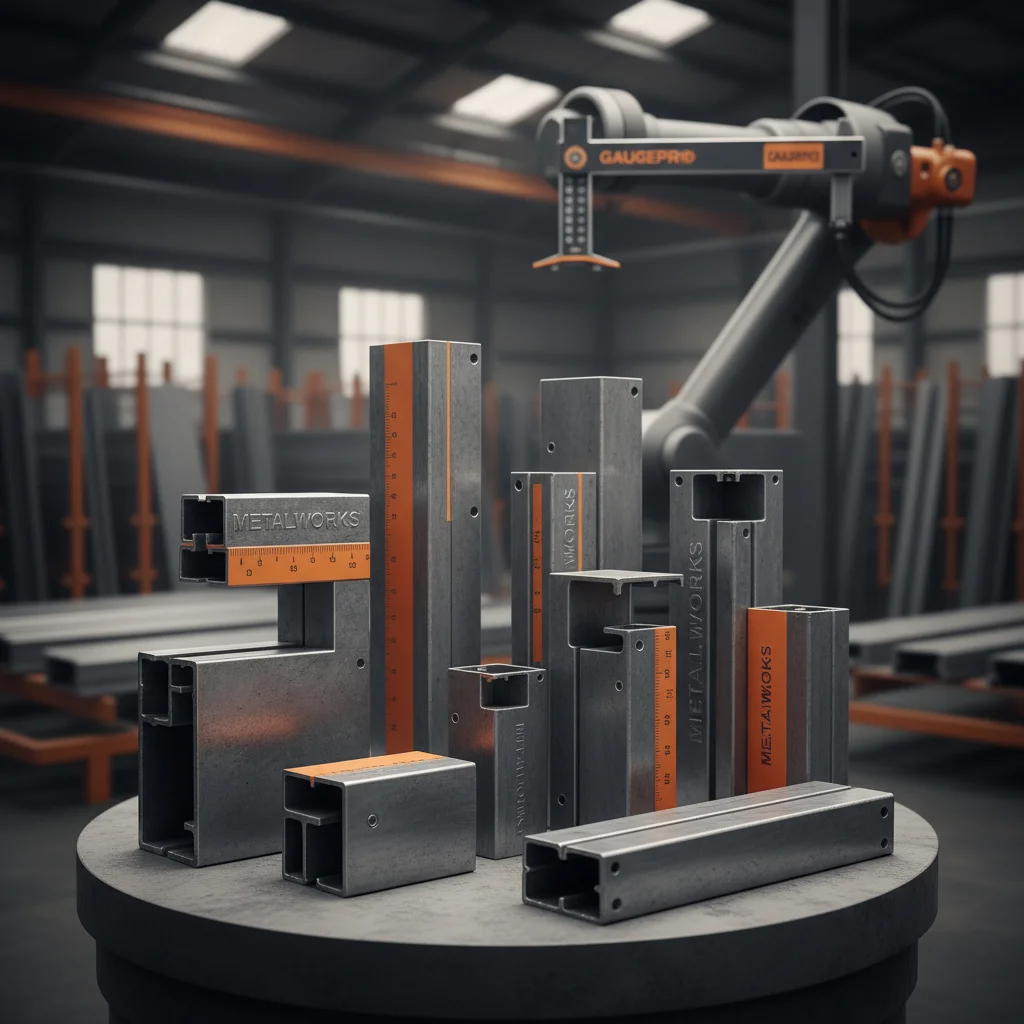
The efficacy of any metal stud construction type depends on several key factors, most notably material gauge and flange width. The gauge determines the thickness of the steel, which in turn dictates the load capacity and stiffness of the wall, while the flange design ensures a secure connection to the drywall.
Durability is a cornerstone of the metal stud construction type, achieved through high-quality galvanization. This process protects the steel from oxidation, making these systems ideal for humid environments or basement installations where timber would succumb to rot or mold.
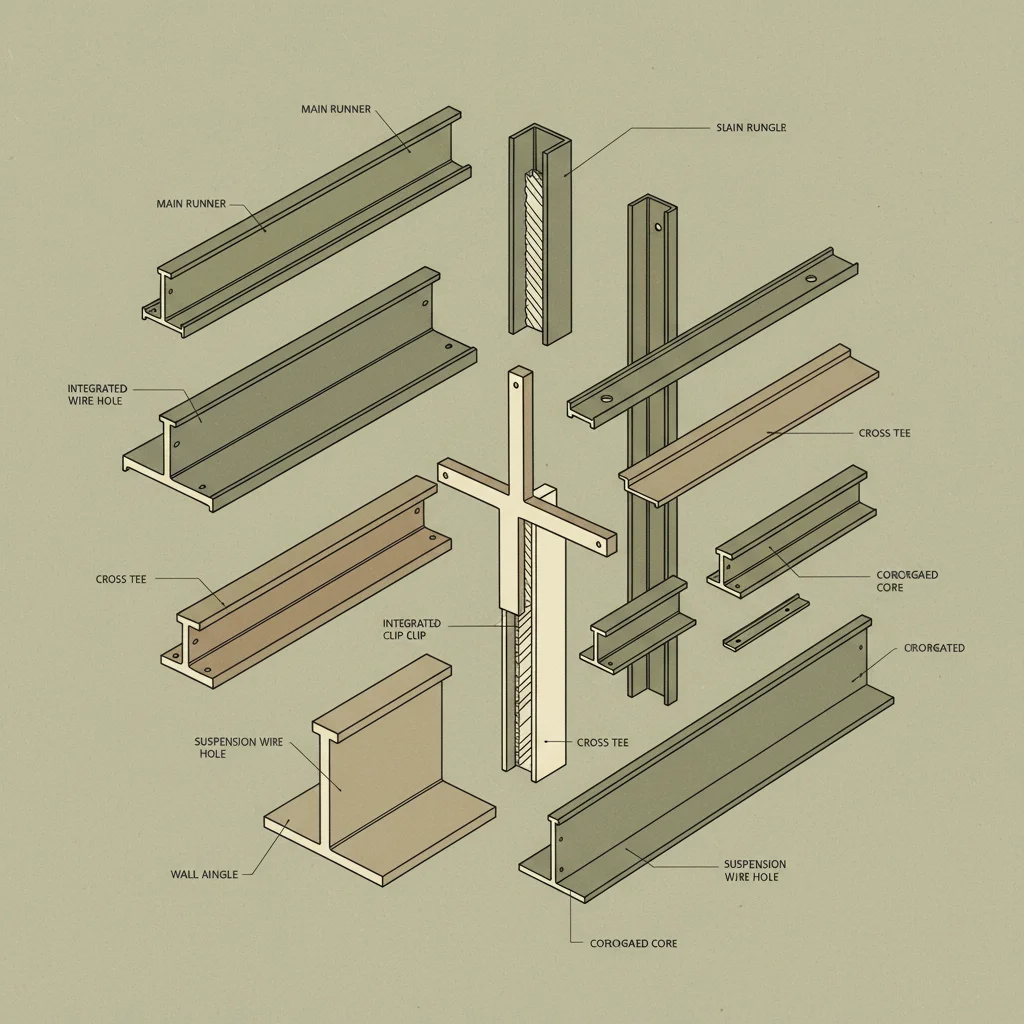
Scalability and cost-efficiency are further enhanced through the use of standardized profiles. Whether using Black Lined T24 for ceilings or Flat T Grids T15, the ability to mass-produce components with millimetric precision ensures that installation is a "plug-and-play" process, drastically reducing the need for expensive onsite corrections.
Performance Metrics Across Construction Types
When analyzing the different metal stud construction type options, engineers prioritize a balance between weight, strength, and acoustic dampening. Heavy-gauge structural studs offer maximum support but increase the overall weight of the building, whereas light-gauge profiles are preferred for interior residential dividers.
To better understand how different systems perform, we compare key metrics such as installation speed, fire rating, and cost-efficiency. This data helps project managers select the most appropriate system, such as the Ultra Lined (Silhouette) for high-end aesthetic finishes or the Furring System for industrial retrofitting.
Efficiency Comparison of Metal Stud Construction Type Systems
Regional Applications and Global Use Cases
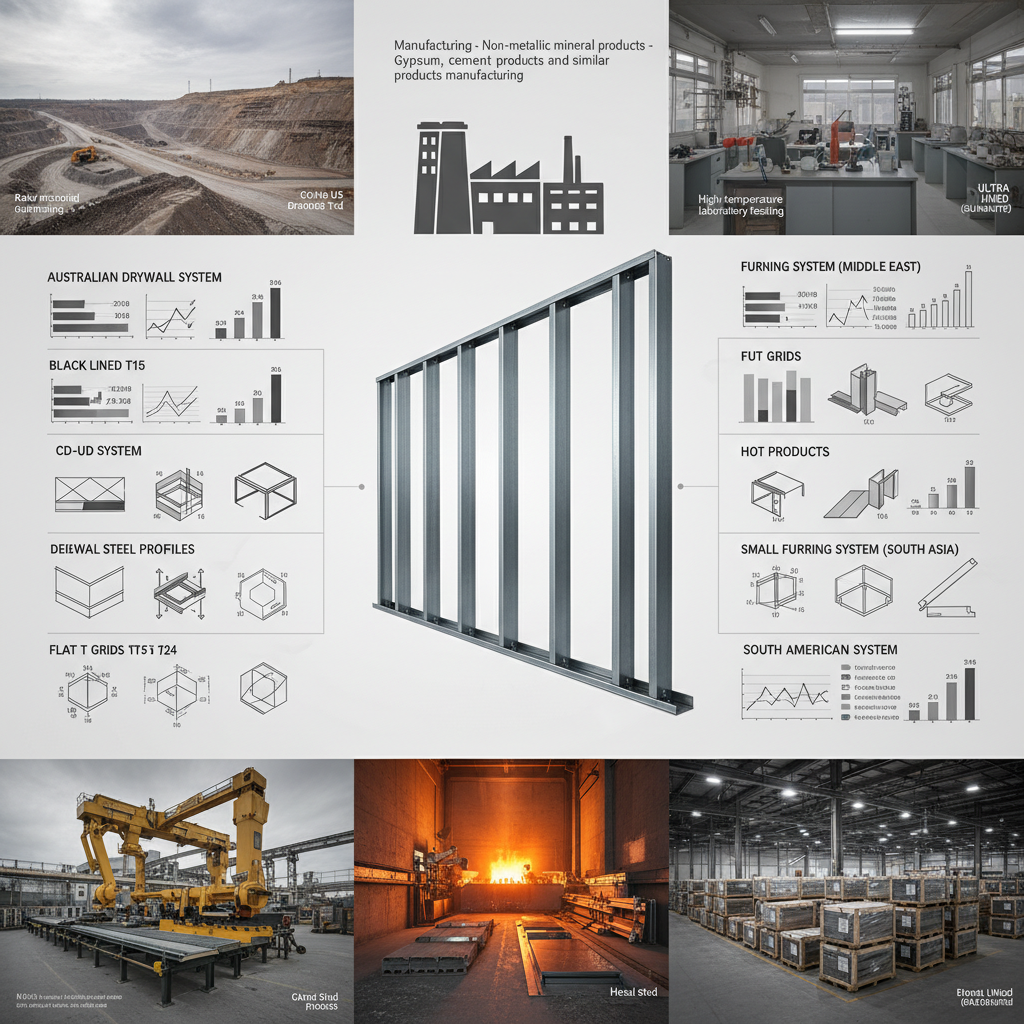
The application of metal stud construction type varies significantly by region due to local building codes and environmental needs. In North America, the CD-UD System is widely utilized for its compatibility with standard drywall sizes, facilitating rapid commercial build-outs. Conversely, the Australian Drywall System is optimized for specific seismic requirements and local ventilation standards.
In more challenging environments, such as remote industrial zones or post-disaster relief operations, modular metal framing provides a lifeline. Because these components are lightweight and easy to transport, they allow NGOs and government agencies to erect temporary medical clinics or emergency shelters that offer far more dignity and safety than canvas tents, providing a rigid structure that can be quickly clad for insulation.
Long-Term Value and Sustainable Advantages
Investing in a high-quality metal stud construction type offers tangible long-term value that extends beyond initial installation costs. One of the most significant benefits is sustainability; steel is 100% recyclable, meaning that at the end of a building's lifecycle, the framing can be reclaimed and repurposed, drastically reducing the environmental footprint of the construction process.
From a safety perspective, the non-combustible nature of steel provides peace of mind and reduces insurance premiums for commercial property owners. Unlike timber, which can fuel a fire, metal studs provide a stable framework that maintains structural integrity longer under extreme heat, allowing more time for evacuation and emergency response.
Moreover, the precision of these systems ensures better acoustic isolation. By integrating specialized insulation within the voids of the metal stud construction type, developers can create quiet, professional environments in hotels and hospitals, enhancing the user experience and the perceived value of the real estate.
Future Trends in Metal Stud Engineering
The future of metal stud construction type is being shaped by digital transformation and the push for "Net Zero" buildings. We are seeing a rise in BIM (Building Information Modeling) integration, where every stud and track is mapped digitally before a single piece of steel is cut, eliminating onsite errors and reducing material waste to nearly zero.
Automation in manufacturing is also leading to the creation of "smart studs" with pre-punched openings for electrical and plumbing conduits, further accelerating the assembly process. This convergence of metallurgy and digital design allows for more complex architectural shapes that were previously impossible or too expensive to execute with traditional framing.
As green energy policies expand, we expect to see new coatings and alloys that further enhance thermal performance, reducing the "thermal bridging" effect common in metal frames. This will ensure that the metal stud construction type remains the preferred choice for energy-efficient, high-performance buildings of the future.
Comparative Analysis of Global Metal Stud System Specifications
| System Type |
Primary Market |
Load Capacity |
Installation Speed |
| CD-UD System |
North America |
Medium-High |
Very Fast |
| Australian System |
Oceania |
High |
Fast |
| Furring System |
Middle East |
Low-Medium |
Fast |
| Small Furring |
South Asia |
Low |
Very Fast |
| Black Lined T24 |
Global/Ceilings |
Medium |
Moderate |
| Ultra Lined |
Premium Commercial |
Medium |
Moderate |
FAQS
For load-bearing applications, you must use structural steel studs, which are characterized by a thicker gauge (typically 18ga or heavier) and reinforced flanges. Unlike standard partition studs, these are engineered to support vertical loads and are often required by building codes for exterior walls or multi-story supports.
While the raw material cost of steel can sometimes be higher than timber, the total project cost is often lower. This is due to reduced waste, faster installation times, lower insurance premiums due to fire resistance, and the elimination of costly treatments for termites and rot.
Yes, provided they are properly galvanized. The galvanization process creates a zinc coating that prevents rust and corrosion. When paired with moisture-resistant gypsum board, a metal stud construction type is far superior to wood in humid environments as it will not warp or grow mold.
The primary differences lie in the profile dimensions and the spacing standards. The Canada-US system is designed around imperial measurements and specific North American board sizes, while the Australian system is tailored to local metric standards and specific seismic bracing requirements common in the Oceania region.
Standard non-load bearing studs may not support heavy cabinetry. To do this safely, you should install "blocking" (horizontal reinforcements) between the studs or use heavy-duty toggle bolts. For very heavy loads, upgrading to a higher gauge metal stud construction type is recommended.
T15 and T24 refer to the width of the grid profile. T24 provides a wider, more robust support system suitable for heavier ceiling tiles or larger spans, whereas T15 offers a slimmer, more minimalist aesthetic ideal for lightweight tiles and smaller rooms.
Conclusion
In summary, the selection of the appropriate metal stud construction type is a critical decision that influences every stage of a building's lifecycle, from the speed of initial assembly to long-term maintenance and sustainability. By leveraging the precision of cold-formed steel and selecting regional systems like the CD-UD or Australian Drywall System, developers can achieve an optimal balance of structural strength, fire safety, and cost-efficiency.
As the industry moves toward a more sustainable and digitally integrated future, the role of advanced steel framing will only grow. We encourage architects and contractors to stay informed on the latest gauge specifications and BIM-integrated workflows to maximize the potential of their projects. For premium, industry-standard steel profiles and professional guidance on the right system for your needs, visit our website: www.jinkaibm.com.