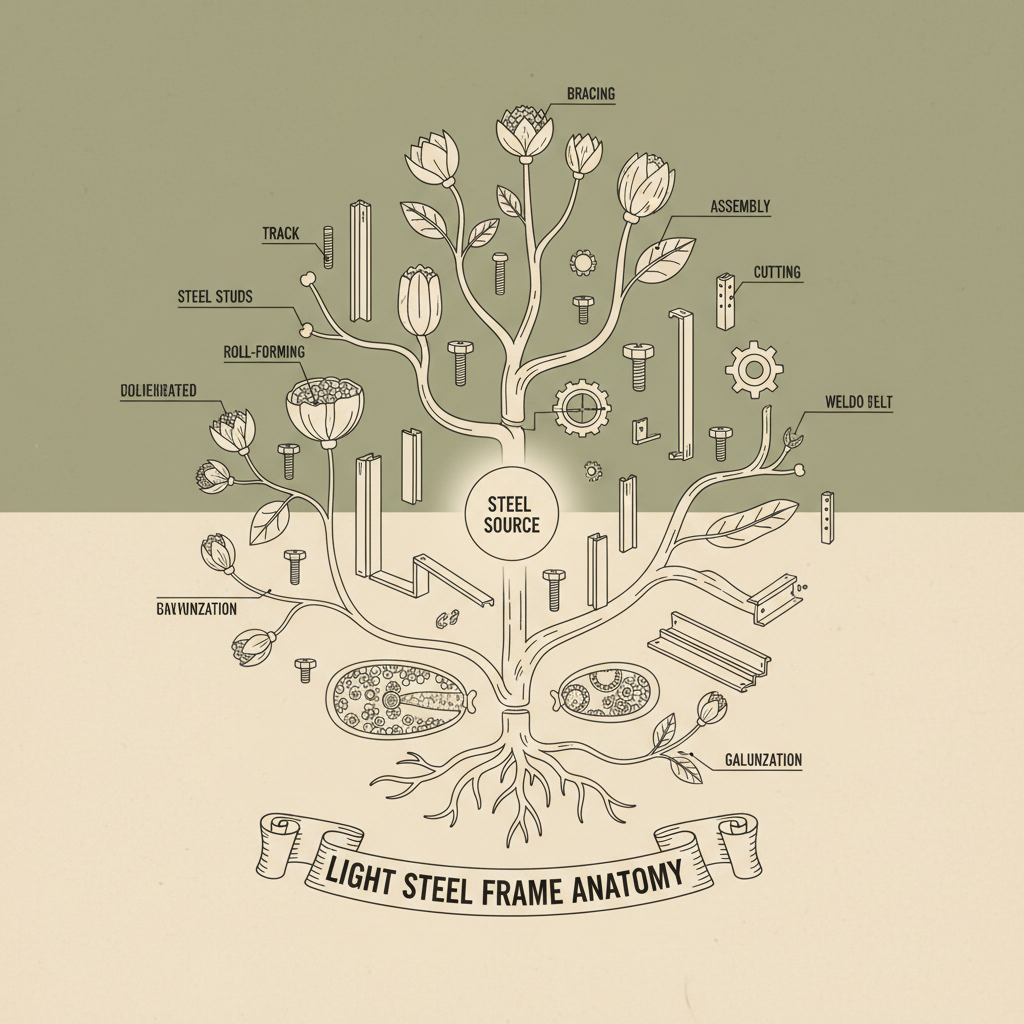
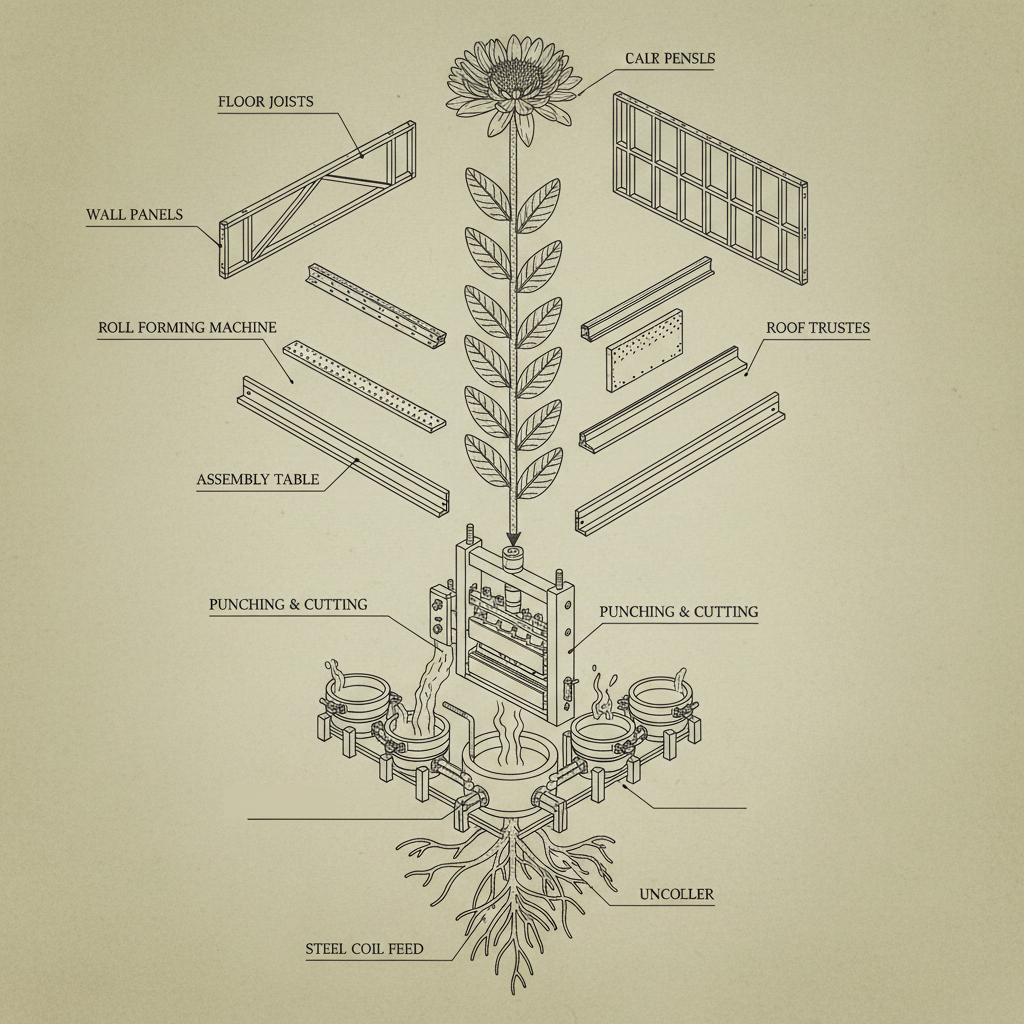
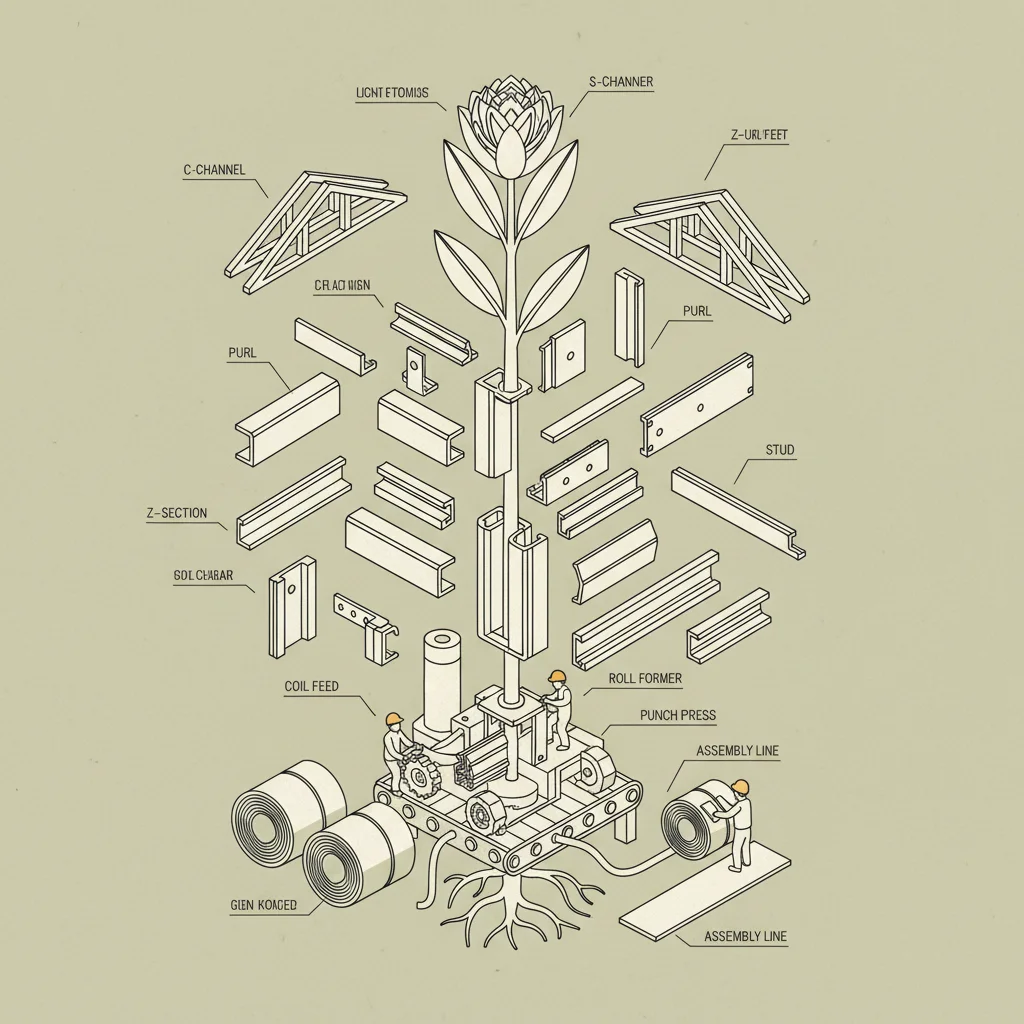
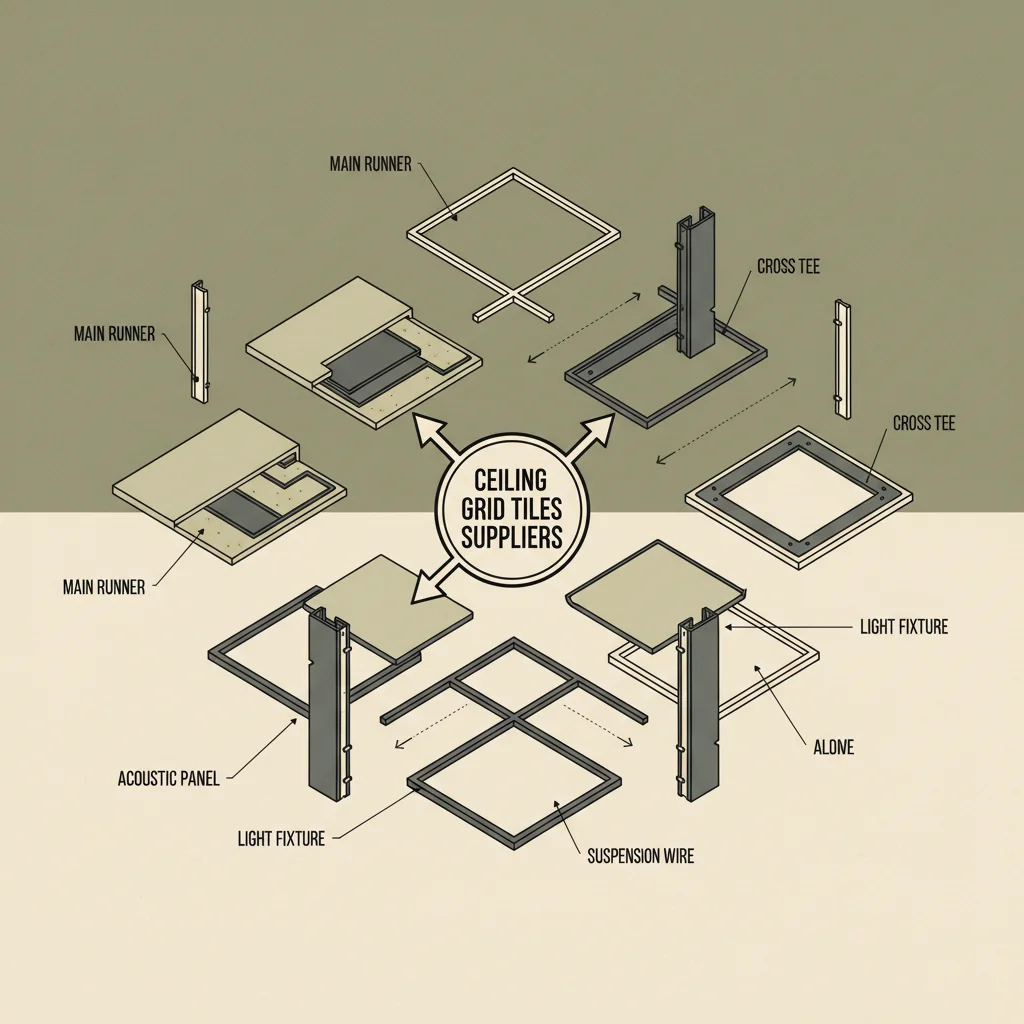
You know, I’ve been on construction sites all year, practically living and breathing dust and steel. Lately, everyone's talking about prefabrication, right? It's not exactly new, but the push for speed and efficiency is getting intense. To be honest, seeing the sheer volume of these light steel frame structures going up… it's a bit of a change. It used to be all concrete, all the time. But concrete is slow. And heavy. And getting more expensive.
Have you noticed the shift towards lighter materials? It's not just about cost, though that’s a big part of it. It's about logistics. Getting stuff to the site is often the biggest headache. And then there's the labor shortage. Prefabrication sidesteps a lot of that.
Anyway, I think we’re seeing a real confluence of factors driving this whole light steel frame thing. It’s not just a trend; it's starting to feel like a fundamental shift. It's good for some things, though… not everything.
The Current Landscape of light steel frame manufacturers
Look, the whole industry is moving towards faster build times and more sustainable practices. Light steel frame manufacturers are responding to that, absolutely. But there’s a lot of variability out there. Some companies are doing it right, focusing on quality and precision, while others are just… churning stuff out. You really have to look at the certifications and the actual steel grade they’re using. I encountered a batch from a newer supplier last time… the welds were questionable, to say the least.
It’s also about the software they're using for design. The better companies have sophisticated BIM (Building Information Modeling) tools, allowing for precise cuts and minimal waste. Those that don’t... well, let's just say there's a lot more rework involved.
Common Design Pitfalls in light steel frame manufacturers
Strangely, a lot of engineers who are used to working with concrete just aren’t thinking about load distribution the same way with steel frames. They're used to mass, to weight providing stability. With light steel, you need a more nuanced approach. You've got to think about bracing, proper connections, and preventing buckling. I've seen designs that looked good on paper but folded like a cheap suit in a windstorm.
Another thing? Thermal bridging. Steel conducts heat like crazy. If you don't properly insulate the frames, you're going to have massive energy losses. And condensation problems. And unhappy clients. It's simple physics, but it gets overlooked.
Oh, and don't even get me started on corrosion. You need to treat the steel properly, especially in coastal areas. Galvanization is good, but it's not foolproof.
Materials Used in light steel frame manufacturers
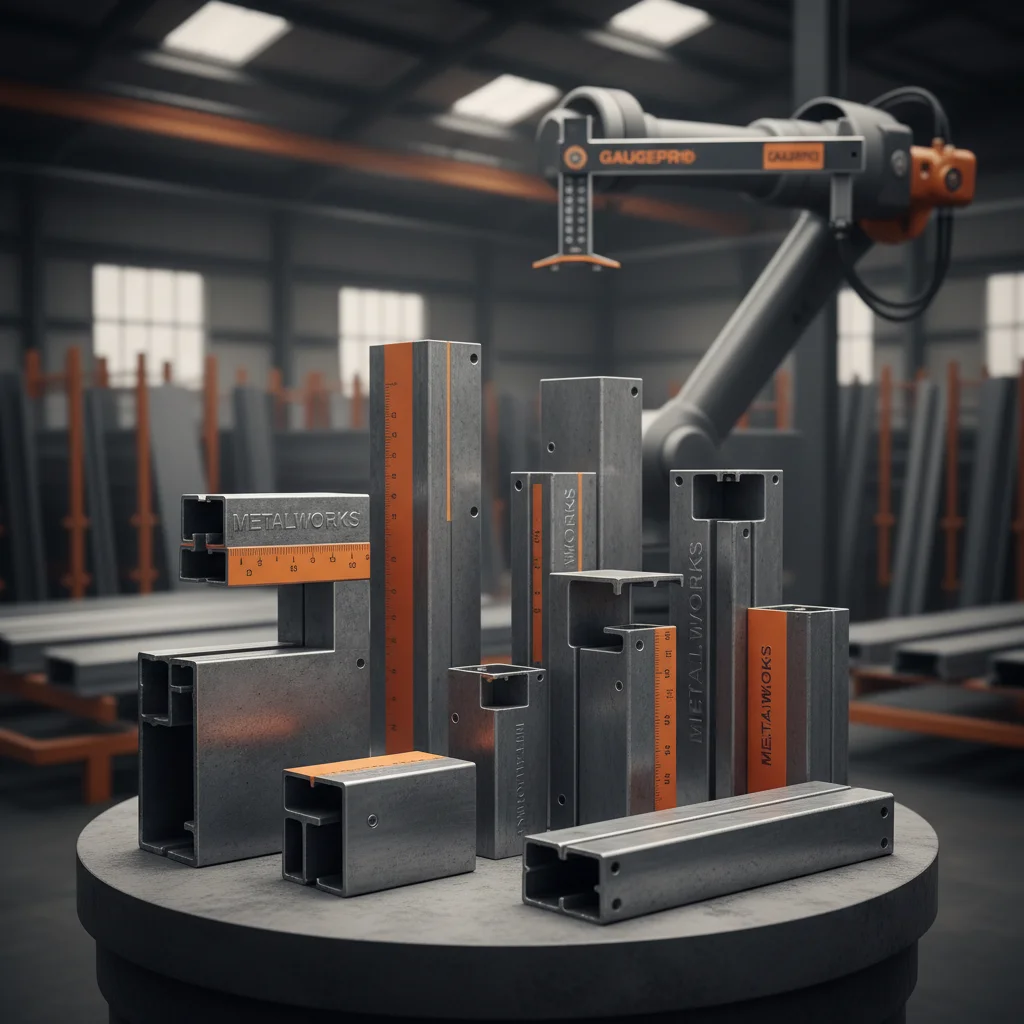
The steel itself…it's mostly galvanized steel, high tensile strength stuff. You can smell the zinc coating, that slightly metallic tang. Feels pretty smooth, but you gotta wear gloves, you don’t want to be transferring oils from your hands. Different gauges are used depending on the load requirements. Thicker gauges for walls, thinner for internal partitions.
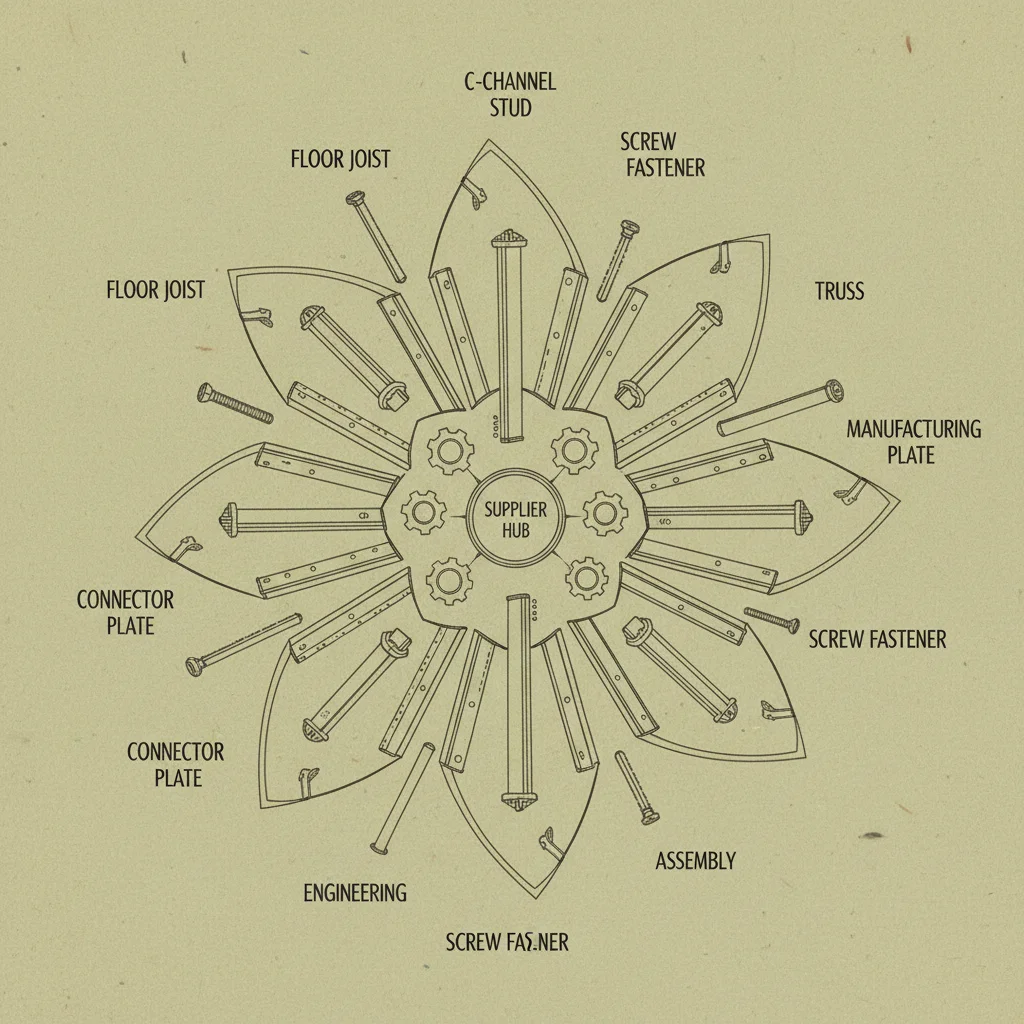
Then there's the connectors – screws, bolts, brackets. Those are crucial. Cheap connectors are a recipe for disaster. They need to be properly rated for shear and tensile forces. I’ve seen some that strip after just a few cycles of loading and unloading.
And the insulation, of course. Everything from fiberglass to spray foam to rockwool. Spray foam is good for airtightness, but it's expensive. Fiberglass is cheaper but requires careful installation to avoid gaps. Honestly, the choice often comes down to budget.
Real-World Testing of light steel frame manufacturers
Lab tests are fine, I guess, but they don't tell you the whole story. We do a lot of on-site testing ourselves. Basically, we stress the frames beyond what they’re expected to handle. We’ll simulate wind loads with temporary bracing and then see how much deflection we get. We'll even put weights on the roof to test the load-bearing capacity.
The biggest test, though, is time. How does the frame hold up after a year? Two years? Are there any signs of corrosion? Any cracking around the connections? That's where you really find out if the design and the materials are up to snuff.
Testing Light Steel Frame Manufacturers - Performance Metrics
Actual User Applications of light steel frame manufacturers
We’ve used these frames for everything from small sheds to multi-story buildings. They're particularly good for affordable housing projects, where speed and cost are paramount. They are also pretty popular for modular construction, where entire sections of a building are prefabricated off-site and then assembled on location.
But you also see them used in commercial buildings, for interior partitions, or even as structural support for roofing systems. The versatility is a big selling point. It’s not always the best solution, but it's often the most practical.
Advantages and Disadvantages of light steel frame manufacturers
The advantages are pretty clear: speed, lightness, strength, and relative affordability. It's also a relatively sustainable material, especially if you use recycled steel. But there are downsides. Corrosion is a constant worry, as I said. And the frames can be susceptible to buckling if they're not properly designed.
Another thing is the skill level required for installation. It's not something you can just throw together. You need experienced workers who understand the principles of steel construction. And you need the right tools. Forget trying to do this with just a hammer and screwdriver.
Honestly, sometimes I think people get caught up in the hype and forget about the practicalities. It’s a good system, but it’s not a magic bullet.
Customization Options for light steel frame manufacturers
You can customize pretty much anything. Frame dimensions, gauge of the steel, type of connectors, insulation materials… the possibilities are endless. Last month, that small boss in Shenzhen who makes smart home devices insisted on changing the interface to for the wiring – said it was “future-proof” and a “better user experience.” It added a week to the fabrication time and cost him a fortune, but he was adamant. Later…forget it, I won't mention it.
We’ve also done projects where the client wanted specific finishes applied to the steel, like powder coating or painting. It’s all doable, but it adds cost and complexity. The key is to factor these customizations into the design from the beginning. Don't try to retrofit them later.
Overview of Key Customization Parameters for light steel frame manufacturers
| Parameter |
Complexity |
Cost Impact |
Lead Time |
| Frame Dimensions |
Low |
Low |
1-2 days |
| Steel Gauge |
Medium |
Medium |
3-5 days |
| Connector Type |
Medium |
Medium |
3-5 days |
| Insulation Material |
Low |
Medium |
2-3 days |
| Surface Finish (Paint/Coating) |
High |
High |
7-10 days |
| Integrated Wiring Channels |
Medium |
Medium |
5-7 days |
FAQS
To be honest, the biggest difference is speed and consistency. You're dealing with a manufactured product, not something that's subject to the whims of nature – like warped lumber. Steel doesn't rot, it's not susceptible to termites, and it's incredibly strong for its weight. Plus, the precision of the manufacturing process means less waste on site. It can be more expensive upfront, but it saves time and money in the long run.
It actually performs remarkably well. Steel has a high ductility, which means it can bend and deform without breaking. This allows it to absorb energy during an earthquake, reducing the risk of collapse. The key is proper design and bracing to ensure the frame can withstand the forces. It’s a good option in areas prone to earthquakes, though it still needs to be engineered correctly.
With proper maintenance, a light steel frame building can easily last 100 years or more. The steel itself is incredibly durable. The biggest threat is corrosion, so you need to ensure the frame is properly galvanized and protected. Regular inspections and maintenance – like re-coating if necessary – are essential. It’s a long-term investment, assuming you take care of it.
Absolutely. Building codes vary by location, but light steel frame construction is generally covered under the International Building Code (IBC). You’ll need to comply with specific requirements for steel grade, welding, bracing, and fire resistance. It's crucial to work with an engineer and architect who are familiar with these codes.
It's complicated. Upfront material costs can be higher, but you often save on labor costs due to the speed of construction. Also, there's less waste. It really depends on the specific project, the location, and the availability of skilled labor. You've got to do a detailed cost analysis to compare it to traditional methods.
Steel itself isn’t combustible, which is good. However, it loses strength at high temperatures. That’s why you need to protect it with fire-resistant materials like gypsum board or spray-on fireproofing. The level of fire resistance depends on the thickness and type of protection used. It’s usually easy to meet the required fire ratings, but it's something to consider during the design phase.
Conclusion
Ultimately, light steel frame manufacturing is a game-changer for the construction industry. It offers speed, strength, and sustainability, but it's not without its challenges. You need to pay attention to detail, use quality materials, and ensure proper installation. It’s a shift in thinking, moving away from mass and towards precision.
And look, I’ve been doing this a long time. I’ve seen fads come and go. But this feels different. It’s not just about building faster; it’s about building smarter. Ultimately, whether this thing works or not, the worker will know the moment he tightens the screw.