Hit enter to search or ESC to close
Light gauge steel framing details are revolutionizing the construction industry globally, offering a sustainable, cost-effective, and rapidly deployable alternative to traditional building methods. This innovative approach utilizes cold-formed steel components, engineered for strength and precision, enabling faster project completion times and reduced material waste. Understanding these details is crucial for architects, engineers, contractors, and developers seeking modern solutions for a wide range of construction needs.
The increasing demand for affordable housing, disaster relief infrastructure, and sustainable building practices has propelled light gauge steel framing details into the forefront of construction innovation. With its inherent advantages – including high strength-to-weight ratio, non-combustibility, and recyclability – light gauge steel offers a compelling solution to address pressing global challenges related to housing shortages and environmental concerns. This is particularly relevant in regions experiencing rapid urbanization or recovering from natural disasters.
Mastering light gauge steel framing details enables professionals to build safer, more durable, and environmentally responsible structures. This knowledge empowers them to efficiently manage projects, optimize resource utilization, and contribute to a more sustainable built environment. The technology continues to evolve, incorporating digital design tools and automated manufacturing processes, further enhancing its capabilities and accessibility.
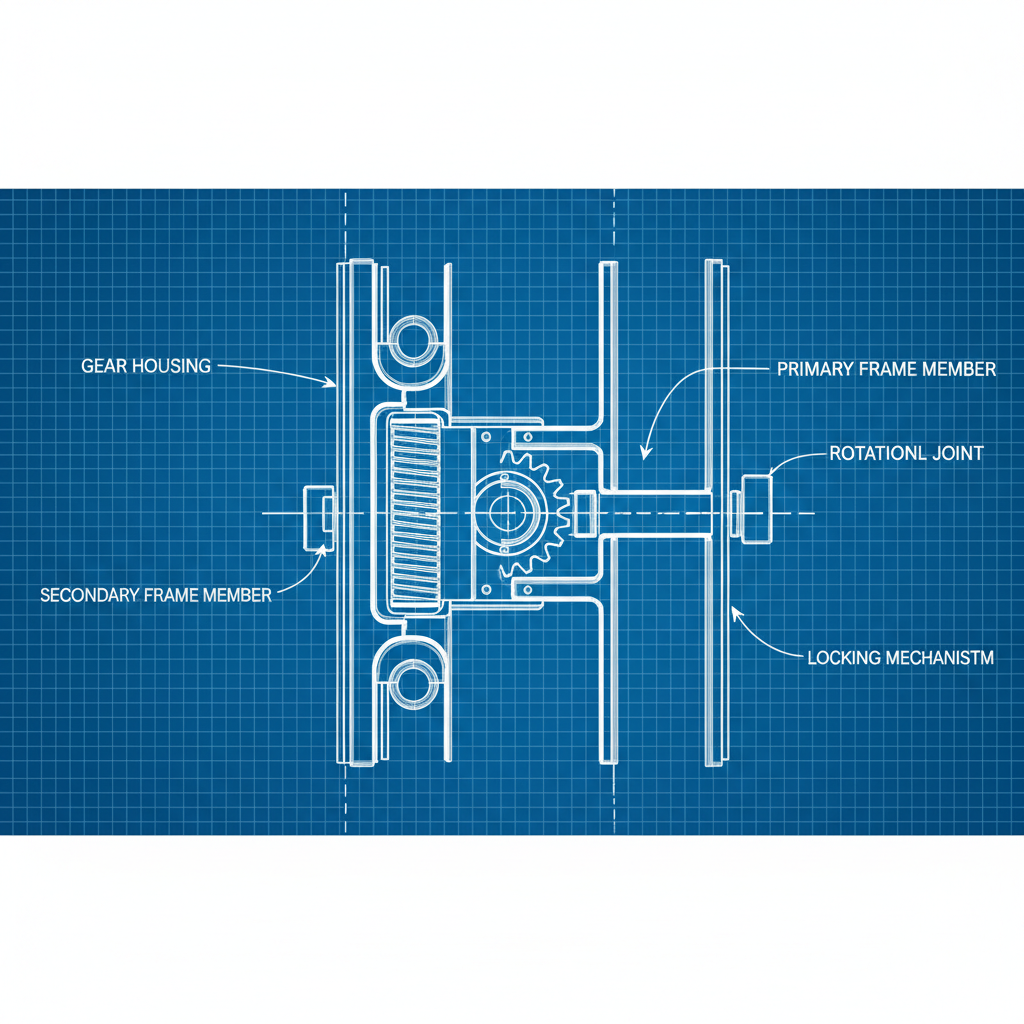
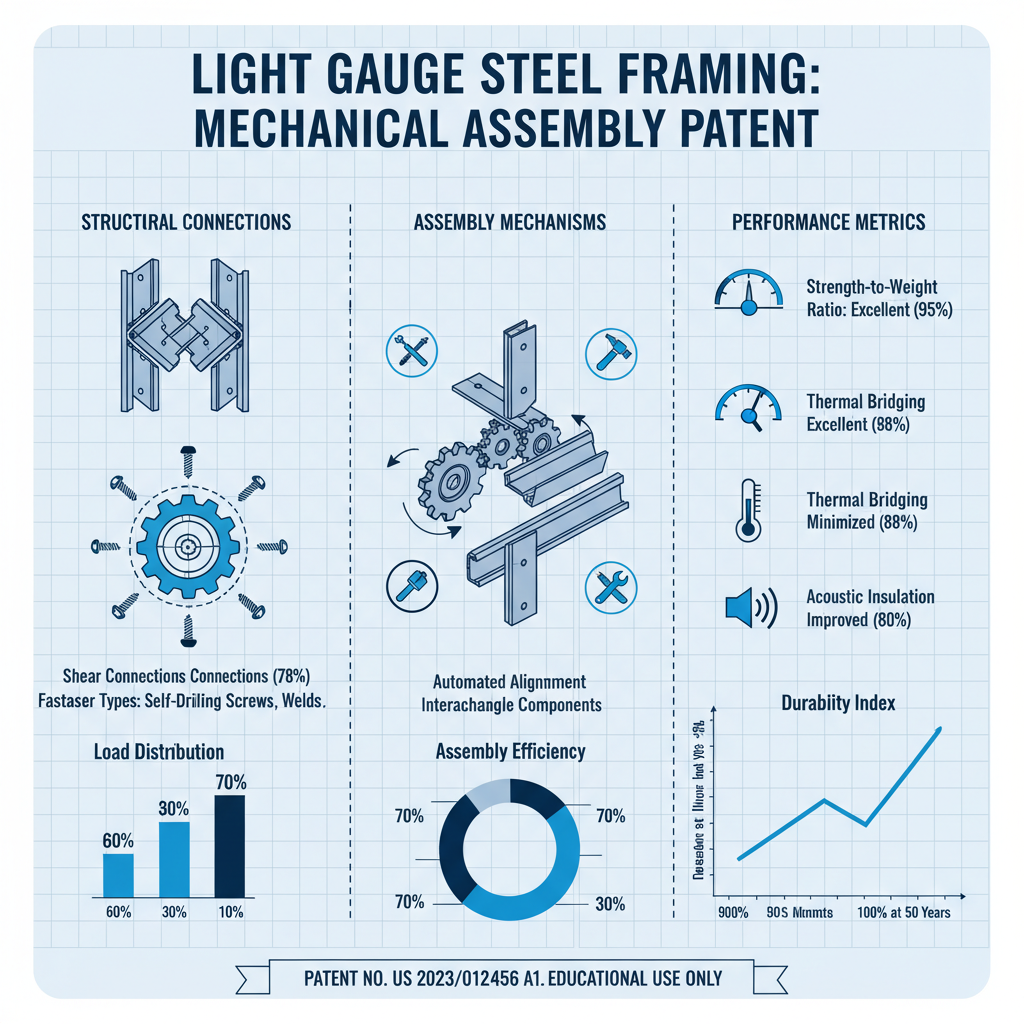
Light gauge steel (LGS) framing is a construction technique utilizing cold-formed steel components to create a structural framework for buildings. This method has gained prominence due to its precision, speed of construction, and inherent benefits compared to traditional wood or concrete framing. light gauge steel framing details are essential for proper design and execution.
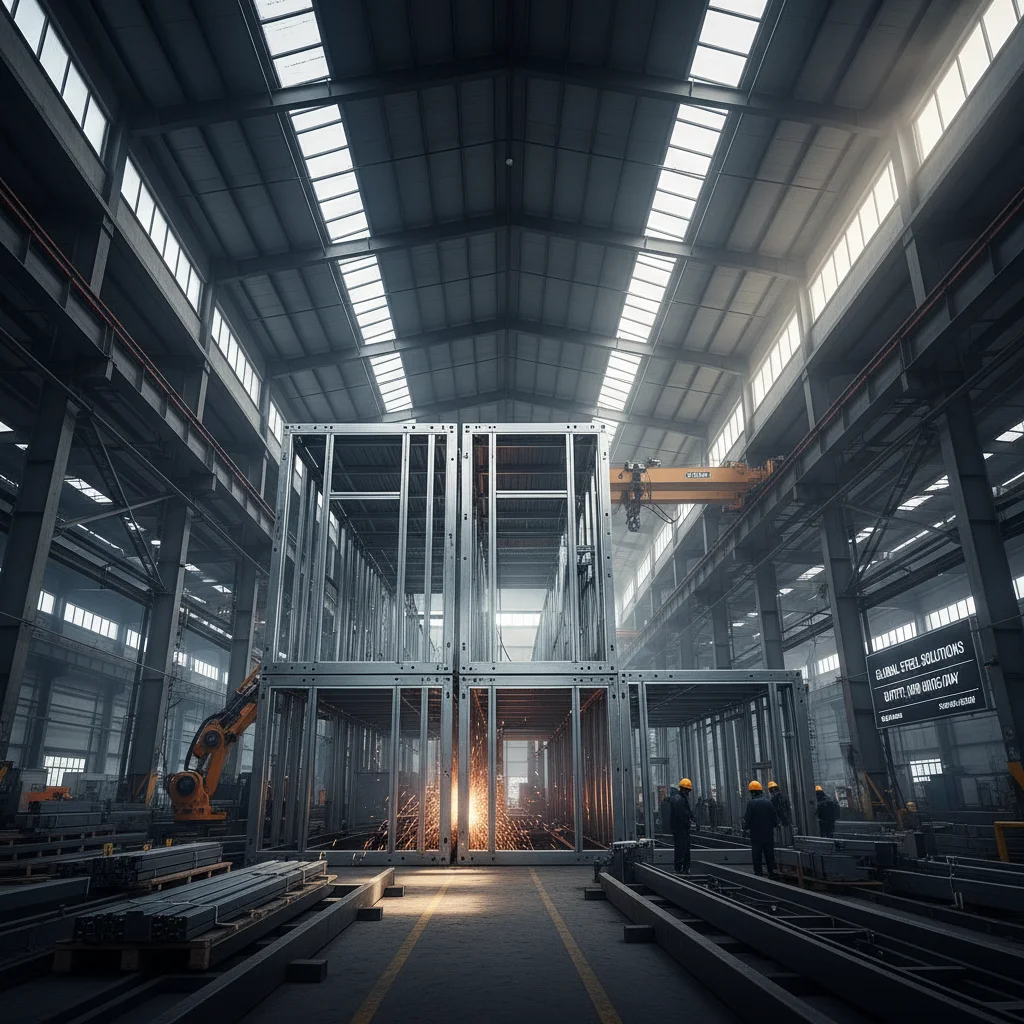
The system typically involves assembling pre-engineered steel studs, joists, and tracks using self-tapping screws, creating a robust and lightweight structure. LGS framing provides a versatile foundation for residential, commercial, and industrial applications, offering a compelling alternative for projects prioritizing sustainability and efficiency.
Light gauge steel is non-combustible, meaning it won't contribute to the spread of a fire. This inherent property significantly enhances building safety and can lead to lower insurance premiums. Unlike wood, steel doesn't burn, reducing the risk of structural collapse during a fire event. The details of fire resistance ratings depend on the specific steel gauge and construction assembly, always adhering to local building codes.
While the initial material cost of steel can sometimes be higher, light gauge steel framing often proves more cost-effective in the long run. Faster construction times, reduced labor costs, lower maintenance requirements, and potential insurance savings contribute to overall cost reductions. Furthermore, the durability of steel minimizes the need for costly repairs or replacements.
Light gauge steel used in framing is typically galvanized, meaning it’s coated with a layer of zinc to protect it from corrosion. This galvanization process provides excellent corrosion resistance, even in harsh environments. Proper design details, such as avoiding direct contact with corrosive materials and ensuring adequate ventilation, are also essential for maintaining long-term durability.
While light gauge steel framing is designed for efficient assembly, it does require skilled labor. Training is crucial for ensuring proper installation techniques, including screw placement, connection detailing, and adherence to building codes. Many manufacturers offer training programs to equip contractors with the necessary expertise. light gauge steel framing details necessitate skilled execution.
Yes, light gauge steel framing can absolutely be used for multi-story buildings, but it requires careful engineering design and adherence to structural codes. Proper bracing, connection detailing, and load distribution are critical for ensuring the stability and safety of taller structures. The engineering team must consider factors like wind loads, seismic activity, and occupancy requirements.
Light gauge steel framing is highly environmentally friendly. Steel is the most recycled material in the world, and LGS framing utilizes a high percentage of recycled content. Its durability reduces waste over the building’s lifecycle, and its lightweight nature lowers transportation emissions. Plus, it’s a sustainable alternative to wood, helping to preserve forests.
Light gauge steel framing details represent a paradigm shift in the construction industry, offering a compelling blend of sustainability, efficiency, and durability. Its ability to address pressing global challenges – from affordable housing shortages to the need for resilient infrastructure – positions it as a key technology for the future of building. The benefits extend beyond mere construction; they encompass environmental responsibility, social equity, and long-term economic viability.
As innovation continues to drive advancements in material science and digital fabrication, light gauge steel framing is poised to become even more accessible and impactful. Investing in education, research, and standardized practices will unlock its full potential, creating a more sustainable and resilient built environment for generations to come. Visit our website to learn more about light gauge steel framing details and explore how we can help you achieve your construction goals.