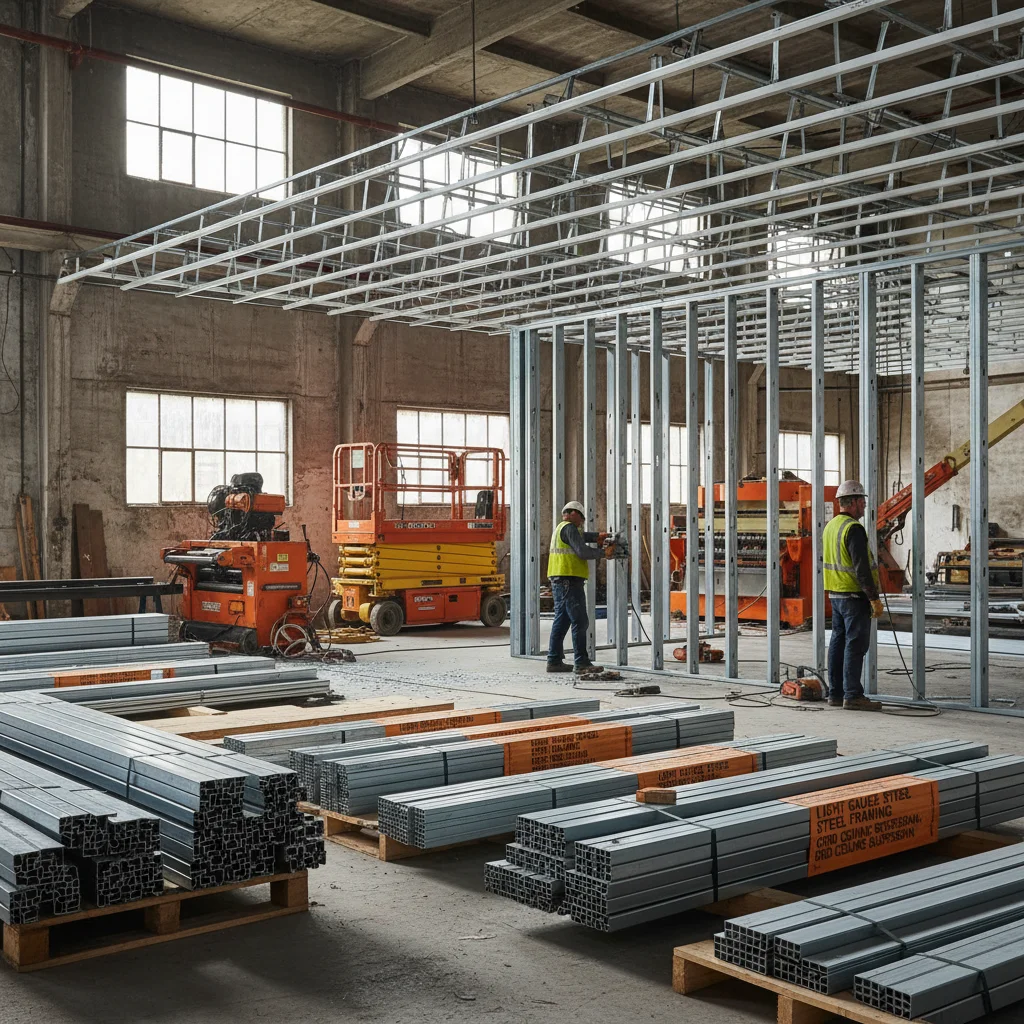
Understanding the cost of light steel frame construction is essential for modern developers and architects aiming to balance structural integrity with budgetary constraints. As the global construction industry shifts toward sustainable and rapid-assembly methods, the financial predictability of light-gauge steel (LGS) has become a primary driver in the selection of building materials, offering a viable alternative to traditional timber or heavy concrete.
Across international markets, the volatility of raw material prices and labor availability heavily influences the overall cost of light steel frame construction. By analyzing these financial variables, stakeholders can optimize their project lifecycles, reduce waste through precision engineering, and ensure that high-performance systems—such as the Australian Drywall System or Canada-US Drywall System—are implemented without exceeding financial limits.
Ultimately, evaluating the cost of light steel frame construction is not merely about the initial price per square meter, but about the long-term value proposition. From reduced installation times to enhanced durability and lower maintenance costs, the economic benefits of adopting advanced steel profiling systems provide a strategic advantage in an increasingly competitive global real estate and industrial landscape.
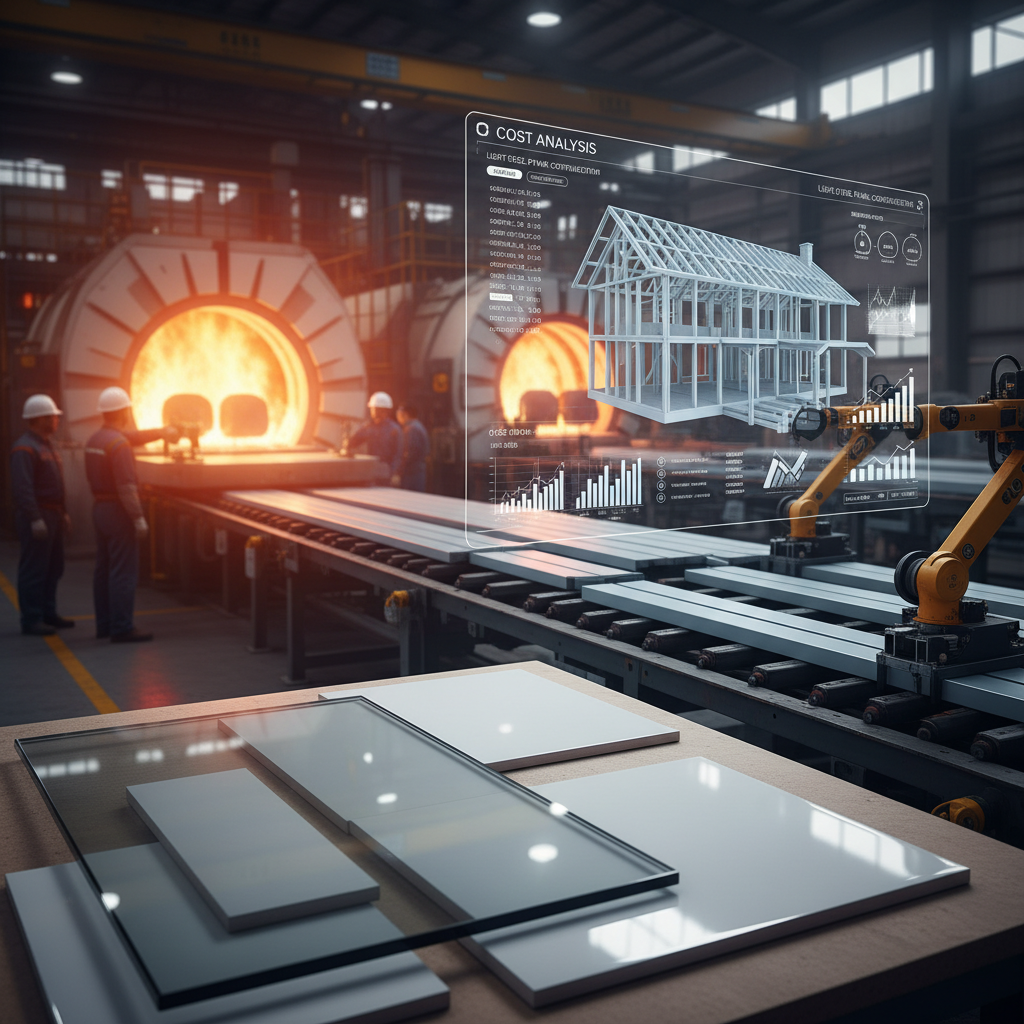
Global Economic Drivers of Light Steel Costs
The global market for light-gauge steel is deeply intertwined with the fluctuations of the international steel trade and the energy costs associated with galvanization. As nations strive to meet ISO sustainability standards and urban housing targets, the cost of light steel frame construction is often influenced by the scale of production and the logistical efficiency of transporting prefabricated profiles like the Flat T Grids T15 or T24 across borders.
Furthermore, the shift toward modularity has allowed developers to mitigate some of the risks associated with on-site labor costs. By utilizing precision-manufactured components, the cost of light steel frame construction becomes more predictable, allowing for tighter project management and a reduction in the financial waste typically seen in traditional "wet" construction methods.
Defining the Cost Components of LGS
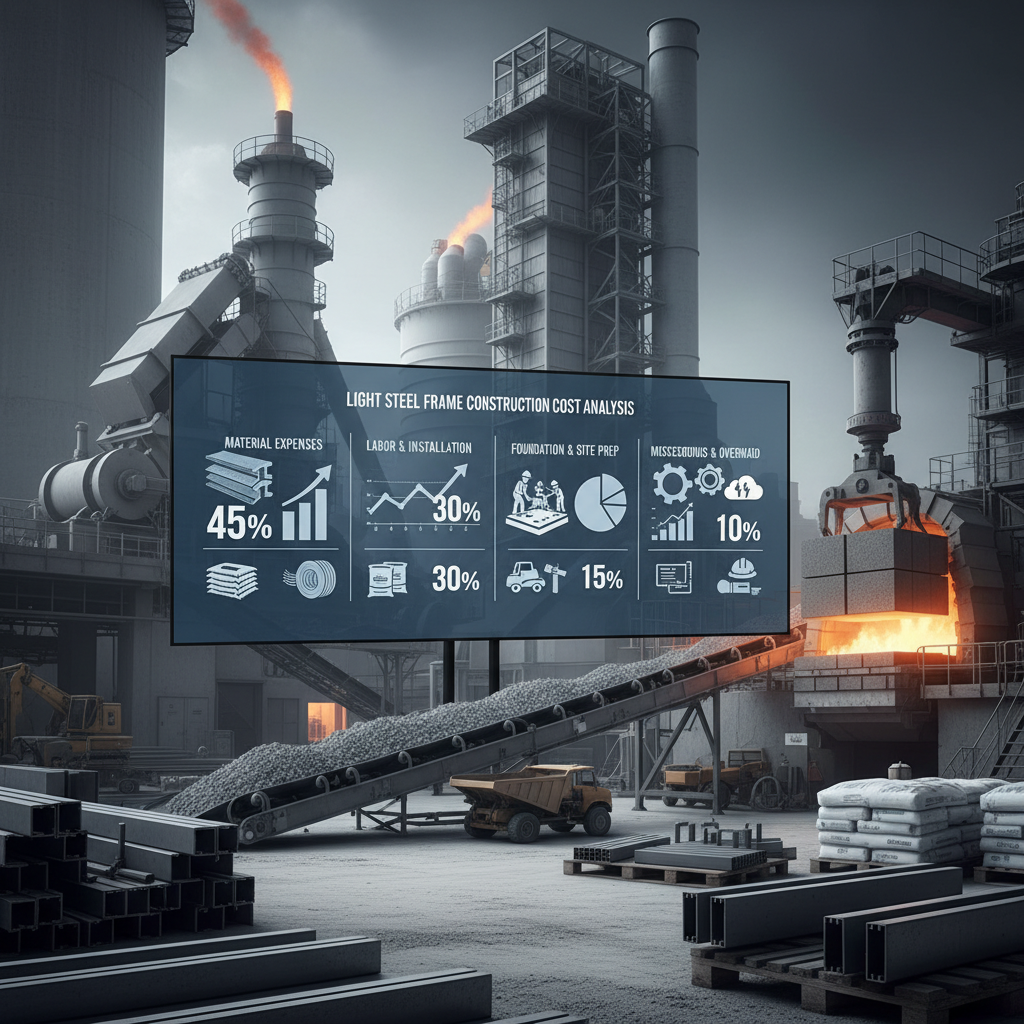
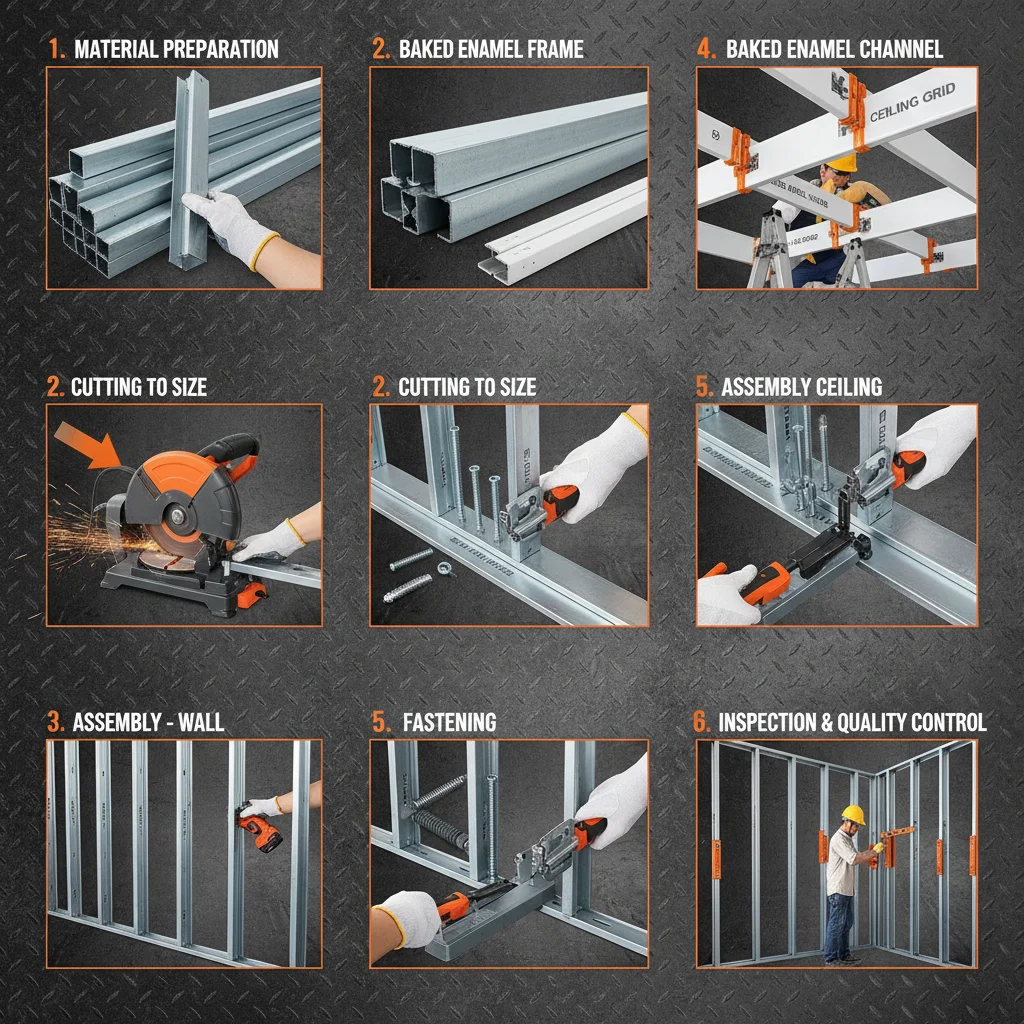
When we discuss the cost of light steel frame construction, we are referring to the comprehensive financial investment required to design, fabricate, and install a structural system made from cold-formed steel. This includes not only the raw steel coils but also the specialized engineering software used to create precise layouts and the labor involved in assembling profiles such as the CD-UD System or various Ceiling T Bar configurations.
It is important to distinguish between the "material cost" and the "installed cost." While the raw material price may fluctuate, the efficiency of light steel frames often lowers the overall cost of light steel frame construction by reducing the need for heavy machinery and decreasing the construction timeline significantly compared to reinforced concrete.
Moreover, the integration of specialized systems—such as the Black Lined T15 or Ultra Lined Silhouette—can introduce specific cost variations. These high-end finishes or reinforced profiles provide added value in terms of acoustic performance and structural rigidity, which must be weighed against the initial capital expenditure.
Core Factors Influencing Budgetary Outlays
The primary driver of the cost of light steel frame construction is the complexity of the architectural design. Simple rectangular footprints utilizing standard Drywall Steel Profiles generally result in lower costs, whereas intricate geometries require more customized fabrication and a higher volume of connectors and fasteners.
Material selection also plays a critical role; choosing between a standard South American System or a more robust Furring System (Middle East) depends on the local environmental stressors, such as humidity and salinity, which in turn affects the grade of galvanization required and the total cost of light steel frame construction.
Finally, labor expertise is a significant variable. While LGS is designed for rapid assembly, the lack of skilled installers in certain regions can lead to delays that inadvertently increase the cost of light steel frame construction through extended project overheads and potential rectification work.
Comparative Analysis of Construction Systems
Different regional systems offer varying financial advantages depending on the project's goals. For instance, the Australian Drywall System is optimized for specific seismic and wind loads, which may increase the material cost but lowers the risk of expensive future repairs, effectively optimizing the lifecycle cost of light steel frame construction.
In contrast, the Small Furring System used in South Asia focuses on affordability and rapid deployment for commercial interiors. By streamlining the components, the initial cost of light steel frame construction is minimized, making it ideal for high-turnover retail spaces or budget-conscious office developments.
Cost Efficiency Comparison of LGS Systems
Global Applications and Regional Pricing
The application of LGS varies significantly by geography. In North America, the use of the Canada-US Drywall System is standard for residential framing, where the cost of light steel frame construction is weighed against the high cost of seasoned lumber. The precision of these steel profiles allows for faster inspections and quicker occupancy permits.
Meanwhile, in the Middle East and South Asia, the focus is often on the FUT Grids and Small Furring Systems for large-scale commercial infrastructure. In these regions, the cost of light steel frame construction is optimized by importing high-volume, standardized profiles that can be installed by a diverse workforce with minimal specialized training.
Long-Term Value and Sustainability Gains
When analyzing the cost of light steel frame construction, it is a mistake to look only at the invoice for materials. Steel is 100% recyclable, which significantly increases the building's end-of-life value. This "circular economy" aspect ensures that the investment in steel profiles today translates into recoverable assets tomorrow.
Furthermore, the reliability of LGS—being termite-proof and non-combustible—reduces insurance premiums and long-term maintenance costs. For a property owner, the slightly higher initial cost of light steel frame construction compared to some traditional materials is quickly offset by the elimination of rot, warping, and pest-related structural failures.
Emotionally, the precision of a steel-framed building provides a sense of security and trust. The consistency of a system like the Ultra Lined Silhouette ensures that walls are perfectly plumb and ceilings are flawlessly flat, enhancing the perceived quality and market value of the finished space.
Future Trends in Cost Optimization
The future of the cost of light steel frame construction lies in the integration of BIM (Building Information Modeling) and automated fabrication. By creating a "digital twin" of the structure, architects can eliminate material waste entirely, ensuring that every piece of the CD-UD System is cut to the exact millimeter required, thus slashing the raw material portion of the budget.
We are also seeing a trend toward "green steel," produced using hydrogen instead of carbon. While this may initially increase the cost of light steel frame construction, upcoming carbon taxes and green building certifications (like LEED or BREEAM) will make these sustainable options more financially attractive in the long run.
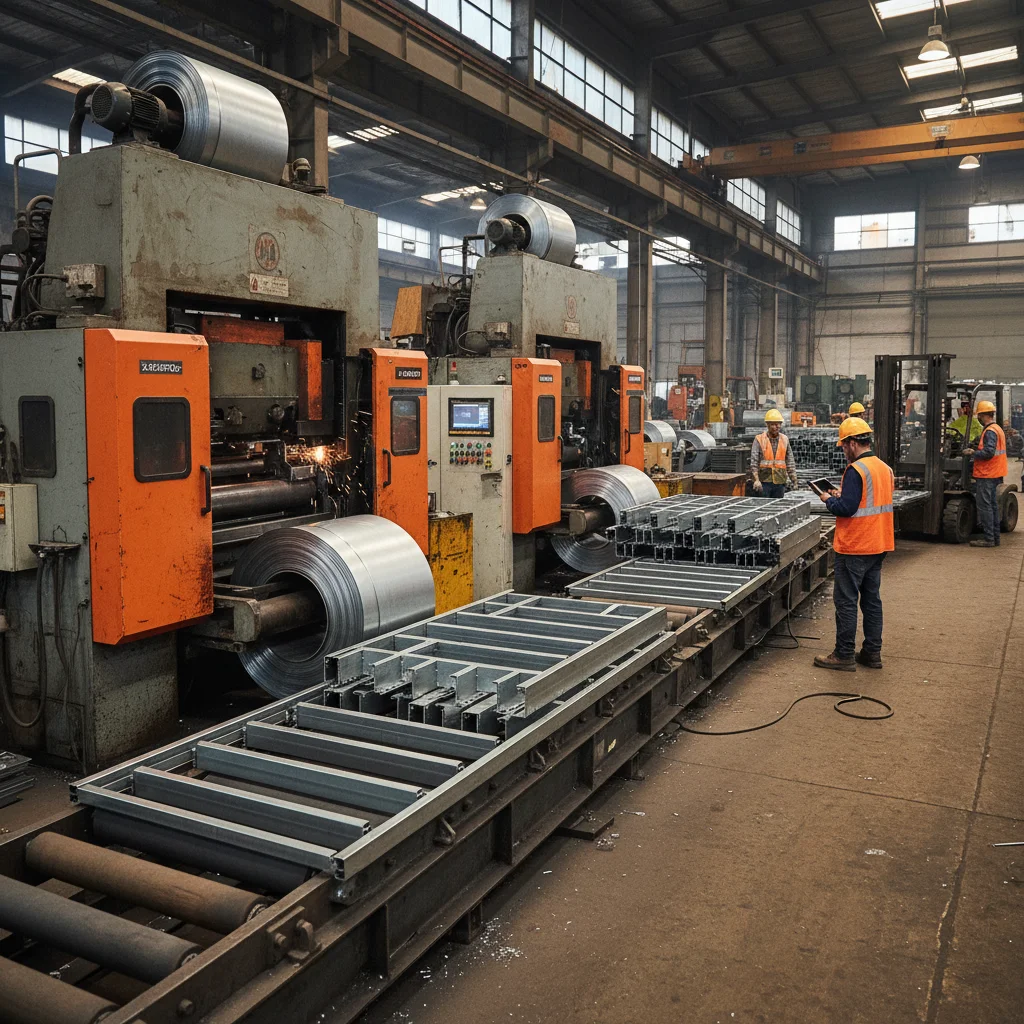
Automation in the factory—specifically the use of AI-driven roll-forming machines—will continue to drive down the unit price of profiles. This means that the cost of light steel frame construction will become increasingly competitive, allowing high-performance steel systems to move from luxury commercial projects into the mass residential market.
Analysis of System Specifications and Cost Impact
| System Category |
Material Grade |
Installation Speed |
Cost Impact Score (1-10) |
| Australian Drywall System |
High Galvanized |
Fast |
7 |
| Canada-US Drywall System |
Standard ASTM |
Very Fast |
6 |
| CD-UD System |
Industrial Grade |
Moderate |
5 |
| Ceiling T Bar (T15/T24) |
Lightweight |
Instant |
4 |
| Furring System (ME) |
Corrosion Resistant |
Fast |
8 |
| Ultra Lined Silhouette |
Premium Coating |
Moderate |
9 |
FAQS
While raw steel may have a higher unit price than timber, the overall cost of light steel frame construction is often competitive due to reduced waste, faster installation times, and the elimination of costly pest treatments. Additionally, the increased durability and fire resistance of steel often lead to lower insurance premiums and higher resale values for the property.
Hidden costs often stem from insufficient planning. For example, using an incorrect profile system (e.g., using a South Asian System where an Australian System is required by code) can lead to inspection failures. Investing in high-quality, certified components like Black Lined T24 from the start prevents costly retrofits and ensures compliance with local building regulations.
Yes, significantly. Shipping costs for heavy steel profiles and local labor rates vary by region. For instance, in remote industrial zones, the cost of light steel frame construction is optimized by using prefabricated kits that require minimal on-site skill, reducing the need to fly in specialized contractors from urban centers.
The most effective way to reduce costs is through precision design. By utilizing BIM software and choosing the most appropriate system for the specific application (e.g., using Flat T Grids for ceilings and CD-UD for partitions), you can minimize over-engineering and material waste, effectively lowering the total cost of light steel frame construction.
For high-rises, LGS is typically used for internal partitioning rather than primary structural support. In this context, the cost of light steel frame construction is actually lower than concrete walls because it reduces the dead load of the building, potentially lowering the cost of the primary foundation and structural columns.
The payoff is often immediate in terms of construction speed (reduced loan interest during build) and long-term in terms of maintenance. Since steel does not warp or rot, the cost of light steel frame construction is recovered through the avoidance of structural repairs and the increased longevity of the building's interior assets.
Conclusion
In summary, the cost of light steel frame construction is a multifaceted metric that encompasses raw material pricing, engineering precision, and long-term operational savings. By selecting the appropriate system—whether it be the robust Australian Drywall System for extreme environments or the efficient CD-UD System for commercial interiors—developers can achieve a perfect balance between immediate capital expenditure and lifelong structural value.
As the industry moves toward a more sustainable and digitized future, the strategic adoption of light-gauge steel will continue to redefine the economics of building. We encourage architects and developers to look beyond the initial price tag and consider the profound benefits of speed, safety, and sustainability that come with professional steel profiling. For high-quality systems and expert guidance on optimizing your project budget, visit our website: www.jinkaibm.com.