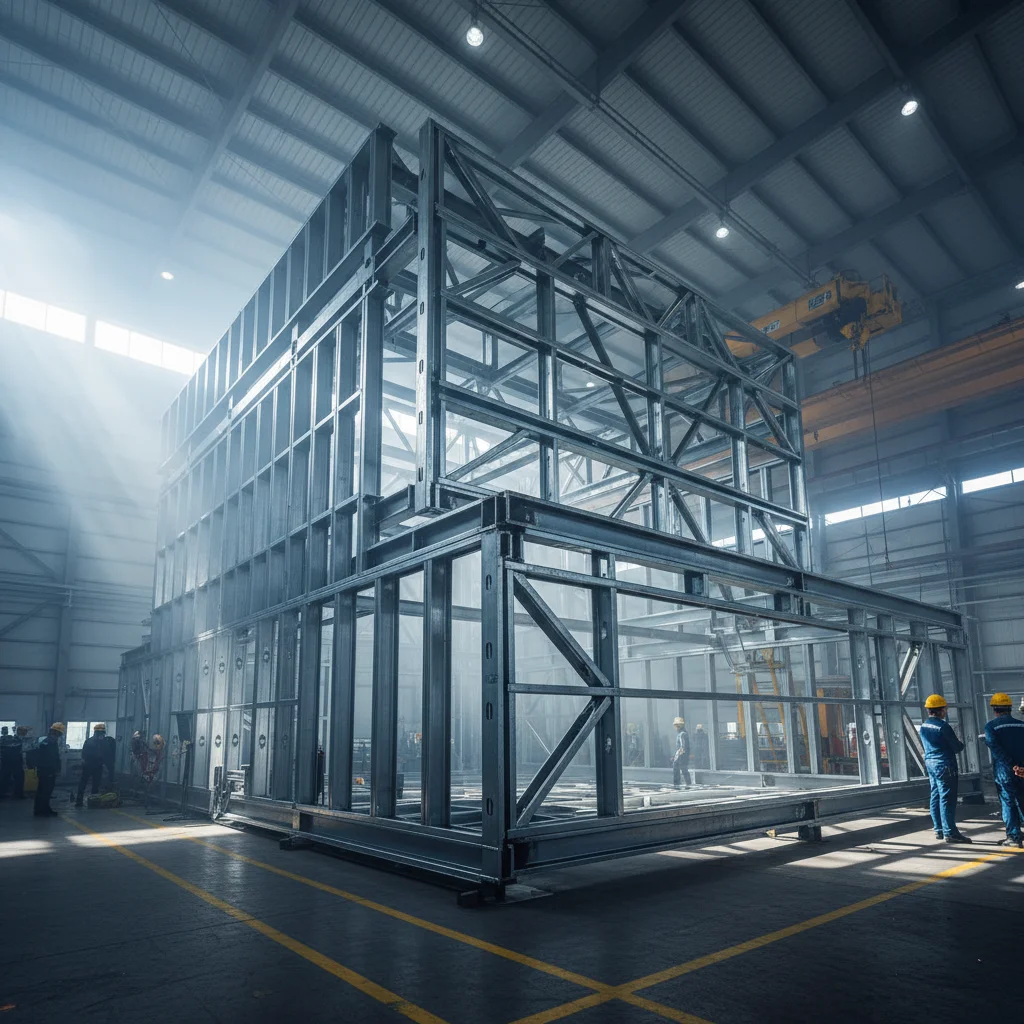
Understanding the dynamics of light gauge steel truss prices is essential for modern architects, developers, and project managers who aim to balance structural integrity with budgetary constraints. As the construction industry shifts away from traditional heavy timber and reinforced concrete, the demand for lightweight, high-strength steel solutions has surged, making price transparency a critical factor in project planning.
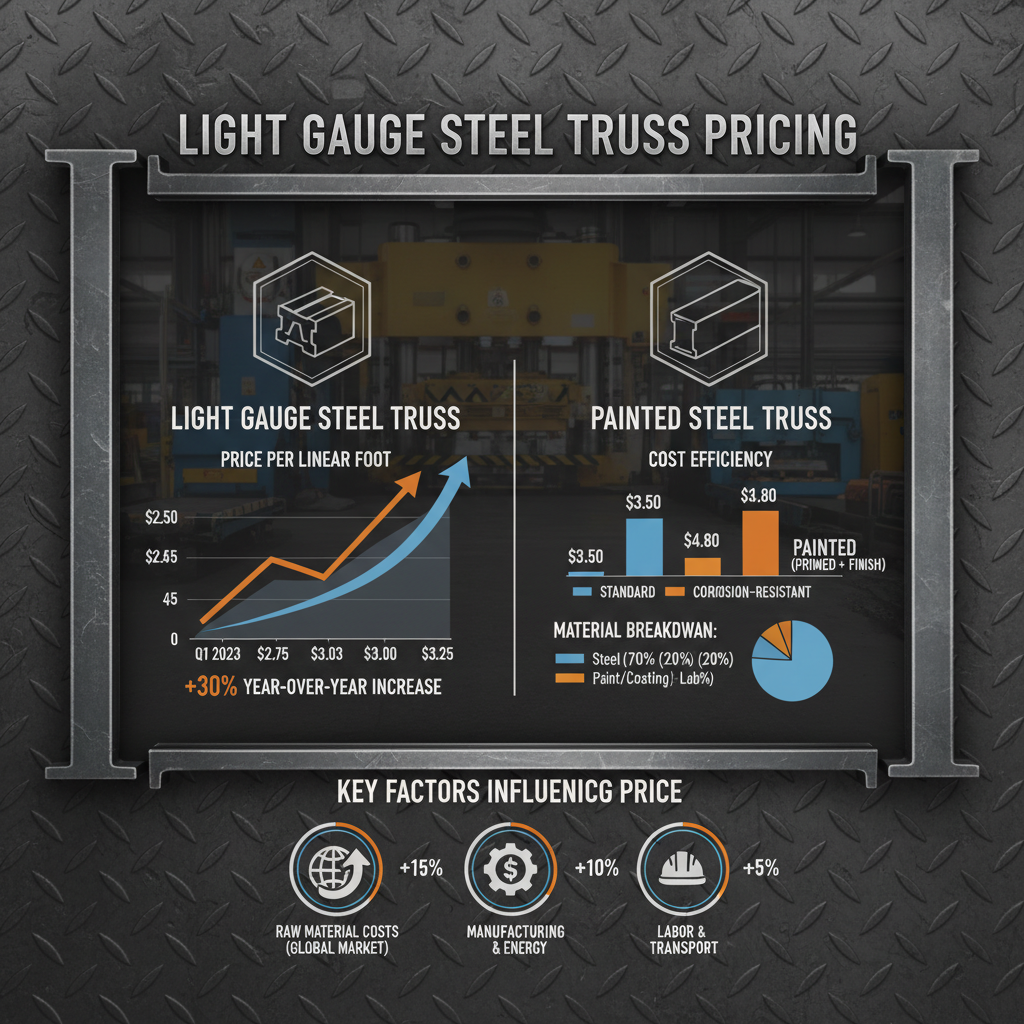
Globally, the fluctuation of light gauge steel truss prices is often tied to the volatility of raw steel markets and the evolution of manufacturing technologies. By analyzing these cost drivers, stakeholders can optimize their material procurement strategies, ensuring that high-performance ceiling systems and wall frameworks are integrated without compromising the overall financial viability of the build.
Beyond simple cost-per-ton metrics, the true value of investing in competitive light gauge steel truss prices lies in the long-term reduction of labor costs and waste. The precision of cold-formed steel allows for rapid assembly and minimal site adjustments, creating a symbiotic relationship between upfront material expenditure and accelerated project completion timelines.
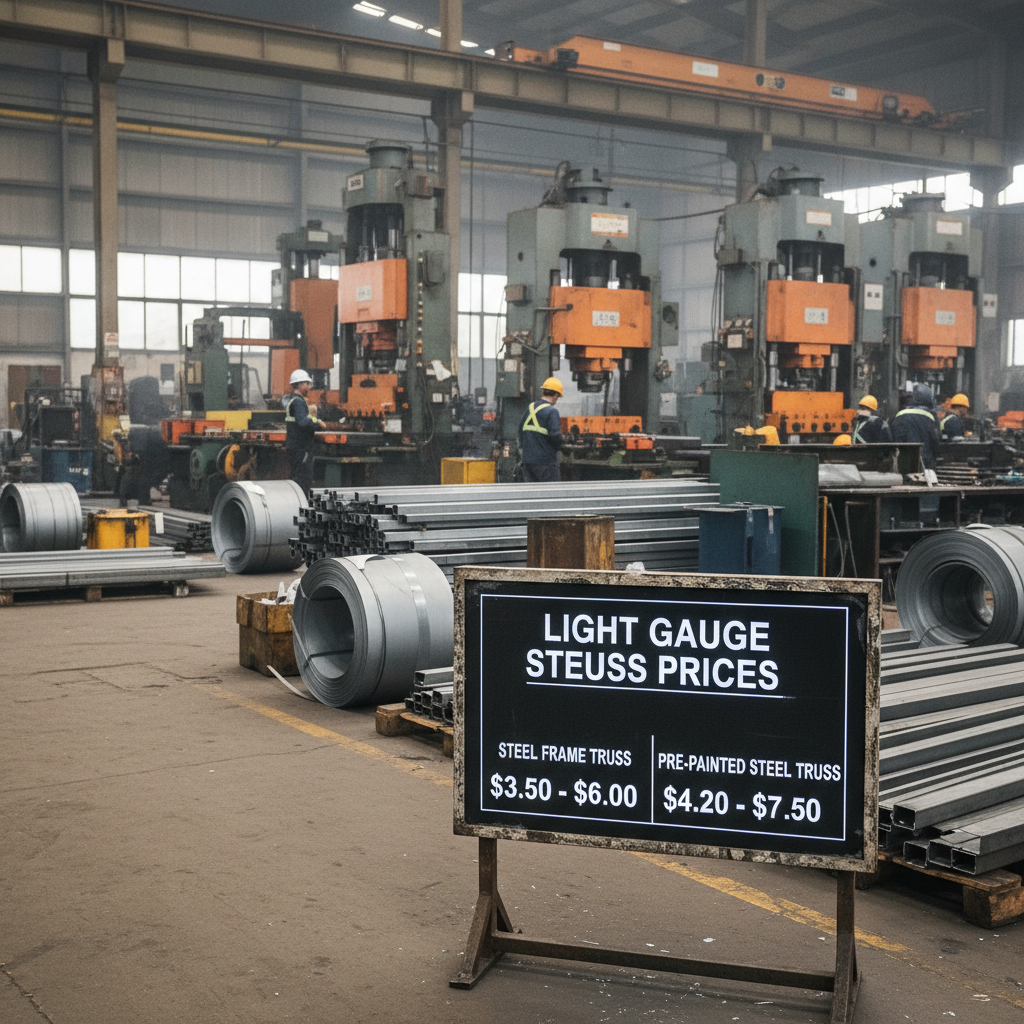
Global Market Drivers of Light Gauge Steel Truss Prices
The global trajectory of light gauge steel truss prices is heavily influenced by the macroeconomic environment and international trade policies. According to trends observed in global steel indices, the cost of cold-rolled coil—the primary raw material—fluctuates based on iron ore availability and energy costs. In regions experiencing rapid urbanization, such as Southeast Asia and Africa, the surge in demand for prefabricated housing often pushes prices upward, while technological advancements in automation help offset these increases through production efficiency.
Furthermore, the adoption of ISO standards for steel quality ensures that while light gauge steel truss prices may vary between suppliers, the structural integrity remains consistent. This standardization allows developers to source materials from global hubs, leveraging competitive pricing from high-output manufacturing zones without sacrificing the safety and durability required for large-scale commercial or residential projects.
Defining the Value Proposition of Steel Truss Pricing
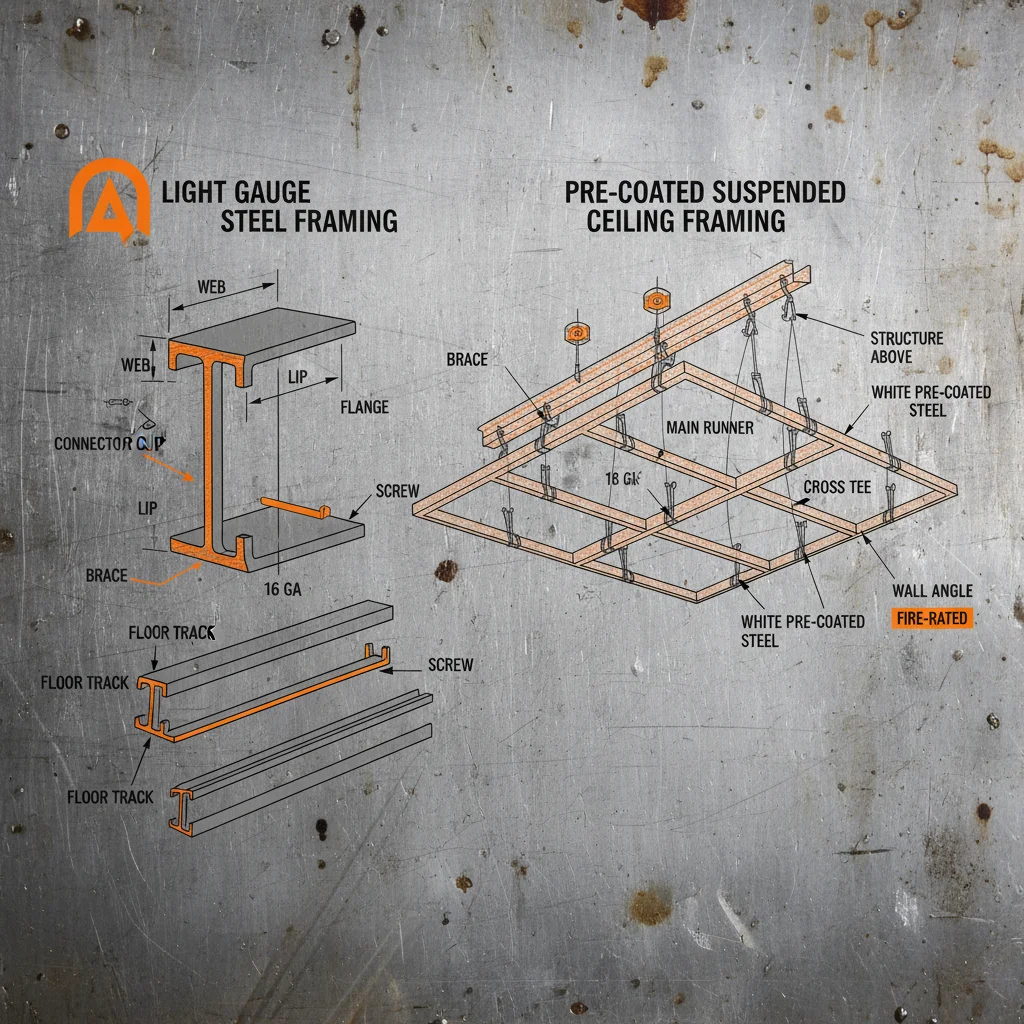
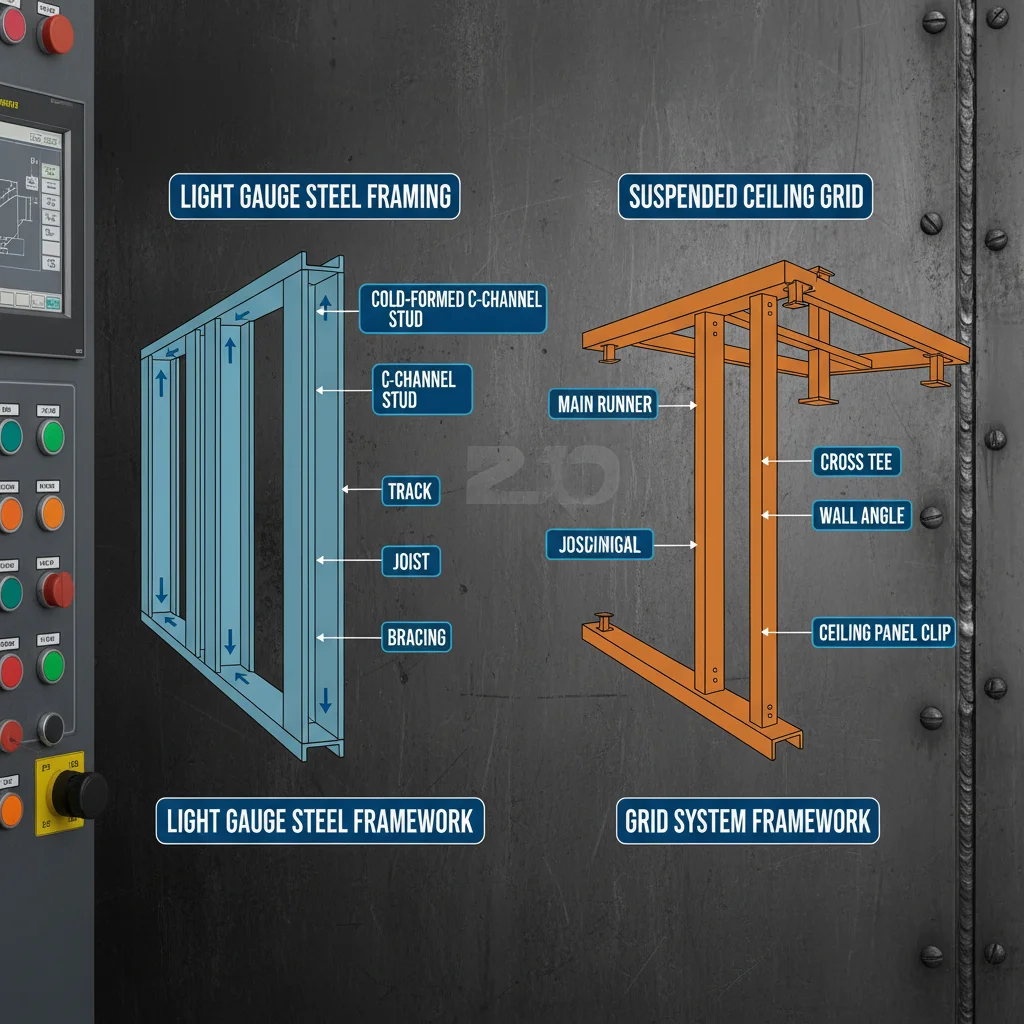
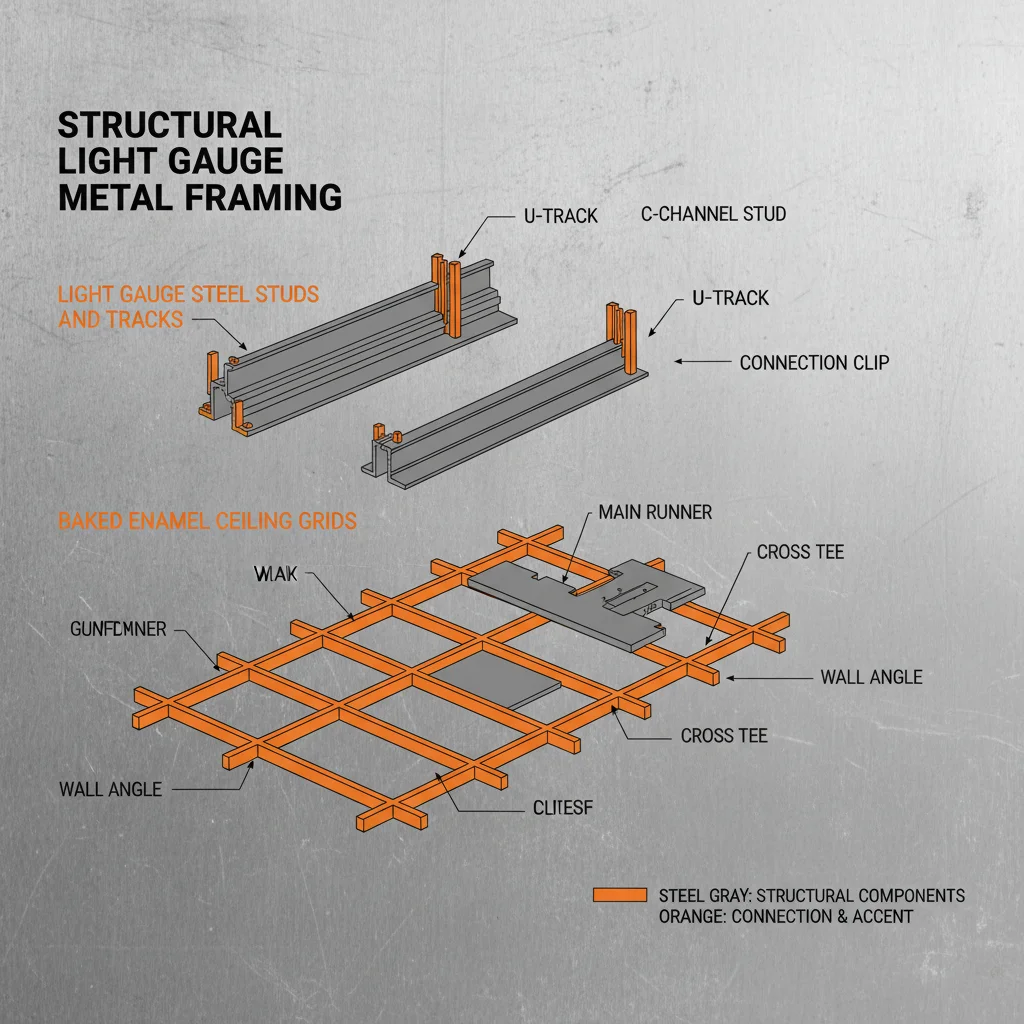
When we discuss light gauge steel truss prices, we are not merely referring to the cost of metal per kilogram, but rather the comprehensive value of a precision-engineered building component. Light gauge steel (LGS) refers to cold-formed steel profiles that provide a high strength-to-weight ratio, making them an ideal alternative to traditional timber or heavy structural steel in ceiling and wall systems.
The pricing of these systems is intricately linked to the humanitarian and industrial need for "fast-build" solutions. In the context of rapid urbanization or disaster relief, the ability to deploy pre-engineered trusses quickly reduces the overall cost of residency and infrastructure development. Consequently, the price of LGS is often viewed through the lens of "time-to-market," where slightly higher material costs are justified by massive savings in on-site labor.
Moreover, the integration of LGS into systems like the Australian Drywall System or the Canada-US Drywall System demonstrates how specific regional requirements affect light gauge steel truss prices. Each system is calibrated for local building codes, meaning the price reflects not just the material, but the engineering compliance and safety certifications required for that specific geography.
Core Factors Influencing Light Gauge Steel Truss Prices
One of the primary determinants of light gauge steel truss prices is the grade of steel and the zinc coating thickness (galvanization). High-corrosion environments, such as coastal regions, require a thicker layer of galvanization to prevent rust, which naturally increases the raw material cost. The balance between longevity and initial expenditure is a key decision point for procurement officers.
Another critical aspect is the complexity of the truss design. Custom-engineered profiles—such as those used in specialized Ceiling T Bar or Ultra Lined (Silhouette) systems—require more precise rolling and punching operations. These additional manufacturing steps contribute to the variance in light gauge steel truss prices, as bespoke designs necessitate more rigorous quality control and specialized tooling.
Finally, scalability and order volume play a significant role in price stabilization. Bulk orders for standard components, such as the CD-UD System or Flat T Grids, allow manufacturers to optimize their production runs, leading to lower per-unit light gauge steel truss prices. Conversely, small-batch, highly customized orders often carry a premium due to the setup time required for the machinery.
Comparative Analysis of Price Efficiency Methods
To truly understand the economic impact of light gauge steel truss prices, it is helpful to compare different procurement and installation methods. Some firms opt for fully prefabricated trusses, which have a higher upfront material cost but drastically reduce installation time. Others choose a semi-assembled approach, which lowers the initial purchase price but increases the reliance on skilled on-site labor.
The efficiency of these methods can be measured by the "Total Cost of Installation" rather than just the raw light gauge steel truss prices. By analyzing the trade-off between material cost and labor hours, developers can identify the most cost-effective strategy for their specific project scale and timeline.
Efficiency Rating by Truss Pricing Model
Global Applications and Regional Cost Variations
The application of LGS varies wildly across continents, which in turn affects light gauge steel truss prices. In North America, the Canada-US Drywall System is a benchmark, where prices are stabilized by massive industrial production and streamlined logistics. In contrast, the South American System may face higher price volatility due to import tariffs and fluctuating local currency values, making the procurement of steel more complex.
In the Middle East, where the Furring System (Middle East) is dominant, light gauge steel truss prices are often influenced by the extreme climate requirements. Materials must be treated to withstand high heat and humidity, adding a specialized coating cost that isn't as prevalent in temperate regions. Similarly, the Small Furring System used in South Asia caters to high-density residential builds, emphasizing affordability and rapid installation over heavy-duty load bearing.
Long-Term Economic Advantages and Sustainability
While the initial focus is often on light gauge steel truss prices, the long-term economic narrative is one of sustainability and risk reduction. Steel is 100% recyclable, and the precision of LGS minimizes site waste to nearly zero. This eco-friendly profile not only aligns with global green building certifications (like LEED) but also reduces the cost of waste management on construction sites.
From a safety and insurance perspective, LGS offers a distinct advantage over timber. Steel is non-combustible and termite-proof, which can lead to lower insurance premiums for building owners. When these operational savings are amortized over the life of the building, the slightly higher upfront light gauge steel truss prices are revealed to be a strategic investment in asset protection.
Furthermore, the reliability of steel means fewer structural repairs over time. Unlike wood, which can warp or rot, cold-formed steel maintains its dimensional stability. This reliability fosters trust between developers and tenants, ensuring that the building's structural integrity—and its market value—remains high for decades.
Future Innovations Impacting Truss Cost Structures
The future of light gauge steel truss prices is being reshaped by Industry 4.0. The integration of BIM (Building Information Modeling) allows for exact material take-offs, meaning developers buy only what they need, effectively lowering the project-wide cost even if the unit price of steel remains constant. Automated roll-forming machines are also reducing labor costs at the factory level, a saving that is gradually being passed down to the end consumer.
We are also seeing the emergence of "Green Steel," produced using hydrogen instead of carbon-intensive coke. While these sustainable materials may initially increase light gauge steel truss prices, government carbon taxes and subsidies for green construction are expected to make these options more competitive in the near future.
Additionally, the shift toward modular and volumetric construction is changing how we perceive pricing. Instead of buying linear meters of steel, the industry is moving toward "system pricing," where the truss, the lining, and the finishing are bundled. This holistic approach simplifies budgeting and reduces the risk of price spikes in individual components.
Analysis of Regional System Cost-Benefit Ratios
| Regional System |
Price Volatility |
Installation Speed |
Durability Score (1-10) |
| Australian Drywall |
Low |
Very High |
9 |
| Canada-US System |
Medium |
High |
9 |
| Middle East Furring |
High |
Medium |
8 |
| South Asia Small Furring |
Medium |
High |
7 |
| South American System |
Very High |
Medium |
8 |
| Ultra Lined Silhouette |
Low |
Medium |
10 |
FAQS
The most common causes are fluctuations in the global iron ore market and increases in energy costs (electricity and gas) used in the smelting and rolling processes. Additionally, geopolitical tensions that disrupt shipping lanes can increase freight costs, which are then reflected in the final delivered price of the trusses.
On a pure material-cost basis, prefabricated trusses may have a slightly higher purchase price. However, when you account for the reduction in on-site labor, the elimination of material waste, and the significantly faster installation time, the total project cost is usually lower than on-site fabrication.
Galvanization (the zinc coating) is critical for corrosion resistance. The higher the Z-rating (zinc coating weight), the more expensive the material. For example, trusses destined for coastal areas require a higher Z-rating to prevent salt-air corrosion, which adds a premium to the light gauge steel truss prices compared to indoor-only profiles.
Yes, using standard systems like the Flat T Grids or the CD-UD System generally results in lower prices because they are mass-produced. Custom profiles require machine reconfiguration and specialized engineering, which increases the unit price. Most architects aim to maximize the use of standard profiles to keep budgets under control.
Absolutely. Steel is infinitely recyclable and does not contribute to deforestation. While the initial energy to produce steel is high, its longevity, resistance to pests/fire, and the high scrap value at the end of a building's life cycle make it a more sustainable long-term choice than traditional treated lumber.
Regional standards dictate the minimum thickness, steel grade, and testing requirements. Systems tailored for the Australian or North American markets must undergo rigorous certification to meet local building codes. This compliance ensures safety but adds a cost layer for quality assurance and certification, influencing the regional price points.
Conclusion
Navigating the complexities of light gauge steel truss prices requires a shift in perspective from viewing steel as a commodity to viewing it as a strategic component of architectural efficiency. By weighing the initial material costs against the massive gains in installation speed, structural durability, and environmental sustainability, it becomes clear that LGS is the superior choice for modern construction. Whether utilizing the Australian Drywall System or the specialized Ultra Lined silhouettes, the key to profitability lies in balancing material specifications with actual site requirements.
As we look toward a future defined by green energy and automated construction, the value proposition of light gauge steel will only strengthen. We recommend that developers engage with suppliers who provide transparent pricing models and BIM-integrated planning to further optimize costs. To explore high-quality steel solutions and get the most competitive rates for your next project, visit our website: www.jinkaibm.com.