Light steel framing for residential buildings is rapidly gaining prominence as a sustainable and efficient construction method globally. It offers a compelling alternative to traditional wood and concrete framing, addressing concerns regarding deforestation, material waste, and construction timelines. The increasing demand for affordable and rapidly deployable housing solutions, particularly in disaster-prone areas and rapidly urbanizing regions, is driving the adoption of this innovative technique.
Globally, the construction industry is responsible for a significant portion of greenhouse gas emissions and resource consumption. Light steel framing offers a lower carbon footprint compared to concrete, and utilizes recycled materials, aligning with growing sustainability goals. Its precision manufacturing and ease of assembly also lead to reduced construction time and labor costs, making it an attractive option for developers and homeowners alike.
Understanding the principles and applications of light steel framing for residential buildings is crucial for architects, engineers, developers, and policymakers seeking to build a more sustainable and resilient future. This method isn't just a building technique; it's a component of addressing global housing challenges and promoting environmentally responsible construction practices.
Introduction to Light Steel Framing
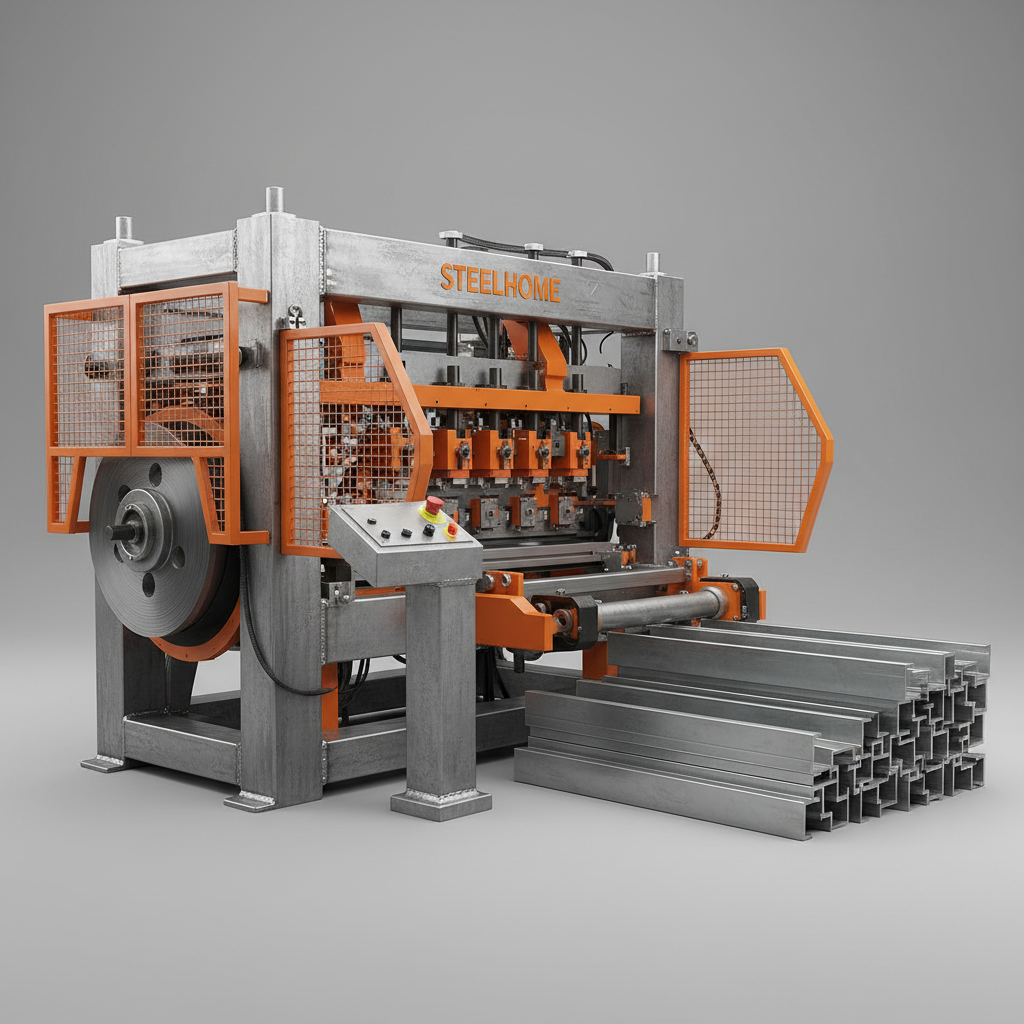
Light steel framing (LSF) represents a significant advancement in construction technology. It utilizes cold-formed steel members to create the structural framework for buildings, offering a lightweight yet incredibly strong alternative to traditional materials. The framing members, typically made from galvanized steel, are engineered to specific dimensions and connected using screws, bolts, or welding.
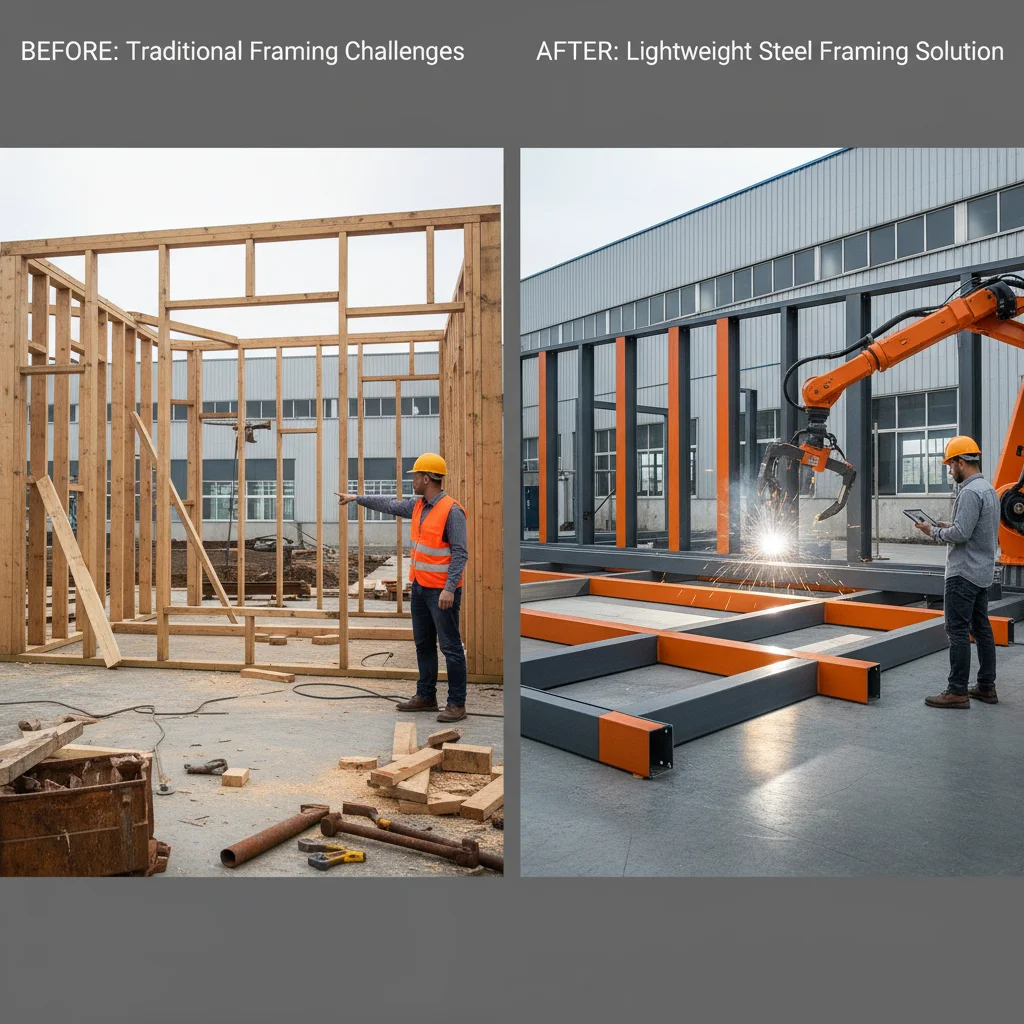
The appeal of LSF stems from its versatility and adaptability. It can be used in a wide range of residential building types, from single-family homes to multi-story apartments and townhouses. Furthermore, its precision manufacturing enables efficient prefabrication, resulting in faster build times and reduced on-site waste.
Global Relevance and Industry Context
The demand for housing is surging globally, particularly in developing nations experiencing rapid urbanization. Simultaneously, there's increasing pressure to adopt sustainable building practices that minimize environmental impact. Light steel framing for residential buildings directly addresses both these needs. According to the UN, 1.6 billion people worldwide lack adequate housing, a statistic fueling the search for faster, more affordable, and eco-friendly construction solutions.
The construction industry accounts for nearly 40% of global carbon emissions and utilizes approximately 30% of all raw materials. LSF, by utilizing recycled steel and reducing material waste, contributes to a more circular economy and lower carbon footprint. The World Bank is actively promoting sustainable construction practices in its funded projects, further driving the adoption of innovative techniques like LSF.
The ISO standards relating to steel construction are increasingly incorporating LSF principles, signalling a growing acceptance and standardization of this methodology within the industry. This global shift underscores the importance of understanding the benefits and potential of light steel framing for residential buildings.
Defining Light Steel Framing
Light steel framing for residential buildings is a construction method employing a structural system built with cold-formed steel (CFS) components. Unlike traditional steel construction which uses hot-rolled steel, CFS is manufactured by shaping thin gauges of steel into various structural shapes, such as studs, joists, and tracks. These components are then assembled to create wall, floor, and roof systems.
The connection to modern industry lies in its reliance on precise engineering, automated manufacturing, and efficient logistics. LSF integrates seamlessly with Building Information Modeling (BIM) and Computer-Aided Design (CAD) processes, allowing for accurate design and fabrication. This digitalization contributes to reduced errors and improved project coordination.
This system also responds to critical humanitarian needs. LSF can be used to create rapidly deployable shelters in disaster relief scenarios and provide affordable housing solutions in underserved communities. Its light weight simplifies transportation and installation, making it ideal for remote or challenging locations.
Core Components and Advantages
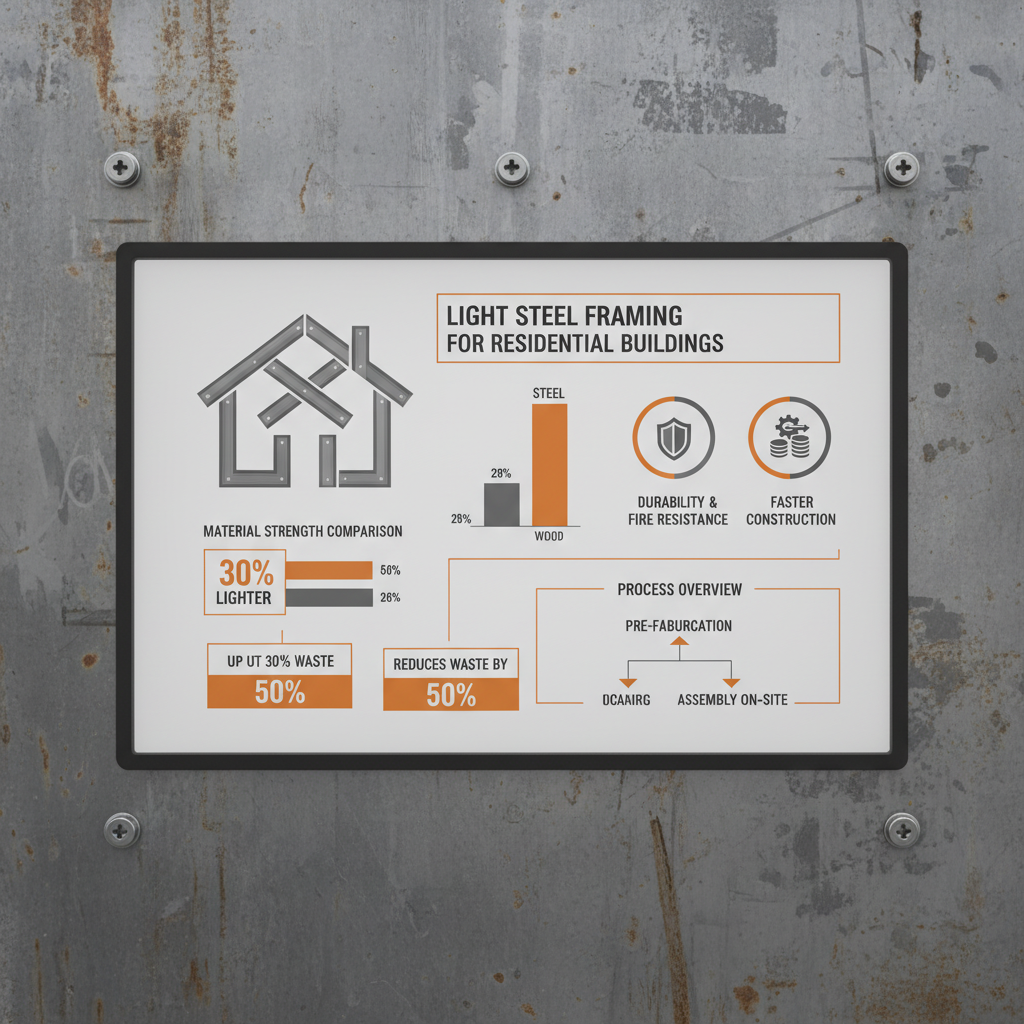
Several key factors contribute to the growing popularity of light steel framing. First is its Durability. Steel is inherently resistant to fire, pests, and rot, making LSF structures incredibly long-lasting and requiring minimal maintenance. Second, Scalability is a major advantage – LSF systems can be easily adapted to different building designs and sizes, from simple bungalows to complex multi-story structures.
Cost Efficiency is another compelling benefit. While the initial material cost may be comparable to wood, the speed of construction, reduced labor requirements, and minimized waste often result in overall cost savings. Additionally, Design Flexibility allows for creative architectural designs, as steel can be easily shaped and molded to meet specific aesthetic requirements.
Light Steel Framing Performance Metrics
Applications and Real-World Use Cases
Light steel framing for residential buildings is finding applications in a diverse range of projects worldwide. In Australia and New Zealand, it’s a prevalent method for constructing homes, thanks to its termite resistance and suitability for seismic zones. In the United States, LSF is increasingly used for affordable housing developments and disaster relief efforts.
In post-disaster relief operations, such as after hurricanes or earthquakes, LSF structures can be rapidly deployed to provide temporary or permanent housing for displaced communities. The speed of construction is critical in these scenarios, and LSF significantly reduces build times compared to traditional methods.
Furthermore, in remote industrial zones or mining camps, where access to traditional building materials is limited, LSF offers a viable solution for creating comfortable and durable living quarters for workers. The light weight of the materials also reduces transportation costs in these challenging environments.
Long-Term Value and Benefits
The tangible benefits of choosing light steel framing for residential buildings extend beyond initial cost savings. The increased durability translates to lower lifecycle costs, as less maintenance and fewer repairs are required over the building's lifespan. The sustainability aspect also offers long-term value, aligning with growing consumer demand for eco-friendly homes.
From a social impact perspective, LSF contributes to safer and healthier living environments. The non-combustible nature of steel significantly enhances fire safety, and the precision manufacturing process minimizes the risk of mold and mildew growth. This fosters peace of mind and improves the quality of life for occupants.
Future Trends and Innovations
The future of light steel framing for residential buildings is intertwined with advancements in material science and digital technologies. Researchers are exploring new high-strength steel alloys and coatings to further enhance corrosion resistance and durability. The integration of prefabrication techniques with automated manufacturing processes is also gaining momentum, promising even faster construction times and lower costs.
The convergence of LSF with green energy technologies presents exciting possibilities. Steel roofs can be easily integrated with solar panels, creating energy-efficient homes. Digital twin technology allows for virtual modeling and monitoring of LSF structures, optimizing performance and identifying potential issues before they arise.
Furthermore, policy initiatives promoting sustainable building practices and incentivizing the use of recycled materials are expected to accelerate the adoption of LSF globally. As the demand for affordable and sustainable housing continues to grow, light steel framing for residential buildings is poised to play an increasingly vital role.
FAQS
Light steel framing utilizes cold-formed steel instead of wood, offering advantages in durability, fire resistance, and pest resistance. Steel doesn’t rot or warp like wood, leading to lower maintenance costs. While wood is a renewable resource, steel can be extensively recycled, contributing to a circular economy. LSF often allows for faster construction due to precise fabrication and consistent material quality.
The initial material cost of steel can sometimes be higher than wood. However, the overall project cost is often comparable or even lower with LSF due to faster construction times, reduced labor costs, less material waste, and lower long-term maintenance expenses. The lifespan of a steel-framed home is typically longer than a wood-framed one, providing greater long-term value.
Light steel framing offers excellent seismic performance due to steel’s ductility and strength-to-weight ratio. The flexible nature of steel allows structures to absorb energy during an earthquake, reducing the risk of collapse. When properly engineered and connected, LSF structures can withstand significant ground motion, making them a safe option in earthquake-prone regions.
Corrosion is a concern, but modern light steel framing utilizes galvanized steel, which is coated with a layer of zinc to protect against rust. Furthermore, coatings and paints can provide additional protection in harsh environments. Proper design and detailing, such as avoiding contact between steel and incompatible materials, are also crucial in preventing corrosion.
Yes, light steel framing is considered a sustainable building material. Steel is one of the most recycled materials globally, and LSF often utilizes a high percentage of recycled content. It generates less construction waste than traditional methods and has a lower carbon footprint compared to concrete. Its durability also reduces the need for frequent repairs and replacements.
While some skills transfer from traditional carpentry, working with LSF requires specialized training. Installers need to be proficient in using self-drilling screws, metal cutting tools, and understanding the specific connections and detailing required for steel framing. Several training programs and certifications are available to equip workers with the necessary skills.
Conclusion
Light steel framing for residential buildings represents a paradigm shift in construction, offering a compelling combination of sustainability, efficiency, and durability. Its ability to address critical global challenges – from housing shortages to environmental concerns – makes it a vital technology for the future. By embracing LSF, we can build structures that are not only strong and resilient but also environmentally responsible and economically viable.
Looking ahead, continued innovation in materials, manufacturing processes, and digital integration will further unlock the potential of light steel framing. Policymakers, architects, and developers have a crucial role to play in promoting its adoption and ensuring that it becomes a cornerstone of sustainable construction practices worldwide. To learn more about incorporating light steel framing into your next project, visit our website: light steel framing for residential buildings.