Light gauge steel buildings are rapidly transforming the construction landscape, offering a compelling alternative to traditional building methods. These structures, built using cold-formed steel components, are gaining prominence globally due to their inherent advantages in speed of construction, cost-effectiveness, and sustainability. Understanding the principles and applications of these buildings is crucial for architects, engineers, developers, and anyone involved in shaping the future of the built environment.
The demand for efficient and resilient infrastructure is increasing worldwide, driven by population growth, urbanization, and the urgent need for disaster-resistant housing. light gauge steel buildings are uniquely positioned to address these challenges, offering rapid deployment solutions and adaptable designs suitable for a diverse range of applications. Their lightweight nature also significantly reduces transportation costs and on-site handling requirements.
From affordable housing and disaster relief shelters to industrial warehouses and commercial spaces, the versatility of light gauge steel construction is unlocking new possibilities. This document explores the key aspects of light gauge steel buildings, their global applications, advantages, future trends, and addresses common challenges in their implementation.
Introduction to Light Gauge Steel Buildings
Light gauge steel buildings offer a revolutionary approach to construction, prioritizing speed, efficiency, and sustainability. These structures are built using cold-formed steel, which is created by shaping thin sheets of steel into lightweight, high-strength components. This process drastically reduces material waste and allows for precise fabrication, resulting in structures that are both durable and environmentally friendly.
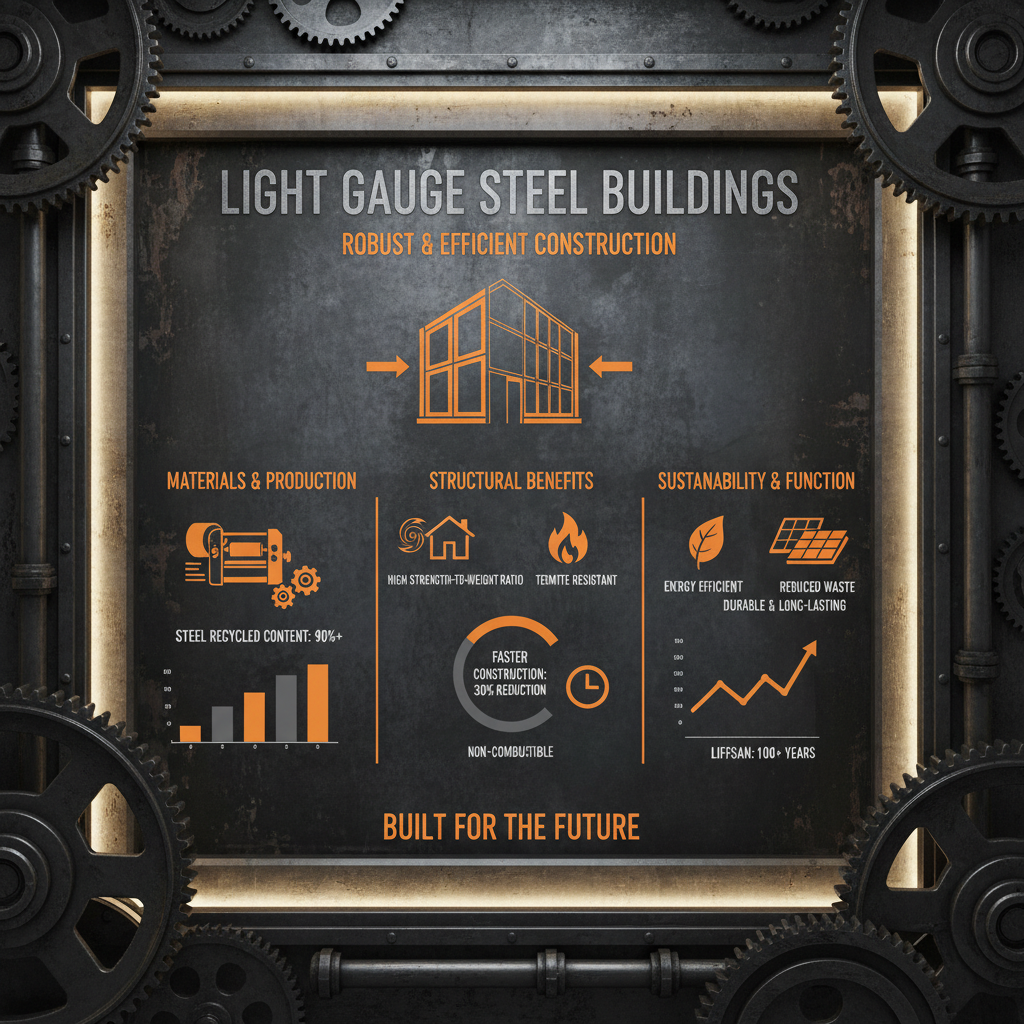
The inherent advantages of light gauge steel – its high strength-to-weight ratio, non-combustibility, and resistance to pests and rot – make it an ideal material for a wide variety of building applications. light gauge steel buildings are becoming increasingly popular in regions prone to natural disasters, offering a rapid and reliable solution for emergency shelter and long-term housing.
Global Relevance and Industry Context
The construction industry is a significant contributor to global carbon emissions, accounting for approximately 39% of total emissions according to UN Environment Programme reports. The demand for sustainable building practices is therefore paramount. Light gauge steel buildings offer a viable path toward reducing this environmental impact, as steel is highly recyclable, and the precision fabrication process minimizes waste. The World Bank estimates that global infrastructure investment needs will reach $93 trillion by 2030, highlighting the need for innovative and efficient construction solutions.
Rapid urbanization, particularly in developing countries, is creating a critical housing shortage. Traditional construction methods often struggle to keep pace with this demand, resulting in informal settlements and inadequate living conditions. light gauge steel buildings provide a fast and scalable solution for addressing this challenge, offering affordable and dignified housing options for growing populations.
ISO standards, such as ISO 9001 for quality management and ISO 14001 for environmental management, are increasingly being adopted in the light gauge steel construction sector, ensuring consistent quality and responsible environmental practices. This focus on standardization is driving further adoption and building confidence in this innovative construction method.
Defining Light Gauge Steel Buildings
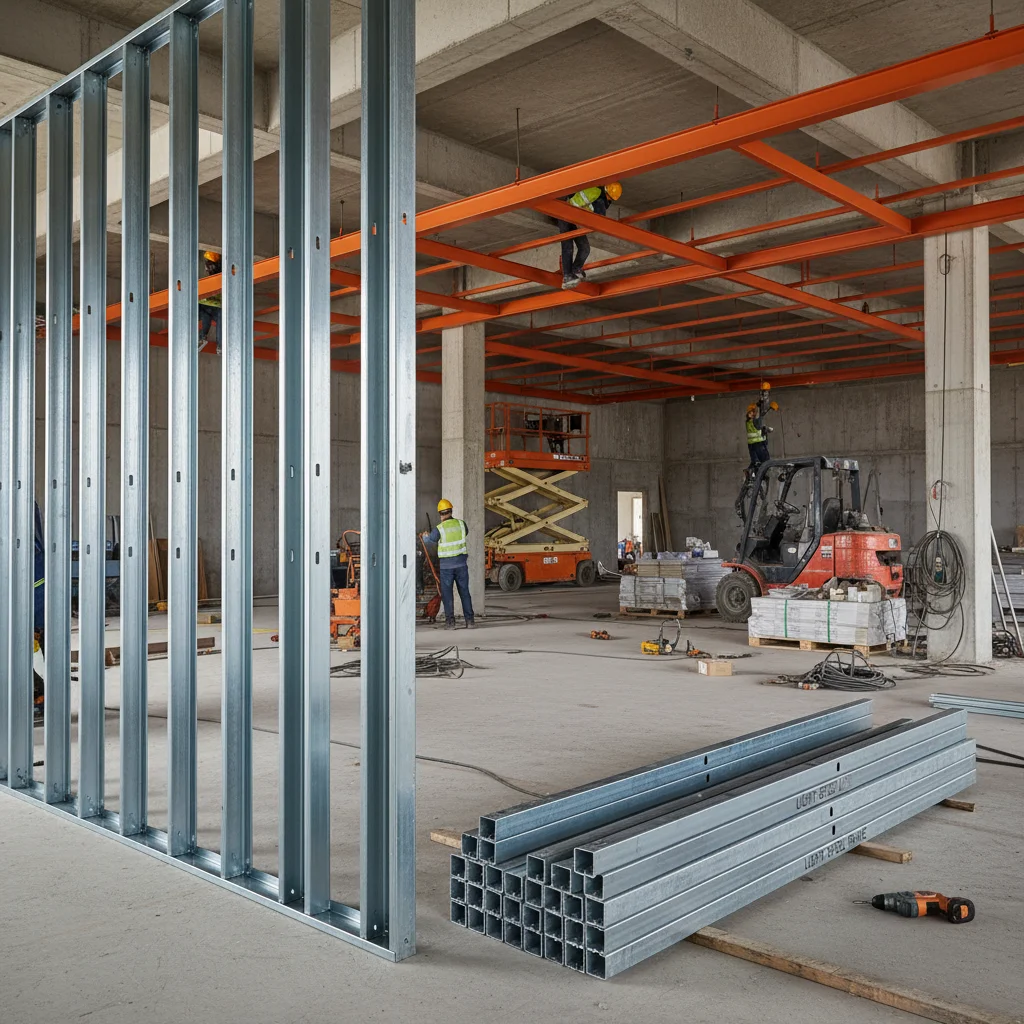
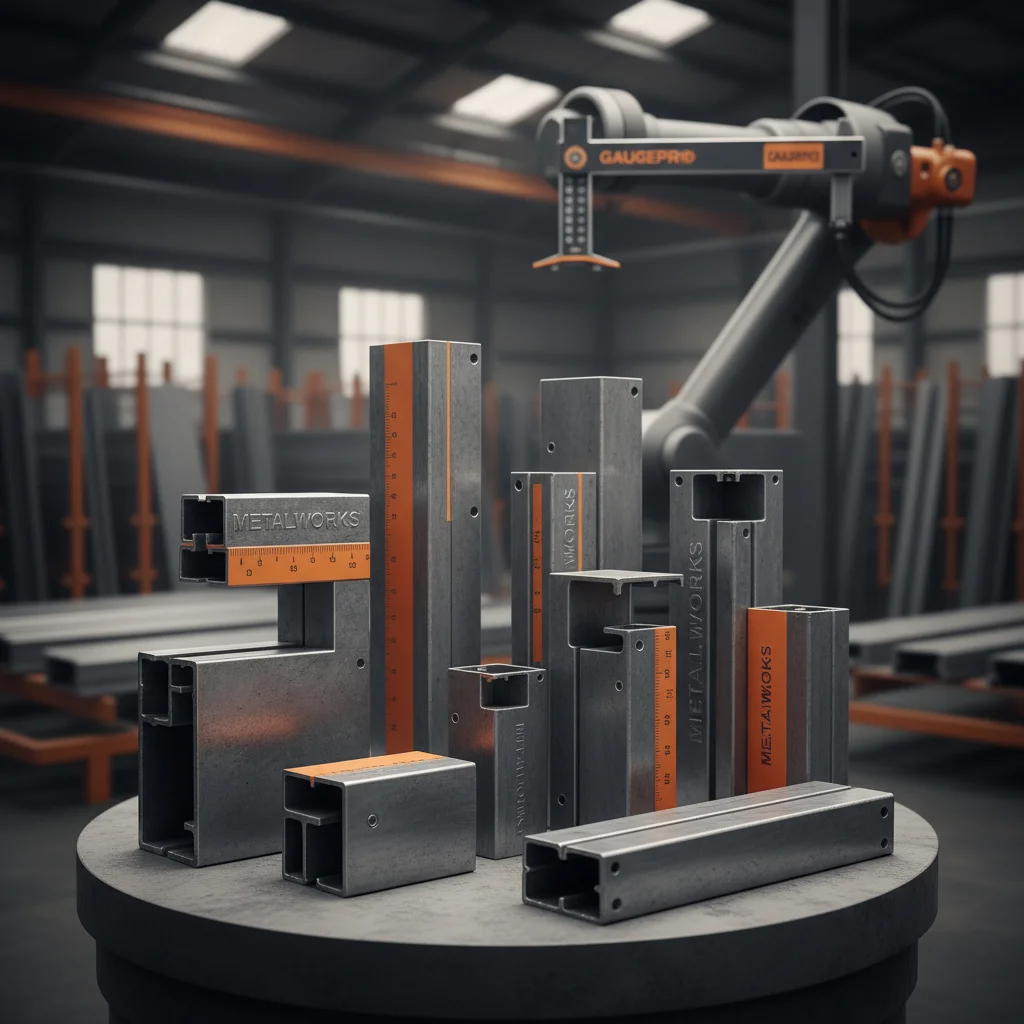
Light gauge steel buildings are structures primarily constructed using cold-formed steel (CFS) components. CFS is produced by rolling or pressing thin sheets of steel into various shapes, such as C-sections, Z-sections, and hat sections. These components are then assembled using screws, bolts, or welding to create a structural framework. Essentially, it’s a modern take on traditional timber framing, but with the superior strength, durability, and consistency of steel.
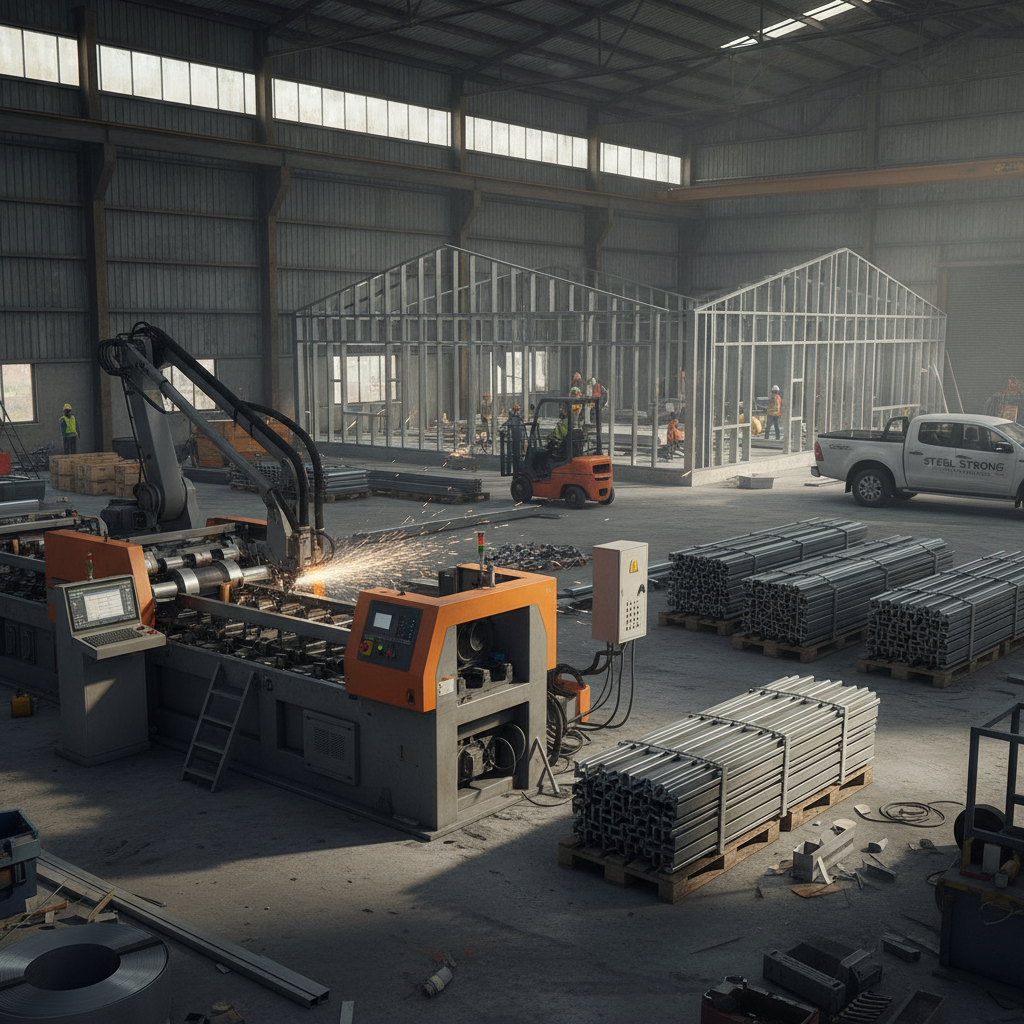
This building approach is intrinsically linked to the evolution of modern industrialization and the increasing demand for prefabrication. Light gauge steel allows for off-site manufacturing of building components, leading to reduced construction time and improved quality control. It addresses the critical need for faster, more efficient building methods, particularly in humanitarian contexts where rapid deployment is essential.
Unlike traditional steel construction which uses hot-rolled steel, cold-formed steel requires less energy to manufacture. It is also remarkably versatile, lending itself to a wide range of architectural designs and building applications. light gauge steel buildings are increasingly seen as a sustainable and resilient alternative to conventional construction.
Key Factors and Core Components
Several key factors contribute to the effectiveness and growing popularity of light gauge steel buildings. One of the most significant is Durability, CFS is naturally resistant to fire, pests, and rot, offering a long lifespan with minimal maintenance. This inherent resilience translates to lower life-cycle costs and enhanced safety for building occupants. Another crucial aspect is Scalability, light gauge steel buildings can be easily adapted to a wide range of sizes and configurations, making them suitable for everything from small residential dwellings to large industrial complexes.
Cost Efficiency is a major driver of adoption, as the lightweight nature of the materials reduces transportation and foundation costs. Prefabrication also lowers labor expenses and speeds up construction timelines. Design Flexibility allows architects to create innovative and aesthetically pleasing structures, while Sustainability – through high recyclability and reduced material waste – aligns with growing environmental concerns. Finally, Speed of Construction is a significant advantage, often reducing project timelines by 30-50% compared to traditional methods.
Comparative Analysis of Light Gauge Steel Building Methods
Global Applications and Use Cases
light gauge steel buildings are finding applications across a diverse range of sectors worldwide. In post-disaster relief operations, they offer a rapid and effective solution for providing temporary or permanent shelter to displaced communities. Organizations like Habitat for Humanity are increasingly utilizing light gauge steel in their housing projects due to its durability and affordability. In remote industrial zones, such as mining camps or oilfield installations, they provide robust and easily deployable accommodation and facilities.
The agricultural sector benefits from light gauge steel structures for barns, storage facilities, and processing plants, taking advantage of their large spans and resistance to pests. The commercial building industry is adopting light gauge steel for retail spaces, office buildings, and warehouses, leveraging its speed of construction and design flexibility.
Across Africa, light gauge steel is being utilized in affordable housing projects to address the growing urbanization challenges. In North America and Europe, they're gaining traction in sustainable building initiatives and eco-friendly housing developments. The adaptability and cost-effectiveness of this technology make it suitable for various climates and geographical conditions.
Advantages and Long-Term Value
The advantages of light gauge steel buildings extend beyond initial cost savings. They offer significant long-term value through enhanced sustainability, reduced maintenance, and improved safety. The high recyclability of steel minimizes environmental impact, contributing to a circular economy. The durability and resistance to pests and fire translate to lower repair and replacement costs over the building’s lifespan.
From a social impact perspective, light gauge steel buildings provide dignified and secure housing, improving the quality of life for communities. The speed of construction allows for faster recovery after disasters, restoring normalcy and providing essential shelter to those in need. The innovation embodied in this technology fosters trust and confidence in the built environment, promoting sustainable development and responsible construction practices.
Future Trends and Innovations
The future of light gauge steel building technology is marked by exciting innovations. Integration with Building Information Modeling (BIM) is streamlining the design and construction process, allowing for greater accuracy and collaboration. Automation and robotics are further enhancing efficiency in the manufacturing and assembly of light gauge steel components.
The development of new coating technologies is improving the corrosion resistance of steel, extending its lifespan in harsh environments. Research into hybrid construction systems, combining light gauge steel with other sustainable materials like cross-laminated timber (CLT), is opening up new possibilities for innovative building designs. Furthermore, the convergence of light gauge steel construction with green energy solutions, such as integrated solar panels and rainwater harvesting systems, is paving the way for truly sustainable and self-sufficient buildings.
Challenges and Solutions
Despite the numerous benefits, the adoption of light gauge steel buildings faces some challenges. One common concern is the need for skilled labor trained in light gauge steel construction techniques. Addressing this requires investment in training programs and educational initiatives. Another challenge is ensuring compliance with local building codes and regulations, which may not always be fully adapted to this innovative construction method. This necessitates collaboration between industry stakeholders and regulatory bodies to develop appropriate standards.
The initial upfront cost, while often offset by long-term savings, can be a barrier for some projects. Demonstrating the life-cycle cost benefits and providing access to financing options can help overcome this hurdle. Furthermore, improving the public perception of light gauge steel buildings and highlighting their sustainability and resilience is crucial for driving wider adoption.
Finally, optimizing the supply chain for light gauge steel components and ensuring their availability in remote locations is essential for facilitating projects in underserved communities. Strategic partnerships and localized manufacturing can help address this logistical challenge.
Frequently Asked Questions about Light Gauge Steel Buildings
| Application Area |
Cost Analysis |
Durability & Lifespan |
Sustainability Aspects |
| Residential Housing |
Average Cost per Square Foot |
Expected Lifespan in Various Climates |
Recyclability Rate & Carbon Footprint |
| Disaster Relief Shelters |
Deployment Cost vs. Traditional Shelters |
Resistance to Extreme Weather Events |
Material Sourcing & Environmental Impact |
| Industrial Warehouses |
Cost Comparison with Concrete & Conventional Steel |
Load-Bearing Capacity & Structural Integrity |
Energy Efficiency & Waste Reduction |
| Commercial Buildings |
Return on Investment & Payback Period |
Compliance with Building Safety Standards |
Sustainable Design Certifications (LEED, etc.) |
| Agricultural Structures |
Cost-Effectiveness for Large Spans |
Resistance to Corrosion & Pests |
Impact on Soil Health & Biodiversity |
| Remote Site Accommodations |
Transportation & Assembly Costs |
Durability in Harsh Environments |
Minimizing Environmental Disruption |
FAQs
Light gauge steel buildings offer several advantages over wood-frame construction, including superior durability, fire resistance, and pest immunity. Steel doesn't rot, warp, or attract termites, leading to lower maintenance costs. It's also a non-combustible material, enhancing safety. Furthermore, steel is highly recyclable, making it a more sustainable choice. While initial material costs might be slightly higher, the long-term benefits and reduced life-cycle costs often outweigh this difference. Precision manufacturing also results in less waste compared to traditional methods.
Generally, yes. Light gauge steel buildings can be adapted to various climates with appropriate design considerations. In coastal areas prone to corrosion, protective coatings are essential. In seismic zones, the structures are designed to withstand earthquake forces through proper engineering and connections. Insulation and ventilation are crucial in extreme hot or cold climates. The versatility of steel allows for customization to meet specific environmental challenges and building codes in any location.
With proper design, construction, and maintenance, a light gauge steel building can have a lifespan of 70 to 100 years or even longer. The steel itself is incredibly durable, and its resistance to rot, pests, and fire significantly contributes to longevity. Regular inspections and maintenance of coatings and connections are crucial for maximizing the building’s lifespan, particularly in harsh environments.
While material costs for steel can sometimes be higher, the overall cost of a light gauge steel building is often competitive with traditional construction. The faster construction time reduces labor costs significantly. Reduced waste, lower maintenance requirements, and potential for prefabrication all contribute to cost savings. Transportation costs can also be lower due to the lightweight nature of the materials. A detailed cost analysis considering all factors is essential for each specific project.
Building codes and standards vary by location, but generally, light gauge steel construction must comply with international building codes (IBC) and specific local regulations. Standards such as those developed by the American Iron and Steel Institute (AISI) provide design guidance and specifications for cold-formed steel structures. It’s crucial to work with qualified engineers and architects familiar with light gauge steel construction to ensure compliance with all applicable codes and standards.
Yes, light gauge steel construction is considered environmentally friendly for several reasons. Steel is one of the most recycled materials in the world, reducing the demand for virgin resources. The precision fabrication process minimizes material waste. Steel's durability reduces the need for frequent repairs and replacements. Its non-combustibility enhances fire safety. Overall, light gauge steel buildings contribute to a more sustainable and responsible built environment.
Conclusion
In conclusion, light gauge steel buildings represent a significant advancement in construction technology, offering a compelling blend of sustainability, durability, cost-effectiveness, and speed. Their versatility makes them suitable for a wide range of applications, from disaster relief housing to large-scale commercial projects. As concerns about climate change and resource depletion grow, the adoption of innovative building methods like light gauge steel construction is crucial for creating a more resilient and sustainable future.
Looking ahead, continued investment in research and development, coupled with supportive policies and increased awareness, will drive further innovation and wider adoption of light gauge steel buildings. By embracing this technology, we can address critical challenges related to housing, infrastructure, and environmental sustainability, creating a built environment that benefits both people and the planet. Visit our website at www.jinkaibm.com to learn more about our light gauge steel building solutions.