Lightweight steel frame construction is rapidly becoming a cornerstone of modern building practices globally, driven by a need for sustainable, efficient, and adaptable structures. This innovative approach utilizes high-strength steel, significantly reducing material weight while maintaining structural integrity. From rapid-deployment housing solutions to large-scale infrastructure projects, lightweight steel framing is addressing critical challenges in construction and disaster relief. Understanding its benefits and applications is crucial for professionals, policymakers, and anyone interested in the future of building.
The global demand for affordable and sustainable housing is surging, particularly in rapidly urbanizing areas and regions recovering from natural disasters. Traditional construction methods often struggle to meet this demand efficiently, facing limitations in speed, cost, and environmental impact. Lightweight steel frame technology offers a compelling alternative, providing faster construction times, reduced material waste, and improved structural performance. This makes it a viable solution for a wide range of applications, from residential buildings to industrial facilities.
Beyond construction, the versatility of lightweight steel frame extends into humanitarian aid and emergency response. Its ease of transport and rapid assembly are invaluable in providing immediate shelter and infrastructure in disaster-stricken areas. As climate change continues to increase the frequency and severity of natural disasters, the role of lightweight steel frame in building resilient communities will only grow in importance, solidifying its position as a critical component of global infrastructure solutions.
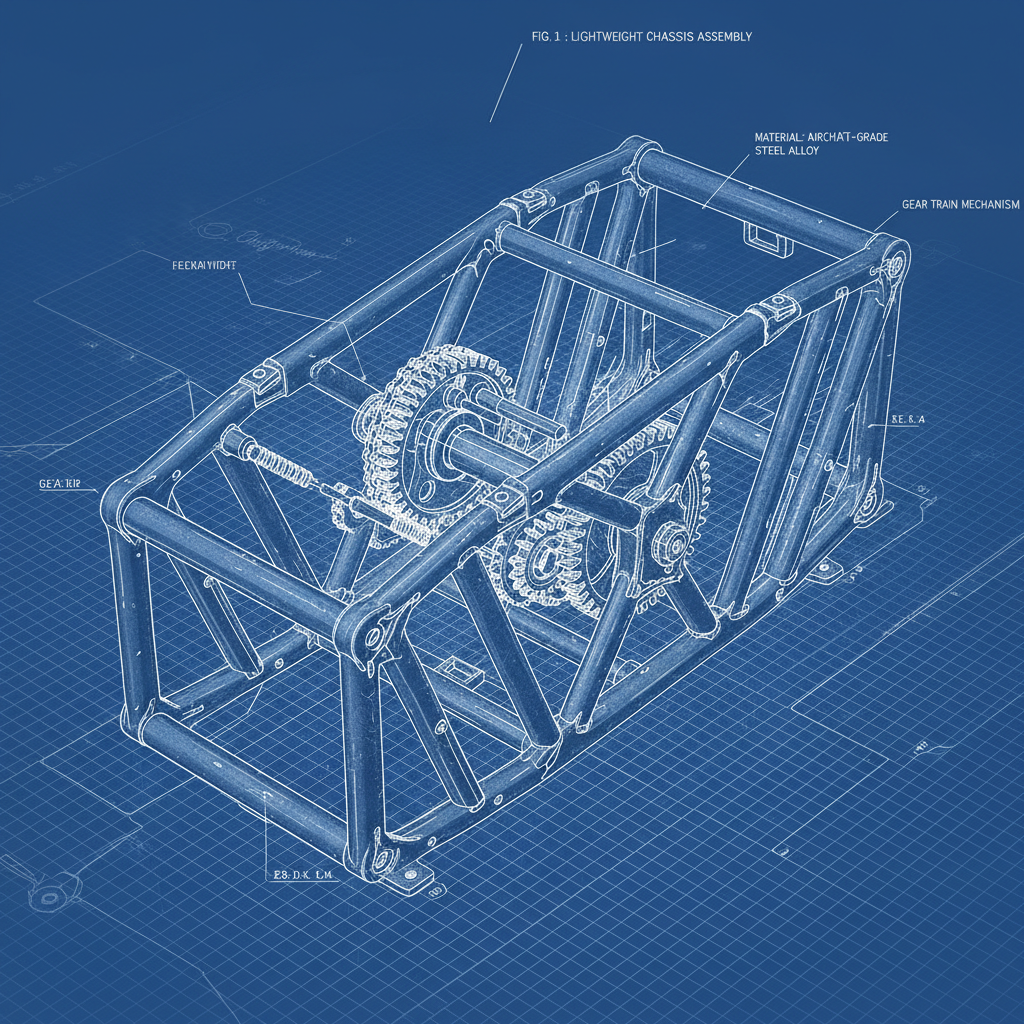
Introduction to lightweight steel frame
Lightweight steel frame systems represent a significant advancement in building technology, offering a robust and versatile alternative to traditional construction materials. The core concept revolves around utilizing cold-formed steel members, engineered for high strength-to-weight ratios, to create structural frameworks for buildings and other structures. This approach dramatically reduces the overall weight of the construction, simplifying transportation, installation, and foundation requirements.
The adoption of lightweight steel frame is driven by several factors, including increasing demand for sustainable building practices, the need for rapid construction in disaster relief scenarios, and the pursuit of cost-effective solutions in the construction industry. Its inherent advantages, such as dimensional accuracy and design flexibility, make it ideal for a wide range of applications, from residential housing to commercial buildings and industrial facilities.
Global Context and Relevance
The global construction industry is facing unprecedented pressures to deliver sustainable, affordable, and resilient infrastructure. According to the United Nations, the world population is projected to reach 9.7 billion by 2050, driving a massive demand for new housing and infrastructure, particularly in developing countries. Traditional construction methods are often ill-equipped to meet this demand efficiently, leading to housing shortages and unsustainable building practices.
Furthermore, the increasing frequency and intensity of natural disasters, as highlighted by the World Bank, necessitate the development of disaster-resistant infrastructure. Lightweight steel frame construction offers a viable solution, providing superior seismic and wind resistance compared to traditional building materials. Its rapid assembly capabilities also make it ideal for emergency shelter deployment in the aftermath of disasters.
ISO standards play a critical role in ensuring the quality and safety of lightweight steel frame systems. Adherence to these standards promotes interoperability and facilitates global adoption, enabling widespread access to this innovative construction technology. The demand for sustainable building materials is growing exponentially, and lightweight steel frame is well-positioned to address this need, contributing to a more resilient and environmentally responsible built environment.
Defining Lightweight Steel Frame
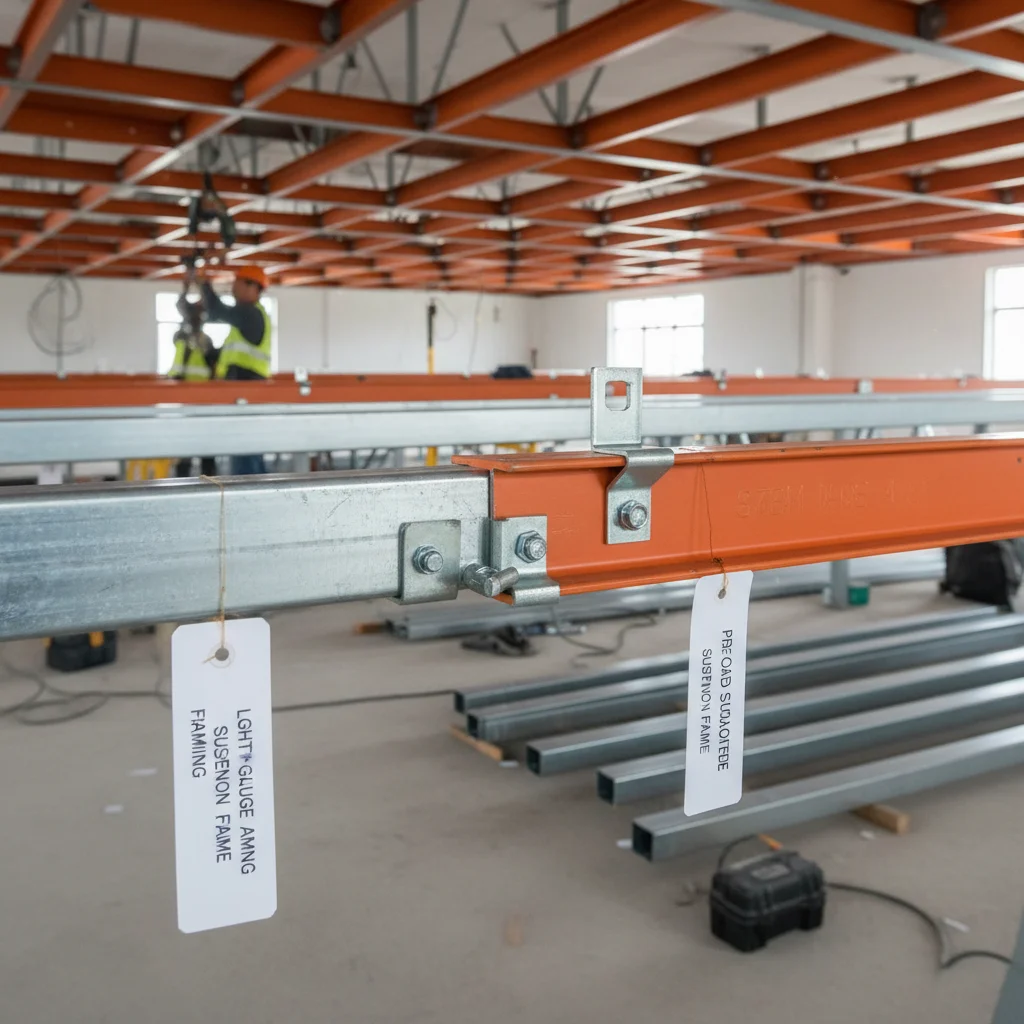
Lightweight steel frame (LSF) refers to a construction method utilizing cold-formed steel (CFS) members to create structural frameworks for buildings. Unlike traditional hot-rolled steel, CFS is produced by shaping flat sheets of steel through rolling, resulting in thinner, lighter, and more versatile components. These members are typically connected using screws, bolts, or welding, forming a strong and stable structural system.
The connection to modern industry and humanitarian needs is deeply rooted in the efficiency and adaptability of LSF. In industrialized nations, it streamlines construction processes, reducing labor costs and project timelines. For humanitarian organizations, LSF offers a rapid and scalable solution for providing shelter and infrastructure in crisis situations. The speed of construction and ease of transport are paramount in emergency response, making lightweight steel a critical resource.
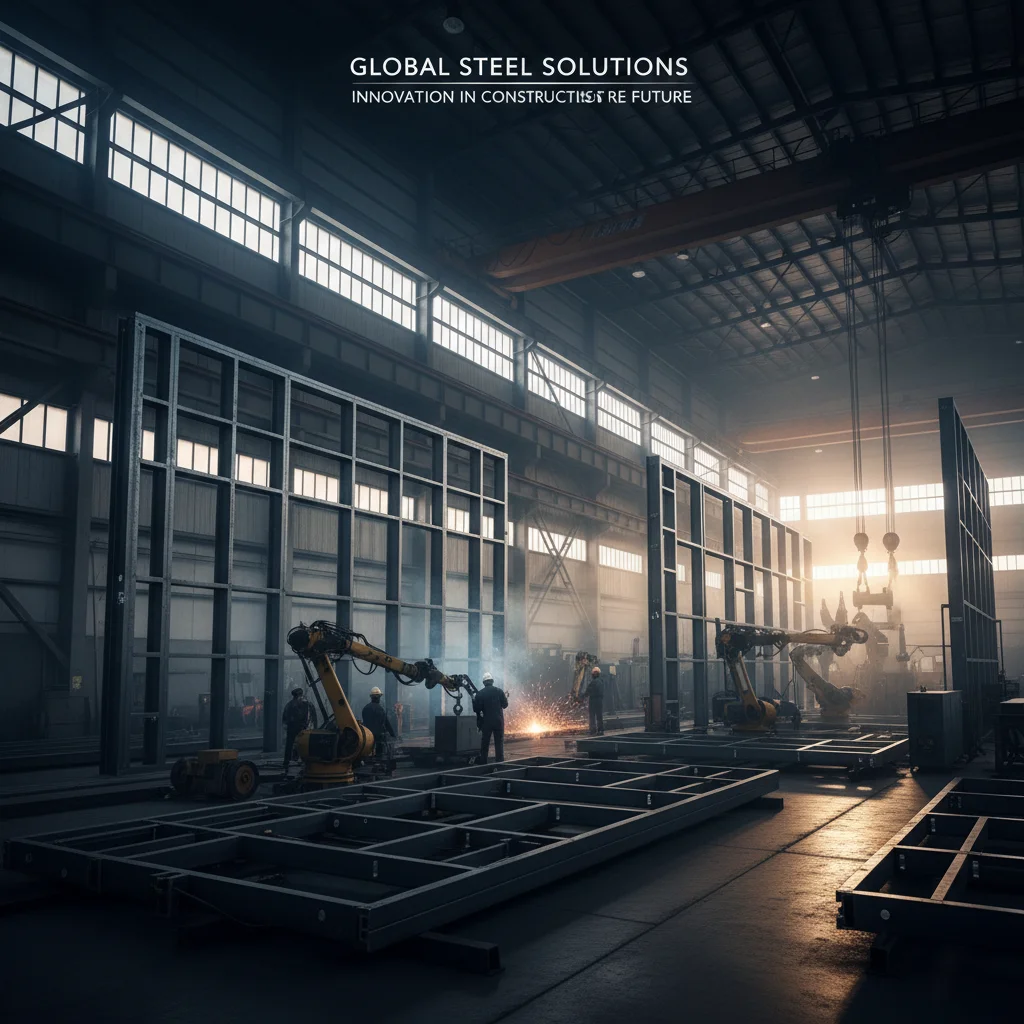
LSF isn't simply a material substitution; it’s a holistic system encompassing design, engineering, fabrication, and assembly. It embraces modularity, allowing for prefabricated components that are easily transported and assembled on-site. This modularity contributes to reduced waste, improved quality control, and faster project completion, making it a valuable tool for addressing global housing and infrastructure challenges.
Key Characteristics of lightweight steel frame
Several key characteristics define the value proposition of lightweight steel frame construction. First, its Durability is exceptional. Steel is inherently strong and resistant to corrosion, pests, and fire, ensuring a long lifespan for structures built with LSF. This inherent resilience translates to lower maintenance costs and increased safety.
Secondly, Scalability is a significant advantage. LSF systems can be easily adapted to a wide range of building sizes and designs, from small residential units to large commercial complexes. The modular nature of the system allows for flexible expansion and customization, meeting evolving needs.
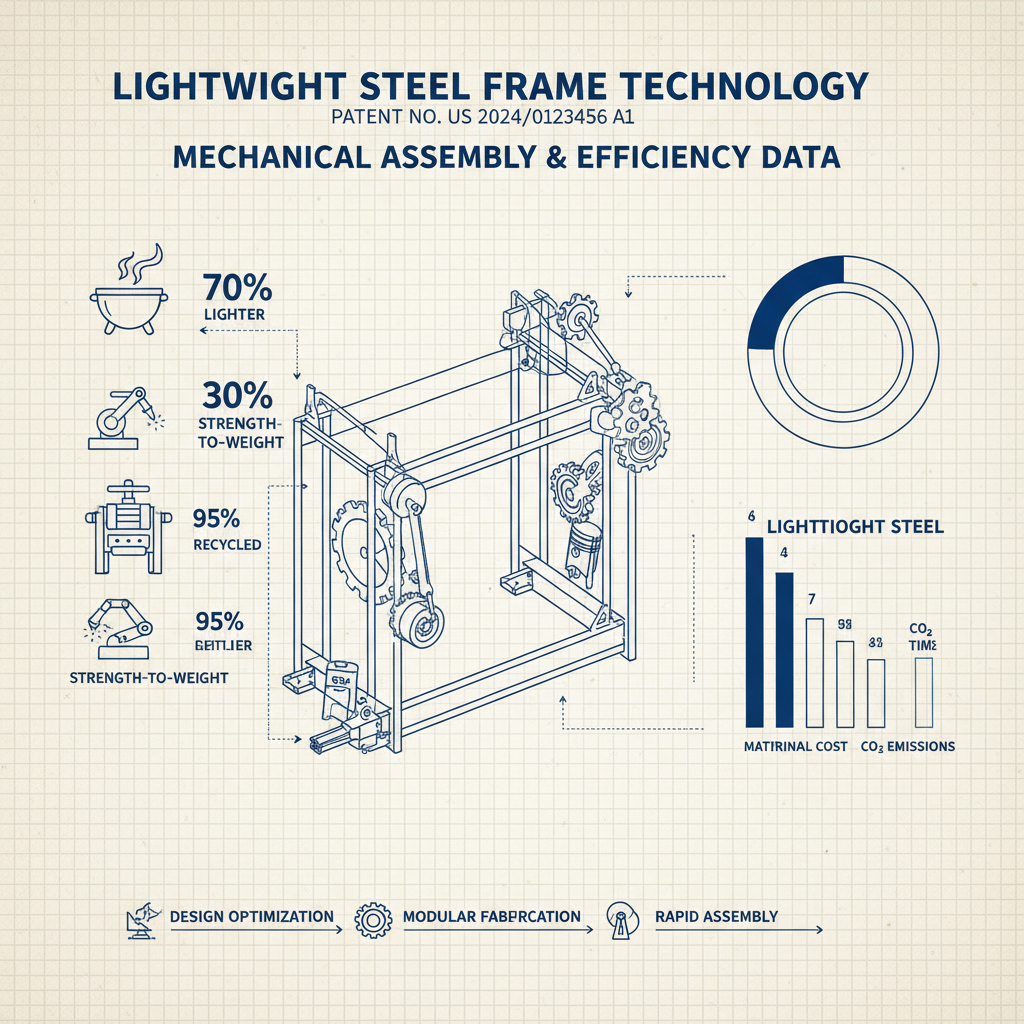
Performance Metrics of Different lightweight steel frame Methods
Applications Across Industries
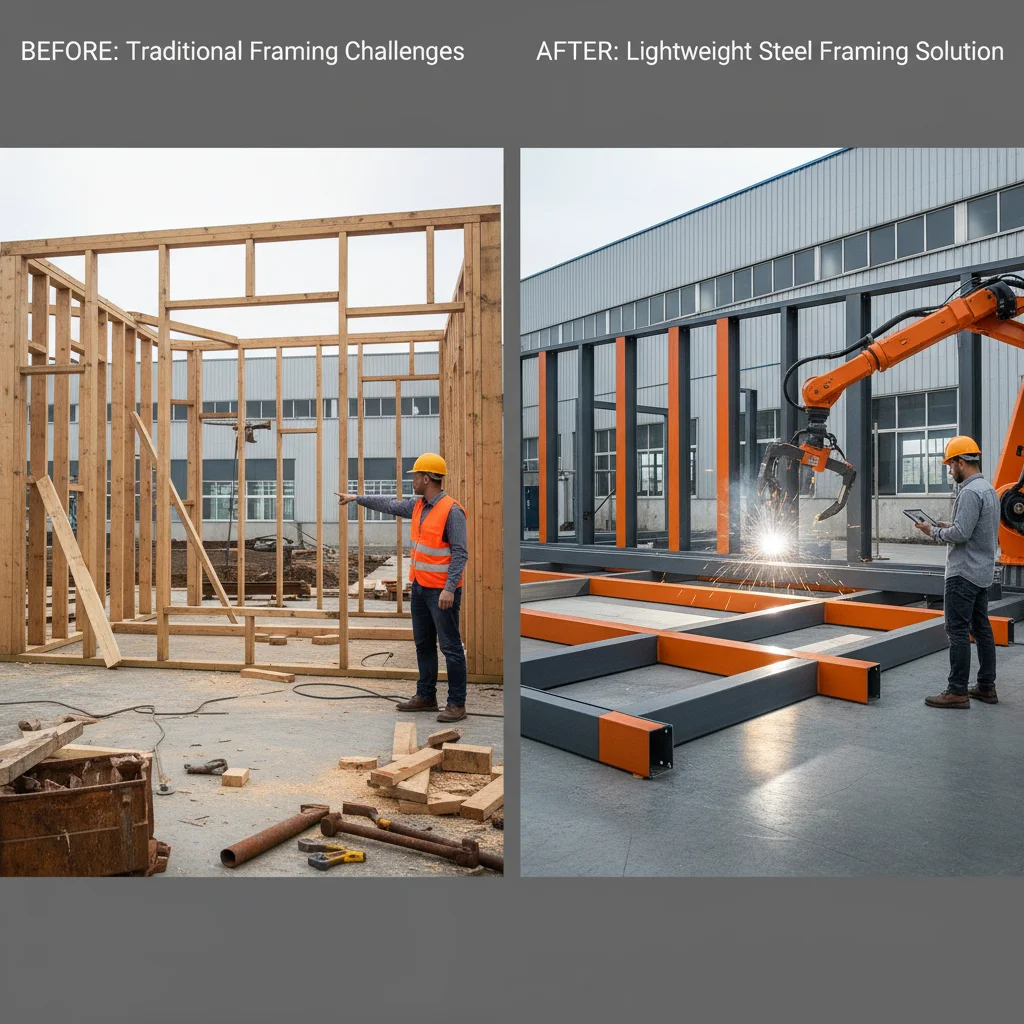
The versatility of lightweight steel frame allows for its application across a broad spectrum of industries. In the residential construction sector, LSF is increasingly used for building homes, townhouses, and apartments, offering a cost-effective and sustainable alternative to traditional wood framing. In the commercial sector, LSF is employed in constructing office buildings, retail spaces, and warehouses, benefiting from its strength, speed of construction, and design flexibility.
Furthermore, lightweight steel frame is a crucial component in disaster relief and humanitarian aid. Its rapid deployment capabilities make it ideal for constructing emergency shelters, temporary hospitals, and schools in areas affected by natural disasters. In agricultural applications, LSF is used for building barns, storage facilities, and poultry houses, offering a durable and cost-effective solution.
Advantages and Long-Term Value
The advantages of lightweight steel frame extend beyond initial cost savings. Cost Efficiency is realized not only in material costs but also in reduced labor expenses, faster construction timelines, and lower maintenance requirements. Sustainability is a key benefit, as steel is a highly recyclable material, reducing the environmental impact of construction projects. LSF systems also minimize waste during construction, contributing to a more circular economy.
From a social impact perspective, lightweight steel frame construction can provide safe, durable, and affordable housing, improving the quality of life for communities in need. The reliability of steel as a building material instills confidence in occupants and stakeholders, ensuring long-term structural integrity. Ultimately, the adoption of LSF fosters innovation, trust, and a commitment to building a more sustainable future.
Future Trends and Innovations
The future of lightweight steel frame construction is poised for further innovation. Advancements in digital fabrication and automation are streamlining the manufacturing process, improving precision, and reducing costs. The integration of Building Information Modeling (BIM) technologies is enhancing design collaboration and optimizing construction workflows.
Furthermore, research and development efforts are focused on developing new high-strength steel alloys and innovative coating technologies to enhance corrosion resistance and durability. The convergence of LSF with green energy solutions, such as solar panel integration and energy-efficient building designs, is creating a pathway towards net-zero energy buildings.
Policy initiatives promoting sustainable construction practices and incentivizing the adoption of innovative technologies are expected to accelerate the growth of the lightweight steel frame market globally. As the demand for resilient and sustainable infrastructure continues to rise, lightweight steel frame will undoubtedly play a central role in shaping the future of the built environment.
FAQS
Lightweight steel frame offers several advantages over traditional wood framing, including superior strength-to-weight ratio, resistance to pests and fire, dimensional stability, and faster construction times. Steel is also a highly recyclable material, making it a more sustainable choice. The absence of organic material also eliminates the risk of mold and rot, leading to healthier indoor environments.
While the initial material cost of steel may be slightly higher than wood, the overall construction cost is often comparable or even lower. This is due to faster construction times, reduced labor costs, less material waste, and lower maintenance requirements. Additionally, the durability and longevity of steel structures contribute to long-term cost savings.
Lightweight steel frame structures exhibit excellent seismic performance due to their ductility and high strength-to-weight ratio. The flexibility of the steel frame allows it to absorb and dissipate energy during an earthquake, reducing the risk of structural damage. Proper design and engineering are crucial to ensure optimal seismic resistance.
Buildings constructed with lightweight steel frame can have a lifespan of 100 years or more, with proper maintenance. Steel is inherently durable and resistant to corrosion, pests, and fire, contributing to its longevity. Regular inspections and preventative maintenance, such as applying protective coatings, can further extend the lifespan of the structure.
Yes, lightweight steel frame construction is governed by specific building codes and regulations, which vary depending on the location. These codes typically address structural design, fire safety, and material specifications. Compliance with relevant codes and standards is essential to ensure the safety and integrity of the structure.
Lightweight steel frame is considered a highly environmentally friendly building material. Steel is one of the most recycled materials in the world, reducing the demand for virgin resources. LSF construction also minimizes waste during construction, and the durability of steel structures reduces the need for frequent repairs or replacements.
Conclusion
In conclusion, lightweight steel frame construction represents a paradigm shift in the building industry, offering a compelling combination of strength, sustainability, cost-effectiveness, and versatility. From addressing the global housing crisis to providing resilient infrastructure in disaster-prone areas, LSF is playing an increasingly vital role in shaping a more sustainable and equitable future. Its inherent advantages, combined with ongoing innovations in materials and construction techniques, position it as a cornerstone of modern building practices.
Looking ahead, continued research and development, coupled with supportive policy initiatives, will unlock the full potential of lightweight steel frame. Embracing this technology is not merely about adopting a new building material; it’s about investing in a more resilient, sustainable, and prosperous future for generations to come. To learn more about how lightweight steel frame solutions can benefit your next project, visit our website today.