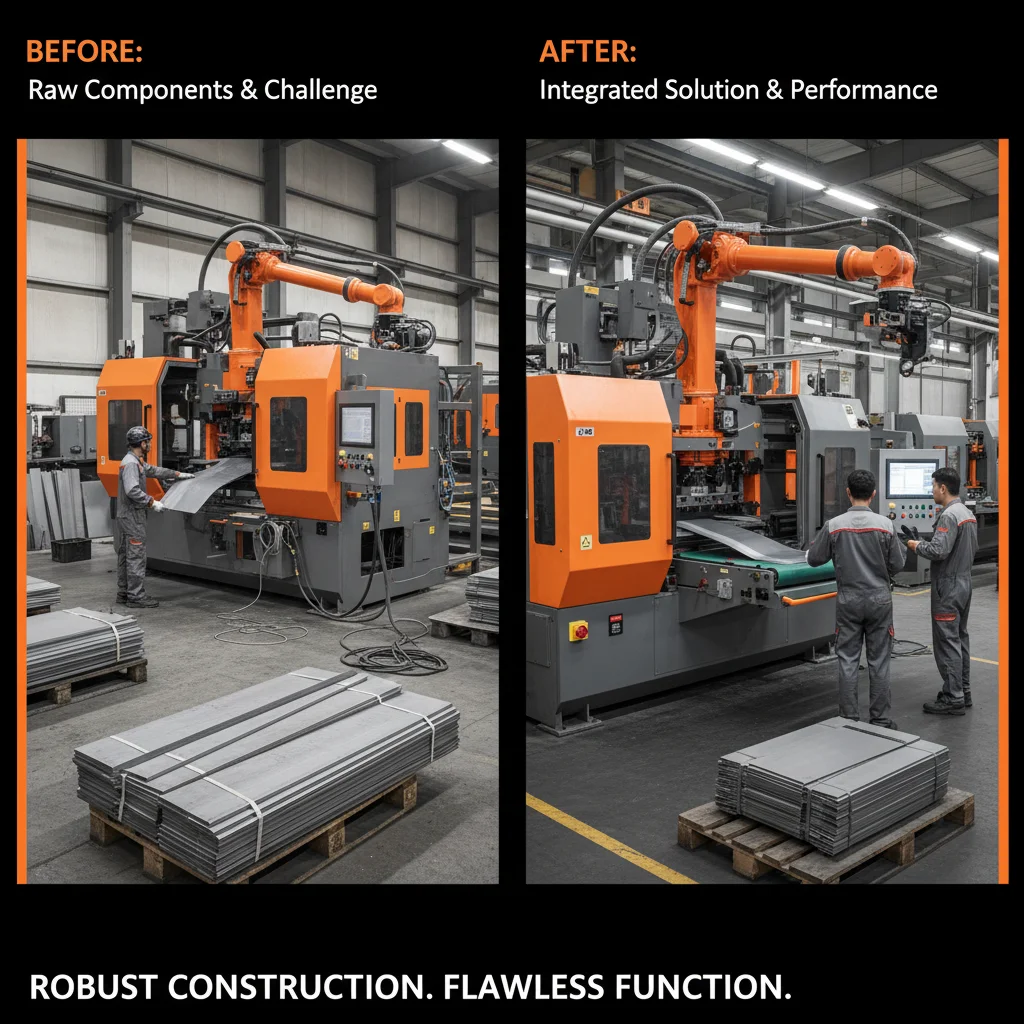
Light gauge steel frame construction (LGSF) is rapidly gaining prominence as a modern, sustainable, and efficient building solution globally. Its versatility allows for applications ranging from residential housing and commercial buildings to industrial facilities and disaster relief shelters. Understanding LGSF is crucial in addressing the growing demands for faster construction times, reduced environmental impact, and cost-effective building methods, particularly in regions experiencing rapid urbanization and a need for resilient infrastructure.
The global construction industry faces increasing pressures to adopt sustainable practices and improve efficiency. Traditional building methods often contribute significantly to carbon emissions and generate substantial waste. Light gauge steel, being a highly recyclable material, offers a compelling alternative. According to the World Steel Association, steel is one of the most recycled materials in the world, and LGSF construction leverages this advantage.
Furthermore, the demand for affordable and rapidly deployable housing, especially in disaster-prone areas and developing nations, is driving the adoption of innovative construction technologies. LGSF provides a viable solution, offering a quicker build time, reduced labor costs, and enhanced structural integrity compared to conventional methods. light gauge steel frame construction is at the forefront of addressing these challenges.
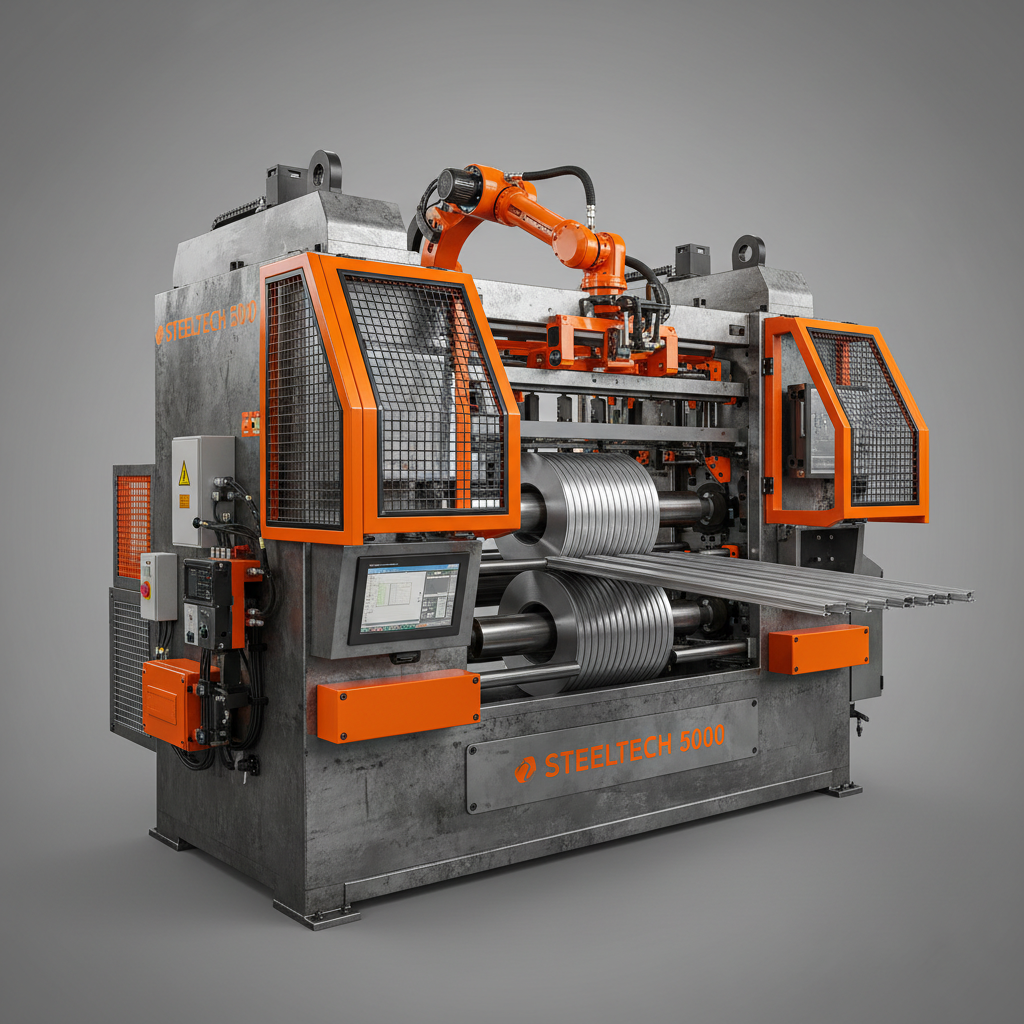
Introduction to Light Gauge Steel Frame Construction
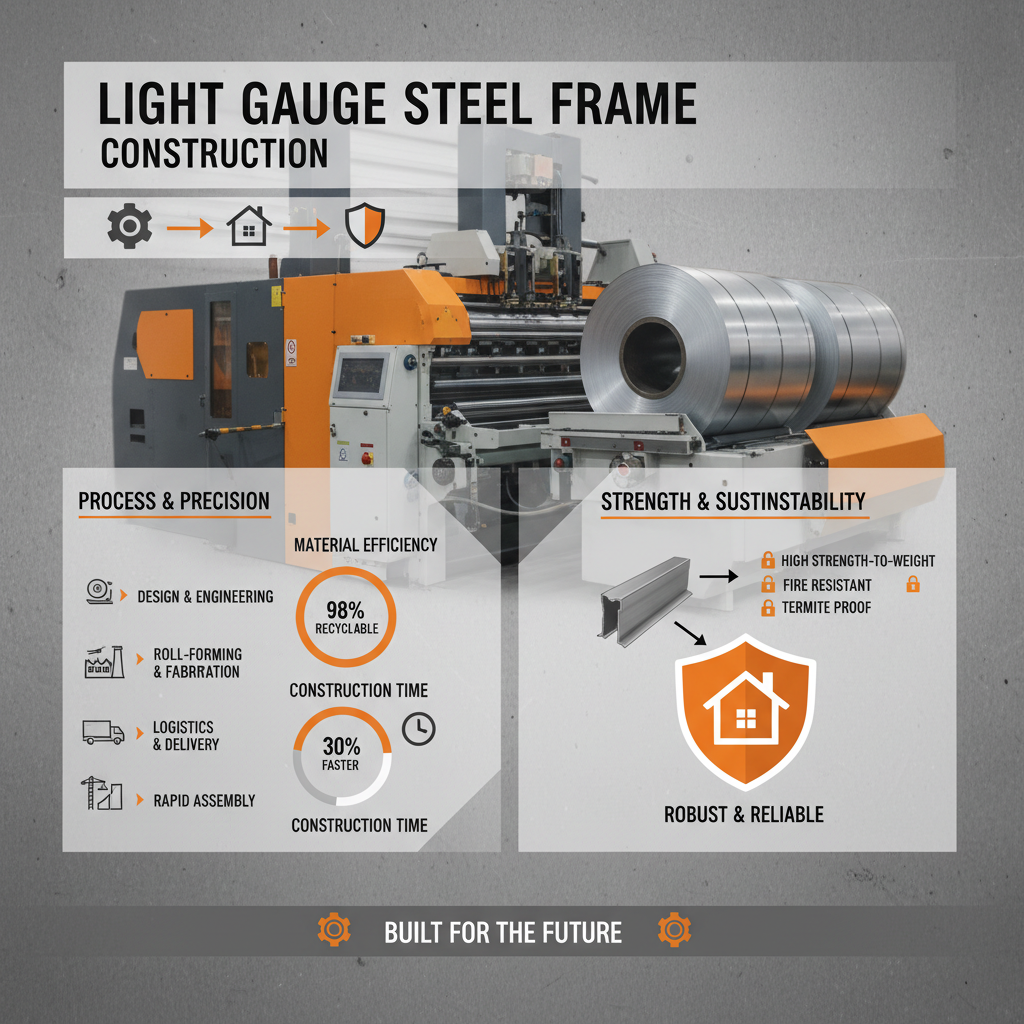
Light gauge steel frame construction represents a significant advancement in building technology. Unlike traditional timber framing or heavy steel construction, LGSF utilizes cold-formed steel components – typically galvanized steel – to create a structural framework for buildings. This method allows for faster construction speeds, reduced material waste, and increased design flexibility.
The process involves engineering steel sections to specific profiles, creating a load-bearing frame that can withstand various environmental factors. This approach provides a strong, lightweight, and durable alternative to conventional building materials. The resulting structures demonstrate a remarkable resistance to fire, pests, and seismic activity, making LGSF an increasingly attractive option for a wide range of projects.
Defining Light Gauge Steel Frame Construction
Light gauge steel frame construction, at its core, is a building technique employing a skeletal frame constructed from cold-formed, galvanized steel. These steel members are typically 1.5 to 3.5 mm thick, creating a lightweight yet incredibly strong structure. The steel is precisely cut, shaped, and assembled using screws and bolts, minimizing on-site welding and reducing construction time.
This method stands in contrast to traditional heavy steel construction, which utilizes larger, heavier steel sections often requiring extensive welding and specialized equipment. LGSF is fundamentally a prefabricated system, meaning many components can be manufactured off-site in a controlled environment, improving quality and reducing waste.
Its connection to modern needs is profound. In a world grappling with housing shortages, disaster relief requirements, and the need for sustainable building practices, light gauge steel frame construction offers a compelling and scalable solution. It’s a technology that directly addresses the challenges of building faster, more efficiently, and more responsibly.
Key Components of LGSF Systems
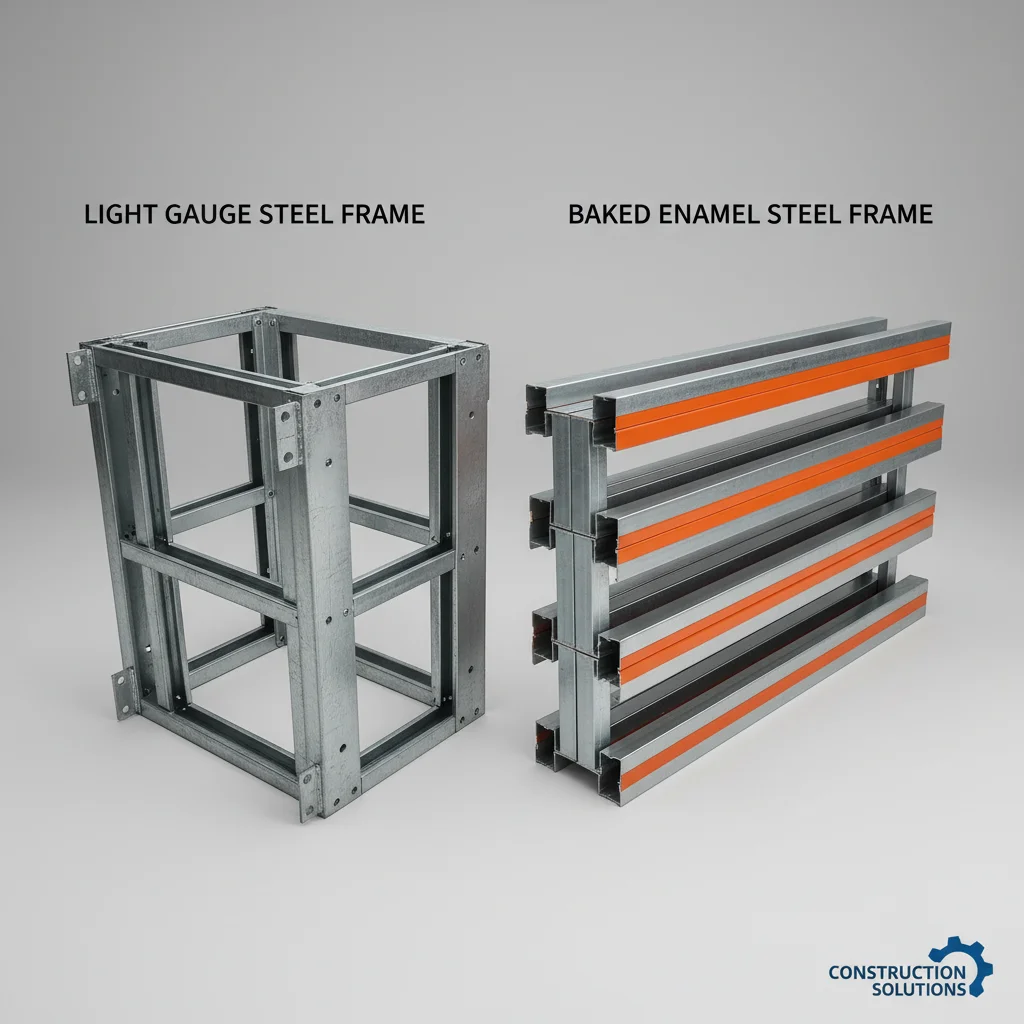
The foundation of any LGSF structure lies in its core components. These include the steel studs (vertical framing members), joists (horizontal framing members), and tracks (used to connect studs and create wall assemblies). These components are engineered to specific load-bearing requirements, ensuring structural integrity and stability. Connection methods, predominantly self-drilling screws, are critical for creating a robust and reliable frame.
Beyond the structural frame, insulation plays a crucial role in thermal performance and energy efficiency. Various insulation materials, such as mineral wool, fiberglass, and spray foam, are commonly used within the steel frame cavities. Furthermore, exterior cladding systems, including siding, brick veneer, or stucco, provide weather protection and aesthetic appeal. The integration of these components creates a complete and high-performing building envelope.
Effective detailing is paramount in LGSF construction. This includes proper detailing around openings for windows and doors, ensuring airtightness, and managing condensation. Proper design and execution of these details are essential for preventing moisture intrusion and maintaining the long-term durability of the structure. Engineered drawings and adherence to building codes are fundamental to a successful LGSF project.
Durability and Strength of LGSF
One of the most compelling advantages of light gauge steel frame construction is its exceptional durability and strength. Steel, by its very nature, possesses a high strength-to-weight ratio, allowing for robust structures with minimal material usage. Galvanization, a process of coating steel with zinc, provides excellent corrosion resistance, protecting the frame from the elements and extending its lifespan.
Unlike timber framing, LGSF is impervious to rot, decay, and insect infestation – common issues that can compromise the structural integrity of wooden buildings over time. Furthermore, steel is non-combustible, providing inherent fire resistance. This attribute significantly enhances the safety of buildings constructed with LGSF, offering valuable protection to occupants and property.
Comparative Strength of LGSF Framing Methods
Global Applications of LGSF
The versatility of light gauge steel frame construction has led to its adoption in a wide range of applications across the globe. In North America, LGSF is commonly used for residential housing, particularly in areas susceptible to extreme weather events like hurricanes and earthquakes. The speed of construction and structural resilience make it an ideal choice for these regions.
In Australia, LGSF has gained traction in both residential and commercial projects, driven by its sustainability benefits and ability to meet stringent building codes. In post-disaster relief operations, light gauge steel frame construction is frequently deployed to rapidly create shelters and temporary housing. Its lightweight nature facilitates efficient transportation and assembly in remote locations.
Advantages and Long-Term Value
The advantages of light gauge steel frame construction extend beyond its structural properties. Cost efficiency is a significant benefit, with reduced material waste, faster construction timelines, and lower labor costs contributing to overall project savings. Furthermore, the use of a recyclable material aligns with sustainability goals, minimizing environmental impact.
From a social impact perspective, LGSF facilitates the creation of affordable and quality housing, improving living conditions and promoting community development. The enhanced safety provided by its fire resistance and structural integrity offers peace of mind to occupants and building owners. LGSF isn't just about building structures; it's about building trust and creating a more resilient future.
Future Trends in LGSF
The future of light gauge steel frame construction is bright, with several exciting trends on the horizon. The integration of Building Information Modeling (BIM) technologies is streamlining the design and construction process, improving accuracy and collaboration. Automation and robotics are poised to further enhance efficiency, reducing labor costs and increasing production speed.
Furthermore, advancements in steel coatings and materials are enhancing corrosion resistance and extending the lifespan of LGSF structures. The development of eco-friendly insulation materials and integrated renewable energy systems are contributing to more sustainable building practices. The demand for net-zero energy buildings will undoubtedly accelerate the adoption of innovative LGSF solutions.
The focus on prefabrication and modular construction techniques, combined with digital twin technology, will revolutionize how buildings are designed, built, and maintained. These innovations will unlock even greater potential for LGSF, solidifying its position as a leading building technology for the 21st century.
Challenges and Solutions
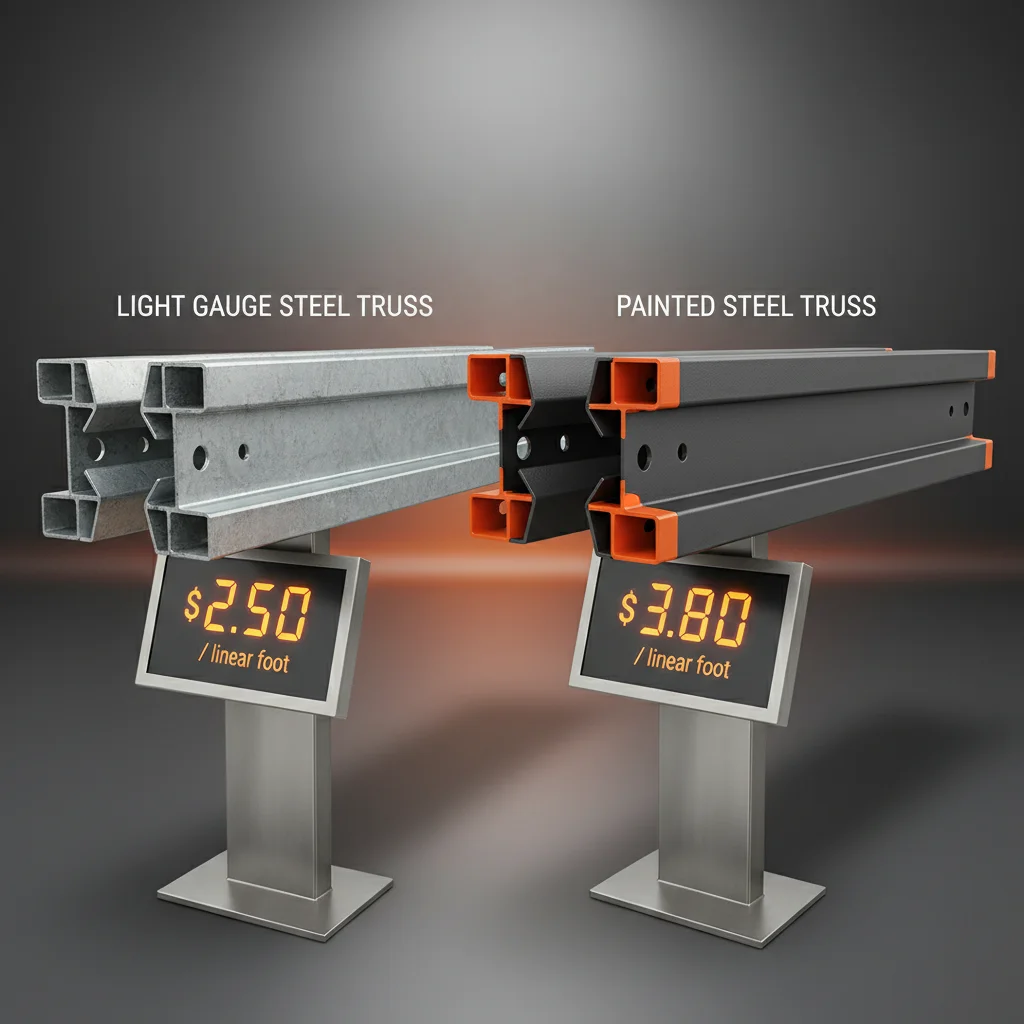
Despite its many advantages, light gauge steel frame construction faces certain challenges. One common obstacle is the initial cost of materials, which can sometimes be higher than traditional timber framing. However, this cost is often offset by reduced labor expenses and faster construction timelines. Another challenge is the need for specialized training and expertise in LGSF techniques.
To overcome this, increased investment in training programs and the development of standardized construction protocols are crucial. Addressing concerns about thermal bridging – the transfer of heat through steel components – can be mitigated through the use of thermal breaks and optimized insulation strategies. Collaboration between engineers, architects, and contractors is essential to ensure successful implementation of LGSF projects.
Furthermore, promoting greater awareness of the long-term benefits of LGSF – including durability, sustainability, and reduced maintenance costs – can drive wider adoption. The development of building codes that specifically address LGSF construction will also help to streamline the approval process and foster innovation.
Table Summarizing Key Challenges and Solutions in LGSF Construction
| Challenge |
Impact on Project |
Proposed Solution |
Implementation Cost (1-10) |
| High Initial Material Cost |
Increased upfront budget requirement |
Life cycle cost analysis, value engineering |
4 |
| Lack of Skilled Labor |
Potential quality issues, project delays |
Comprehensive training programs, certification |
6 |
| Thermal Bridging Concerns |
Reduced energy efficiency, potential condensation |
Thermal breaks, optimized insulation |
5 |
| Limited Building Code Coverage |
Approval delays, increased regulatory hurdles |
Advocacy for code updates, standardized guidelines |
7 |
| Supply Chain Disruptions |
Material availability issues, project slowdowns |
Diversified sourcing, strategic inventory management |
5 |
| Public Perception & Awareness |
Hesitation to adopt new building technologies |
Educational campaigns, demonstration projects |
3 |
FAQS
Light gauge steel frame construction offers numerous advantages over traditional wood framing. It's non-combustible, providing superior fire resistance. It’s also impervious to rot, decay, and insect damage, leading to greater longevity. Steel is highly recyclable, making it a sustainable choice, and LGSF structures exhibit consistent quality due to the precision of manufactured components. While initial material costs might be slightly higher, the reduced maintenance and extended lifespan often result in lower long-term costs.
Yes, light gauge steel frame construction is adaptable to a wide range of climates. The steel is galvanized to provide corrosion resistance, making it suitable for humid and coastal environments. Effective insulation and proper detailing are crucial to prevent thermal bridging and manage condensation in colder climates. LGSF structures can also withstand high winds and seismic activity, making them ideal for areas prone to natural disasters. With appropriate design considerations, LGSF can perform exceptionally well in almost any climate.
While the upfront material cost of light gauge steel may be slightly higher than wood in some regions, the overall project cost can often be comparable or even lower. This is due to several factors, including faster construction times, reduced labor costs, less material waste, and lower long-term maintenance requirements. The durability and longevity of LGSF structures also contribute to significant cost savings over the lifespan of the building. A thorough life-cycle cost analysis is recommended to accurately compare the costs.
While the assembly process is relatively straightforward, successful light gauge steel frame construction requires specialized training and expertise. Understanding the principles of steel framing, proper fastening techniques, and detailing for thermal performance and moisture management is crucial. It's highly recommended to employ contractors and tradespeople who have received specific training in LGSF construction to ensure quality and compliance with building codes. light gauge steel frame construction provides tailored training programs.
Light gauge steel is a highly sustainable building material. It's one of the most recycled materials globally, and the use of recycled steel significantly reduces the demand for virgin resources. LGSF construction generates less waste compared to traditional methods. Steel's durability minimizes the need for repairs and replacements, and its non-combustible nature enhances building safety. By choosing LGSF, you're contributing to a more environmentally responsible and sustainable building industry.
While light gauge steel frame construction offers significant design flexibility, there are some considerations. Large spans may require more robust framing solutions, and careful attention must be paid to detailing around openings for windows and doors. However, with proper engineering and design, LGSF can accommodate a wide range of architectural styles and building forms. The use of software like BIM helps to optimize designs and address any potential limitations effectively.
Conclusion
Light gauge steel frame construction represents a paradigm shift in the building industry, offering a compelling combination of sustainability, efficiency, and resilience. Its inherent advantages – durability, fire resistance, recyclability, and faster construction times – make it a viable solution for addressing the challenges of rapid urbanization, affordable housing shortages, and the growing demand for environmentally responsible building practices.
As technology continues to advance and building codes evolve, LGSF is poised to become an even more dominant force in the construction landscape. Investing in training, promoting awareness, and fostering collaboration between industry stakeholders are crucial to unlocking the full potential of this innovative building technology.