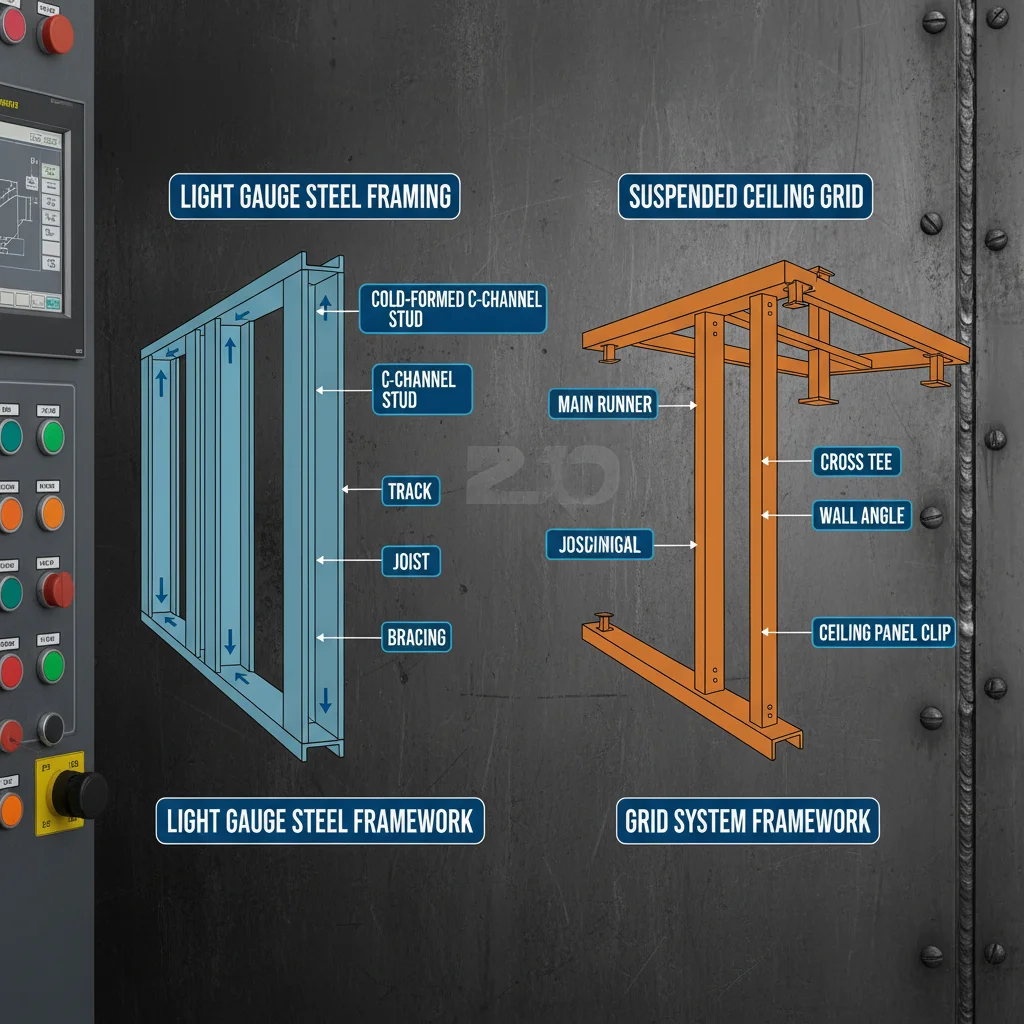
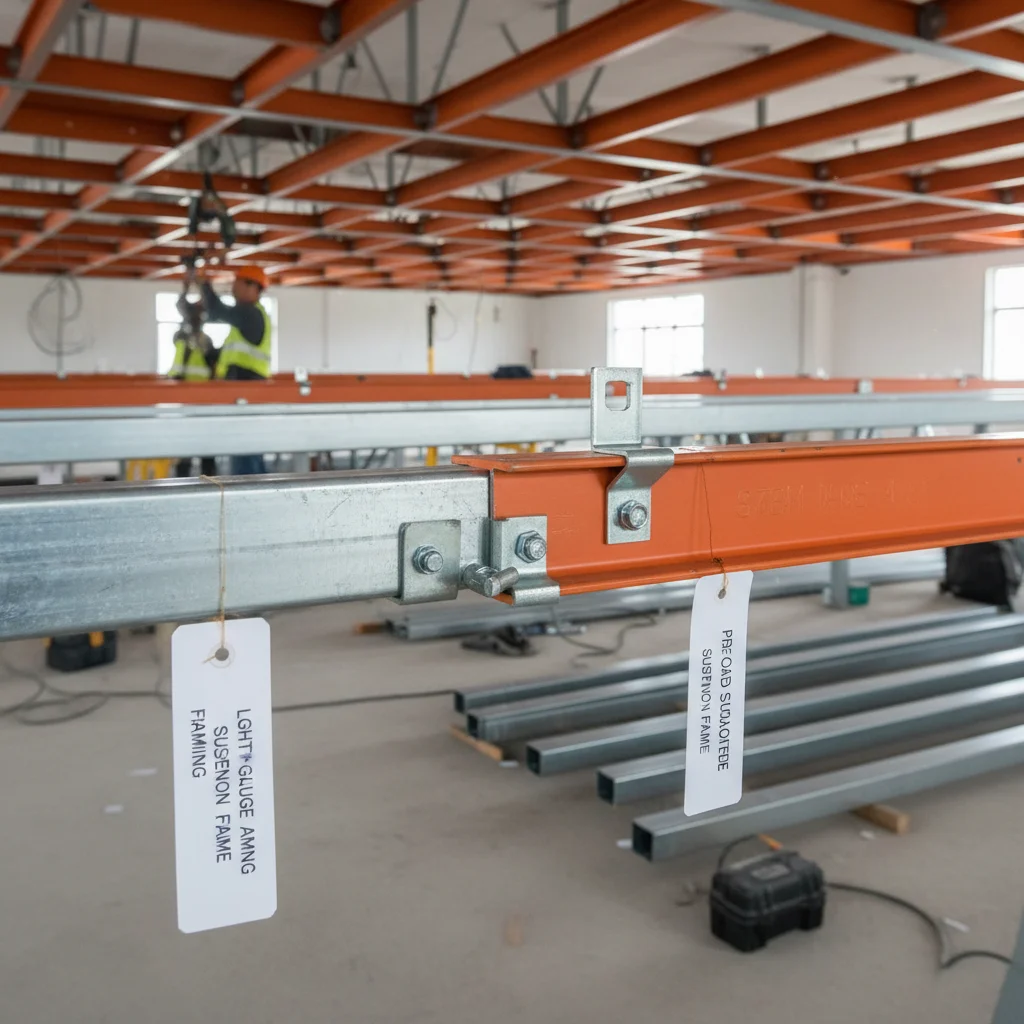
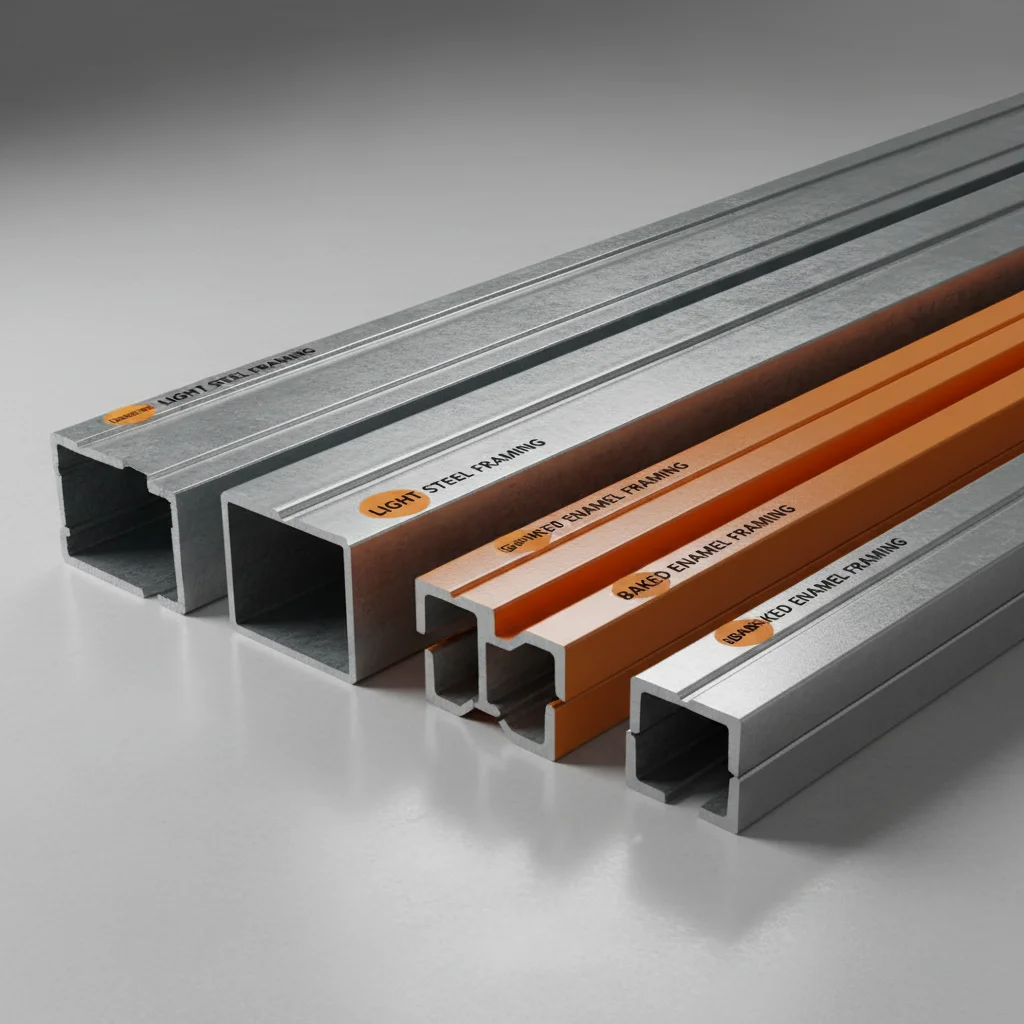
Navigating Modern Ceiling Grid Companies and Construction Challenges
0%

Table of Contents

You know, I’ve been running around construction sites for nearly twenty years now. Seen a lot of things come and go. Lately, everyone’s talking about prefabrication, modular construction… basically, getting stuff built in the factory and just slapping it together on site. Makes sense, right? Less mess, faster turnaround. But honestly, a lot of these “innovations” just shift the problems around. They think they’re solving on-site issues, but then you get into a world of incredibly tight tolerances and logistical nightmares.

To be honest, it’s not about fancy new materials or complicated software. It’s about making things simple for the guys actually building it. I’ve seen too many designs that look great on paper, but in reality, require three people and a contortionist to install. And don’t even get me started on the instructions. Usually, they're written by someone who’s never held a wrench in their life.

What's really taking off, though, is that whole composite material thing. Not just the plastic-looking stuff, but the really high-density fiber cement boards. Smells kinda dusty when you cut it, like…old books or something. You need a good respirator, though, seriously. We use a lot of it for exterior cladding now. It’s lightweight, relatively easy to work with once you get the hang of the specialized blades, and it holds paint beautifully. A lot better than that cheap plywood that swells up after the first rain.
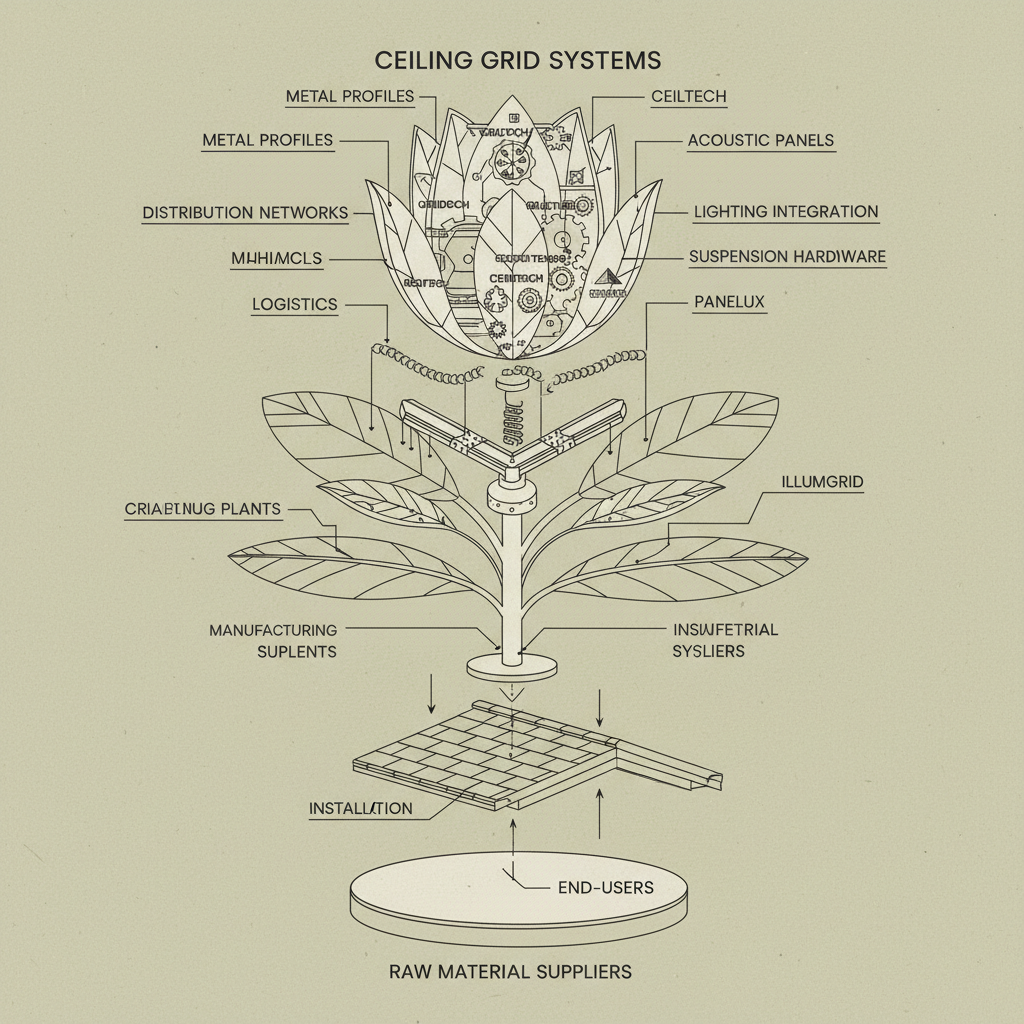
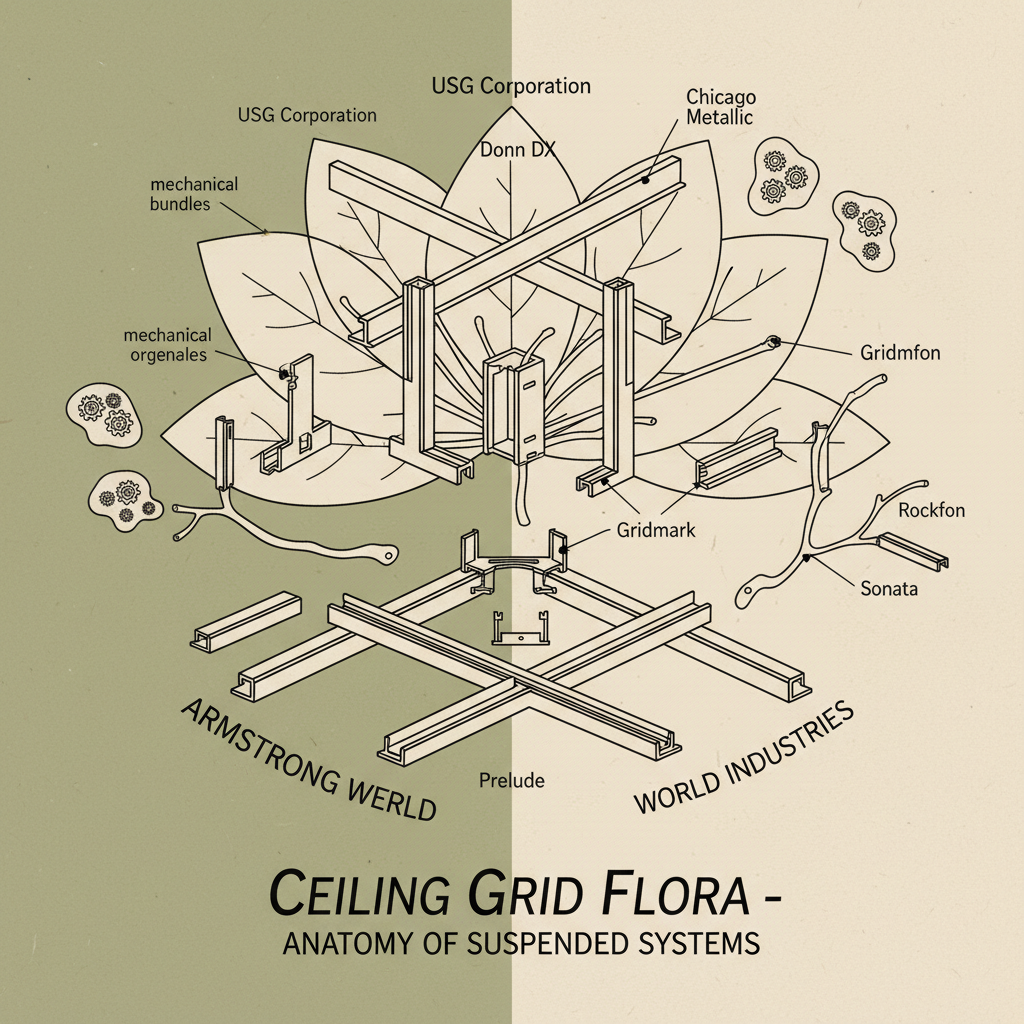
ceiling grid companies

Industry Trends and Design Pitfalls

ceiling grid companies

Have you noticed how everything is going “smart” now? Even ceiling grids! I encountered this at a factory in Foshan last time – they were trying to integrate sensors into every tile for, like, occupancy detection and air quality monitoring. Sounds good in theory, but the cost! And the maintenance! Replacing a single sensor meant replacing the entire tile. Strangely, no one asked the guys who actually install this stuff if it was a good idea. They just assumed the engineers knew best.

The biggest pitfall? Over-engineering. These architects and designers, they’re always trying to reinvent the wheel. Simple is better. Fewer parts, fewer connections, fewer things that can go wrong. That's where you save money and time, not with some exotic new material. Anyway, I think the focus should be on making things easier to install, not more complicated.

Material Choices: The Devil's in the Details

We're seeing a lot of magnesium oxide (MgO) boards now. They're fire-resistant, which is a big plus, and they're pretty lightweight. But they can be brittle. You have to be careful when handling them, especially the thinner ones. And the dust…it’s a nightmare. Gets everywhere. You really need a good vacuum and a mask. The thing about MgO, though, is it’s surprisingly strong for its weight. It feels...dense. Like a heavier version of drywall.

Aluminum ceiling grids are still popular, especially in commercial buildings. They’re durable, corrosion-resistant, and they look clean. But, they dent easily. Seriously, someone look at it wrong, and boom - a dent. And the cost of aluminum keeps fluctuating, which makes pricing a headache.

Then there’s the whole world of recycled plastics. They’re trying to make these grids out of ocean plastic and stuff. It’s a good idea in theory, but the consistency is the problem. Some batches are strong, some are…well, let’s just say you wouldn’t want to hang anything heavy from them.

Real-World Testing and Application

Forget the lab tests. The real test is what happens when a forklift accidentally bumps into it. Or when a plumber needs to run a pipe through it. Or when someone decides it’s a good idea to hang a banner from it. That’s when you find out if a material is truly durable. We've had to reinforce so many “high-strength” ceilings after contractors, inevitably, did something they weren’t supposed to.

I once saw a whole section of a new ceiling grid collapse because someone used the wrong type of screw. The screw looked similar, but it didn’t have the same shear strength. It’s little things like that which can cause big problems. That’s why I always insist on using the manufacturer-recommended fasteners. Always.

We've started doing a sort of "abuse test" on site. We get the crew to intentionally try to break things – not destroy them, but really push them to their limits. It sounds crazy, but it’s the best way to identify weak points before the customer does. It's also a great way to get buy-in from the installers; they feel like their input actually matters.

Advantages, Disadvantages, and Customization

The biggest advantage of these newer composite grids is the weight reduction. It makes installation a lot faster and easier, especially on high-rise projects. But the cost… that’s the killer. They're significantly more expensive than traditional steel or aluminum grids.

And let’s be real, the aesthetic options are still limited. You can get different colors and textures, but nothing truly unique. People want customization. I had a client, a fancy hotel in Dubai, who wanted a grid that mimicked the pattern of palm leaves. Good luck finding that off the shelf.

Ceiling Grid Performance Comparison

A Shenzhen Customer Story

Last month, that small boss in Shenzhen who makes smart home devices insisted on changing the interface to for their new ceiling grid control system. Said it was “more modern.” We warned him that most installers still use USB-A. Didn’t listen. Result? Delays. Complaints. A lot of frustrated technicians. He ended up having to supply adapters, which added to the cost and complexity. Classic case of form over function.

He figured, “Hey, everyone’s moving to !” but hadn't considered that these guys are on job sites, not tech blogs. They need things to work now, not in the future.

Practical Considerations & Material Breakdown

We’re seeing more demand for grids with integrated lighting. It’s a cleaner look, and it simplifies installation. But you have to be careful about heat dissipation. LEDs generate heat, and if it's not properly vented, it can shorten the lifespan of the lights and even cause the grid to warp.

And don’t underestimate the importance of proper storage. These materials can be sensitive to moisture and temperature. Storing them outside in the rain is just asking for trouble. I once had a whole shipment of MgO boards ruined because they were left uncovered during a monsoon. Cost the client a fortune.

You also need to consider the accessibility. Can you easily get to the wiring and plumbing above the grid? If not, it’s going to be a nightmare to make repairs or modifications later on.

Material Properties at a Glance

Material Type Weight (kg/m²) Fire Resistance (minutes) Estimated Cost (€/m²)
Steel 8-12 60-120 15-25
Aluminum 3-5 30-60 20-35
MgO Board 6-8 90-180 18-28
Composite Plastic 2-4 30-60 25-40
Recycled Plastic 1.5-3 20-40 10-20
Fiber Cement 7-10 60-90 17-30

FAQS

What’s the biggest mistake people make when choosing a ceiling grid?

Honestly, it’s overlooking the installation process. They get caught up in aesthetics and forget that someone actually has to put this thing up. A beautiful grid is useless if it's a pain to install. They need to consider things like weight, cutability, and fastener compatibility. Look, if the guys on site are cursing your product, you've messed up.

How important is fire resistance in a ceiling grid?

Critically important. Especially in commercial buildings. You need to meet local building codes, of course, but it’s also about protecting lives. A fire can spread incredibly quickly through a ceiling void. That's why materials like MgO board and fiber cement are becoming so popular. They can buy you valuable time for evacuation.

Are recycled plastic grids really a viable option?

They’re getting there. The technology is improving, but consistency is still a challenge. You really need to vet the manufacturer carefully and make sure they have a robust quality control process. And be realistic about the load-bearing capacity. You're not going to be hanging heavy fixtures from a recycled plastic grid anytime soon.

What's the best way to deal with moisture problems in ceiling grids?

Ventilation is key. You need to ensure there’s adequate airflow above the grid to prevent condensation buildup. And use moisture-resistant materials whenever possible. Also, proper sealing around penetrations – pipes, lights, HVAC ducts – is crucial. A little bit of water can cause a lot of damage.

How can I tell if a ceiling grid is properly installed?

Look for straight lines, tight connections, and no sagging. Pay attention to the fasteners – are they the right type and are they properly installed? And listen. A properly installed grid shouldn’t creak or rattle when you walk on the floor above. That’s a red flag. If in doubt, call a professional. It's better to spend a little extra money upfront than to deal with a collapse later on.

Can these grids be customized for unique designs?

Sure, but it’ll cost you. You can get custom perforations, shapes, and finishes. We did a project for a hotel lobby a couple of years ago where they wanted a grid that incorporated their logo. It was expensive, but it looked fantastic. The key is to engage with the manufacturer early in the design process to see what's feasible and what isn't.

Conclusion

So, there you have it. Ceiling grids aren't exactly the most glamorous part of construction, but they're essential. The industry’s moving towards prefabrication, more sustainable materials, and integrated functionality. But at the end of the day, it all comes down to simplicity, durability, and ease of installation.

Ultimately, whether this thing works or not, the worker will know the moment he tightens the screw. And if he curses your name, you’ve failed. If he nods with satisfaction, well, then you’ve done something right. That’s what matters.

Christopher Wilson

Christopher Wilson

Christopher Wilson is a Quality Assurance Engineer at Wen'an Jinkai Building Materials Co., Ltd. He is responsible for ensuring all products meet our stringent quality standards in terms of size, finish, durability, and strength. Christopher meticulously inspects materials and finished goods throughout the production process, utilizing advanced testing equipment and procedures. He’s a key member of the technical team, dedicated to upholding the company’s commitment to delivering high-quality, reliable products. Christopher joined Jinkai three years ago and is a certified quality control specialist.
Previous Navigating the World of Suspended Ceiling Grid Suppliers and Installation Best Practices
Next Navigating the Landscape of Quality t grid ceiling suppliers and Installation

If you are interested in our products, you can choose to leave your information here, and we will be in touch with you shortly.