When designing modern commercial or residential frameworks, selecting the correct structural metal studs gauge is not merely a technical detail but a critical safety decision. The gauge refers to the thickness of the steel used in the studs, and it directly determines the load-bearing capacity, rigidity, and overall stability of the wall system. In an era of increasingly complex architectural designs, understanding how gauge affects structural integrity is paramount for engineers and contractors alike.
Globally, the shift from traditional timber to cold-formed steel has been driven by the need for fire resistance, precision, and sustainability. The choice of a specific structural metal studs gauge allows architects to optimize material use, reducing waste while ensuring that the building can withstand wind loads and seismic activity. Whether it is a high-rise office in Sydney or a modular housing project in North America, the gauge is the silent guardian of the building's skeleton.
However, the industry often struggles with the balance between cost-cutting and structural necessity. Using a gauge that is too thin can lead to wall bowing or catastrophic failure, while an overly heavy gauge increases project costs and adds unnecessary weight to the foundation. This guide explores the nuances of the structural metal studs gauge to help professionals make informed decisions that align with international building codes and efficiency standards.
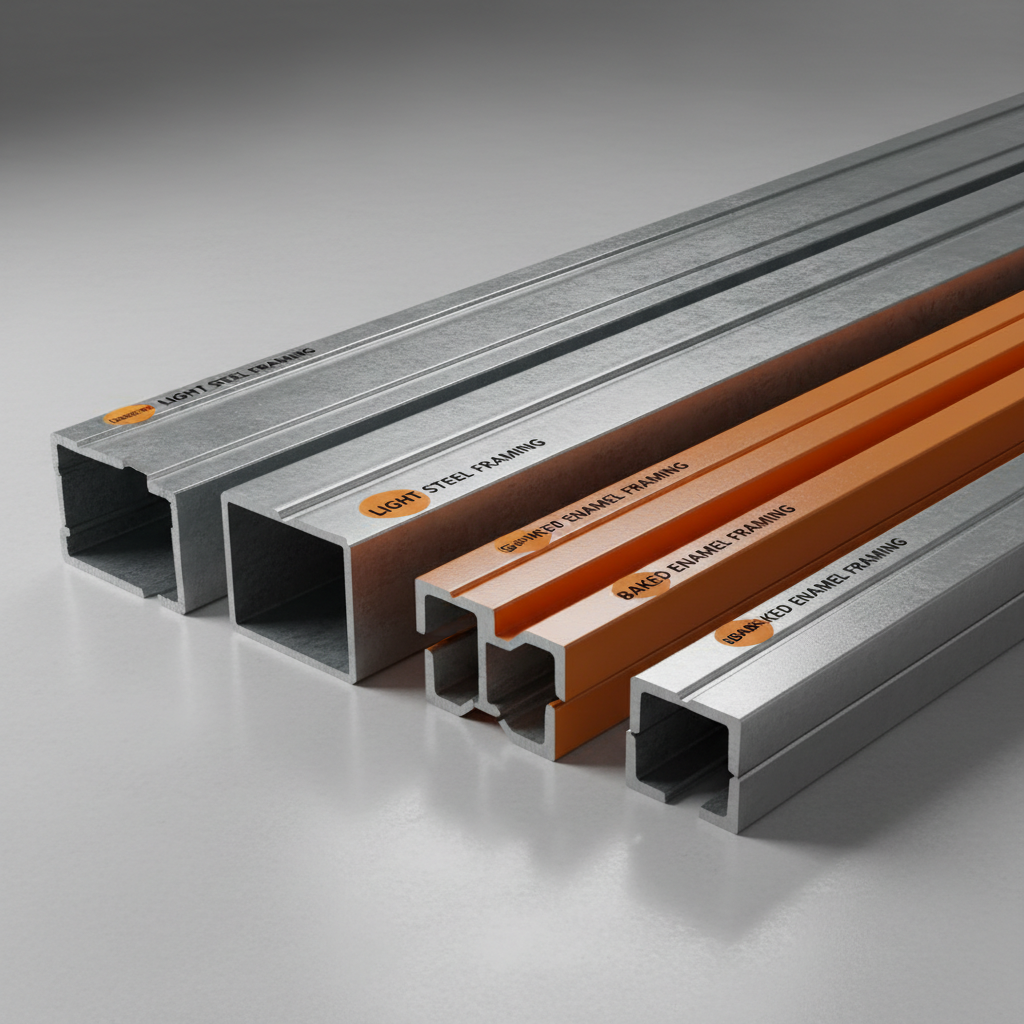
Global Standards of Structural Metal Studs Gauge
The standardization of the structural metal studs gauge is governed by international bodies such as ASTM International and ISO. These standards ensure that a "20 gauge" stud produced in one part of the world meets the same minimum thickness and strength requirements as one produced elsewhere. This consistency is vital for the global trade of building materials, allowing for the seamless integration of systems like the Australian Drywall System or Canada-US Drywall System across different borders.
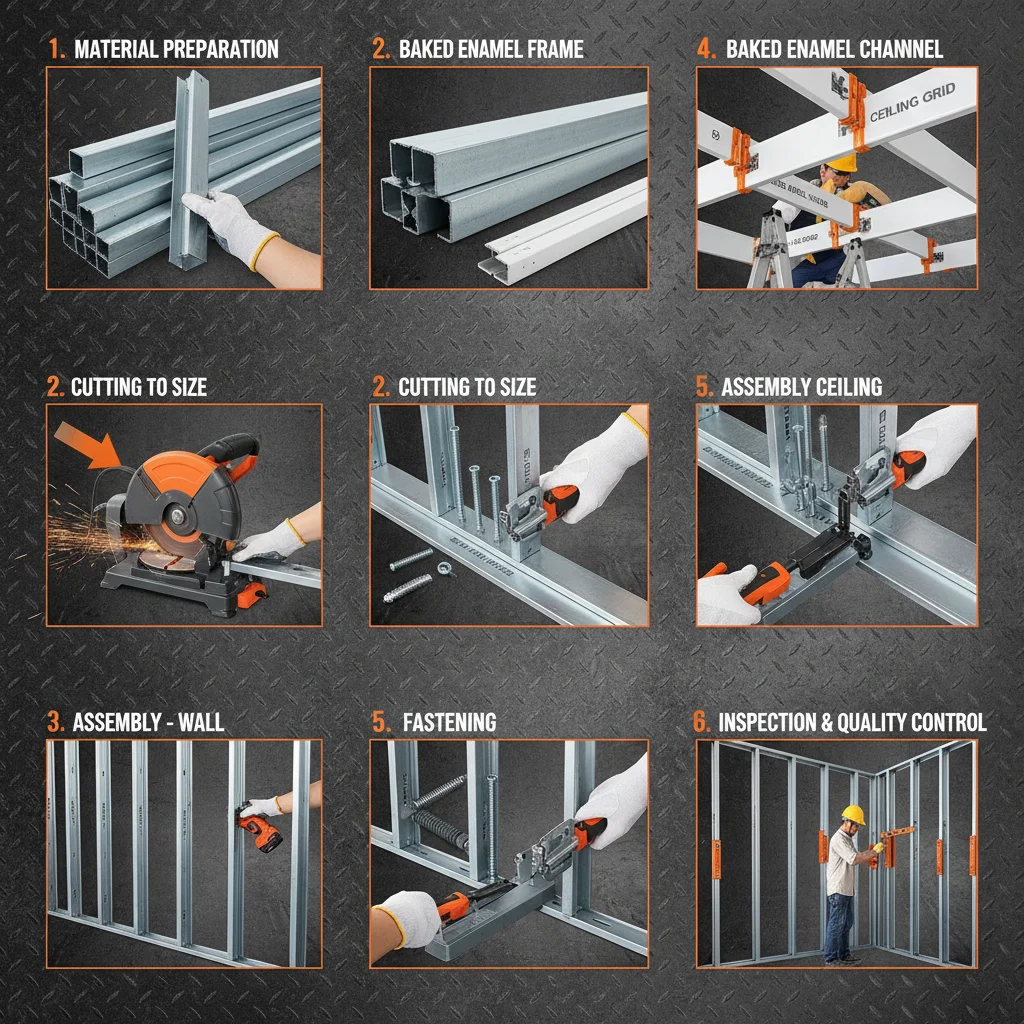
In practice, the global adoption of these standards has reduced construction timelines and increased safety. By adhering to strict gauge specifications, developers can accurately predict the load-bearing capacity of their walls without needing exhaustive on-site testing for every single component. This systematic approach has turned the selection of the structural metal studs gauge into a science of optimization, where safety is guaranteed by certification.
Defining the Mechanics of Steel Gauge
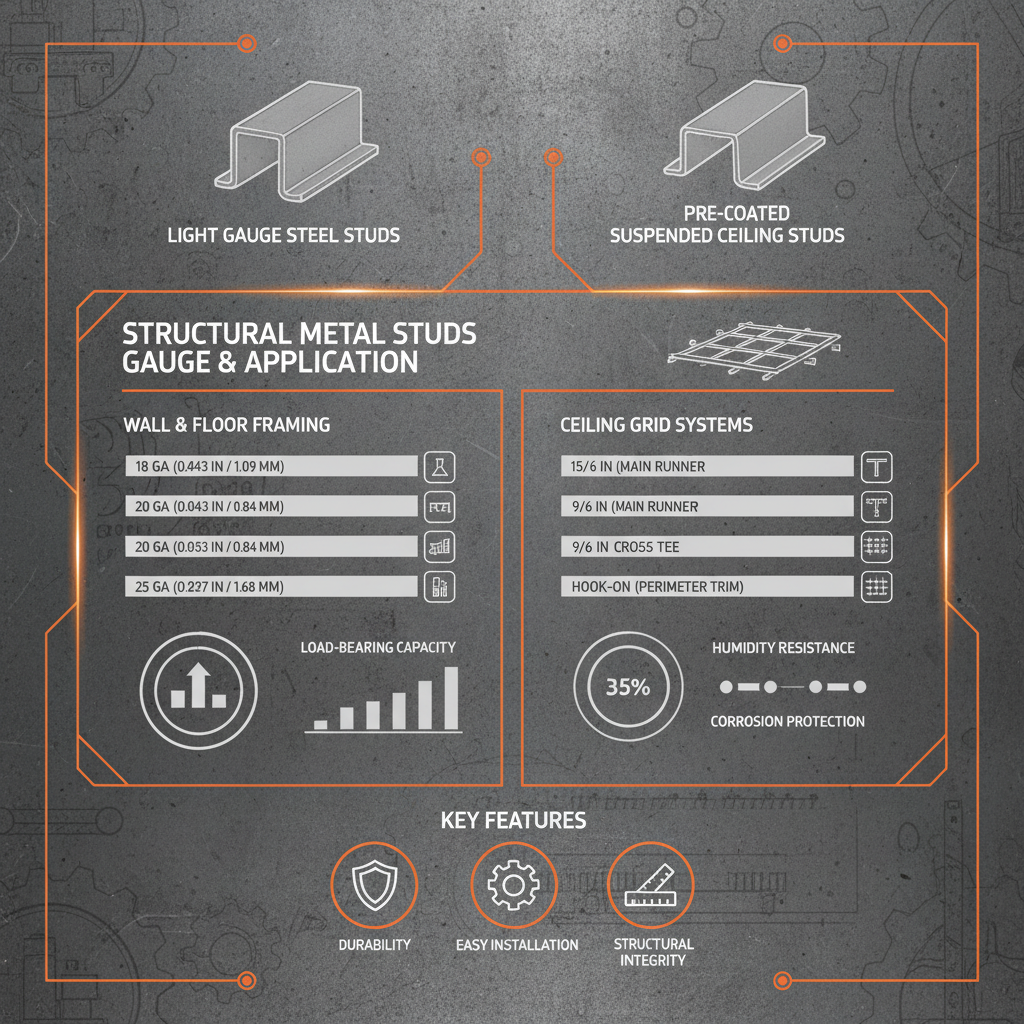
To the uninitiated, the concept of a structural metal studs gauge can be counterintuitive because the gauge number operates on an inverse scale: the higher the gauge number, the thinner the steel. For example, a 25-gauge stud is significantly thinner and weaker than a 16-gauge stud. This measurement system is a legacy of the manufacturing process, where the number referred to the number of times the metal was passed through rollers to reach its final thickness.
In modern construction, structural studs (typically gauge 16 to 20) are designed to carry vertical loads, whereas non-structural studs (typically gauge 25) are used primarily to support the weight of the drywall itself. Misunderstanding this distinction can lead to serious structural vulnerabilities. A professional must ensure that the chosen structural metal studs gauge aligns with the intended role of the wall—whether it is a load-bearing exterior wall or a simple interior partition.
Connecting this to humanitarian and rapid-deployment needs, the ability to standardize gauge allows for the mass production of modular kits. In disaster-relief zones, using a specific, pre-calculated structural metal studs gauge enables the rapid assembly of shelters that are lightweight enough for transport but strong enough to protect inhabitants from the elements and moderate wind loads.
Core Components Affecting Stud Performance
The first critical factor in the performance of a structural metal studs gauge is the yield strength of the steel. While thickness (gauge) provides the physical bulk, the grade of the steel (such as G550) determines how much stress the material can absorb before it permanently deforms. Together, thickness and grade create the structural capacity of the framing.
Durability is another pillar of the structural metal studs gauge ecosystem. Zinc coatings or galvanization are applied to the steel to prevent corrosion, which is especially critical in humid environments or coastal regions. Without proper coating, even a heavy-gauge stud can lose its structural integrity over time due to oxidation.
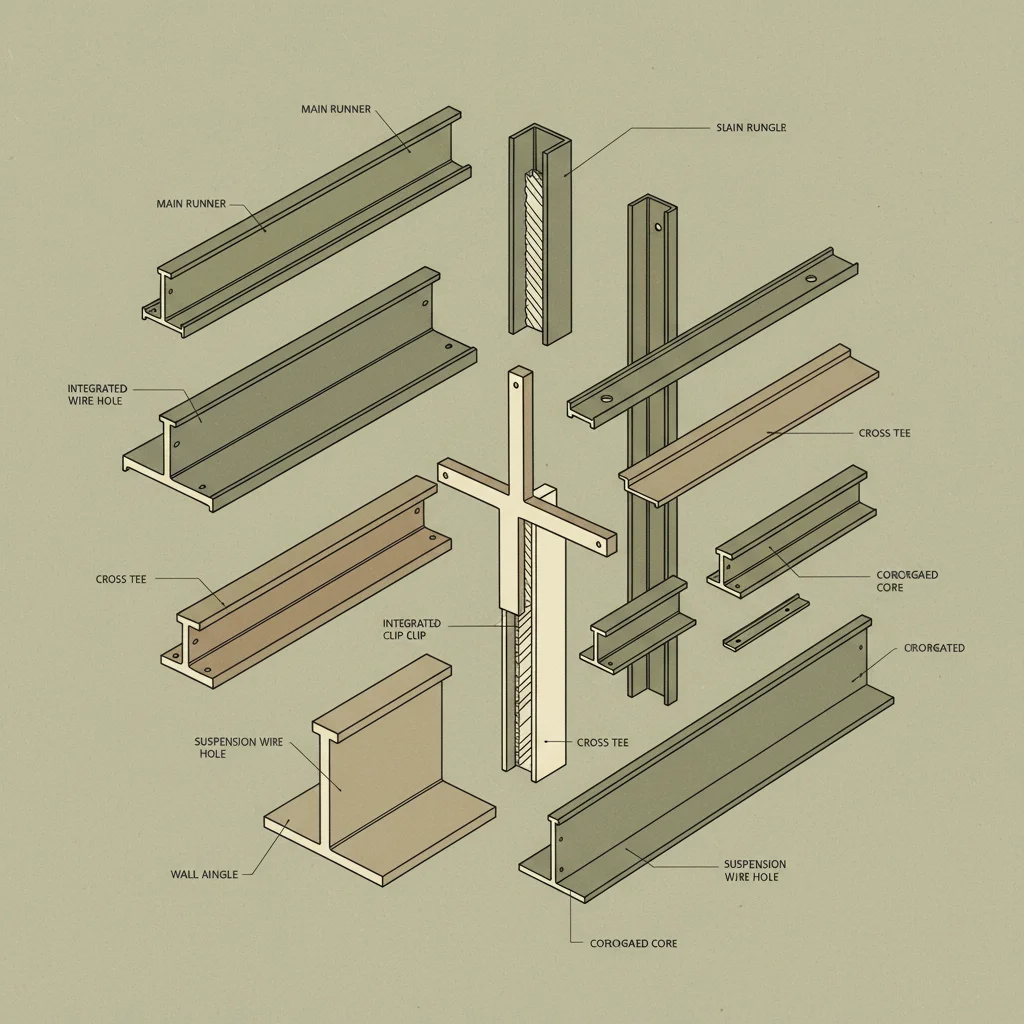
Lastly, the geometric profile of the stud interacts with the structural metal studs gauge to determine stiffness. A thinner gauge can sometimes be compensated for by adding "returns" or deeper flanges to the profile, though for primary structural supports, increasing the gauge remains the most reliable method for enhancing load capacity.
Comparative Analysis of Gauge Efficiency
Evaluating the efficiency of different structural metal studs gauge options requires a look at the strength-to-weight ratio. Heavy-gauge studs offer unmatched stability for high-load areas but increase the overall dead load of the building. Conversely, light-gauge options are incredibly efficient for non-load-bearing partitions, reducing material costs and installation labor.
The following data illustrates how different gauge categories perform across key metrics such as load capacity, installation speed, and cost-effectiveness, providing a clear roadmap for selection based on project needs.
Structural Metal Studs Gauge Performance Metrics
Regional Applications Across Global Markets
The application of structural metal studs gauge varies significantly by region due to different building codes and environmental pressures. In the Middle East, for instance, the Furring System is often tailored to handle extreme thermal expansion and contraction, requiring a specific gauge that balances rigidity with the ability to absorb movement. In North America, the CD-UD System adheres to strict wind-load requirements common in hurricane-prone coastal zones.
In South Asia and South America, there is a growing trend toward using a standardized structural metal studs gauge in affordable housing projects. By replacing traditional masonry with cold-formed steel, governments can build safer, earthquake-resistant homes more quickly. These regions benefit from the lightweight nature of the studs, which reduces the cost of transporting materials to remote industrial zones or mountainous terrains.
Long-Term Value and Sustainability Benefits
Beyond immediate structural needs, the choice of structural metal studs gauge has a profound impact on the lifecycle of a building. Steel is 100% recyclable, and by optimizing the gauge, developers can minimize the carbon footprint of their projects. Using the thinnest possible gauge that still meets safety codes reduces the amount of raw ore required and lowers the energy consumed during the smelting and rolling process.
From an emotional and social perspective, the reliability of the correct structural metal studs gauge provides peace of mind. Occupants of a building feel a sense of security knowing that the interior walls are not prone to bowing or vibration. This trust in the invisible skeleton of the building is what allows for the creation of open-concept architectural spaces that were previously impossible with timber.
Furthermore, the precision of metal framing leads to a higher quality of finish. When the structural metal studs gauge is consistent, drywall sheets lay flatter, and joints are more stable, leading to fewer cracks over time. This reduces long-term maintenance costs and enhances the overall aesthetic value of the property.
Future Innovations in Metal Framing Technology
The future of the structural metal studs gauge is being shaped by digital transformation and material science. We are seeing the rise of BIM (Building Information Modeling) software that can calculate the exact gauge required for every single stud in a building, rather than applying a blanket gauge to an entire floor. This "precision gauging" will drastically reduce material waste and optimize costs.
Additionally, the integration of high-strength alloy steels is allowing for a reduction in the actual thickness of the structural metal studs gauge without sacrificing load capacity. This means thinner, lighter studs that can outperform traditional heavy-gauge steel, further accelerating the trend toward modular and prefabricated construction.
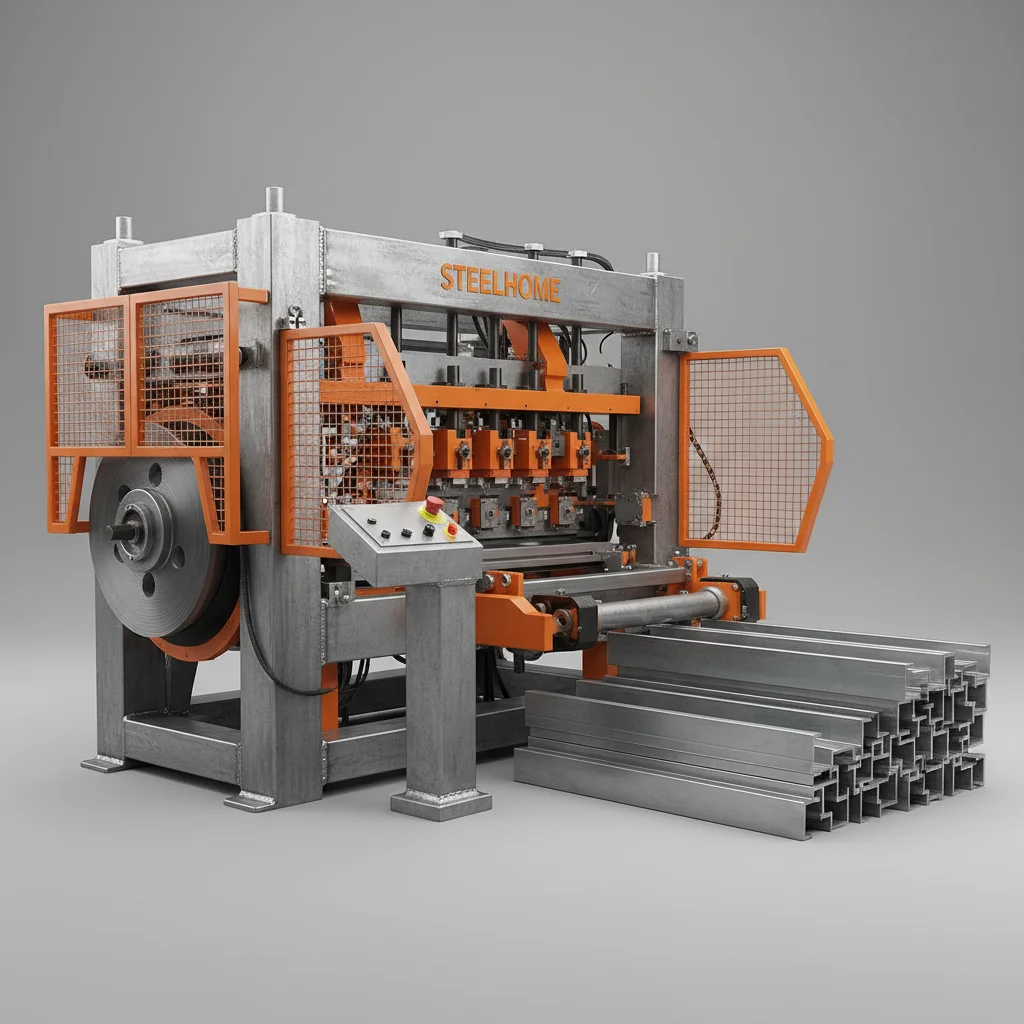
Automation in manufacturing is also ensuring that the tolerance for gauge thickness is tighter than ever before. With AI-driven quality control, the variance in a structural metal studs gauge is almost zero, eliminating the "weak links" in a wall system and allowing engineers to design closer to the theoretical limits of the material.
Analysis of Structural Metal Studs Gauge by Application and Environment
| Application Type |
Recommended Gauge |
Load Capacity Score |
Corrosion Resistance |
| Load-Bearing Exterior |
16 - 18 Gauge |
9.5/10 |
High (G90 Galv) |
| Commercial Interior |
20 Gauge |
7.0/10 |
Medium (G60 Galv) |
| Residential Partition |
25 Gauge |
4.0/10 |
Standard |
| Ceiling T-Bar/Grids |
24 - 26 Gauge |
5.5/10 |
Medium |
| Industrial Warehouse |
14 - 16 Gauge |
10/10 |
Very High |
| Rapid Deployment Kit |
18 - 20 Gauge |
6.5/10 |
High (Custom) |
FAQS
The primary difference is thickness and load-bearing capacity. A 16-gauge stud is much thicker and is designed for structural applications, such as load-bearing walls that support the roof or upper floors. A 25-gauge stud is significantly thinner and is intended for non-structural use, such as dividing interior rooms where the wall only needs to support the weight of the gypsum board (drywall) and not the building's weight.
Determining the correct gauge requires a structural analysis of the expected loads (vertical dead loads and lateral wind/seismic loads). Architects typically refer to local building codes (like IBC or Australian Standards) and use load tables provided by manufacturers. For high-traffic commercial areas, a heavier gauge (18ga or 16ga) is often recommended for impact resistance and stability.
While it is physically possible, it is generally discouraged for structural walls. Mixing gauges can create "weak points" in the framing, leading to uneven load distribution and potential bowing. However, in hybrid systems, a heavier gauge may be used for "king studs" or corners, while a lighter gauge is used for intermediate studs, provided this is approved by a licensed structural engineer.
Not necessarily. Over-engineering a project by using a gauge that is too heavy increases material costs, shipping expenses, and labor time due to the increased weight of the components. The goal is "optimization"—using the minimum gauge necessary to meet safety and performance standards while maintaining cost-efficiency.
The gauge itself doesn't stop fire, but thicker steel (lower gauge number) takes longer to lose its structural integrity when exposed to high temperatures compared to thin steel. Therefore, in fire-rated wall assemblies, a specific structural metal studs gauge is often mandated to ensure the wall stays standing long enough for evacuation during an emergency.
While the concept of gauge is universal, the specific standards (ASTM vs. AS/NZS) may have slight variations in how they measure thickness or define "structural" grades. When importing materials, it is crucial to verify that the structural metal studs gauge complies with the specific building regulations of the destination country to ensure legal compliance and safety.
Conclusion
In summary, the structural metal studs gauge is a fundamental variable that bridges the gap between architectural vision and structural reality. By understanding the inverse relationship of gauge numbers and the critical importance of load-bearing requirements, professionals can ensure that their buildings are safe, durable, and cost-effective. From the selection of yield strength to the application of anti-corrosive coatings, every detail regarding the gauge contributes to the long-term viability of the construction.
Looking forward, the industry is moving toward a more digitized and sustainable approach, where precision gauging will reduce waste and carbon emissions. We encourage architects and contractors to prioritize quality-certified materials and to stay updated on the evolving standards of cold-formed steel. For high-quality, precision-engineered framing solutions that meet global standards, visit our website: www.jinkaibm.com.