Efficiency of Prefabricated Light Gauge Steel Building Systems
0%

Table of Contents

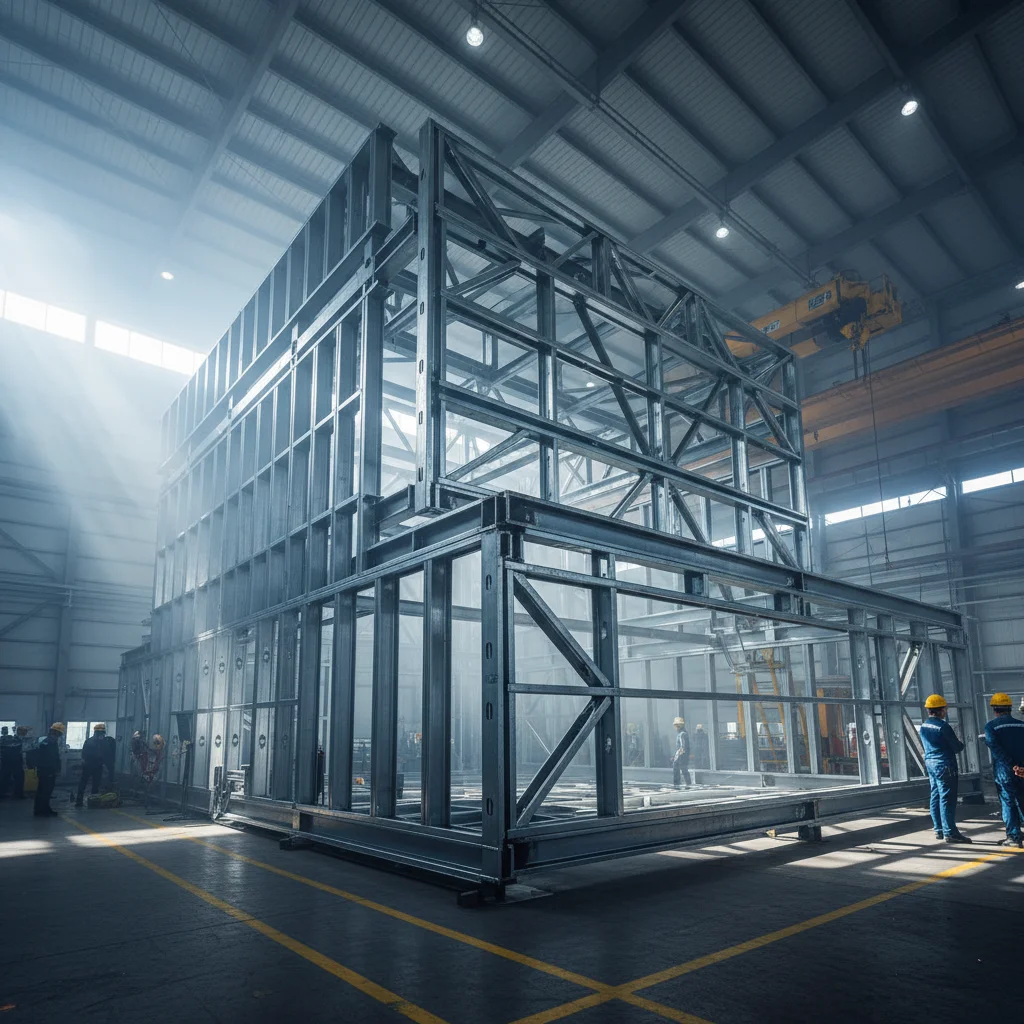
The evolution of modern construction has led to a pivotal shift toward efficiency and precision, where the prefabricated light gauge steel building stands as a cornerstone of this transformation. By integrating advanced engineering with high-strength, cold-formed steel, this system allows for rapid assembly without compromising structural integrity, making it an ideal choice for contemporary urban and industrial development.

Globally, the demand for sustainable and scalable housing solutions has surged, driving the adoption of light gauge steel (LGS) across various climates and terrains. This method addresses the critical need for reduced construction waste and shorter project timelines, offering a viable alternative to traditional timber or heavy concrete frames.

Understanding the nuances of a prefabricated light gauge steel building is essential for developers, architects, and engineers who aim to optimize costs while adhering to strict international building codes. From residential villas to complex commercial hubs, the versatility of this system ensures a balance between aesthetic flexibility and industrial robustness.
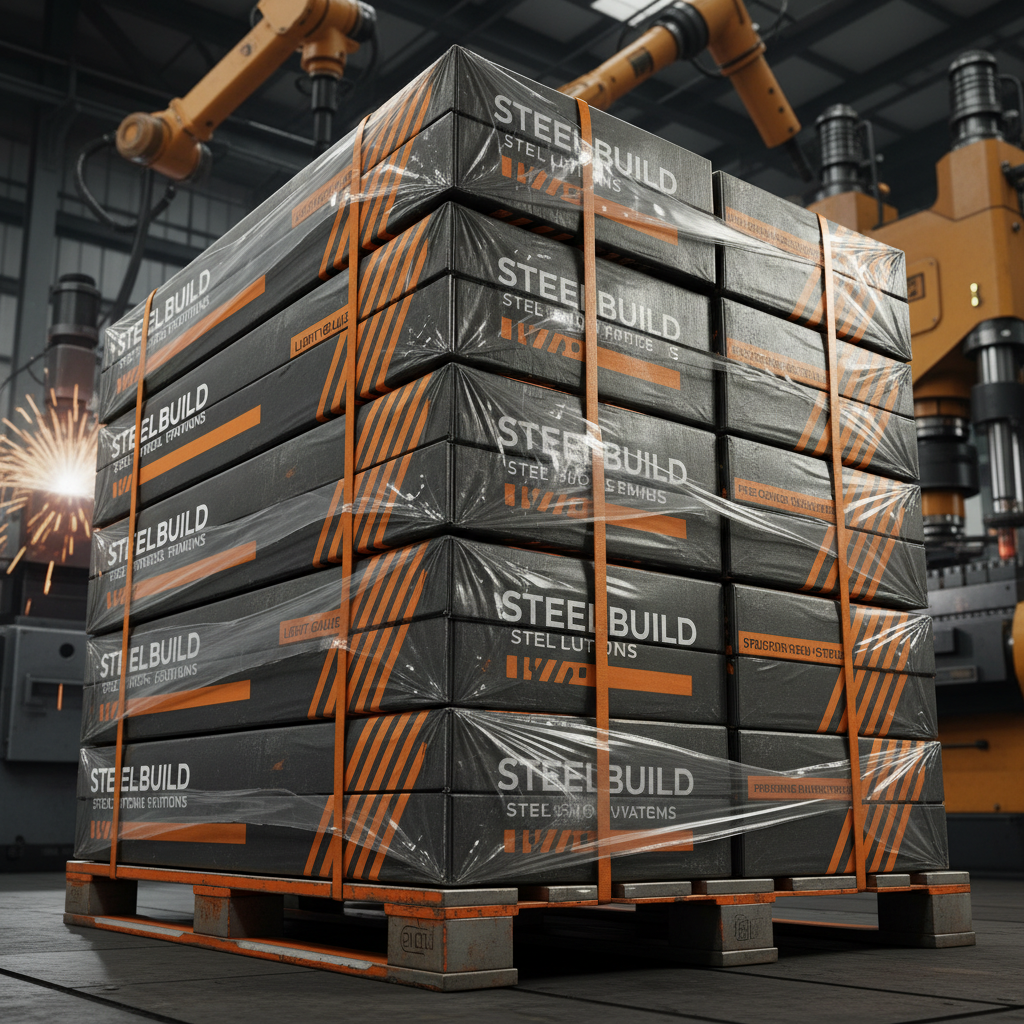
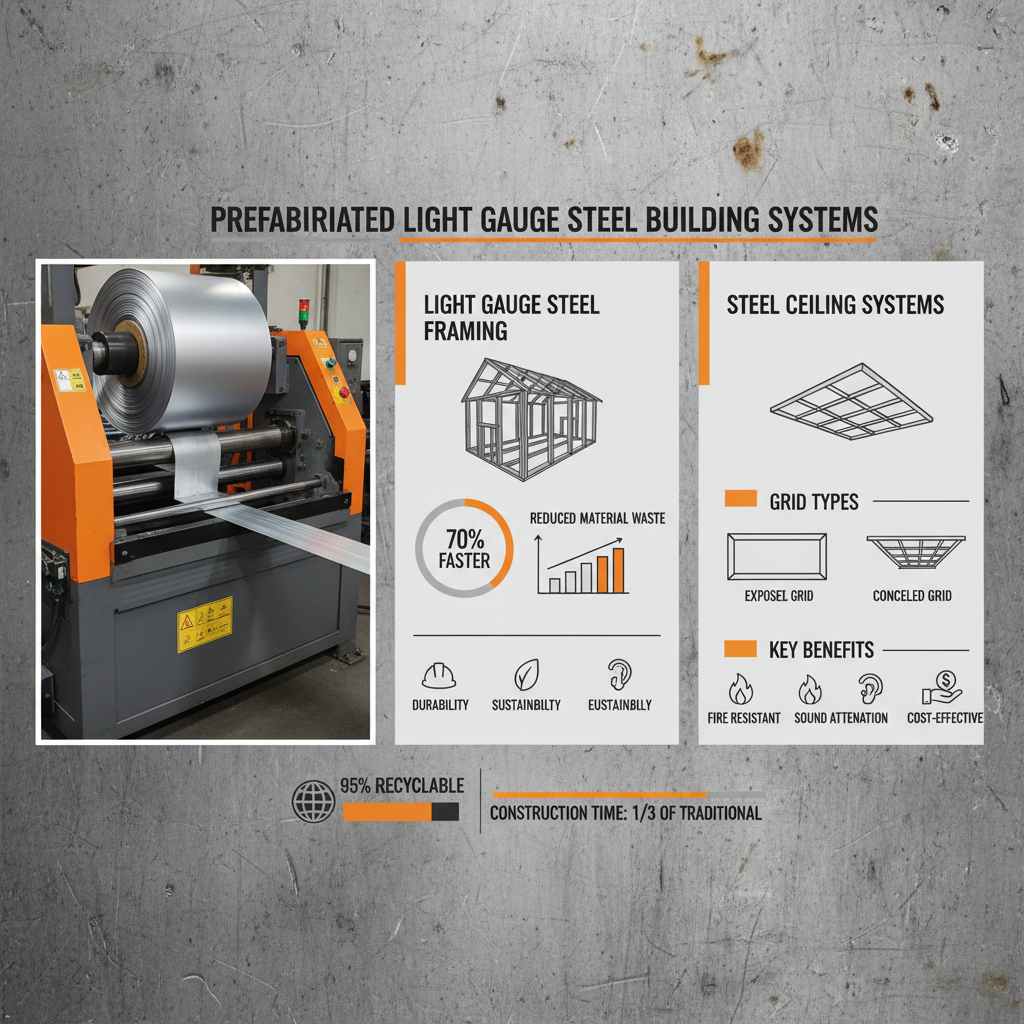
prefabricated light gauge steel building

Global Relevance of Prefabricated Light Gauge Steel Building

prefabricated light gauge steel building

In the current global economic climate, the construction industry is facing unprecedented pressure to deliver housing faster and more sustainably. The prefabricated light gauge steel building has emerged as a strategic solution, with market growth aligning with UN sustainability goals to reduce the carbon footprint of the built environment. By shifting the majority of the labor from the field to a controlled factory setting, developers can mitigate risks associated with weather delays and labor shortages.

Statistics from international building standards indicate that prefabricated steel systems can reduce on-site waste by up to 40% compared to traditional masonry. This efficiency is not merely a financial advantage but a humanitarian one, allowing for the rapid deployment of schools, clinics, and shelters in regions recovering from natural disasters or experiencing rapid population growth.

Defining the Mechanics of LGS Construction

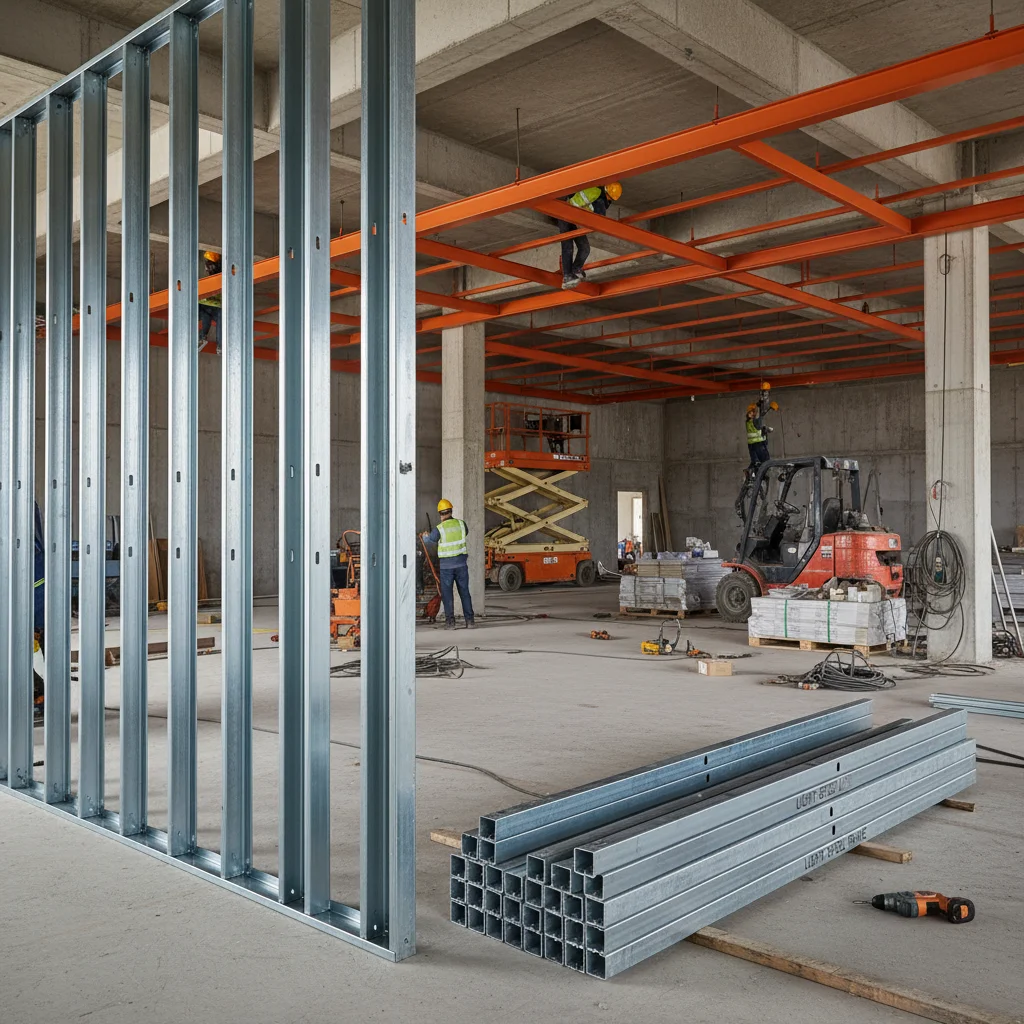
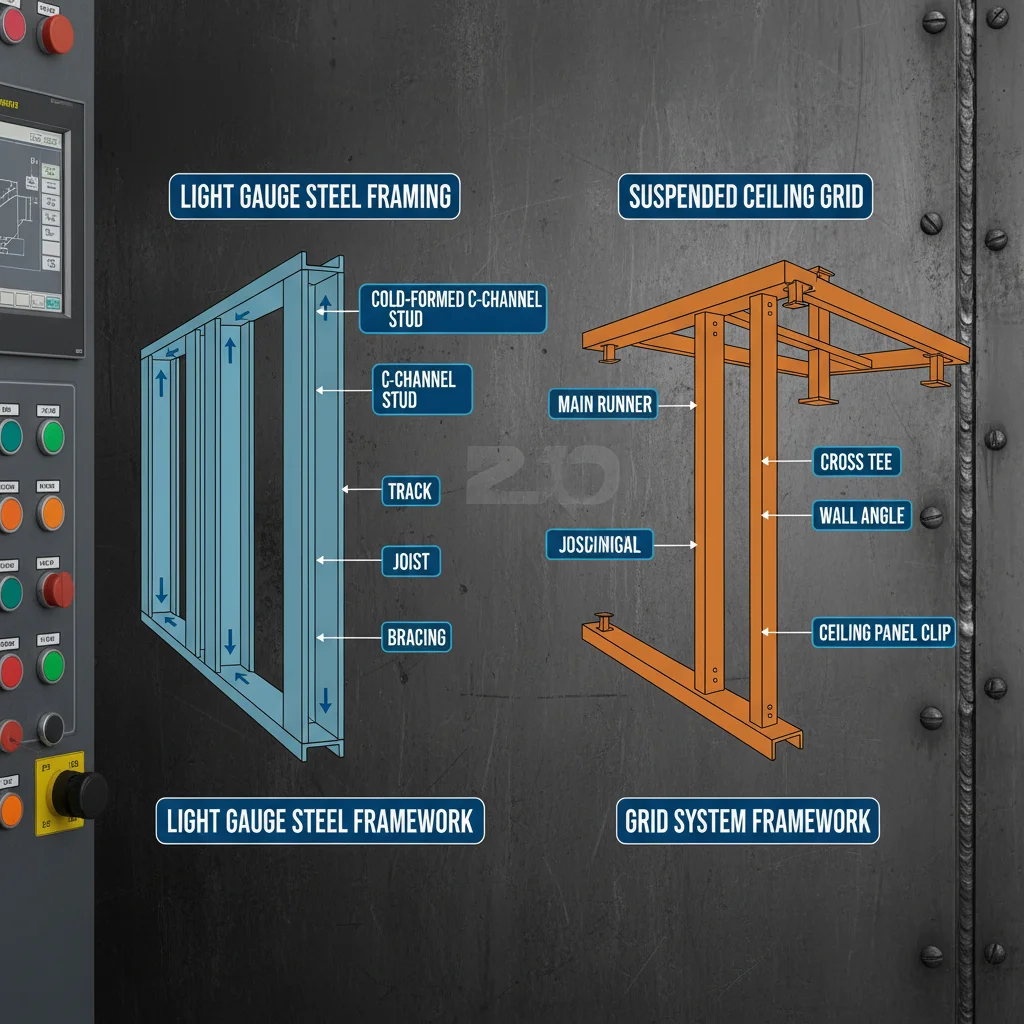
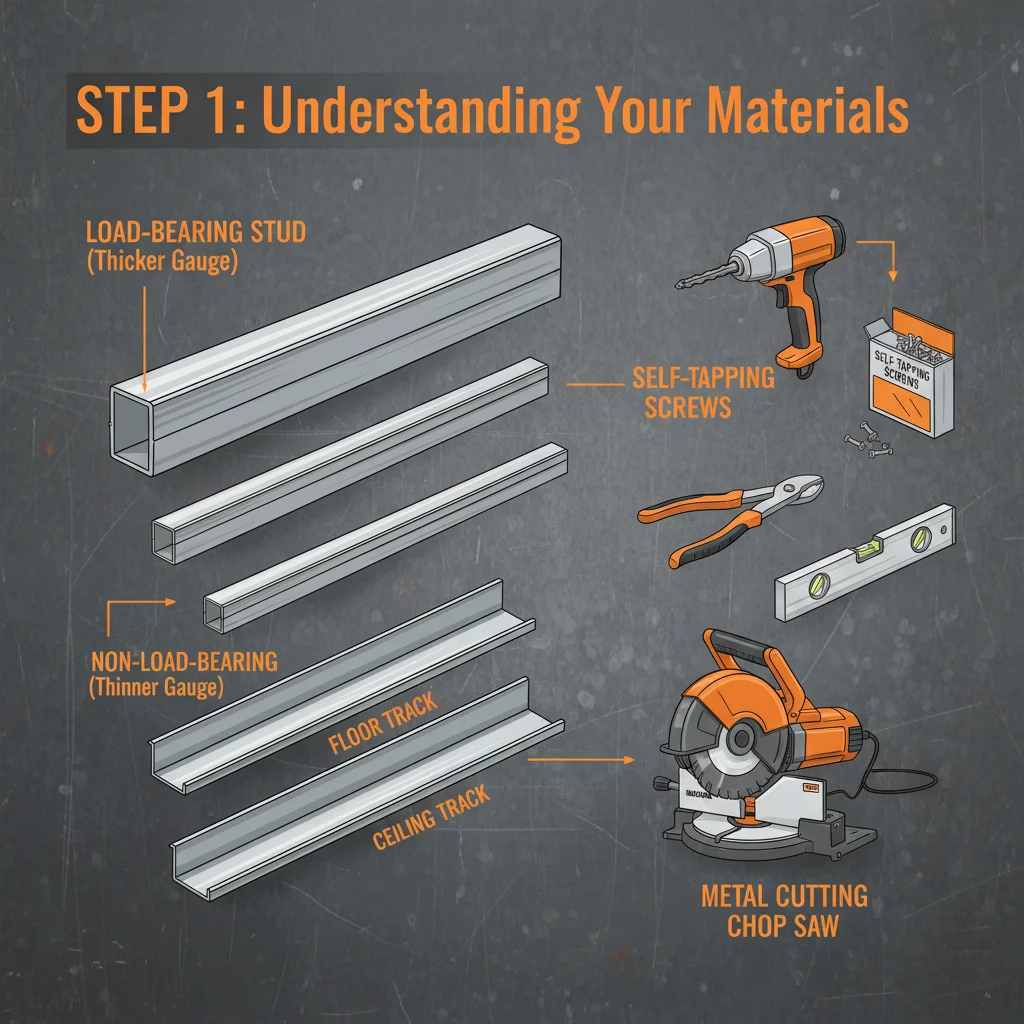
A prefabricated light gauge steel building refers to a structure framed with cold-formed steel sections that are engineered to specific architectural plans and manufactured in a factory before being shipped to the site. Unlike traditional heavy structural steel, light gauge steel utilizes thinner sheets of galvanized steel, which are rolled into C or Z shapes to provide high strength-to-weight ratios.

This system is intrinsically linked to the "Industrialized Construction" movement, where the building is treated more like a manufactured product than a manual craft. The precision of CNC machinery ensures that every stud, track, and joist is accurate to the millimeter, eliminating the human error typically found in on-site timber framing or bricklaying.

For modern industry, this means a seamless transition from digital BIM (Building Information Modeling) designs to physical reality. Whether it is a complex Australian Drywall System or a specialized CD-UD System, the core principle remains the same: maximizing material efficiency while ensuring the structural safety of the occupants.

Core Components and Structural Factors

The durability of a prefabricated light gauge steel building is derived from the high-grade galvanized coating applied to the steel, which prevents corrosion and oxidation over decades. This makes the system particularly effective in humid or coastal environments where timber would rot or untreated steel would rust.

Scalability is another core factor; because these buildings are modular by nature, expanding a prefabricated light gauge steel building is significantly simpler than traditional methods. New modules can be integrated into existing frames without requiring extensive demolition or structural reinforcement.

Finally, the integration of specialized profiles—such as Flat T Grids or Ultra Lined silhouettes—allows for superior ceiling and wall finishes. These components work in tandem with the primary LGS frame to provide a stable substrate for drywall and acoustic panels, ensuring a professional, commercial-grade finish.

Cost Efficiency and Scalability Analysis

When analyzing the financial viability of a prefabricated light gauge steel building, the focus must shift from "cost per square foot of material" to "total project lifecycle cost." The drastic reduction in construction time—often 30% to 50% faster than traditional builds—leads to significant savings in labor costs and allows owners to generate revenue from the property much sooner.

Furthermore, the precision of the prefabricated components means that there is virtually no material wastage on site. Every piece of steel is cut to the exact length required, which minimizes procurement overheads and simplifies the logistics of site management.

Performance Metrics of Prefabricated Light Gauge Steel Building Systems

Real-World Global Applications

Across the globe, the prefabricated light gauge steel building is being utilized to solve diverse architectural challenges. In North America, Canada-US Drywall Systems are frequently employed for residential subdivisions where rapid deployment is required to meet housing shortages. In the Middle East, specific Furring Systems are designed to withstand extreme heat and humidity, providing the structural backbone for massive commercial developments.

Beyond urban centers, these systems are indispensable in remote industrial zones and post-disaster relief operations. The ability to ship a complete building kit in flat-pack containers and assemble it with a small crew makes it the gold standard for emergency clinics and temporary government offices in disaster-prone regions.

Long-Term Value and Sustainability

The long-term value of a prefabricated light gauge steel building extends far beyond the initial construction phase. Steel is 100% recyclable, meaning that at the end of a building's lifecycle, the materials can be recovered and reused without losing their structural properties, fitting perfectly into a circular economy model.

From a safety perspective, steel is non-combustible and impervious to termites and pests, which significantly lowers insurance premiums and maintenance costs over time. This provides owners with a sense of security and trust, knowing that their investment is protected against the most common threats facing traditional builds.

Moreover, the thermal efficiency of these buildings can be optimized using advanced insulation materials placed within the LGS cavities. This results in lower energy consumption for heating and cooling, contributing to a smaller carbon footprint and increasing the overall dignity and comfort of the living space.

Future Trends in Steel Framing Innovation

The future of the prefabricated light gauge steel building is being shaped by digital transformation and automation. We are seeing the rise of AI-driven design software that can automatically optimize the placement of steel studs to maximize strength while minimizing material use, further reducing costs.

Automation in the factory—through advanced robotics—is allowing for the creation of even more complex geometries, moving away from simple boxes to organic, architectural forms. Integration with "Smart Home" technology is also becoming standard, where sensors and wiring are pre-installed into the steel frames during the fabrication process.

Sustainability policies are also pushing the industry toward "Green Steel," produced using hydrogen instead of coal. This shift will make the prefabricated light gauge steel building not just a fast and efficient choice, but the most environmentally responsible way to build in the 21st century.

Comparative Analysis of Prefabricated Light Gauge Steel Building Specifications

System Type Assembly Speed Durability Score Sustainability
Australian Drywall System Very High 9/10 High
Canada-US System High 9/10 High
Middle East Furring Medium-High 8/10 Medium
South American System High 8/10 High
CD-UD Specialized Medium 10/10 High
Standard LGS Frame High 7/10 Medium

FAQS

How long does a prefabricated light gauge steel building typically last?

When properly galvanized and installed, a prefabricated light gauge steel building can easily last 50 to 100 years. Unlike wood, it is not subject to rot, termites, or warping, and unlike concrete, it does not crack over time due to settling. Regular maintenance is minimal, primarily focusing on the external cladding and seals.

Is light gauge steel as strong as traditional heavy steel or concrete?

While a single member of light gauge steel is thinner than a heavy I-beam, the strength of an LGS building comes from the "system" approach. By using closely spaced studs and engineered bracing, LGS achieves a high strength-to-weight ratio that is more than sufficient for residential and low-to-mid-rise commercial structures, often performing better in seismic zones due to its flexibility.

Can these buildings be customized architecturally?

Absolutely. One of the greatest advantages of the prefabricated light gauge steel building is its flexibility. Since the frames are CNC-cut, they can be designed to accommodate complex curves, open-floor plans, and varied ceiling heights. Once the frame is up, you can use any finish—from traditional brick veneer to modern composite panels.

Are LGS buildings energy efficient?

Yes, they are highly efficient when paired with the right insulation. Because LGS frames provide consistent cavities, high-performance insulation (like spray foam or mineral wool) can be installed without gaps, eliminating thermal bridging and significantly reducing energy costs for heating and cooling.

How does the cost compare to traditional timber framing?

While the raw material cost of steel may be higher than timber, the total project cost is often lower. This is due to the reduction in labor hours, the lack of material waste, and the faster turnaround time. Additionally, lower insurance premiums and reduced maintenance costs provide better long-term ROI.

How do I transport LGS components to a remote site?

LGS components are designed for logistics efficiency. They are typically shipped in "flat-pack" form, meaning the steel profiles are nested together to minimize volume. This allows a large volume of structural material to be transported in standard shipping containers, making it ideal for remote or international projects.

Conclusion

The adoption of the prefabricated light gauge steel building represents a sophisticated convergence of material science, industrial automation, and sustainable architecture. By addressing the chronic inefficiencies of traditional construction—such as waste, labor volatility, and slow deployment—LGS provides a scalable solution that meets the urgent global demand for high-quality, durable infrastructure.

As we look toward a future defined by green energy and digital precision, the transition to steel-framed modularity is no longer just an option, but a necessity for a sustainable built environment. For those seeking to optimize their next project for speed, safety, and longevity, investing in a prefabricated steel system is the most strategic path forward. Visit our website: www.jinkaibm.com

Michael Johnson

Michael Johnson

Michael Johnson is a Senior Production Manager at Wen'an Jinkai Building Materials. He’s responsible for overseeing the operation of our 99+ automated production lines, ensuring efficient and standardized manufacturing. Michael focuses on optimizing production workflows, maintaining quality control, and ensuring adherence to GB/T13381.1-92 and GB/G14823.1-93 standards. He’s been with Jinkai for ten years and has a deep understanding of the entire manufacturing process. Michael is dedicated to continuous improvement, consistently identifying opportunities to enhance productivity and reduce waste.
Previous Understanding Metal Stud Framing Gauges for Modern Construction
Next Guide to Selecting the Right Structural Metal Studs Gauge

If you are interested in our products, you can choose to leave your information here, and we will be in touch with you shortly.