Light gauge sheet metal is a versatile material increasingly vital in modern construction, manufacturing, and humanitarian efforts. Its lightweight nature, combined with surprising strength, makes it an ideal solution for a wide range of applications, from rapid deployment shelters to complex architectural designs. Understanding its properties and potential unlocks innovative solutions for challenges across diverse sectors.
Globally, the demand for sustainable and efficient building materials is surging, driven by rapid urbanization and a growing awareness of environmental impact. Light gauge sheet metal directly addresses these needs, offering a material that is recyclable, requires less energy to produce and transport compared to heavier alternatives, and allows for efficient prefabrication. This material is becoming a cornerstone of modern building practices worldwide.
The rise of modular construction and pre-engineered building systems is inextricably linked to the advancements in light gauge sheet metal technology. Its ease of fabrication and assembly allows for faster project completion times and reduced on-site labor costs, making it a compelling choice for developers and construction companies seeking to optimize their processes and deliver projects efficiently.
Introduction to light gauge sheet metal
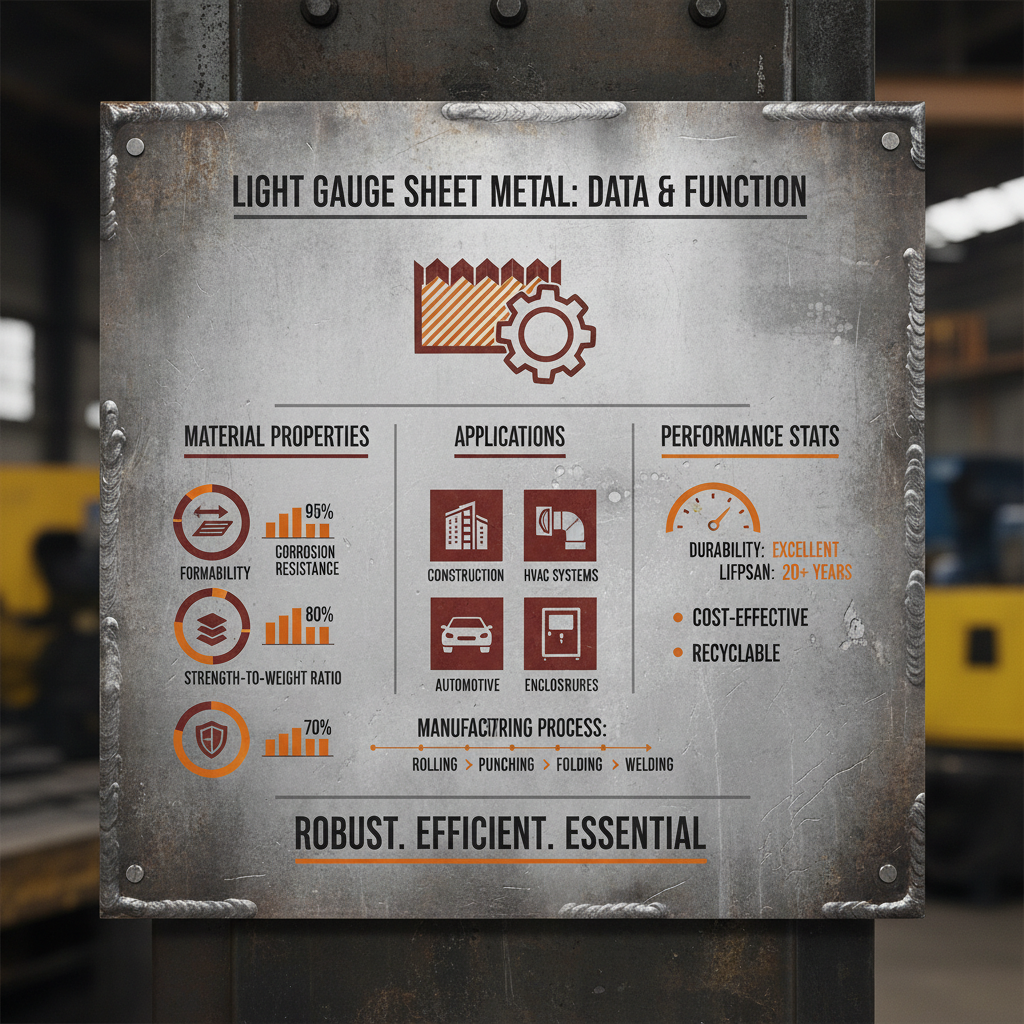
Light gauge sheet metal, typically ranging from 22 to 26 gauge, offers an exceptional strength-to-weight ratio. This makes it an ideal material for applications where reducing structural load is crucial, like in roofing, cladding, and modular building components. It’s readily formable, allowing for intricate designs and efficient manufacturing processes.
The use of light gauge sheet metal isn't limited to construction. Its corrosion resistance and durability make it suitable for a multitude of industrial applications, including automotive panels, appliance housings, and even specialized equipment enclosures. The versatility of this material is one of its key advantages.
The Global Relevance of light gauge sheet metal
The demand for light gauge sheet metal is directly correlated with global construction activity, particularly in rapidly developing nations. According to the UN, urbanization is occurring at an unprecedented rate, creating a substantial need for affordable and efficient housing solutions. Light gauge sheet metal-based construction systems provide a viable path toward addressing this challenge.
Furthermore, the World Bank emphasizes the importance of resilient infrastructure in mitigating the impact of natural disasters. Light gauge sheet metal's strength and lightweight properties contribute to the construction of structures that can withstand seismic activity and extreme weather conditions, making it a critical component of disaster preparedness and recovery efforts.
The increasing focus on sustainable building practices, as reflected in ISO standards for environmental management, also drives demand for light gauge sheet metal. Its recyclability and lower embodied energy compared to heavier materials position it as a more environmentally responsible choice.
Defining light gauge sheet metal
Light gauge sheet metal refers to thin, flat pieces of metal, typically steel or aluminum, with a thickness ranging from approximately 0.010 to 0.036 inches (0.25 to 0.91 mm). While the term 'light gauge' distinguishes it from heavier plate metal, it doesn't imply a lack of structural integrity; rather, it denotes its efficient use of material.
Its connection to modern industry lies in its ability to be easily fabricated into complex shapes, allowing for mass production of components for various applications. From the automotive industry to aerospace and construction, light gauge sheet metal facilitates innovative design and efficient manufacturing processes. This material’s adaptability addresses many humanitarian needs as well.
The prevalence of light gauge sheet metal stems from its cost-effectiveness, particularly when considering the balance between weight, strength, and ease of fabrication. It allows for standardized production, reducing costs and enabling faster project completion times – vital in both commercial and emergency contexts.
Core Components of light gauge sheet metal
Durability: Light gauge sheet metal, particularly galvanized steel, exhibits excellent resistance to corrosion and weathering, ensuring longevity even in harsh environments. This inherent durability translates to reduced maintenance costs and a longer service life.
Formability: Its high ductility allows for easy bending, stamping, and cutting, enabling the creation of intricate shapes and complex designs. This formability is key for manufacturing components with specific geometries.
Lightweight: Compared to heavier structural materials like concrete or thick steel plates, light gauge sheet metal significantly reduces the overall weight of a structure, minimizing transportation costs and simplifying installation.
Cost Efficiency: The relatively low cost of materials and efficient manufacturing processes make light gauge sheet metal an economically attractive option for a wide range of applications.
Recyclability: Steel and aluminum, the most common materials used in light gauge sheet metal, are highly recyclable, contributing to sustainable building practices and reducing environmental impact.
Versatility: Light gauge sheet metal adapts to a large variety of coating options, giving it enhanced aesthetics and protective layers, enabling it to be used in numerous applications.
Global Applications of light gauge sheet metal
In post-disaster relief operations, light gauge sheet metal is utilized for the rapid construction of temporary shelters and medical facilities. Its lightweight nature and ease of assembly allow for quick deployment and provide immediate support to affected communities. Organizations like the Red Cross often leverage these benefits in emergency response efforts.
Within the automotive industry, light gauge steel and aluminum alloys are extensively employed in the manufacturing of vehicle bodies, reducing weight and improving fuel efficiency. This is a crucial aspect of meeting stringent emissions standards and enhancing vehicle performance.
In remote industrial zones, light gauge sheet metal-based prefabricated buildings offer a cost-effective and efficient solution for establishing workshops, offices, and storage facilities. Its portability and ease of assembly minimize the need for skilled labor and specialized equipment on-site. Furthermore, the agricultural sector employs light gauge sheet metal for constructing barns, greenhouses, and storage silos.
Advantages and Value of light gauge sheet metal
The tangible benefits of using light gauge sheet metal are substantial. Costs are reduced through lower material expenses, decreased transportation costs (due to its light weight), and faster construction timelines. Sustainability is enhanced through its high recyclability and reduced energy consumption in manufacturing. Social impact is improved by providing affordable and rapidly deployable housing solutions.
Beyond the practical advantages, light gauge sheet metal fosters trust and innovation. Its consistent performance and reliable durability build confidence among stakeholders, while its adaptability encourages creative design solutions. The ability to quickly and efficiently construct structures provides a sense of security and dignity for those who inhabit them.
Future Trends in light gauge sheet metal
The future of light gauge sheet metal is heavily intertwined with advancements in green energy and sustainable construction. The development of high-strength, lightweight alloys and bio-based coatings will further reduce its environmental footprint and enhance its performance. Digital transformation and automation are also playing a crucial role, with robotic fabrication and 3D printing enabling even more complex and customized designs.
The integration of smart technologies, such as sensors embedded within light gauge sheet metal structures, will enable real-time monitoring of structural integrity and environmental conditions. This proactive approach to maintenance and safety will revolutionize building management and infrastructure resilience. Furthermore, research into self-healing alloys promises to extend the lifespan of light gauge sheet metal structures and minimize the need for repairs.
FAQS
Light gauge steel framing offers several key advantages. It’s non-combustible, reducing fire risk, and is resistant to pests and rot. It's also dimensionally stable, minimizing warping and cracking. Steel is also a highly recyclable material, contributing to sustainable building practices. While initially potentially more expensive, long-term maintenance costs are typically lower due to its durability.
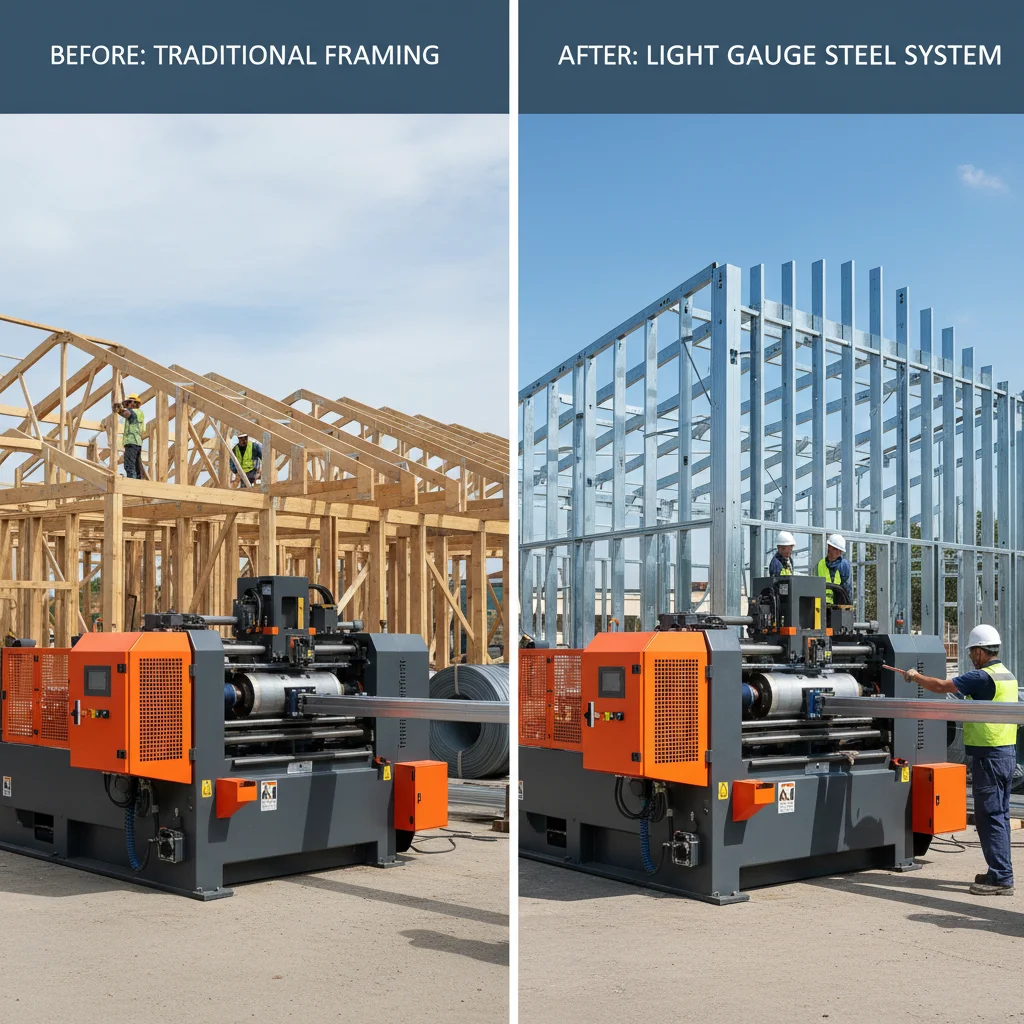
Generally, light gauge sheet metal construction is often more cost-effective than concrete construction, especially when considering overall project timelines and labor costs. Light gauge steel is lighter, reducing foundation requirements, and its prefabrication capabilities accelerate construction speed. While the material cost per unit might be comparable, the reduced labor and foundation costs frequently result in overall savings.
Yes, light gauge sheet metal can be effectively used in corrosive environments with appropriate protective coatings. Galvanization, a zinc coating, provides excellent corrosion resistance. Additional coatings like paint, powder coating, or specialized alloys can further enhance protection. Careful selection of materials and coatings is crucial for long-term durability in harsh environments.
A properly designed and maintained structure built with light gauge sheet metal can have a lifespan comparable to, or even exceeding, that of traditionally constructed buildings. With appropriate corrosion protection and adherence to building codes, structures can last for 50-100 years or more. Regular inspections and maintenance are key to maximizing longevity.
Light gauge sheet metal is highly recyclable, reducing landfill waste. It requires less energy to produce compared to many other building materials, lowering its carbon footprint. Its lightweight nature reduces transportation costs and minimizes foundation requirements, further contributing to sustainability. The potential for prefabrication also reduces on-site waste and construction time.
While not always legally mandated, training and certification in light gauge steel framing are highly recommended. Several organizations offer courses covering proper installation techniques, safety procedures, and building code compliance. This ensures quality workmanship, reduces errors, and contributes to the structural integrity of the building. Certification also demonstrates a commitment to professional standards.
Conclusion
Light gauge sheet metal represents a paradigm shift in construction and manufacturing, offering a compelling combination of strength, versatility, cost-effectiveness, and sustainability. Its adaptability to diverse applications, from emergency shelters to advanced industrial components, makes it an indispensable material for addressing global challenges and driving innovation. Embracing this material unlocks opportunities for building a more resilient, efficient, and environmentally responsible future.
As technology continues to evolve, the potential of light gauge sheet metal will only expand. Further research into advanced materials, automated fabrication techniques, and smart building technologies will unlock even greater efficiencies and capabilities. Investing in light gauge sheet metal solutions is not merely adopting a material; it’s investing in a more sustainable and innovative tomorrow.