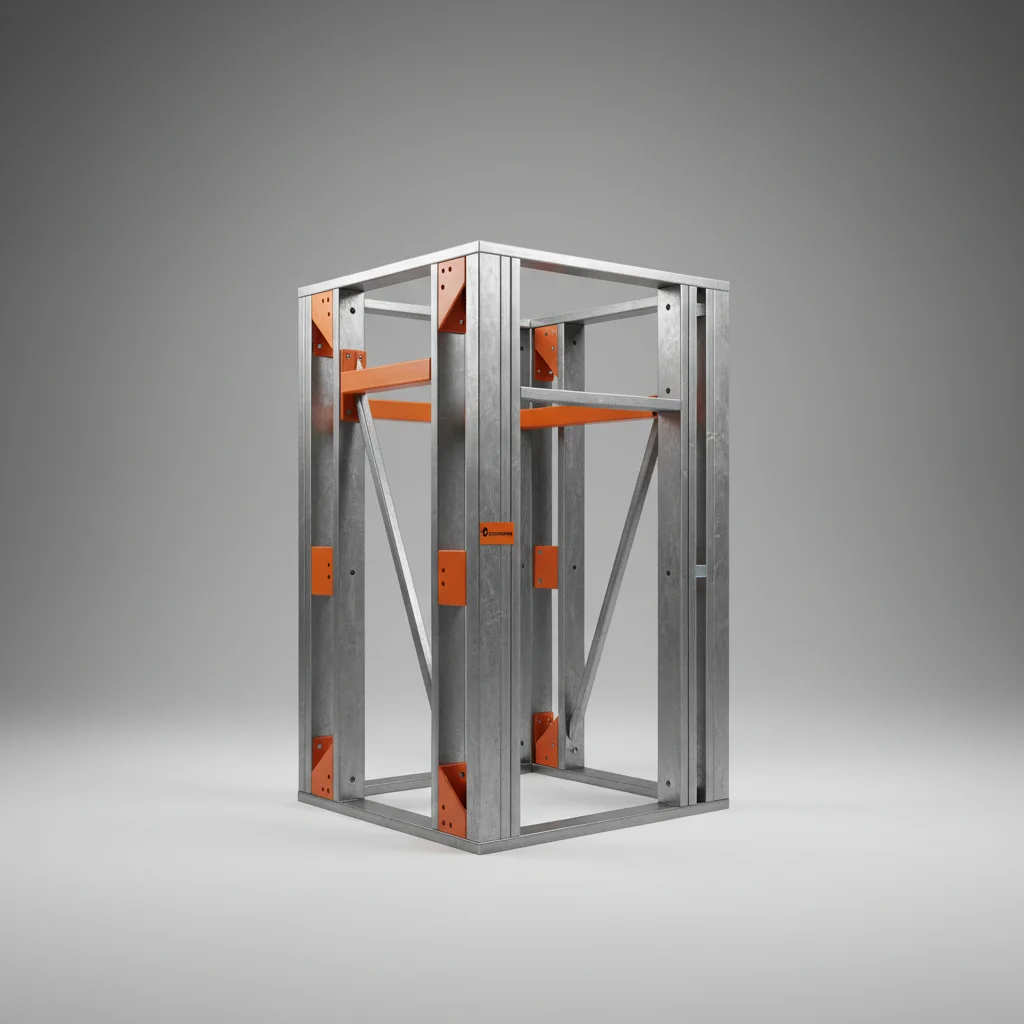
Light gauge steel studs are rapidly becoming the preferred framing material in modern construction, offering a versatile and sustainable alternative to traditional wood framing. Their increasing adoption stems from a confluence of factors including enhanced structural performance, design flexibility, and environmental consciousness. The global demand for efficient and cost-effective building solutions is driving innovation in steel framing technology, making light gauge steel studs a key component in a wide range of projects.
Globally, the construction industry faces increasing pressures to reduce its carbon footprint and improve building resilience. Light gauge steel studs directly address these challenges, being fully recyclable and offering superior resistance to fire, pests, and rot compared to wood. The ability to prefabricate components using these studs further streamlines construction processes, reducing waste and labor costs. This is particularly crucial in rapidly developing nations and disaster-prone regions.
The versatility of light gauge steel studs extends beyond residential and commercial building, finding applications in industrial facilities, agricultural structures, and even temporary shelters. Their lightweight nature simplifies transportation and handling, making them ideal for remote or challenging construction sites. As building codes evolve to prioritize sustainability and safety, the use of light gauge steel studs is poised for significant growth worldwide.
Introduction to Light Gauge Steel Studs
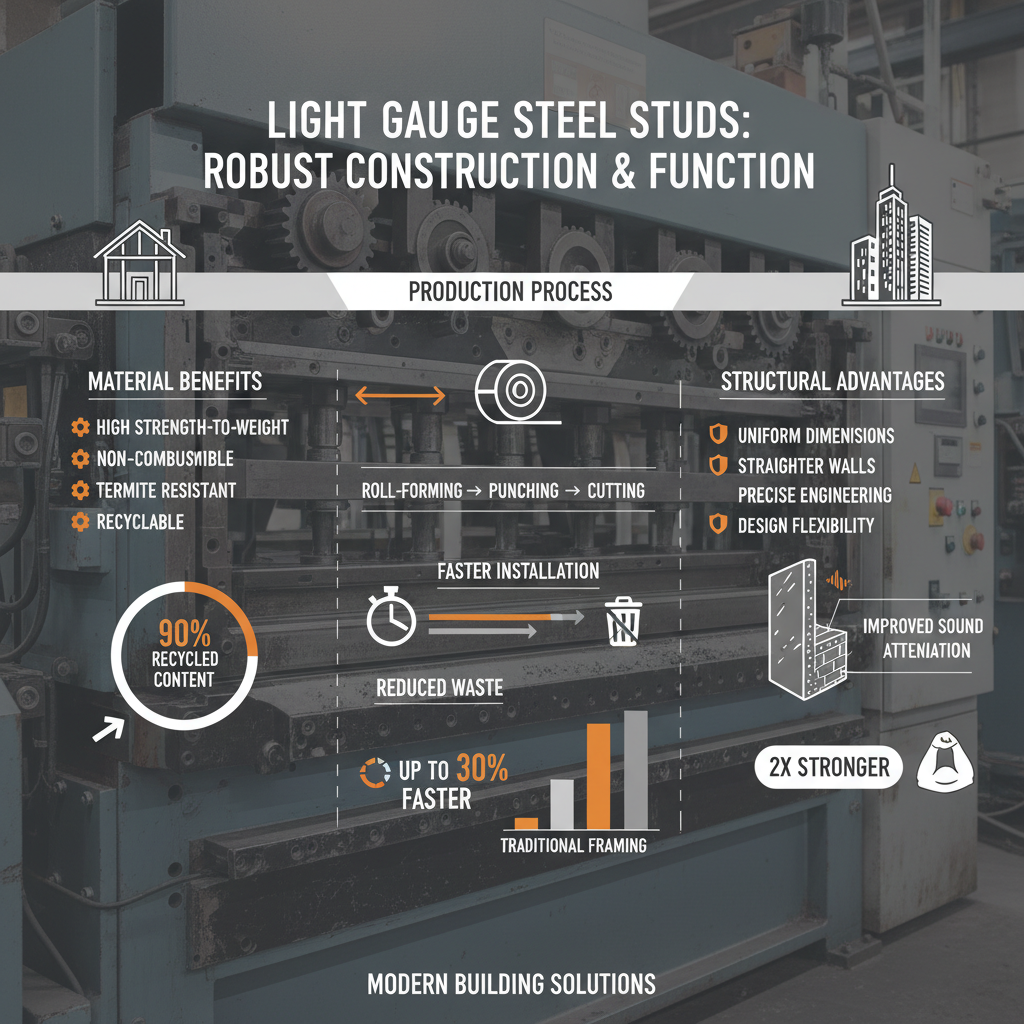
Light gauge steel studs represent a significant advancement in building materials. They are cold-formed steel sections, typically manufactured from galvanized steel sheets, engineered to provide structural support in both residential and commercial construction. Their strength-to-weight ratio is exceptional, allowing for faster and more efficient construction processes.
Unlike traditional wood framing, light gauge steel is inherently resistant to fire, termites, and rot, significantly increasing building longevity and reducing maintenance costs. Furthermore, the material is 100% recyclable, aligning with sustainable building practices and reducing environmental impact. The precision of steel manufacturing also results in straighter, more consistent framing members, improving the quality of the finished structure.
Global Relevance and Industry Context
The construction industry is a major contributor to global carbon emissions, accounting for approximately 40% of the total. This statistic highlights the urgent need for more sustainable building practices, and light gauge steel studs offer a viable solution. The UN Sustainable Development Goals (SDGs), particularly SDG 9 (Industry, Innovation, and Infrastructure) and SDG 12 (Responsible Consumption and Production), directly benefit from the adoption of such materials.
According to the World Steel Association, steel is the most recycled material globally, with a recycling rate exceeding 85%. This inherent recyclability, coupled with the durability of steel framing, minimizes waste and resource depletion. ISO standards for steel construction further ensure quality and safety, promoting global consistency and reliability in building practices.
A significant challenge facing the construction industry is the increasing cost and scarcity of high-quality lumber. This price volatility and supply chain disruptions are prompting builders and developers worldwide to explore alternative framing materials. Light gauge steel studs offer a stable and readily available alternative, mitigating these risks and ensuring project timelines are met.
Defining Light Gauge Steel Studs
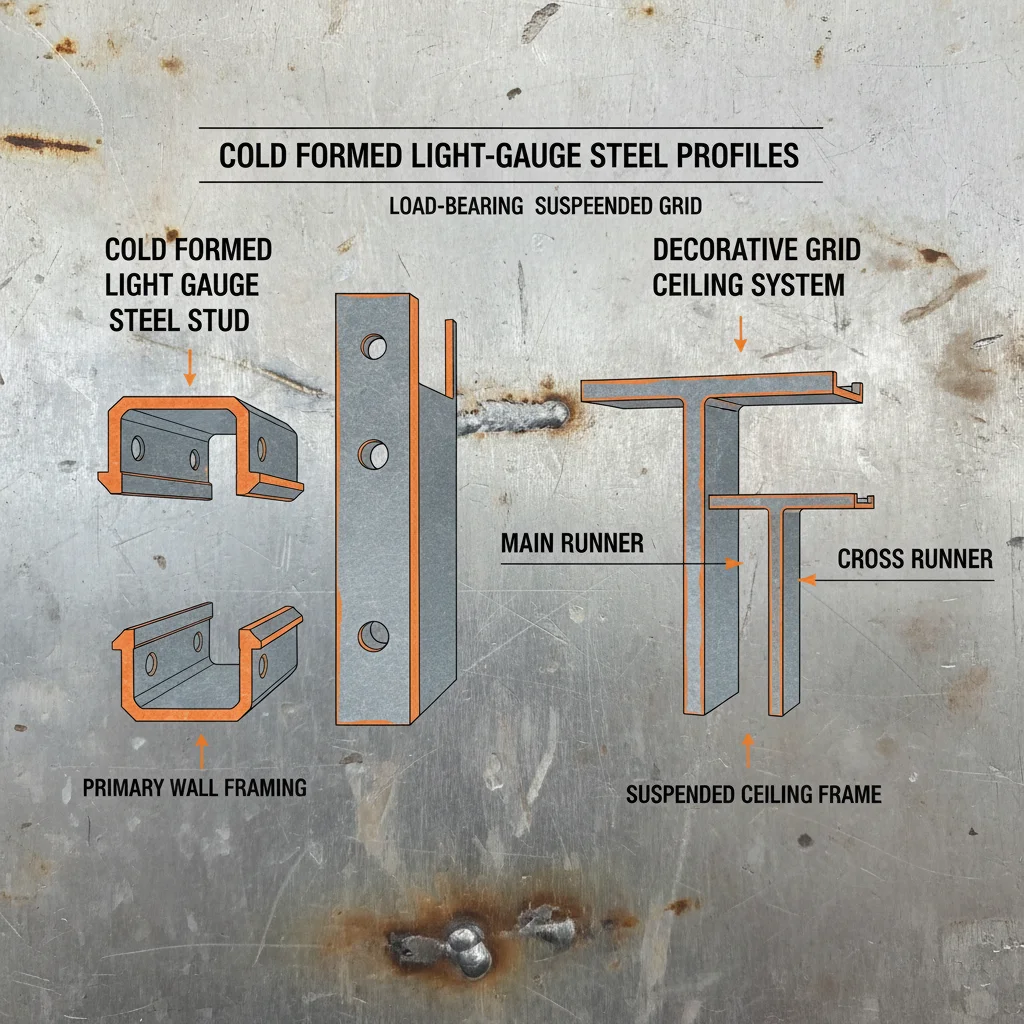
Light gauge steel studs are structural members typically formed from cold-formed steel (CFS). CFS is manufactured by shaping steel sheets through a process of roll-forming, resulting in lightweight, high-strength components. These studs are used as vertical framing members in walls and partitions, providing support for cladding, insulation, and finishes.
The term “light gauge” refers to the thickness of the steel sheets used, typically ranging from 16 to 20 gauge. Lower gauge numbers indicate thicker steel, offering greater strength and load-bearing capacity. Light gauge steel studs are designed and engineered to meet specific structural requirements, adhering to relevant building codes and standards.
Their connection to modern industry and humanitarian needs lies in their capacity for rapid deployment and sustainable construction. In areas prone to natural disasters, these studs can facilitate the quick assembly of emergency shelters and hospitals. Furthermore, their lightweight nature minimizes transportation costs and logistical challenges, making them ideal for remote or underserved communities.
Key Factors of Light Gauge Steel Studs
Durability is a primary benefit; light gauge steel studs are impervious to rot, decay, and insect damage, unlike wood. This longevity translates to reduced maintenance costs and a longer lifespan for the structure. Scalability allows for design flexibility and easy modifications, accommodating changing needs and future expansions.
Cost efficiency stems from reduced labor costs due to faster installation, less waste, and minimal on-site cutting. The predictability of steel pricing also contributes to better project budgeting. Design Flexibility: The ability to create complex shapes and designs with steel framing expands architectural possibilities, and their consistent dimensions streamline the construction process.
Comparison of Light Gauge Steel Studs Performance
Global Applications and Use Cases
Light gauge steel studs are widely used in residential construction, particularly in single-family homes and multi-story apartment buildings. Their lightweight nature simplifies transportation and handling, reducing labor costs. Commercial buildings, including office complexes, retail spaces, and warehouses, also benefit from the strength and durability of steel framing.
In post-disaster relief operations, light gauge steel framing offers a rapid and resilient solution for constructing temporary shelters and medical facilities. Their ease of assembly and inherent fire resistance make them ideal for emergency situations. Similarly, in remote industrial zones, where access to traditional building materials is limited, steel framing provides a practical and cost-effective alternative.
Advantages and Long-Term Value
The cost savings associated with light gauge steel studs extend beyond initial material costs. Reduced labor requirements, faster construction timelines, and minimal maintenance contribute to significant long-term financial benefits. Sustainability is another key advantage, with steel being a highly recyclable material, minimizing environmental impact and promoting responsible resource management.
From a social impact perspective, the use of light gauge steel framing enhances building safety and resilience, providing occupants with a secure and comfortable environment. The precision and consistency of steel construction contribute to higher quality buildings, fostering trust and confidence in the built environment. Innovation in steel framing technology continues to drive improvements in performance and efficiency, positioning it as a forward-thinking building solution.
Future Trends and Innovations
The integration of Building Information Modeling (BIM) with light gauge steel framing is revolutionizing the design and construction process, enabling greater accuracy and coordination. Automation in steel framing manufacturing is increasing production efficiency and reducing costs. The development of high-performance coatings and finishes further enhances the durability and aesthetic appeal of steel framing.
Emerging trends in green building practices, such as net-zero energy construction and passive house design, are driving demand for sustainable building materials like steel. The use of recycled steel in framing applications is gaining traction, reducing the carbon footprint of construction projects. Innovations in lightweight steel alloys are also enhancing the strength-to-weight ratio of framing members.
The intersection of digital transformation and light gauge steel studs is creating new opportunities for off-site construction and modular building. Prefabricated steel framing components can be manufactured in a controlled environment and assembled on-site, reducing construction time and improving quality control.
FAQS
Light gauge steel studs offer several key advantages over wood framing. They are non-combustible, resistant to pests and rot, and offer consistent dimensions, leading to straighter, more precise construction. Steel is also 100% recyclable, making it a more sustainable choice. While the initial material cost might be slightly higher, reduced labor costs and long-term durability often result in overall savings.
The cost comparison between light gauge steel studs and lumber fluctuates based on market conditions. While lumber prices can be volatile, steel prices tend to be more stable. Often, despite a potentially higher upfront material cost, the overall project cost can be lower with steel due to faster installation times, reduced waste, and lower long-term maintenance requirements.
Yes, light gauge steel studs are an excellent choice for high-humidity or coastal environments. Unlike wood, they are not susceptible to rot, mold, or insect damage, making them highly durable in these challenging conditions. Galvanized steel provides corrosion resistance, further protecting the framing from the elements.
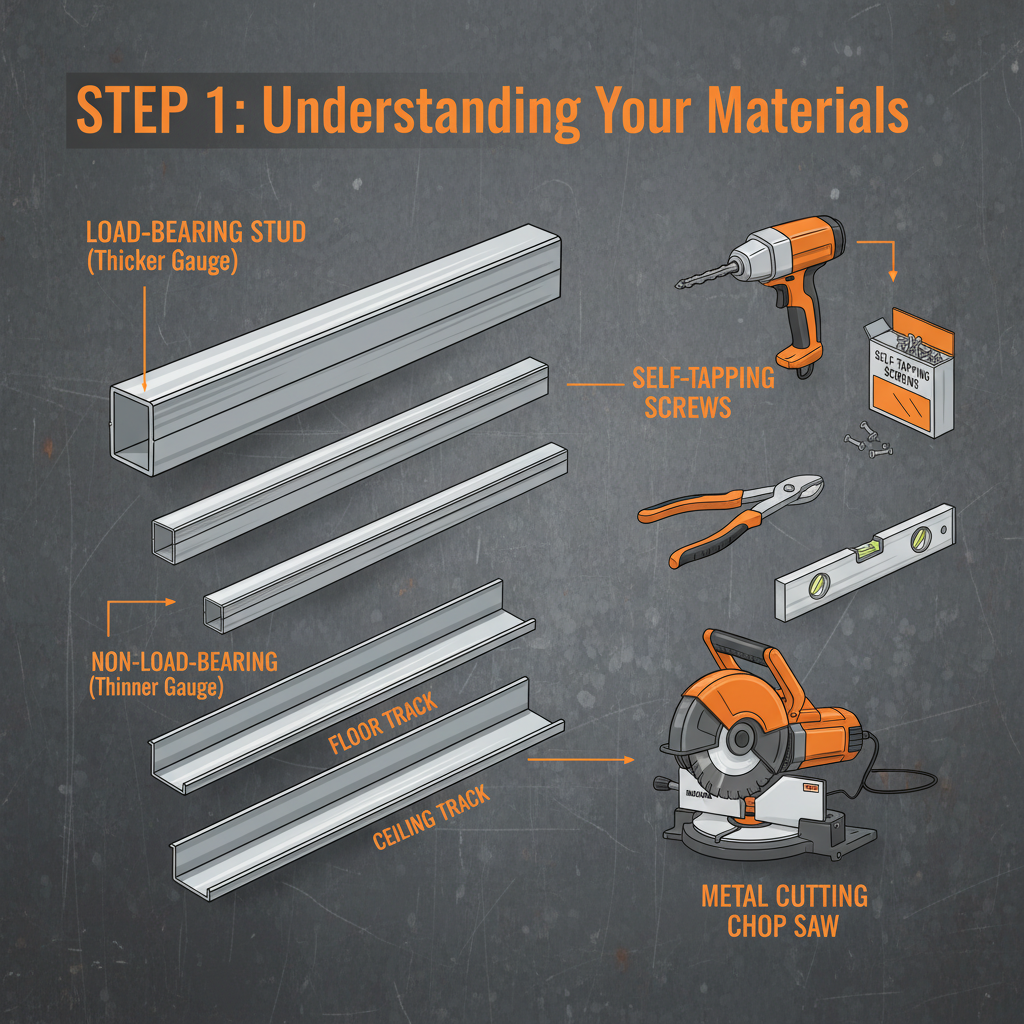
Installation of light gauge steel studs requires specialized tools, such as self-drilling screws and steel stud cutters. However, the process is generally faster than wood framing due to the consistent dimensions and lightweight nature of the materials. Training is available for contractors to ensure proper installation techniques.
The use of light gauge steel studs is governed by a variety of building codes and standards, including the International Building Code (IBC) and the American Iron and Steel Institute (AISI) standards. These codes and standards specify requirements for material properties, design, and installation to ensure structural integrity and safety.
Light gauge steel framing is inherently sustainable due to its high recyclability rate, reducing waste and conserving natural resources. It also offers long-term durability, minimizing the need for replacements and reducing life-cycle costs. Steel production practices are continuously improving to reduce carbon emissions, making it a more environmentally responsible choice.
Conclusion
In summary, light gauge steel studs represent a transformative shift in building materials, offering a compelling combination of durability, sustainability, cost-effectiveness, and design flexibility. Their increasing adoption across diverse applications – from residential construction to disaster relief – underscores their relevance in addressing global challenges and shaping the future of the built environment. Understanding these benefits is crucial for architects, builders, and policymakers seeking to create more resilient and sustainable communities.
Looking ahead, continued innovation in steel framing technology, coupled with supportive policies and industry standards, will unlock even greater potential. Embracing light gauge steel studs is not merely a construction choice; it's an investment in a safer, more sustainable, and more efficient future. Visit our website at www.jinkaibm.com to learn more about how we can help you leverage the benefits of steel framing for your next project.