Cold formed light gauge steel (LGSF) is rapidly becoming a cornerstone of modern construction, offering a compelling alternative to traditional building methods. Its versatility, strength-to-weight ratio, and sustainability are driving its global adoption across diverse applications, from residential housing and commercial structures to industrial facilities and disaster relief shelters. Understanding the nuances of LGSF is vital for architects, engineers, contractors, and policymakers alike, as it represents a significant leap forward in efficient and resilient building practices.
The increasing demand for sustainable and cost-effective construction solutions globally is fueling the growth of the LGSF market. Driven by factors such as urbanization, population growth, and a heightened awareness of environmental impact, LGSF provides a viable solution to address housing shortages, reduce construction waste, and minimize carbon footprints. Furthermore, its ease of assembly and reduced on-site labor contribute to faster project completion times and lower overall costs.
From rapidly deployable emergency shelters in disaster zones to innovative, energy-efficient homes, cold formed light gauge steel is proving its worth. This material's inherent properties, combined with advancements in design and manufacturing, are reshaping the construction landscape, offering a more sustainable and efficient path forward.
Introduction to cold formed light gauge steel
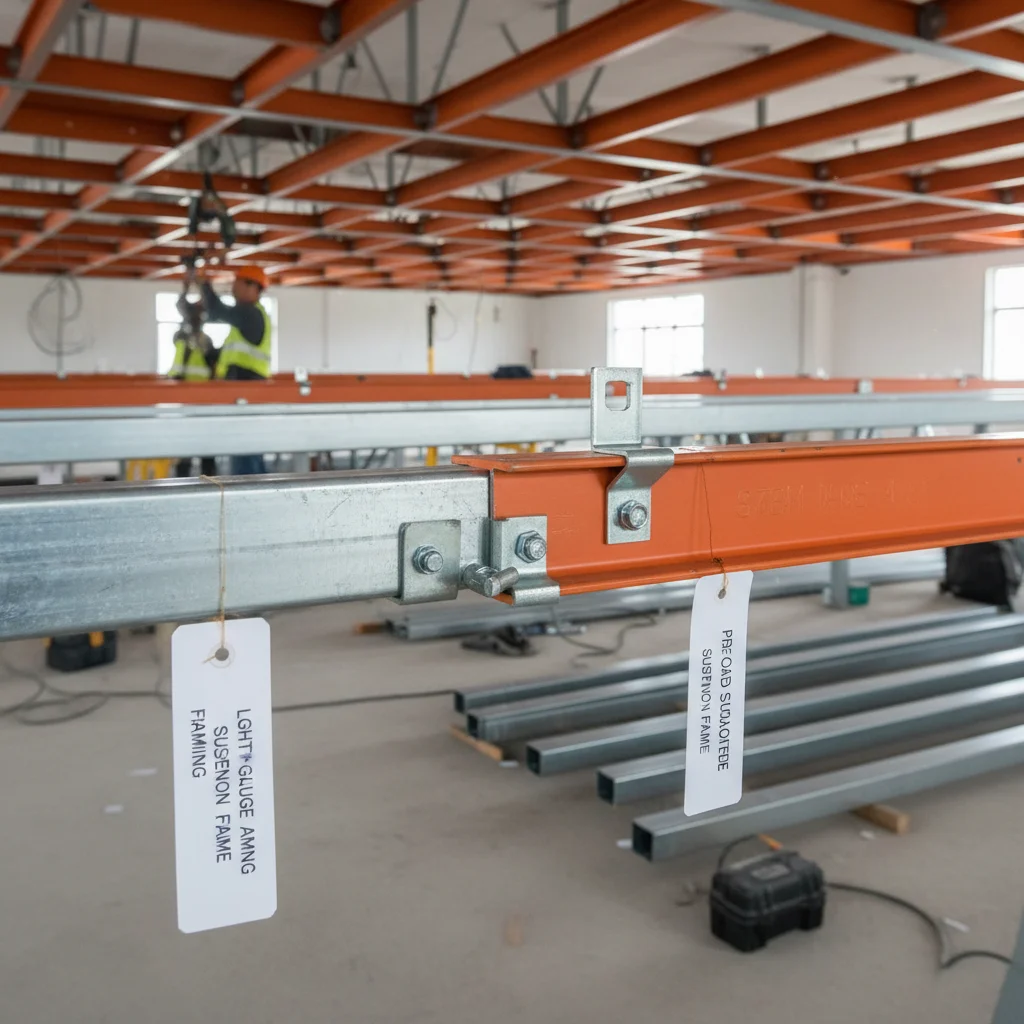
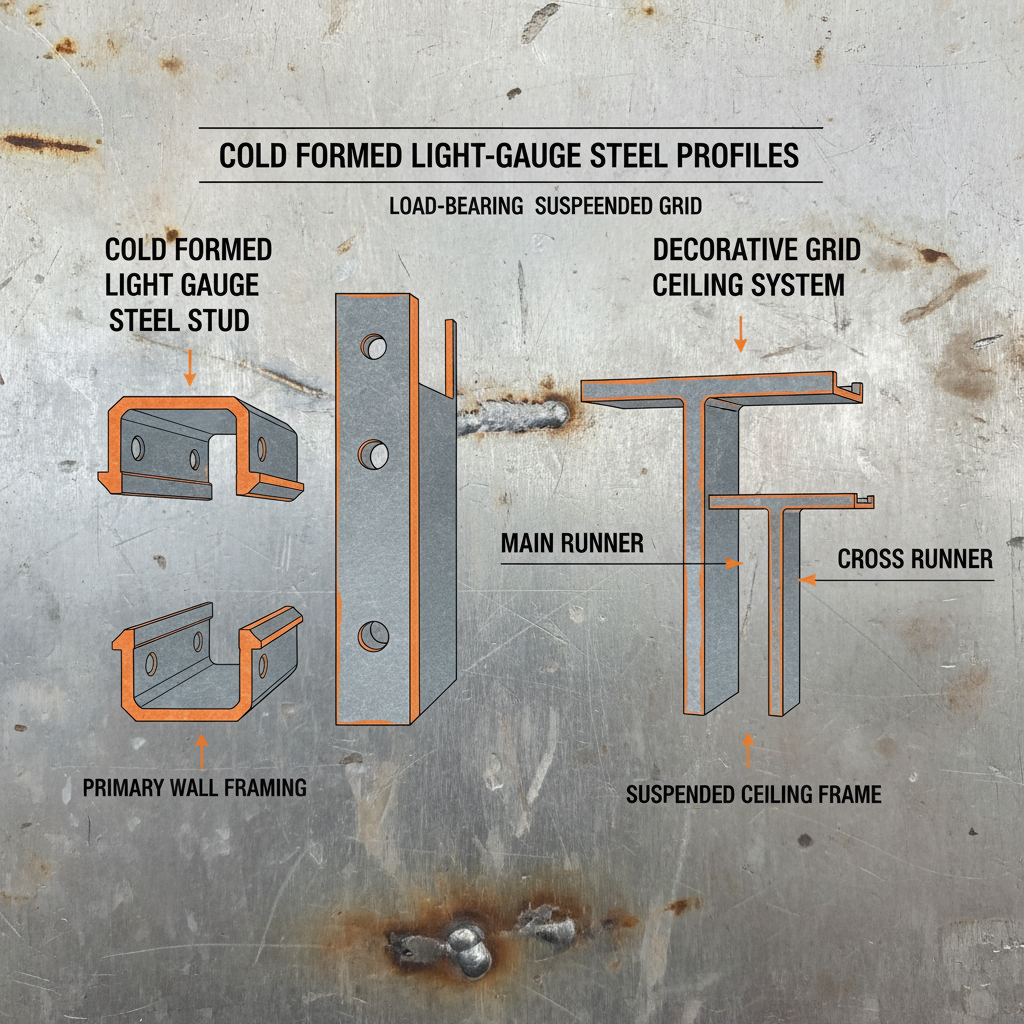
Cold formed light gauge steel is a system of construction utilizing cold-formed steel members connected to form a structural framework. This technique allows for quicker assembly, reduced material waste, and superior dimensional accuracy compared to traditional methods. The inherent strength and durability of steel, combined with the efficiency of cold-forming processes, make LGSF a powerful tool in modern construction.
The inherent design flexibility of cold formed light gauge steel is a key advantage. It allows for complex geometries and custom designs, enabling architects to realize their creative visions without compromising structural integrity. This adaptability makes LGSF suitable for a wide range of projects, from simple residential structures to intricate commercial buildings.
Global Relevance and Challenges
Globally, the demand for housing is increasing rapidly, particularly in developing nations. Traditional construction methods often struggle to keep pace with this demand, leading to housing shortages and substandard living conditions. Cold formed light gauge steel offers a viable solution by enabling faster construction times and reducing labor costs, making it more accessible for large-scale housing projects. According to the UN, nearly 1.6 billion people worldwide lack adequate housing, highlighting the urgent need for innovative construction solutions.
However, the wider adoption of cold formed light gauge steel faces challenges, including a lack of standardized design codes in some regions, limited availability of skilled labor, and perceptions of higher initial costs (though these are often offset by long-term savings). Addressing these challenges requires collaborative efforts from industry stakeholders, governments, and educational institutions to promote standardization, training, and awareness.
The World Bank estimates that infrastructure investment needs in developing countries will reach trillions of dollars in the coming decades. Cold formed light gauge steel offers a cost-effective and sustainable solution for meeting these infrastructure needs, contributing to economic growth and improved quality of life. Its light weight also reduces transportation costs and simplifies logistics, especially in remote areas.
Defining cold formed light gauge steel
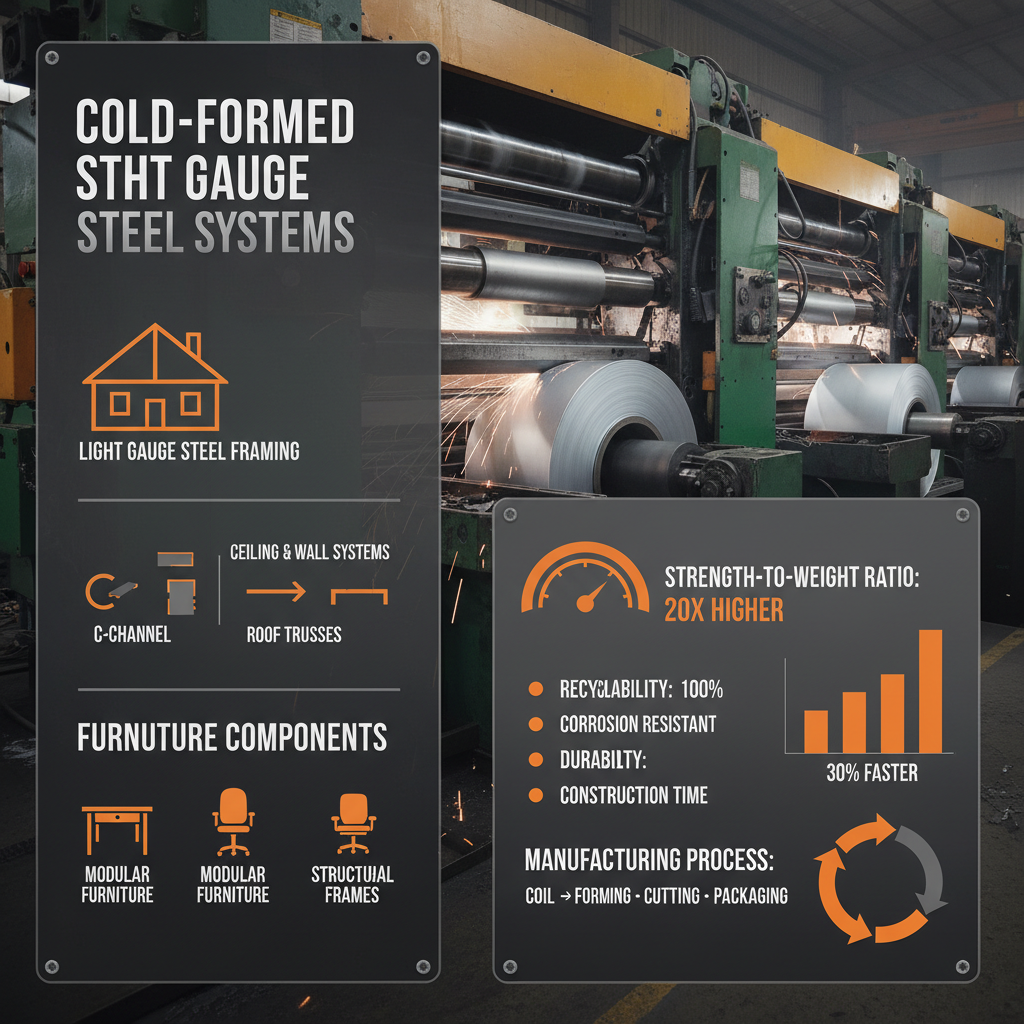
Cold formed light gauge steel refers to steel that has been shaped into desired profiles through a process called cold-forming. Unlike hot-rolled steel, which is processed at high temperatures, cold-forming involves shaping the steel at room temperature. This process enhances the steel's strength and dimensional accuracy, making it ideal for structural applications. The 'light gauge' designation signifies the relatively thin thickness of the steel used, typically ranging from 0.7mm to 3mm.
This technique connects directly to modern industrial needs because it provides a rapid and precise manufacturing process, resulting in consistent quality and reduced material waste. It addresses the pressing need for efficient and sustainable construction practices, aligning with global efforts to reduce carbon emissions and promote resource conservation. The consistency inherent in the manufacturing process is also critical for prefabrication and modular construction techniques.
Its application extends beyond building construction to include various industries, such as automotive, aerospace, and appliance manufacturing. In humanitarian contexts, cold formed light gauge steel is increasingly used in the construction of emergency shelters, schools, and healthcare facilities, offering a durable and rapidly deployable solution for disaster relief and long-term development.
Key Factors of cold formed light gauge steel
The inherent strength of steel provides exceptional load-bearing capacity, ensuring structural integrity and safety. The cold-forming process further enhances this strength through strain hardening, resulting in higher yield and tensile strengths compared to hot-rolled steel of the same thickness. This robust performance is particularly critical in regions prone to seismic activity or extreme weather conditions.
Scalability is another key factor. Cold formed light gauge steel systems can be easily scaled to accommodate diverse project requirements, from small residential buildings to large-scale commercial complexes. The modular nature of LGSF allows for flexible designs and phased construction, adapting to changing needs and budgets.
Cost Comparison of cold formed light gauge steel Construction Methods
Global Applications of cold formed light gauge steel
In post-disaster relief operations, cold formed light gauge steel is utilized for the rapid construction of temporary shelters and permanent housing. Its light weight and ease of assembly make it ideal for transporting and erecting structures in challenging environments. Organizations like Habitat for Humanity are increasingly incorporating LGSF into their disaster response programs.
Within remote industrial zones, cold formed light gauge steel is deployed for building warehouses, workshops, and administrative offices. Its durability and resistance to corrosion make it suitable for harsh climates, while its efficient construction process minimizes on-site disruption. Furthermore, it is seeing expanded use in the construction of modular data centers and renewable energy facilities, providing a robust and scalable infrastructure solution.
Advantages and Long-Term Value
The cost-effectiveness of cold formed light gauge steel stems from reduced material waste, faster construction times, and lower labor requirements. While the initial material cost may be comparable to other construction materials, the overall project cost is often significantly lower due to these efficiency gains. Moreover, the long lifespan of steel and its recyclability contribute to long-term cost savings and environmental benefits.
Sustainability is a core advantage. Steel is one of the most recycled materials in the world, and cold formed light gauge steel structures can be easily disassembled and repurposed at the end of their lifespan, minimizing waste and reducing the demand for virgin materials. This circular economy approach aligns with global sustainability goals and promotes responsible resource management.
Future Trends in cold formed light gauge steel
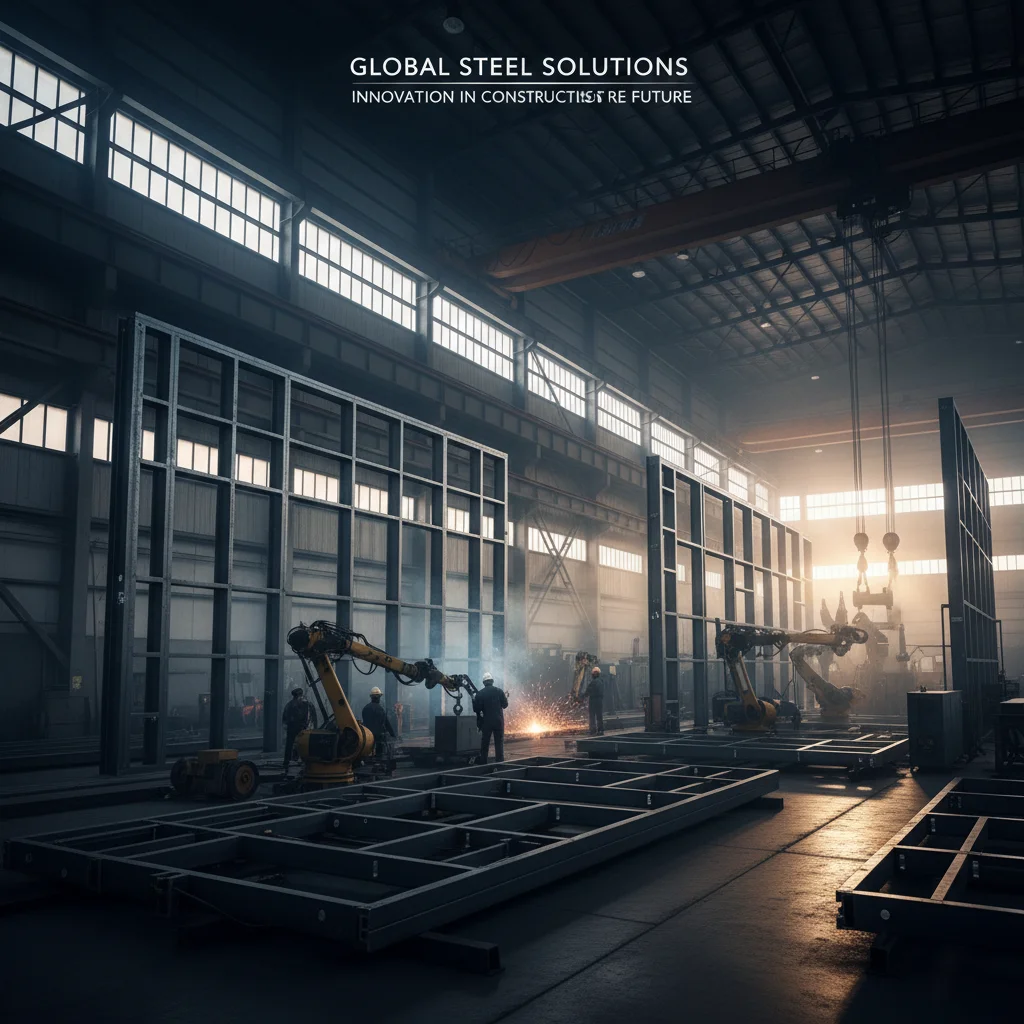
Advancements in digital fabrication and Building Information Modeling (BIM) are driving innovation in cold formed light gauge steel design and construction. BIM allows for precise modeling and coordination of LGSF components, optimizing material usage and minimizing errors. Automated fabrication processes, such as robotic welding and laser cutting, are further enhancing efficiency and quality control.
The integration of smart technologies and sensor networks into LGSF structures is creating intelligent buildings that can monitor and optimize energy consumption, indoor air quality, and structural performance. These “smart buildings” offer enhanced comfort, safety, and sustainability, aligning with the growing demand for green building solutions. Furthermore, research into high-strength steel alloys and advanced coating technologies is continually improving the durability and corrosion resistance of LGSF systems.
Policy initiatives promoting sustainable construction practices and incentivizing the use of recycled materials are expected to further accelerate the adoption of cold formed light gauge steel. Government regulations and building codes that recognize the benefits of LGSF will play a crucial role in driving market growth and fostering innovation.
FAQS
Cold formed light gauge steel, while steel itself isn't fire-resistant, can be engineered to achieve excellent fire resistance ratings. The steel framing is typically protected with gypsum boards, creating a fire-resistant assembly. This protection prevents the steel from reaching critical temperatures that could compromise its structural integrity, ensuring the building can withstand fire for a specified duration—often exceeding the requirements of building codes.
Cold formed light gauge steel offers significant sustainability advantages over wood framing. Steel is highly recyclable, often containing over 25% recycled content, and can be recycled indefinitely without losing its properties. Wood, conversely, is a depletable resource and can contribute to deforestation. Furthermore, LGSF construction generates less waste, reduces on-site construction time, and minimizes the need for chemical treatments used to protect wood from pests and decay.
Buildings constructed with cold formed light gauge steel can have a very long lifespan, often exceeding 100 years with proper maintenance. Steel is inherently durable and resistant to rot, pests, and decay, unlike wood. With appropriate corrosion protection, such as galvanization or coatings, LGSF structures can withstand harsh environmental conditions and maintain their structural integrity for generations.
Yes, cold formed light gauge steel is perfectly suitable for multi-story construction. While it might not be as commonly used for skyscrapers, LGSF is widely employed in low-to-mid-rise buildings, up to several stories. Engineers carefully design the steel framing to ensure adequate load-bearing capacity and stability, adhering to stringent building codes and safety standards. Its light weight also minimizes foundation requirements.
Cold formed light gauge steel structures often exhibit superior noise reduction properties compared to traditional wood-framed buildings. The steel framing, coupled with appropriate insulation materials within the wall cavities, effectively dampens sound transmission. This results in quieter interior spaces, enhancing comfort and privacy for occupants.
The cost comparison between cold formed light gauge steel and concrete construction is complex and depends on factors like project scale, design complexity, and location. Generally, for smaller to medium-sized projects, LGSF can be more cost-effective due to faster construction times, reduced labor costs, and lower foundation requirements. Concrete can be more economical for very large or high-rise structures, but LGSF's overall lifecycle cost, considering durability and reduced maintenance, can often be competitive.
Conclusion
Cold formed light gauge steel represents a paradigm shift in the construction industry, offering a compelling combination of strength, sustainability, cost-effectiveness, and design flexibility. Its ability to address pressing global challenges—such as housing shortages, disaster relief, and environmental concerns—positions it as a critical building material for the future. By embracing LGSF, we can create more resilient, efficient, and sustainable built environments for generations to come.
The continued advancement of digital technologies, coupled with a growing awareness of the benefits of sustainable construction, will undoubtedly drive the wider adoption of cold formed light gauge steel. Collaboration between industry stakeholders, governments, and researchers is essential to overcome existing challenges and unlock the full potential of this innovative building material. Visit our website at jinkaibm.com to learn more about how we are pioneering the future of construction with cold formed light gauge steel.