Advancements in Light Gauge Steel Structure for Modern Construction
0%

Table of Contents

Light gauge steel structure (LGSS) is rapidly becoming a cornerstone of modern construction globally, offering a compelling alternative to traditional building methods. Its inherent advantages – speed of construction, cost-effectiveness, and design flexibility – address critical needs in a world facing increasing urbanization and a demand for sustainable building practices. Understanding the nuances of LGSS is crucial for architects, engineers, developers, and policymakers alike, as it offers scalable solutions for housing, commercial spaces, and infrastructure projects across diverse environments.

The global relevance of light gauge steel structures stems from their ability to provide rapid deployment housing in disaster relief scenarios, affordable housing solutions in developing nations, and efficient building construction in rapidly growing urban centers. Organizations like the UN and World Bank are increasingly recognizing the potential of LGSS in addressing housing shortages and promoting sustainable development goals. Its inherent strength-to-weight ratio and recyclability further contribute to its appeal in a world focused on minimizing environmental impact.

Light gauge steel structure represents a significant advancement in building technology, offering a pathway to faster, more efficient, and environmentally responsible construction. Its versatility and adaptability make it a key component in addressing the challenges of modern infrastructure development and sustainable living.
light gauge steel structure

Introduction to Light Gauge Steel Structure

light gauge steel structure

Light gauge steel structure offers a compelling alternative to traditional construction materials, providing a lightweight yet incredibly strong framework for a wide range of building applications. Its inherent benefits, including rapid assembly and reduced on-site labor, are reshaping the construction landscape globally. light gauge steel structure is gaining prominence due to its adaptability and sustainability.

The increasing demand for affordable and sustainable housing, coupled with the need for rapid disaster relief solutions, is driving the adoption of light gauge steel structure technology. From residential homes to large-scale commercial projects, this innovative approach offers a viable and efficient building solution for the 21st century.

Defining Light Gauge Steel Structure

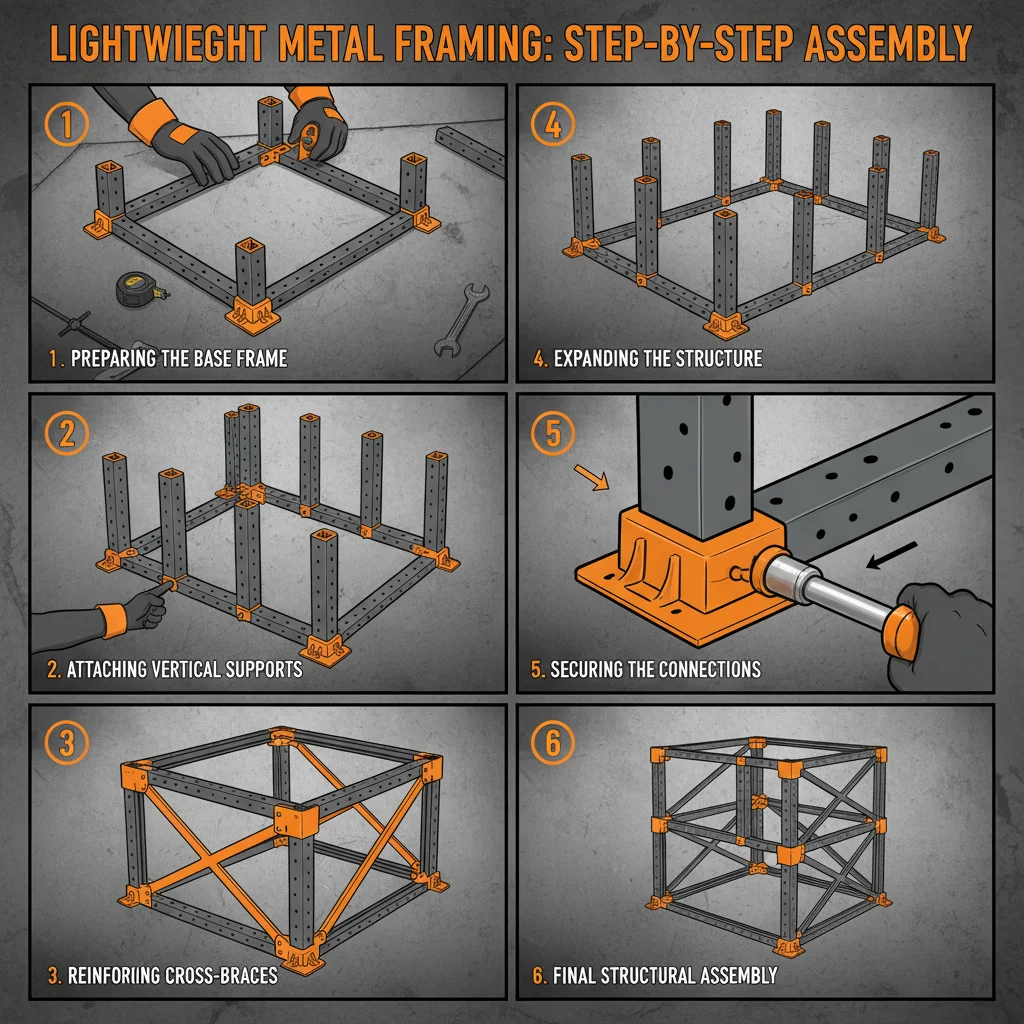
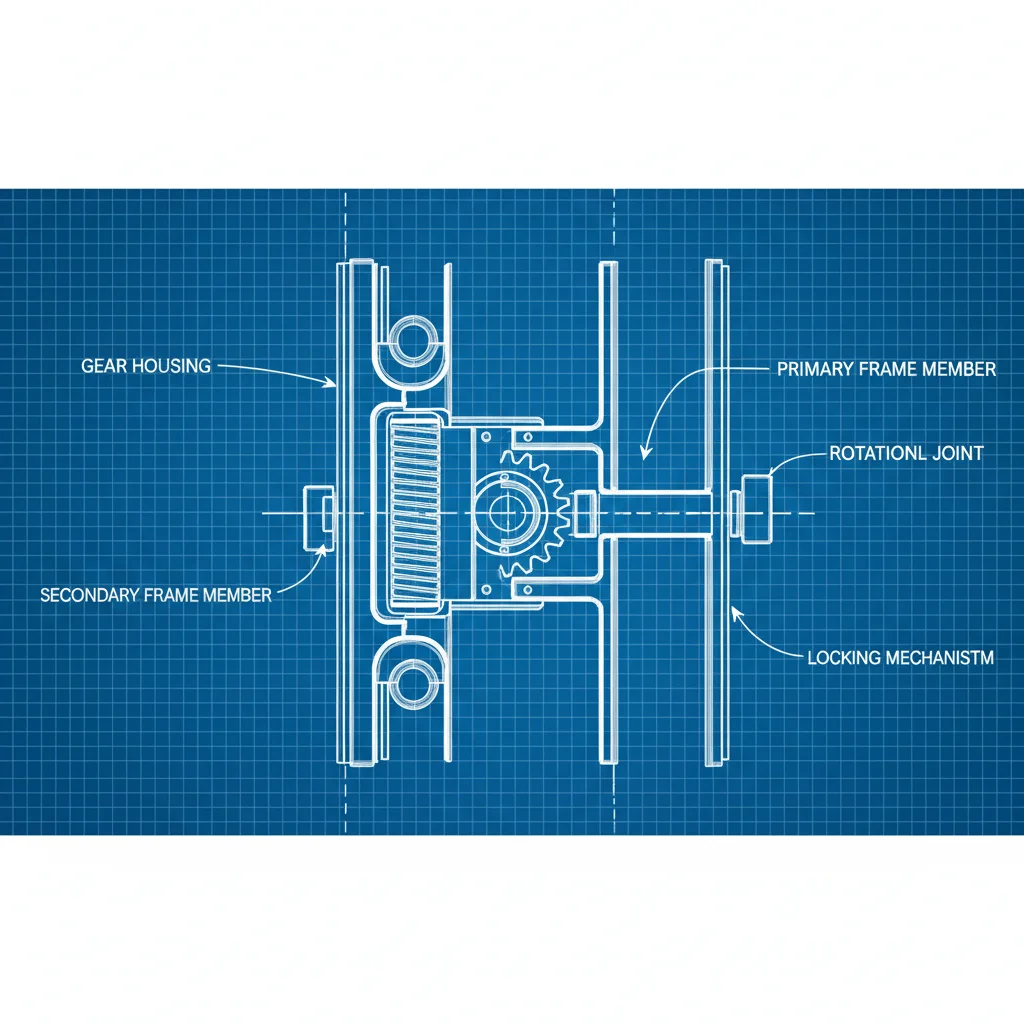
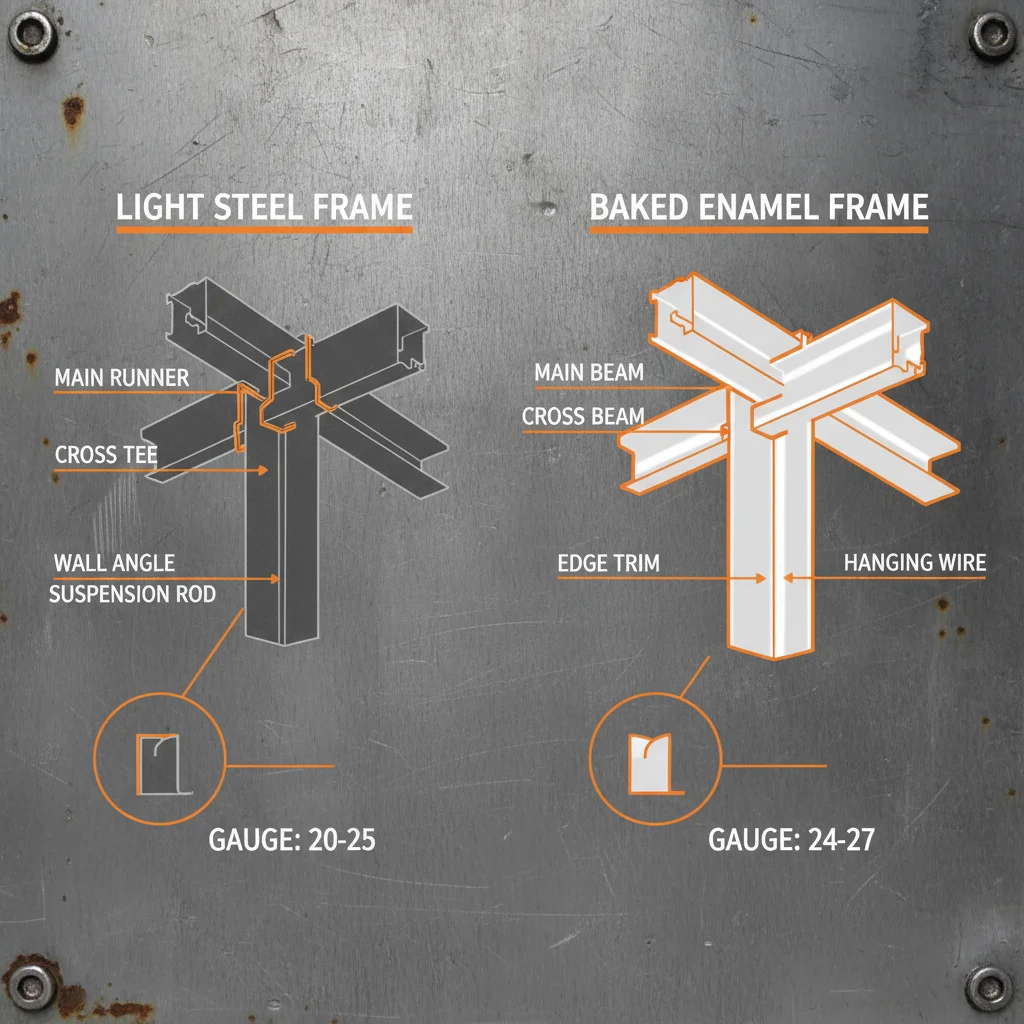
Light gauge steel structure refers to a framing system utilizing cold-formed steel members, typically ranging from 16 to 18 gauge (approximately 1.5mm to 2.5mm thick). These steel components are engineered to provide structural support while remaining lightweight and easy to handle. The system employs a combination of studs, joists, and connectors, designed to distribute loads effectively.

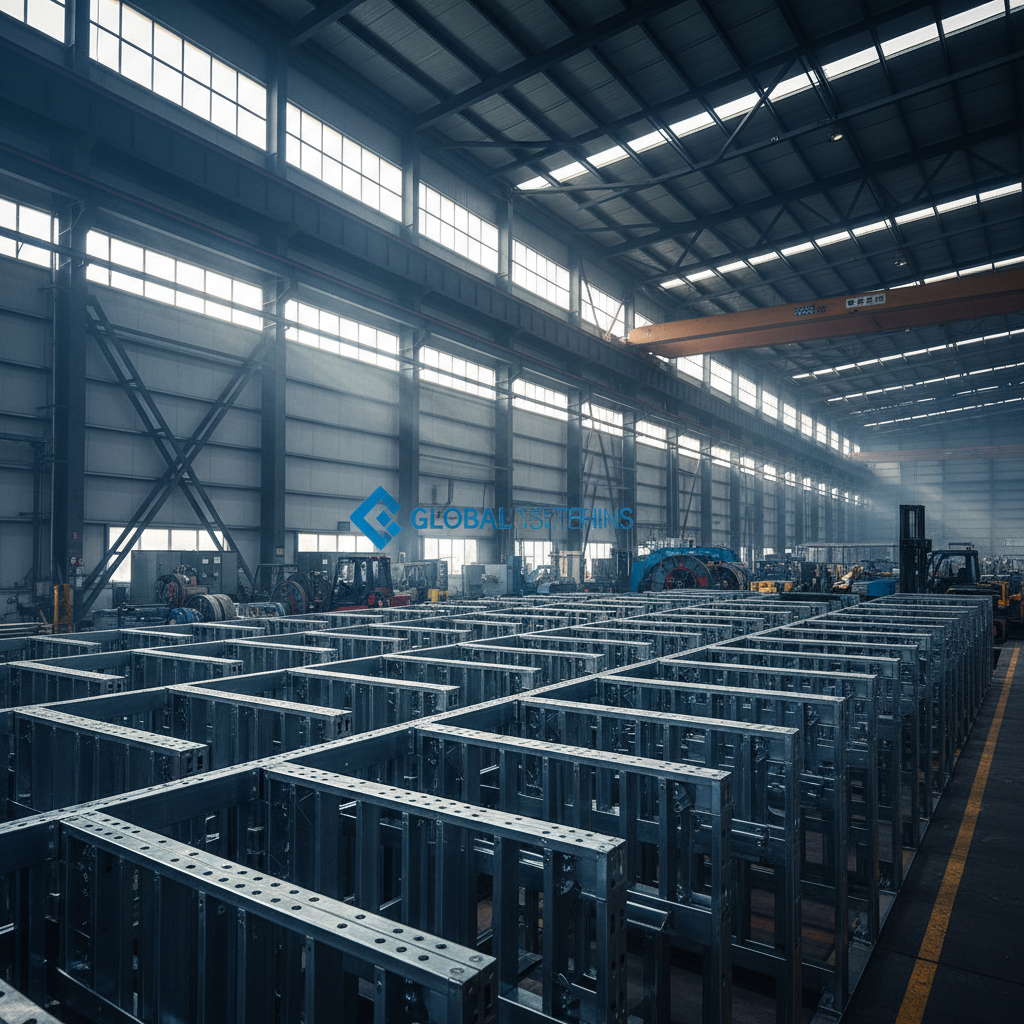
Unlike traditional hot-rolled steel, light gauge steel is formed into desired shapes at room temperature, resulting in a more precise and consistent product. This precise manufacturing process ensures structural integrity and simplifies the construction process. light gauge steel structure is often used in prefabricated building components.

The connection to modern industry and humanitarian needs is direct. LGSS allows for faster construction times, reduced waste, and the creation of durable, safe, and affordable buildings, addressing critical challenges in both developed and developing nations.

Core Components of Light Gauge Steel Structures

Several key factors contribute to the effectiveness of light gauge steel structure. First, the high strength-to-weight ratio of steel allows for expansive designs with minimal material usage. Second, the precise manufacturing process ensures dimensional accuracy and ease of assembly.

Third, the inherent non-combustibility of steel offers superior fire resistance, enhancing building safety. Fourth, the recyclability of steel aligns with sustainable building practices, minimizing environmental impact. These characteristics make LGSS an environmentally sound building method.

Fifth, the design flexibility of LGSS allows for complex architectural forms and customized building layouts. Sixth, the readily available and relatively stable cost of steel compared to other building materials provides predictability in project budgeting.

Key Advantages of Light Gauge Steel Structure

One of the most significant advantages of light gauge steel structure is its speed of construction. Prefabricated components and simplified assembly processes dramatically reduce on-site construction time, leading to faster project completion and reduced labor costs.

Furthermore, light gauge steel structure boasts exceptional durability and resistance to pests, rot, and mold, ensuring a long-lasting and low-maintenance building. This translates to reduced life-cycle costs and increased building value.

Comparative Advantages of Light Gauge Steel Structure Methods

Global Applications and Use Cases

In post-disaster relief operations, light gauge steel structure provides rapid deployment housing solutions for displaced populations, offering safe and secure shelter in emergency situations. Its lightweight nature facilitates easy transportation and assembly in challenging environments.

Within remote industrial zones, LGSS is utilized to construct worker accommodations, offices, and workshops, providing cost-effective and durable infrastructure where traditional building methods are impractical.

Long-Term Value and Benefits

The long-term value of light gauge steel structure extends beyond initial cost savings. Its durability and resistance to degradation translate to reduced maintenance costs and a longer building lifespan. Furthermore, the recyclability of steel contributes to a lower environmental footprint.

The inherent fire resistance of steel provides enhanced safety for building occupants, fostering a sense of security and well-being. The speed of construction minimizes disruption to communities and allows for quicker return on investment.

Future Trends and Innovations

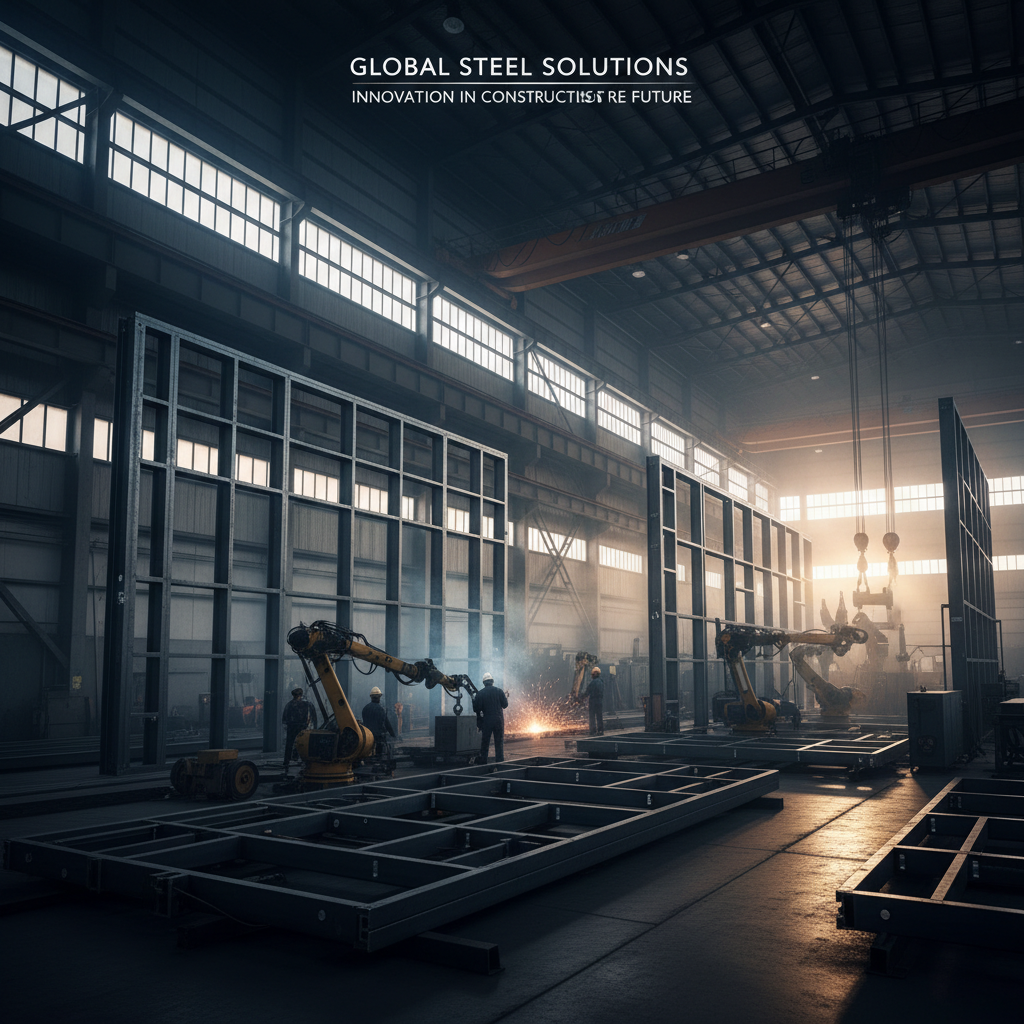
The future of light gauge steel structure is poised for significant advancements. Integration with Building Information Modeling (BIM) technology will streamline the design and construction process, improving accuracy and efficiency. Automation in manufacturing and assembly will further reduce costs and lead times.

Sustainable steel production methods, utilizing green energy and reducing carbon emissions, will enhance the environmental profile of LGSS. The development of innovative connectors and joining techniques will expand the design possibilities and structural capabilities.

Continued research into advanced coatings and materials will further enhance the corrosion resistance and durability of light gauge steel structures, ensuring their longevity and performance in diverse environments.

Overview of Light Gauge Steel Structure Challenges and Solutions

Challenge Impact Potential Solution Implementation Cost (1-10)
Corrosion Resistance Reduced structural lifespan, increased maintenance. Advanced protective coatings (galvanization, powder coating). 6
Thermal Bridging Increased energy loss, reduced thermal comfort. Use of thermal breaks and insulation materials. 5
Connector Reliability Structural weakness, potential for failure. Improved connector design and quality control. 7
Skill Gap in Installation Poor construction quality, increased errors. Comprehensive training programs for installers. 4
Initial Cost Perception Barrier to adoption for some projects. Life-cycle cost analysis demonstrating long-term savings. 3
Design Standardization Limited design flexibility, increased complexity. Development of standardized design modules and software tools. 8

FAQS

What are the primary fire resistance benefits of using light gauge steel structure?

Light gauge steel is inherently non-combustible, offering a significant advantage in fire safety compared to wood-frame construction. Steel does not contribute fuel to a fire, limiting flame spread and providing valuable time for evacuation. While steel loses strength at high temperatures, properly designed LGSS structures can maintain structural integrity for extended periods, allowing for effective fire suppression. This inherent fire resistance is a key benefit, reducing risk and protecting lives and property.

How does light gauge steel structure compare to traditional concrete construction in terms of cost?

The cost comparison between light gauge steel structure and concrete construction is complex and depends on various factors like project size, location, and design complexity. However, LGSS often proves more cost-effective due to faster construction times, reduced labor requirements, and lower foundation costs. While the material cost of steel might be higher, the overall project cost can be significantly lower when factoring in these efficiencies. light gauge steel structure can be especially advantageous in areas with challenging soil conditions.

What are the environmental benefits of utilizing light gauge steel structure?

Light gauge steel structure offers several significant environmental advantages. Steel is one of the most recycled materials globally, reducing the demand for virgin resources and minimizing landfill waste. The lightweight nature of LGSS reduces transportation costs and associated carbon emissions. The precision manufacturing process minimizes construction waste compared to traditional methods. Utilizing LGSS contributes to a more sustainable building industry.

What is the typical lifespan of a light gauge steel structure building?

With proper design, construction, and maintenance, a light gauge steel structure building can have a lifespan comparable to, or even exceeding, that of traditionally constructed buildings – often exceeding 50 to 100 years. The inherent durability of steel and its resistance to pests, rot, and mold contribute to its longevity. Regular inspections and appropriate protective coatings can further extend the building's lifespan.

Is light gauge steel structure suitable for high-rise buildings?

While light gauge steel is often associated with low-rise construction, advancements in engineering and connector technology are expanding its applicability to mid-rise and even high-rise buildings. Properly engineered LGSS systems can provide the necessary structural support for taller buildings. However, wind load considerations and seismic activity must be carefully assessed during the design process. It is increasingly being utilized in modular construction for high-rise residential and commercial projects.

How does the seismic performance of light gauge steel structure compare to other building systems?

Light gauge steel structure can perform well in seismic zones when designed according to appropriate building codes and engineered for ductility. The inherent flexibility of steel allows it to absorb and dissipate seismic energy, reducing the risk of catastrophic failure. Proper bracing and connections are crucial for ensuring structural integrity during an earthquake. LGSS offers a lightweight alternative that can reduce the overall seismic load on the foundation.

Conclusion

Light gauge steel structure represents a paradigm shift in the construction industry, offering a compelling combination of speed, cost-effectiveness, sustainability, and durability. Its versatility makes it an ideal solution for a wide range of applications, from disaster relief housing to commercial buildings. By embracing this innovative technology, we can address critical challenges related to housing shortages, environmental impact, and infrastructure development.

Looking ahead, continued research and development will unlock even greater potential for light gauge steel structure. Investing in training and standardization will promote wider adoption and ensure quality construction practices. We encourage you to explore the benefits of LGSS for your next project and join us in building a more sustainable and resilient future. Visit our website at www.jinkaibm.com to learn more.
Christopher Wilson

Christopher Wilson

Christopher Wilson is a Quality Assurance Engineer at Wen'an Jinkai Building Materials Co., Ltd. He is responsible for ensuring all products meet our stringent quality standards in terms of size, finish, durability, and strength. Christopher meticulously inspects materials and finished goods throughout the production process, utilizing advanced testing equipment and procedures. He’s a key member of the technical team, dedicated to upholding the company’s commitment to delivering high-quality, reliable products. Christopher joined Jinkai three years ago and is a certified quality control specialist.
Previous Exploring Light Steel Frame Construction Details for Modern Building Solutions
Next Advancements in Lightweight Steel Frame Construction for Modern Building

If you are interested in our products, you can choose to leave your information here, and we will be in touch with you shortly.