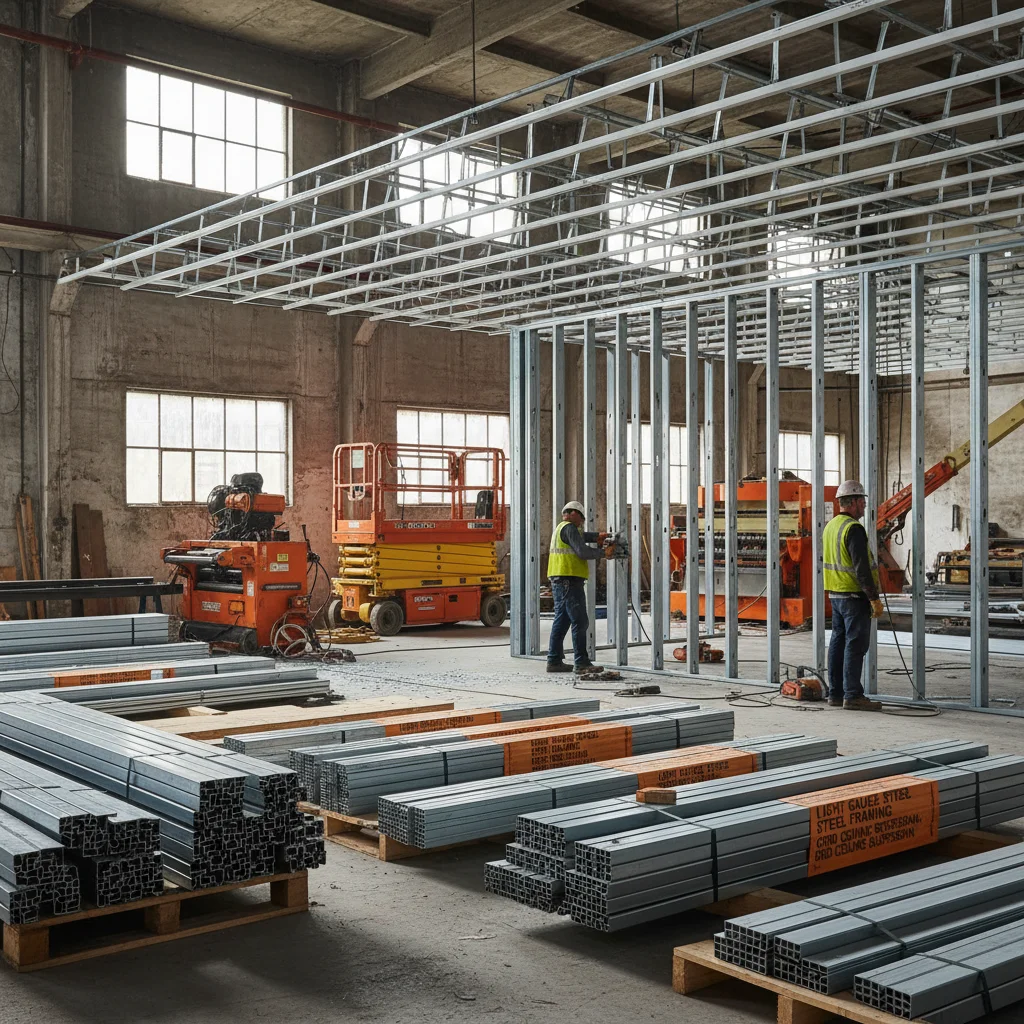
Light steel stud framing is rapidly becoming the preferred method for constructing interior walls and ceilings in modern buildings globally, particularly in non-residential construction. Its lightweight nature, combined with high strength-to-weight ratio, makes it an efficient and cost-effective alternative to traditional wood framing. Understanding the benefits of light steel stud is crucial for architects, engineers, and contractors looking to optimize building performance and reduce construction timelines.
The increasing demand for sustainable building materials further drives the adoption of light steel stud. Being 100% recyclable, it aligns with green building standards and contributes to a circular economy. Moreover, it's inherently resistant to fire, mold, and pests, addressing critical safety and durability concerns within the construction industry. This resistance reduces long-term maintenance costs and enhances building longevity.
As building codes evolve to prioritize energy efficiency and safety, light steel stud offers a versatile solution adaptable to various design requirements. Its dimensional stability minimizes cracking and shrinkage, resulting in more consistent and durable interior finishes. Utilizing light steel stud systems is a significant step towards modern, resilient, and sustainable construction practices.

The Evolution of light steel stud
The history of light steel stud is rooted in the need for safer, more durable, and efficient building materials. Initially developed as a response to wood scarcity and fire hazards in the late 19th and early 20th centuries, it saw its first significant applications in industrial construction. Early iterations were often heavier and more cumbersome than modern versions, but innovations in steel production and roll-forming technology have led to lighter, stronger, and more versatile profiles. light steel stud has since become a staple in modern construction globally.
The transition from wood to steel framing also coincided with the growth of urbanization and the demand for higher-density buildings. Steel’s inherent strength and fire resistance offered solutions for constructing taller structures safely and efficiently. Ongoing advancements in coating technologies have improved corrosion resistance, further extending the lifespan and usability of light steel stud components.
Understanding light steel stud Composition
Light steel stud framing typically utilizes high-strength, cold-formed steel, often produced from galvanized steel sheet. Galvanization provides a protective zinc coating that inhibits corrosion, crucial for longevity, especially in humid or coastal environments. The gauge (thickness) of the steel impacts its load-bearing capacity, and different gauges are selected based on the structural requirements of the wall or ceiling assembly. Common gauges range from 16 to 20, with lower numbers indicating thicker steel.
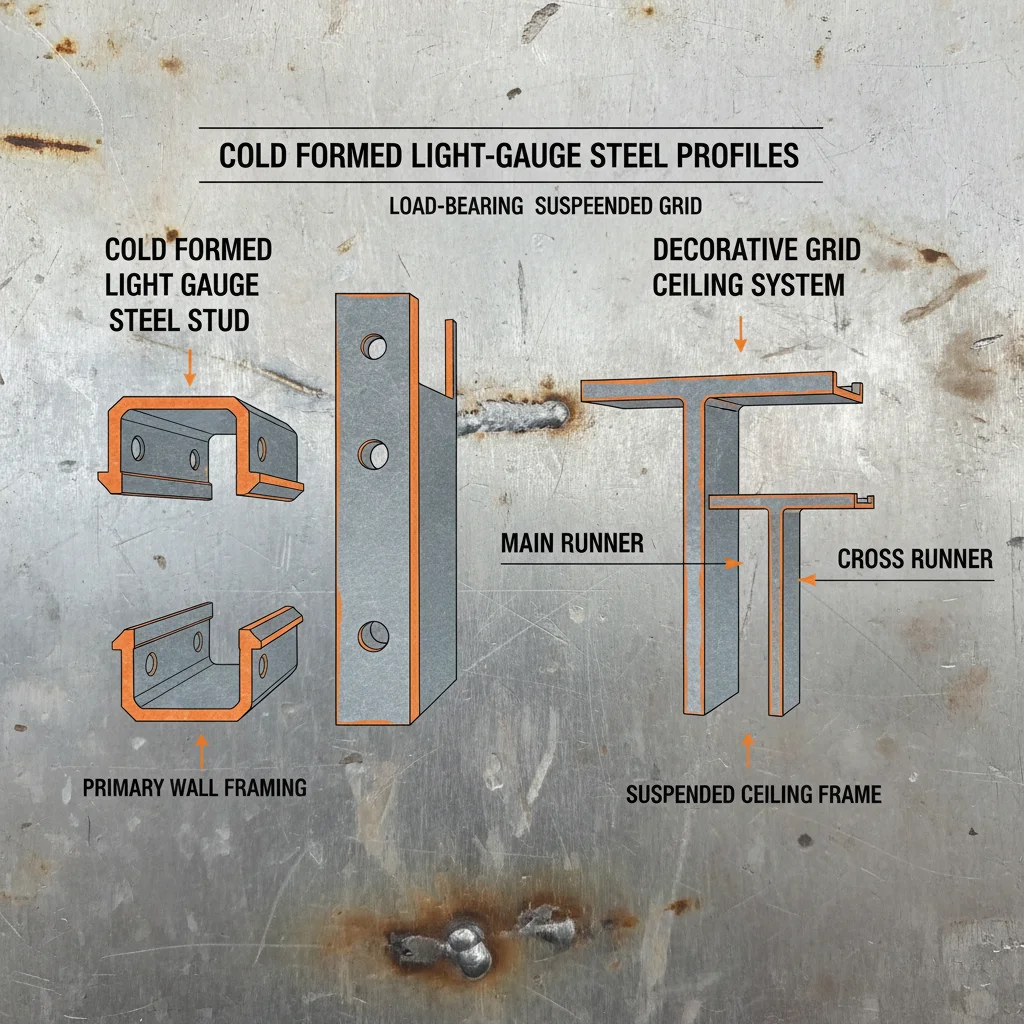
The steel used in light steel stud is engineered to provide consistent quality and performance. Precise roll-forming processes create the stud’s shape, including flanges and webs, which contribute to its rigidity and stability. The design of the stud profile is optimized to maximize its strength-to-weight ratio, reducing material usage and overall construction costs. light steel stud components include studs, tracks, and various connectors and accessories.
The steel composition also often includes additives to enhance its ductility and weldability. While most connections are achieved through self-tapping screws, some applications may require welding. Proper steel selection and quality control are fundamental to ensuring the structural integrity and long-term performance of the framing system.
Key Properties of light steel stud
One of the most significant properties of light steel stud is its high strength-to-weight ratio. This allows for faster construction and reduces the load on the building’s foundation. Its inherent dimensional stability minimizes warping, shrinking, and cracking, which are common issues with wood framing. Additionally, light steel stud is non-combustible, contributing significantly to fire safety.
Durability is another crucial benefit. Light steel stud is resistant to pests, mold, and rot, unlike wood, which requires ongoing treatment to prevent deterioration. The galvanized coating protects against corrosion, ensuring long-term performance in various environmental conditions. light steel stud also offers excellent acoustic performance, particularly when combined with appropriate insulation materials.
Furthermore, light steel stud is environmentally friendly. Steel is one of the most recycled materials globally, and the manufacturing process often utilizes recycled content. This contributes to a lower carbon footprint and supports sustainable building practices. Light steel stud’s recyclability at the end of a building’s life cycle minimizes waste and promotes a circular economy.
light steel stud Applications Across Industries
Light steel stud framing finds broad application in residential construction, particularly in interior walls, exterior walls (with appropriate cladding), and roof support systems. It is extensively used in commercial buildings, including office spaces, retail stores, and healthcare facilities, where fire resistance and durability are paramount. In industrial buildings, it’s favored for its strength and ability to accommodate large spans.
The versatility of light steel stud extends to specialized construction projects. It’s frequently utilized in modular construction, where pre-fabricated wall panels and roof assemblies are manufactured off-site and assembled on location. This accelerates construction timelines and improves quality control. light steel stud is also increasingly common in soundproofing applications in recording studios, home theaters, and other noise-sensitive environments.
Light Steel Stud Usage by Application
Benefits of Utilizing light steel stud
The primary benefit of light steel stud lies in its cost-effectiveness. While the initial material cost might be comparable to wood, the reduced labor costs associated with faster construction, coupled with lower long-term maintenance expenses, translate into significant savings. Its consistent quality also minimizes material waste compared to lumber, which can contain knots and imperfections.
From a sustainability perspective, light steel stud offers a clear advantage. Its high recyclability and often recycled content contribute to a reduced environmental impact. The reduction in deforestation associated with using steel instead of wood further supports sustainable building practices. light steel stud promotes a more responsible approach to resource utilization.
Global Adoption and Market Trends of light steel stud
North America and Europe have historically been the largest markets for light steel stud framing. However, adoption is rapidly increasing in Asia-Pacific, particularly in countries undergoing rapid urbanization and infrastructure development. Australia also presents a significant market, driven by its stringent building codes and focus on sustainable construction.
The growing demand for non-residential construction, particularly in the commercial and industrial sectors, is a key driver of market growth. The increasing popularity of modular construction and prefabricated building components is also fueling demand for light steel stud. Global market research indicates a steady growth trajectory for the industry, with projected expansions across all regions.
Furthermore, rising concerns about climate change and the need for resilient infrastructure are driving the adoption of light steel stud in disaster-prone areas. Its resistance to fire, wind, and seismic activity makes it a suitable material for constructing durable and safe buildings in challenging environments.
light steel stud: Addressing Challenges and Future Outlook
Despite its numerous benefits, the light steel stud industry faces some challenges. One key concern is the potential for corrosion in highly corrosive environments. Proper galvanization and coating techniques are essential to mitigate this risk. Another challenge is the need for specialized tools and training for installers, which can represent an initial investment.
However, ongoing innovations are addressing these challenges. New coating technologies are offering enhanced corrosion protection, while advancements in construction software and training programs are streamlining the installation process. The integration of Building Information Modeling (BIM) is also improving design accuracy and reducing construction errors. light steel stud benefits from digitalization and smart construction technologies.
Looking ahead, the future of light steel stud is bright. The development of lighter, stronger steel alloys, coupled with advancements in roll-forming techniques, will further enhance its performance and cost-effectiveness. The increasing focus on sustainability and the demand for resilient infrastructure will continue to drive adoption globally.
Light Steel Stud Performance Metrics
| Stud Gauge | Load Capacity (lbs/ft) | Corrosion Resistance (Years) | Recyclability Percentage |
|---|
| 16 Gauge | 800 | 50-100 | 100% |
| 18 Gauge | 650 | 40-80 | 100% |
| 20 Gauge | 500 | 30-60 | 100% |
| 16 Gauge (Enhanced Coating) | 850 | 75-120 | 100% |
| 18 Gauge (High-Zinc Coating) | 700 | 50-90 | 100% |
| 20 Gauge (Aluminum Alloy) | 450 | 60-100 | 95% |
FAQS
Light steel stud offers several benefits over wood, including superior strength-to-weight ratio, non-combustibility, resistance to pests and rot, dimensional stability, and recyclability. It also leads to faster construction times and reduces material waste due to its consistent quality. These advantages result in long-term cost savings and enhanced building performance.
Light steel stud framing exhibits excellent performance in seismic zones due to its ductility and ability to absorb energy during an earthquake. The flexible nature of steel allows the structure to bend and deform without fracturing, reducing the risk of collapse. When properly designed and installed according to seismic codes, light steel stud structures provide a high level of safety and resilience.
While steel can corrode, light steel stud is typically protected by galvanization, a process that coats the steel with a layer of zinc. This provides excellent corrosion resistance. For particularly harsh environments, additional protective coatings may be applied. Proper design details, such as avoiding direct contact with dissimilar metals and ensuring adequate ventilation, also help minimize corrosion risks.
Light steel stud walls inherently possess good fire resistance due to the non-combustible nature of steel. The fire resistance rating depends on the gauge of the steel, the type of gypsum board used, and the assembly’s construction details. Standard light steel stud walls can achieve fire resistance ratings of up to 2 hours or more, providing critical life safety protection.
Light steel stud is a highly sustainable building material. Steel is one of the most recycled materials globally, reducing the demand for virgin resources. Its durability minimizes maintenance and replacement needs, and its recyclability at the end of a building’s life cycle promotes a circular economy. Utilizing light steel stud reduces deforestation and lowers the overall carbon footprint of construction projects.
Installing light steel stud requires specialized tools, including metal stud cutters, screw guns, and laser levels. Installers should be trained in proper framing techniques, including stud spacing, fastening methods, and code compliance. While some basic carpentry skills are transferable, specific training on light steel stud systems is essential to ensure a structurally sound and code-compliant installation.
Conclusion
In conclusion, light steel stud framing represents a significant advancement in construction technology. Its combination of strength, durability, sustainability, and cost-effectiveness makes it an increasingly attractive alternative to traditional wood framing across a wide range of applications. From residential and commercial buildings to industrial facilities and modular construction projects, light steel stud is proving its value as a reliable and efficient building material.
As the construction industry continues to evolve, embracing innovative materials like light steel stud is crucial for meeting the demands of a growing population and a changing climate. We encourage you to explore the benefits of incorporating light steel stud into your next project. Visit our website at www.jinkaibm.com to learn more about our comprehensive range of light steel stud products and systems.