The realm of construction is constantly evolving, driven by demands for efficiency, sustainability, and cost-effectiveness. Among the innovative solutions gaining prominence, the light steel framing system stands out as a versatile and reliable method for building structures. This system, utilizing cold-formed steel components, offers a compelling alternative to traditional construction materials, particularly in applications where speed, precision, and reduced environmental impact are paramount. Understanding its principles and applications is crucial for architects, engineers, developers, and anyone involved in the modern building landscape.
Globally, the construction industry faces challenges such as material scarcity, rising labor costs, and the need to minimize carbon footprints. Light steel framing provides a viable solution addressing these issues. According to recent reports from the World Steel Association, the use of steel in construction is projected to increase steadily, driven by its recyclability and durability. However, the innovative application of light steel specifically - its framing system - is the real disruptor. It's a paradigm shift towards prefabricated, modular construction which is reshaping the industry.
The light steel framing system is more than just a building material; it's a complete structural system. It is rapidly becoming the preferred method for constructing walls, floors, and roofs in both residential and commercial buildings, offering a high strength-to-weight ratio and design flexibility. As urbanization continues and the demand for housing and infrastructure grows, systems like these are crucial to meeting global needs sustainably and efficiently.
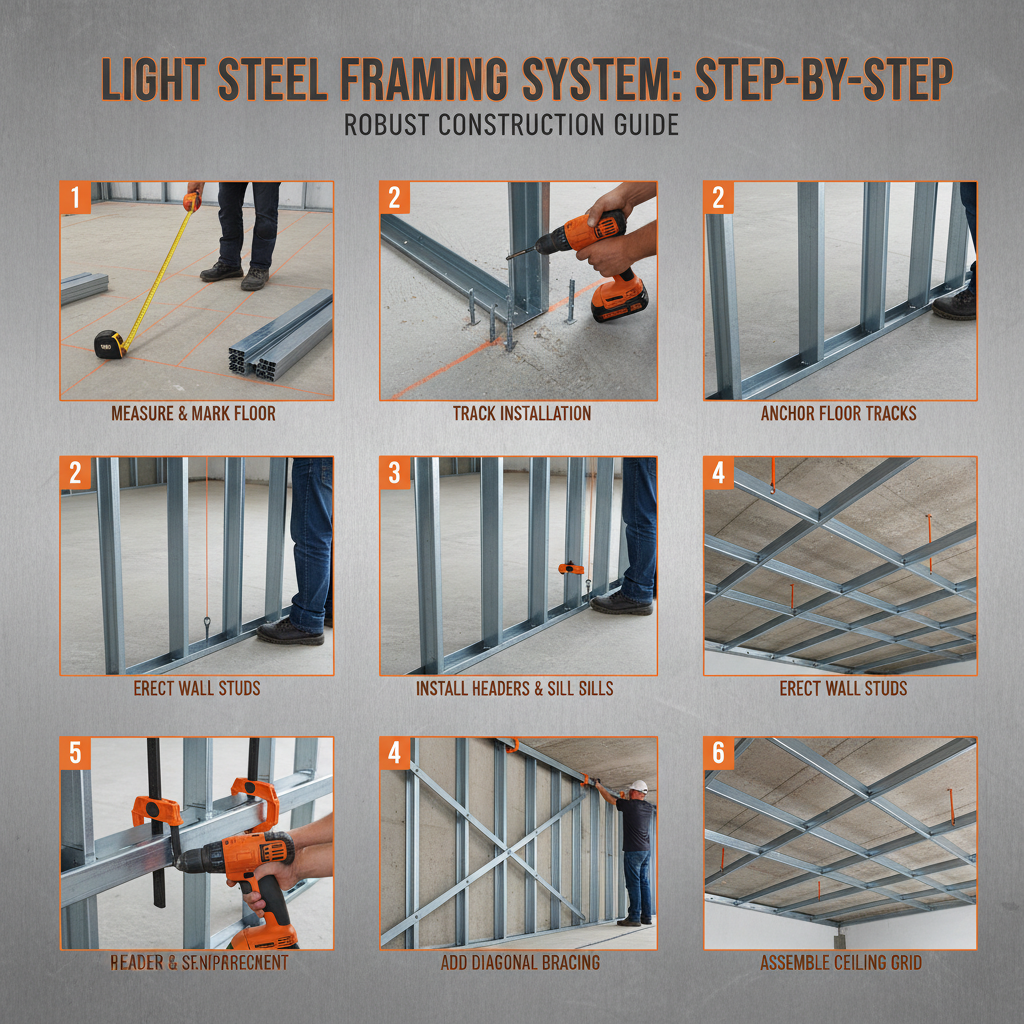
The Foundation of Light Steel Framing
The origins of light steel framing can be traced back to the early 20th century, with gradual adoption driven by advancements in steel manufacturing and the need for faster, more efficient building methods. Light steel framing systems didn’t achieve widespread acceptance until the latter half of the century as cold-formed steel technology matured. It’s a story of continuous innovation, evolving from a niche application to a mainstream construction technique.
Today, light steel framing is recognized globally for its versatility and sustainability. Its rise is closely linked to the growing demand for green building practices and the increasing focus on prefabricated construction techniques, offering a compelling solution for a more sustainable and efficient future.
Understanding the Light Steel Framing System
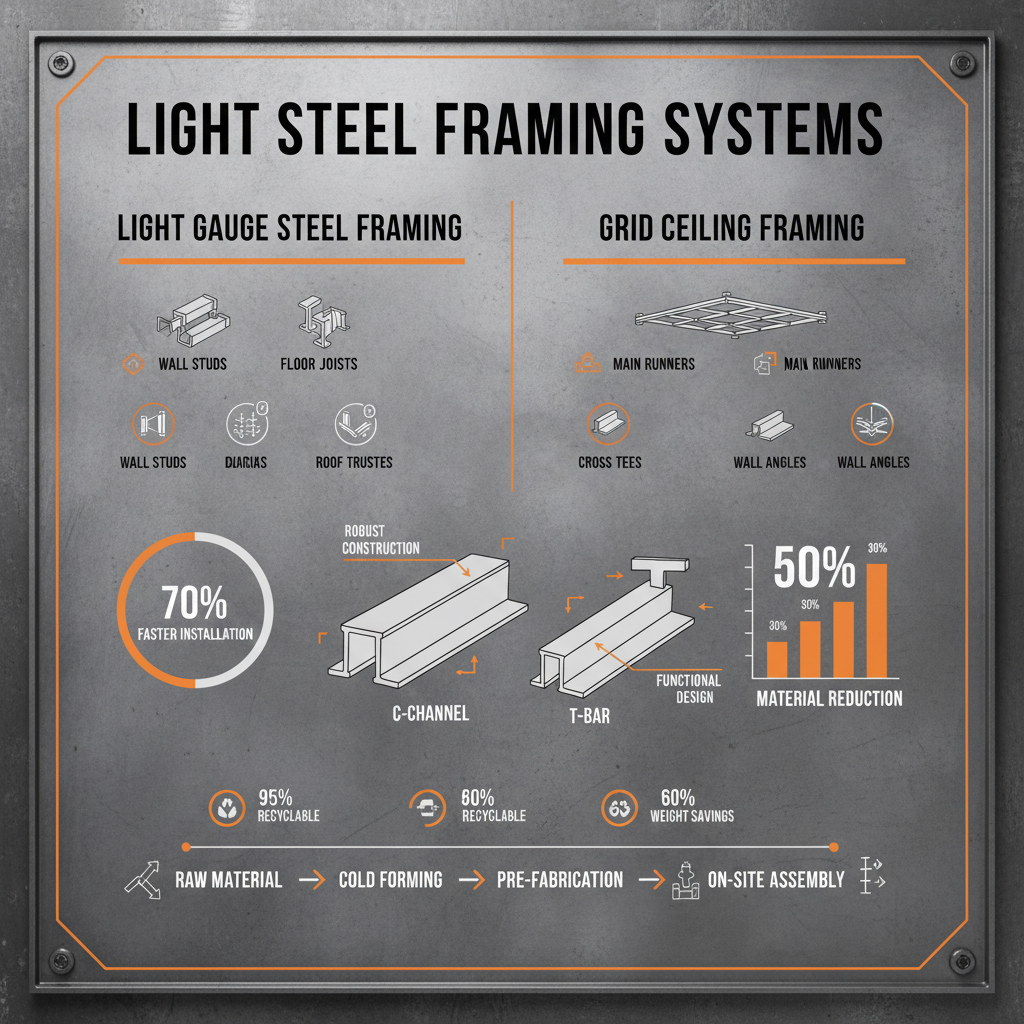
At its core, a light steel framing system comprises a series of cold-formed steel components—studs, joists, tracks, and bracing—engineered to create a robust and structurally sound framework for buildings. Unlike traditional timber framing, light steel framing offers consistent quality and predictable performance, unaffected by issues like moisture, rot, or insect damage.
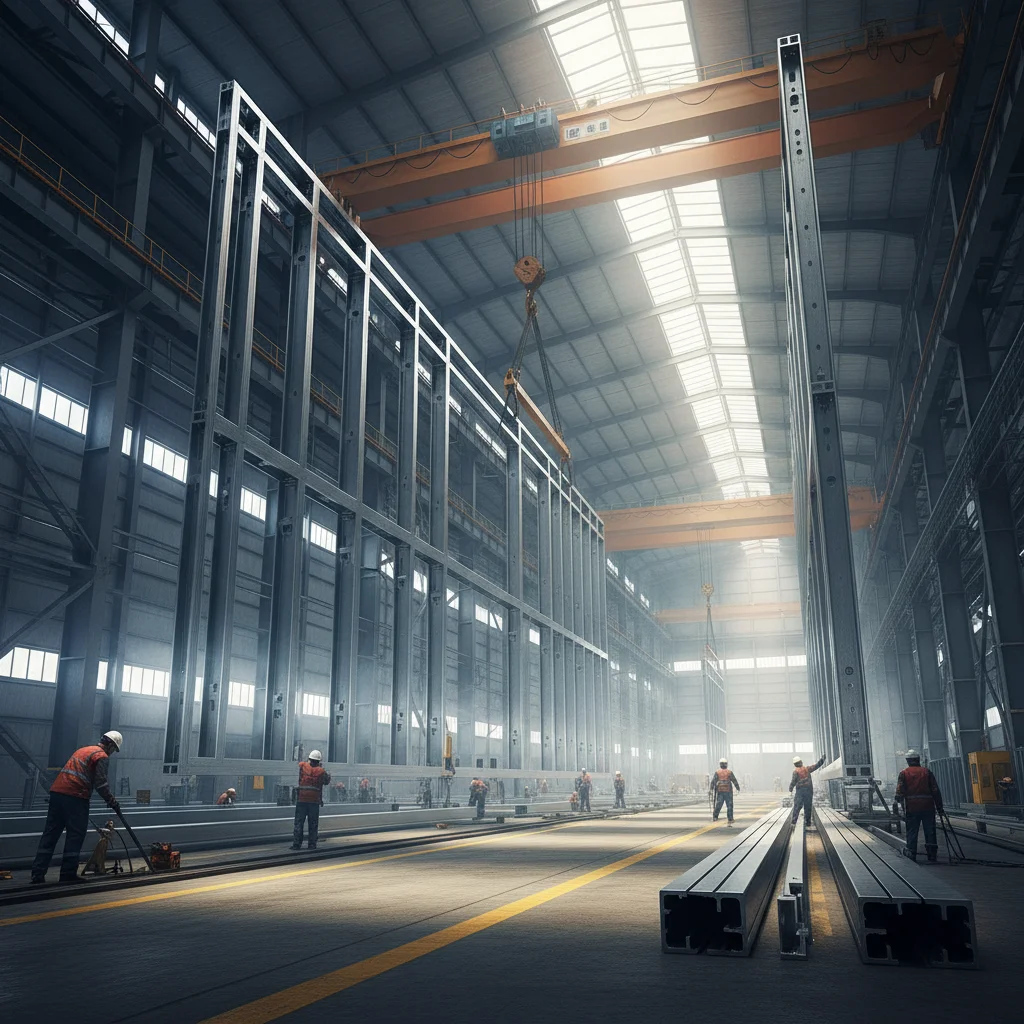
The system is designed for off-site fabrication, leading to faster construction timelines and reduced on-site waste. Components are manufactured to precise specifications, allowing for efficient assembly and minimal cutting or modification during installation. This prefabrication aspect contributes significantly to cost savings and project efficiency.
The connection details within a light steel framing system are crucial. These often involve self-drilling screws, specialized connectors, and engineered designs to ensure the structural integrity of the framework. Properly designed and installed connections are paramount to withstanding loads and meeting building code requirements.
Core Components and Design Principles
The fundamental components of a light steel framing system are relatively simple but engineered for optimal performance. These include C-sections (studs and joists), U-tracks, hat channels, and various types of bracing. The specific profiles and gauges of these components are determined by the structural requirements of the project, including load-bearing capacity, span length, and wind resistance.
Design principles center around optimizing the steel’s strength and minimizing material usage. Engineers employ advanced software and calculations to determine the most efficient frame layout and component sizes. Factors such as deflection, buckling, and connection integrity are carefully considered to ensure the overall stability and durability of the structure.
Furthermore, the design process incorporates considerations for thermal performance and sound insulation. Insulation materials are strategically placed within the frame to create an energy-efficient building envelope, while soundproofing techniques are implemented to minimize noise transmission.
Performance Characteristics of Light Steel Framing
Light steel framing systems exhibit several key performance characteristics that make them attractive for a wide range of applications. These include high strength-to-weight ratio, dimensional stability, non-combustibility, and resistance to pests. These inherent qualities translate into long-term durability and reduced maintenance costs.
The system's non-combustibility is particularly important for fire safety, providing a crucial advantage over timber framing. Steel does not contribute to the spread of fire and can maintain its structural integrity even under extreme temperatures.
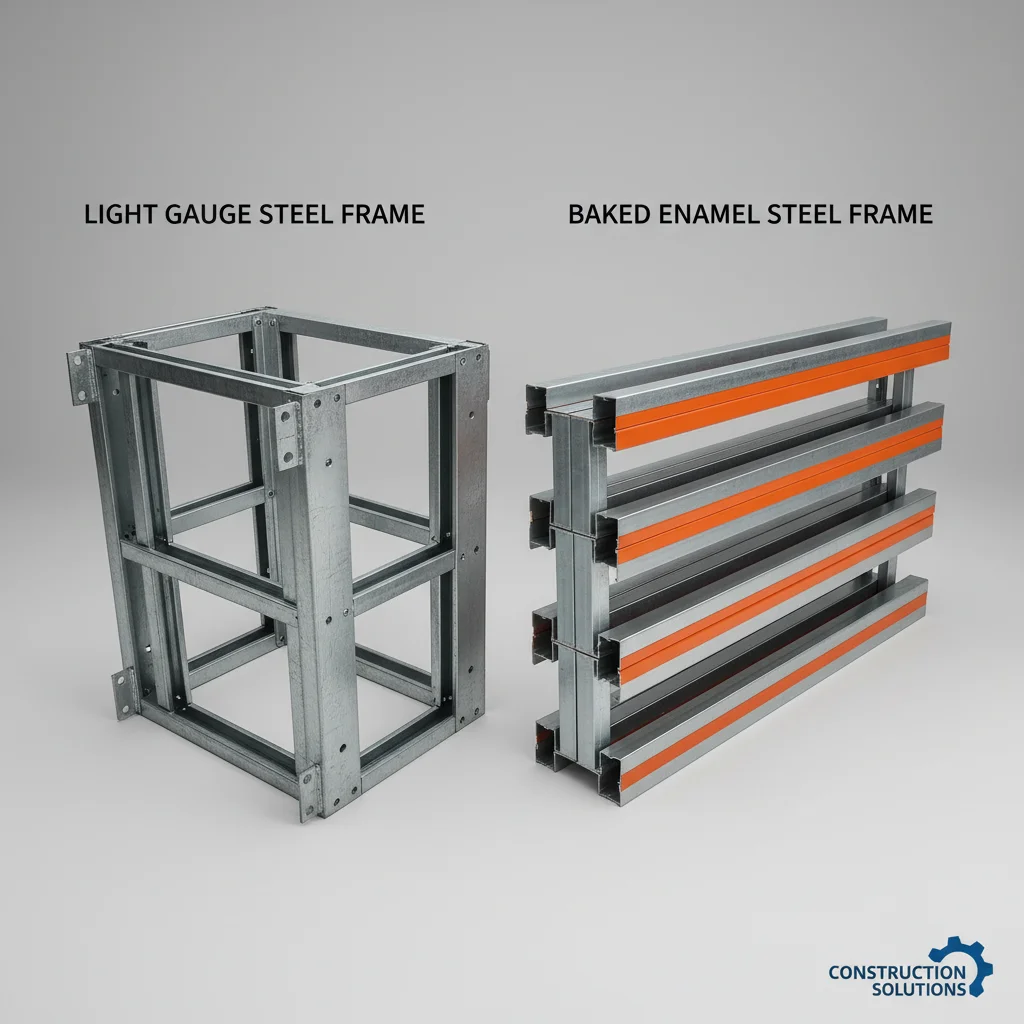
Performance Comparison of Light Steel Framing Methods
Global Applications and Real-World Examples
Light steel framing systems are gaining traction across the globe in diverse applications. From residential housing and multi-story commercial buildings to industrial facilities and educational institutions, the versatility of the system makes it suitable for a broad range of construction projects.
In Australia, for example, light steel framing is widely used in residential construction, particularly in coastal areas where resistance to termites and corrosion is crucial. In North America, it’s increasingly popular for mid-rise buildings and sustainable housing developments. Across the Middle East, it's utilized for rapid deployment of modular structures in challenging environments.
Advantages and Long-Term Value Proposition
The advantages of utilizing light steel framing systems extend beyond initial cost savings. The speed of construction translates to faster project completion and reduced labor expenses. The material’s recyclability contributes to environmental sustainability, aligning with green building standards.
Long-term, the system offers reduced maintenance costs due to its resistance to rot, pests, and fire. The dimensional stability of steel minimizes the risk of cracking or warping, ensuring the structural integrity of the building for decades to come. These factors combine to deliver a compelling value proposition for building owners and developers.
Furthermore, the system enhances building safety. Its predictable performance and inherent fire resistance instill confidence in occupants, and its ability to withstand seismic activity provides a secure environment in earthquake-prone regions.
Future Trends and Technological Advancements
The future of light steel framing systems is intertwined with ongoing advancements in materials science, digital fabrication, and building information modeling (BIM). Developments in high-strength steels and corrosion-resistant coatings are further enhancing the system’s durability and longevity.
Automation and robotics are playing an increasingly important role in the manufacturing and assembly of light steel framing components, improving precision and efficiency. BIM technology is enabling architects and engineers to design and optimize structures more effectively, reducing waste and improving overall project outcomes.
Looking ahead, we can anticipate greater integration of smart technologies into light steel framing structures, incorporating sensors and data analytics to monitor building performance and optimize energy efficiency. The system’s compatibility with renewable energy systems, such as solar panels, will also contribute to its growing popularity.
Summary of Advantages and Challenges in Light Steel Framing Applications
| Application Area |
Key Advantages |
Potential Challenges |
Mitigation Strategies |
| Residential Construction |
Speed, cost-effectiveness, pest resistance |
Thermal bridging, sound transmission |
High-performance insulation, acoustic barriers |
| Commercial Buildings |
Long spans, fire resistance, design flexibility |
Corrosion in coastal environments |
Galvanized or stainless steel framing |
| Industrial Facilities |
Durability, load-bearing capacity, modularity |
Vibration control |
Damping materials, vibration isolation systems |
| Educational Institutions |
Safety, durability, acoustic performance |
Moisture management |
Proper ventilation, vapor barriers |
| Healthcare Facilities |
Hygiene, ease of cleaning, infection control |
Electromagnetic interference |
Shielding materials, proper grounding |
| Disaster Relief Housing |
Rapid deployment, structural stability, portability |
Limited customization |
Modular design with flexible configurations |
FAQS
Light steel framing offers significant advantages over wood, including superior strength-to-weight ratio, resistance to pests and rot, non-combustibility, and consistent material quality. It also reduces construction time and waste due to its prefabricated nature. While initial costs might be comparable, long-term maintenance and lifecycle costs are typically lower with light steel framing due to its durability and longevity.
Light steel framing systems can be engineered to withstand significant seismic and wind loads. The inherent ductility of steel allows it to absorb energy during an earthquake, reducing the risk of catastrophic failure. Properly designed bracing and connections further enhance the structure’s resistance to lateral forces. Many building codes specifically address light steel framing requirements in high-risk zones.
Yes, light steel framing is considered a sustainable building material. Steel is one of the most recycled materials globally, and light steel framing utilizes a high percentage of recycled content. Its durability reduces the need for frequent replacements, minimizing waste. Furthermore, the precision of prefabrication reduces on-site waste, and its efficient construction minimizes energy consumption during the building process.
Buildings constructed with light steel framing can have a lifespan comparable to or exceeding those built with traditional materials, often exceeding 100 years with proper maintenance. The corrosion resistance of galvanized or stainless steel framing, combined with the material’s inherent durability, ensures long-term structural integrity. Regular inspections and preventative maintenance, like any construction type, will extend the building's useful life.
Steel is a conductive material, so thermal bridging can be a concern with light steel framing. To mitigate this, it’s essential to incorporate effective insulation strategies, such as continuous insulation on the exterior of the framing. Properly designed air barriers and vapor retarders also help to minimize heat loss and maintain consistent indoor temperatures. Addressing thermal bridging is key to achieving energy efficiency.
While not overly complex, installing a light steel framing system requires specialized skills and training. Workers need to understand proper connection techniques, steel handling procedures, and building code requirements. Although the system is prefabricated, precise installation is critical to ensure structural integrity. Certified installers are often preferred to guarantee quality workmanship.
Conclusion
In conclusion, the light steel framing system represents a significant advancement in construction technology. Its combination of strength, durability, sustainability, and efficiency makes it a compelling alternative to traditional building materials, offering a host of benefits for developers, builders, and building occupants alike. From residential projects to large-scale commercial developments, this system is proving its value in diverse applications around the globe.
As we move towards a future that demands more sustainable and resilient infrastructure, the role of light steel framing will continue to grow. Embracing innovative technologies, such as BIM and automation, will further optimize its performance and cost-effectiveness. We encourage you to explore the possibilities of light steel framing for your next project. Visit our website at www.jinkaibm.com to learn more and discover how we can help you build a better future.