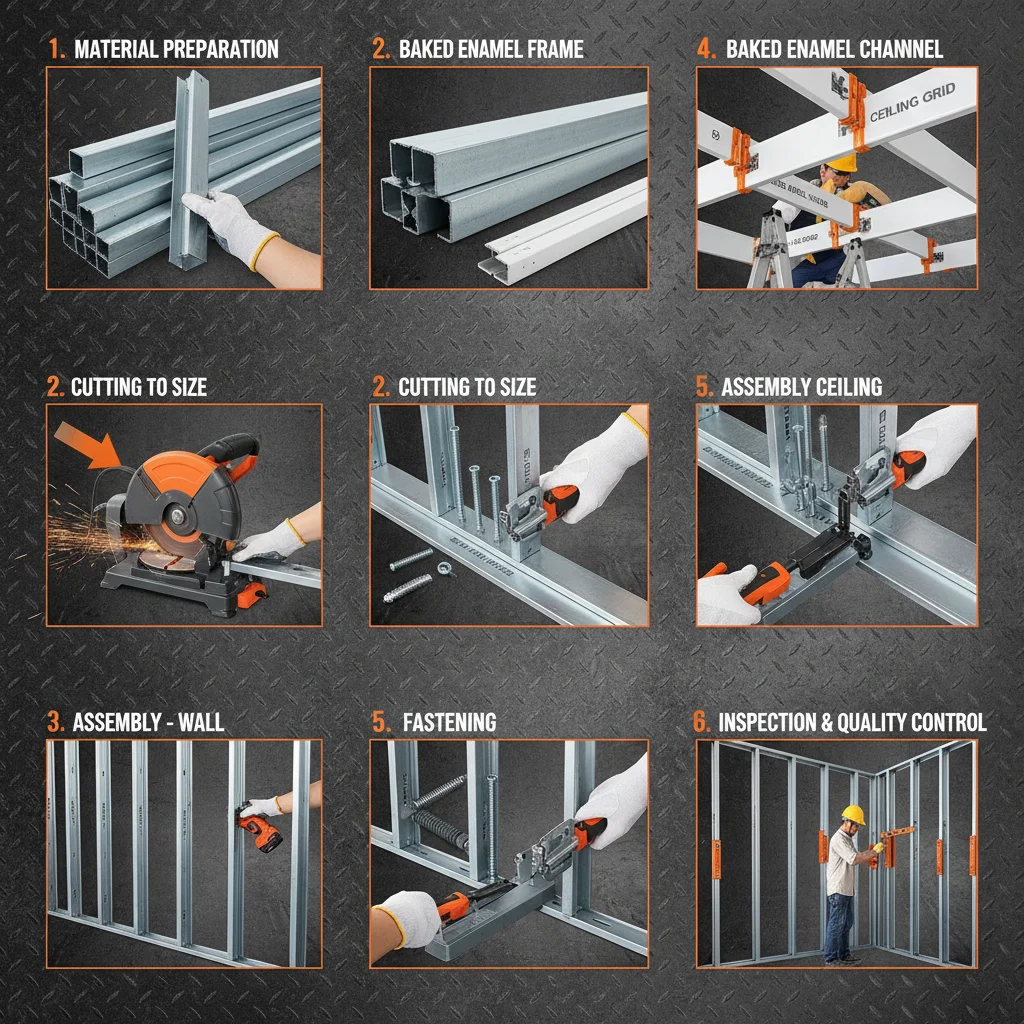
Residential light gauge steel framing (LGSF) is rapidly becoming a preferred construction method globally, driven by its sustainability, speed of construction, and cost-effectiveness. This innovative approach utilizes cold-formed steel components to create a robust and precise structural framework for buildings, offering a compelling alternative to traditional timber or concrete construction. Understanding LGSF is critical for architects, engineers, developers, and policymakers seeking to build a more resilient and efficient built environment.
The global demand for housing, coupled with increasing environmental concerns and the need for faster construction timelines, is propelling the adoption of residential light gauge steel framing. According to a report by the World Steel Association, steel is the most recycled material globally, making LGSF a sustainable choice. Furthermore, the UN Habitat emphasizes the urgent need for affordable and sustainable housing solutions, where LGSF can play a significant role, especially in regions prone to natural disasters or facing rapid urbanization. The versatility of steel also allows for complex designs and customization.
Residential light gauge steel framing represents a fundamental shift in construction practices. It’s a system where light-gauge steel members are assembled to create the structural elements of a building – walls, floors, and roofs. This method aligns with modern industrial principles, offering prefabrication potential, reduced on-site waste, and improved quality control. The growing focus on building information modeling (BIM) and digital fabrication further complements LGSF, creating a pathway towards more efficient and precise building processes.
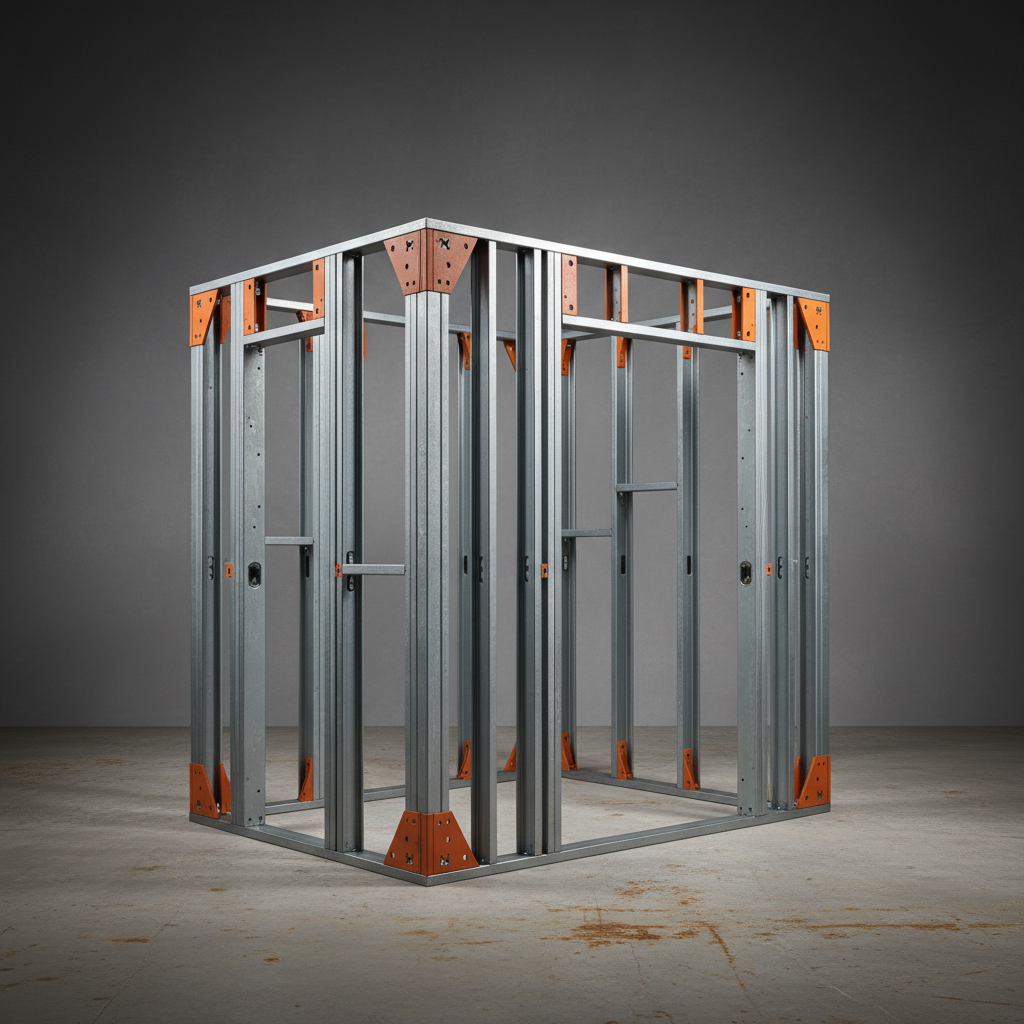
Introduction to residential light gauge steel framing
Residential light gauge steel framing is a construction technique utilizing cold-formed steel components to create the structural framework of a residential building. Its increasing popularity stems from a confluence of factors, including reduced material waste, faster build times, and inherent design flexibility. The lightweight nature of the steel also simplifies handling and reduces foundation requirements in some cases.
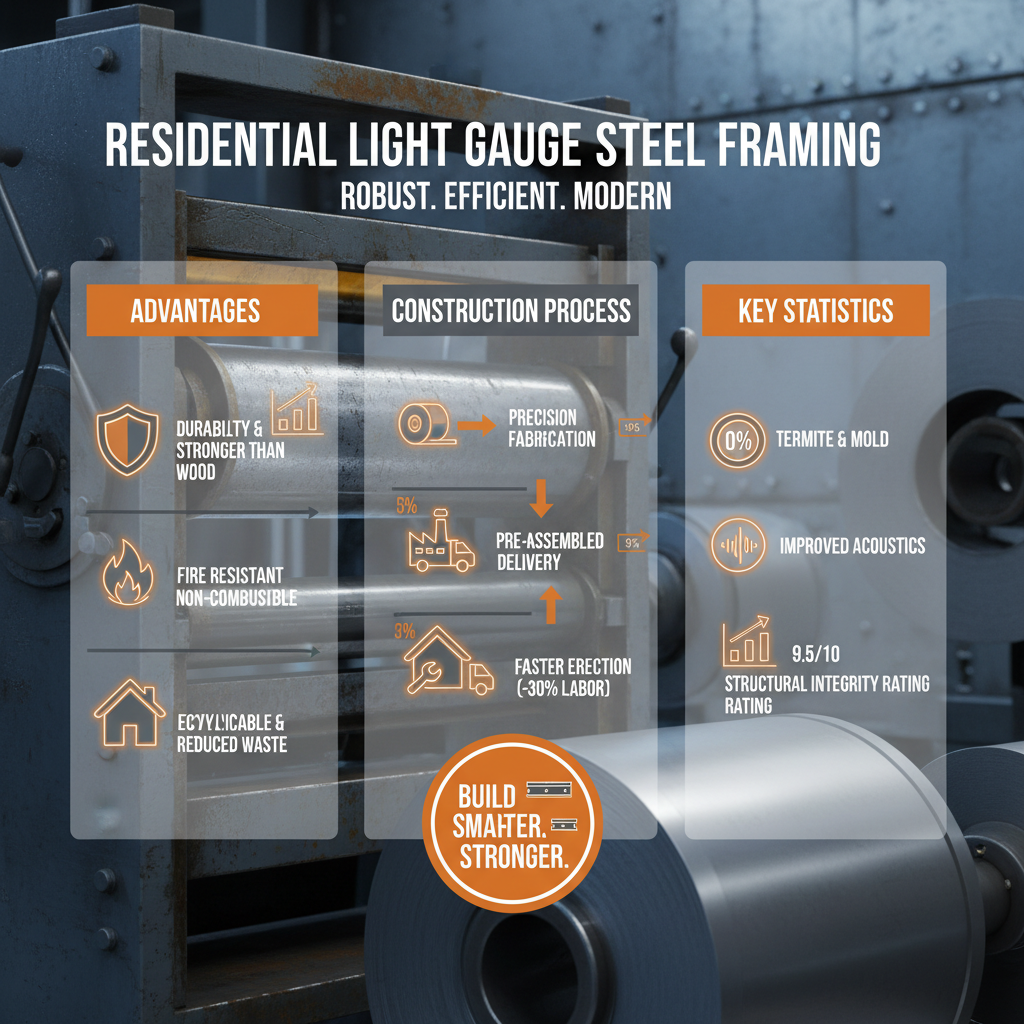
Compared to traditional timber framing, residential light gauge steel framing offers significant advantages in terms of dimensional stability, resistance to pests, and fire safety. Unlike wood, steel doesn’t warp, rot, or attract termites, leading to lower maintenance costs over the lifespan of the building. Moreover, steel is non-combustible, enhancing the building’s fire resistance and potentially lowering insurance premiums. residential light gauge steel framing is quickly becoming the system of choice for modern construction.
Definition and Meaning of residential light gauge steel framing
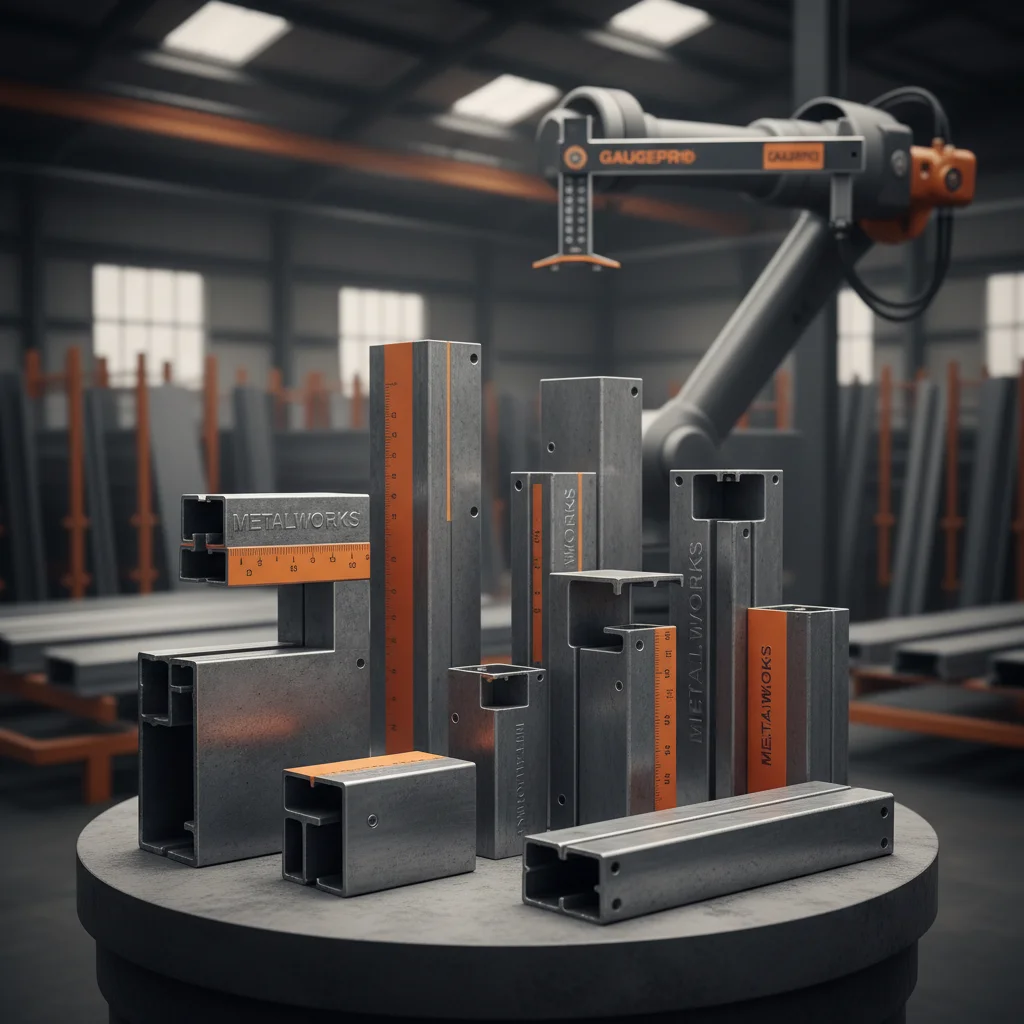
Residential light gauge steel framing (LGSF) is a construction method that employs cold-formed steel, typically galvanized to prevent corrosion, to create the structural components of a house or residential building. These components—studs, joists, rafters, and tracks—are engineered to precise specifications and assembled using self-tapping screws, creating a strong, lightweight, and durable framework. It's essentially a steel ‘skeleton’ that replaces traditional wood framing.
The term ‘light gauge’ refers to the relatively thin thickness of the steel used, making it significantly lighter than traditional hot-rolled steel. This lightweight nature reduces transportation costs and simplifies on-site handling. The precision of LGSF components also minimizes material waste, contributing to a more sustainable building process. It's a system designed for efficiency, accuracy, and long-term performance.
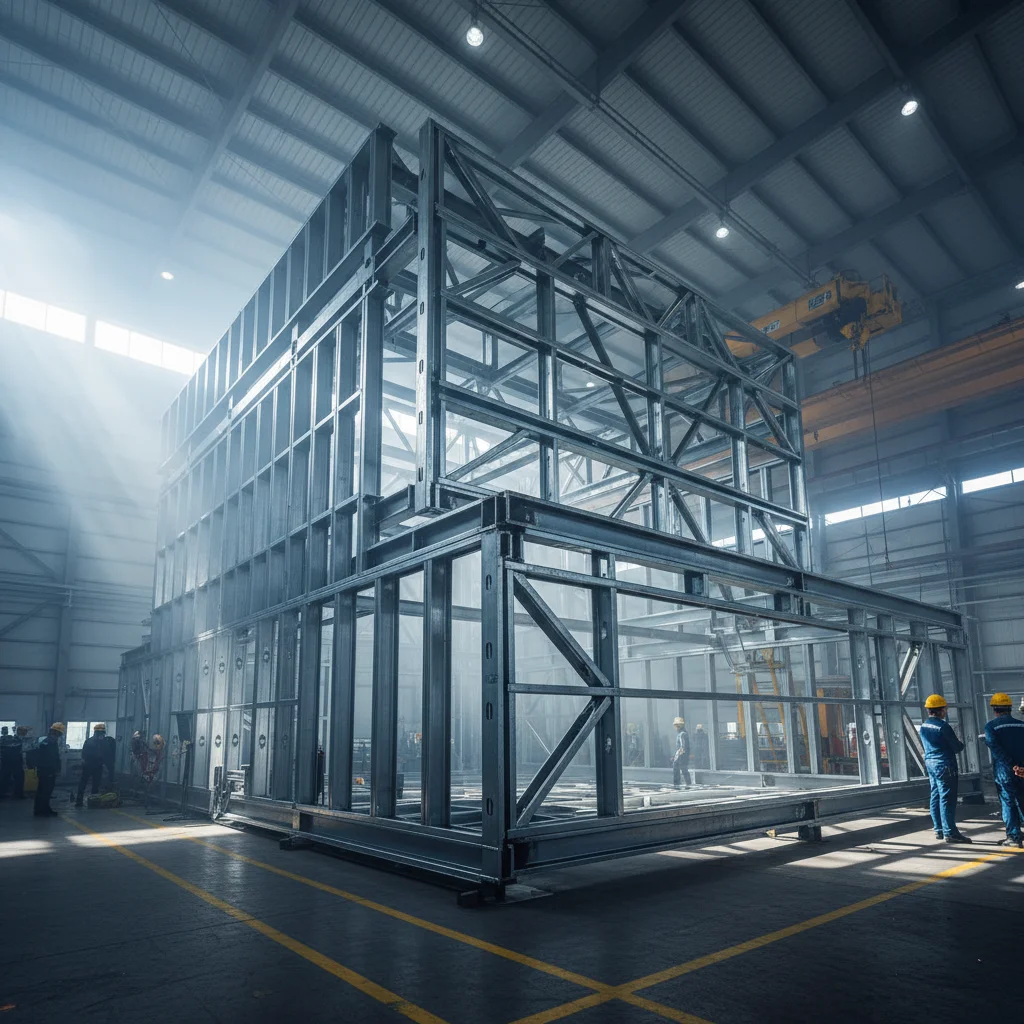
LGSF embodies a modern approach to construction, aligning with both industrialization and sustainability principles. It allows for prefabrication of wall panels and roof trusses in a controlled factory environment, further improving quality control and reducing construction time. This is particularly relevant in addressing the global need for affordable and rapidly deployable housing solutions.
Key Factors of residential light gauge steel framing
One crucial factor is Durability. LGSF offers exceptional resistance to fire, pests, and rot, extending the building's lifespan and reducing long-term maintenance costs. Steel doesn’t succumb to the biological degradation that affects wood, making it a more reliable material in diverse climates.
Another key aspect is Scalability. LGSF is ideally suited for both small-scale residential projects and large-scale developments. The system can be easily adapted to various architectural designs and building heights, offering flexibility for diverse housing needs. Prefabrication also significantly enhances scalability.
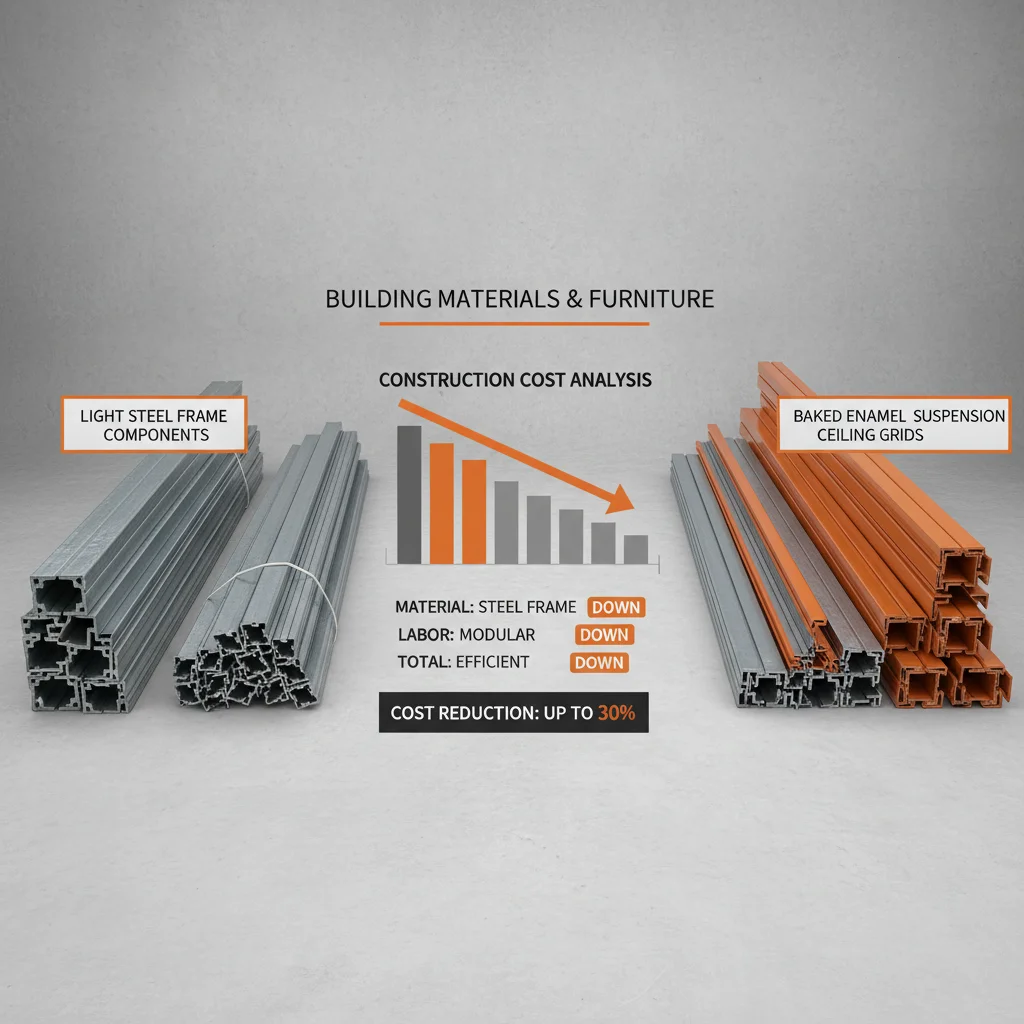
Cost Efficiency is a significant benefit. While the initial material cost of steel might be slightly higher than timber, the reduced labor costs associated with faster construction, minimal waste, and lower maintenance contribute to overall cost savings.
residential light gauge steel framing can quickly prove a cost effective solution.
Sustainability is paramount. Steel is one of the most recycled materials on earth, and LGSF generates minimal waste during construction. This makes it an environmentally responsible choice for builders and homeowners.
Design Flexibility is a key advantage. LGSF allows for more complex and innovative architectural designs compared to traditional framing methods, providing greater freedom for architects and developers.
Precise Engineering is integral to the system. The use of engineered steel components ensures structural integrity and compliance with building codes, leading to safer and more reliable buildings.
Global Applications of residential light gauge steel framing
Residential light gauge steel framing is being implemented worldwide, particularly in regions seeking faster, more sustainable, and disaster-resistant construction methods. In Australia, LGSF has become increasingly popular for both residential and commercial projects, driven by its resistance to termites and bushfire risks.
In North America, the demand for LGSF is rising in areas prone to hurricanes and earthquakes, as its robust construction offers superior structural integrity. Furthermore, in post-disaster relief operations, LGSF is used to rapidly deploy durable and safe housing units for affected communities. In remote industrial zones, LGSF is valued for its ease of transportation and quick assembly.
Countries in Southeast Asia, facing rapid urbanization and a need for affordable housing, are also exploring LGSF as a viable solution. The system’s prefabrication capabilities and reduced on-site labor requirements are particularly attractive in these contexts. Organizations like Habitat for Humanity are utilizing LGSF in various international projects to provide safe and sustainable housing options for vulnerable populations.
Comparison of residential light gauge steel framing Methods
Advantages of residential light gauge steel framing
The advantages of residential light gauge steel framing extend beyond its structural benefits. It translates directly into significant cost savings through reduced labor, faster construction times, and lower maintenance requirements. The inherent precision of the system minimizes material waste, aligning with sustainable building practices.
From a social impact perspective, LGSF can contribute to more resilient communities. Its fire resistance enhances safety, and its durability ensures long-term housing stability. The system’s adaptability also allows for the creation of affordable and high-quality housing options, addressing critical housing needs in diverse communities. The use of prefabrication and modular construction further enhances accessibility and affordability.
Future Trends in residential light gauge steel framing
The future of residential light gauge steel framing is intertwined with technological advancements and evolving sustainability demands. Integration with Building Information Modeling (BIM) will become increasingly prevalent, enabling more accurate design, prefabrication, and construction processes. Automation and robotics will further streamline manufacturing and assembly, reducing labor costs and improving efficiency.
The development of new, high-performance steel alloys with enhanced corrosion resistance and strength will expand the application of LGSF in challenging environments. Furthermore, the integration of smart home technologies and energy-efficient building systems with LGSF structures will create more sustainable and comfortable living spaces.
Challenges and Solutions in residential light gauge steel framing
Despite its numerous advantages, residential light gauge steel framing faces challenges, including initial material costs and the need for specialized training for installers. Addressing these challenges requires fostering greater market awareness and promoting standardized training programs for LGSF construction techniques.
Another challenge is the perception that steel framing lacks the thermal performance of wood. This can be mitigated through the use of effective insulation materials and thermal breaks, optimizing the building envelope for energy efficiency. The increasing availability of sustainable and high-performance insulation materials provides viable solutions.
Collaboration between industry stakeholders, research institutions, and government agencies is crucial to overcoming these challenges and unlocking the full potential of residential light gauge steel framing.
Core Challenges & Solutions in Implementing Residential Light Gauge Steel Framing
| Challenge |
Impact on Project |
Proposed Solution |
Implementation Cost (1-10) |
| High Initial Material Cost |
Increased Project Budget |
Negotiate Bulk Discounts, Optimize Design |
5 |
| Lack of Skilled Labor |
Delayed Project Timeline, Reduced Quality |
Invest in Comprehensive Training Programs |
7 |
| Thermal Bridging Concerns |
Reduced Energy Efficiency |
Utilize Thermal Breaks & High-Performance Insulation |
6 |
| Corrosion Risk in Coastal Areas |
Reduced Structural Integrity |
Employ Galvanized Steel with Enhanced Coatings |
8 |
| Limited Awareness & Acceptance |
Slow Adoption Rate |
Promote Educational Initiatives & Case Studies |
4 |
| Code & Regulatory Barriers |
Project Approval Delays |
Advocate for Updated Building Codes |
9 |
FAQS
Light gauge steel framing offers several advantages over wood, including superior fire resistance, pest immunity, and dimensional stability. Unlike wood, steel doesn’t rot, warp, or attract termites. It's also a more sustainable material due to its high recyclability. While initial material costs may be comparable, LGSF often results in long-term savings through reduced maintenance and increased durability.
The upfront cost of materials for LGSF can sometimes be slightly higher than wood. However, when considering the entire lifecycle cost of a building, LGSF often proves more economical. Faster construction times, reduced labor costs, lower maintenance, and increased durability contribute to significant long-term savings. Additionally, reduced waste minimizes disposal costs.
LGSF excels in seismic performance due to its high strength-to-weight ratio and ductility. The flexible nature of steel allows structures to absorb energy during an earthquake, reducing the risk of catastrophic failure. Proper engineering and connections are crucial, but LGSF consistently outperforms wood-framed structures in seismic tests.
Steel itself is a good conductor of heat. However, effective insulation strategies can mitigate this. Utilizing high-performance insulation materials, incorporating thermal breaks, and ensuring a well-sealed building envelope are essential for achieving optimal thermal performance in LGSF structures. Modern LGSF designs readily meet or exceed energy efficiency standards.
Yes, LGSF is a highly sustainable construction method. Steel is the most recycled material globally, and LGSF generates minimal waste during construction. The durability of steel also reduces the need for frequent replacements, conserving resources. Its potential for prefabrication further minimizes environmental impact by reducing on-site disruption.
Proper training is crucial for successful LGSF construction. Specialized training programs are available that cover steel framing techniques, connection methods, and building code requirements. While some carpentry skills are transferable, specific knowledge of steel properties and installation procedures is essential for ensuring structural integrity and safety.
Conclusion
Residential light gauge steel framing represents a paradigm shift in the construction industry, offering a compelling blend of sustainability, efficiency, and resilience. From its inherent durability and reduced environmental impact to its potential for faster construction and lower lifecycle costs, LGSF addresses many of the challenges facing the building sector today. Its adaptability to diverse architectural styles and scalability to various project sizes further solidify its position as a future-proof construction solution.
Looking ahead, increased investment in research and development, coupled with wider adoption of standardized training programs and updated building codes, will be critical to unlocking the full potential of LGSF. By embracing this innovative technology, we can build a more sustainable, affordable, and resilient built environment for generations to come.
For more information and to explore how residential light gauge steel framing can benefit your next project, visit our website today!