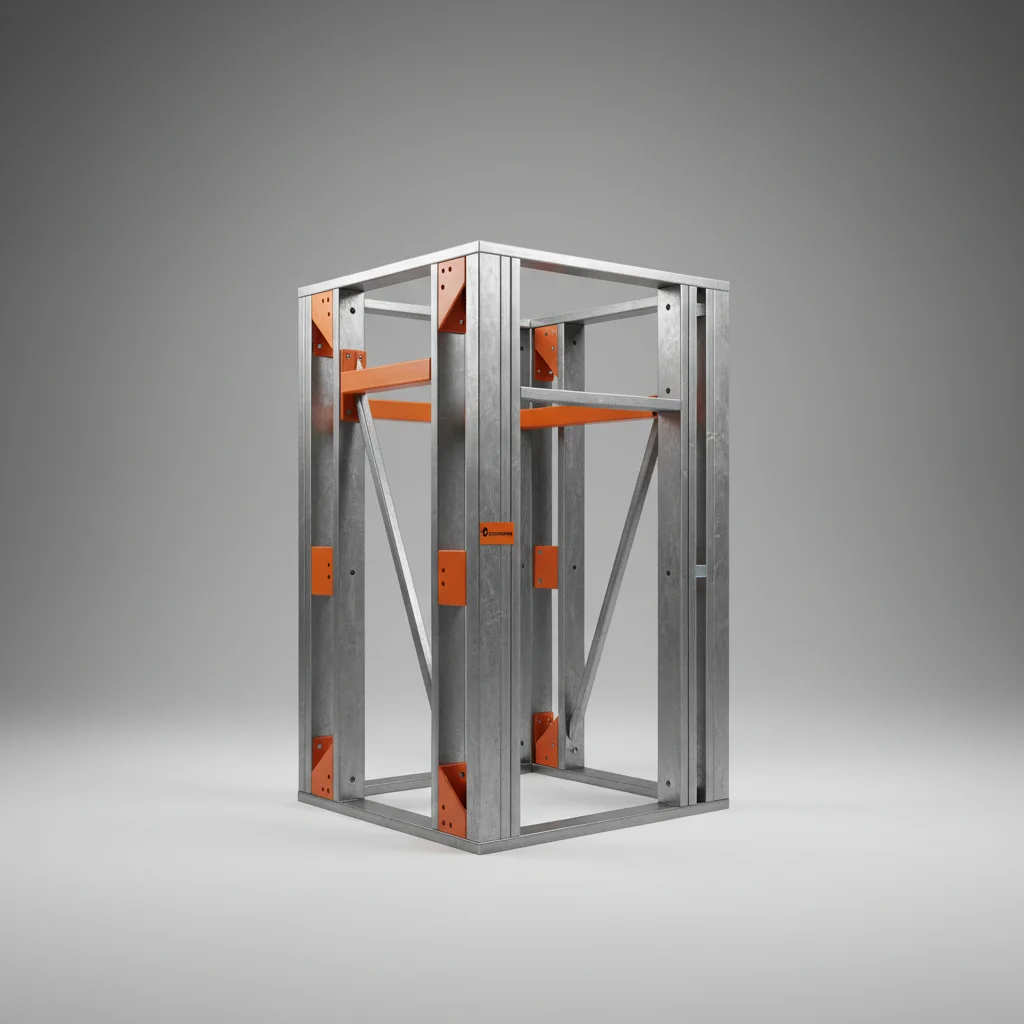
Light gauge steel building systems are revolutionizing the construction industry, offering a sustainable and efficient alternative to traditional building methods. These systems utilize cold-formed steel components, known for their high strength-to-weight ratio, making them ideal for a wide range of applications from residential homes to large-scale commercial structures. Understanding the benefits and applications of light gauge steel is increasingly crucial in a world facing rapid urbanization and a growing need for affordable, resilient housing.
Globally, the demand for sustainable building solutions is surging, driven by concerns about climate change and resource depletion. Light gauge steel building systems address these concerns by utilizing a material that is 100% recyclable and significantly reduces construction waste compared to concrete or timber. The speed of construction offered by these systems also translates to lower labor costs and faster project completion times, making them particularly valuable in disaster relief efforts and rapidly developing regions.
The versatility of light gauge steel building systems allows for complex architectural designs while maintaining structural integrity. Their inherent resistance to fire, pests, and seismic activity further enhances their appeal in diverse environments. As populations grow and infrastructure demands increase, the adoption of innovative building technologies like light gauge steel is paramount to creating a more sustainable and resilient built environment.
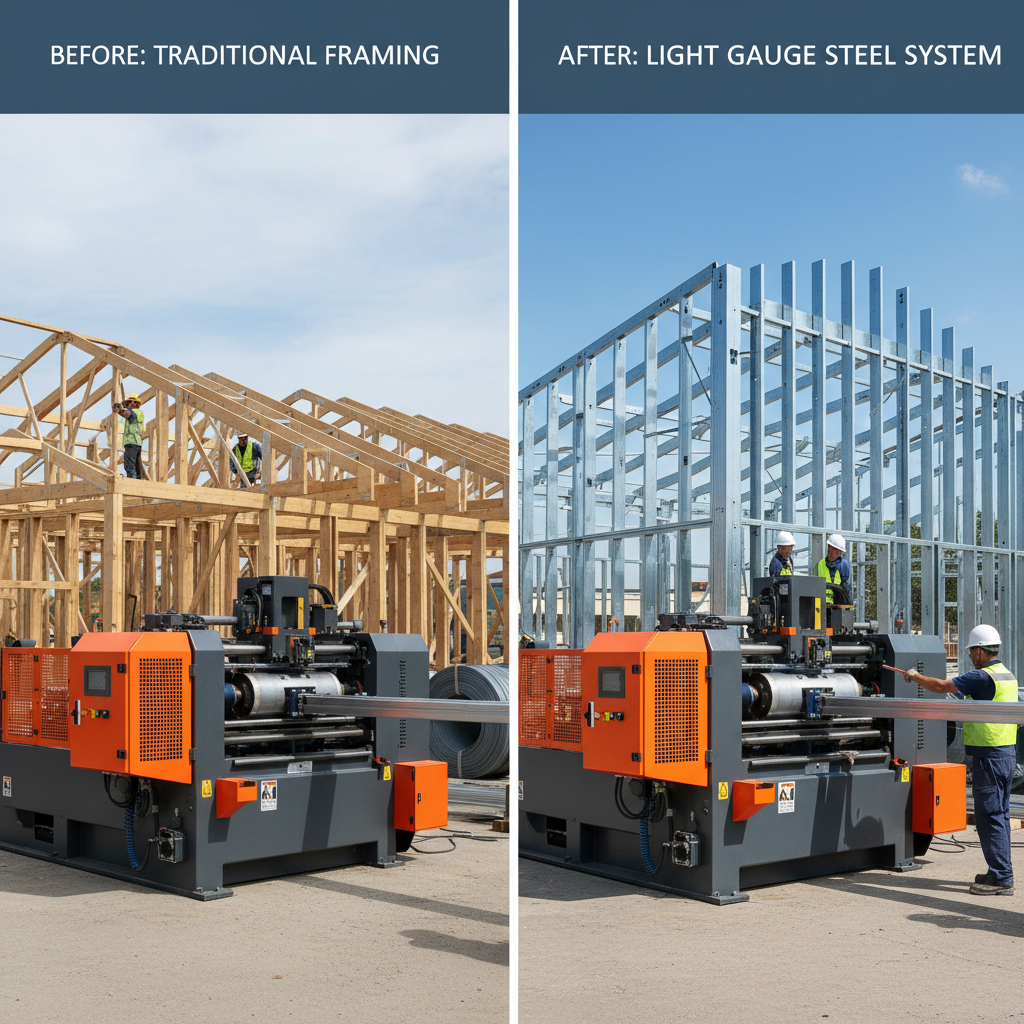
Introduction to light gauge steel building systems
Light gauge steel building systems are rapidly gaining recognition as a modern, sustainable, and efficient construction method. These systems utilize cold-formed steel members – typically galvanized steel – that are engineered to provide high structural performance with significantly less weight than traditional steel sections. This lightness makes them particularly well-suited for applications where reducing dead load is critical, or where fast and easy installation is desired.
The benefits extend beyond weight reduction. Light gauge steel is inherently straight and true, leading to more precise construction and reduced material waste. Its consistent quality and dimensional accuracy simplify the design and fabrication process, allowing for greater efficiency and cost savings. The inherent fire resistance of steel also provides a significant safety advantage.
Global Context and Relevance
The global construction industry is facing increasing pressure to adopt more sustainable practices. The United Nations Sustainable Development Goals (SDGs), particularly SDG 9 (Industry, Innovation and Infrastructure) and SDG 11 (Sustainable Cities and Communities), highlight the need for resilient, affordable, and environmentally friendly infrastructure. Light gauge steel building systems directly contribute to achieving these goals by reducing material consumption, minimizing waste, and offering a long-lasting, durable solution.
According to the World Bank, urbanization is occurring at an unprecedented rate, particularly in developing countries. This rapid growth creates a significant demand for housing and infrastructure, often exceeding the capacity of traditional construction methods. Light gauge steel's speed of construction and scalability make it an ideal solution for addressing this demand efficiently and affordably.
Furthermore, the increasing frequency and intensity of natural disasters, such as earthquakes and hurricanes, demand buildings that can withstand extreme conditions. Light gauge steel systems, when properly engineered, offer exceptional seismic and wind resistance, providing a safer and more resilient built environment. ISO standards and building codes are increasingly incorporating provisions for light gauge steel construction, reflecting its growing acceptance and reliability.
Defining Light Gauge Steel Systems
Light gauge steel building systems encompass a variety of construction techniques that utilize cold-formed steel components. Unlike hot-rolled steel, which is formed at high temperatures, cold-formed steel is manufactured by shaping thin sheets of steel at room temperature. This process results in lightweight, high-strength components that are perfect for framing walls, roofs, and floors.
These systems often involve pre-engineered components that are designed to be easily assembled on-site, reducing construction time and labor costs. The design process typically utilizes specialized software to optimize the steel member sizes and connections, ensuring structural integrity and compliance with building codes. The systems are not limited to simple structures; they can be adapted to create complex and aesthetically pleasing designs.
The connection methods used in light gauge steel building systems are critical to their performance. Self-drilling screws, bolts, and welded connections are commonly employed, providing strong and reliable joints. These systems represent a paradigm shift in construction, moving away from traditional wet trades (like concrete) toward a more dry, prefabricated approach, aligning with modern industry trends and addressing humanitarian needs for rapid deployment housing.
Key Characteristics and Components
Light gauge steel building systems are characterized by several key factors that contribute to their efficiency and effectiveness. First, their exceptional durability ensures a long lifespan with minimal maintenance. The galvanized coating protects the steel from corrosion, even in harsh environments. Second, the scalability of these systems allows for easy expansion or modification of buildings to meet changing needs.
Cost efficiency is another significant advantage. The reduced material waste, faster construction times, and lower labor costs all contribute to lower overall project expenses. Furthermore, the design flexibility of light gauge steel allows for a wide range of architectural styles and customizations. The sustainability of the material, being 100% recyclable, addresses environmental concerns. Finally, the speed of construction significantly reduces project timelines.
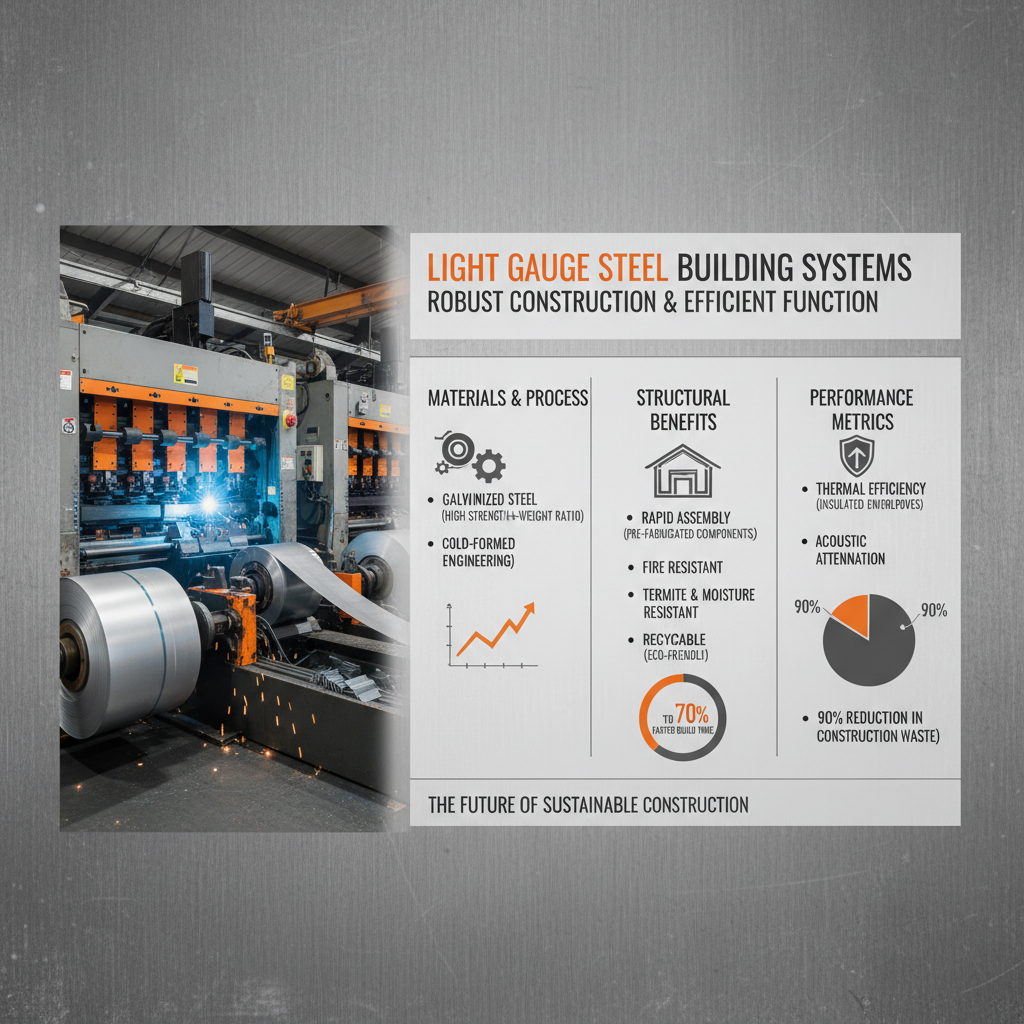
Light Gauge Steel Building Systems Performance Metrics
Global Applications and Use Cases
Light gauge steel building systems are finding applications across a diverse range of sectors globally. In post-disaster relief operations, their rapid deployment capabilities make them ideal for providing temporary or permanent housing for displaced communities. Organizations like Habitat for Humanity are increasingly utilizing light gauge steel framing in their affordable housing projects around the world.
In remote industrial zones, where access to skilled labor and traditional building materials is limited, light gauge steel's ease of assembly and prefabrication capabilities offer a significant advantage. Mining camps and oil and gas facilities often rely on these systems to quickly establish comfortable and durable accommodations for workers. They are also being used extensively in commercial construction, particularly for retail spaces, warehouses, and office buildings.
Furthermore, light gauge steel building systems are gaining traction in the residential market, offering homeowners a sustainable and cost-effective alternative to traditional wood or concrete construction. Government initiatives promoting green building practices are also driving demand for these systems, as they contribute to lower carbon footprints and improved energy efficiency.
Advantages and Long-Term Value
The advantages of light gauge steel building systems extend beyond immediate cost savings and construction speed. The long-term value is realized through reduced maintenance costs, increased durability, and improved energy efficiency. Steel's resistance to fire, pests, and rot significantly minimizes the need for costly repairs and replacements over the building's lifespan.
From a sustainability perspective, the 100% recyclability of steel ensures that materials can be reused at the end of the building's life cycle, minimizing waste and reducing the environmental impact. The inherent safety and reliability of these systems provide peace of mind to building owners and occupants. Investing in light gauge steel building systems is an investment in a more resilient, sustainable, and dignified future.
Future Trends and Innovations
The future of light gauge steel building systems is marked by several exciting innovations. Integration with Building Information Modeling (BIM) technology is streamlining the design and fabrication process, allowing for greater accuracy and efficiency. Automation and robotics are being implemented in manufacturing facilities to increase production capacity and reduce labor costs.
Research is underway to develop new steel alloys with even higher strength-to-weight ratios and improved corrosion resistance. The incorporation of green energy technologies, such as solar panels and rainwater harvesting systems, into light gauge steel buildings is becoming increasingly common. Digital transformation, including the use of IoT sensors and smart building controls, is enhancing the performance and sustainability of these structures.
Policy changes promoting sustainable construction practices and incentivizing the use of recycled materials are expected to further drive the adoption of light gauge steel building systems in the coming years. This confluence of technological advancements, environmental concerns, and regulatory support positions light gauge steel as a key player in the future of construction.
FAQS
While the initial material cost of steel may be slightly higher, light gauge steel building systems often prove more cost-effective overall. This is due to factors like reduced labor costs (faster construction), less material waste, lower maintenance requirements, and a longer lifespan. The speed of construction also minimizes financing costs, contributing to significant savings.
Light gauge steel building systems are designed for relatively easy assembly, often requiring less skilled labor than traditional construction. However, proper training is essential to ensure structural integrity and compliance with building codes. Pre-engineered components and detailed instructions simplify the process, making it accessible to a wider range of construction professionals.
Light gauge steel structures, when properly engineered, exhibit excellent seismic performance. The ductility of steel allows it to absorb energy during an earthquake, reducing the risk of collapse. Lightweight construction also reduces the inertial forces exerted on the building during seismic events. Specific designs and connections are crucial for maximizing earthquake resistance.
While steel can corrode, light gauge steel components are typically galvanized – coated with a layer of zinc – to provide excellent corrosion protection. This galvanization process creates a barrier against moisture and other corrosive elements, significantly extending the lifespan of the steel. Periodic inspections and maintenance can further ensure long-term durability.
Light gauge steel is a highly sustainable building material. Steel is 100% recyclable, meaning it can be reused repeatedly without losing its properties. Utilizing recycled steel reduces the demand for virgin resources and lowers the carbon footprint of construction. Additionally, these systems generate minimal waste during construction.
Steel is inherently non-combustible and does not contribute to the spread of fire. Light gauge steel structures maintain their structural integrity even during intense fire events. While steel can lose strength at very high temperatures, proper fireproofing measures, such as gypsum board cladding, can effectively protect the steel and maintain its load-bearing capacity.
Conclusion
In conclusion, light gauge steel building systems represent a significant advancement in construction technology, offering a compelling combination of sustainability, efficiency, and resilience. Their ability to address global challenges related to urbanization, disaster relief, and environmental concerns positions them as a critical component of the future built environment. The key benefits – speed of construction, cost-effectiveness, durability, and recyclability – make them a viable solution for a wide range of applications.
Looking ahead, continued innovation in materials, design software, and construction techniques will further enhance the performance and versatility of light gauge steel. Embracing these systems requires a shift in mindset towards prefabricated, sustainable building practices. To learn more about how light gauge steel building systems can benefit your next project, visit our website: light gauge steel building systems.