Look, I’ve spent the last fifteen years breathing concrete dust and wrestling with blueprints. I’ve seen building materials come and go, but light metal studs… they’re different. They’re not just another product; they’re a solution to a whole heap of problems we face on site every single day. Speed, cost, reliability – these aren't just buzzwords, they're the things that keep projects on schedule and under budget. And honestly, in this business, that's everything.
We're in a world demanding faster builds, and leaner construction. Traditional methods just aren't cutting it anymore. You're looking at rising labor costs, skilled trades becoming harder to find, and timelines shrinking. Light metal studs directly address these pain points. They offer a level of precision and prefabrication that dramatically reduces on-site waste and labor hours. It’s about doing more with less, and doing it right the first time.
And it’s not just about speed. Increasingly, clients are demanding sustainable builds. Light metal studs often utilize high recycled content and contribute to reduced material waste overall, giving projects a serious green boost. That’s becoming a major selling point, and rightly so.
The Core Value of Light Metal Studs
I've seen projects grind to a halt because of material delays. With light metal studs, you’re dealing with a readily available, consistent product. That consistency is huge. No more surprises when you start cutting and find the materials aren’t what you expected. It simplifies the entire process, reducing errors and rework.
Honestly, from a boots-on-the-ground perspective, it's about making life easier for the crew. Less cutting, less fitting, less waste. It translates to faster completion times, a cleaner job site, and ultimately, a happier team. And a happy team is a productive team.
Global Relevance and Industry Challenges
Globally, construction is booming, but it's facing massive challenges. The UN estimates we need to build billions of square feet of new infrastructure in the coming decades, and the World Bank is focused on providing housing for a rapidly growing population. Traditional methods simply can't scale to meet this demand.
We're seeing this impact everywhere, from rapidly urbanizing areas in Asia to post-disaster reconstruction efforts in the Caribbean. The need for fast, affordable, and sustainable building solutions is critical. Light metal studs are a key part of the answer because they reduce dependency on traditional materials, and can be quickly deployed.
ISO standards are also pushing for greater precision and quality control in construction. Light metal studs, when manufactured to those standards, provide that level of consistency and reliability, giving project managers peace of mind.
Defining Light Metal Studs: A Practical Approach
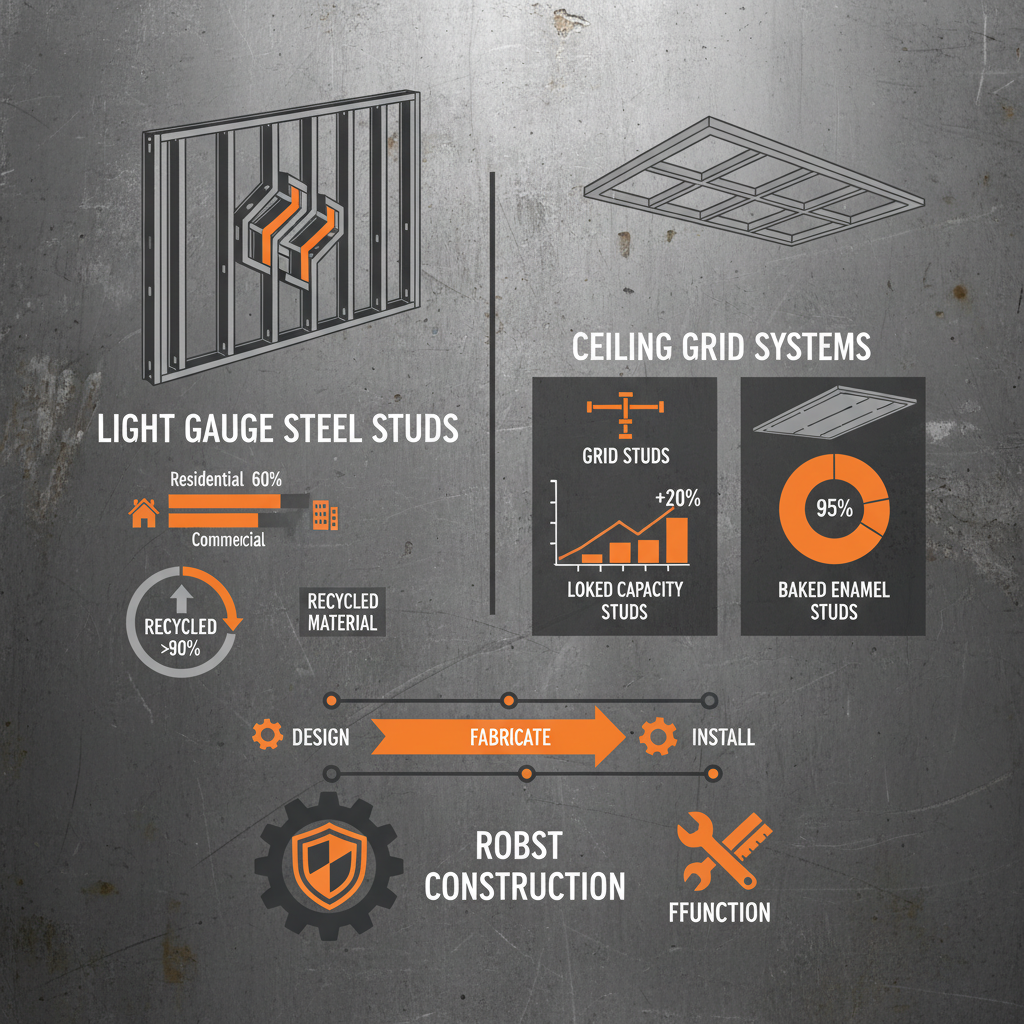
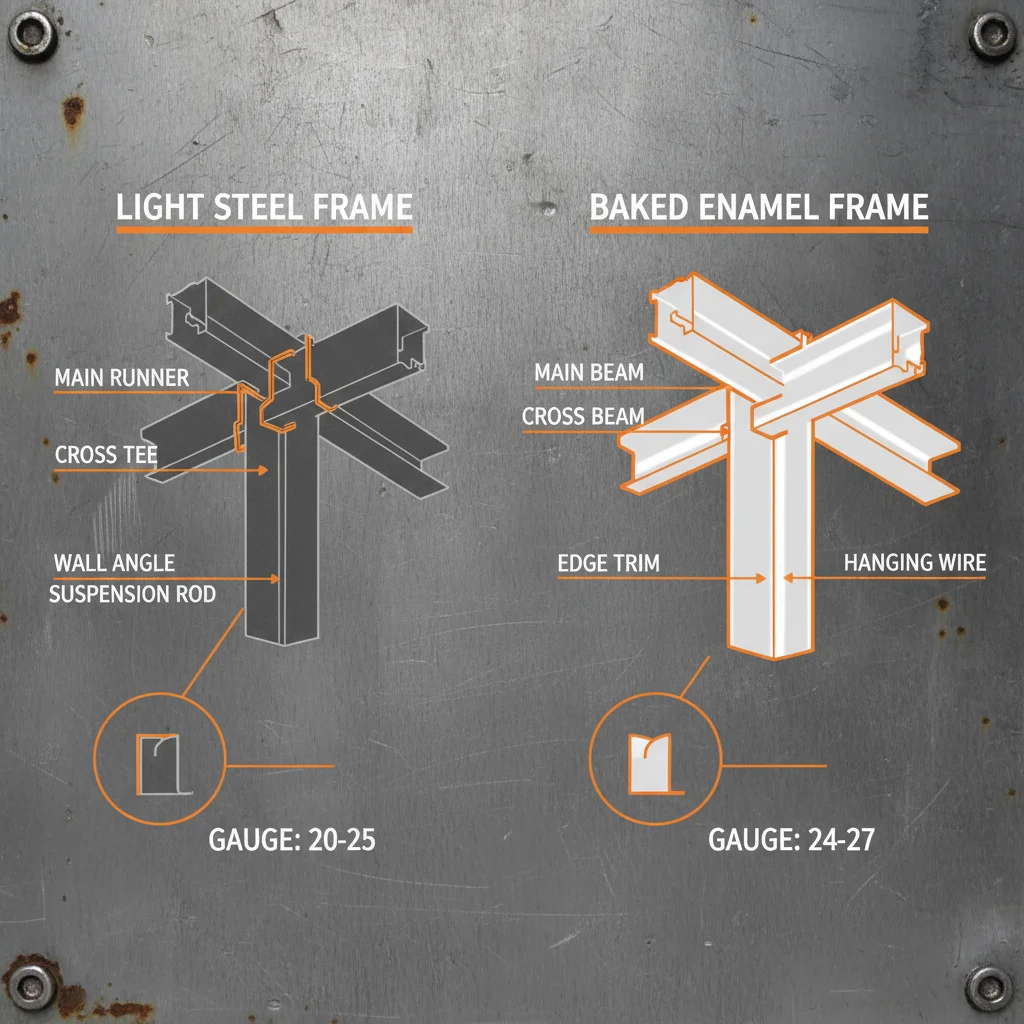
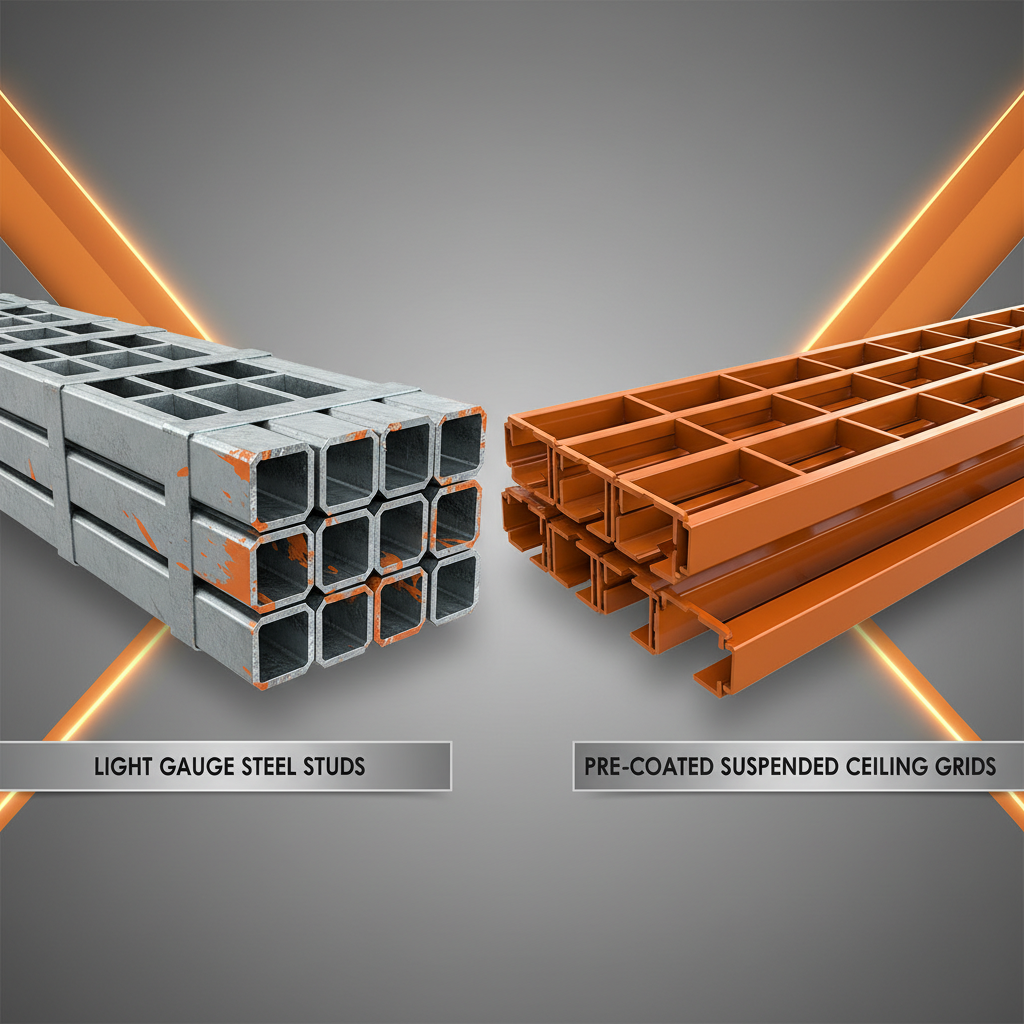
Forget the technical jargon. In simple terms, light metal studs are the structural components used to build interior walls and ceilings. They're typically made from galvanized steel, and they’re designed to be lightweight and easy to work with, unlike those heavy timber frames.
What makes them so important? It's their adaptability. They’re used in everything from residential homes to large-scale commercial buildings, and even modular construction projects. They're also adaptable to different design needs, so you don't have to compromise on aesthetics.
This isn't just about building walls. It’s about creating flexible, adaptable spaces that meet the evolving needs of people and communities. They're integral to modern construction because they offer a balance of strength, affordability, and ease of use.
Key Factors: Durability, Scalability, and Cost
Durability is paramount. Steel doesn't rot, it doesn't warp, and it's resistant to pests. That's a big win over wood, especially in humid climates. You're looking at a longer-lasting structure that requires less maintenance over its lifespan.
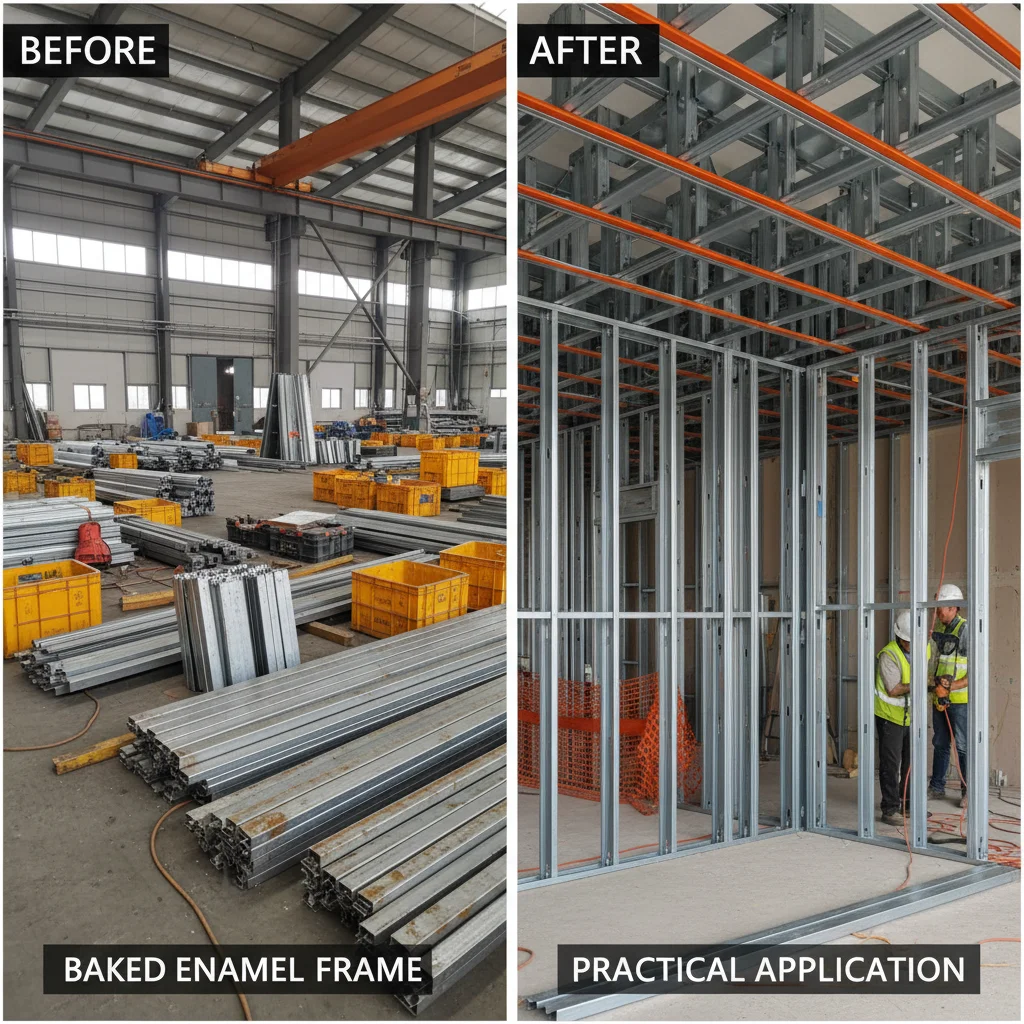
Scalability is another huge advantage. Light metal studs can be easily adapted to various project sizes, from small renovations to massive commercial complexes. The prefabrication aspect allows for faster on-site assembly and reduces the need for extensive on-site cutting and fitting.
Cost Comparison of Framing Materials
Real-World Applications: From Disaster Relief to Commercial Builds
I saw it firsthand after the hurricane in Puerto Rico. The speed with which we could get shelters up using light metal studs was incredible. It wasn't just about providing shelter; it was about restoring a sense of normalcy and dignity.
But it's not just disaster relief. You’ll find them everywhere. Hospitals, schools, office buildings – anywhere you need a strong, reliable interior wall system. They're especially popular in commercial builds because of their ability to accommodate complex electrical and plumbing systems.
Long-Term Value: Sustainability, Safety, and Innovation
The sustainability aspect is becoming a major driver. Steel is one of the most recycled materials on the planet. Using light metal studs reduces waste, minimizes environmental impact, and can contribute to LEED certification.
Safety is another crucial factor. Steel is non-combustible, providing an extra layer of fire protection. And from a worker safety standpoint, they're lighter and easier to handle than traditional materials, reducing the risk of injuries.
What excites me most is the continued innovation. We're seeing advancements in coating technologies, improved screw systems, and even integrated smart building features. The potential for light metal studs to evolve and adapt is immense.
Future Trends: Automation and Material Science
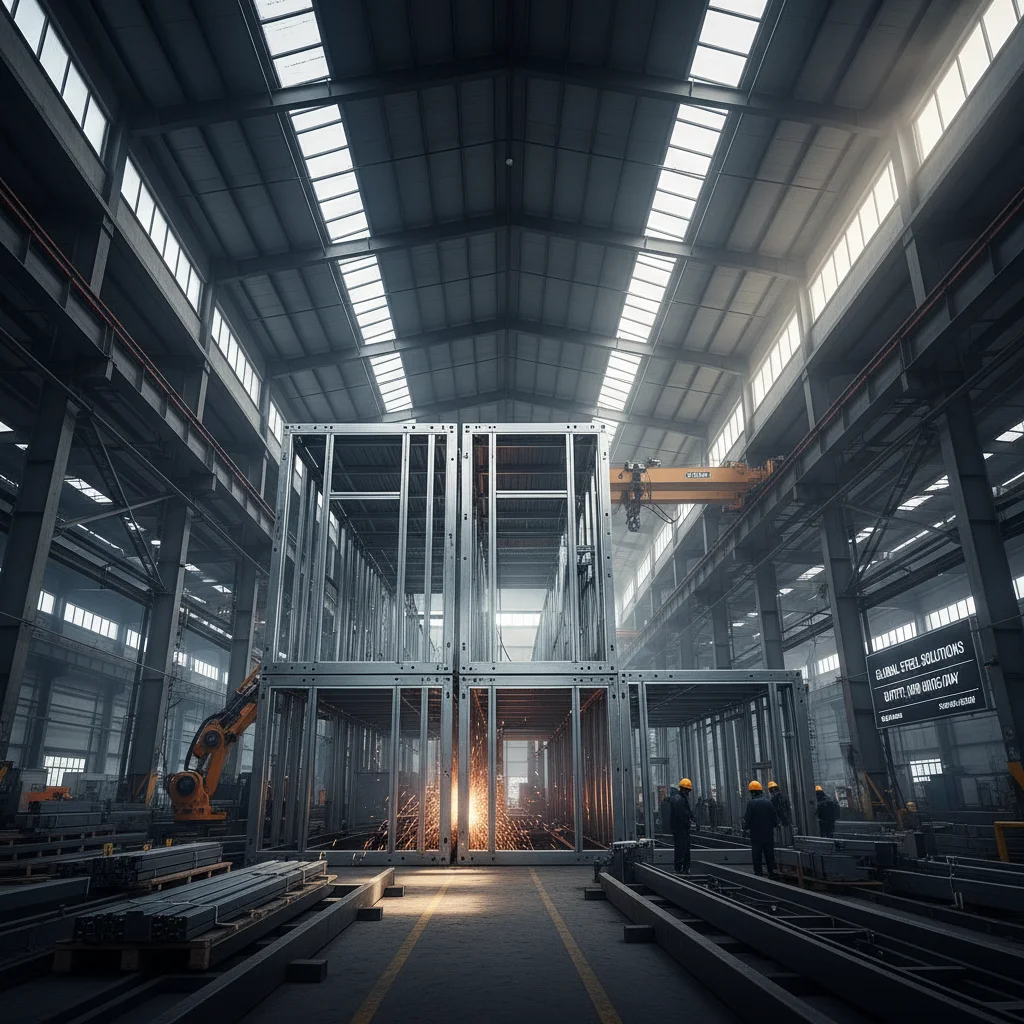
Automation is the next big leap. We’re already seeing more prefabrication and off-site construction, where entire wall panels are assembled in a factory and then shipped to the site. This dramatically reduces on-site labor and improves quality control.
Material science is also playing a role. New alloys are being developed that offer even greater strength and corrosion resistance. We're also seeing the integration of smart materials that can respond to changes in temperature or humidity, further enhancing building performance.
And the push for green building will only intensify. Light metal studs, with their high recycled content and potential for closed-loop systems, are well-positioned to lead the way in sustainable construction.
Summary of Challenges and Solutions in Light Metal Stud Construction
| Challenge |
Impact on Project |
Potential Solution |
Implementation Cost (1-10) |
| Corrosion in Coastal Environments |
Reduced Structural Integrity, Increased Maintenance |
Utilize High-Corrosion Resistant Steel Coatings |
6 |
| Noise Transmission |
Reduced Acoustic Comfort |
Employ Sound Dampening Insulation within Stud Cavities |
4 |
| Lack of Skilled Labor |
Slower Installation, Increased Errors |
Invest in Training Programs, Prefabricated Components |
7 |
| Supply Chain Disruptions |
Project Delays, Increased Costs |
Diversify Suppliers, Maintain Buffer Stock |
5 |
| Thermal Bridging |
Reduced Energy Efficiency |
Utilize Thermal Breaks, Exterior Insulation |
6 |
| Waste Generation |
Environmental Impact, Increased Disposal Costs |
Optimize Cutting Plans, Implement Recycling Programs |
3 |
FAQS
Light metal studs offer superior durability, fire resistance, and dimensional stability compared to wood. They're also less susceptible to rot, pests, and warping, leading to lower maintenance costs over the building's lifespan. Plus, steel is highly recyclable, making it a more sustainable choice. From a practical perspective, they're lighter and faster to install, reducing labor costs and project timelines.
Light metal studs, when properly engineered and installed with appropriate bracing and connections, perform very well in seismic zones. Steel's ductility allows it to absorb energy during an earthquake, reducing the risk of collapse. Engineering codes specifically address the design of steel framing for seismic resistance, ensuring structures can withstand significant ground motion.
With proper maintenance, a structure built with light metal studs can easily last 100 years or more. Steel itself is incredibly durable, and the galvanized coating protects against corrosion. Unlike wood, it's not vulnerable to rot or insect damage. Regular inspections and addressing any minor issues promptly will ensure the structure remains sound for generations.
The upfront material cost of light metal studs can sometimes be slightly higher than wood, but when you factor in the long-term benefits – reduced maintenance, increased durability, fire resistance, and faster installation – they often prove to be more cost-effective overall. You also need to consider the potential savings from reduced waste and labor.
A wide range of finishes can be applied to light metal stud walls, including drywall, plaster, paneling, and even tile. The steel framing provides a solid and stable base for almost any interior finish. Proper screw selection and detailing are important to ensure a secure and long-lasting attachment.
Light metal studs inherently offer excellent fire resistance. Depending on the assembly and the use of fire-rated drywall or other protective materials, you can achieve fire resistance ratings from 30 minutes up to several hours. This provides a significant safety advantage over wood framing, which is combustible.
Conclusion
Light metal studs aren’t just a material; they’re a smarter way to build. They address critical industry challenges, offering a combination of speed, durability, sustainability, and cost-effectiveness. From disaster relief to large-scale commercial projects, their adaptability and reliability are proven time and time again.
Looking ahead, the integration of automation and continued advancements in material science will only enhance the value of light metal studs. Investing in these systems isn’t just about building structures; it’s about building a more resilient, sustainable, and efficient future. Visit our website at www.jinkaibm.com to learn more about how we can help you build better.