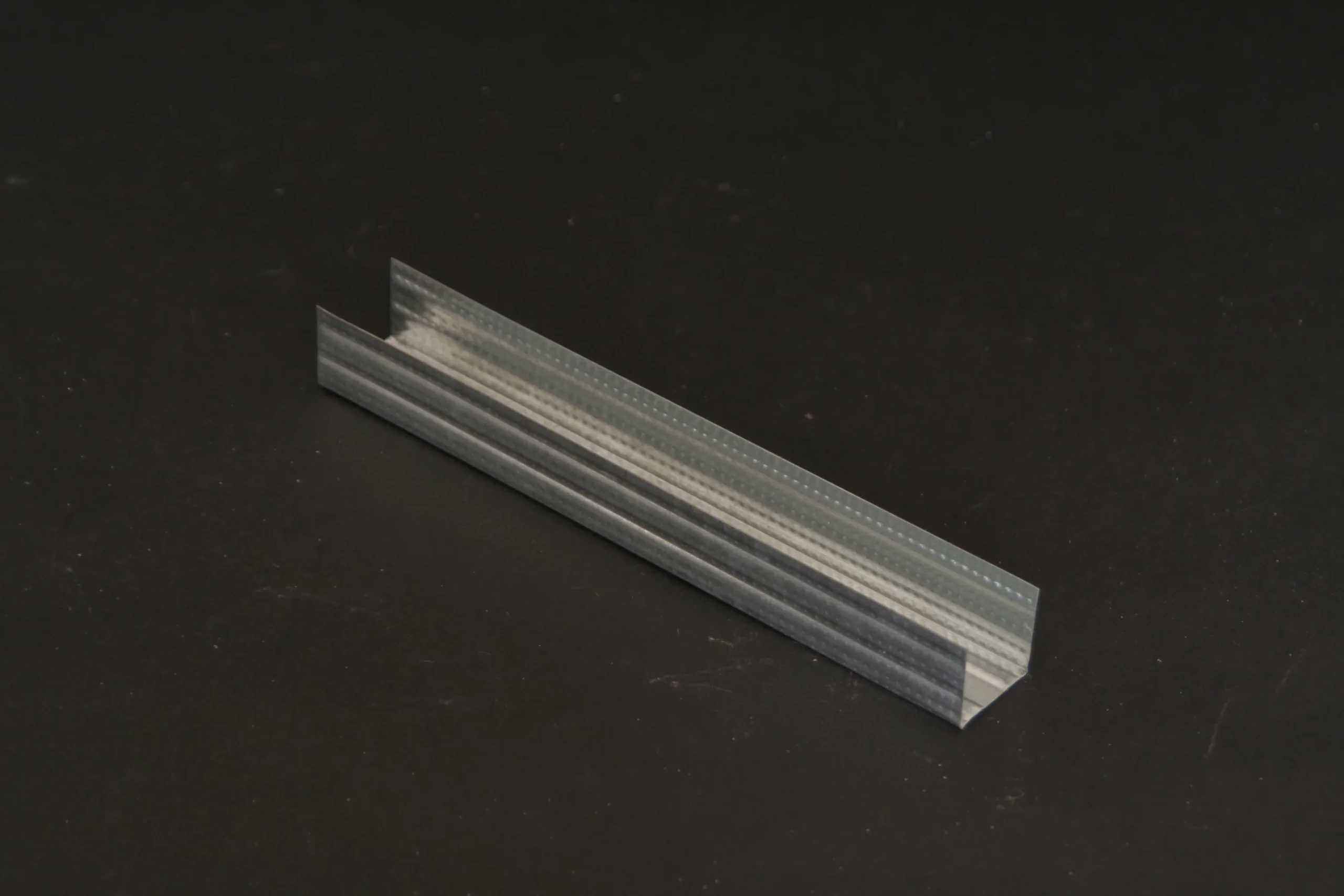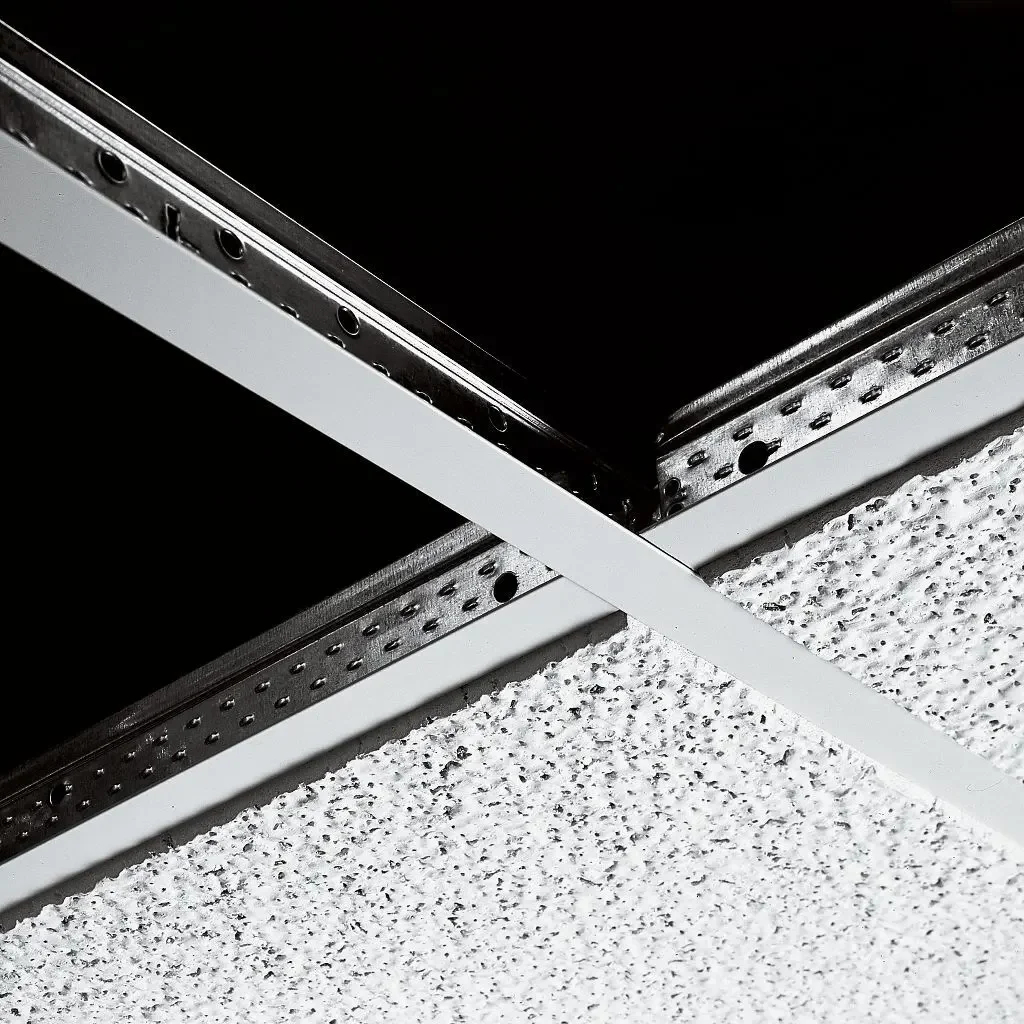
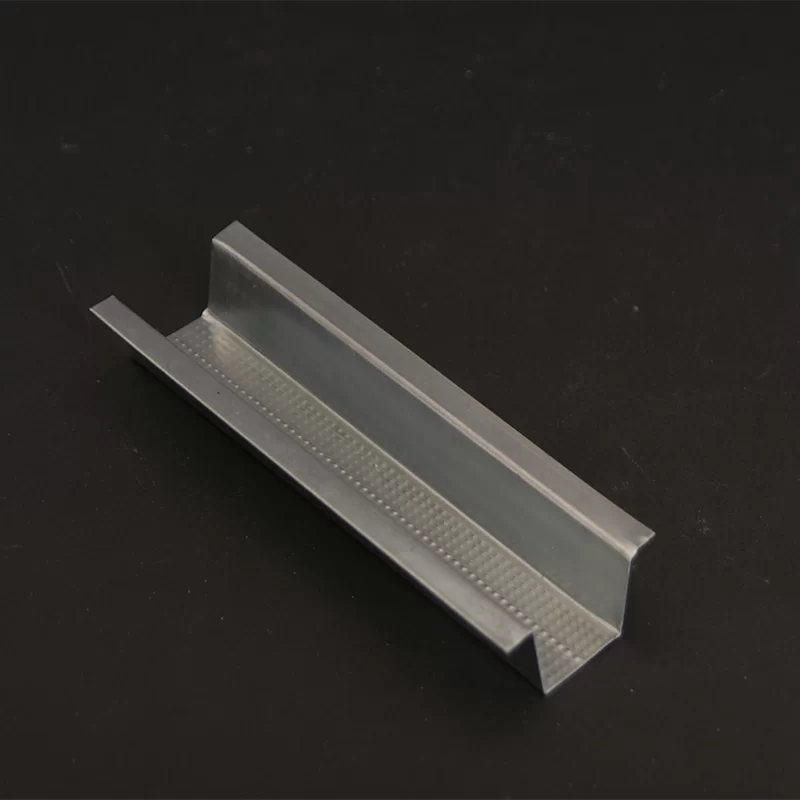
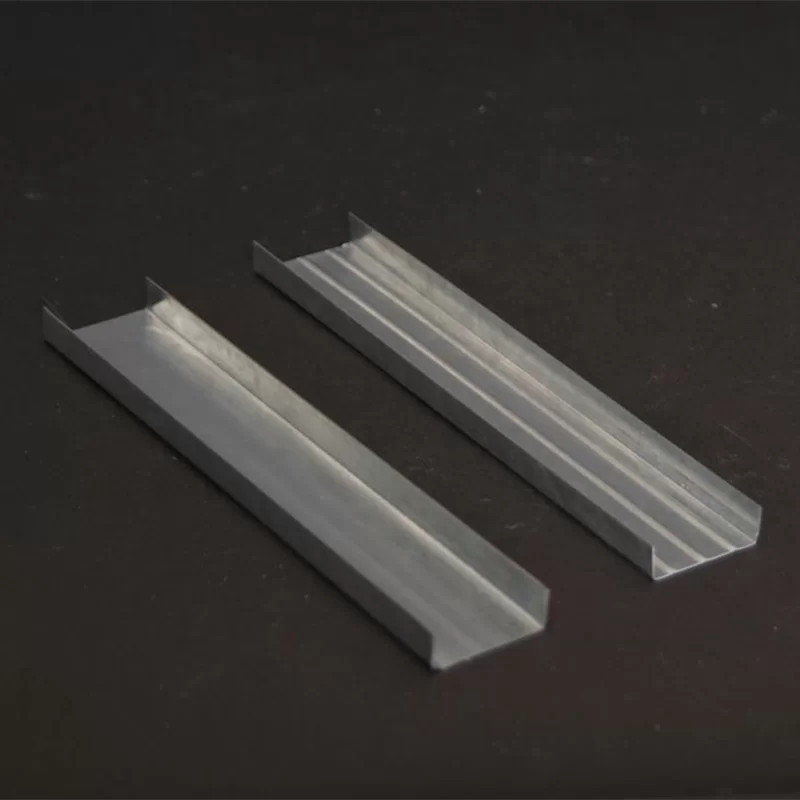
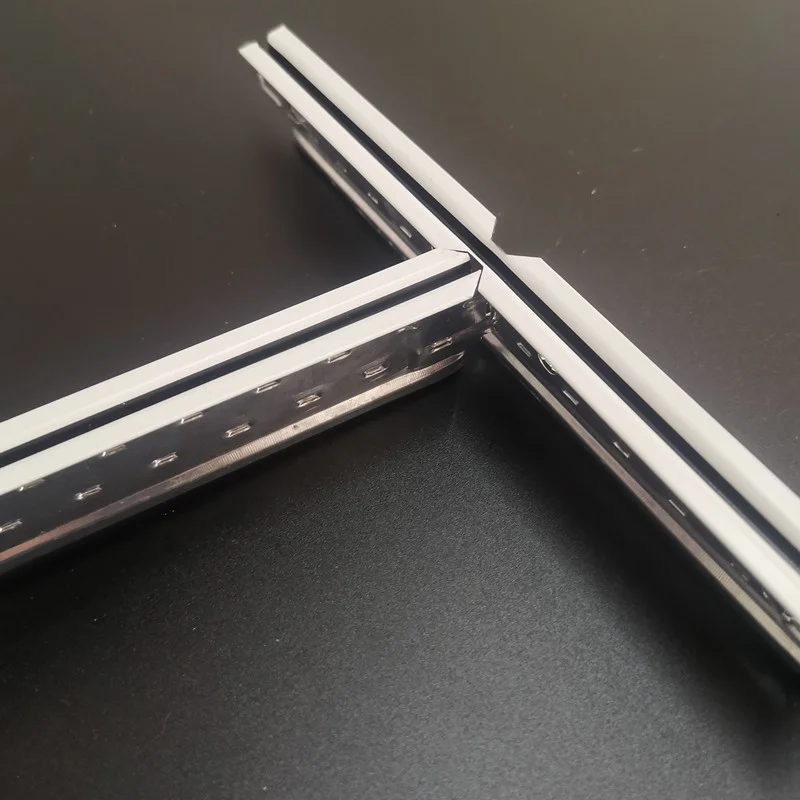
Advanced prefabricated light gauge steel building Solutions for Iran

Advanced prefabricated light gauge steel building Solutions for Iran

Engineering high-performance, seismic-resistant structural systems tailored for the diverse architectural needs of the Iranian market.

Advanced prefabricated light gauge steel building Solutions for Iran

Providing the Iranian construction sector with precision-engineered cold-formed steel systems that ensure structural integrity, rapid deployment, and cost-efficiency.

Construction Landscape in Iran

Analyzing the shift toward lightweight materials in a seismic-active region.

Iran's construction industry is currently navigating a transition from traditional masonry and heavy concrete to more flexible systems. Given the high seismic activity in the Iranian plateau, there is a critical demand for structural light gauge metal framing that can absorb energy and reduce the risk of collapse during earthquakes.

Economic fluctuations and the need for rapid urban reconstruction have pushed developers toward modularity. The adoption of specific metal framing gauges allows for a balance between weight reduction and the load-bearing requirements necessary for the region's varying climate zones, from humid coasts to arid highlands.

Furthermore, the integration of gypsum and cement-based composite panels with steel supports is becoming the standard for interior partitioning in Tehran and Mashhad, optimizing thermal insulation and acoustic performance in dense urban environments.
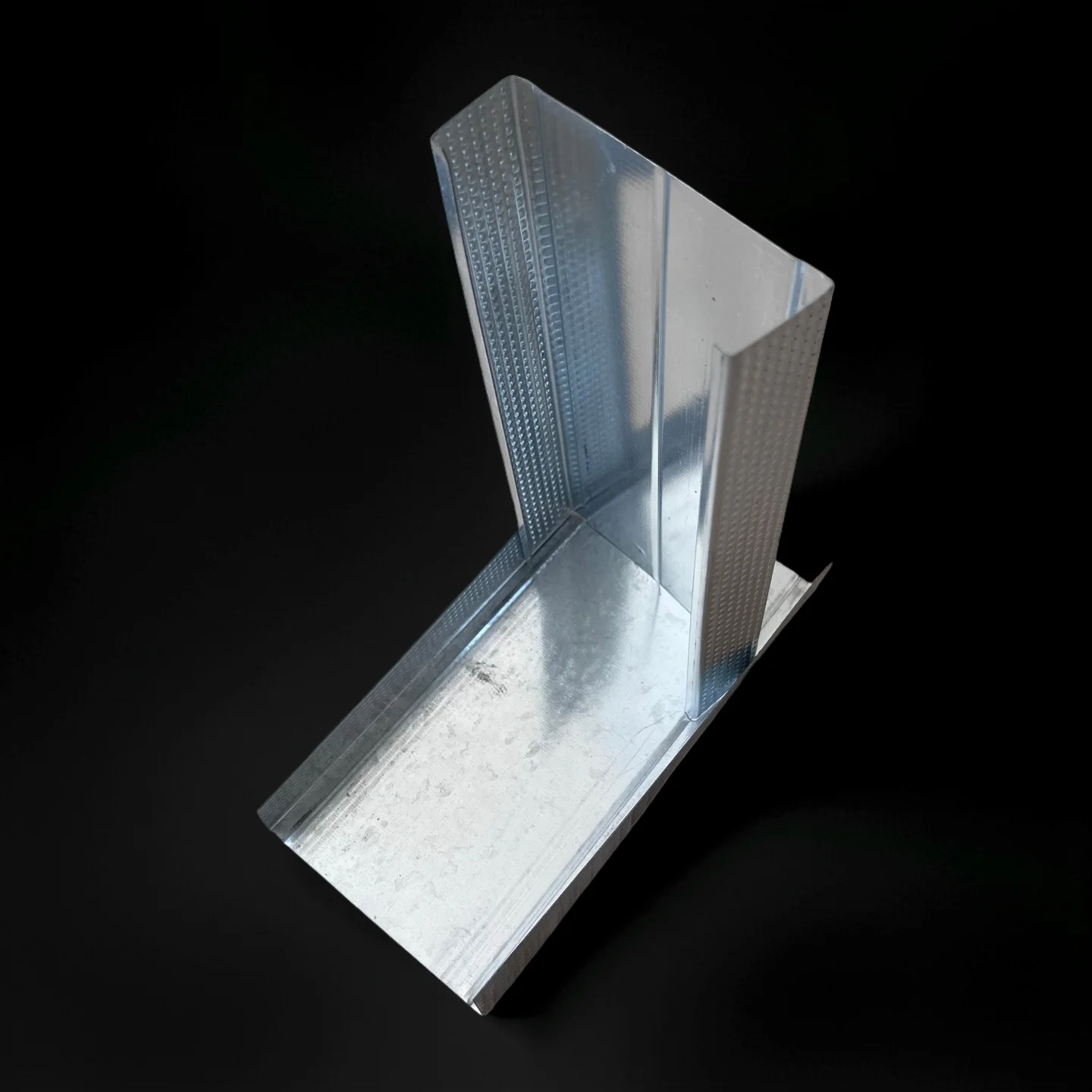
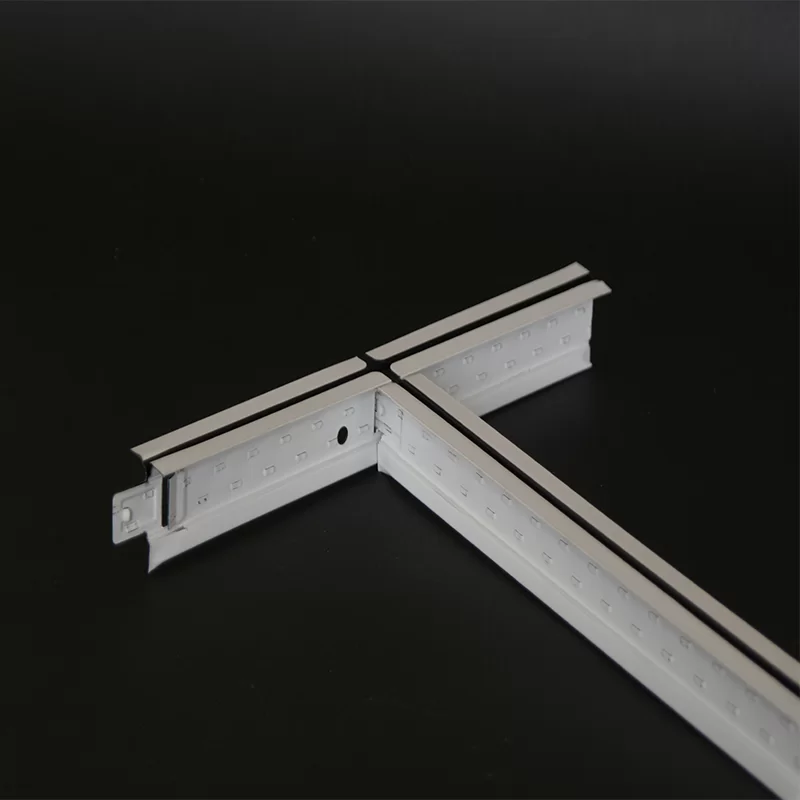
Evolution of Steel Framing in Iran

From rudimentary steel supports to precision-engineered prefabricated systems.

Market Development History

In the early 2000s, the Iranian market relied heavily on hot-rolled steel and traditional brickwork. The initial introduction of light steel was limited to simple industrial sheds and temporary warehouses with basic profiles.

Between 2010 and 2018, the industry saw a shift toward standardized steel stud gauge specifications, enabling the construction of multi-story residential partitions and more complex interior layouts that adhered to international safety codes.

From 2019 to the present, the focus has pivoted toward fully integrated lightweight steel frame building technologies, utilizing BIM (Building Information Modeling) to ensure millimeter-precision in fabrication before site delivery.

Future Development Trends

Green Building Certification

Increased focus on LEED-style standards in Iran will drive the demand for recyclable steel components and energy-efficient wall assemblies.

Automated Prefabrication

The transition from manual onsite cutting to CNC-driven offsite manufacturing to reduce waste and labor costs in large-scale housing projects.

High-Strength Alloy Adoption

Integration of advanced coatings to prevent corrosion in coastal regions like Bandar Abbas, enhancing the lifespan of structural frames.

Industry Trends & Future Outlook

Strategic forecasts for the non-metallic and metal decorative materials sector.

Seismic Optimization
Implementing dynamic load calculations to ensure structures withstand high-magnitude earthquakes.
Modular Scalability
Developing interchangeable components that allow rapid expansion of residential and commercial units.
Material Hybridization
Combining steel frames with advanced cement-based decorative panels for superior aesthetics.
Digital Twin Integration
Using 3D simulations to predict thermal performance and stress points before fabrication.

Industry Outlook

Google search trends indicate a rising interest in "sustainable prefab housing" within the Middle East, specifically targeting the Iranian urban centers. This suggests a move toward carbon-neutral construction methods that prioritize recycled steel.

The long-term trajectory points toward a total integration of the supply chain, where structural light gauge metal framing becomes the primary skeleton for all non-load-bearing interior walls, replacing heavy gypsum blocks.

Localized Application Scenarios in Iran

Real-world implementations of steel framing across various Iranian environments.

01. Seismic-Resistant Housing in Tehran

Utilizing high-tensile steel frames to create residential complexes that meet strict Iranian National Building Regulations for earthquake safety.

02. Rapid Commercial Hubs in Isfahan

Applying modular prefab systems to construct commercial plazas with minimal site disruption and extremely fast installation timelines.

03. Thermal-Insulated Villas in Tabriz

Integrating light gauge steel with high-density mineral wool and cement board to withstand extreme winter temperatures in northern regions.

04. Industrial Warehouse Extensions in Karaj

Using precision metal framing gauges to expand logistics centers without requiring heavy foundation reinforcement.

05. Coastal Resort Infrastructure in Kish Island

Implementing specialized anti-corrosive coatings on steel frames to prevent salt-air degradation in high-humidity maritime environments.

Brand Story

Global Development Journey of Wen'an Jinkai Building Materials Co., Ltd.

Foundation & Vision

Established with a mission to solve the inefficiency of traditional masonry, focusing on the precision of cold-formed steel.

Technological Breakthrough

Developing advanced rolling technology to produce consistent gauges that meet international structural standards.

Global Market Expansion

Expanding our footprint into Asia and the Middle East, adapting our designs to local seismic and climatic requirements.

Quality Certification

Achieving global ISO certifications to ensure every steel stud and frame provides maximum safety and durability.

Future Sustainability

Leading the industry toward green construction by optimizing material use and reducing carbon footprints in fabrication.

Comprehensive Product Portfolio for Iran

A full suite of steel framing and decorative solutions for the Iranian construction market.

Frequently Asked Questions in Iran

Technical insights regarding light gauge steel application in the region.

How does lightweight steel frame building perform in seismic zones like Tehran?

Light gauge steel has a superior strength-to-weight ratio, which reduces the inertial forces during an earthquake, making it significantly safer than traditional brick and mortar.

What is the most common steel stud gauge for interior partitioning in commercial projects?

Depending on the wall height and load requirements, gauges typically range from 0.5mm to 1.2mm, ensuring a balance between weight and structural rigidity.

Can prefabricated light gauge steel building systems be customized for Iranian architectural styles?

Yes, the steel skeleton can be clad with various materials, including traditional Iranian decorative cement panels or modern gypsum boards, to achieve any aesthetic.

How do you determine the correct metal framing gauges for multi-story structures?

We use structural analysis software to calculate dead and live loads, selecting gauges that ensure the frame meets safety factors while minimizing material cost.

Is structural light gauge metal framing suitable for the humid climate of Southern Iran?

Yes, provided that the steel is galvanized (Z275 or higher) or coated with specialized anti-corrosive layers to prevent oxidation in saline environments.

What are the installation time advantages of prefab steel versus concrete in Iran?

Prefabricated systems can reduce onsite construction time by up to 50% because the components are pre-cut and pre-punched in the factory.

Request a Technical Consultation

Our engineers are ready to provide customized steel framing specifications for your next project in Iran.

Contact Us Now

If you are interested in our products, you can choose to leave your information here, and we will be in touch with you shortly.