Hit enter to search or ESC to close
Product introduction
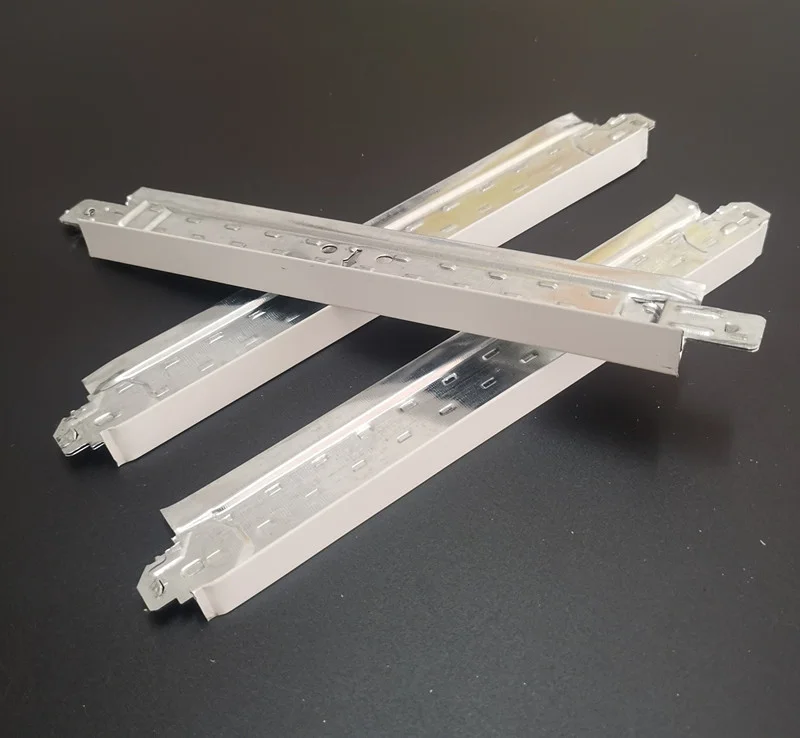
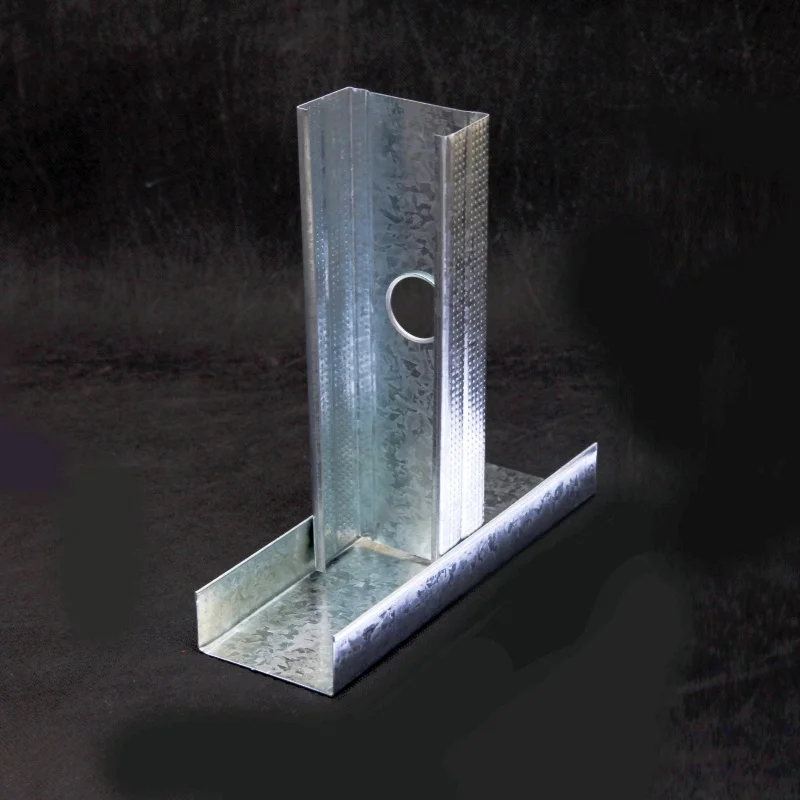
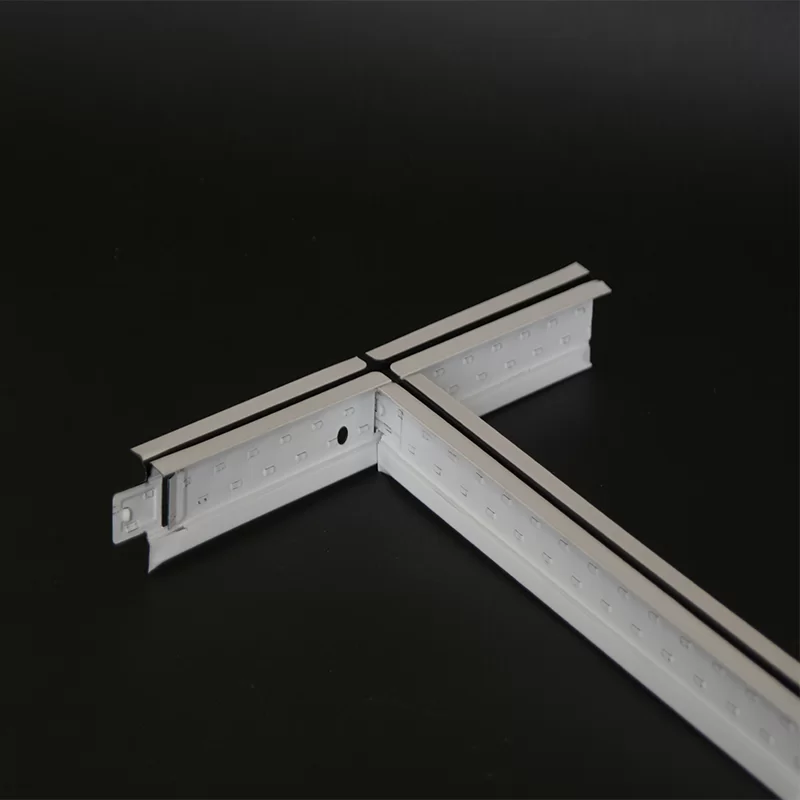
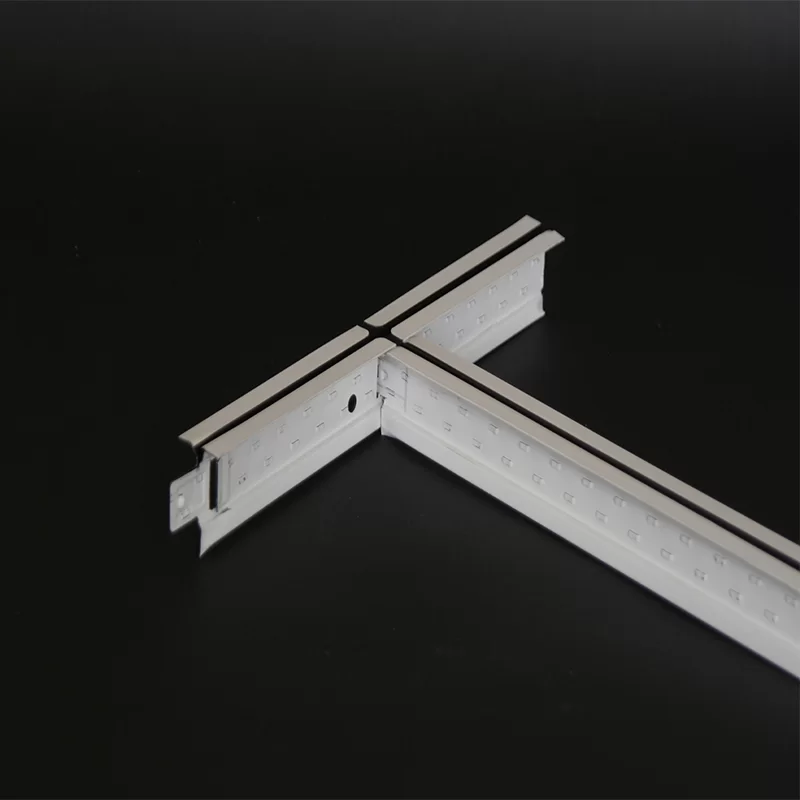
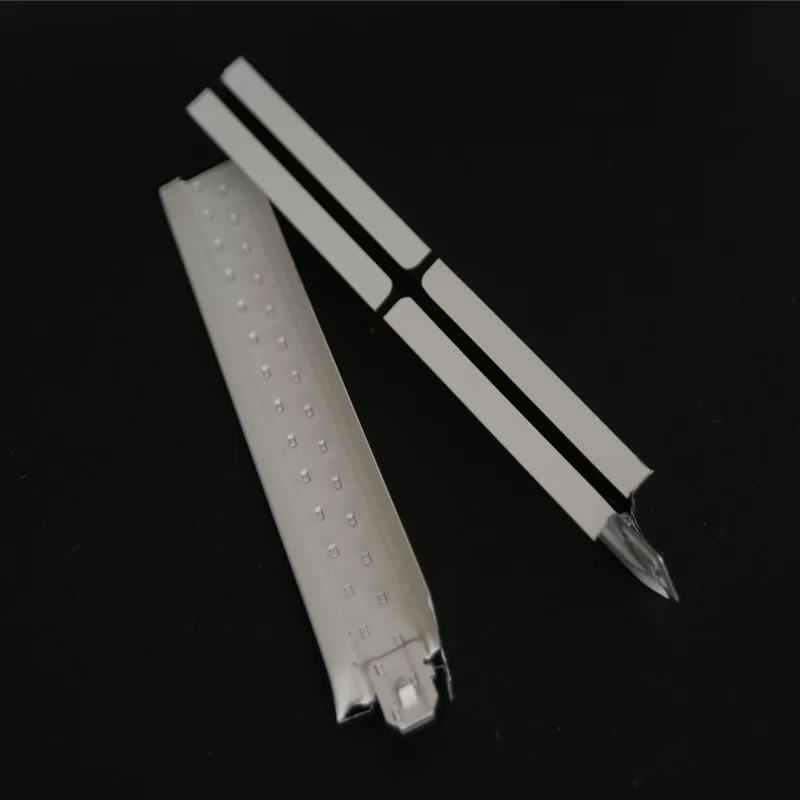
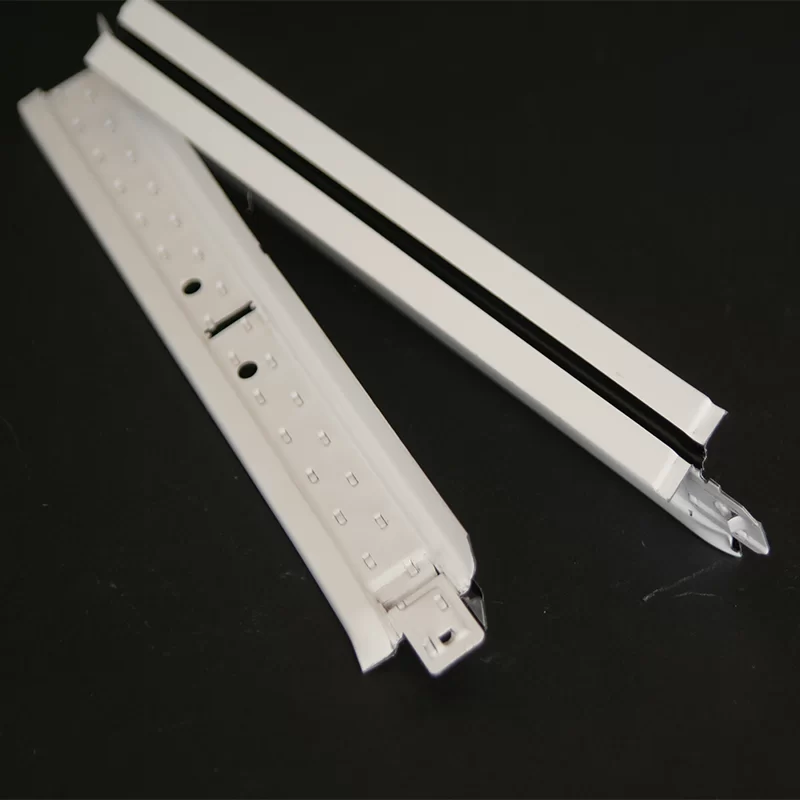
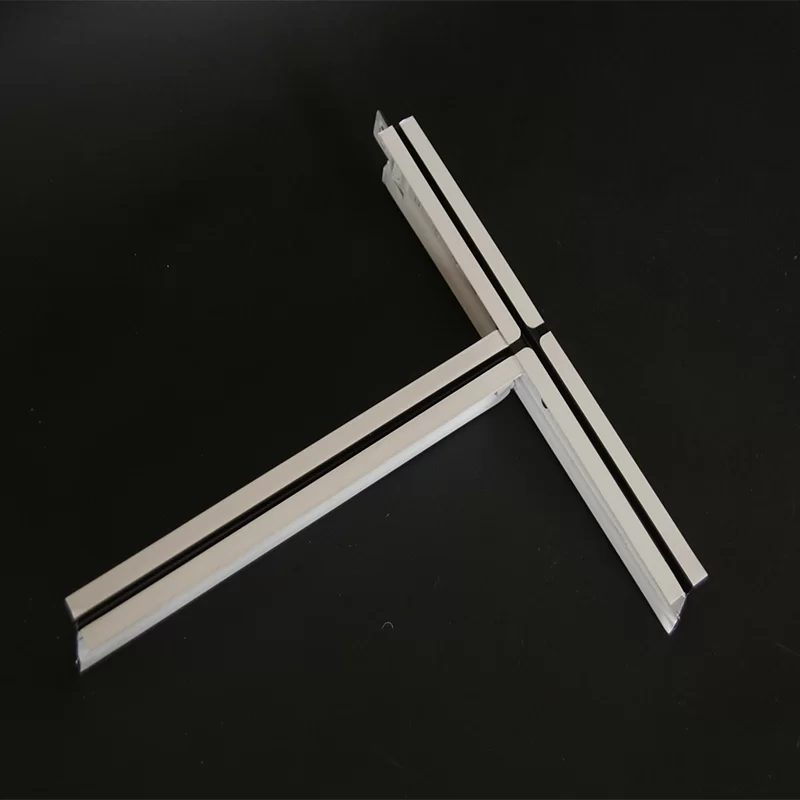
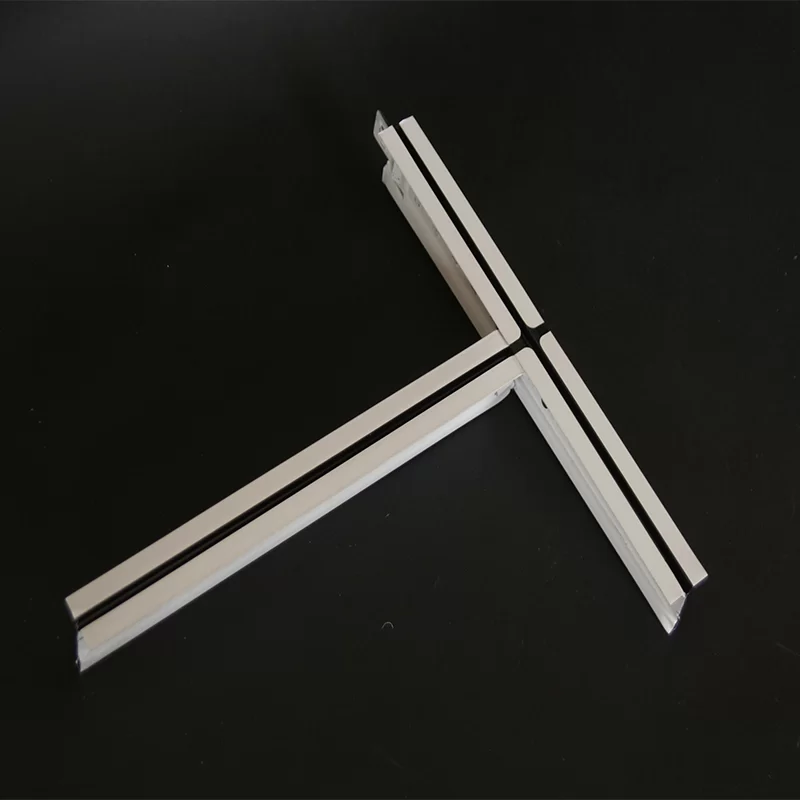
The Main Keel is the core structural member in ceiling suspension and partition wall systems. It serves as the main horizontal support that carries the weight of cross keels, ceiling panels, or wall boards. Typically manufactured from high-quality galvanized steel, the main keel offers excellent rigidity, load-bearing strength, and dimensional stability.
In a ceiling system, the main keel is suspended from the structural ceiling using hangers or anchor rods and acts as the backbone of the entire grid. It ensures the ceiling remains level, strong, and resistant to sagging over time. In drywall systems, it functions as a foundational framework for attaching vertical studs and surface boards. Widely used in residential, commercial, and industrial buildings, main keels are essential for reliable and efficient interior construction.
Product advantages
Superior Load-Bearing Capacity: Supports the full weight of ceiling or wall systems with minimal deflection.
Corrosion-Resistant: Galvanized surface ensures long-term durability in humid or corrosive environments.
Stable & Secure: Provides a rigid framework that prevents ceiling sagging or panel misalignment.
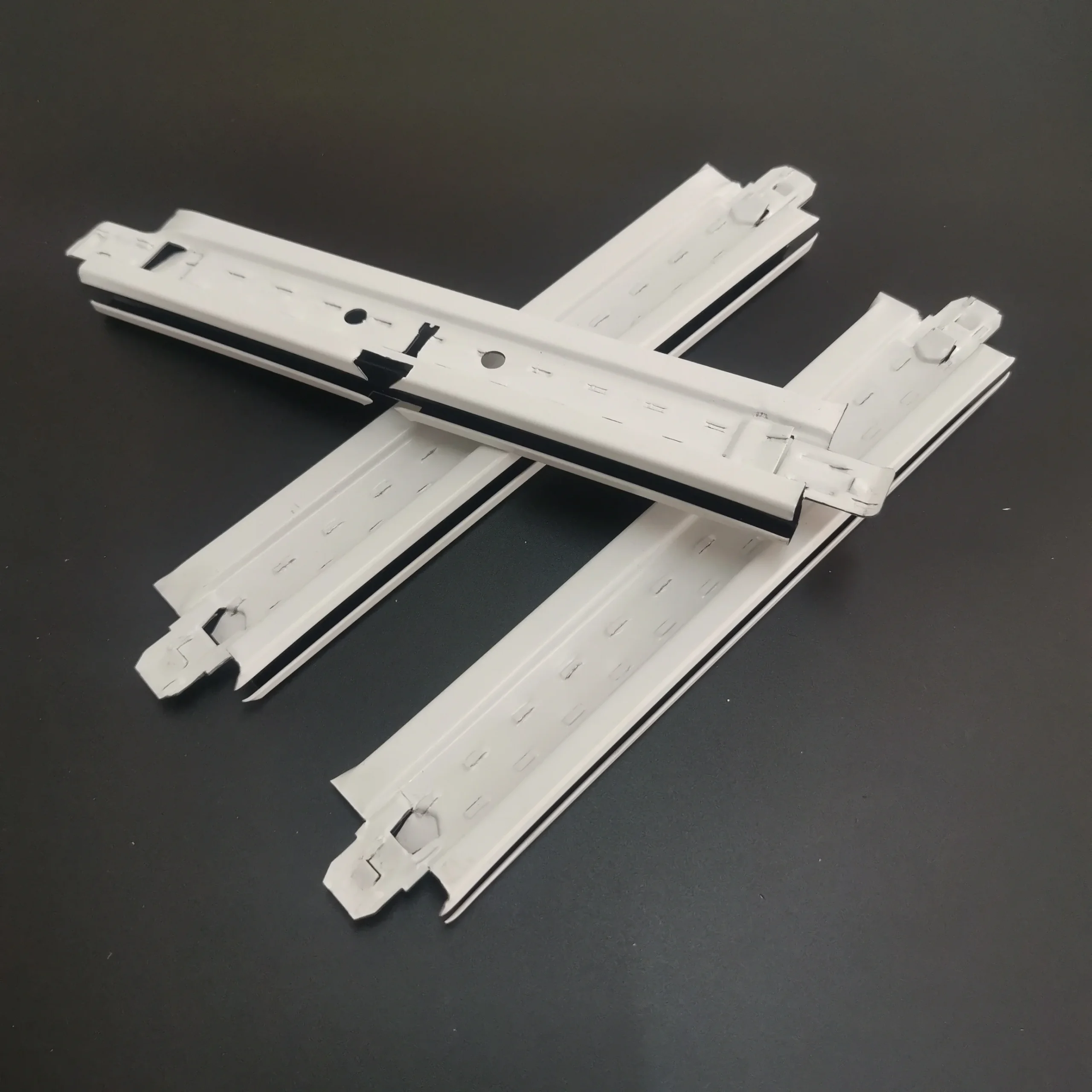
Quick Installation: Standardized profiles allow fast connection with cross keels and accessories.
Versatile Use: Suitable for various applications including ceilings, partitions, and decorative structures.
Fire-Resistant: Steel material contributes to fire safety compliance in building systems.
Product features
Material: Galvanized steel (commonly G40–G90 coating grade)
Standard Sizes: Common profiles include 38×12mm, 50×15mm, or customized according to regional standards
Thickness: Typically ranges from 0.4mm to 0.6mm
Length: Standard lengths are 3.0m, 3.6m, or customizable
Surface Finish: Bright galvanized or pre-coated for extra protection
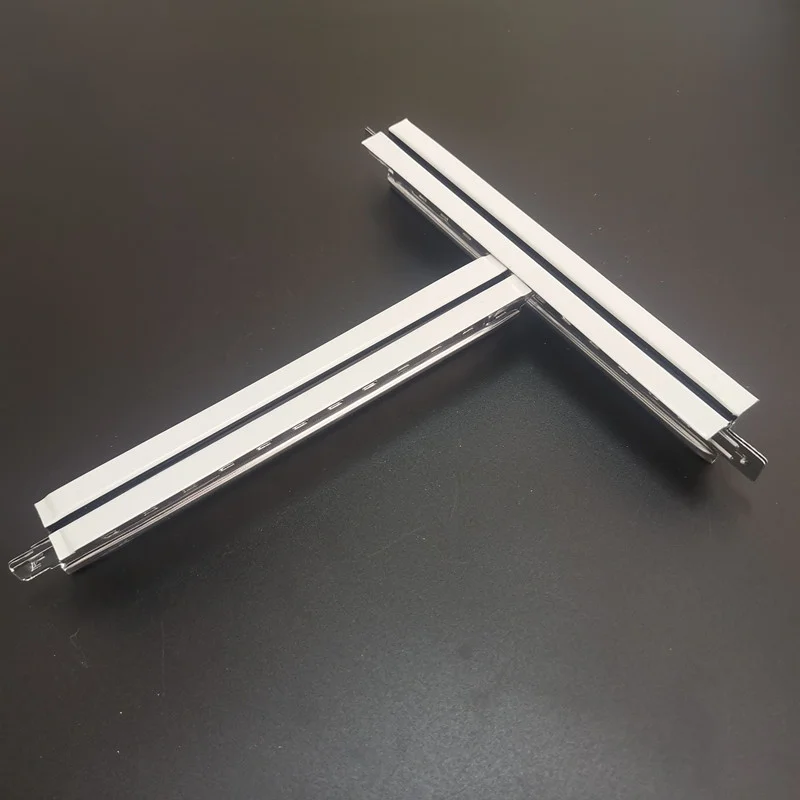
Compatibility: Designed to work with cross tees, hangers, and ceiling panels
Straightness & Precision: Manufactured to tight tolerances for accurate, professional installation
Packaging: Bundled and wrapped to prevent damage during transport and storage
Main Keel Installation and Applications in Modern Construction
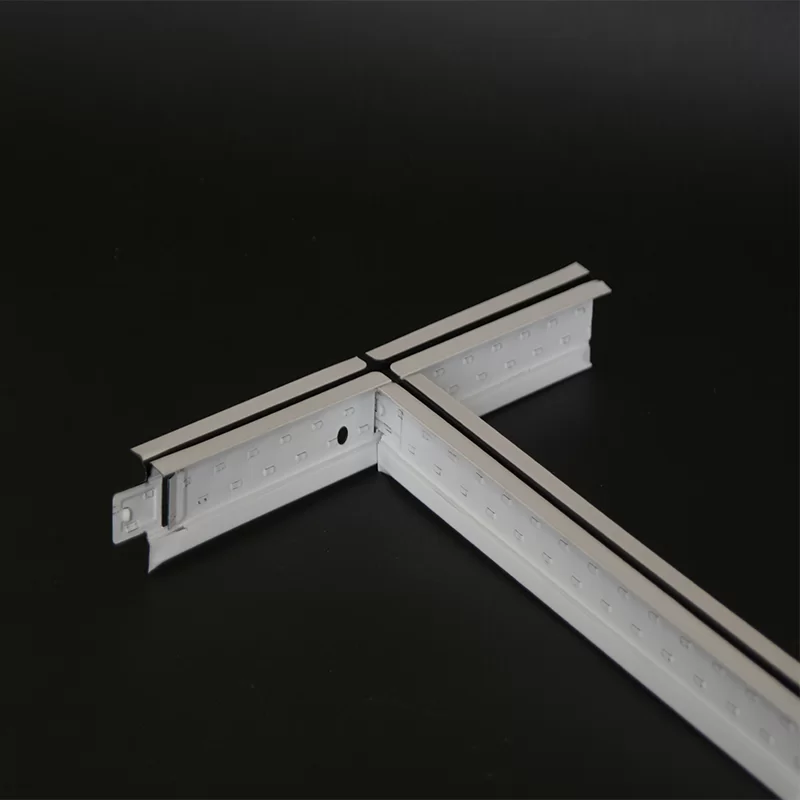
The main keel is a crucial structural component in modern construction, providing the primary support framework for suspended ceilings, partition walls, and drywall systems. Made from high-quality galvanized steel or aluminum, main keels combine strength, durability, and corrosion resistance, ensuring long-term stability in both residential and commercial projects.
Installation of Main Keel
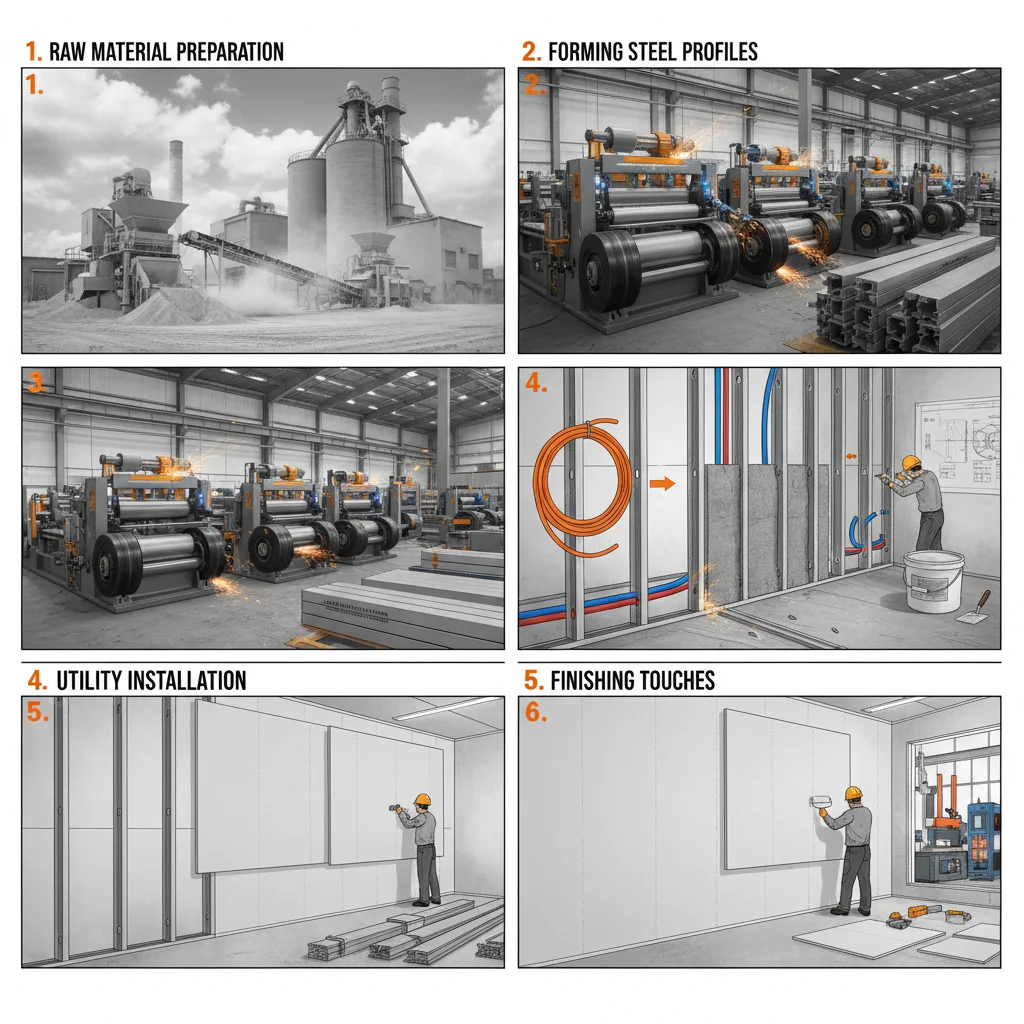
Installing a main keel is straightforward and efficient. The main keels are first fixed to the structural ceiling or wall using brackets, clips, or hangers, creating a strong and level framework. Secondary furring channels or cross tees are then attached perpendicular to the main keel, forming a grid that supports ceiling panels or drywall sheets. This modular design allows for precise alignment and easy adjustment, ensuring a smooth, flat surface for finishing materials.
Applications in Modern Construction
Main keels are widely used in suspended ceiling systems, providing robust support for various ceiling tiles, acoustic panels, and decorative finishes. They are also integral in partition wall construction, offering a stable structure for drywall, plasterboard, or other wall finishes. In commercial buildings such as offices, retail spaces, and hospitals, main keels simplify the installation of lighting, HVAC ducts, and fire safety systems by providing a concealed yet accessible framework.
Key Advantages
Main keels enhance both the structural integrity and aesthetic quality of interiors. They facilitate quick and efficient installation, reduce labor costs, and create level surfaces for high-quality finishes. Their durable construction ensures resistance to moisture, corrosion, and deformation, making them suitable for long-term use even in humid or high-traffic areas.
In summary, main keels are an indispensable element in modern construction, combining practicality, durability, and design flexibility. They provide a reliable backbone for suspended ceilings and partition walls, ensuring a professional, long-lasting result for any project.
Benefits of Using Main Keel for Wall and Ceiling Systems
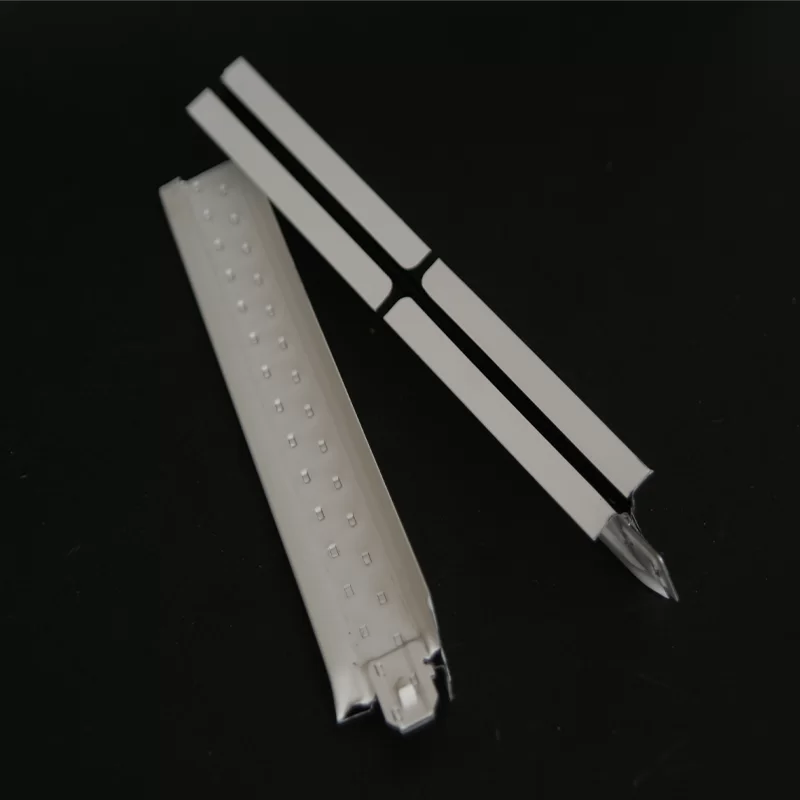
Main keels are the backbone of modern wall and ceiling systems, providing a reliable framework that supports drywall, suspended ceilings, and partition walls. Constructed from high-quality galvanized steel or aluminum, main keels are designed for strength, durability, and long-term performance, making them a preferred choice in both residential and commercial construction.
Enhanced Structural Stability
One of the key benefits of using main keels is their ability to provide superior structural stability. They form a robust skeleton that evenly distributes the weight of ceiling tiles or wall panels, reducing the risk of sagging or deformation over time. This ensures that walls and ceilings remain flat, secure, and visually appealing.
Easy Installation and Maintenance
Main keels are designed for quick and efficient installation. They can be easily fixed to ceilings or walls using brackets and hangers, allowing secondary channels or cross tees to form a precise grid system. This modular design simplifies construction, reduces labor costs, and allows easy access for maintenance or upgrades to electrical wiring, HVAC, or plumbing systems.
Design Flexibility and Versatility
Main keels support a wide range of finishes, including acoustic panels, decorative tiles, and plasterboard. Their adaptability allows designers and contractors to create custom layouts, integrate lighting, and accommodate insulation materials, enhancing both aesthetics and functionality.
Durability and Longevity
Galvanized or coated main keels resist corrosion, moisture, and wear, ensuring a long service life even in humid or high-traffic environments. This durability makes them suitable for offices, retail spaces, hospitals, and residential buildings alike.
In summary, main keels provide unmatched support, ease of installation, design flexibility, and long-term reliability. By integrating main keels into wall and ceiling systems, builders and designers can achieve structurally sound, visually appealing, and durable interiors that meet modern construction standards.
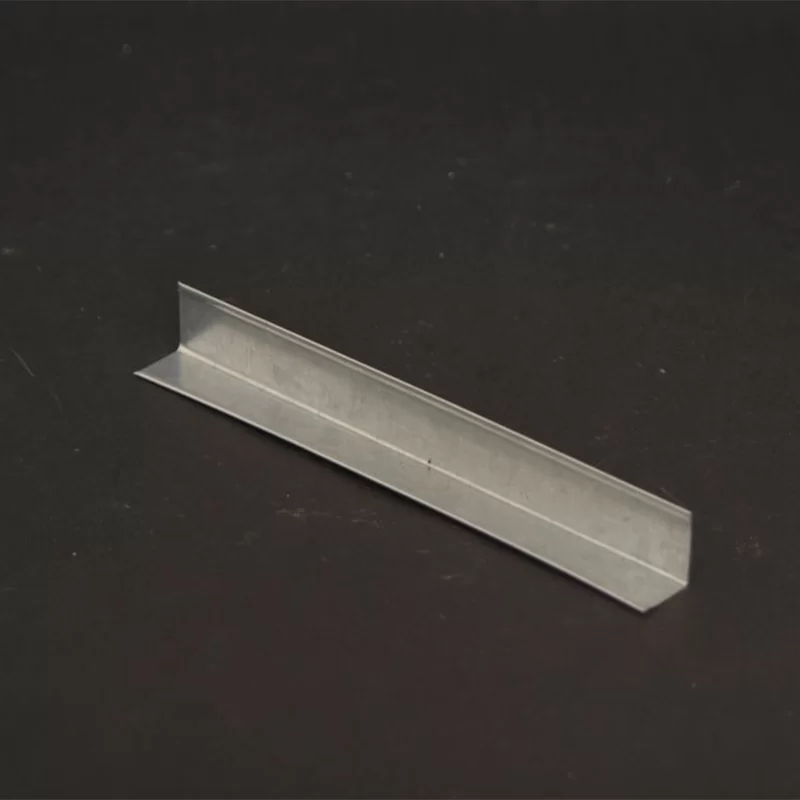
Main Dimensions Of Keel Components
Main keels play a pivotal role in modern interior construction, forming the core framework for ceilings and partition walls. Constructed from high-quality galvanized steel or aluminum, main keels provide durability, strength, and resistance to corrosion, ensuring long-lasting performance in both residential and commercial projects.
Optimizing Ceiling Designs
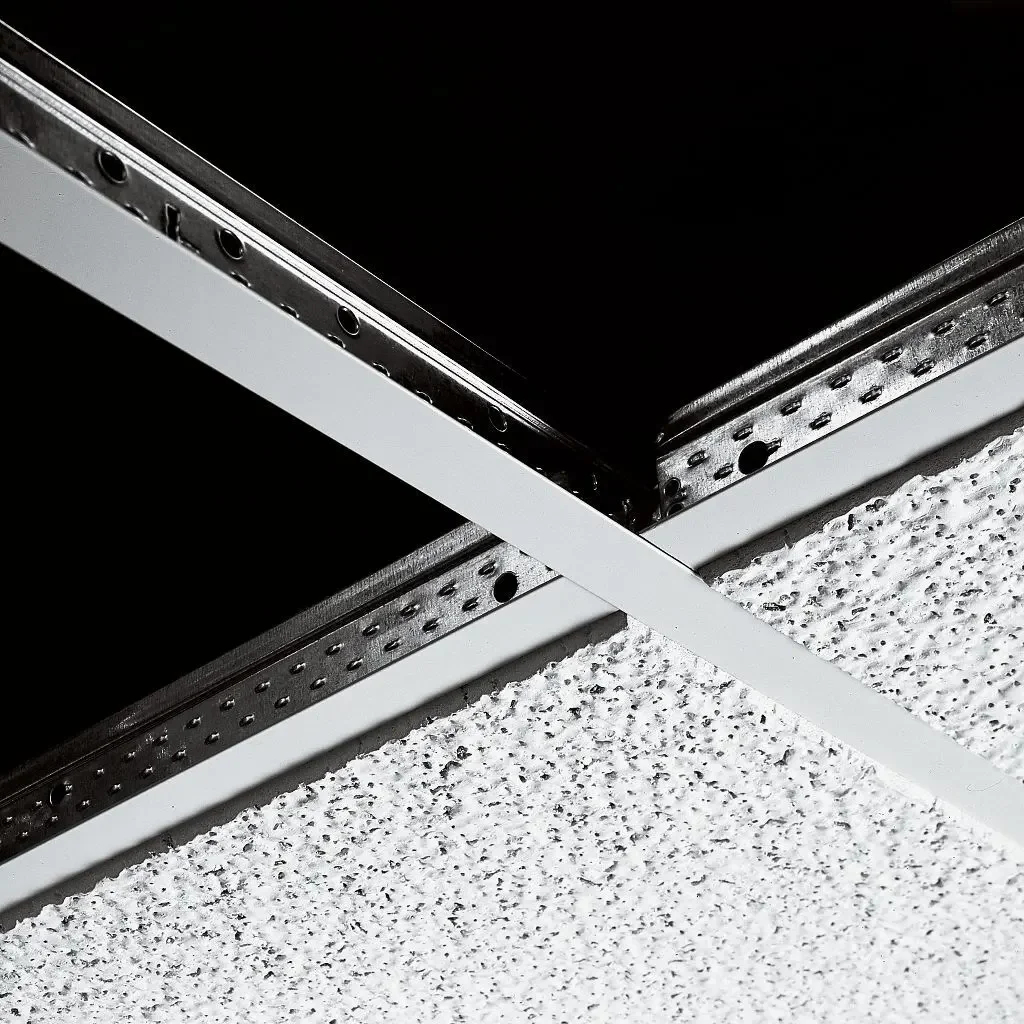
In suspended ceiling systems, main keels serve as the primary support for cross tees and ceiling panels. Designers can create unique layouts by arranging keels in various patterns or combining them with decorative and acoustic panels. This flexibility allows for modern, visually appealing interiors while maintaining a smooth and level ceiling surface. Integrated lighting, ventilation, and sprinkler systems can be seamlessly incorporated into the grid, offering both functionality and aesthetic harmony.
Efficient Wall Construction
Main keels are equally important in partition wall applications. By providing a stable framework for drywall or plasterboard, they ensure walls remain straight and level over time. This design approach reduces cracking and uneven surfaces, enhancing the overall durability of interior walls. The modular system also allows for easy installation and future modifications, making it ideal for spaces that may require adjustments or expansions.
Durability and Performance
High-quality main keels resist moisture, rust, and deformation, making them suitable for environments such as kitchens, bathrooms, basements, and high-traffic commercial spaces. Their sturdy construction supports heavy panels and insulation materials, improving acoustic and thermal performance, and contributing to energy efficiency.
Design Flexibility
The versatility of main keels allows architects and contractors to experiment with various interior styles, from minimalist modern designs to more intricate patterns. Their combination of strength, efficiency, and aesthetic potential makes them an essential element in creating durable and visually pleasing interiors.