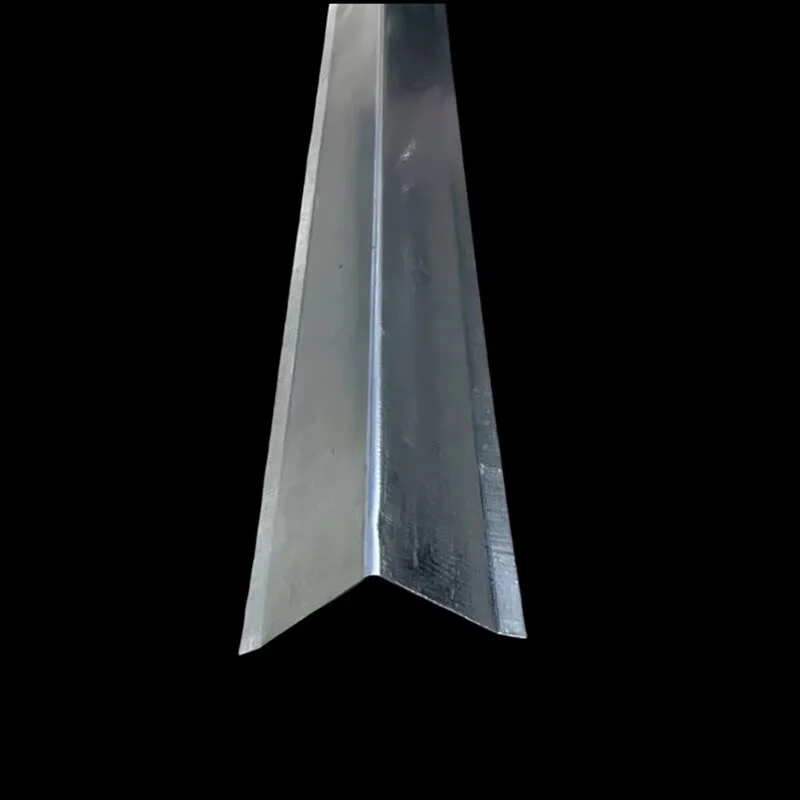
Advanced prefabricated light gauge steel building Solutions for Switzerland

Advanced prefabricated light gauge steel building Solutions for Switzerland

Precision-engineered structural metal systems designed to meet the rigorous Swiss building codes and alpine environmental challenges.

Advanced prefabricated light gauge steel building Solutions for Switzerland

Our integrated approach combines Swiss precision with high-strength metallurgy to provide sustainable, rapid-deployment building frameworks for residential and commercial sectors.

The State of Metal Framing in the Swiss Construction Market

Navigating the intersection of traditional alpine architecture and modern industrial efficiency.

Switzerland's construction landscape is defined by extreme topographical variations and a strict commitment to energy efficiency (Minergie standards). The adoption of structural light gauge metal framing has surged as a response to the need for lightweight yet durable materials that can be transported to remote mountainous regions without heavy machinery.

Current market trends show a shift toward modularity. Swiss architects are increasingly specifying exact metal framing gauges to optimize the thermal envelope of buildings, ensuring that the thin-walled profiles do not compromise the insulating properties required for harsh winter climates.

Furthermore, the high cost of local labor in Switzerland has accelerated the demand for off-site fabrication. By utilizing precise steel stud gauge specifications, contractors can reduce on-site assembly time by up to 60%, significantly lowering overall project expenditure.
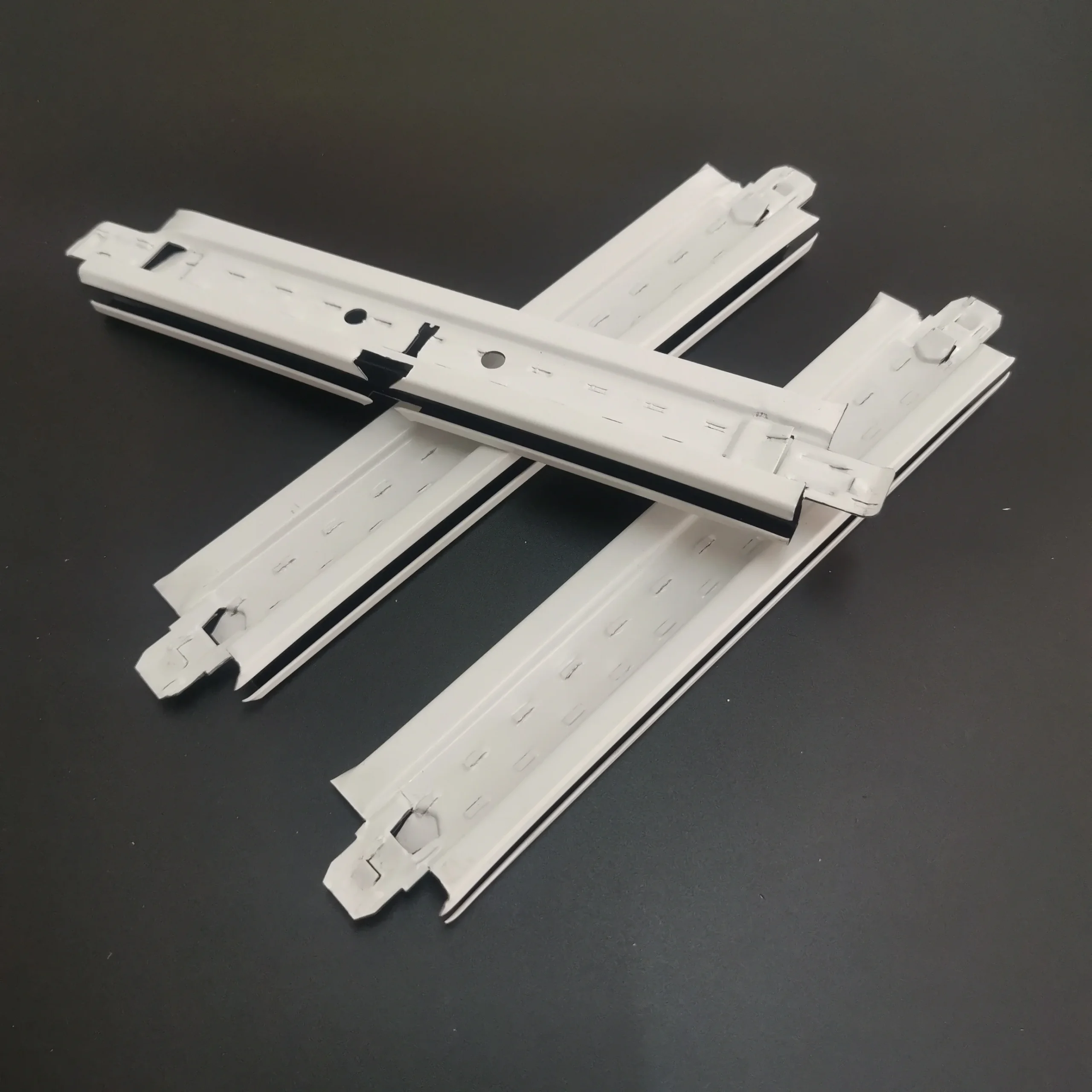
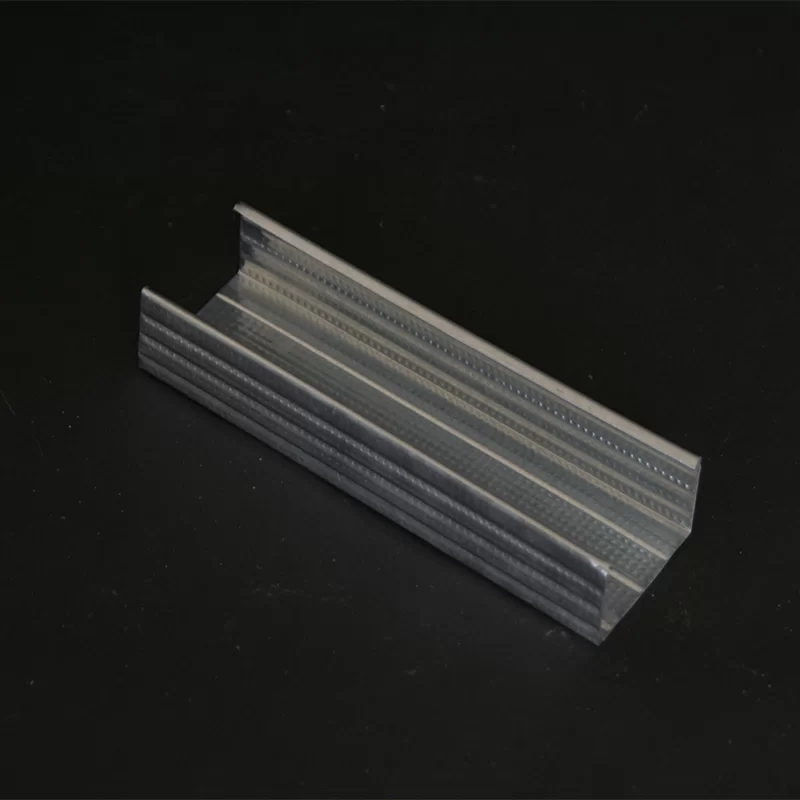
Evolution of Steel Framing Technology in Switzerland

From heavy industrial beams to precision-engineered light gauge systems.

Market Development History

In the early 2000s, the Swiss market relied heavily on reinforced concrete and heavy timber. Metal framing was primarily used for non-load-bearing interior partitions, where basic steel stud gauge options were sufficient for drywall support.

Between 2010 and 2018, the introduction of BIM (Building Information Modeling) allowed for the transition to lightweight steel frame building techniques. This period saw the adoption of high-tensile galvanized steel, enabling the construction of multi-story residential units with thinner wall profiles.

From 2019 to the present, the industry has entered the era of "Smart Prefabrication," where automated roll-forming machines produce components with millimeter precision, aligning perfectly with Swiss quality standards and sustainable "Green Building" certifications.

Future Development Trends

Integration of Smart Sensors

Future frameworks will likely incorporate embedded sensors within the steel profiles to monitor structural integrity and thermal leakage in real-time.

Circular Economy Adaptation

There is a growing trend toward 100% recyclable steel alloys, ensuring that building skeletons can be disassembled and repurposed at the end of their lifecycle.

AI-Driven Gauge Optimization

Advanced algorithms will automatically determine the optimal metal framing gauges for every single member of a building to minimize material waste while maximizing load capacity.

Industry Outlook and Strategic Projections

Analyzing the trajectory of the Swiss non-metallic and metal mineral product industry.

Sustainable Materiality
Shift toward low-carbon steel production to comply with Switzerland's net-zero 2050 goals.
Prefabrication Scale-up
Increasing reliance on fully assembled wall panels to mitigate high Swiss labor costs.
Hybrid System Synergy
Combining light steel frames with cross-laminated timber (CLT) for hybrid Swiss alpine villas.
Precision Regulation
Alignment with new European Eurocode standards for cold-formed steel structural design.

Industry Outlook

Over the next 3-5 years, Google search trends in the DACH region indicate a significant rise in queries related to "sustainable modular housing" and "low-energy steel structures." This suggests a market pivot where efficiency is no longer just about speed, but about the carbon footprint of the entire build process.

We expect the Swiss market to move toward a "kit-of-parts" model, where structural frames are ordered via digital twins and delivered just-in-time. The demand for high-precision structural light gauge metal framing will grow as urban densification in cities like Zurich and Geneva requires faster, quieter, and cleaner construction methods.

Localized Application Scenarios in Switzerland

Practical implementations of steel framing across diverse Swiss terrains.

01. Alpine Eco-Chalets

Utilizing prefabricated steel frames to build sustainable holiday homes in the Valais and Graubünden regions, where light weight is critical for helicopter transport and minimal ground disturbance.

02. Zurich Urban Infill Projects

Deploying high-strength steel studs in narrow city lots to create additional residential stories atop existing concrete buildings without overloading the original foundations.

03. Swiss Pharmaceutical Lab Modules

Using precision-gauged metal framing for clean-room environments in Basel, ensuring seamless integration with specialized HVAC and mineral-based wall coatings.

04. Lake Geneva Luxury Villas

Implementing hybrid structural steel frames that allow for expansive open-plan layouts and floor-to-ceiling glass walls while maintaining seismic stability.

05. Modular Emergency Shelters

Rapidly deployable steel-frame units designed for high-altitude resilience, serving as temporary infrastructure for Swiss mountain rescue and research stations.

Brand Story

Global Development Journey of Wenan Jinkai Construction Materials Co., Ltd.

Industrial Foundation

Established as a specialist in mineral-based construction materials, we focused on solving the durability issues of traditional wall systems.

Technological Pivot

Recognizing the global shift toward modularity, we expanded into the precision engineering of light gauge steel framing systems.

Quality Standardization

We implemented rigorous international quality controls to ensure our steel gauges meet the highest safety and precision standards globally.

European Expansion

Tailoring our product line for the European market, specifically optimizing for Swiss architectural requirements and alpine climates.

Future Vision

Our mission is to lead the transition to sustainable, carbon-neutral steel construction frameworks worldwide.

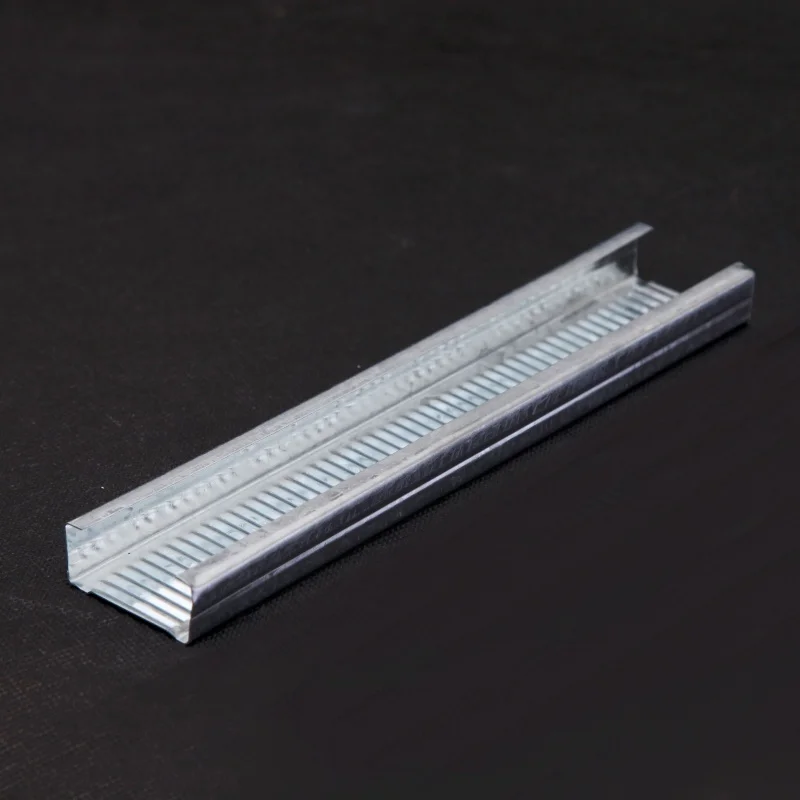
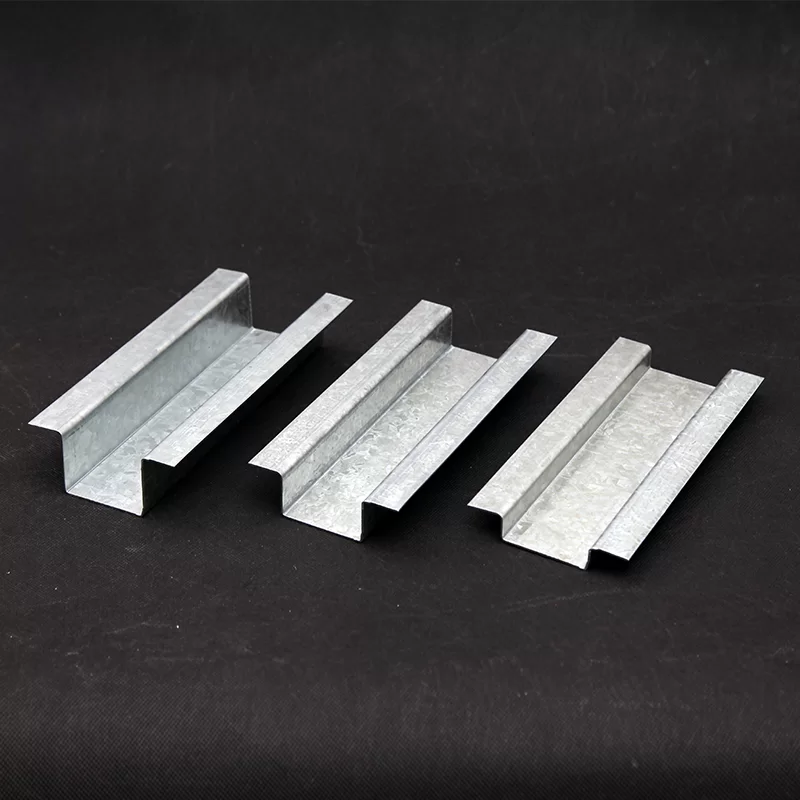
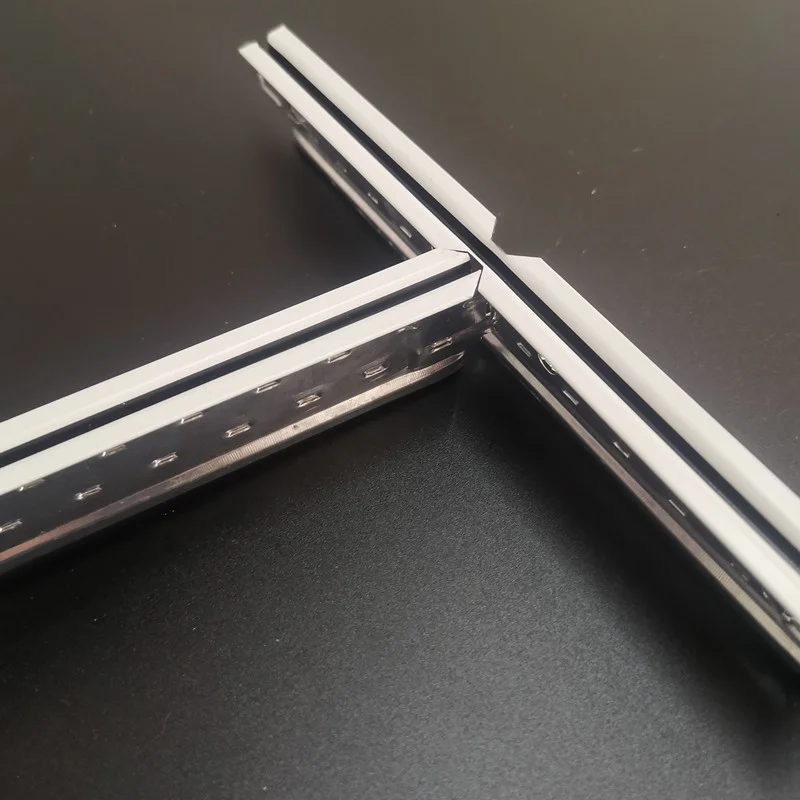
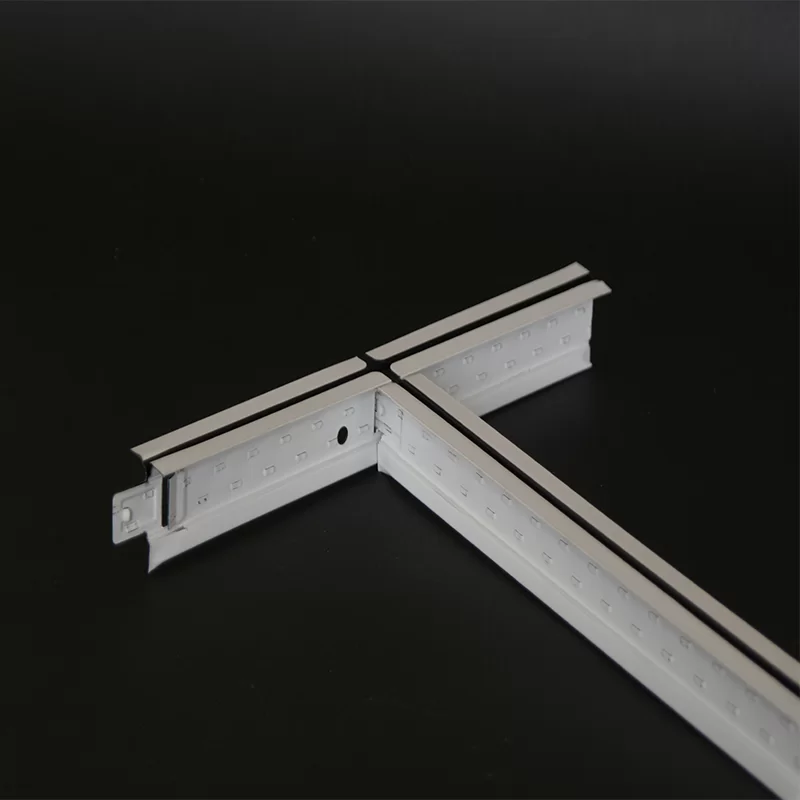
Comprehensive Steel Framing Portfolio for Switzerland

A complete suite of structural and decorative metal solutions for Swiss builders.

Swiss Market FAQs: Steel Framing & Construction

Expert answers to common technical queries regarding light gauge steel in Switzerland.

Which metal framing gauges are recommended for Swiss alpine regions?

Depending on the snow load and wind speed of the specific altitude, we typically recommend heavier gauges for load-bearing walls and reinforced bracing to meet Swiss SIA standards.

How does a prefabricated light gauge steel building handle thermal bridging in cold climates?

We utilize advanced thermal break strips and high-performance mineral wool insulation that wraps around the steel frame, eliminating cold spots and meeting Minergie energy requirements.

What is the difference between standard and structural steel stud gauge options?

Standard gauges are designed for non-load-bearing partitions, while structural gauges have thicker walls and higher yield strength to support floors and roofs.

Is structural light gauge metal framing compliant with Swiss seismic zones?

Yes, the high strength-to-weight ratio and ductile nature of light gauge steel make it exceptionally resilient during seismic events compared to rigid masonry.

Can lightweight steel frame building components be integrated with traditional Swiss stone finishes?

Absolutely. Our frames are designed to support heavy external cladding, including stone veneers and traditional plaster, providing a modern core with a classic Swiss aesthetic.

What are the delivery timelines for prefabricated frames to Switzerland?

Due to our streamlined fabrication process, we typically deliver fully kitted and labeled framing systems within 4-8 weeks after final design approval.

Ready to Optimize Your Swiss Project?

Contact our engineering team today for a customized structural analysis and quote for your building project in Switzerland.

Contact Us Now

If you are interested in our products, you can choose to leave your information here, and we will be in touch with you shortly.