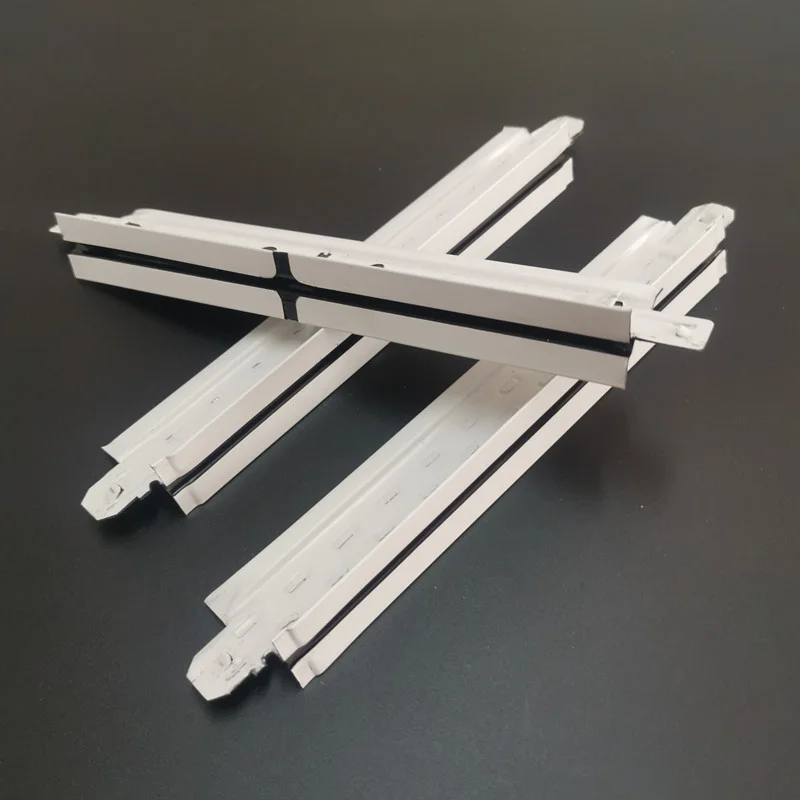
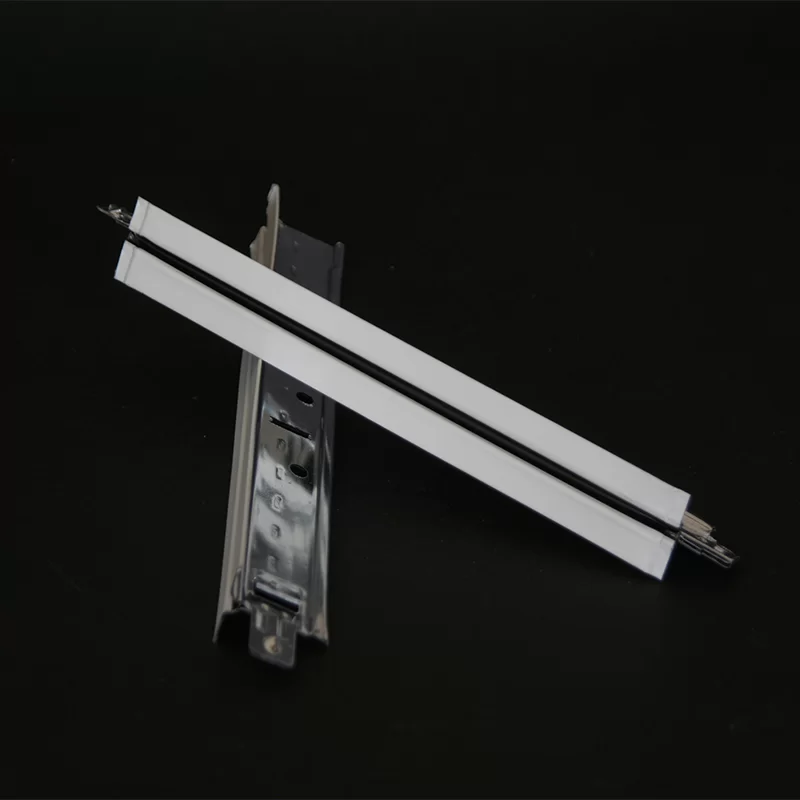
Advanced prefabricated light gauge steel building Systems for US Markets

Advanced prefabricated light gauge steel building Systems for US Markets

Engineering high-precision structural components and innovative metal framing solutions tailored for North American architectural standards and seismic requirements.

Advanced prefabricated light gauge steel building Systems for US Markets

Providing industry-leading structural integrity through precision-engineered light gauge steel solutions, optimized for rapid deployment and long-term durability in the United States construction sector.

US Market Status of structural light gauge metal framing

Analyzing the current adoption of cold-formed steel in North American urban and residential development.

In the United States, the shift toward industrialization in construction is accelerating. The demand for a lightweight steel frame building has surged due to the critical shortage of skilled carpentry labor and the need for faster project turnaround times in high-growth corridors like Texas and Florida.

Local building codes, particularly the International Building Code (IBC), now place a premium on fire resistance and termite proofing—areas where steel vastly outperforms traditional timber. Consequently, the selection of precise metal framing gauges has become a focal point for structural engineers to balance weight reduction with load-bearing capacity.

Economic volatility in raw material costs has driven US developers toward prefabricated solutions. By optimizing the steel stud gauge, companies are reducing waste and improving the thermal efficiency of building envelopes, aligning with new green building certifications (LEED) across North America.
Evolution of Steel Framing Technology

From basic studs to BIM-integrated prefabricated systems.

Market Development History

During the late 20th century, steel framing in the US was primarily used for non-load-bearing interior partitions. The industry relied on manual measurements and basic galvanized profiles with limited gauge variety.

By the 2010s, the integration of CNC roll-forming technology allowed for the mass production of structural light gauge metal framing. This era saw the transition from "on-site cutting" to "factory-precision," significantly reducing construction errors.

Currently, the market has entered the "Digital Twin" era, where BIM (Building Information Modeling) dictates the exact steel stud gauge and placement before a single piece of metal is formed, ensuring 100% accuracy in prefabricated assemblies.

Future Development Trends

AI-Driven Structural Optimization

Algorithm-based design will automatically determine the most efficient metal framing gauges for each specific wall segment, reducing material use without compromising safety.

Hybrid Modular Integration

The trend is moving toward combining prefabricated light gauge steel building components with 3D printed concrete for high-performance hybrid structures.

Carbon-Neutral Steel Sourcing

Increasing pressure for "Green Steel" will lead to the adoption of recycled high-strength alloys that maintain structural integrity while lowering the embedded carbon footprint of the building.

Industry Outlook and Technological Trajectory

Forecasting the 3-5 year growth path of metal construction in the USA.

Automated Prefabrication
Increased reliance on fully automated lines for prefabricated light gauge steel building to combat labor shortages.
Precision Gauge Standardization
Tighter tolerances in metal framing gauges to ensure seamless interlocking in modular pods.
Seismic Resistance Focus
Enhanced ducting and bracing in structural light gauge metal framing for West Coast earthquake zones.
Sustainable Lifecycle
Transitioning to 100% recyclable steel stud gauge profiles for circular economy goals.

Industry Outlook

The US construction landscape is pivoting toward "Product-as-a-Service." We expect a massive shift where building frames are treated as manufactured products rather than site-built assemblies, leading to a 30% reduction in construction timelines.

Google search trends indicate a rising interest in "fast-build residential" and "fire-proof framing," suggesting that the adoption of light gauge steel will move from commercial warehouses into mid-rise residential apartments across major US cities.

Localized Applications in the United States

Real-world implementation of light gauge steel across diverse US climates and terrains.

01. Rapid Residential In-fill in Urban Centers

Utilizing prefabricated light gauge steel building kits to create high-density townhomes in cities like New York and Chicago, where site space is limited and speed is critical.

02. Disaster-Resilient Housing in Gulf Coast

Deploying high-grade structural light gauge metal framing to withstand hurricane-force winds and moisture-heavy environments in Florida and Louisiana.

03. Commercial Warehousing Expansion

Implementing wide-span lightweight steel frame building solutions for logistics hubs in the Midwest, focusing on scalability and open-floor layouts.

04. Seismic-Ready Multi-Family Units

Applying specific metal framing gauges designed for flexibility and energy dissipation in California's earthquake-prone regions.

05. Luxury Accessory Dwelling Units (ADUs)

Providing precision steel stud gauge components for the booming "backyard cottage" trend in suburban California and Washington.

Brand Story

Global Development Journey of Wenan Jinkai Building Materials Co., Ltd.

Foundational Engineering

Started with a mission to solve the inefficiency of traditional masonry, focusing on the core precision of cold-formed steel production.

Technological Breakthrough

Developed proprietary roll-forming processes that allowed for tighter tolerances in structural gauges, meeting international ASTM standards.

Global Market Expansion

Expanded operational reach to North America, adapting product lines to meet the rigorous building codes of the United States.

Smart Manufacturing Integration

Integrated BIM-to-Factory workflows, enabling customers to move from 3D blueprints to physical steel frames in record time.

Future-Proofing Construction

Committing to carbon-neutral manufacturing to lead the transition toward sustainable, steel-based urban development globally.

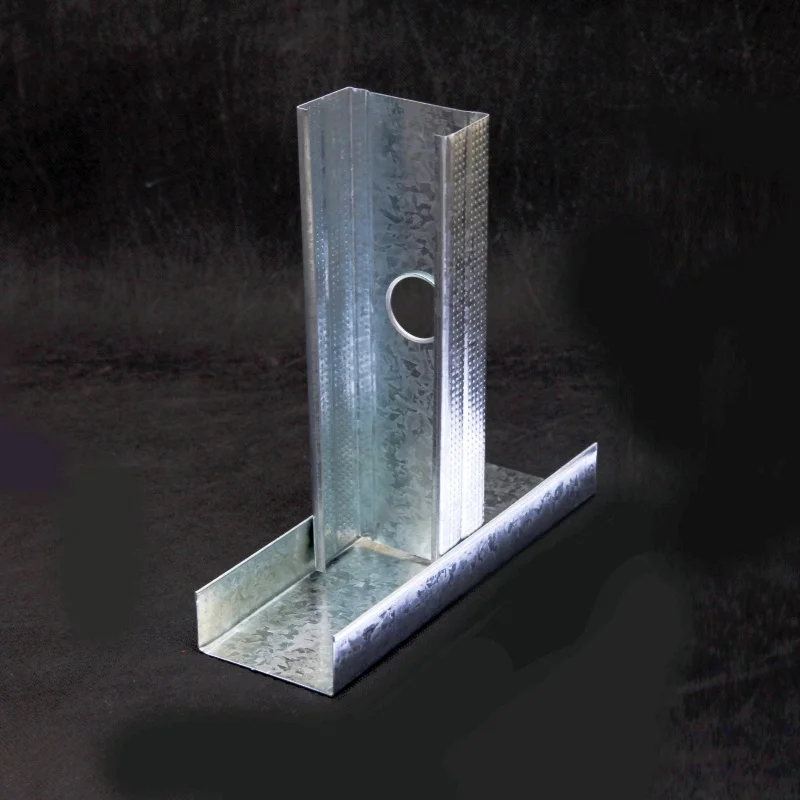
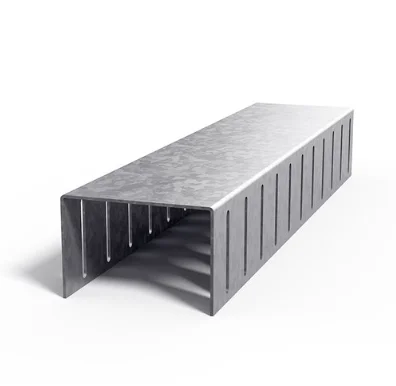
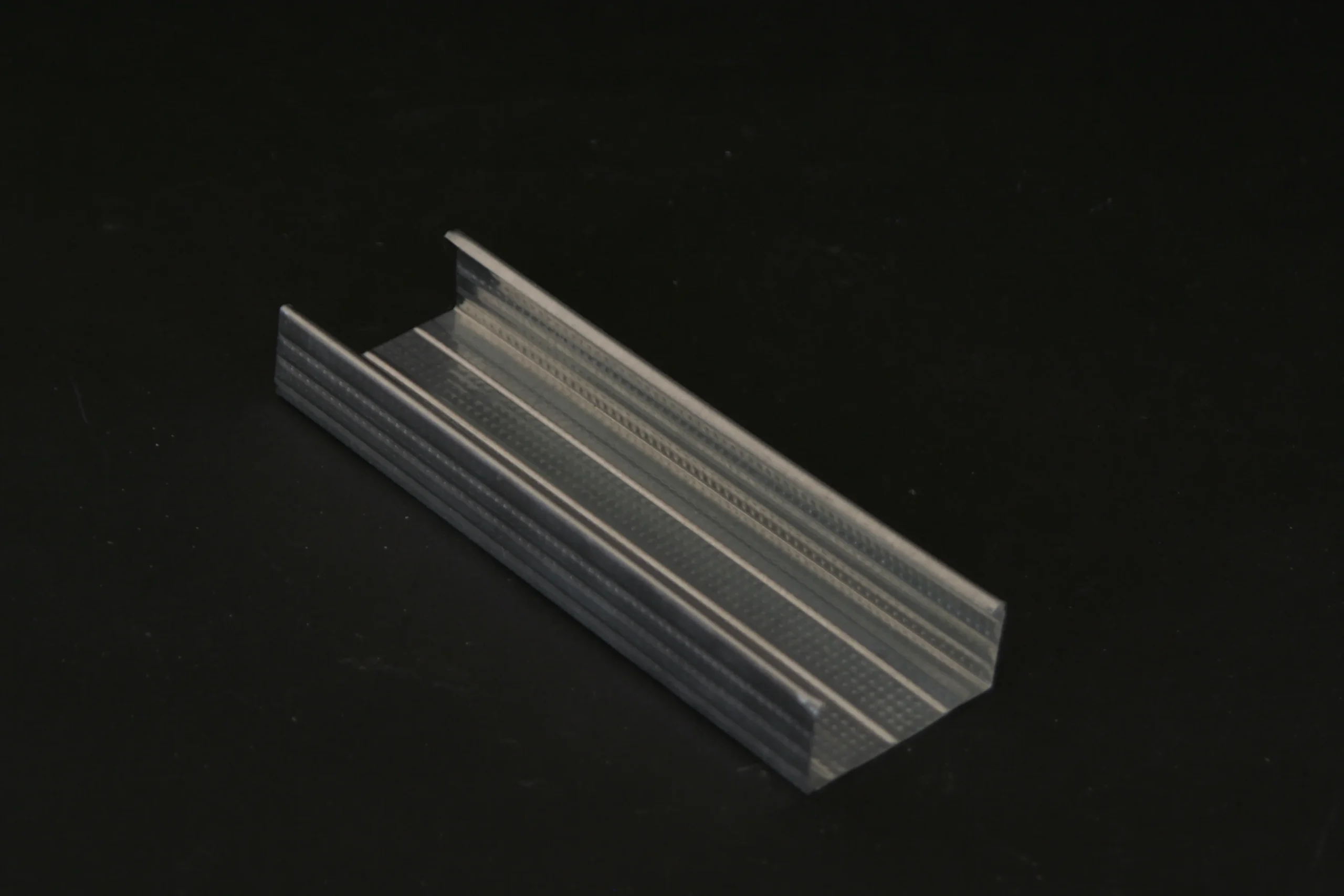
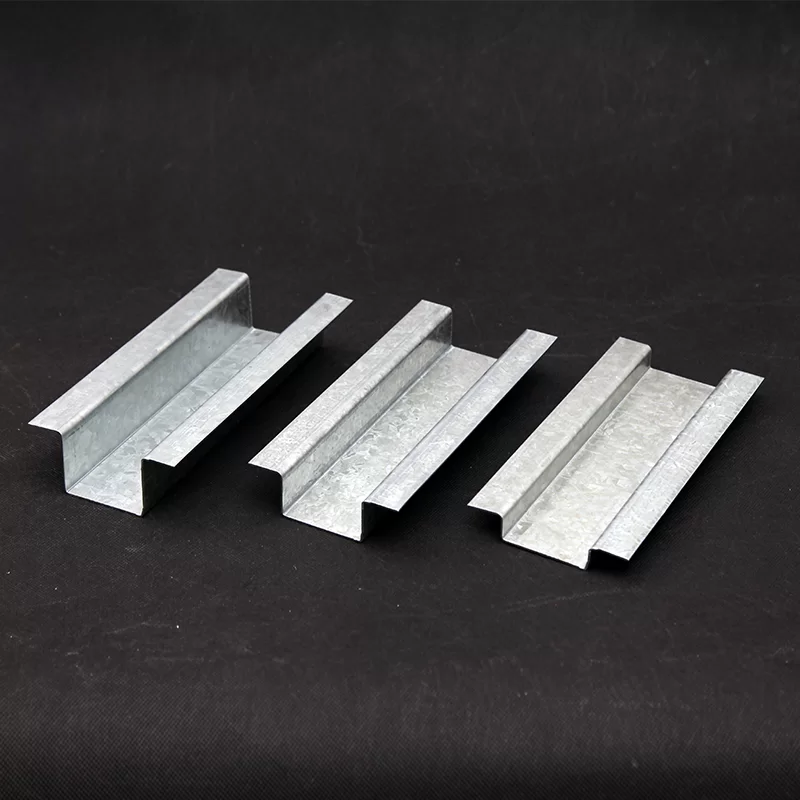
Comprehensive Steel Framing Portfolio for the US Market

A full suite of light gauge steel solutions designed for American architectural versatility.

US Market FAQs on Steel Framing

Expert answers to common technical and regulatory questions.

How do I determine the correct steel stud gauge for a load-bearing wall in the US?

Determination depends on the total dead and live loads. Typically, for structural applications in the US, gauges range from 16 to 12, but must be verified by a licensed PE (Professional Engineer) according to AISI S100 standards.

Is a prefabricated light gauge steel building more cost-effective than wood framing?

While raw material costs may vary, steel reduces costs through significantly faster installation times, lower insurance premiums due to fire resistance, and zero waste on-site.

What metal framing gauges are standard for non-load bearing interior partitions?

For interior non-structural walls, 20 to 25 gauge steel is standard, providing sufficient rigidity for drywall attachment while remaining lightweight.

How does structural light gauge metal framing handle thermal bridging?

Thermal bridging is managed by using continuous exterior insulation or thermal break clips, ensuring the building meets US Energy Star and local energy codes.

Are lightweight steel frame buildings suitable for extreme cold climates like Alaska or Maine?

Yes, when paired with high-R-value insulation and proper vapor barriers, steel frames provide a stable, warp-free structure that handles extreme temperature fluctuations better than wood.

What certifications should I look for in prefabricated steel components?

Ensure components comply with ASTM A653 or A1003 for galvanization and meet AISI (American Iron and Steel Institute) standards for structural design.

Ready to Optimize Your Construction?

Partner with the leaders in precision steel framing. Our engineering team is ready to support your next project in the United States.

Contact Us Now

If you are interested in our products, you can choose to leave your information here, and we will be in touch with you shortly.