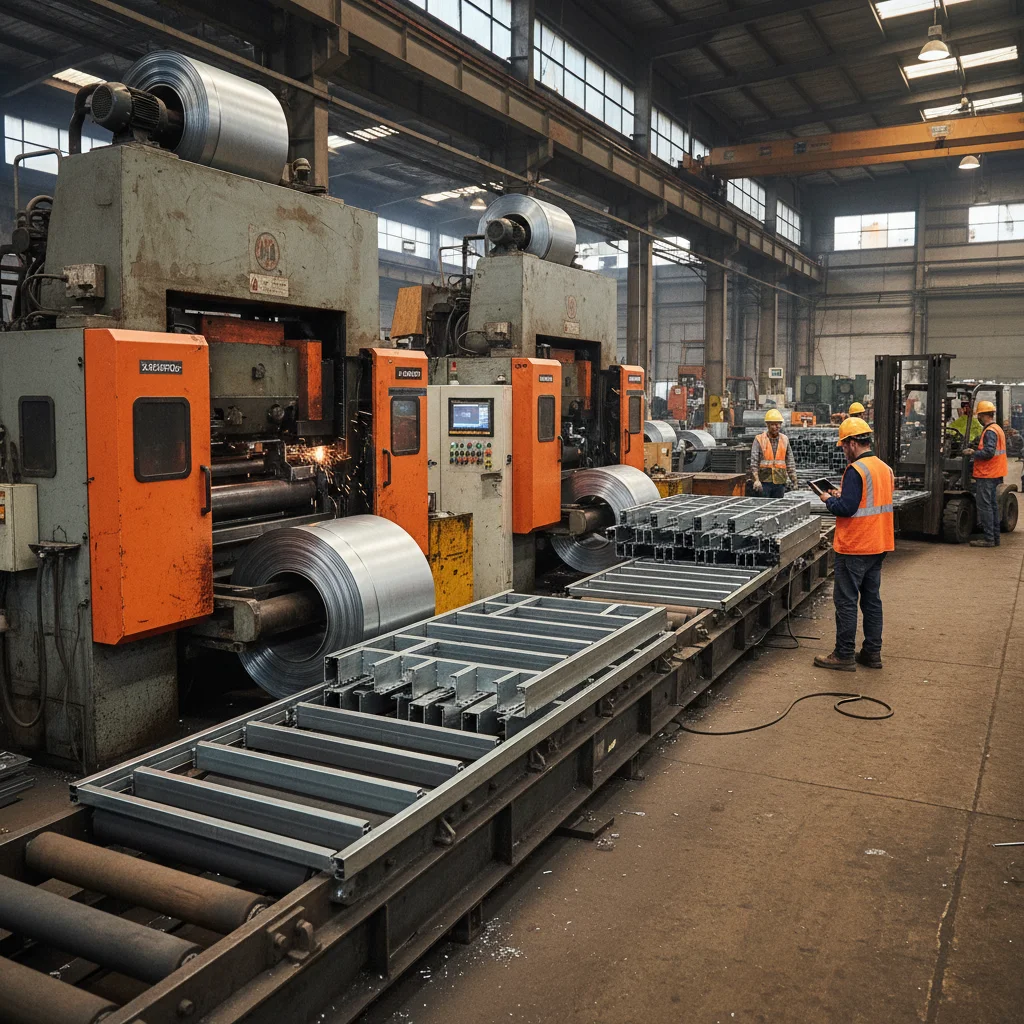
Understanding the light steel frame cost per m2 is essential for modern developers and architects aiming to balance structural integrity with budget efficiency. In the evolving landscape of non-metallic mineral products and architectural metal decorations, the transition toward precision-engineered steel systems has revolutionized how we calculate the value of vertical and horizontal partitions. By focusing on the cost per square meter, stakeholders can better predict material requirements and labor allocation for large-scale commercial and residential projects.
Globally, the drive toward sustainable construction has put a spotlight on the light steel frame cost per m2 as a benchmark for comparing traditional masonry against lightweight alternatives. With the rise of modular building and the need for rapid deployment, the ability to quantify the financial impact of high-strength galvanized steel—such as DX51D—allows for a more transparent bidding process and reduced material waste.
Beyond the mere numbers, analyzing the light steel frame cost per m2 involves understanding the technical nuances of the components used. From Rapid Track systems that allow for vertical live load movement to specialized drywall profiles, the "cost" is an investment in the longevity, safety, and flexibility of the building's primary structure, ensuring that axial loads are managed without compromising the wall studs.

Global Market Trends in Light Steel Frame Cost per m2
The global construction industry has seen a significant shift toward lightweight materials to combat rising labor costs and environmental concerns. When analyzing the light steel frame cost per m2, trends indicate a preference for high-zinc coating materials (120-275g) that reduce maintenance costs over the building's lifecycle. This shift is particularly evident in regions adhering to strict ISO standards, where the predictability of steel outperforms the variability of timber or concrete.
Current market data suggests that while raw material prices fluctuate, the overall light steel frame cost per m2 is being optimized through the use of specialized profiles like Rapid Track. These components allow for vertical movement of the primary structure, reducing the risk of structural failure and subsequent costly repairs, thereby providing a more stable long-term financial outlook for commercial developers.
Defining the Light Steel Frame Cost per m2 Metric
In simple terms, the light steel frame cost per m2 is a comprehensive calculation that encompasses the material cost of the steel profiles, the necessary fasteners, and the labor required for installation per square meter of wall or ceiling area. Unlike bulk pricing, this metric provides a granular view of expenses, allowing project managers to allocate budgets with surgical precision.
This metric is deeply connected to the modern need for rapid urban housing and industrial expansion. By standardizing the light steel frame cost per m2, organizations can quickly assess the feasibility of modular designs, which are critical in humanitarian efforts for fast-deployment shelters or in the construction of high-density commercial hubs.
Furthermore, the definition extends beyond the initial purchase price. A true analysis of the light steel frame cost per m2 includes the efficiency gains of using prefabricated systems. For instance, using slotted deflection tracks reduces the time spent on manual adjustments during installation, effectively lowering the total operational cost per square meter.
Core Factors Influencing Light Steel Frame Cost per m2
One of the primary drivers of the light steel frame cost per m2 is the material specification. The use of Galvanized Strong Steel Material DX51D ensures a high strength-to-weight ratio, which means less material is needed to achieve the required structural load, directly impacting the bottom line.
Thickness and dimensions also play a critical role. Whether choosing a BMT of 0.75mm or 1.15mm for widths such as 64mm, 76mm, 92mm, or 150mm, the amount of steel consumed per linear meter dictates the overall light steel frame cost per m2. Thicker gauges increase durability but raise the immediate material expenditure.
Finally, the complexity of the system—such as integrating Rapid Track for floating wall tops—adds a specialized value. While these advanced components might slightly increase the initial light steel frame cost per m2, they prevent axial load transfers to wall studs, saving thousands in potential structural remediation costs.
Global Applications of Light Steel Framing
Light steel framing is utilized across diverse global environments, from the Australian Drywall System to the Canada-US Drywall System. In these regions, the light steel frame cost per m2 is evaluated based on local building codes and the need for seismic resilience. The ability of steel to withstand movement makes it a preferred choice for high-rise interior partitioning.
In remote industrial zones or post-disaster relief operations, the focus shifts to the speed of deployment. Using standardized systems like the CD-UD System or the South American System allows NGOs and governments to predict the light steel frame cost per m2 accurately, ensuring that maximum shelter coverage is achieved within tight budgetary constraints.
Comparative Analysis of Light Steel Frame Cost per m2 by System Type
Long-Term Value and Sustainability Benefits
When assessing the light steel frame cost per m2, it is vital to consider the "total cost of ownership." Steel is 100% recyclable, which significantly lowers the environmental footprint of a building. This sustainability not only aligns with global green energy policies but often qualifies developers for tax incentives, effectively reducing the net cost per square meter.
From a safety perspective, the reliability of galvanized DX51D steel provides peace of mind. The precision of the profiles ensures that walls remain plumb and ceilings remain level, avoiding the warping common in timber. This reliability translates into lower insurance premiums and higher property valuation, proving that a slightly higher initial light steel frame cost per m2 leads to superior long-term assets.
Future Innovations in Steel Framing Costs
The future of the light steel frame cost per m2 is being shaped by digital transformation and automation. BIM (Building Information Modeling) is allowing architects to calculate the exact number of studs and tracks required, eliminating the "waste margin" typically added to cost estimates. This precision is driving down the actual realized cost per square meter.
Innovations in material science are also introducing alloys that provide the same strength as DX51D but at a lower weight. As these materials become mainstream, we can expect the light steel frame cost per m2 to decrease while performance increases, making steel framing accessible for even the smallest residential renovations.
Furthermore, the integration of smart sensors within the steel profiles to monitor structural health is an emerging trend. While this adds a technological layer to the light steel frame cost per m2, it transforms the frame from a passive support into an active data source, drastically reducing the cost of structural inspections over time.
Overcoming Challenges in Cost Estimation
One of the most common challenges in estimating the light steel frame cost per m2 is the volatility of global steel prices. To mitigate this, many procurement experts suggest long-term supply contracts with manufacturers who can guarantee a price ceiling for specific profiles like the T15 or T24 grids, ensuring budget stability.
Another hurdle is the lack of technical knowledge regarding "floating" systems. Many contractors overlook the need for Rapid Track, only to face expensive failures when the primary structure moves. By educating teams on the value of deflection tracks, the light steel frame cost per m2 can be correctly budgeted from the start, avoiding the "hidden costs" of structural error.
Finally, the transition to modularity requires a change in mindset. The initial light steel frame cost per m2 for a prefabricated system may seem higher than on-site framing, but when the reduction in construction time and labor is factored in, the overall project cost is significantly lower.
Analysis of Material Specifications and Cost Impact
| Profile Width |
BMT Options |
Cost Influence Level |
Structural Application |
| 64mm |
0.75mm/1.15mm |
Low-Medium |
Interior Dividers |
| 76mm |
0.75mm/1.15mm |
Medium |
Standard Partitioning |
| 92mm |
0.75mm/1.15mm |
Medium-High |
Load-Bearing Support |
| 150mm |
0.75mm/1.15mm |
High |
Heavy Industrial Walls |
| Rapid Track |
Variable |
Specialized |
Deflection Management |
| T-Bar/Grid |
Standard |
Low |
Ceiling Suspension |
FAQS
The cost is primarily driven by the material grade (e.g., DX51D galvanized steel), the Base Metal Thickness (BMT), and the width of the profiles used. Additionally, the inclusion of specialized components like Rapid Track for load movement and the zinc coating weight (120-275g) significantly influence the final price per square meter.
While the initial material cost per m2 may be slightly higher than basic timber, the total project cost is often lower. This is due to faster installation times, the lack of need for chemical treatments against termites or rot, and the reduction in waste through precision manufacturing.
Rapid Track adds a specialized cost to the top of the wall assembly. However, it prevents the transfer of axial loads from the primary structure to the wall studs. By avoiding structural cracking and failure, it removes the need for expensive future repairs, providing a net positive return on the light steel frame cost per m2.
Yes, by optimizing the profile selection. Using the appropriate BMT (e.g., 0.75mm instead of 1.15mm where load requirements allow) and choosing standardized systems like the CD-UD or Australian Drywall System can reduce material waste and labor costs, lowering the overall cost per m2.
Absolutely. A higher zinc coating (up to 275g) increases the initial cost per m2 but drastically improves corrosion resistance. In humid or coastal environments, this investment is essential to prevent structural degradation, making it the most cost-effective choice over the long term.
To calculate this, you must sum the cost of all profiles (studs, tracks, grids), fasteners, and estimated labor hours, then divide by the total surface area of the walls and ceilings. We recommend using BIM software to get exact quantities and avoid the common 10-15% overestimation error.
Conclusion
In summary, the light steel frame cost per m2 is far more than a simple price tag; it is a complex metric that reflects the intersection of material science, structural engineering, and economic efficiency. By leveraging high-grade galvanized steel (DX51D) and specialized systems like Rapid Track, builders can ensure that their structures are not only cost-effective in the short term but resilient and sustainable for decades to come.
As the industry moves toward greater automation and stricter green building standards, those who prioritize precision in their cost estimation will gain a competitive edge. We encourage developers to look beyond the initial price per square meter and invest in systems that offer longevity, safety, and environmental responsibility. For high-quality steel framing solutions, visit our website: www.jinkaibm.com.