Understanding the cost of metal stud framing is critical for modern architects and contractors who seek to balance structural integrity with budgetary constraints. In the competitive landscape of commercial construction, the transition from traditional timber to galvanized steel has redefined efficiency, offering a predictable cost model that reduces long-term maintenance expenses.
When evaluating the cost of metal stud framing, one must consider not only the raw material prices of galvanized steel but also the systemic advantages of modular design. The precision of engineered T-bars and steel profiles ensures that installation is rapid, significantly lowering the labor portion of the overall project expenditure.
By integrating high-quality components like Ceiling T-shaped grids, developers can optimize the cost of metal stud framing while ensuring a seamless, level finish that meets stringent international building codes.
Global Industry Context of Framing Costs
On a global scale, the construction industry is shifting toward prefabricated steel solutions to combat rising labor costs and volatile timber markets. The cost of metal stud framing has become a benchmark for commercial project viability, as ISO standards for galvanized steel ensure consistency across different international markets, from the Middle East to North America.
The primary challenge facing the industry today is the fluctuation of raw steel prices, which directly impacts the bottom line of large-scale developments. However, the shift toward T-grid systems and precision-engineered profiles has allowed for a reduction in material waste, effectively offsetting the initial price spikes through improved resource management.
Defining Metal Stud Framing Expenses
In simple terms, the cost of metal stud framing encompasses the total expenditure required to install the vertical and horizontal structural members that support walls and ceilings. Unlike traditional wood framing, this cost includes high-quality galvanized steel components, such as main T-bars and cross T-bars, which provide a stable framework for gypsum boards or acoustic panels.
This financial metric is closely linked to the humanitarian need for rapid, safe, and durable infrastructure. In urban environments where space is at a premium and safety regulations are strict, the investment in steel framing is seen as a necessity rather than a luxury, as it provides superior fire resistance and structural stability.
Ultimately, understanding these expenses requires a look at the entire lifecycle of the building. While the upfront cost of metal components might differ from organic materials, the lack of warping, termite vulnerability, and rot ensures that the long-term cost of ownership is significantly lower.
Key Factors Influencing Material Investment
One of the primary drivers of the cost of metal stud framing is the grade and finish of the steel used. High-quality galvanized surfaces or powder coatings are essential for corrosion resistance, especially in humid environments, which prevents premature degradation and costly replacements.
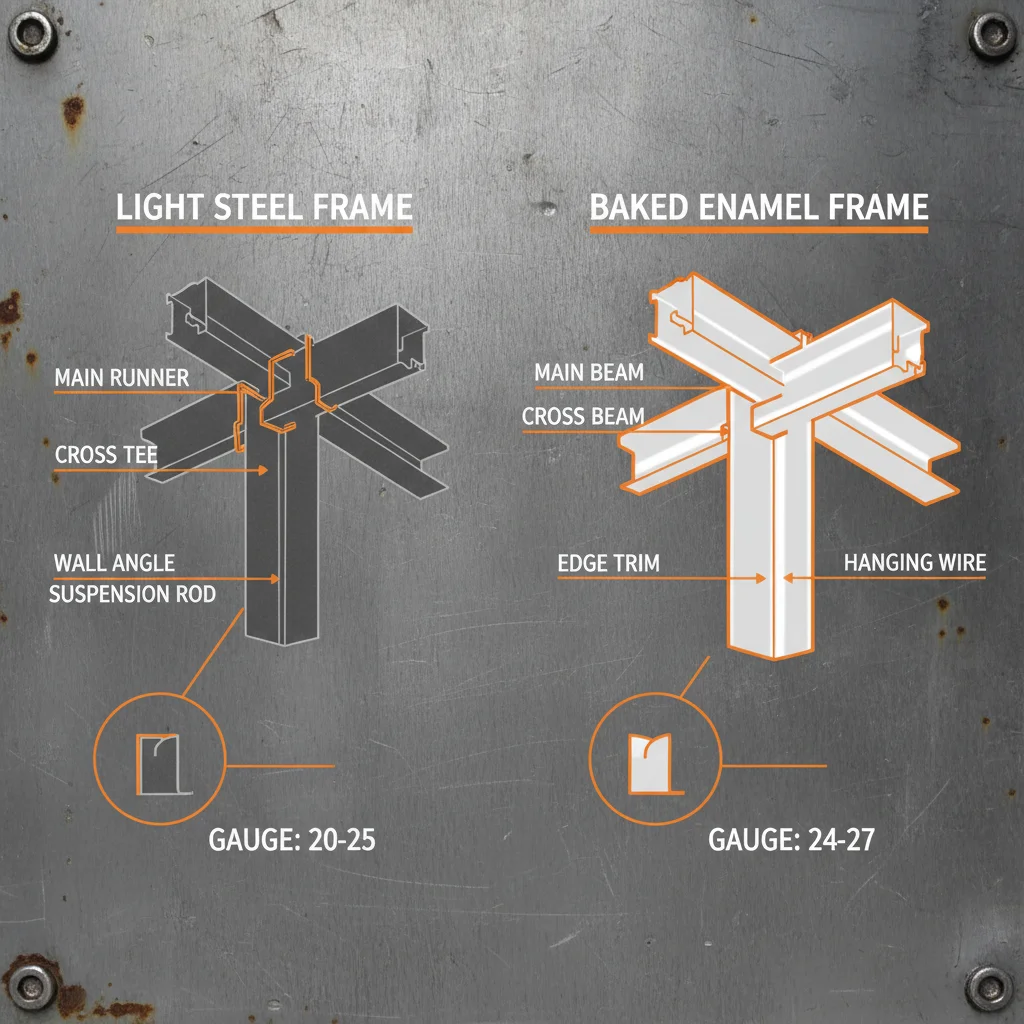
The choice of profile types, such as Main T-bars (38×24mm or 32×24mm) and Wall Angles, also dictates the overall cost of metal stud framing. A modular design allows for fast connection and easy alignment on site, which drastically reduces the hours of labor required compared to custom-cut traditional frames.
Furthermore, load-bearing requirements influence the thickness and gauge of the steel. Systems designed to support heavy acoustic tiles or PVC gypsum boards require more robust profiles, which may increase the initial cost of metal stud framing but guarantee the safety and longevity of the suspended ceiling system.
Comparative Analysis of Framing Efficiency
When comparing various installation methods, the efficiency of a T-grid system stands out due to its universal compatibility with standard ceiling panels. This interoperability means that contractors can source panels from different vendors without needing to alter the underlying framework, thereby stabilizing the project's cost of metal stud framing.
The reduction in material waste is another critical factor; since steel profiles are manufactured to precise standard lengths (such as 3.05m and 3.6m), the amount of scrap generated on-site is minimal, leading to a more sustainable and cost-effective construction process.
Efficiency Impact on cost of metal stud framing
Global Applications and Use Cases
In commercial hubs across Asia and the Middle East, the adoption of the Furring System has revolutionized how office spaces are partitioned. By focusing on the cost of metal stud framing through the use of interlocking tabs and pre-coated finishes, these regions have achieved rapid scalability in their urban development.
Furthermore, in educational institutions and public hospitals, the need for acoustic control makes the T-bar ceiling grid an ideal choice. The ability to easily swap panels for maintenance without dismantling the entire frame ensures that the operational cost of the building remains low over several decades.
Long-Term Value and Sustainability
The long-term value of investing in a high-quality steel framework extends beyond the initial cost of metal stud framing. Steel is a highly recyclable material, meaning that at the end of a building's lifecycle, the framing can be recovered and repurposed, contributing to a circular economy and reducing the environmental footprint of construction.
From a logical perspective, the fire and moisture resistance of galvanized steel provides an insurance-grade level of safety. This reduces potential liabilities for building owners and often leads to lower insurance premiums, adding a layer of financial benefit that is not immediately apparent in the installation quote.
Ultimately, the trust placed in these systems stems from their reliability. Whether it is a high-rise in Canada or a government building in Australia, the consistency of the steel profile ensures that the ceiling remains level and secure, protecting the occupants and the investment.
Future Trends in Framing Technology
The future of the industry is leaning heavily toward digital transformation and automation. BIM (Building Information Modeling) is now being used to calculate the exact cost of metal stud framing before a single piece of steel is cut, allowing for zero-waste procurement and highly accurate budgeting.
Innovations in material science are also introducing new coatings that are even more resistant to extreme saline environments, expanding the use of metal framing in coastal industrial zones. These advancements ensure that the lifespan of the structure is extended while maintaining a competitive price point.
As green building certifications like LEED become mandatory, the industry is seeing a rise in the use of recycled galvanized steel. This shift not only aligns with global sustainability goals but also helps stabilize the cost of metal stud framing by diversifying the supply chain.
Analysis of Material Performance and Cost Efficiency
| Material Type |
Installation Speed |
Durability Score |
Cost-Benefit Ratio |
| Galvanized Steel T-Bar |
Very High |
9/10 |
Excellent |
| Powder Coated Aluminum |
High |
10/10 |
Good |
| Traditional Timber |
Low |
5/10 |
Fair |
| Light Gauge Steel (LGS) |
High |
8/10 |
Very High |
| Pre-painted Steel |
Very High |
7/10 |
Excellent |
| Hybrid Composite |
Medium |
8/10 |
Moderate |
FAQS
While the raw material cost of steel may be higher, the cost of metal stud framing is often lower overall due to reduced labor time, zero warping, and a significant decrease in material waste. Additionally, steel provides superior fire resistance and structural longevity, reducing long-term maintenance costs.
The primary factors include the gauge (thickness) of the steel, the type of surface finish (such as specialized powder coating for humid areas), and the complexity of the ceiling layout. Higher load-bearing requirements for heavy acoustic panels also necessitate more robust and expensive profiles.
Yes, using standardized modular components like T-bar grids allows for faster installation and minimizes custom cuts. Sourcing from manufacturers that provide precise standard lengths (e.g., 3.05m) also reduces on-site waste, which is a major hidden expense in framing projects.
For the vast majority of commercial applications, galvanized steel offers the best balance of durability and price. It prevents corrosion and provides the structural rigidity needed for suspended ceilings, making it the industry standard for optimizing the cost of metal stud framing.
Modular design significantly lowers the budget by reducing the need for highly skilled custom carpentry. The click-and-lock systems found in modern T-grids allow for rapid assembly, which cuts labor costs—the most volatile part of any construction budget.
Initially, sourcing certified recycled steel might carry a slight premium. However, this is often offset by government tax incentives for green building and the higher resale value of the property, making it a smart long-term financial strategy.
Conclusion
In summary, analyzing the cost of metal stud framing requires a comprehensive look at material quality, installation efficiency, and long-term durability. By utilizing precision-engineered components like galvanized T-bars and modular grids, construction professionals can achieve a perfect balance between structural safety and financial viability, ensuring that projects are completed on time and within budget.
Looking forward, the integration of BIM and sustainable material sourcing will continue to drive down the total cost of ownership for steel framing systems. We recommend that developers prioritize high-quality, standardized profiles to maximize labor efficiency and future-proof their investments. Visit our website: www.jinkaibm.com