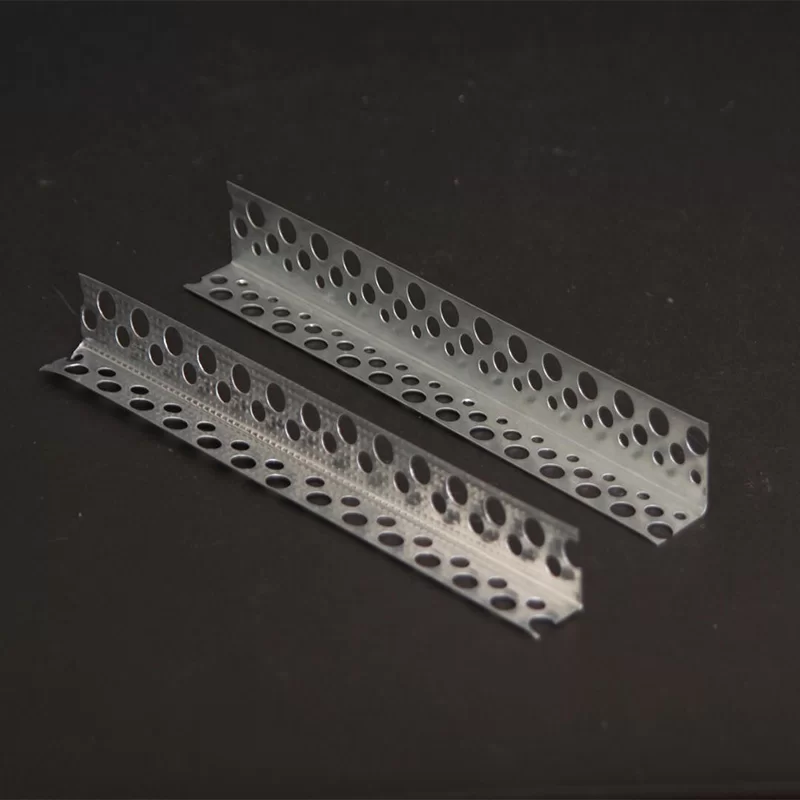
Advanced prefabricated light gauge steel building Solutions for Argentina

Advanced prefabricated light gauge steel building Solutions for Argentina

Engineering high-precision structural components to redefine the construction landscape across the Argentine Republic with efficiency and durability.

Advanced prefabricated light gauge steel building Solutions for Argentina

Integrating precision engineering with sustainable materials to deliver rapid-deploy structural systems tailored for the South American market.

Current State of Steel Construction in Argentina

Analyzing the shift from traditional masonry to high-efficiency metal framing in the region.

Argentina's construction sector is currently navigating a transition. Traditional reinforced concrete and masonry have long dominated the residential and commercial landscapes. However, the demand for a lightweight steel frame building has surged due to the need for faster delivery times and reduced labor costs in urban centers like Buenos Aires and Córdoba.

The local market is particularly sensitive to material consistency. Contractors are increasingly scrutinizing metal framing gauges to ensure compliance with seismic regulations and wind load requirements, especially in the Patagonia region where extreme weather necessitates superior structural integrity.

Economic fluctuations in Argentina have driven a preference for prefabricated solutions that minimize on-site waste. The integration of structural light gauge metal framing allows developers to hedge against inflation by locking in material costs and significantly shortening the project lifecycle.
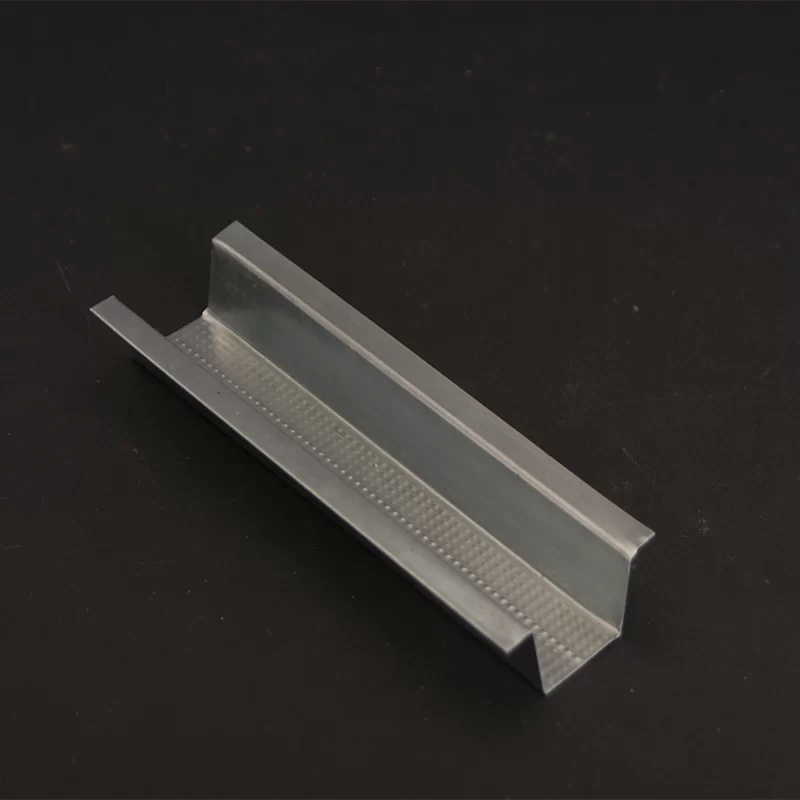
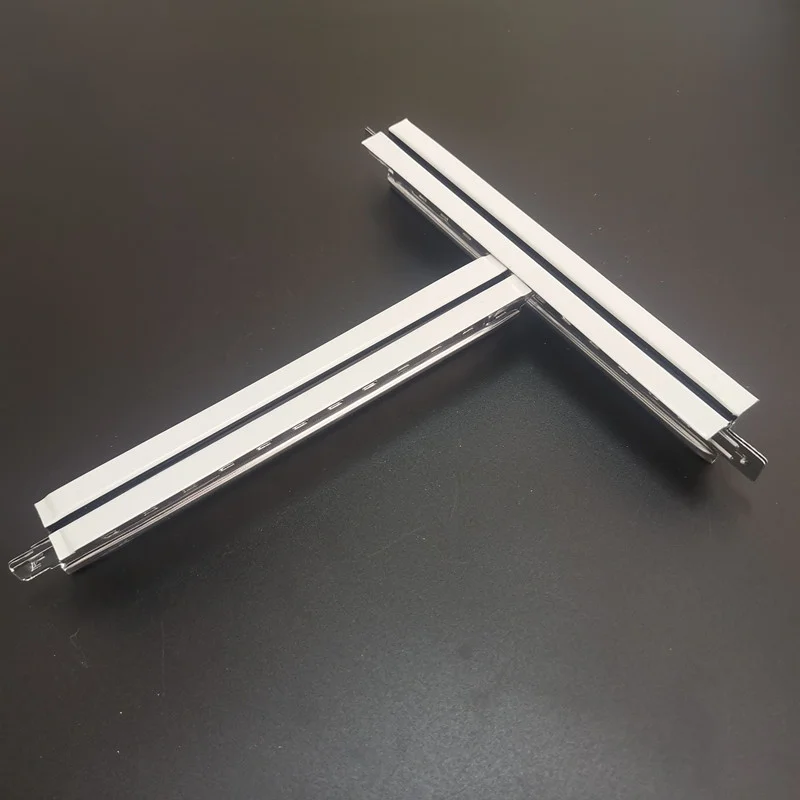
Evolution of Argentine Metal Framing Technology

From basic partitioning to complex structural engineering.

Market Development History

In the early 2000s, steel framing in Argentina was primarily limited to non-load-bearing internal partitions using a basic steel stud gauge. Most structures relied on heavy bricks, resulting in slow construction speeds and high carbon footprints.

Between 2010 and 2020, the industry saw the introduction of Cold-Formed Steel (CFS) technology. This era marked the shift toward using steel as a primary load-bearing element, allowing for multi-story residential developments that were significantly lighter than their concrete predecessors.

Today, the market has entered the era of Digital Fabrication. The use of BIM (Building Information Modeling) combined with automated roll-forming ensures that every component of a prefabricated light gauge steel building is precision-cut and pre-punched for rapid assembly.

Future Development Trends

Sustainable Green-Steel Integration

The industry is moving toward low-carbon steel production, aligning with global ESG goals to reduce the environmental impact of urban expansion in Argentina.

Hyper-Modularization

We anticipate a shift toward volumetric modular units where entire rooms are prefabricated in factories and simply hoisted into place on-site.

AI-Driven Load Optimization

Future designs will utilize AI to optimize the metal framing gauges for each specific section of a building, reducing material waste without compromising safety.

Industry Trends and Future Outlook

Strategic foresight for the non-metallic and metal decorative materials sector.

Seismic Resilience
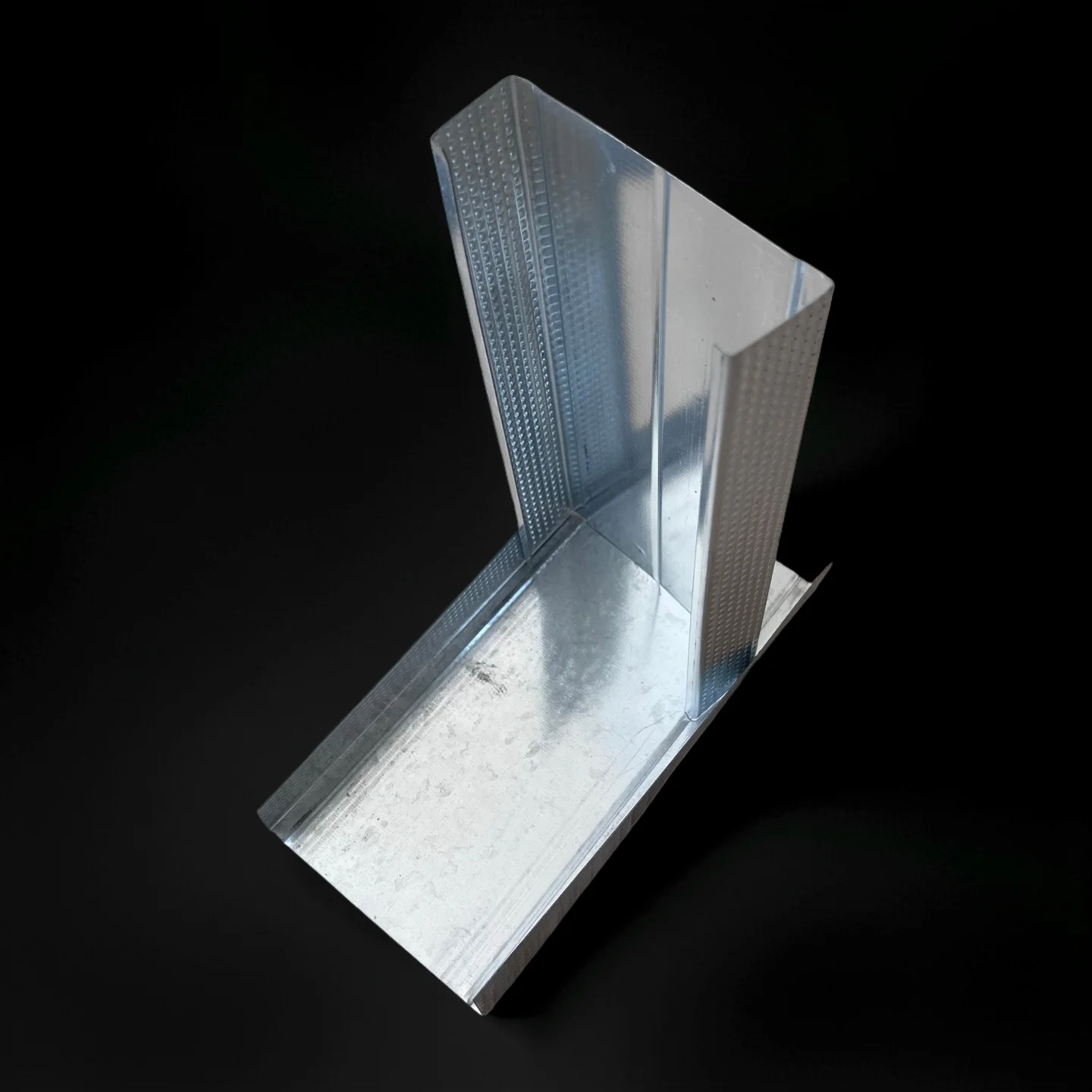
Implementing advanced structural light gauge metal framing to enhance stability in earthquake-prone zones of the Andes region.
Precision Gauge Control
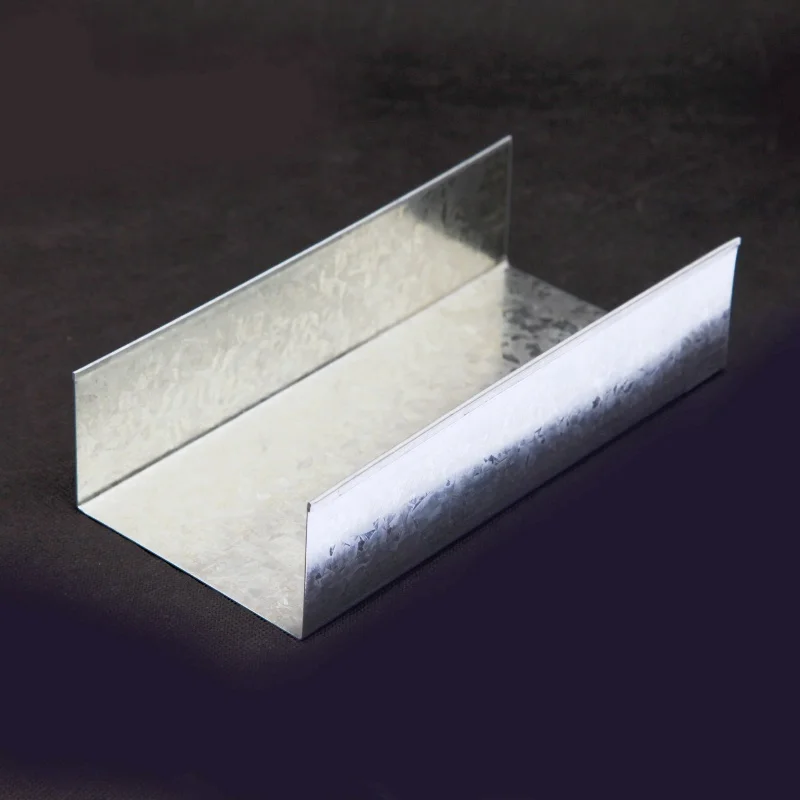
Standardizing steel stud gauge accuracy to eliminate on-site fitting errors and reduce construction waste.
Hybrid Materiality
Combining steel frames with high-performance non-metallic mineral boards for superior thermal insulation in varied climates.
Rapid Urbanization
Utilizing prefabricated light gauge steel building systems to address the housing shortage in expanding urban corridors.

Industry Outlook

The trajectory for the Argentine market points toward a significant increase in "Industrialized Construction." As labor costs rise and the need for sustainable housing grows, the adoption of precision-engineered steel components will shift from a niche luxury to a standard requirement.

Search trends indicate a growing interest in energy-efficient building envelopes. Consequently, the future will see a tighter integration between structural framing and advanced mineral-based insulation products, ensuring that homes are not only built faster but are more resilient to Argentina's temperature extremes.

Localized Application Scenarios in Argentina

Real-world deployments of light gauge steel solutions across diverse Argentine territories.

1. Rapid Housing Projects in Greater Buenos Aires

Deploying prefabricated light gauge steel building systems to create high-density, low-cost residential units that reduce construction time by 40% compared to traditional brick methods.

2. Industrial Warehousing in Rosario

Utilizing high-strength structural light gauge metal framing for expansive logistics centers, ensuring large clear spans and rapid scalability for agribusiness exports.

3. Sustainable Tourism Lodges in Patagonia

Implementing lightweight steel frames that can be transported to remote areas with minimal equipment, providing high thermal efficiency and wind resistance against the fierce southern winds.

4. Commercial Office Fit-outs in Córdoba

Using precise steel stud gauge configurations for flexible interior partitioning in corporate hubs, allowing for rapid reconfiguration as business needs evolve.

5. Rural Schooling Infrastructure in Salta

Building durable, fire-resistant classrooms using standardized metal framing gauges to provide safe and modern educational environments in underdeveloped rural regions.

Brand Story

Global Development History of Wen'an Jinkai Construction Materials Co., Ltd.

Foundational Excellence

Established with a focus on the non-metallic mineral and metal decoration sector, we began by solving the inconsistency of structural components in local markets.

Technological Breakthrough

Invested in high-precision roll-forming machinery to ensure that every steel profile meets international tolerances, reducing on-site error rates to near zero.

Global Market Expansion

Extended our reach into South America, tailoring our products to meet the specific seismic and climatic demands of countries like Argentina.

Sustainable Innovation

Launched a series of eco-friendly coating and galvanized solutions to prevent corrosion in humid coastal environments, increasing building lifespans.

Industry Leadership

Now recognized as a premier provider of integrated structural solutions, bridging the gap between raw material manufacturing and architectural realization.

Comprehensive Structural Product Portfolio for Argentina

A full spectrum of light gauge steel and mineral-based decorative solutions for every construction phase.

Common Questions Regarding Steel Framing in Argentina

Expert answers to the most pressing technical and logistical queries.

How does a lightweight steel frame building compare to traditional concrete in terms of cost?

While material costs may be similar, the total project cost is typically lower due to a drastic reduction in labor hours, zero material waste, and significantly faster completion timelines.

What are the most common metal framing gauges used for residential loads?

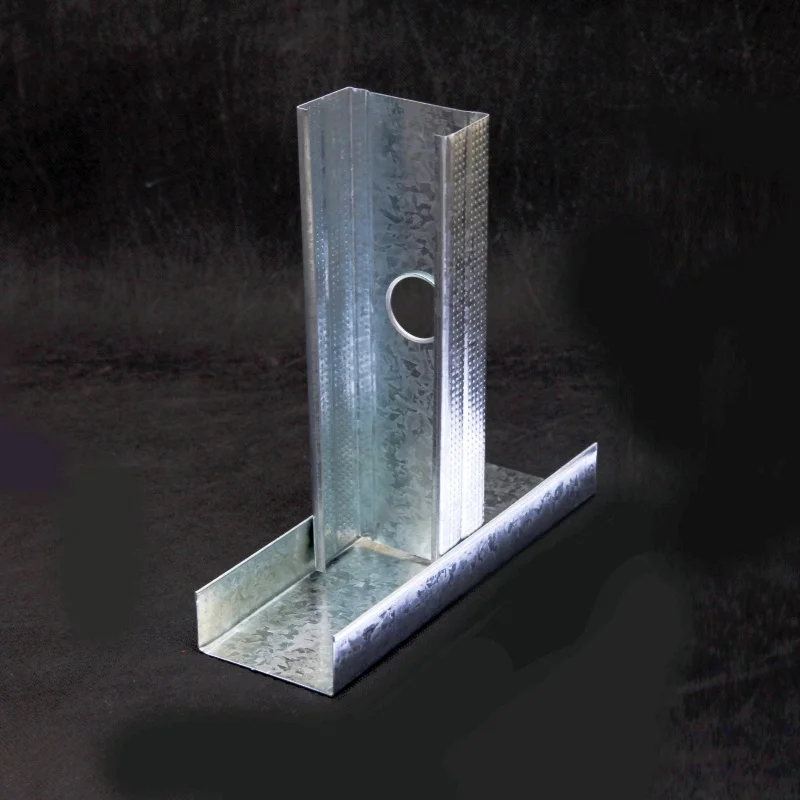
Depending on the height and load, gauges typically range from 0.75mm to 1.5mm, with heavier gauges reserved for primary load-bearing columns and floor joists.

Can prefabricated light gauge steel building systems withstand Patagonia's wind speeds?

Yes, when engineered with the correct structural light gauge metal framing and reinforced anchoring systems, these buildings can be designed to exceed local wind load requirements.

How do I determine the correct steel stud gauge for interior partitioning?

For non-load bearing walls, a thinner gauge (e.g., 0.5mm - 0.8mm) is usually sufficient, provided it supports the weight of the chosen cladding or gypsum board.

Is structural light gauge metal framing fire-resistant?

Steel is non-combustible. When paired with appropriate mineral-based fire-rated boards, it provides a superior safety rating compared to traditional timber framing.

What is the lead time for importing prefabricated steel systems to Argentina?

Lead times vary based on project scale, but typically involve 3-5 weeks for precision manufacturing followed by maritime shipping and customs clearance.

Ready to Transform Your Construction Project?

Our engineers are ready to provide technical consultation and precision framing solutions for your projects in Argentina.

Contact Us Now

If you are interested in our products, you can choose to leave your information here, and we will be in touch with you shortly.