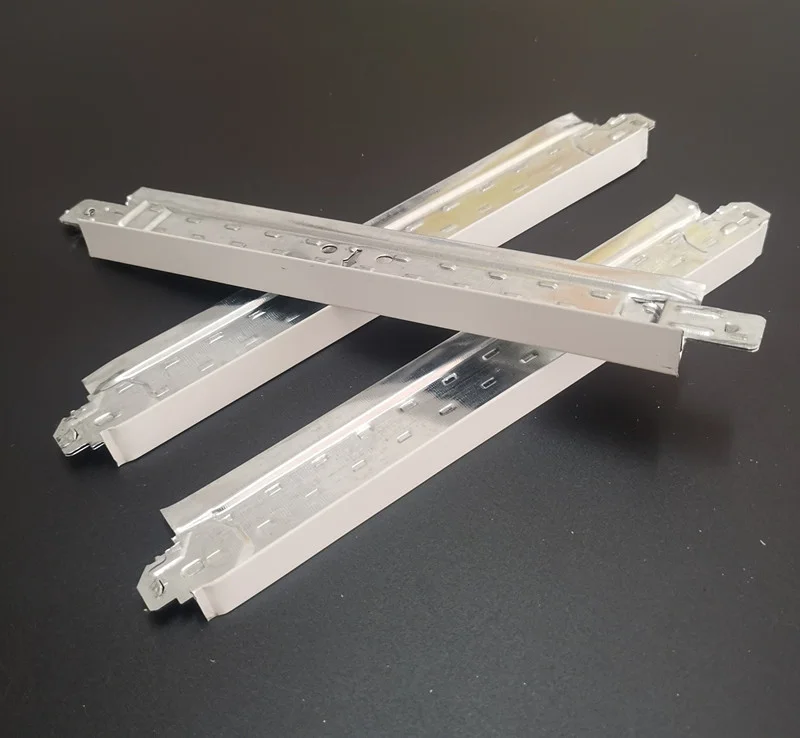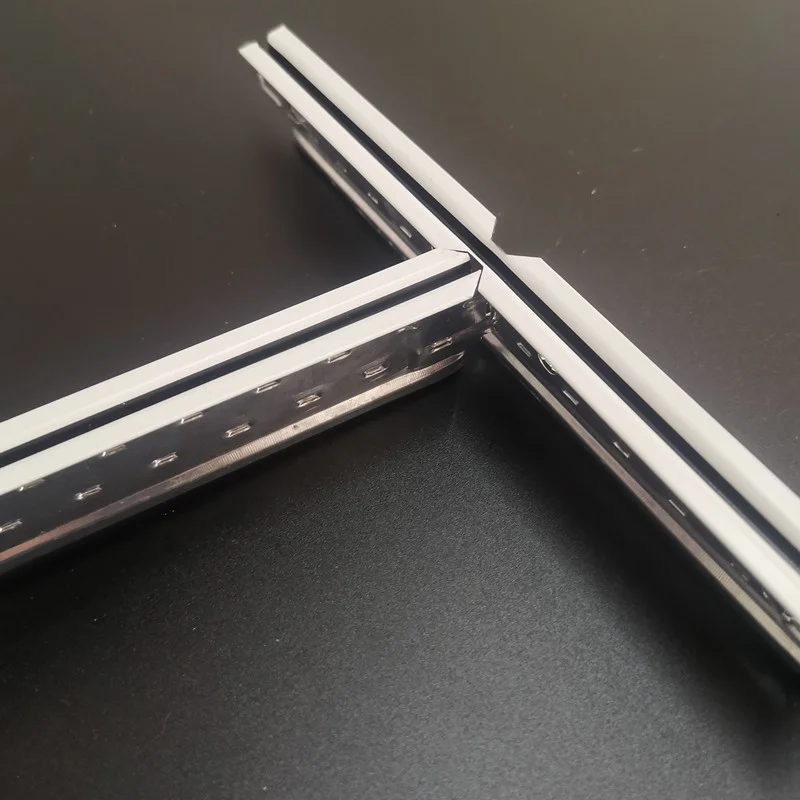
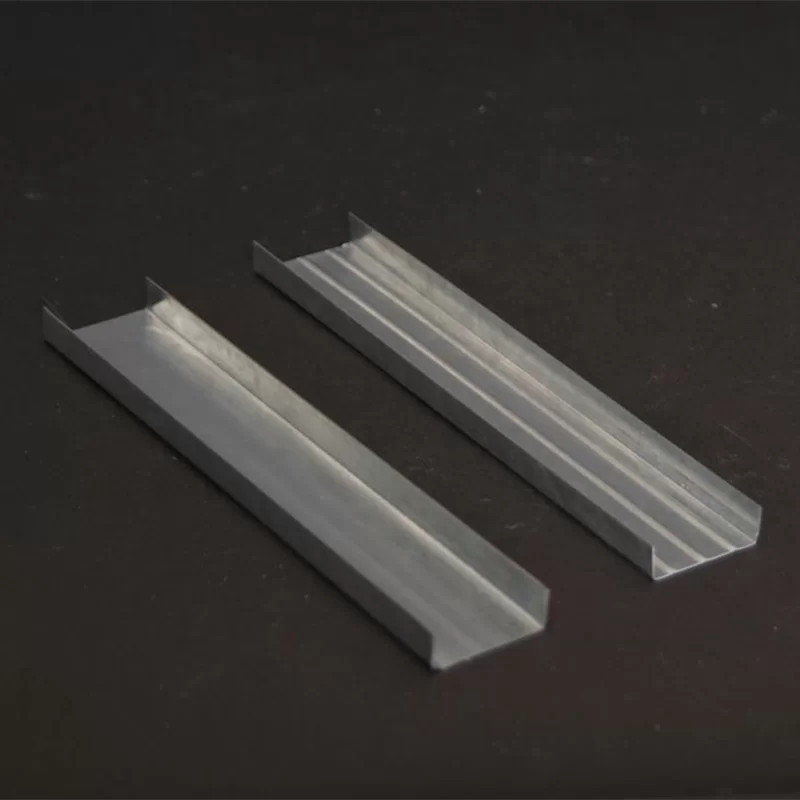
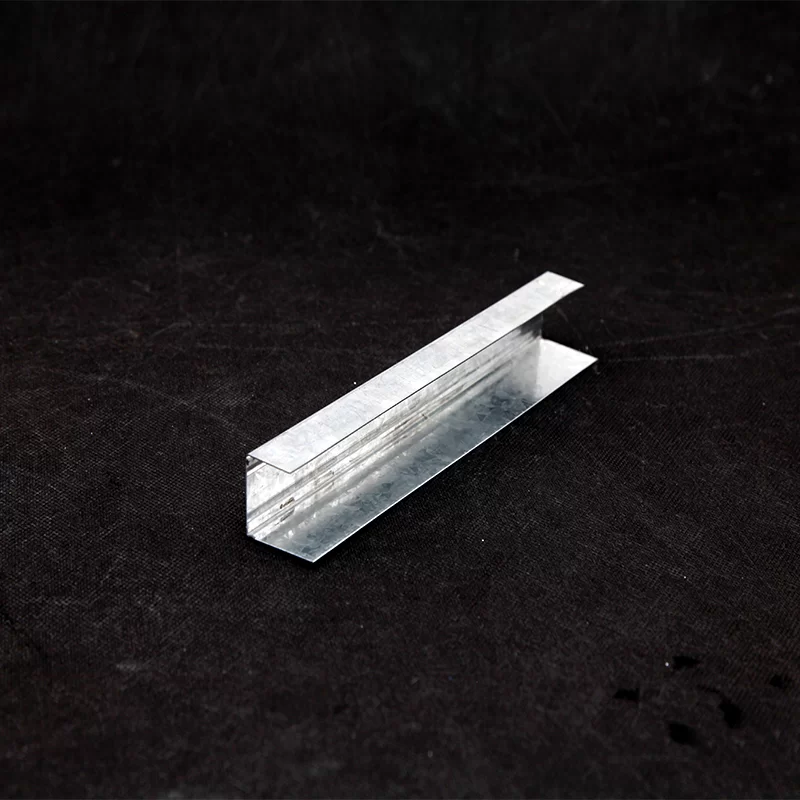
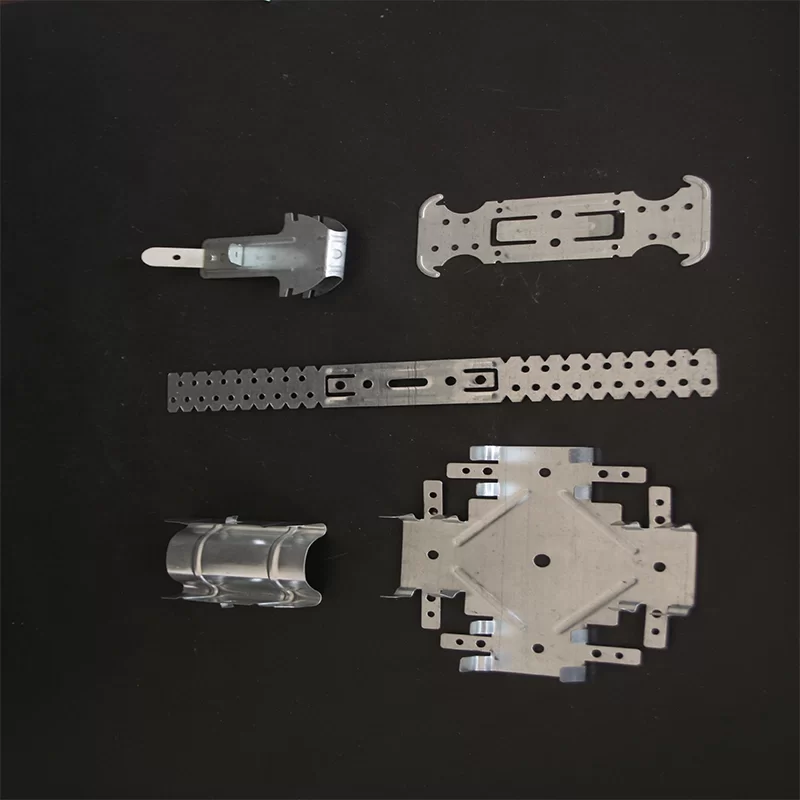
Advanced prefabricated light gauge steel building Solutions for Belarus

Advanced prefabricated light gauge steel building Solutions for Belarus

Precision-engineered structural systems designed to withstand the rigorous climatic demands of the Eastern European region, ensuring durability and rapid deployment.

Advanced prefabricated light gauge steel building Solutions for Belarus

Integrating high-strength metallurgy with rapid assembly techniques to redefine the construction landscape of the Belarus region through sustainable and efficient metal framing.

Construction Landscape in Belarus: The Shift to Steel

Analyzing the integration of lightweight structural components in the Belarusian architectural sector.

Belarus faces unique construction challenges due to its severe continental climate, characterized by freezing winters and humid summers. Traditionally, heavy concrete and masonry have dominated, but there is a growing demand for lightweight steel frame building systems that offer superior thermal insulation and faster erection times to avoid seasonal construction delays.

The local market is currently experiencing a transition where industrial warehouses and residential annexes are moving away from traditional timber towards structural light gauge metal framing. This shift is driven by the need for seismic stability and fire resistance, which are critical for the safety standards implemented in modern Belarusian urban planning.

Furthermore, the precision of metal framing gauges has become a focal point for local contractors. As the industry seeks to optimize material costs without compromising structural integrity, the adoption of standardized, high-tolerance steel components is becoming the gold standard for non-metallic mineral product integration.
Evolution of Steel Framing in Belarus

From traditional heavy-gauge structures to precision-engineered light gauge systems.

Market Development History

In the early 2000s, the Belarusian market relied heavily on hot-rolled steel, which was durable but lacked flexibility and increased logistics costs. Construction was slow, and the reliance on wet-mix concrete made winter projects nearly impossible.

Around 2010, the introduction of cold-formed steel sparked a revolution. Builders began experimenting with steel stud gauge variations to create interior partitions and light load-bearing walls, significantly reducing the overall weight of buildings and the load on foundations.

By 2020, the industry shifted toward full digitalization. BIM (Building Information Modeling) allowed for the exact calculation of metal framing gauges, enabling the rise of fully prefabricated modules that could be shipped and assembled in days rather than months.

Future Development Trends

Integration of Smart Insulation

Future trends point toward the hybridization of steel frames with advanced aerogel and mineral wool composites to meet Belarus's strict energy efficiency certificates.

Automated Off-site Manufacturing

The adoption of AI-driven roll-forming machines will allow for real-time adjustments to framing profiles, reducing waste by up to 15%.

Eco-friendly Galvanization

There is a projected move toward zero-VOC coating processes to align with European Green Deal standards, focusing on long-term corrosion resistance in humid climates.

Industry Outlook and Strategic Forecast

Predicting the technological trajectory of steel construction for 2025-2030.

High-Precision Gauge Control
Implementing laser-measured steel stud gauge standards to ensure zero-margin error in prefabricated assembly.
Modular Rapid Deployment
Scaling the use of prefabricated light gauge steel building units for emergency housing and rapid industrial expansion.
Carbon Footprint Reduction
Transitioning to recycled steel profiles to lower the embodied carbon of structural light gauge metal framing.
Dynamic Load Adaptation
Developing adaptable framing systems that can be reinforced based on real-time structural health monitoring.

Industry Outlook

Based on Google search trends in the Eastern European region, there is a significant uptick in queries related to sustainable construction and "fast-build" housing. This indicates a market pivot toward prefabricated solutions that minimize on-site labor and maximize energy efficiency.

We expect the Belarusian market to move toward a "Product-as-a-Service" model where steel frames are leased or recycled, driven by the increased availability of high-grade recycled alloys and the need for flexible industrial zoning.

Localized Application Scenarios in Belarus

Practical implementations of steel framing across diverse Belarusian environments.

1. Agricultural Storage Facilities in Gomel

Using prefabricated light gauge steel building technology to create moisture-resistant silos and equipment sheds that withstand heavy snow loads during winter.

2. Urban Residential Infill in Minsk

Deploying structural light gauge metal framing for narrow-lot urban housing, allowing for rapid vertical expansion without disturbing adjacent historic masonry buildings.

3. Cold-Chain Logistics Hubs in Brest

Implementing precision metal framing gauges to support high-density insulation panels for pharmaceutical and food storage warehouses near the border.

4. Industrial Office Partitions in Vitebsk

Utilizing optimized steel stud gauge profiles to create flexible, sound-proofed office environments within existing manufacturing plants.

5. Eco-Tourism Lodges in Belovezhskaya Pushcha

Constructing low-impact lightweight steel frame building structures that blend with the natural forest environment while providing modern structural safety.

Brand Story

Global Development Journey of Wen'an Jinkai Construction Materials Co., Ltd.

The Foundation of Precision

Founded with a mission to solve the instability of traditional non-metallic mineral supports, we began by perfecting the roll-forming process for high-strength steel.

Technological Breakthrough

We developed a proprietary calibration system for metal gauges, eliminating the structural weaknesses common in early lightweight framing systems.

European Market Entry

By aligning our production with Eurocode standards, we expanded our reach into the Eastern European market, providing Belarus with reliable structural solutions.

Sustainable Innovation

We integrated green metallurgy into our pipeline, reducing the environmental impact of galvanized steel while increasing corrosion resistance.

Global Leadership Vision

Today, we stand as a leader in the non-metallic mineral construction support industry, bridging the gap between rapid assembly and lifelong durability.

Comprehensive Steel Framing Portfolio for Belarus

A full suite of structural components engineered for the Belarusian climate and building codes.

Belarus Steel Construction FAQ

Expert answers to common technical queries regarding light gauge steel in Belarus.

How does a lightweight steel frame building handle Belarus's heavy snow loads?

Our systems utilize high-tensile steel and optimized roof pitches, calculated via specific structural light gauge metal framing software to distribute weight evenly and prevent collapse during peak winter months.

What are the most common metal framing gauges used for residential projects in Minsk?

For residential infill and partitions, we typically recommend gauges between 0.5mm and 1.2mm, depending on the load-bearing requirements and the height of the walls.

Can a prefabricated light gauge steel building be energy efficient in cold climates?

Yes, when combined with continuous exterior insulation (such as rock wool or EPS) to eliminate thermal bridging, these buildings often outperform traditional brick structures in thermal retention.

How do I choose the correct steel stud gauge for industrial interior walls?

The choice depends on the wall height and the weight of the cladding. For heavy-duty industrial panels, a thicker gauge is required to prevent bowing and ensure structural rigidity.

Is structural light gauge metal framing resistant to corrosion in humid regions?

Our steel is hot-dip galvanized to international standards, providing a thick protective zinc layer that prevents oxidation even in high-humidity environments like the Pripet marshes.

What is the assembly time for a prefabricated steel structure compared to concrete?

Prefabricated systems typically reduce on-site assembly time by 50-70%, as components are pre-cut and pre-drilled in the factory, allowing for rapid "click-and-lock" installation.

Ready to Transform Your Project?

Get professional technical consultation for your next steel construction project in Belarus.

Contact Us Now

If you are interested in our products, you can choose to leave your information here, and we will be in touch with you shortly.