Advanced prefabricated light gauge steel building Solutions for Ethiopia

Advanced prefabricated light gauge steel building Solutions for Ethiopia

High-precision engineering for the Ethiopian construction market, blending durability with rapid deployment.

Infrastructure Landscape in Ethiopia

Analyzing the shift toward metal construction in the Horn of Africa.

Ethiopia's construction sector is currently facing a critical transition. With rapid urbanization in Addis Ababa and expanding regional hubs, the reliance on traditional masonry and heavy concrete is proving too slow and costly. The demand for lightweight steel frame building systems has surged as the government pushes for affordable housing and industrial parks.

The diverse Ethiopian topography, ranging from the highlands to the Rift Valley, requires materials that can withstand seismic activity and varying thermal expansions. Standard metal framing gauges are now being scrutinized to ensure they meet the structural loads required for multi-story residential complexes and commercial warehouses.

Furthermore, the local scarcity of seasoned timber and the high cost of imported heavy steel beams have made light gauge steel a strategic alternative. By optimizing the steel stud gauge, developers are achieving a balance between structural integrity and material economy, reducing overall project timelines by up to 40%.
Evolution of Metal Framing in Ethiopia

From basic partitions to complex structural load-bearing systems.

Market Development History

Between 2000 and 2010, the Ethiopian market primarily used steel for simple roofing and basic interior partitions. During this era, the concept of a full lightweight steel frame building was rare, with most structures relying on reinforced concrete frames.

From 2011 to 2020, the introduction of Cold-Formed Steel (CFS) technology began to penetrate the industrial sector. The adoption of precise metal framing gauges allowed for the construction of prefabricated warehouses, marking the shift from manual on-site fabrication to semi-automated off-site production.

Since 2021, there has been a surge in high-performance structural light gauge metal framing. The focus has shifted toward "Green Building" standards, utilizing galvanized steel to prevent corrosion in humid regions, aligning with global sustainability trends.

Future Development Trends

AI-Driven Design Optimization

Integration of BIM (Building Information Modeling) to automatically calculate the optimal steel stud gauge for specific seismic zones in the Ethiopian highlands.

Modular Rapid-Deployment Kits

A shift toward fully prefabricated kits that can be transported to remote regions like Tigray or Amhara for emergency housing and healthcare clinics.

Hybrid Mineral-Steel Composites

Combining gypsum-based fireproofing and cementitious boards with steel frames to enhance thermal insulation in Ethiopia's varying climates.

Industry Trends & Future Outlook

Strategizing the next era of Ethiopian non-metallic and metal composite construction.

Precision Gauge Standardization
Moving toward global ISO standards for all metal framing gauges to ensure interchangeability and safety.
Carbon-Neutral Steel
Increasing adoption of recycled steel content in structural frames to meet Ethiopian environmental goals.
Automated Roll-Forming
Shifting from imported components to localized automated roll-forming plants in Addis Ababa.
Thermal Performance Integration
Integrating advanced mineral wool and gypsum cores within the steel frame for better insulation.

Industry Outlook

Based on search trends and infrastructure spending in East Africa, we predict a 15% CAGR in the adoption of prefabricated systems over the next 5 years. The focus will move from purely industrial use to high-end residential and mixed-use developments.

The synergy between steel framing and non-metallic mineral products (like specialized gypsum boards) will become the standard for fire-rated and sound-insulated buildings in the Ethiopian urban landscape.

Local Application Scenarios in Ethiopia

Practical implementation of light gauge steel in diverse Ethiopian environments.

01. Urban Affordable Housing in Addis Ababa

Utilizing prefabricated light gauge steel building kits to create high-density, low-cost residential units that can be assembled in weeks rather than years.

02. Remote Health Clinics in the Highlands

Deploying lightweight steel frame building systems in mountainous regions where transporting heavy concrete materials is logistically impossible.

03. Industrial Park Warehouses in Hawassa

Implementing structural light gauge metal framing for rapid expansion of garment and textile factories, ensuring flexible internal layouts.

04. Commercial Office Partitions in Bahir Dar

Using specific steel stud gauge profiles to create modular, sound-proofed office spaces in the growing commercial districts.

05. Educational Facilities in Rural Regions

Rapidly constructing classrooms and libraries using standardized metal framing gauges to meet the urgent demand for rural literacy.

Brand Story

Global Development Journey of Wenan Jinkai Building Materials Co., Ltd.

Foundational Excellence

Established with a focus on high-precision metal fabrication, solving the core pain point of inconsistent material thickness in early steel construction.

Technological Pivot

Transitioned from simple profiles to complex structural systems, mastering the science of cold-formed steel for load-bearing applications.

Market Expansion

Expanded into the African market, tailoring product specifications to meet the unique environmental and economic needs of regions like Ethiopia.

Sustainable Innovation

Developed an eco-friendly production line that reduces waste and energy consumption, aligning with global green building standards.

Global Leadership

Today, we provide end-to-end solutions from design to delivery, ensuring that precision engineering is accessible to every developer worldwide.

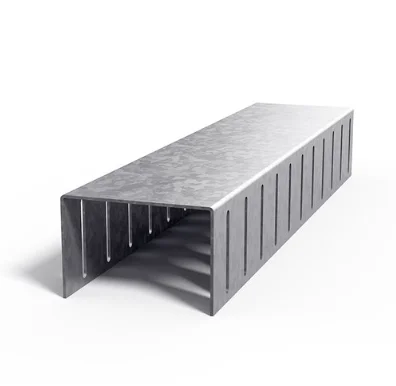
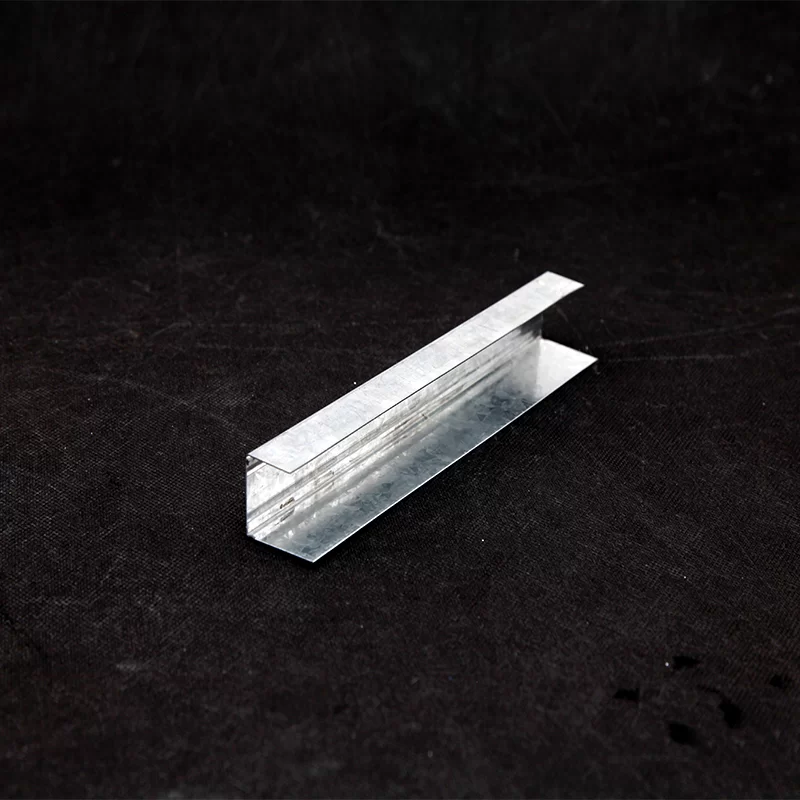
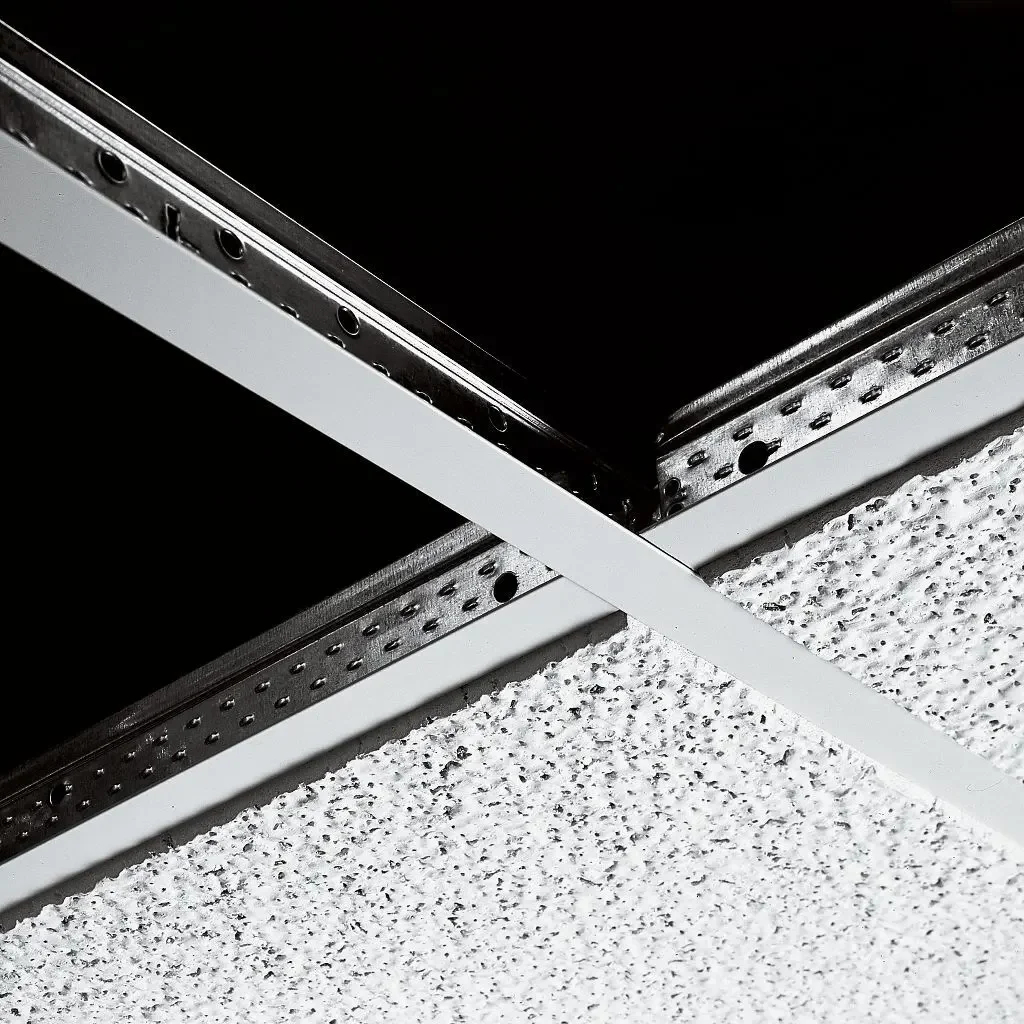
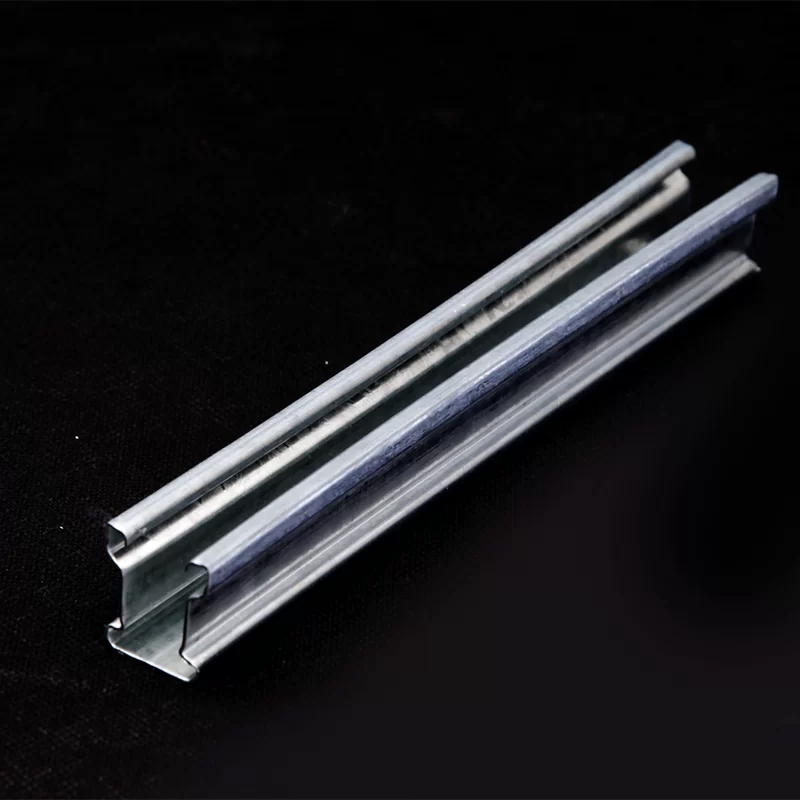
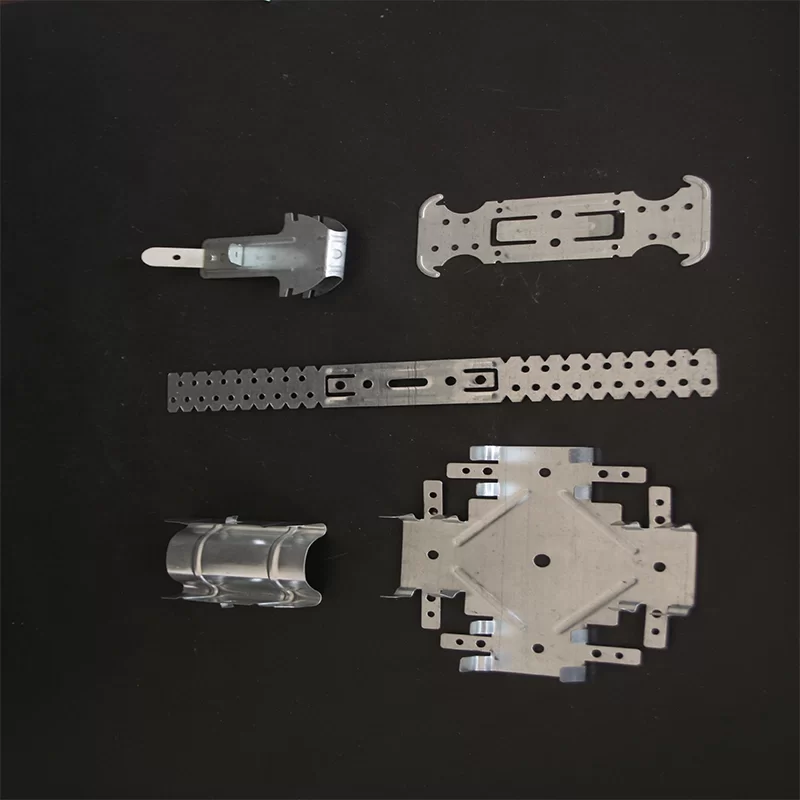
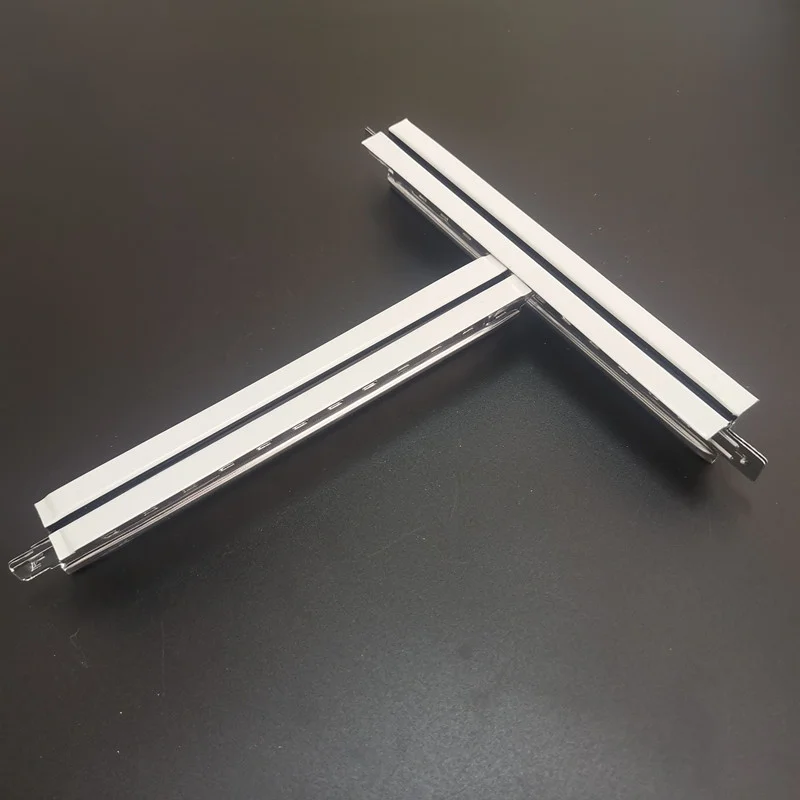
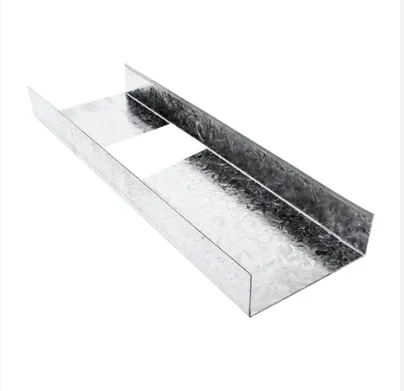
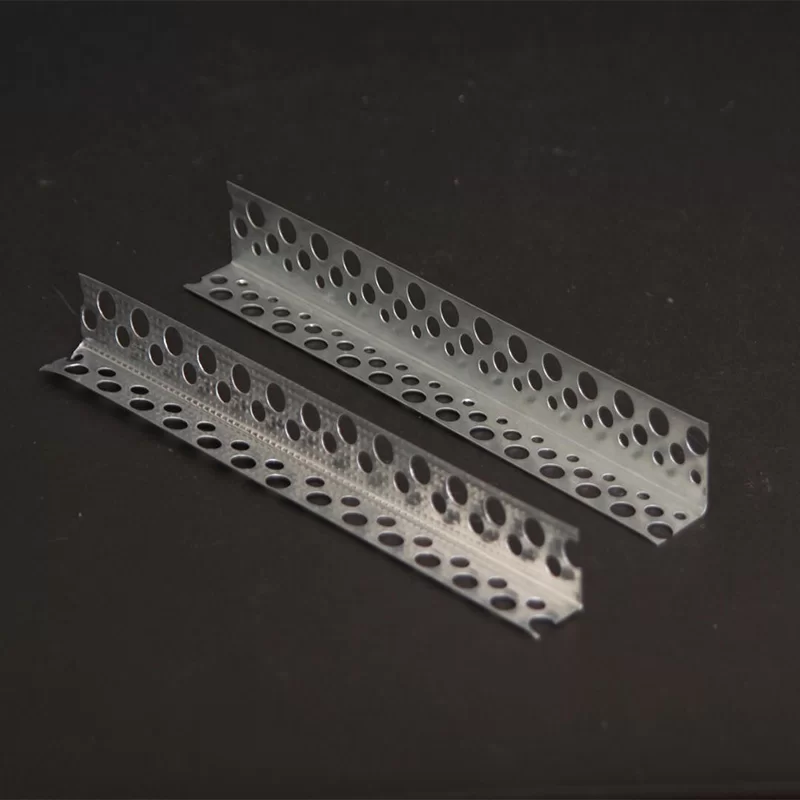
Comprehensive Steel Solutions for Ethiopia

A full portfolio of high-strength framing components tailored for the Ethiopian market.

Ethiopian Construction FAQ

Technical answers to common challenges in light gauge steel construction.

Which metal framing gauges are best for Ethiopian soil conditions?

Depending on the soil load-bearing capacity in regions like the Rift Valley, we recommend heavier gauges for the base tracks and structural columns to ensure stability.

How does a prefabricated light gauge steel building compare to concrete in cost?

While material costs can be similar, the total project cost is reduced through significantly shorter construction times and lower labor requirements.

What is the recommended steel stud gauge for multi-story housing?

For load-bearing multi-story structures, we typically recommend gauges between 0.8mm and 1.5mm, depending on the height and span of the building.

Are structural light gauge metal framing systems fire-resistant?

Steel itself is non-combustible. When combined with our specialized mineral-based boards, these systems provide excellent fire ratings.

Can lightweight steel frame building kits be shipped to remote Ethiopia?

Yes, their high strength-to-weight ratio makes them ideal for transport to remote areas where traditional materials are unavailable.

How do I prevent corrosion in humid Ethiopian coastal regions?

We utilize high-grade galvanized coatings and ZAM coatings that provide superior corrosion resistance in high-humidity environments.

Start Your Project Today

Connect with our engineering team for specialized steel building solutions in Ethiopia.

Contact Us Now

If you are interested in our products, you can choose to leave your information here, and we will be in touch with you shortly.