Advanced prefabricated light gauge steel building Solutions for Gambia

Advanced prefabricated light gauge steel building Solutions for Gambia

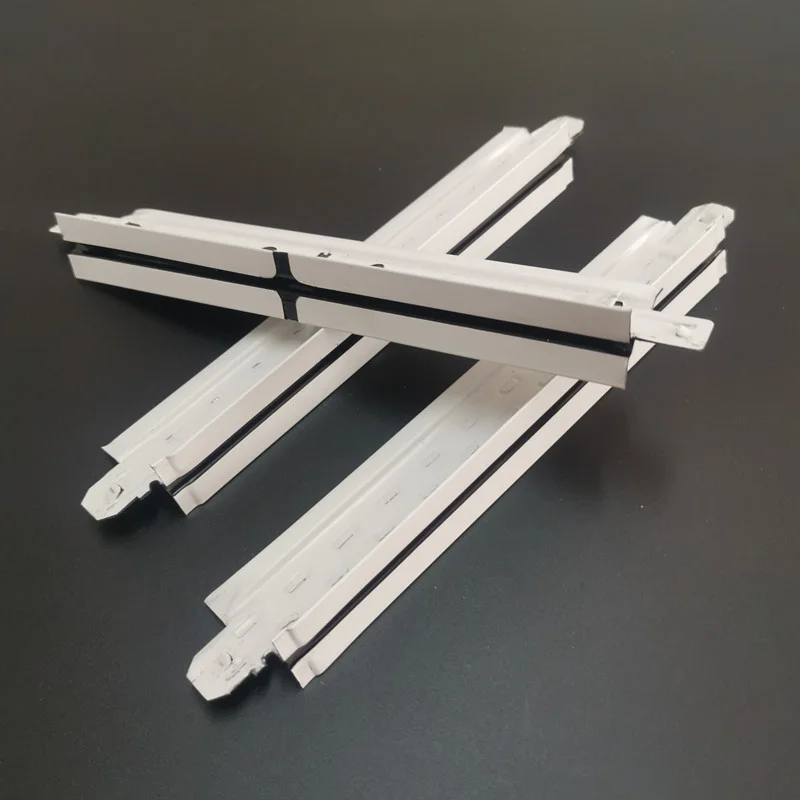
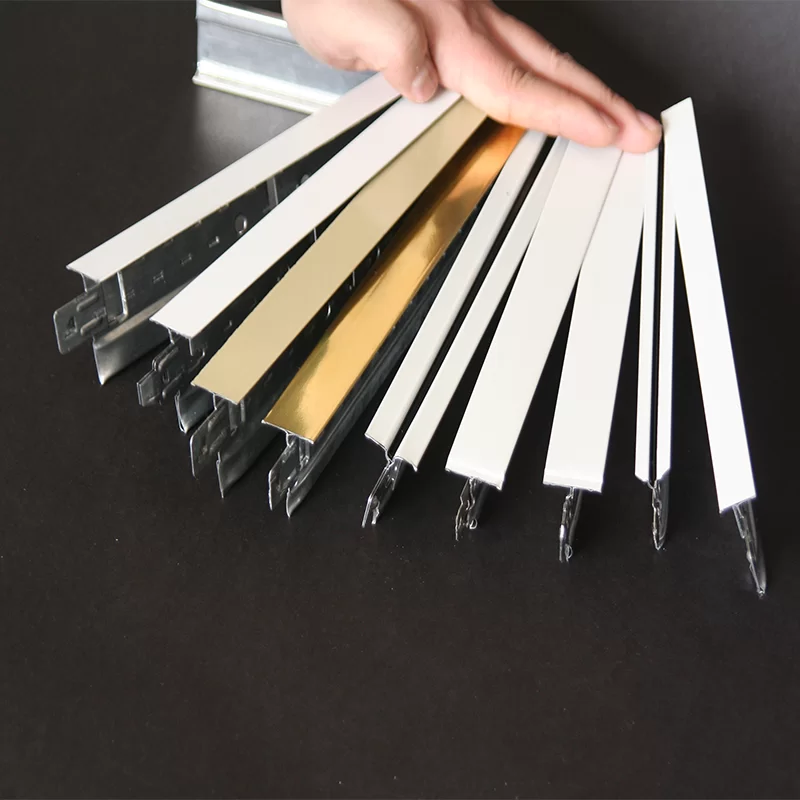
Integrating high-precision metal framing to accelerate sustainable urban development and industrial infrastructure across the Gambian landscape.

Advanced prefabricated light gauge steel building Solutions for Gambia

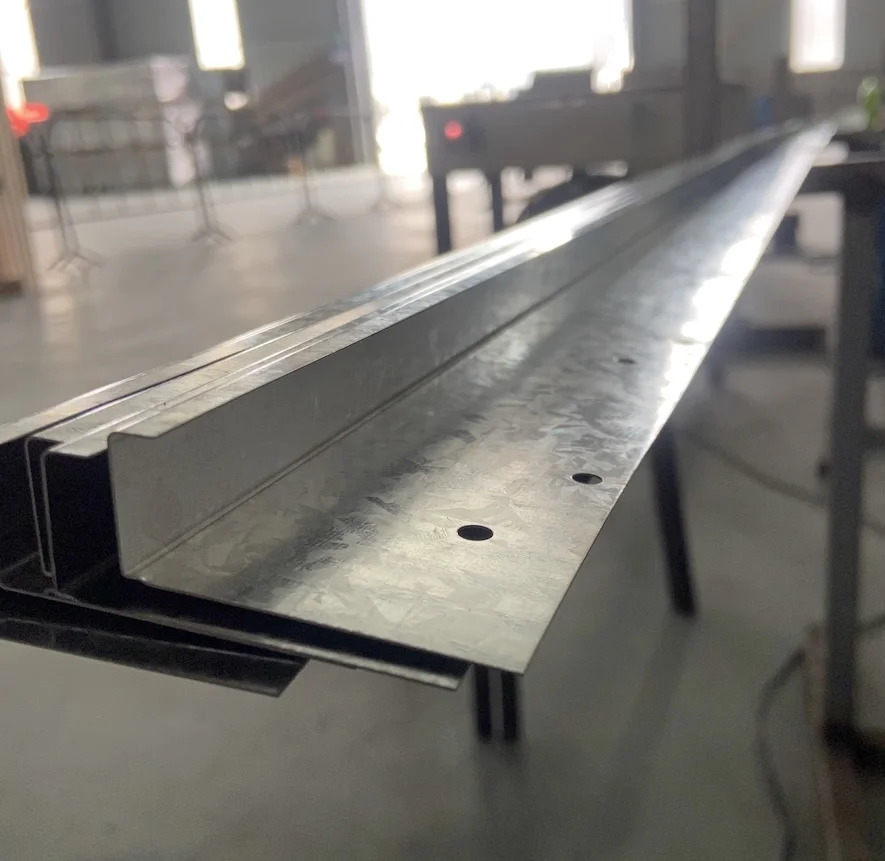
Our specialized manufacturing process provides Gambia with high-strength, corrosion-resistant steel framing systems designed to withstand coastal humidity and tropical climates.

Construction Landscape in Gambia

Analyzing the shift from traditional masonry to modern steel systems in the region.

Gambia's construction sector has traditionally relied on heavy concrete and timber. However, the high humidity of the Atlantic coast and the seasonal rainfall patterns often lead to rapid degradation of organic materials and moisture seepage in masonry, creating a demand for structural light gauge metal framing that offers superior durability.

The current market is facing a shortage of skilled masonry labor and rising costs of traditional raw materials. This has pushed developers toward lightweight steel frame building techniques, which significantly reduce construction timelines and minimize onsite waste in the Banjul and Serekunda urban corridors.

Furthermore, the need for rapid deployment of government offices and healthcare clinics in rural provinces has highlighted the inefficiency of conventional builds. The adoption of standardized metal framing gauges ensures that structural integrity is maintained across varying terrains, from riverine areas to coastal plains.
Evolution of Framing Technology

From rudimentary supports to engineered precision steel systems.

Market Development History

In the early 2000s, metal components in Gambia were largely limited to basic roofing sheets and simple supports. The structural logic relied on oversized heavy steel beams that were expensive to import and difficult to assemble without heavy machinery.

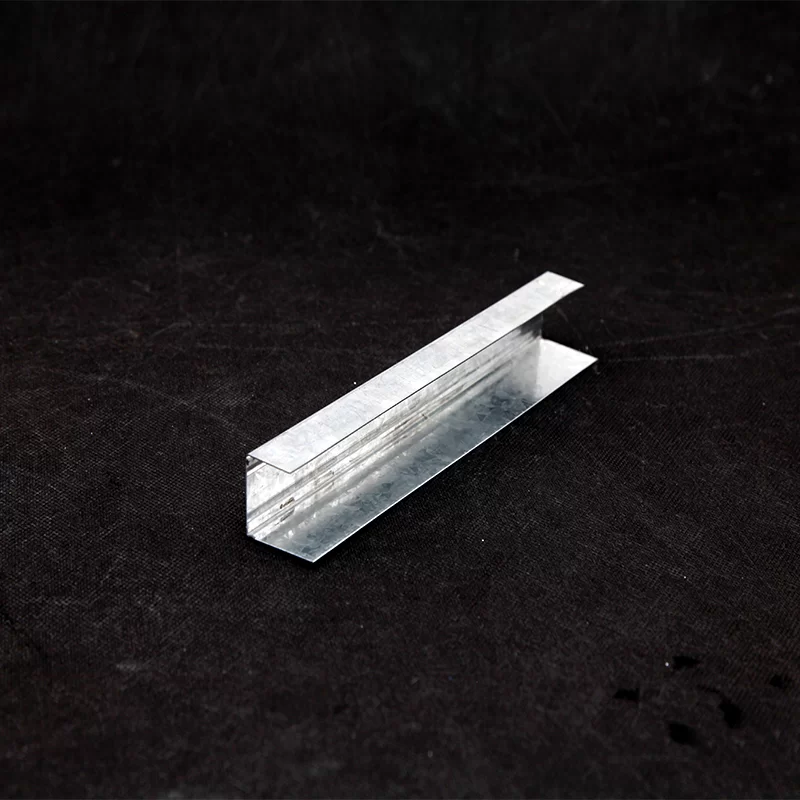
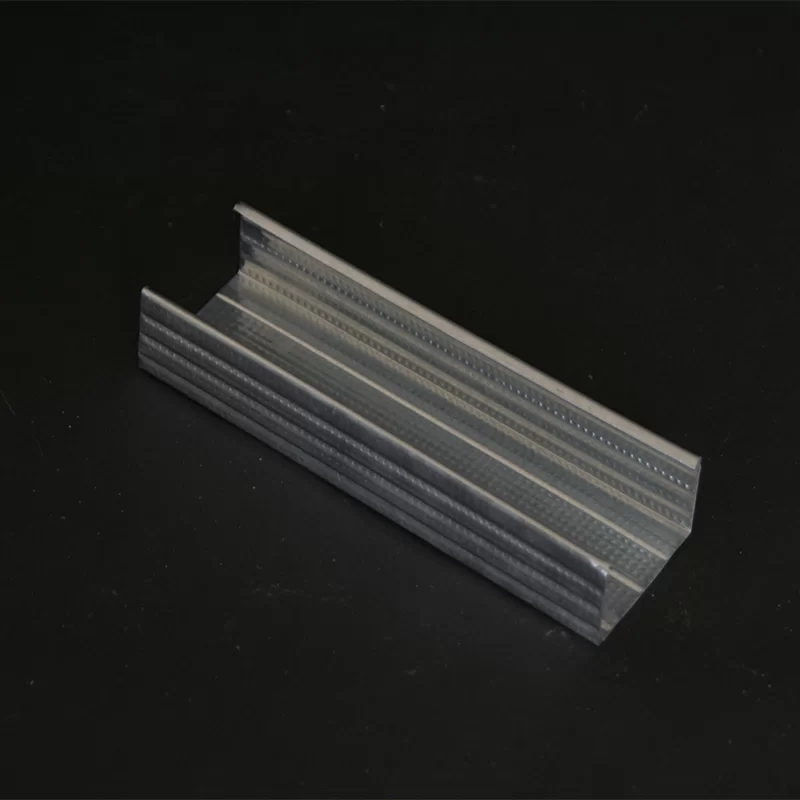
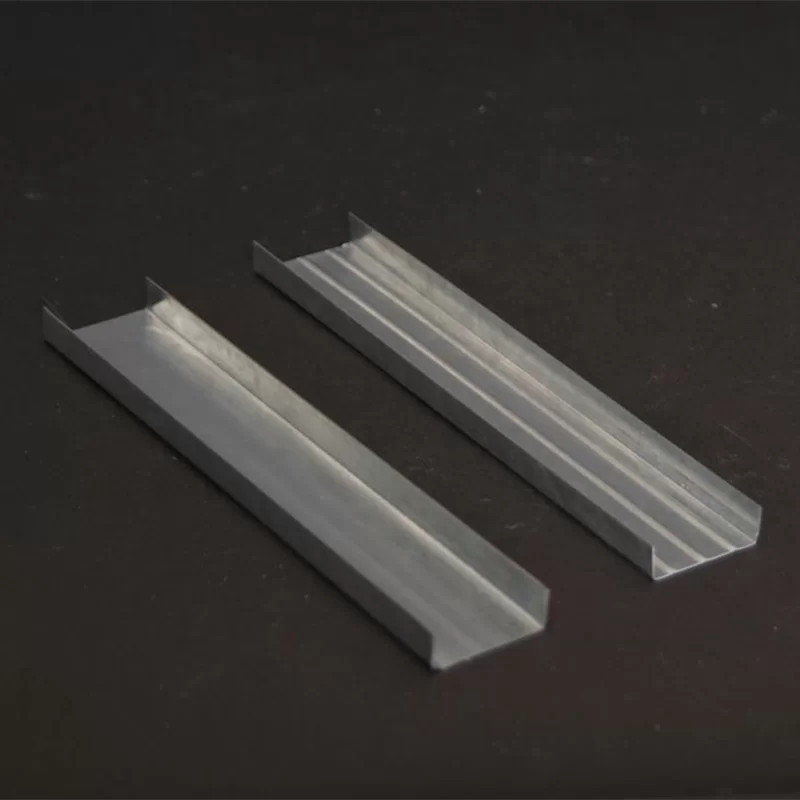
By 2010-2015, the introduction of cold-formed steel began to penetrate the market. Contractors started experimenting with specific steel stud gauge options for interior partitioning, realizing that metal provided a more stable alternative to timber in termite-prone environments.

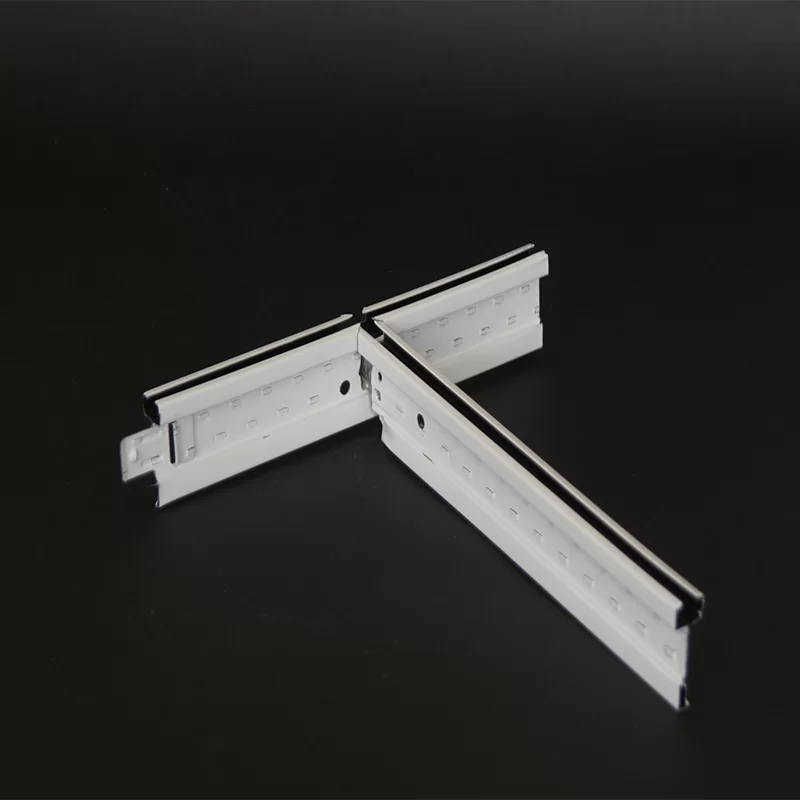
From 2018 to the present, there has been a paradigm shift toward full-scale industrialization. The arrival of BIM (Building Information Modeling) has allowed for the precise calculation of structural light gauge metal framing, enabling the construction of multi-story residential complexes with unprecedented speed.

Future Development Trends

Modular Integration

The transition toward 3D volumetric modular units will dominate the next 3 years, reducing onsite labor by 70%.

Anti-Corrosive Coatings

Advanced zinc-aluminum-magnesium coatings will become standard to combat the high saline air of the Gambian coast.

Eco-Friendly Core Materials

Integration of locally sourced agricultural waste for insulation within steel frames to improve thermal efficiency.

Industry Trends & Future Outlook

Forecasting the trajectory of non-metallic and metallic mineral products in West Africa.

Rapid Urbanization Demand
Increased demand for affordable housing in Banjul driving the adoption of LGS systems.
Precision Engineering
Shift toward automated roll-forming to eliminate human error in structural assembly.
Sustainability focus
Reducing the carbon footprint of construction through recyclable steel components.
Digital Procurement
Direct-to-factory ordering systems reducing lead times for Gambian importers.

Industry Outlook

Google search trends indicate a rising interest in "fast-build housing" and "steel frame cost" within West Africa. This suggests a growing B2B market for turnkey prefabricated solutions that bypass the traditional, slow supply chains of masonry.

Within the next 5 years, the integration of solar-ready steel frames will become a primary requirement in Gambia, as the region pushes for energy independence and sustainable "green" cities.

Localized Application Scenarios in Gambia

Real-world implementations of steel framing for the Gambian environment.

01. Coastal Tourism Resorts

Utilizing high-gauge galvanized steel to build luxury eco-lodges along the coast, ensuring resistance to salt-spray corrosion and rapid assembly during the dry season.

02. Rapid Response Clinics

Deploying prefabricated healthcare modules in rural regions to provide immediate medical infrastructure without the need for extensive on-site curing of concrete.

03. Urban Residential In-fills

Using lightweight steel frames to add second and third stories to existing masonry buildings in Serekunda without overloading the original foundations.

04. Industrial Warehousing

Creating large-span storage facilities for agricultural exports using heavy-duty structural steel framing for maximum load-bearing capacity.

05. Government Administrative Offices

Standardizing district office construction with prefabricated kits to ensure uniform quality and cost-control across different provinces.

Brand Story

Global Development Journey of Wenan Jinkai Construction Materials Co., Ltd.

Foundation of Precision

Started with a commitment to solving the instability of traditional non-metal mineral construction, focusing on high-precision metal rolling technology.

Technological Pivot

Developed advanced cold-formed steel systems that replaced heavy traditional beams, reducing material waste and increasing assembly speed.

Global Standards Adoption

Aligned all manufacturing processes with international ASTM and ISO standards to ensure safety in extreme climates, including West Africa.

Market Expansion

Successfully exported tailored steel framing solutions to emerging markets, overcoming logistical challenges through modular design.

Vision for Sustainable Cities

Currently pioneering carbon-neutral manufacturing to provide the world with the most sustainable lightweight structural solutions.

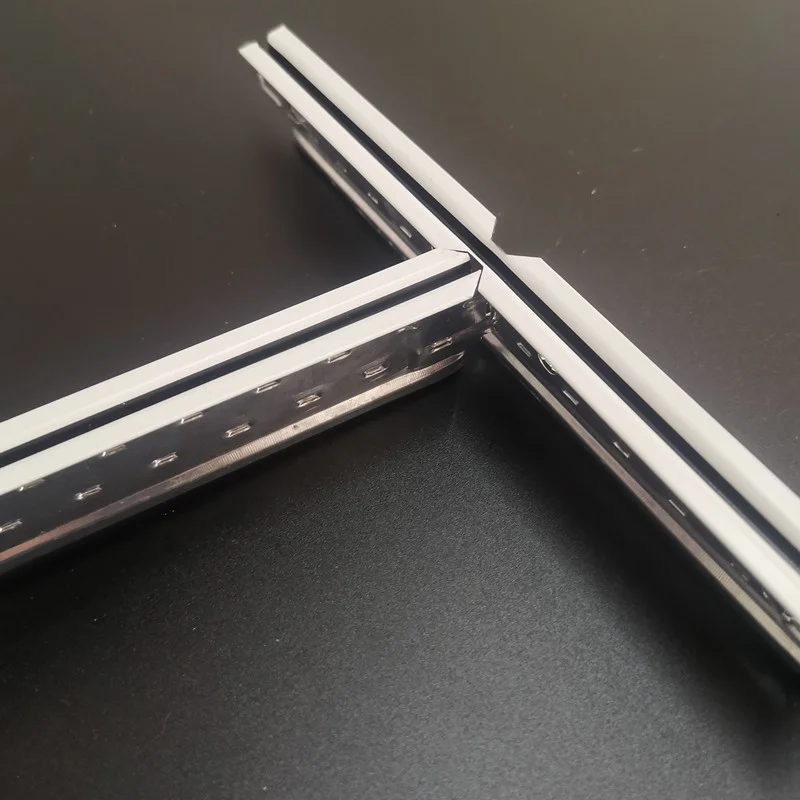
Comprehensive Product Portfolio for Gambia

Engineered solutions for every stage of structural development.

Gambia Construction FAQ

Expert answers to common technical queries in the local market.

How do I choose the correct steel stud gauge for coastal buildings in Gambia?

For coastal areas, we recommend a higher gauge with a G90 galvanized coating to prevent oxidation. The specific gauge depends on the load-bearing requirements, but thicker walls are advised for wind-exposed exteriors.

Is a prefabricated light gauge steel building suitable for the Gambian climate?

Yes, these buildings are highly suitable as they do not warp or rot like timber. When paired with proper thermal insulation, they provide excellent temperature regulation against tropical heat.

What is the difference between structural light gauge metal framing and standard studs?

Structural framing is engineered to carry the primary weight of the roof and floors, whereas standard studs are primarily used for non-load-bearing interior walls and partitions.

Can lightweight steel frame building systems be installed by local labor?

Absolutely. Because the components are pre-cut and pre-punched at the factory, the assembly process is more like a "kit," requiring less specialized skill than traditional masonry.

How do metal framing gauges affect the overall cost of the project?

Higher gauge (thinner) steel is cheaper but offers less strength. By optimizing the gauge for each specific part of the building, you can maximize safety while minimizing material costs.

What is the typical lead time for shipping prefabricated steel to Banjul?

Lead times vary based on project volume, but typical manufacturing takes 2-4 weeks, with ocean freight to Gambia adding another 4-6 weeks. Modular packing helps optimize shipping costs.

Request a Technical Consultation

Our engineering team is ready to help you optimize your next construction project in Gambia with high-performance steel solutions.

Contact Us Now

If you are interested in our products, you can choose to leave your information here, and we will be in touch with you shortly.