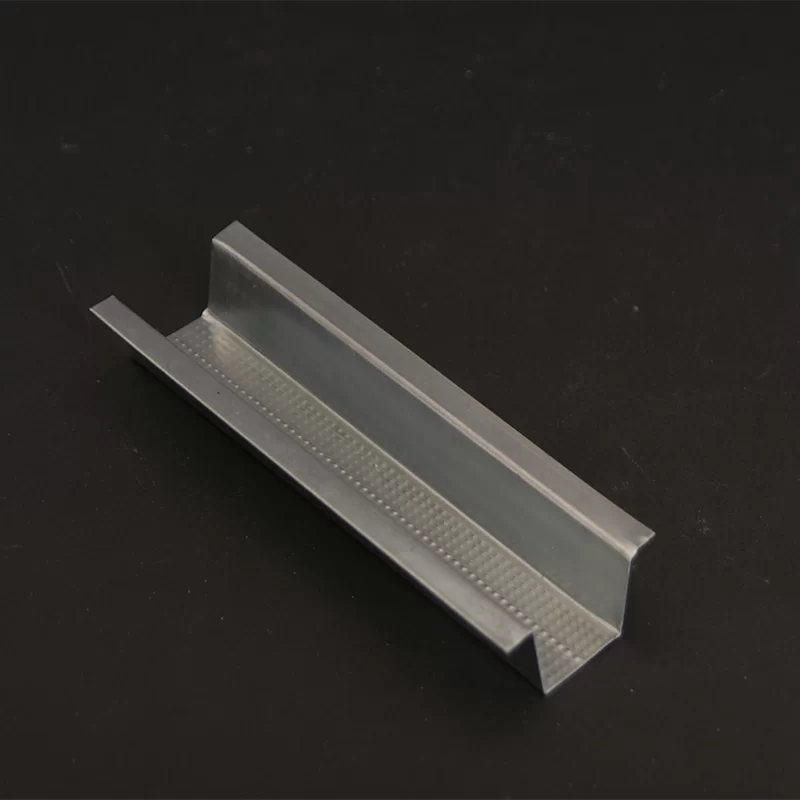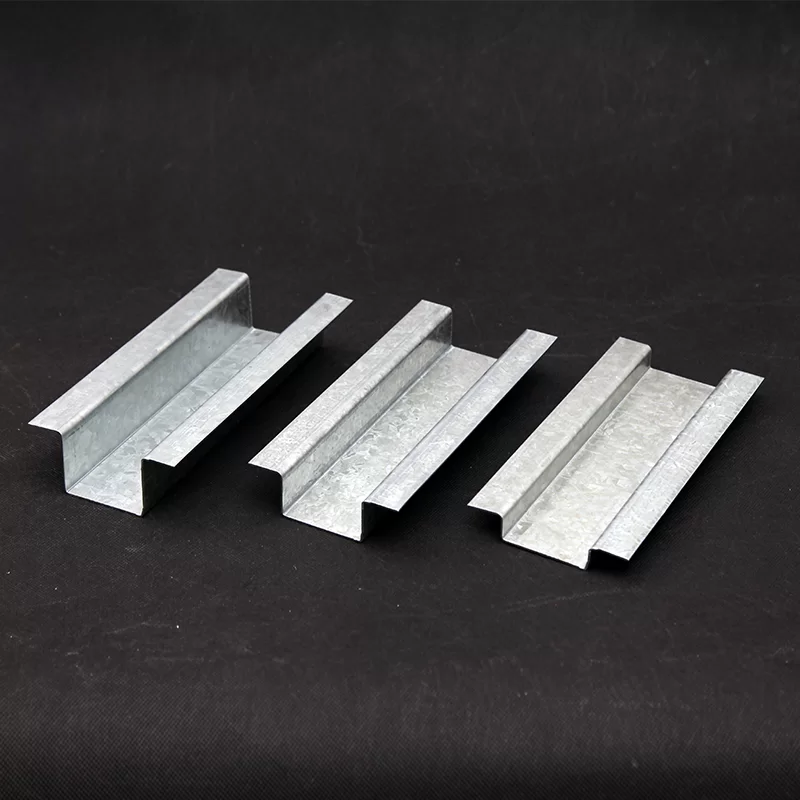
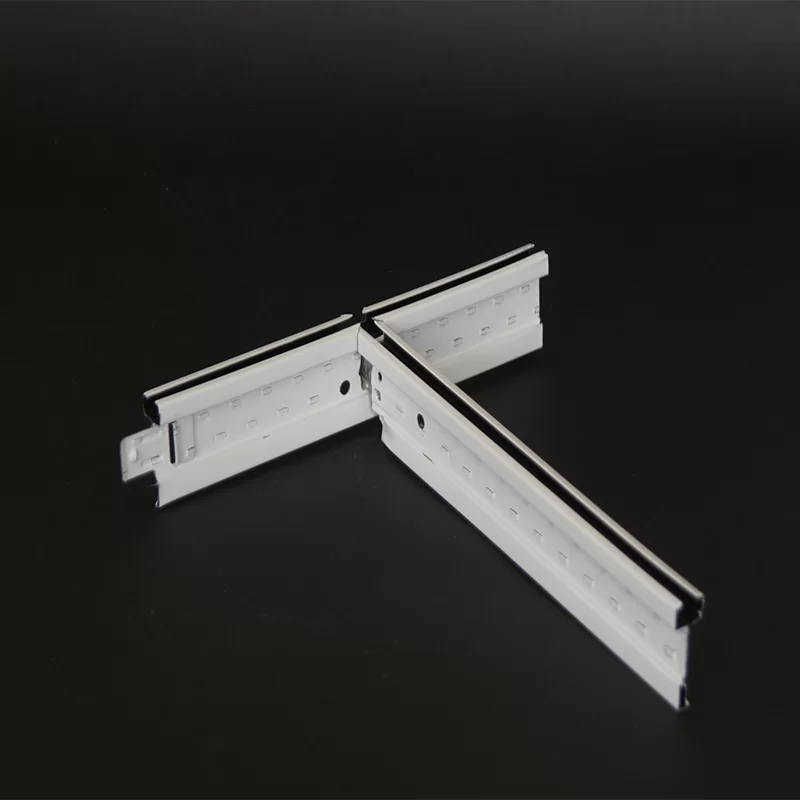
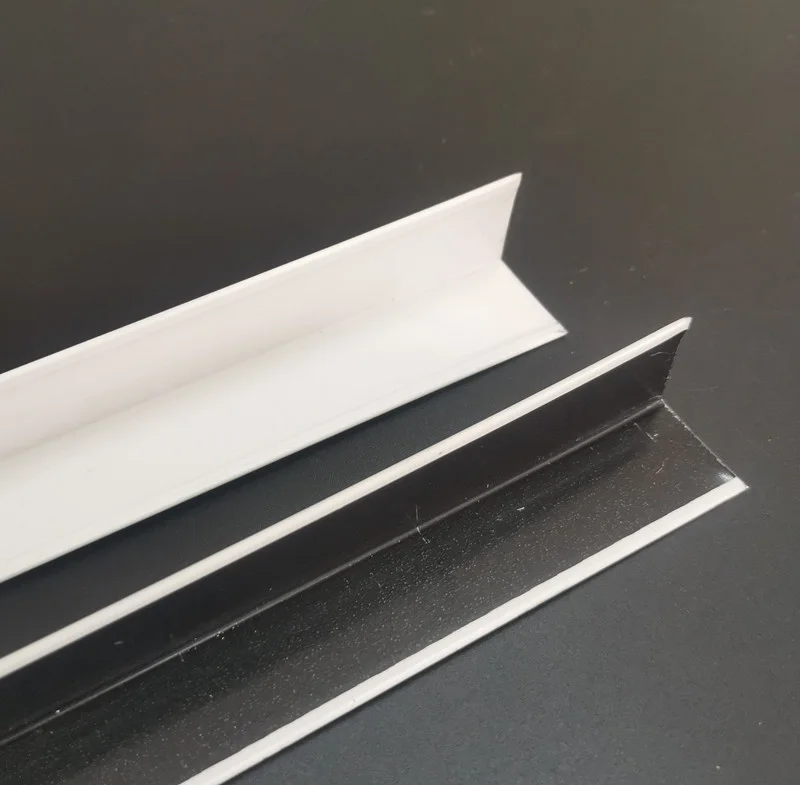
Advanced prefabricated light gauge steel building Solutions for India

Advanced prefabricated light gauge steel building Solutions for India

Revolutionizing Indian infrastructure with high-precision structural engineering and sustainable building materials tailored for diverse climatic zones.

Advanced prefabricated light gauge steel building Solutions for India

Providing the Indian construction sector with high-efficiency, durable, and scalable metal framing systems designed to reduce onsite labor and construction timelines.

Current Landscape of Metal Construction in India

Analyzing the shift from traditional masonry to high-performance steel framing in the Indian market.

The Indian construction industry is currently facing a massive demand for rapid urbanization, yet it struggles with the inefficiency of traditional brick-and-mortar methods. The introduction of lightweight steel frame building technology is addressing these pain points by offering a faster, cleaner, and more earthquake-resistant alternative, especially in high-density cities like Mumbai and Delhi.

Climate variability across India—from the humid coasts of Kerala to the extreme heat of Rajasthan—requires materials with superior thermal performance and corrosion resistance. Modern structural light gauge metal framing is being adopted to ensure structural integrity while maintaining the flexibility needed for complex architectural designs in the non-metallic mineral products sector.

Economic shifts towards "Make in India" have spurred the local demand for precision-engineered components. The industry is now focusing on optimizing metal framing gauges to balance cost-efficiency with the rigorous safety standards required for multi-story residential and industrial prefabricated projects.
Evolution and Technical Trajectory of Steel Framing

From heavy structural steel to the precision of light gauge engineering.

Market Development History

In the early 2000s, the Indian market relied heavily on hot-rolled heavy steel and RCC (Reinforced Cement Concrete). These methods were slow and resource-intensive, often leading to significant material waste during the gypsum and cement product installation phases.

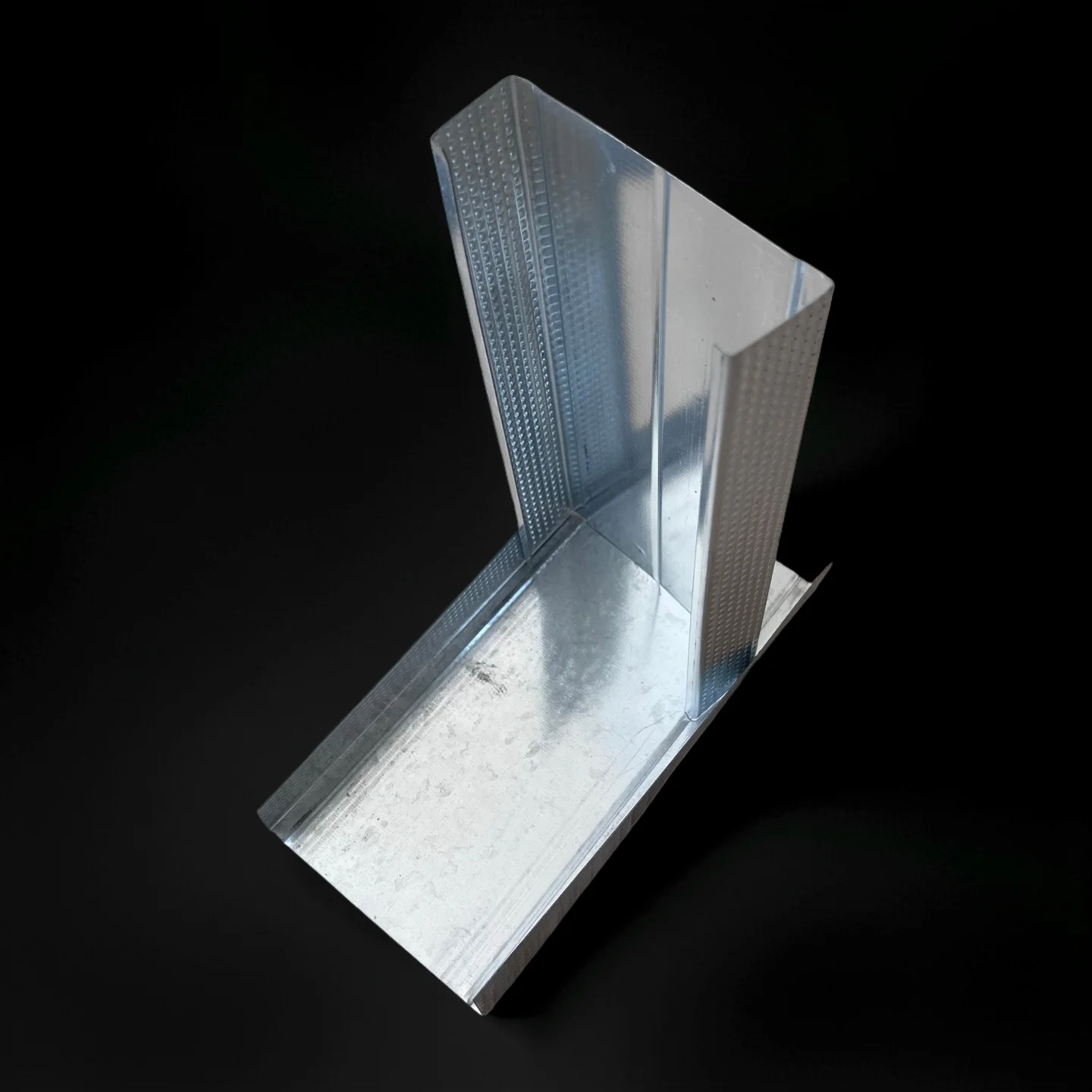
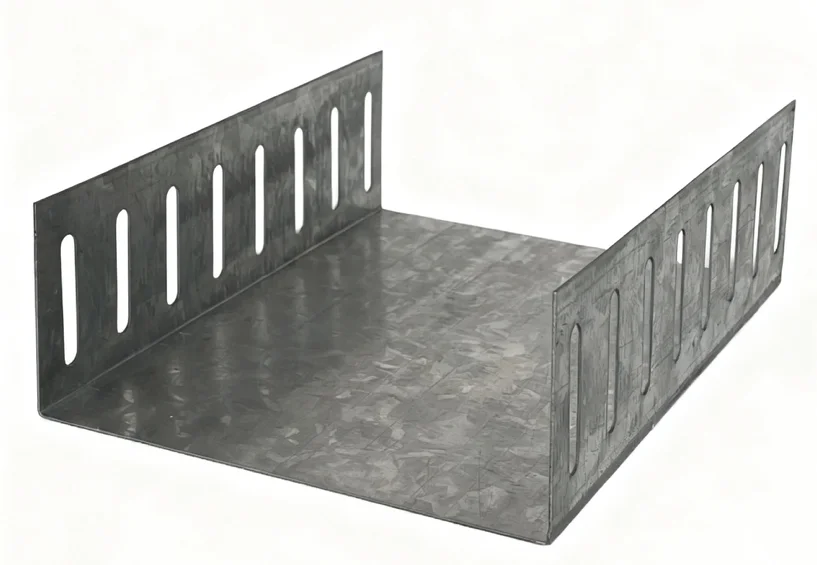
Between 2010 and 2020, the transition toward Cold-Formed Steel (CFS) began. The introduction of standardized steel stud gauge measurements allowed for more predictable load-bearing calculations, enabling the growth of partition walls and ceiling grids in commercial hubs.

Today, the industry has evolved into the era of full BIM (Building Information Modeling) integration. Prefabrication is no longer just about components but complete structural systems that are manufactured in factories and assembled on-site with millimeter precision.

Future Development Trends

AI-Driven Design Optimization

Integrating generative design to automatically calculate the optimal metal framing gauges based on real-time Indian seismic data, reducing material waste by up to 15%.

Sustainable Green-Steel Integration

A shift toward low-carbon steel production to align with India's net-zero goals, focusing on recyclable alloys that maintain high tensile strength for structural applications.

Modular Hybrid Systems

The convergence of light gauge steel with advanced non-metallic mineral insulation products to create "Passive House" standards tailored for the tropical Indian climate.

Industry Trends & Future Outlook

Strategic projections for the next 3-5 years in the Indian prefabricated sector.

Rapid Urbanization Speed
The demand for affordable housing in India is driving the adoption of prefabricated systems to cut delivery times by 50%.
Precision Engineering
Shift toward tighter tolerances in steel stud gauge specifications to ensure seamless integration with prefabricated panels.
Eco-Friendly Materials
Increased use of galvanized coatings that are lead-free and environmentally safe for the Indian ecosystem.
Seismic Resilience
Developing advanced structural light gauge metal framing that exceeds Indian Standard (IS) codes for earthquake zones.

Industry Outlook

Based on Google search trends for "sustainable construction" and "prefab homes" in the Asia-Pacific region, we anticipate a 25% CAGR in the demand for lightweight steel solutions in India. The market is moving away from fragmented local fabrication toward centralized, high-tech production hubs.

The integration of smart-building sensors within the metal framing will be the next frontier, allowing Indian developers to monitor structural health and thermal efficiency in real-time across large-scale housing projects.

Localized Application Scenarios in India

Practical implementations of steel framing across diverse Indian environments.

1. Rapid Affordable Housing Projects

Utilizing prefabricated light gauge steel building kits to create low-cost, high-durability residential units in peri-urban areas, significantly reducing the dependency on traditional cement curing times.

2. Commercial Office Partitions in Tech Hubs

Implementing high-precision steel stud gauge systems for flexible office layouts in Bangalore and Hyderabad, allowing for rapid reconfiguration of workspaces.

3. Industrial Warehousing and Cold Storage

Deploying heavy-duty structural light gauge metal framing to support insulated panels for pharmaceutical cold chains, ensuring temperature stability and structural rigidity.

4. Sustainable Rural Schools and Clinics

Using lightweight steel frame building components to build essential infrastructure in remote regions where transporting heavy materials is logistically impossible.

5. Luxury Eco-Resorts in Coastal Areas

Applying specialized corrosion-resistant metal framing gauges for high-end boutique resorts in Goa and Kerala, combining aesthetics with long-term durability against salty air.

Brand Story

Global Development History of Wenan Jinkai Building Materials Co., Ltd.

Foundation of Precision

Established with a mission to solve the inefficiency of traditional construction, we focused on the mastery of non-metallic and metal composite materials.

Technological Breakthrough

Developed advanced roll-forming technologies that allowed for unprecedented accuracy in light gauge steel production, setting new industry standards.

Expanding Horizons

Successfully entered the international market, adapting our product lines to meet the rigorous seismic and environmental codes of diverse regions.

Indian Market Specialization

Created a dedicated engineering wing to customize steel framing solutions specifically for the climatic and economic needs of the Indian subcontinent.

Sustainable Future

Currently leading the transition toward carbon-neutral building materials, ensuring that every frame contributes to a greener planet.

Complete Product Portfolio for India

A comprehensive range of metal framing and non-metallic mineral solutions for every scale of project.

Frequently Asked Questions in the Indian Market

Expert answers to common technical queries regarding light gauge steel construction.

How does a lightweight steel frame building compare to traditional concrete in terms of cost in India?

While material costs for steel may be higher, the overall project cost is often lower due to a 40-60% reduction in construction time, lower labor costs, and minimal material waste compared to concrete.

Which metal framing gauges are most suitable for multi-story residential buildings in seismic zones?

For multi-story structures, we typically recommend structural gauges between 0.8mm and 1.5mm, depending on the load calculations and local Indian Standard (IS) seismic requirements.

Can prefabricated light gauge steel building systems withstand India's extreme summer heat?

Yes, when combined with appropriate non-metallic mineral insulation (like rockwool or glasswool), these systems provide superior thermal breaks, keeping interiors cool and reducing AC energy consumption.

What is the standard steel stud gauge used for internal drywalls in Indian commercial offices?

Typically, a steel stud gauge ranging from 0.45mm to 0.6mm is used for non-load-bearing internal partitions, providing the perfect balance of stability and weight.

Is structural light gauge metal framing resistant to termites and moisture in humid regions like Kerala?

Unlike timber, steel framing is completely termite-proof. To combat humidity, we use high-grade galvanization (Z275 or higher) to prevent corrosion and ensure a lifespan of over 50 years.

How long does it take to assemble a prefabricated steel house in India?

Depending on the size, the structural assembly of a prefabricated house can be completed in as little as 2 to 6 weeks, compared to several months for traditional masonry.

Ready to Modernize Your Infrastructure?

Contact our engineering experts today for customized steel framing solutions designed specifically for the market in India.

Contact Us Now

If you are interested in our products, you can choose to leave your information here, and we will be in touch with you shortly.