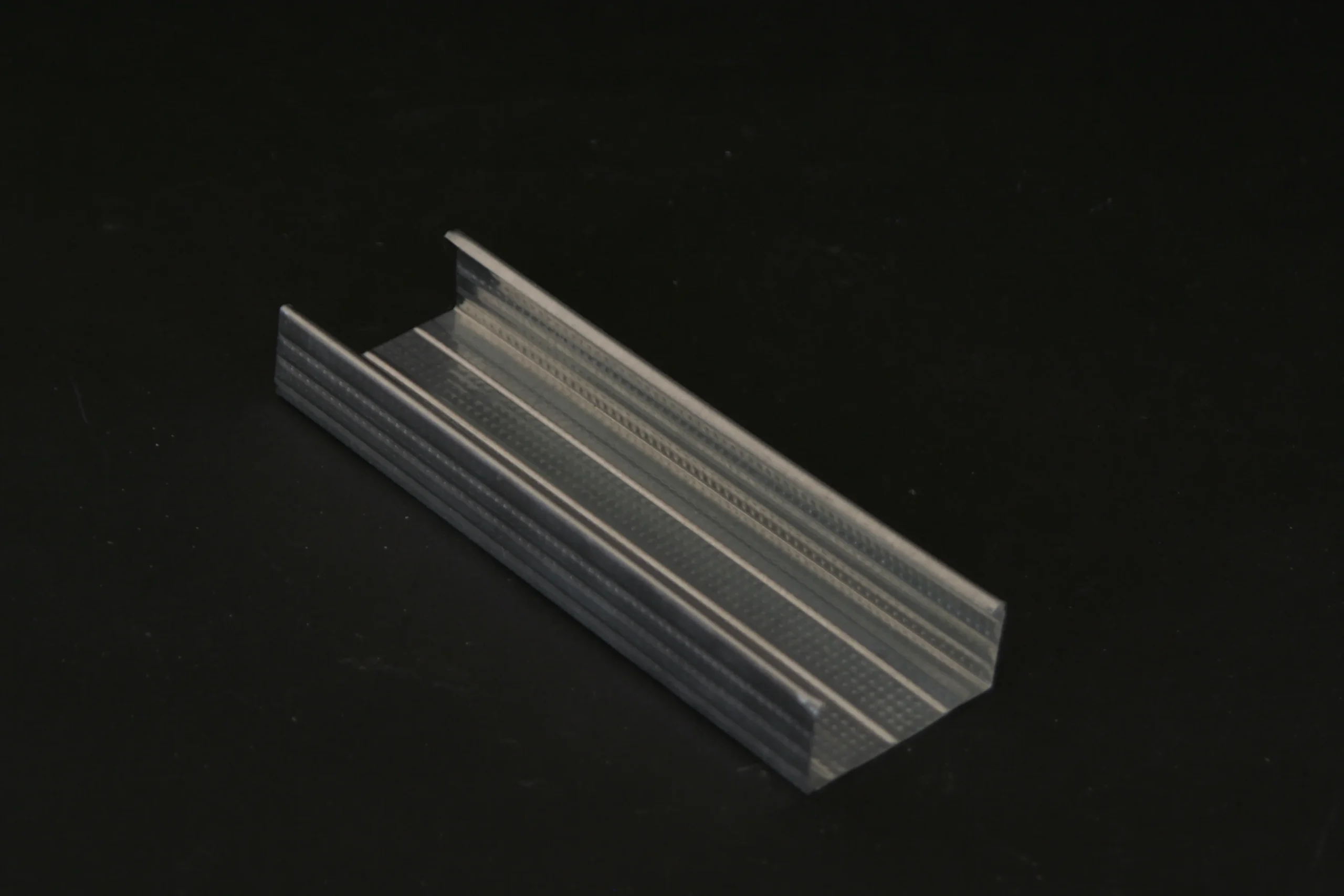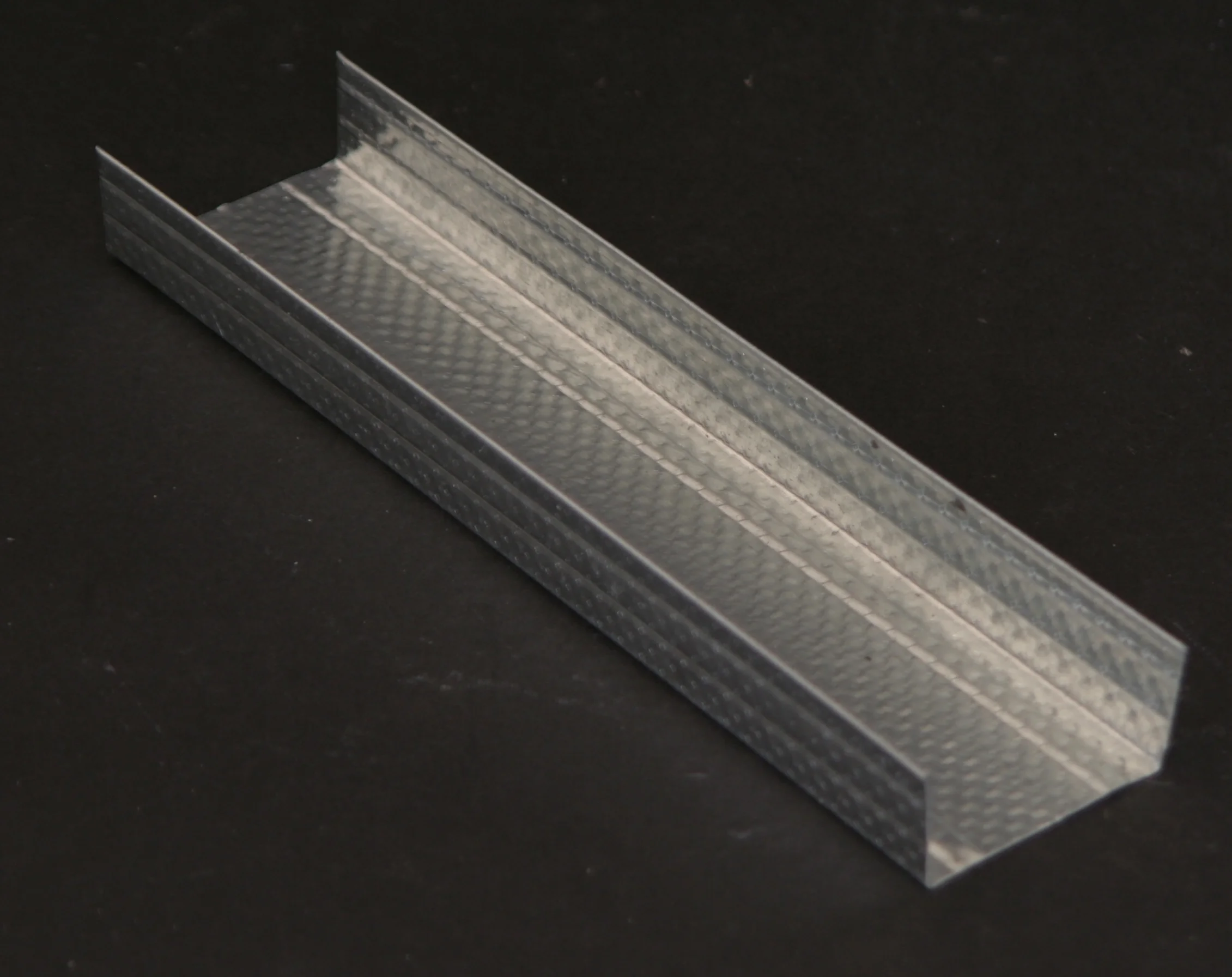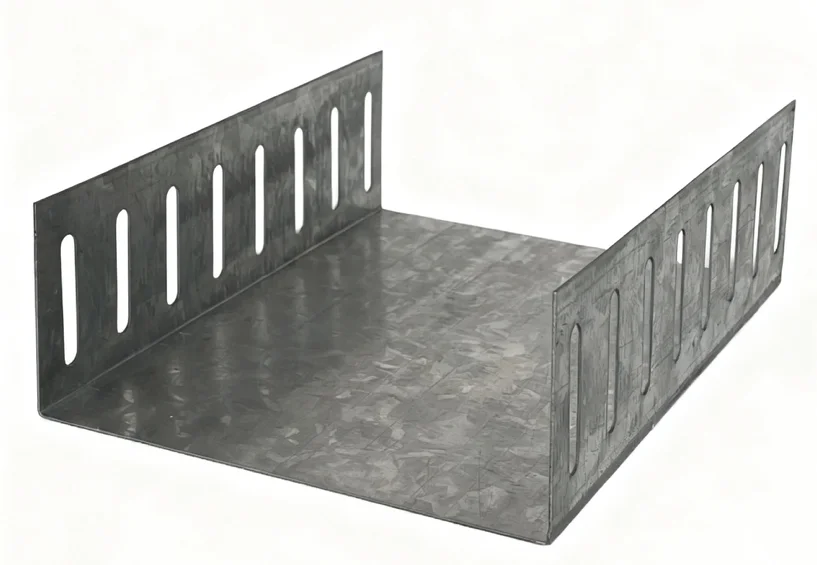
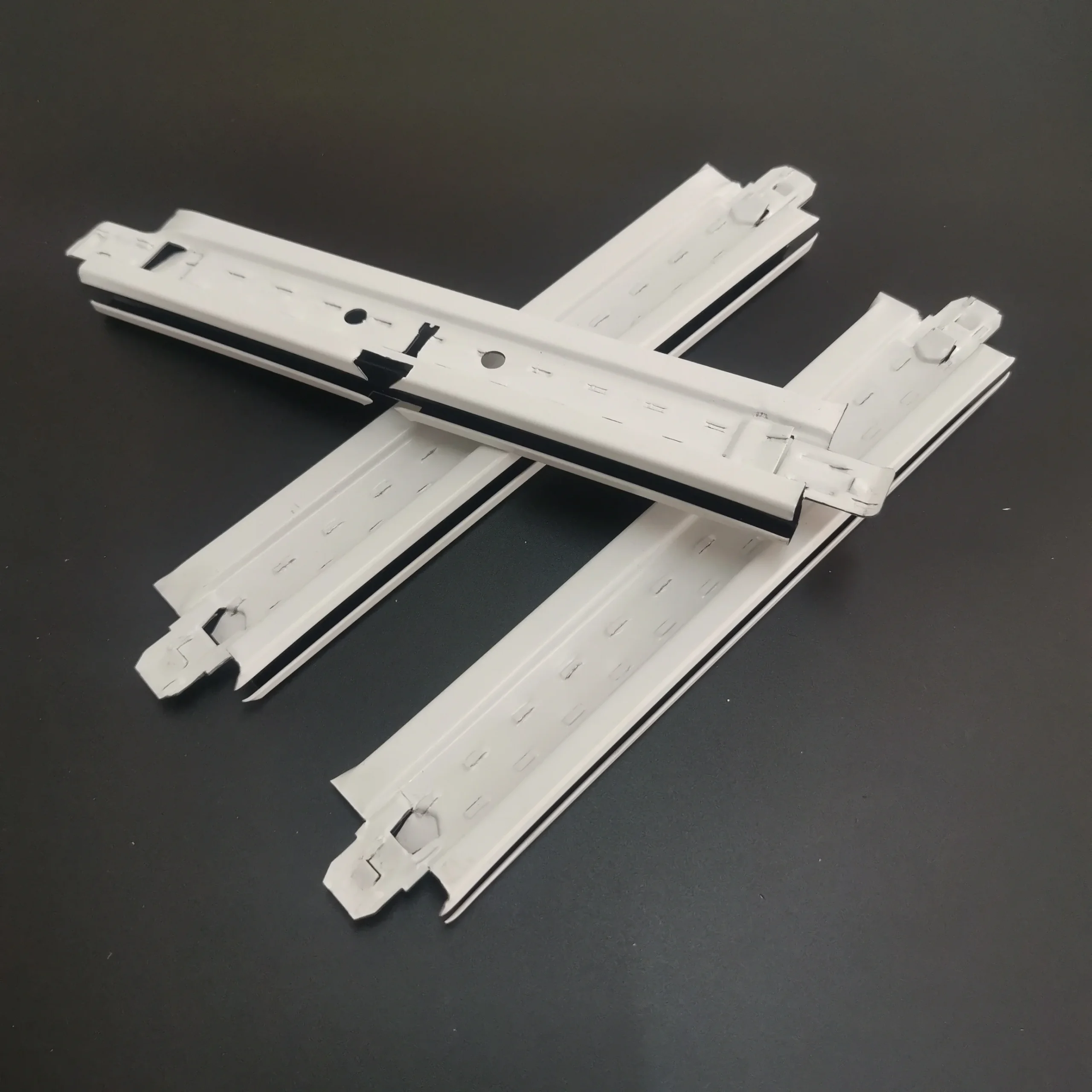
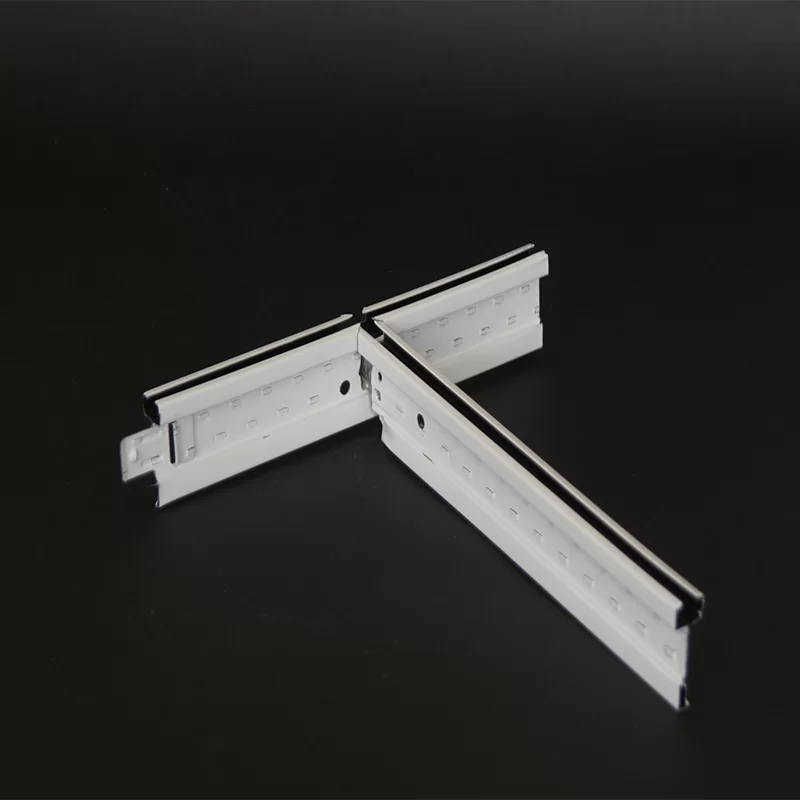
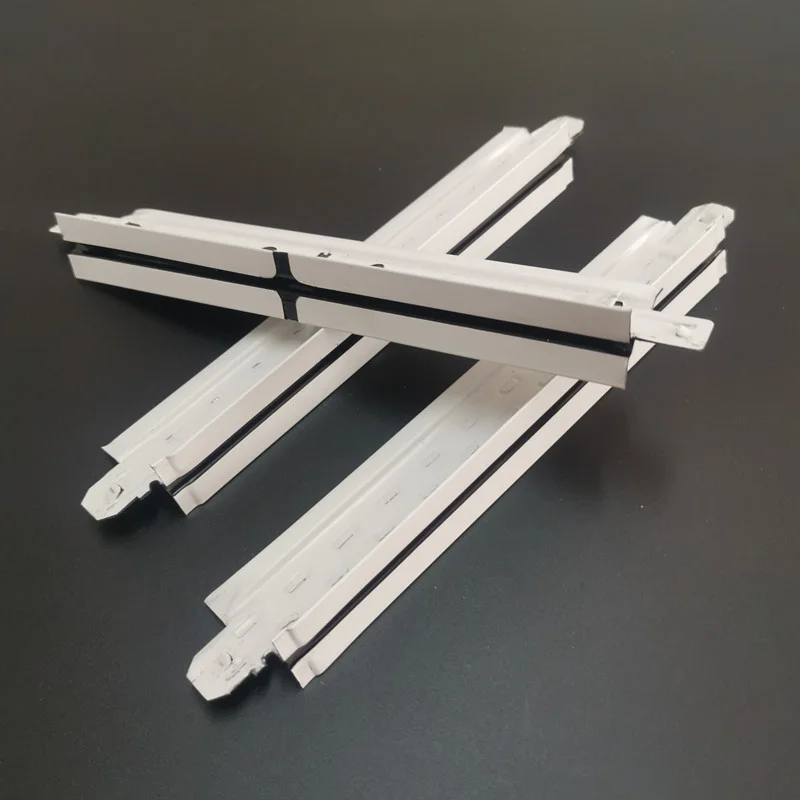
Advanced prefabricated light gauge steel building Solutions for Japan

Advanced prefabricated light gauge steel building Solutions for Japan

Engineering seismic-resistant, high-precision metal framing systems tailored for the demanding Japanese architectural landscape.

Advanced prefabricated light gauge steel building Solutions for Japan

We provide high-performance structural components that combine Japanese precision with global engineering standards, ensuring safety and efficiency in every build.

Current State of Steel Construction in Japan

Navigating the intersection of seismic activity and urban densification.

Japan's construction sector is defined by its extreme commitment to safety due to frequent seismic activity. The adoption of structural light gauge metal framing has increased significantly as it offers a superior strength-to-weight ratio compared to traditional timber, reducing the inertia forces during earthquakes.

Urban areas like Tokyo and Osaka face severe space constraints, making the precision of metal framing gauges critical. There is a growing shift toward off-site manufacturing to reduce on-site noise pollution and waste, aligning with Japan's strict environmental and municipal regulations.

The industry currently struggles with a labor shortage in the skilled carpentry sector. Consequently, the demand for standardized steel stud gauge components that allow for rapid assembly by less specialized crews is at an all-time high.
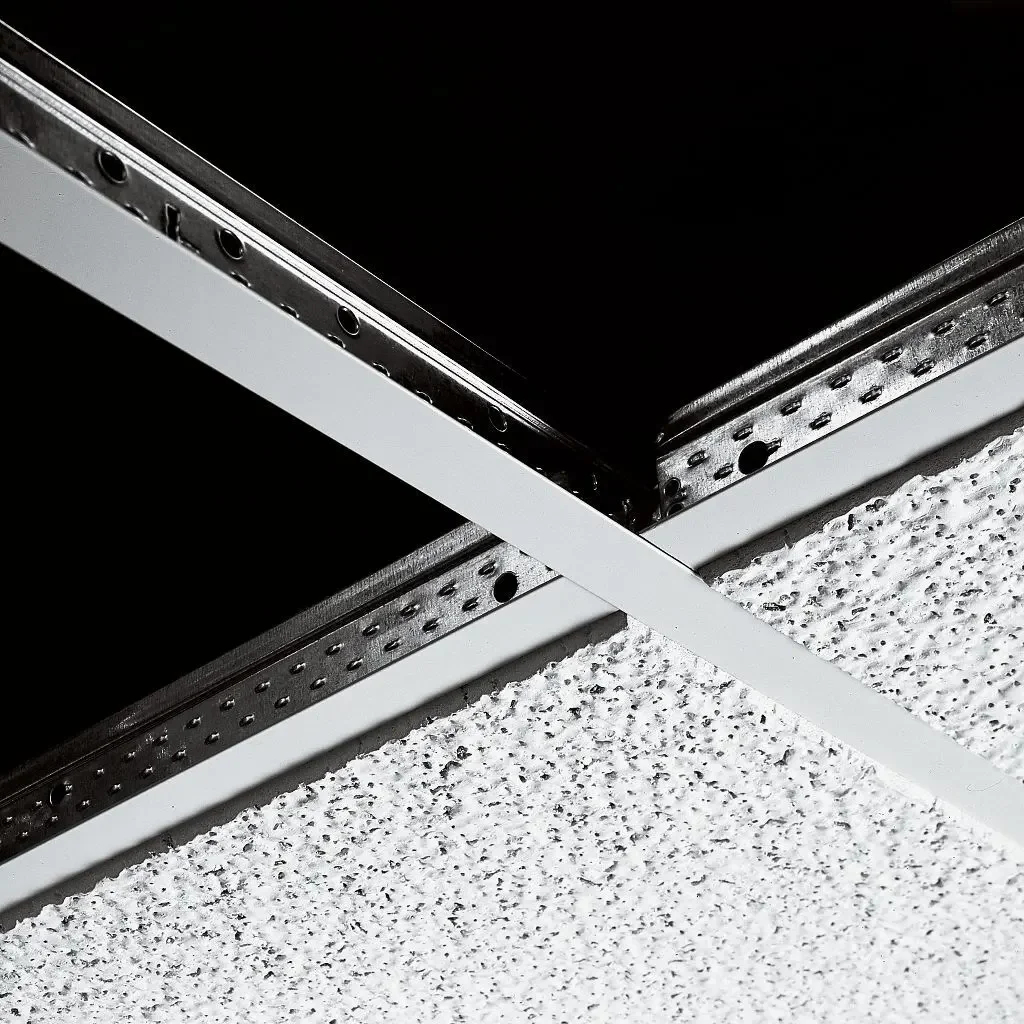
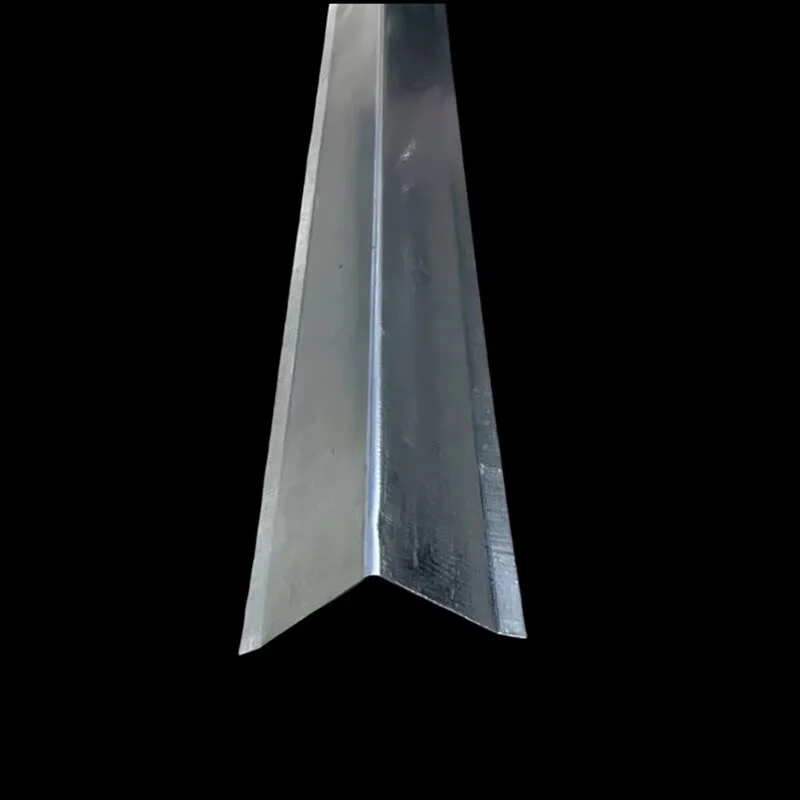
Evolution of Light Steel Framing

From basic partition supports to complex load-bearing structural systems.

Market Development History

In the late 20th century, steel framing in Japan was primarily utilized for interior partitions. The focus was on basic steel stud gauge thickness to support drywall in commercial offices.

By the early 2010s, the transition toward the lightweight steel frame building methodology began. This era saw the introduction of cold-formed steel that could replace heavy hot-rolled beams in low-rise residential structures.

Today, the industry has entered the era of Digital Fabrication. Integration of BIM (Building Information Modeling) allows for the precise calculation of metal framing gauges, enabling millimeter-perfect prefabrication.

Future Development Trends

AI-Driven Structural Optimization

Future systems will use AI to automatically adjust steel thickness based on localized wind and seismic data for each specific plot in Japan.

Circular Economy Integration

A shift toward 100% recycled galvanized steel to meet Japan's "Green Growth Strategy" for carbon neutrality by 2050.

Hybrid Modular Systems

The fusion of light gauge steel with CLT (Cross Laminated Timber) to create sustainable, high-rise hybrid structures.

Industry Trends and Future Outlook

Analyzing the trajectory of non-metallic mineral and metal decoration manufacturing.

Extreme Seismic Resilience
Developing flexible joint systems within structural framing to absorb energy during tectonic shifts.
Rapid Modular Deployment
Scaling prefabricated pods for quick housing recovery and urban expansion.
Smart Material Coating
Implementation of nano-coatings to prevent corrosion in coastal Japanese cities.
Zero-Waste Precision
Optimizing cut-lists through software to eliminate steel scrap during production.

Industry Outlook

The trajectory for Japan's metal framing industry is shifting toward "intelligent construction." Google search trends show a spike in queries related to sustainable prefabricated systems, indicating that Japanese developers are prioritizing carbon footprints alongside seismic safety.

Over the next 3-5 years, we expect a complete integration of IoT sensors within the lightweight steel frame building to monitor structural health in real-time after seismic events.

Localized Application Scenarios in Japan

Practical implementations of light gauge steel in diverse Japanese environments.

01. Seismic-Resistant Residential Housing

Implementing high-gauge structural frames in suburban areas to ensure residential safety during magnitude 7+ earthquakes.

02. Urban Micro-Apartment In-fills

Using precise steel framing to maximize living space in narrow Tokyo plots where traditional concrete is too heavy.

03. Rapid-Deploy Disaster Relief Units

Prefabricated modules that can be shipped and assembled in hours to provide shelter during natural disasters.

04. Industrial Cold Storage Warehouses

Utilizing corrosion-resistant steel studs for climate-controlled food storage facilities in Hokkaido.

05. Modern Office Interior Reconfiguration

Rapidly adaptable office layouts using flexible metal framing to suit the evolving "hybrid work" culture in Japan.

Brand Story

Global Development History of Wen'an Jinkai Building Materials Co., Ltd.

Foundational Precision

Started with a commitment to solving the inconsistency of steel gauges in local manufacturing, setting a new standard for accuracy.

Technological Leap

Invested in automated rolling mills to eliminate human error, enabling the production of complex structural profiles.

Global Expansion

Expanded operations to Asia, specifically tailoring products to meet the rigorous JIS (Japanese Industrial Standards).

Sustainability Pivot

Integrated green steel procurement and zero-waste logistics to support global carbon neutrality goals.

Future Vision

Becoming the leading provider of intelligent, prefabricated structural solutions for the world's most challenging terrains.

Common Questions for Japan Projects

Technical clarifications for engineers and developers.

How do lightweight steel frame building systems handle Japan's seismic loads?

Our systems utilize high-ductility steel and precision-engineered connections that allow for controlled flexibility, dissipating seismic energy more effectively than rigid concrete.

What are the most common metal framing gauges used in Japanese residential construction?

Depending on the load-bearing requirement, we typically provide ranges from 0.6mm for non-structural partitions to 1.2mm+ for primary structural members.

Can prefabricated light gauge steel building components be customized for narrow urban plots?

Yes, our BIM-integrated manufacturing allows us to create millimetric custom lengths and profiles that fit perfectly into constrained urban environments.

How is the steel stud gauge determined for multi-story commercial projects?

Determination is based on structural load calculations, wind pressure analysis, and the specific fire-rating requirements of the local Japanese building code.

Is structural light gauge metal framing suitable for coastal areas in Japan?

Absolutely. We offer specialized ZAM or high-grade galvanized coatings specifically designed to resist salt-spray corrosion in coastal regions.

What is the lead time for prefabricated steel frames shipped to Japan?

Due to our optimized logistics and automated production, we typically move from finalized design to shipment within 3-6 weeks.

Ready to Optimize Your Build?

Contact our engineering team today for a technical consultation on high-performance steel framing solutions in Japan.

Contact Us Now

If you are interested in our products, you can choose to leave your information here, and we will be in touch with you shortly.