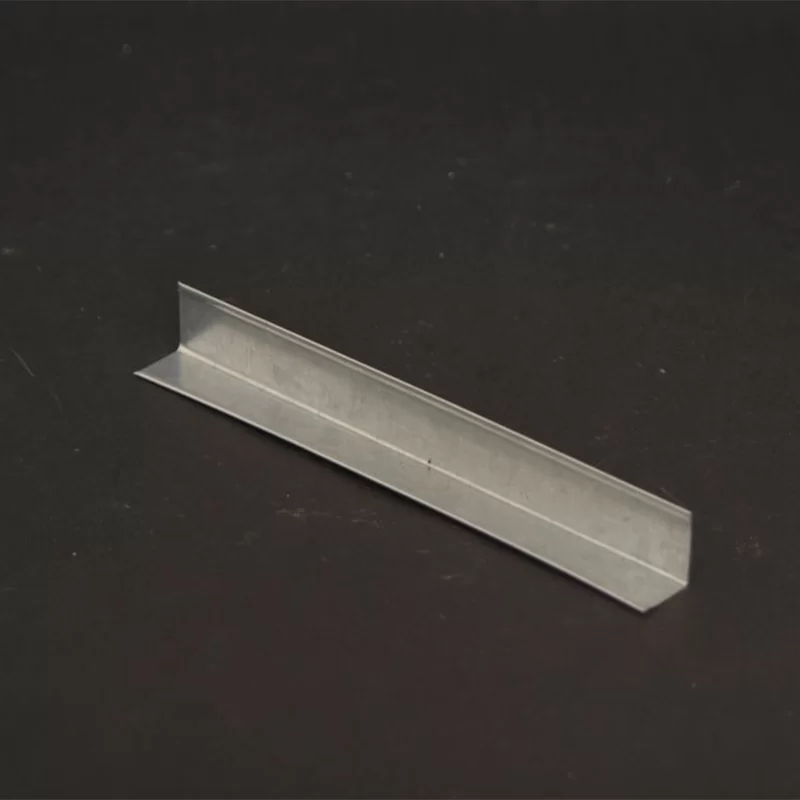
Advanced prefabricated light gauge steel building Solutions for New Zealand

Advanced prefabricated light gauge steel building Solutions for New Zealand

Engineering high-performance, seismic-resistant structural frameworks tailored for the unique architectural demands of the New Zealand landscape.

Advanced prefabricated light gauge steel building Solutions for New Zealand

Providing precision-engineered structural light gauge metal framing to meet NZS 3604 standards, ensuring durability and rapid deployment for residential and commercial projects.

Current Landscape of Steel Framing in New Zealand

Adapting to seismic activity and stringent energy efficiency regulations.

The construction sector in New Zealand is currently undergoing a paradigm shift toward off-site manufacturing. Due to the region's high seismic activity, there is an increasing demand for structural light gauge metal framing that offers a superior strength-to-weight ratio compared to traditional timber, reducing the inertial forces during earthquakes.

Environmental factors, including high humidity in coastal regions like Auckland and Wellington, have pushed developers toward galvanized steel. The industry is focusing heavily on metal framing gauges that provide optimal corrosion resistance while maintaining structural integrity under extreme wind loads typical of the South Island.

Furthermore, the housing crisis in New Zealand has accelerated the adoption of the lightweight steel frame building model. This approach minimizes on-site waste and significantly reduces construction timelines, aligning with the government's push for sustainable and rapid urban intensification.
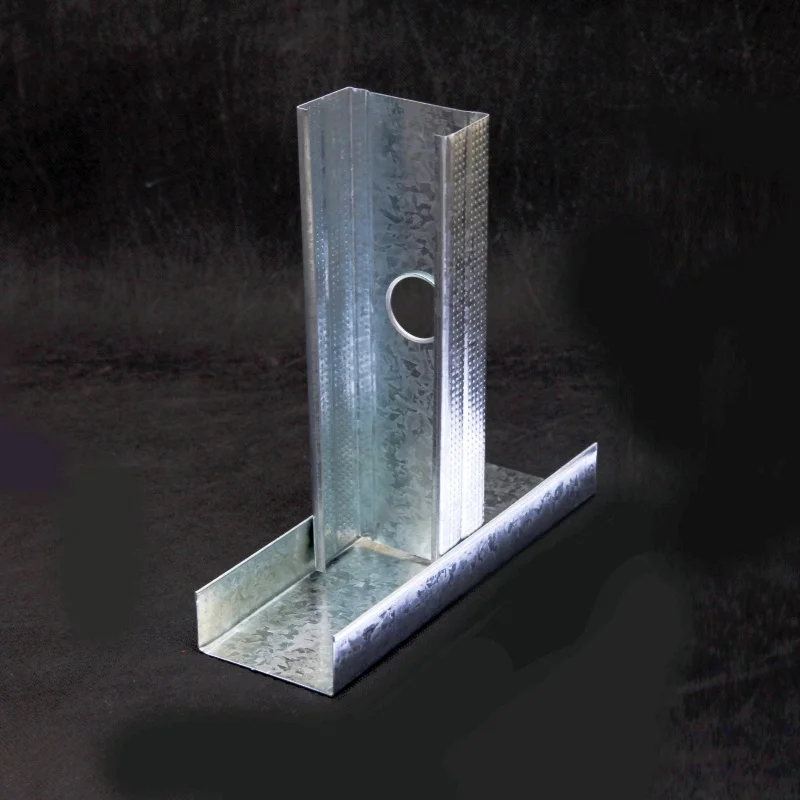
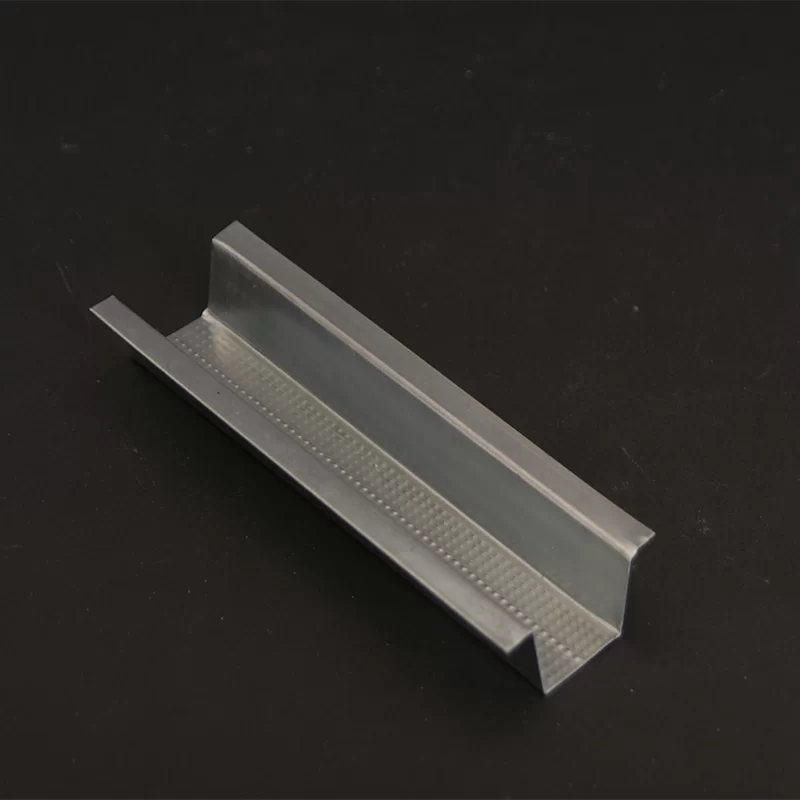
Evolution and Trajectory of New Zealand Steel Construction

From manual assembly to BIM-driven automated fabrication.

Market Development History

In the early 2000s, New Zealand relied predominantly on heavy timber framing. The introduction of light-gauge steel was initially limited to non-load bearing partitions, where the steel stud gauge was standardized for basic interior walls.

Between 2010 and 2020, the industry witnessed a transition toward "Cold-Formed Steel" (CFS) as the primary structural element. This era saw the integration of CNC roll-forming technology, allowing for the production of prefabricated light gauge steel building components that were pre-cut and pre-punched for precise assembly.

By 2023, the focus shifted toward full-scale modularization. The synergy between Building Information Modeling (BIM) and automated fabrication lines now allows for the creation of complex structural geometries that are both lightweight and compliant with New Zealand's rigorous Building Code.

Future Development Trends

Sustainable Material Integration

Future shifts will involve using high-recycled-content steel and eco-friendly coatings to align with New Zealand's "Net Zero 2050" goals.

AI-Driven Gauge Optimization

The use of AI to determine the exact metal framing gauges required for specific wind zones, reducing material waste without compromising safety.

Hybrid Modular Systems

Integration of steel frames with CLT (Cross Laminated Timber) to create hybrid structures that maximize both thermal performance and structural rigidity.

Industry Trends and Future Outlook

Analyzing the trajectory of lightweight steel construction through 2028.

Precision Automation
Increasing use of robotic assembly for light gauge steel to eliminate human error in seismic zones.
Modular Expansion
Shift toward volumetric pods using steel framing for rapid urban infill projects.
Energy Compliance
Optimizing frame cavities for high-performance thermal insulation to meet H1 energy standards.
Seismic Resilience
Engineering specialized ductile connections to enhance stability in the Alpine Fault region.

Industry Outlook

Google search trends in New Zealand indicate a significant spike in queries for "off-site construction" and "sustainable framing," suggesting a consumer pivot away from traditional timber due to longevity and fire-safety concerns.

Over the next 3-5 years, the industry will likely move toward a fully integrated digital twin workflow, where the exact steel stud gauge is simulated for structural failure points before a single piece of metal is rolled.

Localized Application Scenarios in New Zealand

Real-world implementation of high-strength steel framing across diverse terrains.

1. Auckland Urban Infill Housing

Utilizing prefabricated light gauge steel building kits to create multi-story townhouses in constrained urban spaces, reducing noise pollution and construction time in dense neighborhoods.

2. Queenstown Alpine Retreats

Implementing structural light gauge metal framing for luxury lodges that require high load-bearing capacity for heavy snow loads while remaining lightweight for transport to remote sites.

3. Wellington Seismic-Resistant Commercials

Applying precision-calculated metal framing gauges to develop flexible office partitions and structural walls that can withstand high-magnitude seismic events.

4. Waikato Agricultural Warehousing

Deploying wide-span lightweight steel frame building solutions for dairy sheds and equipment storage, ensuring resistance to corrosion in high-ammonia environments.

5. Christchurch Post-Quake Reconstruction

Integrating high-gauge steel stud gauge systems in residential rebuilds to ensure superior fire rating and structural safety compared to legacy methods.

Brand Story

Global Development History of Wen'an Jinkai Construction Materials Co., Ltd.

Foundational Excellence

Established with a vision to revolutionize non-metallic mineral and metal decorative materials, focusing on precision roll-forming technology.

Technological Iteration

Integrated advanced metallurgical processes to enhance the coating and durability of steel profiles for international climate extremes.

Market Expansion

Expanded operations to the Oceania region, tailoring products to meet the specific seismic and wind load requirements of New Zealand.

Quality Certification

Achieved global standards in manufacturing, ensuring every profile meets rigorous tolerance levels for prefabricated construction.

Future Mission

Dedicated to solving the global housing shortage by providing the most efficient, sustainable, and structural lightweight steel solutions.

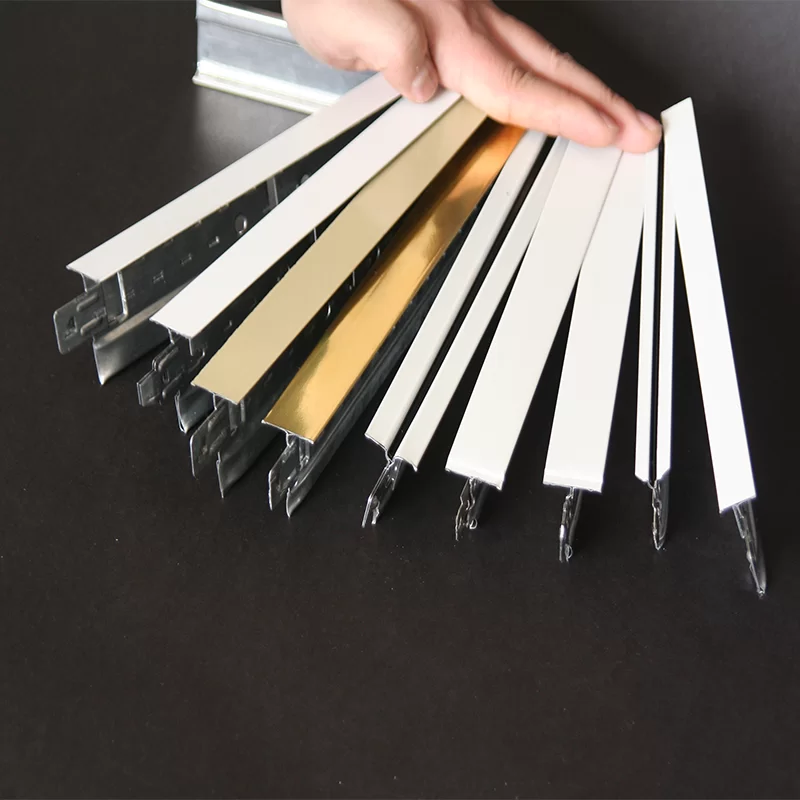
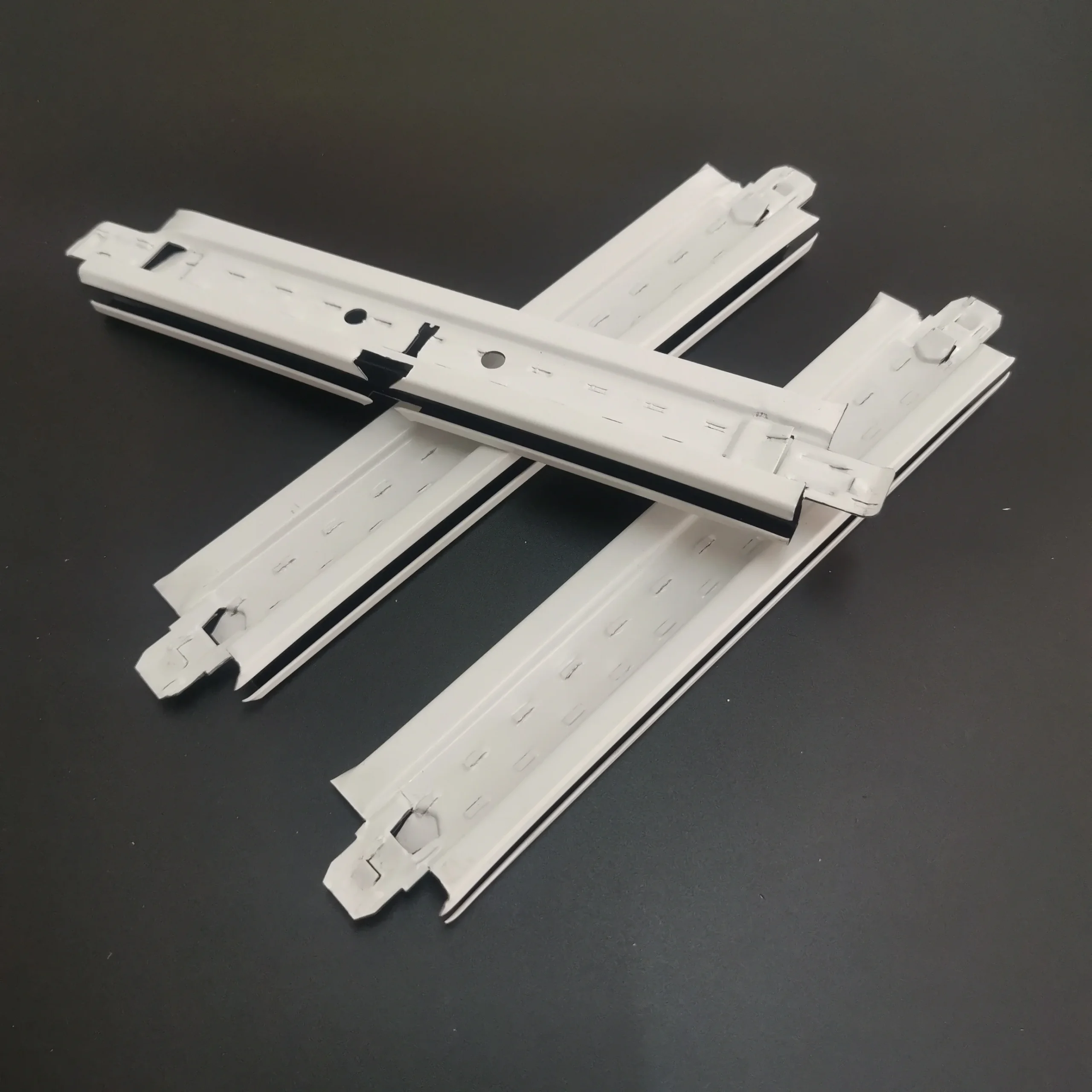
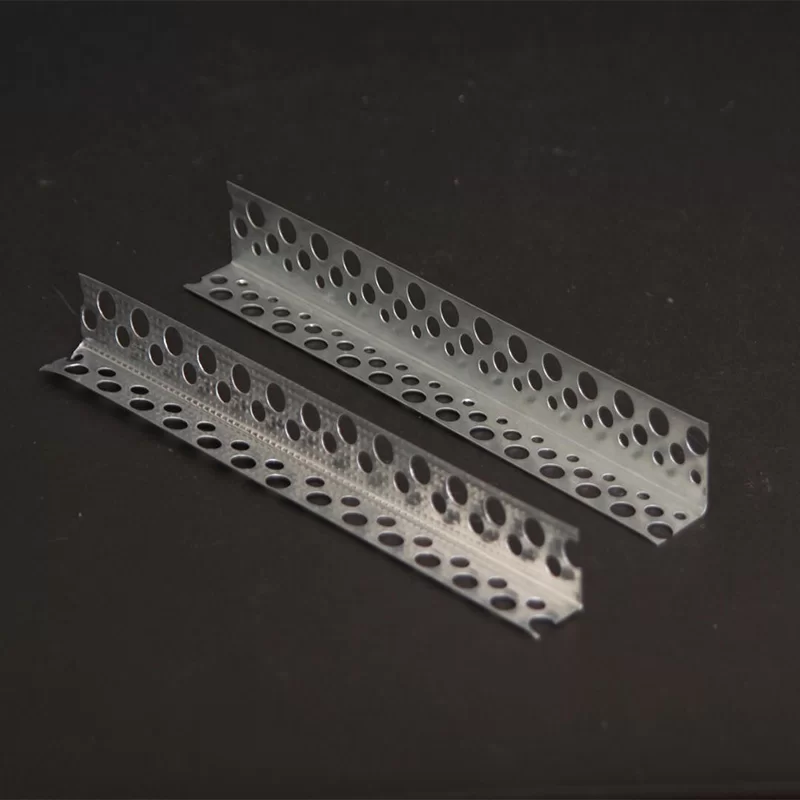
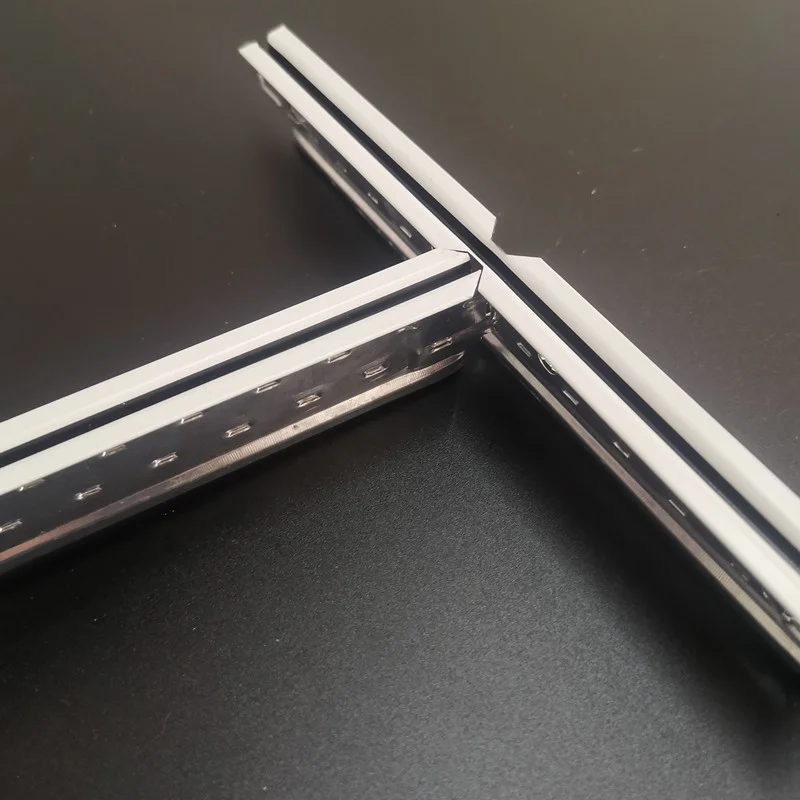
Comprehensive Steel Framing Portfolio for New Zealand

From residential studs to heavy-duty structural beams, engineered for NZ environments.

New Zealand Local Construction FAQ

Expert answers on lightweight steel framing implementation.

How does a lightweight steel frame building perform in NZ seismic zones?

Due to its high strength-to-weight ratio and ductility, it significantly reduces the seismic mass of the building, allowing it to absorb and dissipate energy more effectively than traditional masonry.

What are the standard metal framing gauges used for NZ residential walls?

Gauges are selected based on wind zones and height; typically, structural walls use heavier gauges for stability, while internal partitions use lighter profiles to optimize cost and weight.

Can prefabricated light gauge steel building components be used for remote sites?

Yes, they are ideal for remote areas like the Southern Alps because they are lightweight for transport and can be assembled rapidly with minimal heavy machinery on-site.

How do I choose the correct steel stud gauge for internal partitions?

Choice depends on the required wall height and the weight of the cladding (e.g., gypsum board vs. heavy tiling). Higher gauges are used for walls exceeding 3 meters.

Is structural light gauge metal framing compliant with NZS 3604?

While NZS 3604 is timber-centric, our steel systems are engineered to meet or exceed the equivalent performance requirements, often requiring specific engineering sign-off for full compliance.

What is the lifespan of galvanized steel framing in coastal NZ regions?

With high-quality Z-coatings and proper moisture barriers, our steel frames are designed to last 50+ years, resisting the salt-spray corrosion common in coastal environments.

Ready to Upgrade Your Construction Strategy?

Partner with the leading experts in structural steel for your next project in New Zealand.

Contact Us Now

If you are interested in our products, you can choose to leave your information here, and we will be in touch with you shortly.