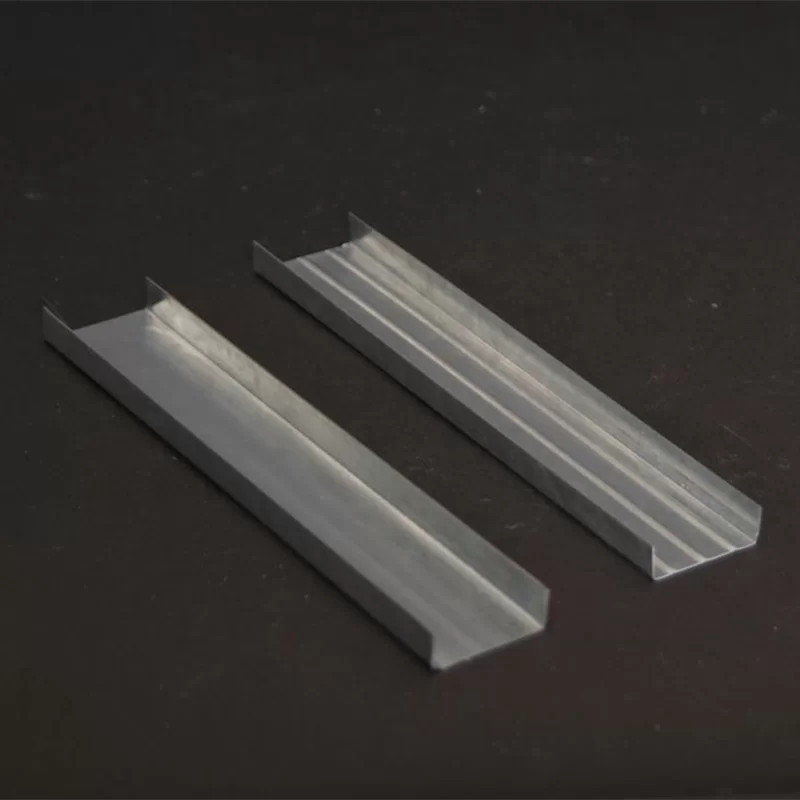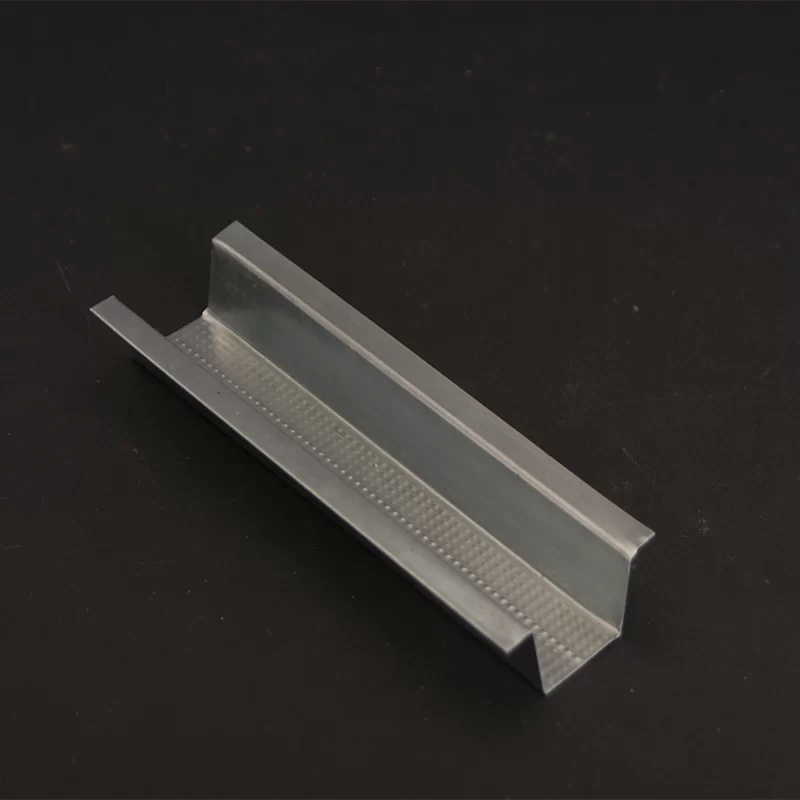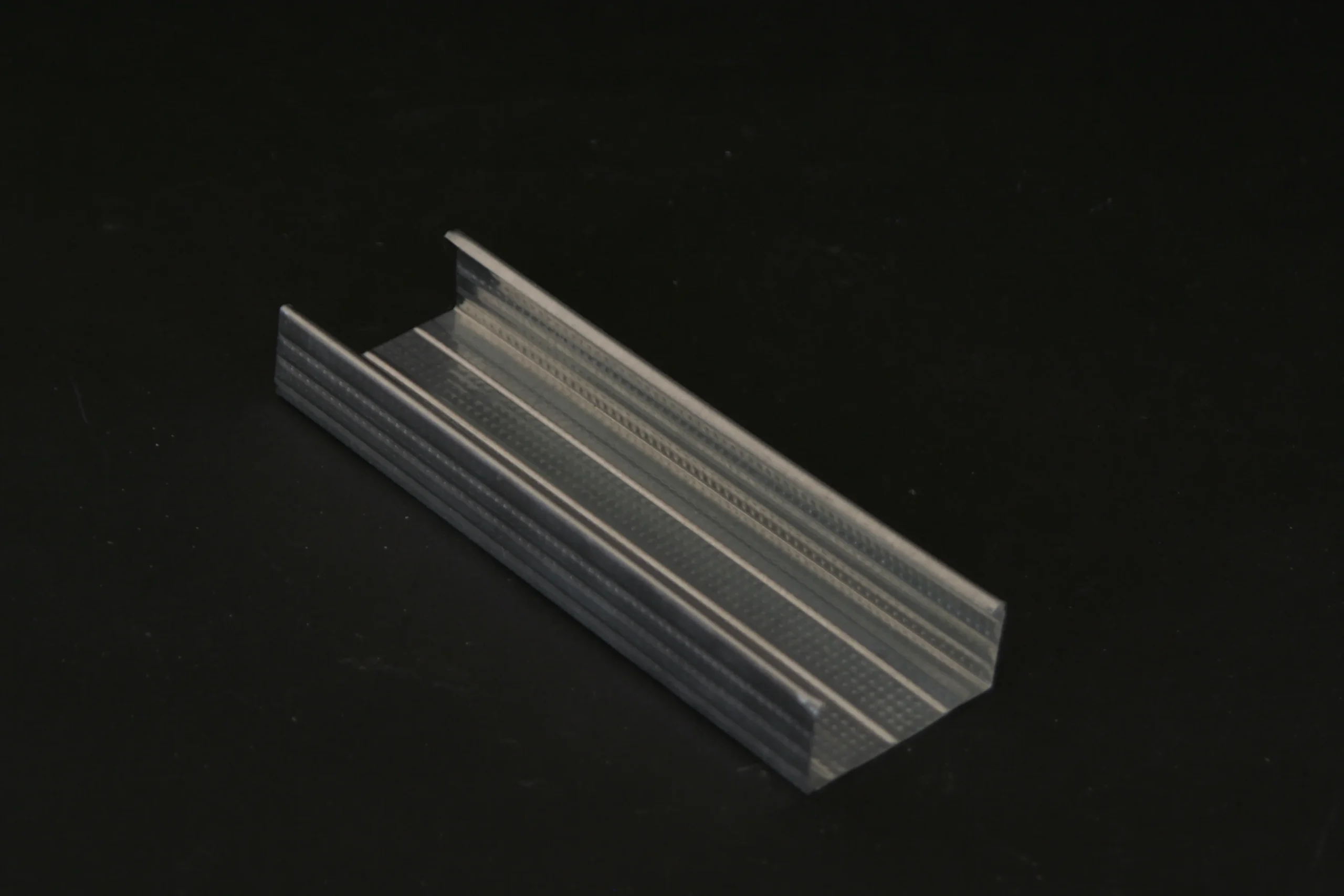
Afghanistan's construction sector has historically relied on heavy mud-brick and concrete masonry. However, these materials are highly vulnerable to the frequent seismic activity characterizing the Hindu Kush region. There is an urgent need for a lightweight steel frame building approach that minimizes inertial forces during earthquakes while providing rapid shelter.
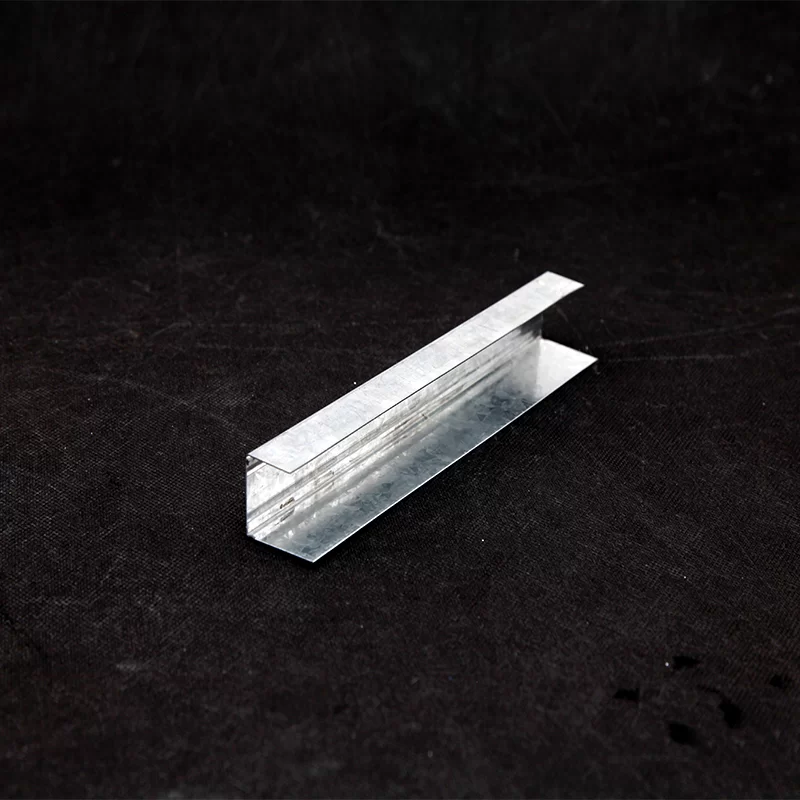
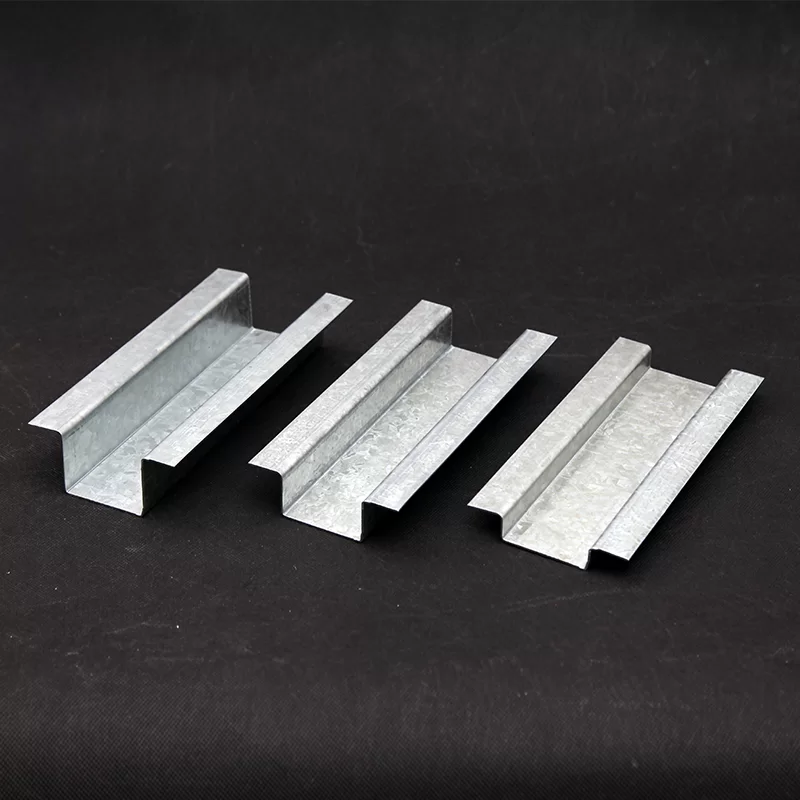
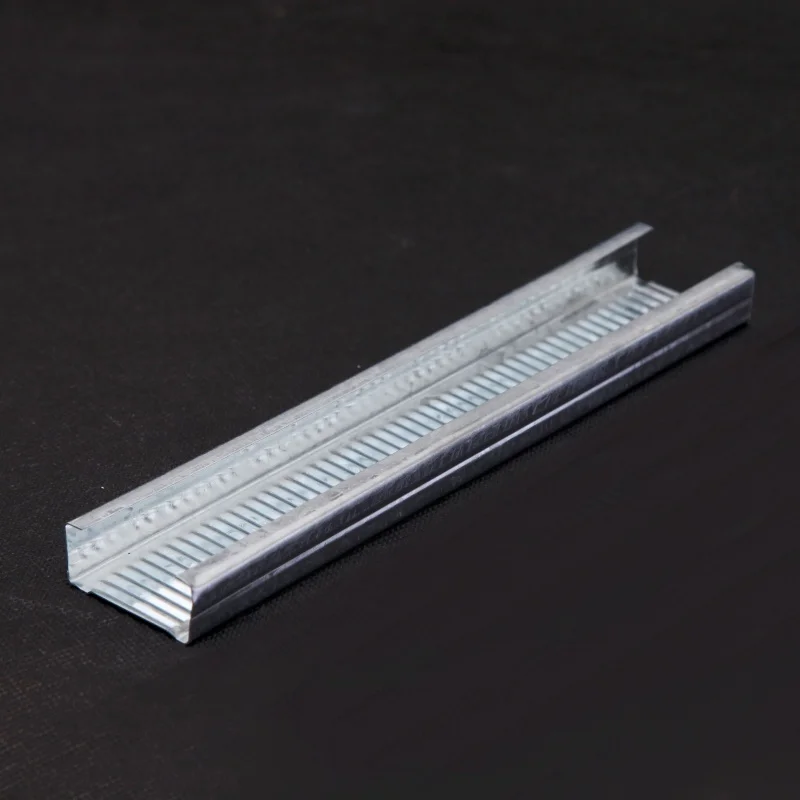
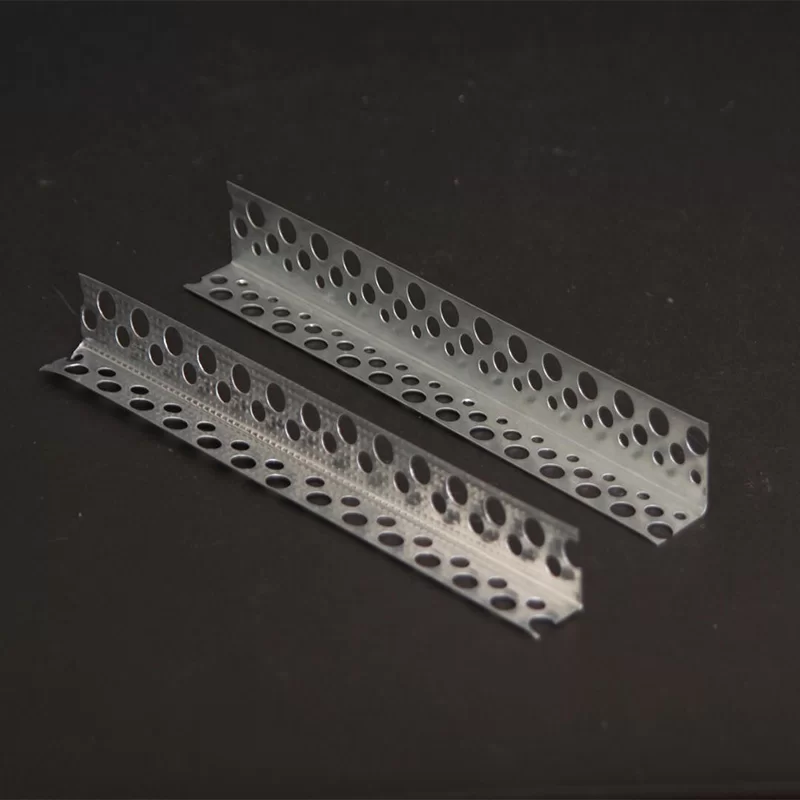
Logistical constraints in remote provinces often hinder the delivery of heavy building materials. The adoption of structural light gauge metal framing allows for prefabricated components to be transported efficiently via limited road networks, significantly reducing on-site construction time and labor costs.
Current market demand is shifting toward versatility. Whether it is for government infrastructure or private residential projects, the industry is now prioritizing the precise selection of metal framing gauges to balance cost-effectiveness with the rigorous safety standards required for structural integrity in extreme temperature fluctuations.