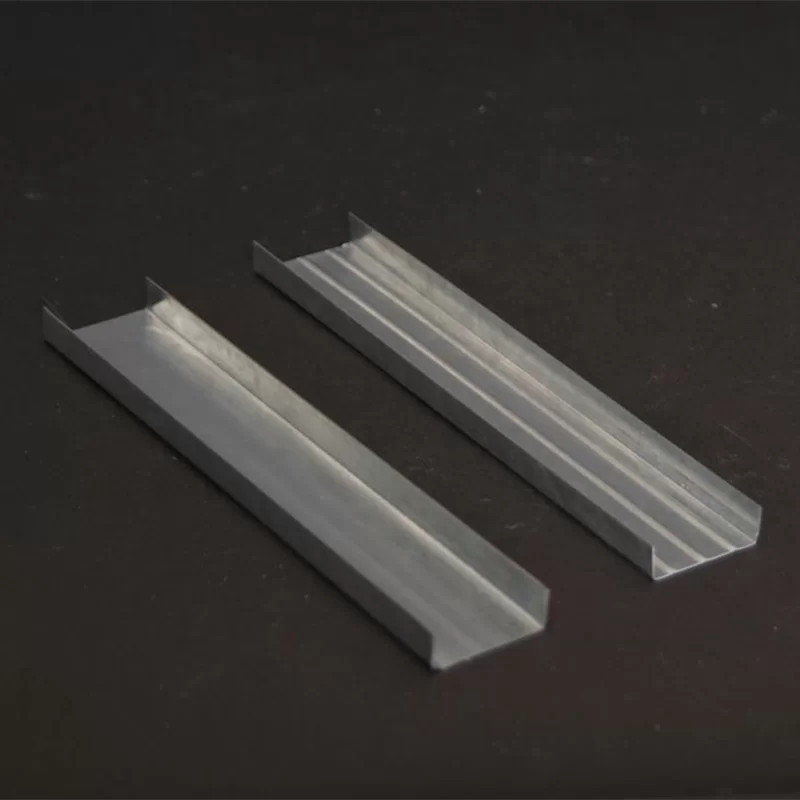
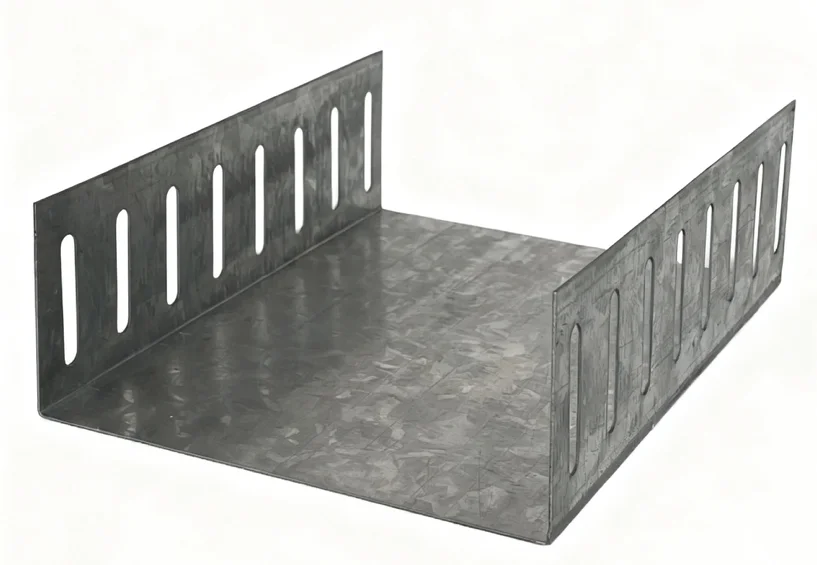
HighPerformance prefabricated light gauge steel building Solutions for Indonesia

High-Performance prefabricated light gauge steel building Solutions for Indonesia

Engineering sustainable, seismic-resistant, and rapid-deployment structural systems tailored for the Indonesian archipelago's unique climate and geological demands.

High-Performance prefabricated light gauge steel building Solutions for Indonesia

Integrating advanced metallurgy with precision engineering to deliver scalable building frames that withstand high humidity and seismic activity across Indonesia.

The State of Construction Materials in Indonesia

Analyzing the shift from traditional masonry to high-efficiency steel systems.

Indonesia's construction landscape is currently facing a critical transition. With the rapid urbanization of Jakarta and the development of the new capital, Nusantara, there is an urgent demand for lightweight steel frame building technologies that can be deployed quickly without compromising structural integrity.

The geographic reality of being in the Ring of Fire makes seismic resilience a non-negotiable requirement. Traditional concrete is often too heavy and rigid, leading to higher failure rates during tremors. This has pushed the industry toward structural light gauge metal framing, which offers a superior strength-to-weight ratio and better energy dissipation during earthquakes.

Furthermore, the extreme tropical humidity of the Indonesian archipelago accelerates the corrosion of substandard metals. Modern projects now prioritize high-grade galvanized coatings and precise metal framing gauges to ensure that the skeleton of the building remains stable against oxidation for decades.
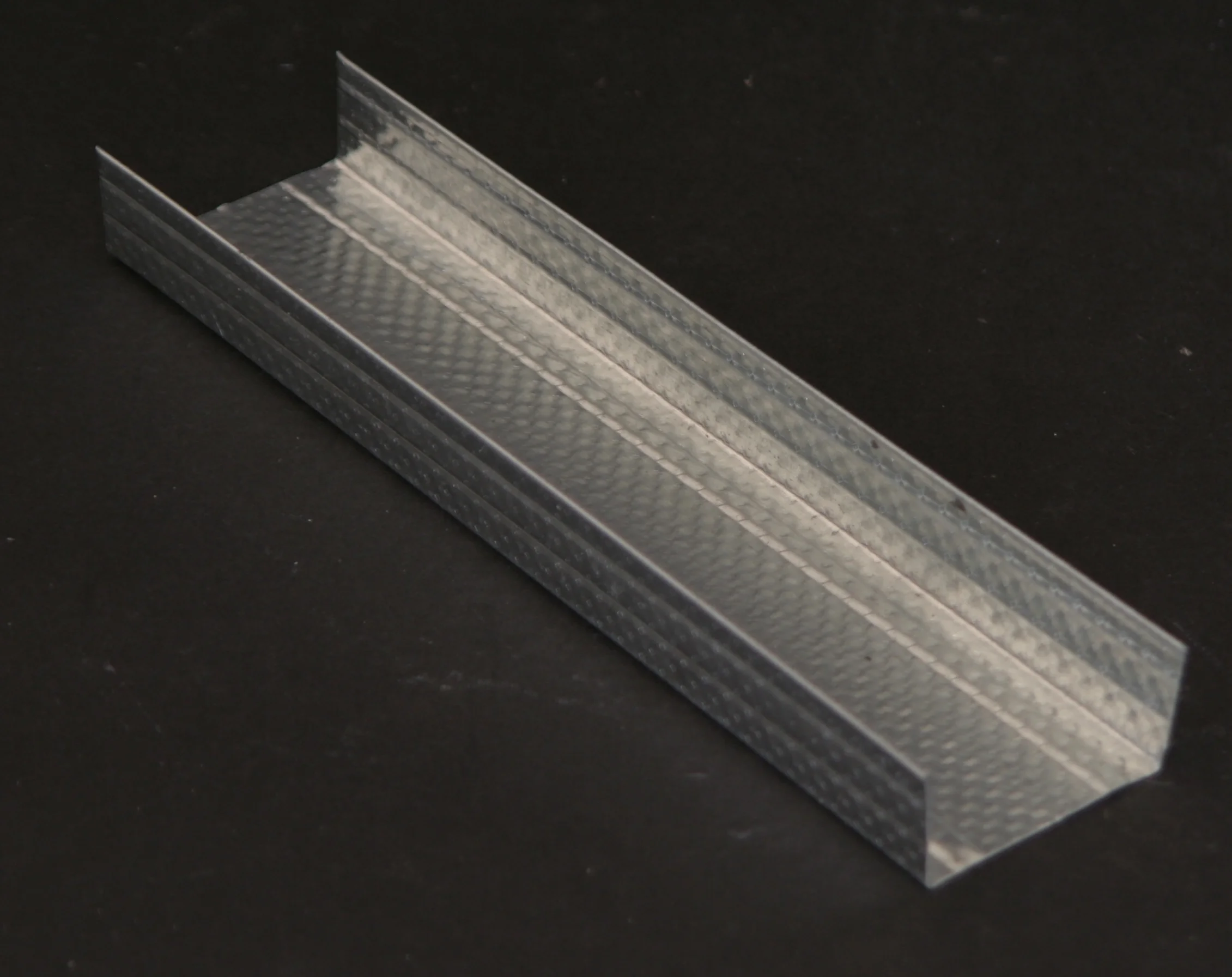
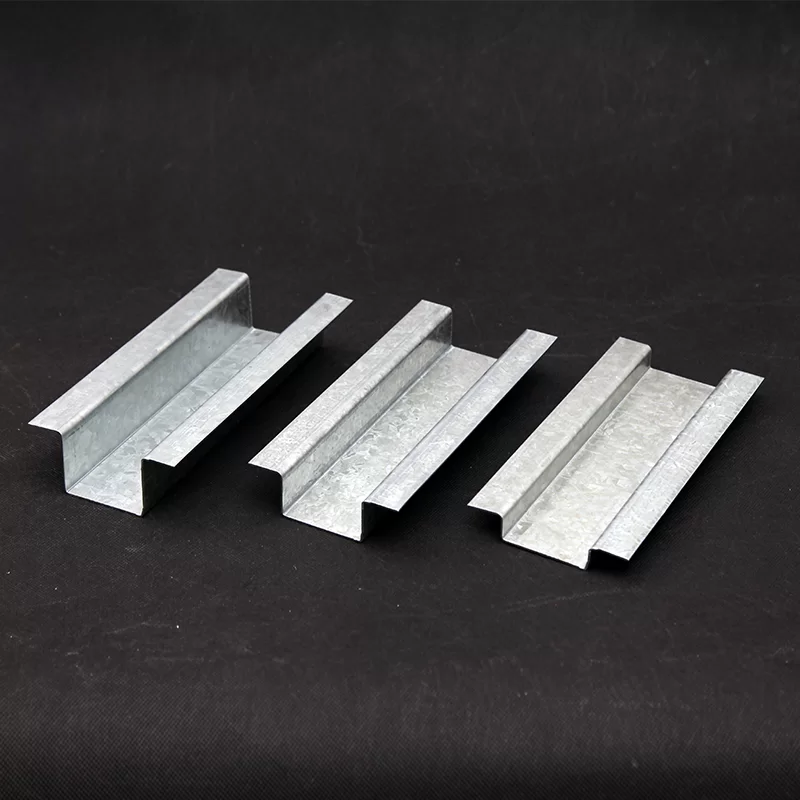
Evolution of Metal Framing in Southeast Asia

From basic partitions to advanced structural engineering.

Market Development History

In the early 2000s, metal framing in Indonesia was primarily limited to non-load-bearing interior partitions using basic steel stud gauge standards. These were largely seen as supplements to concrete shells rather than primary structures.

Between 2010 and 2020, the introduction of Cold-Formed Steel (CFS) technology revolutionized the sector. The industry shifted toward prefabricated components, allowing for the first wave of residential prefabricated light gauge steel building projects that reduced construction timelines by up to 40%.

Today, the trajectory has moved toward "Integrated BIM Design." We no longer just supply steel; we provide digitally engineered kits where every metal framing gauges specification is optimized for the specific load-bearing requirements of the local site.

Future Development Trends

Hyper-Localization of Prefabrication

Moving toward regional micro-factories to reduce logistics costs across the 17,000 islands of Indonesia, ensuring faster delivery of structural kits.

Anti-Corrosive Nano-Coatings

Integrating advanced zinc-aluminum-magnesium coatings to combat the high salinity of coastal Indonesian environments.

Hybrid Modular Integration

Combining light gauge steel with sustainable non-metal mineral products for enhanced thermal insulation in tropical heat.

Industry Trends & Future Outlook

Strategic foresight for the next 5 years of Indonesian metal construction.

Seismic-Optimized Engineering
Adopting dynamic load calculations to ensure all frames meet the strictest Indonesian National Standard (SNI) for earthquake safety.
Green Building Certification
Increasing focus on LEED and GREENSHIP Indonesia certifications through recyclable steel and reduced site waste.
Rapid Urban Deployment
Utilizing prefabricated kits to solve housing shortages in densely populated areas like Jabodetabek.
Digital Fabrication Integration
Direct-to-mill digital files that eliminate manual measurement errors and ensure 100% assembly accuracy.

Industry Outlook

The Indonesian market is expected to see a CAGR of 6.5% in the prefabricated steel sector over the next 3 years. Google search trends indicate a surge in "sustainable housing Indonesia" and "fast-build commercial spaces," signaling a pivot toward industrialized construction.

As the government continues to push for infrastructure resilience, the reliance on high-precision structural light gauge metal framing will replace traditional timber and heavy masonry, creating a more sustainable and safer built environment.

Localized Applications in Indonesia

Real-world implementations of light gauge steel across various Indonesian sectors.

01. Disaster-Resilient Emergency Housing

Deploying prefabricated units in earthquake-prone regions like West Java, providing rapid-build shelters that are far safer than traditional temporary tents.

02. Tropical Resort Villas in Bali

Using lightweight frames to minimize foundation impact on fragile coastal terrains while ensuring the structure is resistant to salt-air corrosion.

03. Urban Micro-Apartments in Jakarta

Implementing high-precision steel studs to maximize interior space in high-density city centers where every millimeter of floor area counts.

04. Industrial Warehousing in Surabaya

Rapidly expanding logistics hubs using prefabricated steel systems to keep up with the e-commerce boom in East Java.

05. Remote Schooling Facilities in Papua

Shipping flat-pack structural kits to remote areas where heavy machinery is unavailable, enabling local communities to assemble schools with basic tools.

Brand Story

Global Development Journey of Wen'an Jinkai Building Materials Co., Ltd.

Foundation of Precision

Started with a commitment to solving the inefficiency of traditional construction, focusing on the metallurgical purity of steel components.

Technological Breakthrough

Developed automated roll-forming lines that ensured micron-level accuracy for complex structural profiles.

Global Market Expansion

Expanded operations into Southeast Asia, tailoring products to meet the tropical and seismic needs of the Indonesia market.

Sustainability Pivot

Integrated eco-friendly galvanization processes to reduce environmental impact while increasing product lifespan.

Vision 2030

Striving to be the primary provider of intelligent, prefabricated building systems for the developing world.

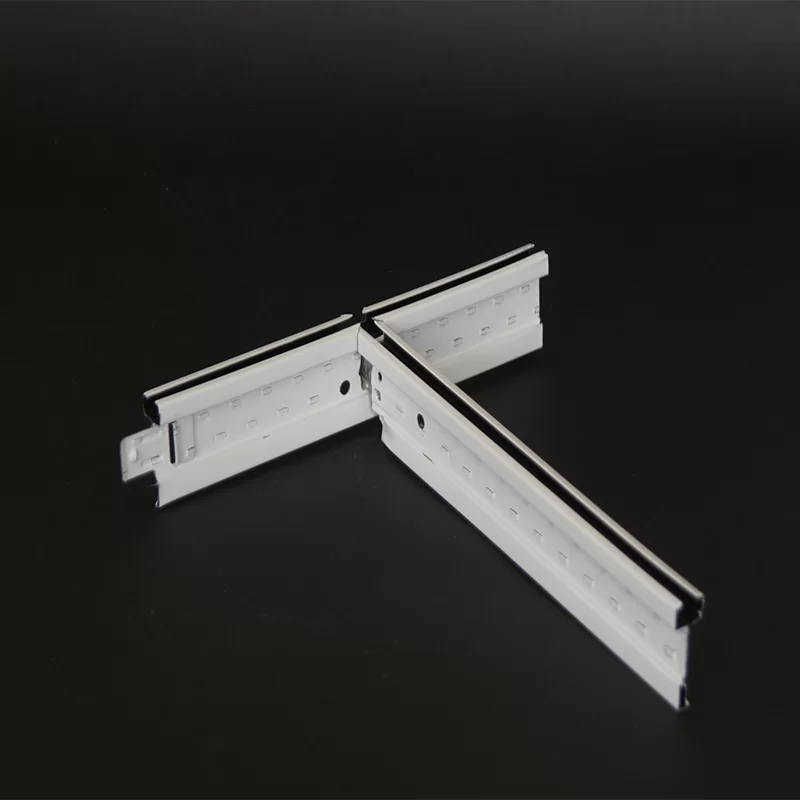
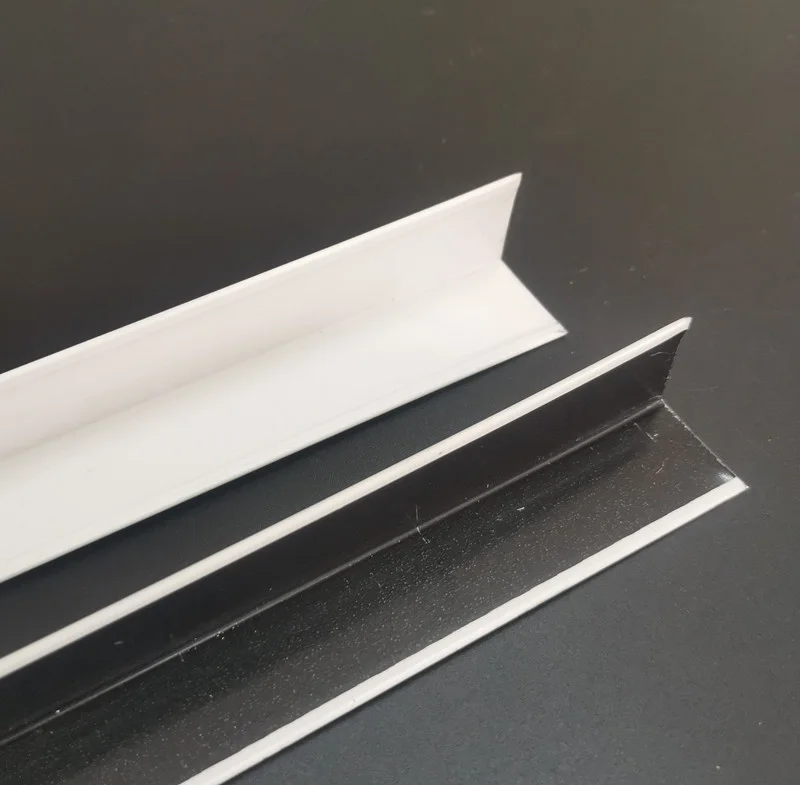
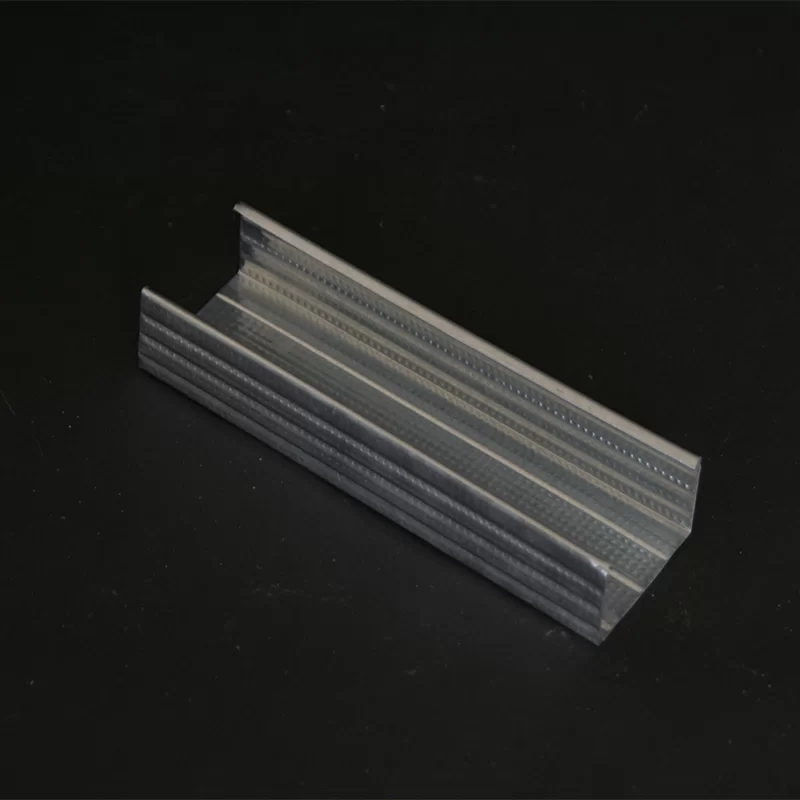
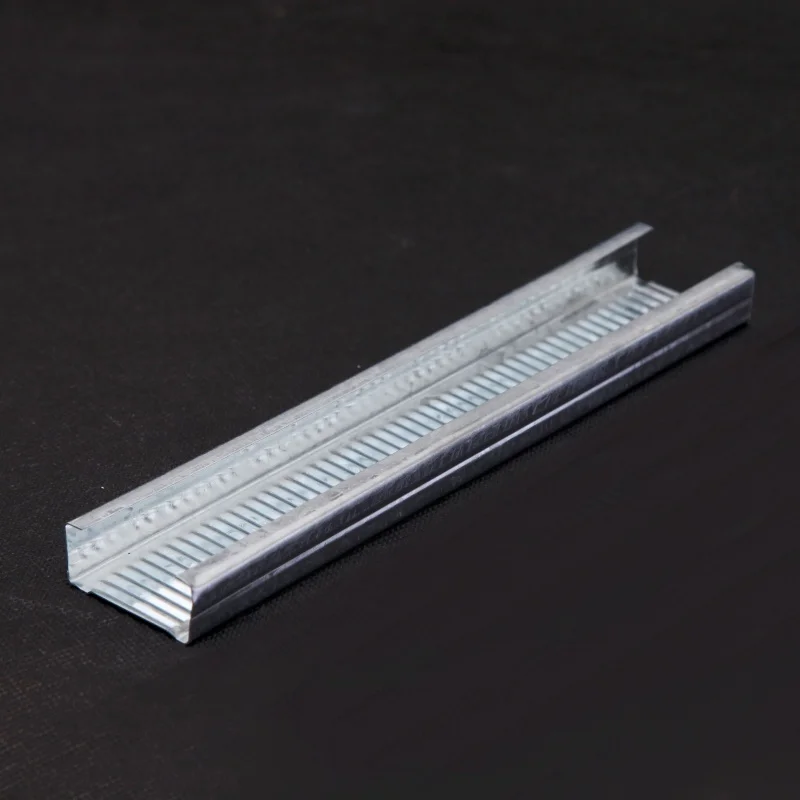
Comprehensive Steel Portfolio for Indonesia

From structural skeletons to precision interior framing.

Local FAQ for Indonesian Construction

Addressing technical concerns for regional engineers and developers.

How do prefabricated light gauge steel buildings handle Indonesian earthquakes?

They use a flexible but strong structural network that allows the building to sway slightly without collapsing, significantly reducing the risk of catastrophic failure compared to rigid masonry.

What is the ideal steel stud gauge for multi-story partitions in Jakarta?

Depending on the height and load, we typically recommend specific gauges that balance weight and rigidity, ensuring compliance with local building codes for urban density.

Can structural light gauge metal framing resist high humidity corrosion?

Yes, by using high-grade G550 galvanized steel with advanced coating thicknesses, our frames are engineered to resist the oxidation common in tropical climates.

How do I choose between different metal framing gauges for a residential project?

Selection is based on the span, the expected load, and the height of the walls. We provide engineering consultations to match the gauge to your architectural plans.

Are lightweight steel frame buildings more expensive than brick and mortar?

While material costs may be similar, the total project cost is often lower due to drastically reduced labor time, less waste, and faster occupancy.

What is the delivery lead time for prefabricated kits to Outer Islands?

Lead times vary by port, but our flat-pack design optimizes container space, allowing for efficient shipping to Sumatra, Kalimantan, and Sulawesi.

Ready to Modernize Your Construction?

Contact our engineering team for specialized structural solutions in Indonesia.

Contact Us Now

If you are interested in our products, you can choose to leave your information here, and we will be in touch with you shortly.