Hit enter to search or ESC to close
October 13, 2025
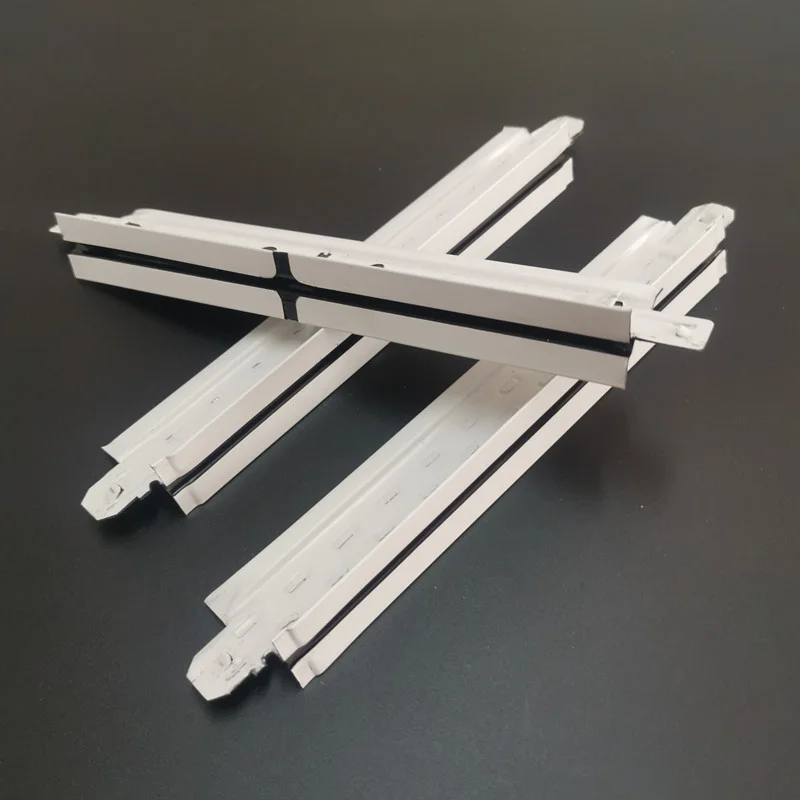
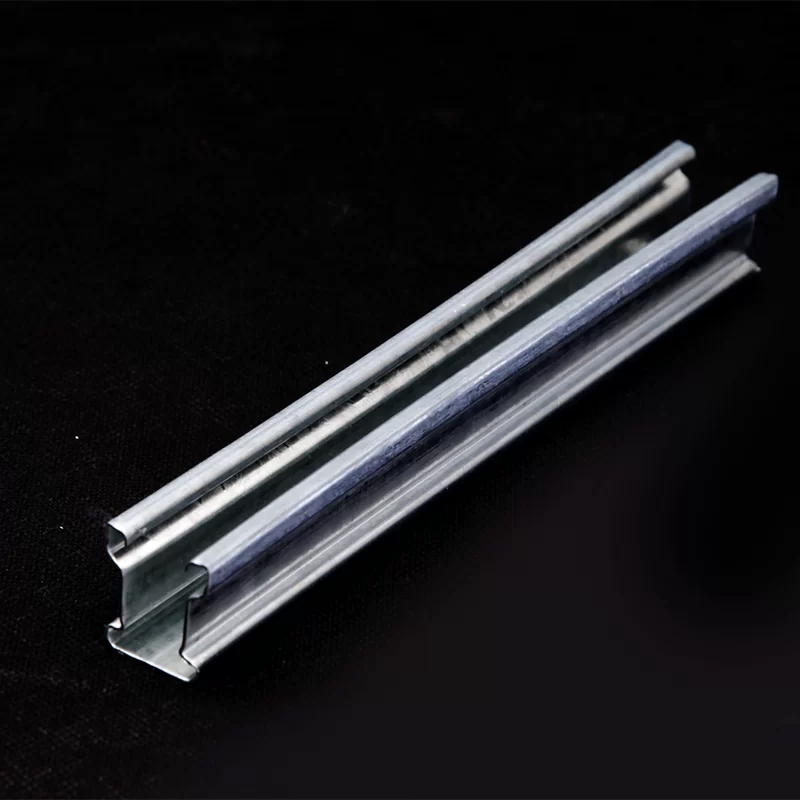
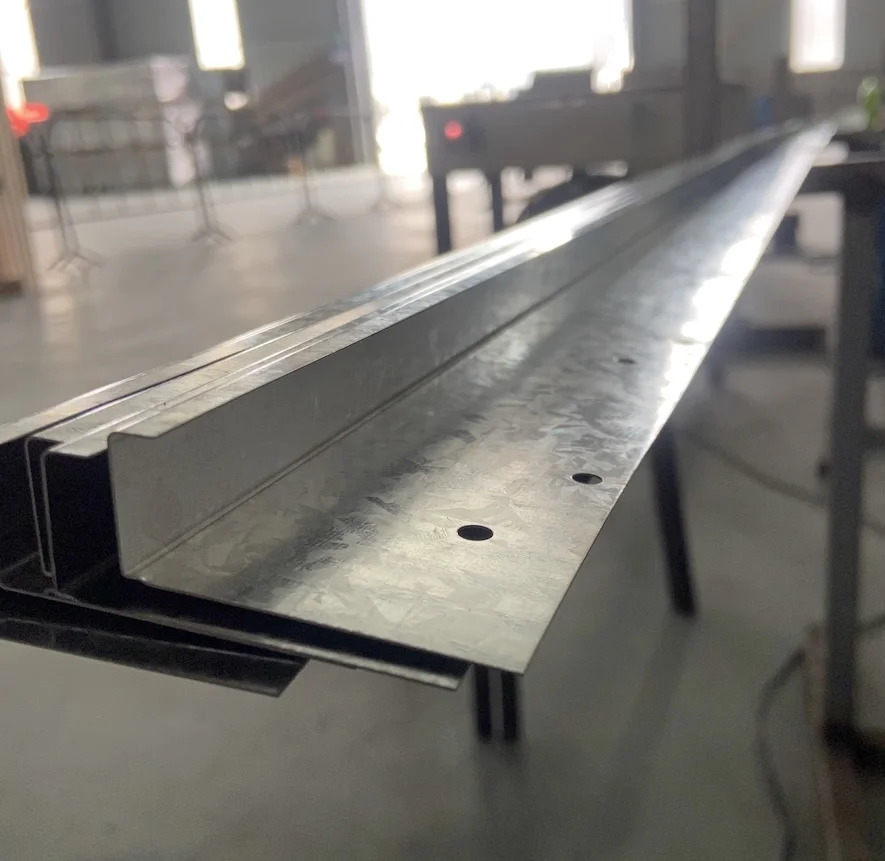
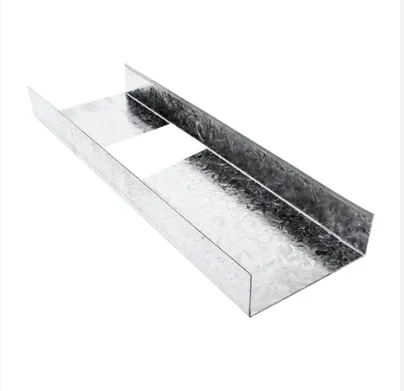
In the intricate world of modern construction, the integrity and aesthetics of interior spaces hinge significantly on often-overlooked components. Among these, the gypsum board profile stands as a critical structural and framing element, essential for the precise installation of drywall systems. Far from being a mere accessory, these profiles – encompassing studs, tracks, furring channels, and corner beads – form the skeletal framework that dictates the flatness, strength, and longevity of walls and ceilings. Manufactured primarily from cold-formed galvanized steel, their design provides a robust, lightweight, and dimensionally stable alternative to traditional wood framing. This foundational element not only supports the gypsum panels but also facilitates a myriad of architectural designs, from simple partition walls to complex soffits and intricate ceiling systems. Understanding the nuanced engineering and application of a high-quality gypsum board profile is paramount for architects, contractors, and developers aiming to deliver superior, durable, and aesthetically pleasing interior finishes. Their role extends beyond mere support, contributing significantly to a building's acoustic performance, fire resistance, and overall structural resilience, marking them as indispensable in contemporary building practices across residential, commercial, and industrial sectors.
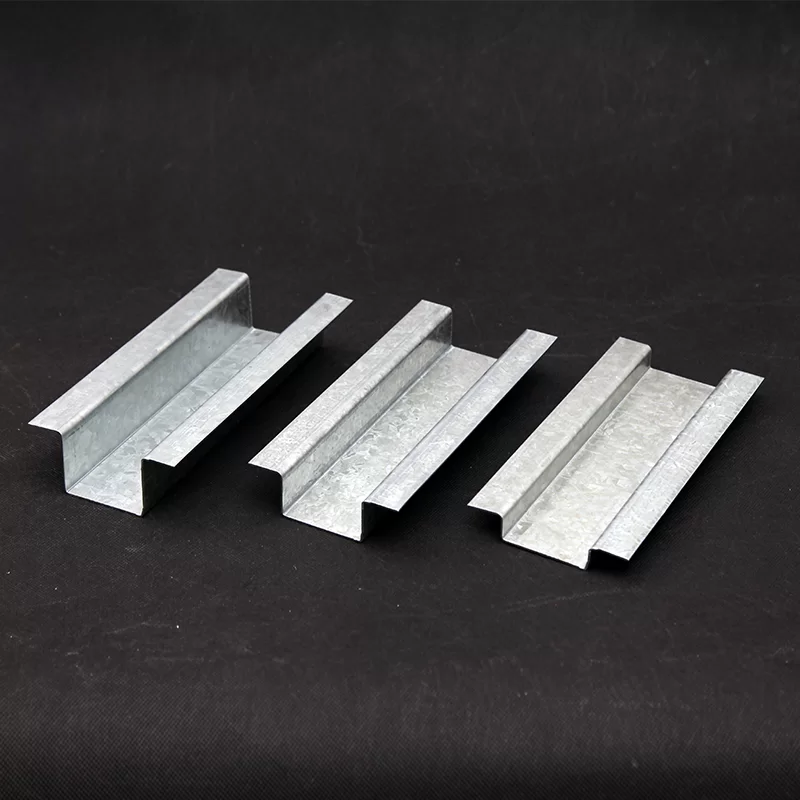
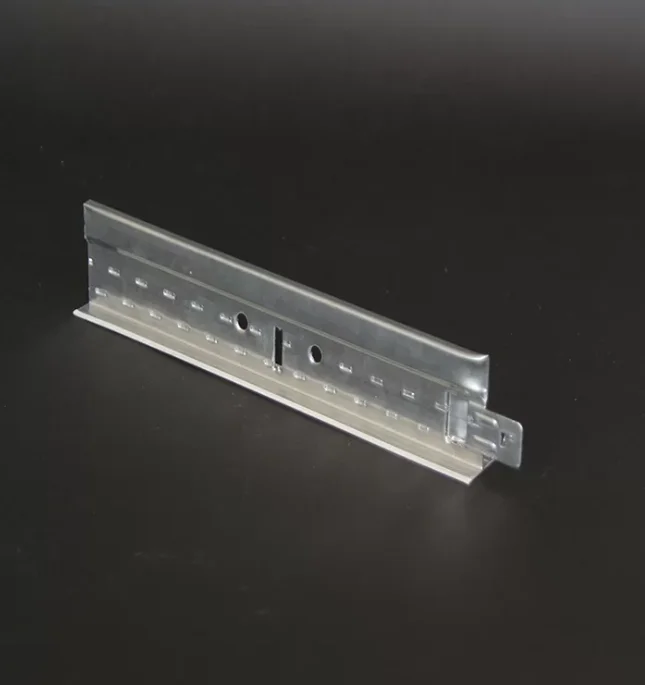
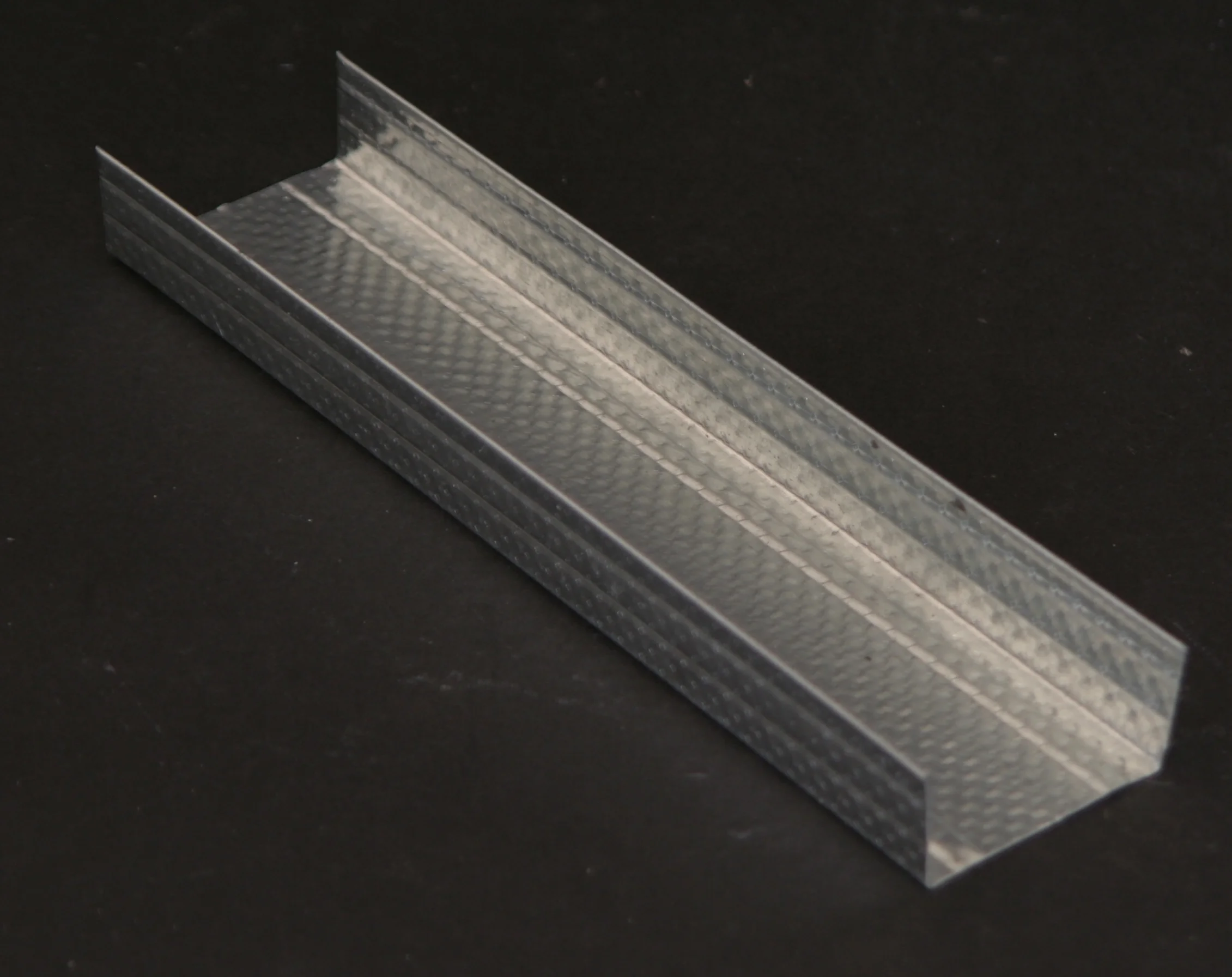
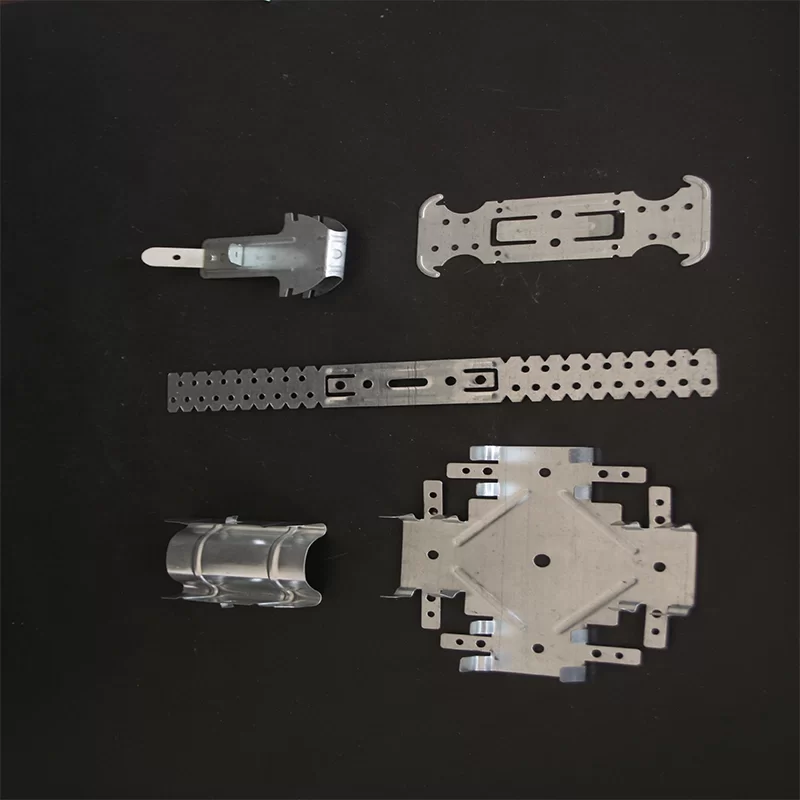
The technical superiority of modern drywall systems is intrinsically linked to the meticulous engineering of their profiles. These components are predominantly crafted from high-grade galvanized steel, a material chosen for its exceptional strength-to-weight ratio, corrosion resistance, and dimensional stability. The manufacturing process typically involves cold-forming steel coils into precise shapes, ensuring consistent dimensions and structural integrity. Key technical specifications include material gauge (thickness), which can range from 25 gauge (0.45mm) for standard partitions to 16 gauge (1.52mm) for load-bearing or impact-resistant walls, and specific coatings (e.g., Z180, Z275 galvanization) that provide enhanced protection against rust and environmental degradation. The design incorporates features such as knurled flanges for improved screw retention, pre-punched service holes for easier utility routing, and various web depths (e.g., 64mm, 92mm, 150mm) to accommodate different wall thicknesses and insulation requirements. These profiles are designed to interlock seamlessly, forming rigid frameworks that resist twisting and bowing, a common issue with less stable materials. Furthermore, specialized profiles exist for enhanced acoustic performance, incorporating resilient channels or rubber gaskets to decouple the drywall from the frame, significantly reducing sound transmission. This level of precision engineering ensures that the completed drywall system not only meets structural demands but also contributes to the overall safety, durability, and comfort of the occupied space, adhering to stringent building codes and performance standards.
The adoption of advanced drywall profiles in construction is driven by tangible, data-backed benefits that translate into significant improvements in project efficiency, cost-effectiveness, and long-term building performance. For instance, studies have shown that steel framing systems can accelerate construction timelines by up to 25% compared to traditional methods, primarily due to their lightweight nature, ease of cutting, and consistent dimensions which minimize on-site adjustments and waste. Material waste reduction is another compelling advantage; pre-engineered profiles lead to an average of 10-15% less material wastage on a typical project, contributing to both environmental sustainability and reduced disposal costs. In terms of load-bearing capacity, a standard 20-gauge steel stud (0.91mm) can support significantly more vertical load than an equivalent wood stud, often exceeding 250 lbs per linear foot in non-load-bearing applications, allowing for greater design flexibility and structural resilience. When considering fire resistance, steel profiles are inherently non-combustible, contributing to fire ratings of 1 to 4 hours when combined with appropriate gypsum boards, a critical safety feature. Acoustically, resilient channels and sound-dampening profiles can improve Sound Transmission Class (STC) ratings by 5-10 points, leading to a noticeable reduction in noise pollution. The long-term durability of galvanized steel, resistant to termites, rot, and mold, significantly reduces maintenance needs and extends the lifespan of interior finishes, offering a superior return on investment. These quantifiable advantages underscore why modern profiles are not just a preference but a strategic choice for high-performance building envelopes.
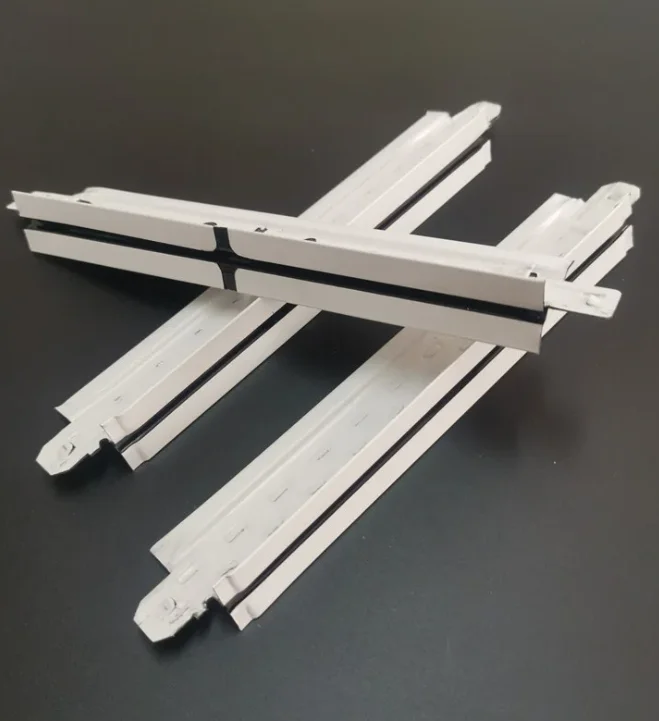
When selecting drywall profiles, comparing various manufacturers is crucial to ensure optimal project outcomes. Key factors like material quality, coating specifications, available dimensions, and certifications play a pivotal role. The table below illustrates a hypothetical comparison, highlighting different approaches and strengths in the market, though actual product specifications may vary. This comparison emphasizes the importance of understanding the specific needs of a project against a manufacturer's offerings.
Feature | Manufacturer A (Premium) | Manufacturer B (Standard) | Manufacturer C (Budget) |
Material Gauge Range | 25ga - 16ga (0.45mm - 1.52mm) | 25ga - 20ga (0.45mm - 0.91mm) | 25ga - 22ga (0.45mm - 0.76mm) |
Galvanization (Zinc Coating) | Z275 (High Durability) | Z180 (Standard) | Z100 (Basic) |
Corrosion Resistance | Excellent (50+ years) | Good (30-40 years) | Moderate (20-30 years) |
Acoustic Solutions | Extensive resilient channel & isolation clips | Basic resilient channels | Limited/None |
Certifications | ASTM, LEED, ISO 9001 | ASTM, ISO 9001 | Basic industry standards |
Specialty Profiles | Curved, heavy-gauge, seismic rated | Standard range, some specialty | Basic studs & tracks |
Typical Application | High-rise, healthcare, luxury residential | Commercial, multi-family residential | Residential, light commercial |
Warranty (Structural) | Limited Lifetime | 20 Years | 5 Years |
This comparison highlights that while budget options may seem attractive upfront, they often compromise on longevity, performance, and specific project requirements. Premium manufacturers typically invest more in research and development, offering innovative solutions for complex architectural challenges and superior long-term value, whereas standard options balance cost and performance for general applications.
Modern architecture frequently pushes the boundaries of conventional design, necessitating building components that offer flexibility and adaptability. Drywall profiles are no exception, with manufacturers increasingly offering bespoke customization solutions to meet unique architectural demands. This adaptability is critical for projects featuring complex geometries, specific performance requirements, or non-standard dimensions. Customization can involve various aspects: special lengths cut to exact specifications to minimize on-site waste and labor; unique gauges and web depths for applications requiring enhanced load-bearing capacity or greater cavity space for utilities and insulation; and even specialized shapes for curved walls, vaulted ceilings, or intricate decorative elements. For instance, profiles can be pre-curved to a specific radius, simplifying the creation of elegant, flowing interior spaces that would be challenging or impossible with standard straight sections. Furthermore, profiles can be manufactured with specialized coatings or materials for environments demanding superior corrosion resistance, such as coastal areas or high-humidity zones. Acoustic performance can be further optimized through custom-engineered resilient channels or isolation systems designed for specific sound frequencies. This level of customization ensures that architects and designers are not limited by standard product offerings, allowing for the realization of truly unique and high-performing interior environments. The collaborative process between designers and manufacturers in developing these tailored solutions is a testament to the evolving sophistication of drywall construction.
The versatility and performance of drywall profiles make them indispensable across a wide spectrum of real-world construction applications, demonstrating their adaptability to diverse functional and aesthetic requirements. In residential construction, they are the backbone of interior partition walls, ceilings, and soffits, creating robust and fire-resistant room divisions. For example, in multi-family dwellings, high-gauge profiles are often used to construct party walls that offer superior sound insulation, significantly enhancing occupant comfort and privacy between units. In commercial buildings like office complexes and retail spaces, profiles facilitate flexible layouts, allowing for easy reconfiguration of interior spaces as business needs evolve. Here, lightweight steel studs are preferred for their speed of installation and ability to create vast, open-plan offices or intricate retail displays with suspended ceilings and bulkheads. Healthcare facilities leverage specialized profiles to meet stringent hygiene and performance standards, including moisture-resistant or antimicrobial coatings, and the creation of fire-rated compartments essential for patient safety. For instance, creating sterile environments often involves double-layer drywall systems supported by robust steel profiles to achieve specific air cleanliness classifications. In educational institutions, acoustic profiles are critical for classrooms and auditoriums, ensuring optimal learning environments by mitigating noise transfer. This could involve resilient channel systems in walls and ceilings to control reverberation and external noise. Even in highly specialized applications, such as constructing cleanrooms for manufacturing or laboratories, precise, corrosion-resistant profiles are fundamental to maintaining controlled environments. The ability of these profiles to integrate seamlessly with various building systems—electrical, plumbing, HVAC—while providing a stable substrate for finishes underscores their pervasive and crucial role in virtually every type of modern building.
As the construction industry continues its rapid evolution, driven by demands for greater sustainability, efficiency, and innovative design, the role of the gypsum board profile remains central, adapting and advancing with new technologies and materials. The future of these essential components lies in further integration with smart building systems, enhanced environmental credentials, and even greater customization capabilities. We are seeing a trend towards profiles made from recycled steel, contributing directly to LEED certifications and reducing the carbon footprint of buildings. Innovations in surface treatments and coatings promise even longer lifespans and superior performance in challenging environments, such as those with high humidity or seismic activity. Furthermore, profiles designed for modular and prefabricated construction are gaining traction, allowing for faster on-site assembly and reduced labor costs, critical factors in an increasingly competitive market. The development of intelligent profiles that might incorporate sensors for structural monitoring or integrate seamlessly with advanced acoustic and thermal insulation systems is also on the horizon. These advancements ensure that the drywall profile is not merely a static framing element but an active component in a building's overall performance matrix. By continuously evolving to meet stringent regulatory requirements, aesthetic aspirations, and the imperative for sustainable practices, advanced gypsum board profiles are unequivocally future-proofing interior construction, underpinning safer, more efficient, and more adaptable built environments for generations to come. Their foundational nature ensures their continued relevance and innovation in the ever-changing landscape of global architecture and construction.
A1: A gypsum board profile, also known as a drywall profile or metal stud, is a cold-formed galvanized steel framework component used to construct non-load-bearing walls, ceilings, and other architectural features. It's crucial because it provides the structural support, dimensional stability, and flatness required for attaching gypsum boards, ensuring the integrity, durability, and aesthetic finish of interior spaces.
A2: Gypsum board profiles are almost exclusively made from galvanized steel. This material offers superior strength-to-weight ratio, is non-combustible (contributing to fire ratings), resistant to corrosion, termites, rot, and mold, and provides excellent dimensional stability, preventing warping or twisting over time.
A3: Specialized profiles, such as resilient channels, are designed to decouple the gypsum board from the steel frame. This creates a resilient barrier that significantly reduces sound transmission through walls and ceilings, improving Sound Transmission Class (STC) ratings and contributing to quieter, more comfortable interior environments.
A4: Yes, while the profiles themselves are galvanized for corrosion resistance, for severely moisture-prone areas like bathrooms or basements, it's recommended to pair them with moisture-resistant gypsum boards and ensure adequate ventilation. Some manufacturers also offer enhanced coatings for superior moisture and corrosion protection.
A5: Yes, profiles come in various gauges, typically ranging from 25 gauge (thinnest) to 16 gauge (thickest). The choice depends on the application: 25-gauge is common for standard non-load-bearing partitions, while thicker gauges (e.g., 20 or 16 gauge) are used for taller walls, impact-resistant assemblies, or where increased rigidity and load-bearing capacity are required for fixtures.
A6: Steel profiles are lightweight, consistent in dimension, and easy to cut and assemble, significantly reducing installation time compared to traditional framing methods. Their pre-engineered nature also minimizes on-site material waste, leading to a more efficient and sustainable construction process.
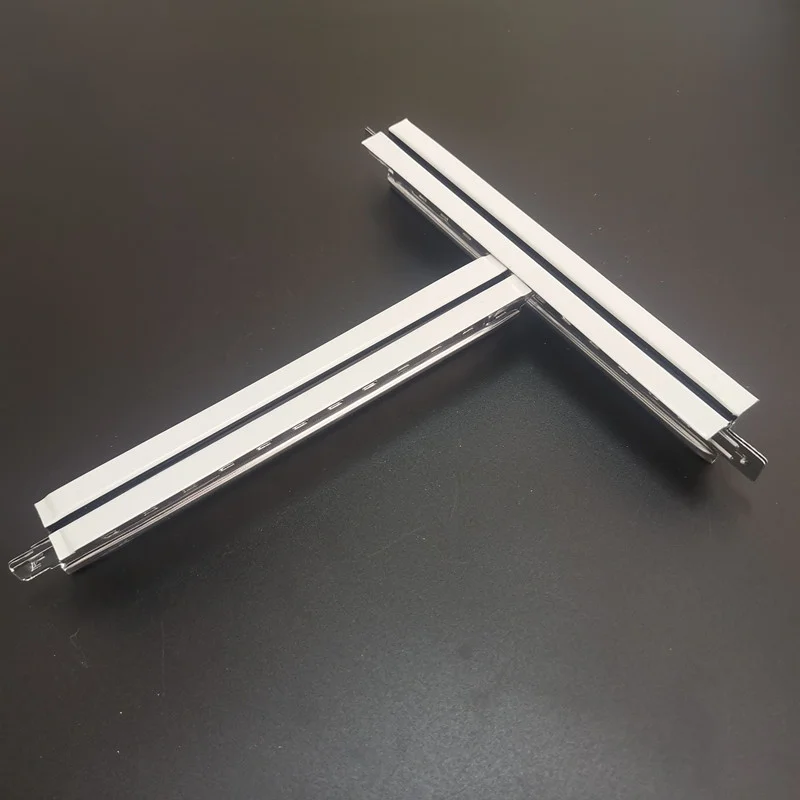
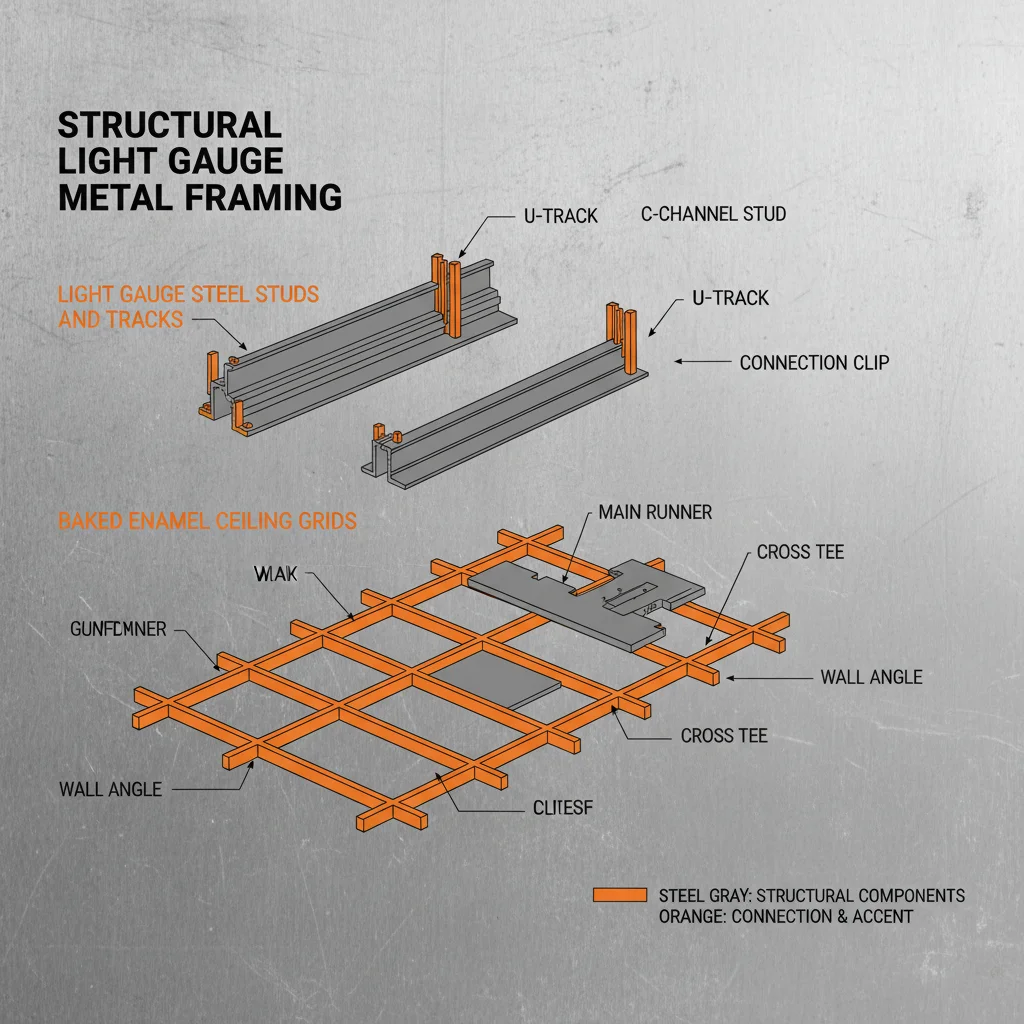
A7: Common types include C-channel studs (vertical framing), U-channel tracks (horizontal framing for studs), furring channels (for ceilings or wall strapping), corner beads (for finishing external corners), and various specialized profiles like resilient channels for acoustics or curved profiles for unique architectural designs.