Hit enter to search or ESC to close
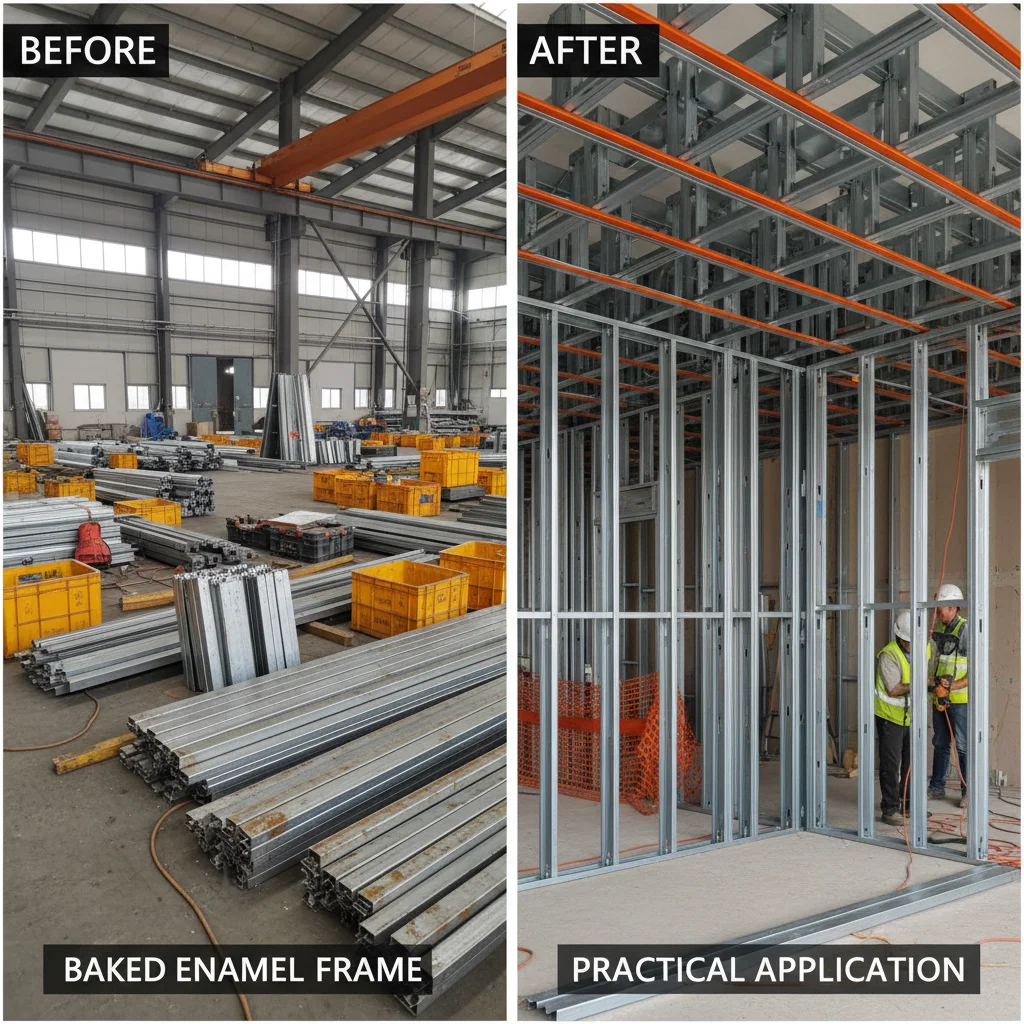
When budgeting for commercial or residential interior builds, metal stud framing prices often fluctuate based on steel coil indices and regional logistics. For procurement managers and general contractors, understanding these price drivers is not just about the bottom line—it is about ensuring structural integrity without overpaying for over-engineered components. The challenge lies in balancing the raw material cost of galvanized steel with the precision of the roll-forming process required for high-performance drywall systems.
These costs are inextricably linked to the specific profiles used, ranging from standard Drywall Steel Profiles to specialized solutions like the Australian Drywall System or the Canada-US Drywall System. A shift in gauge thickness or the type of zinc coating, such as moving from G40 to G90, can significantly alter the landed cost. For distributors, the goal is to source directly from factories that control the raw material supply chain to mitigate the volatility of global steel tariffs.
This analysis examines the technical variables that influence metal stud framing prices and provides a framework for evaluating supplier capabilities. By focusing on the intersection of material grade, production automation, and export logistics, we can identify how to optimize procurement for various global markets including the Middle East and South Asia.


Metal stud framing costs are primarily driven by the commodity price of cold-rolled steel and the complexity of the profile design. Unlike traditional timber, steel pricing is highly sensitive to global trade policies and energy costs associated with smelting. The baseline price is determined by the weight of the steel per linear foot, which is a function of the gauge (thickness) and the total cross-sectional area of the profile.
Beyond raw materials, the manufacturing overhead includes the precision of the roll-forming line. High-efficiency automated lines, such as those utilized by Wen'an Jinkai Building Materials Co., Ltd., reduce labor costs and minimize material waste, allowing these savings to be passed down to the distributor. When analyzing prices, it is essential to distinguish between the cost of the raw profile and the cost of a complete system, which may include T-Bars and furring channels.
The first major variable is the zinc coating mass. Standard G40 coatings are cheaper but offer less corrosion resistance compared to G90. For coastal projects or high-humidity environments, the increased cost of G90 is a necessary investment to prevent rust bleed and structural degradation. The difference in price is often marginal compared to the cost of future remediation.
The second variable is the system specification. A "South American System" or a "Furring System (Middle East)" may require different tolerances and dimensions to comply with local building codes. Customizations in flange width or web thickness to meet specific load-bearing requirements also increase the price, as they may require tooling adjustments on the production line.
Finally, order volume and packaging play a significant role. Bulk shipments of Drywall Steel Profiles in optimized containers reduce the landed cost per unit. OEM packaging, such as custom branded blister packs for retail distribution, adds a layer of cost but increases the product's shelf value and marketability in B2C channels.
When evaluating metal stud framing prices, focusing solely on the initial purchase price can lead to expensive failures. The lifecycle value of a framing system is determined by its ability to withstand environmental stressors without losing structural integrity. High-grade galvanization ensures that the steel does not oxidize at the cut ends or puncture points.
Investing in G90 galvanized steel reduces the risk of interior wall failure in coastal zones by extending the corrosion-free lifespan, effectively lowering the total cost of ownership compared to cheaper G40 alternatives that require premature replacement.
Different global regions have distinct standards that influence the pricing of drywall systems. For instance, the Australian Drywall System focuses on high rigidity and specific spacing, whereas the Canada-US Drywall System may emphasize different fire-rating specifications. These regional variances dictate the amount of steel used per square meter of wall.
Logistics costs also vary significantly. Shipping to North America from a Hebei-based factory involves different freight dynamics than shipping to South Asia or the Middle East. The efficiency of the supplier's export documentation and container loading can reduce the overall landed price by 5-10%.
In residential home theaters or light commercial partitions, the use of standard Drywall Steel Profiles is often sufficient. However, in industrial settings where heavy equipment is mounted, upgrading to heavy-gauge studs is required. The key to cost-effectiveness is "zonal specification"—using premium, high-load studs only where necessary and standard profiles in low-stress areas.
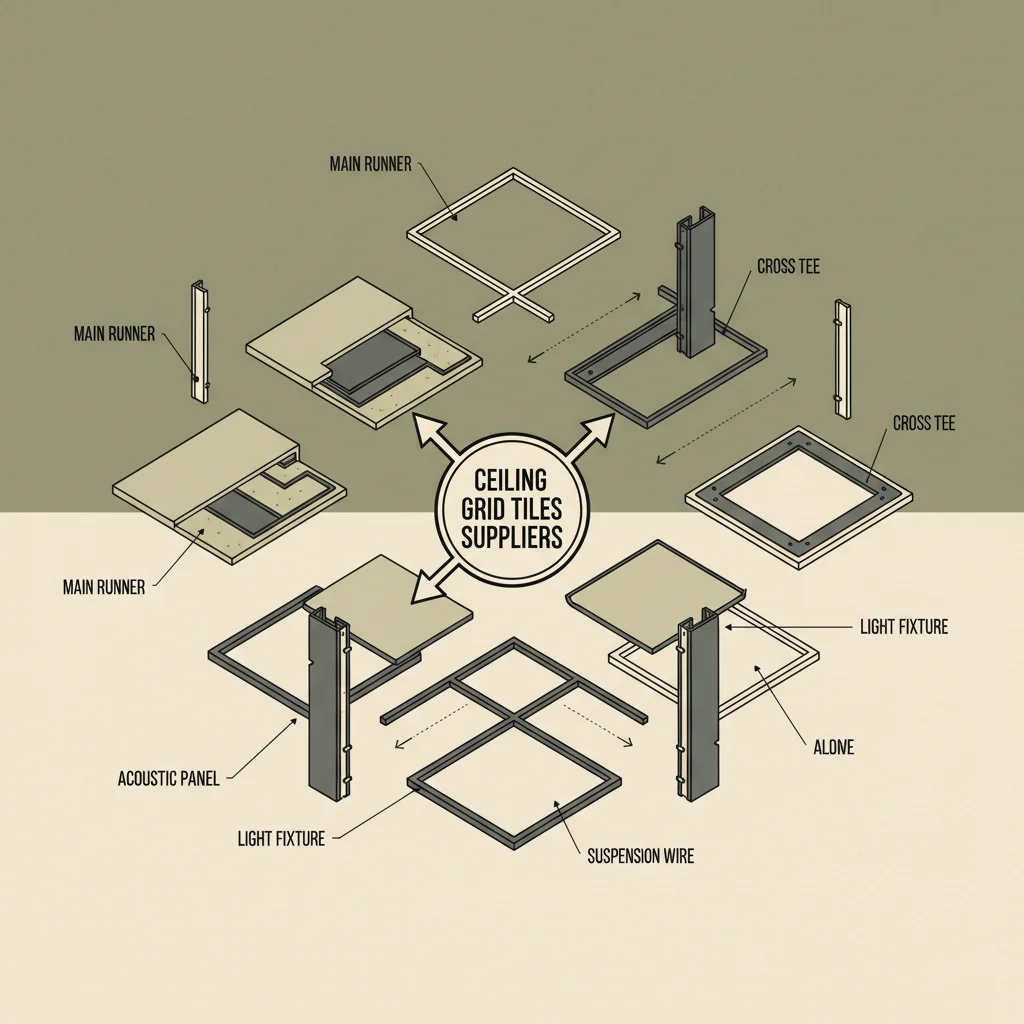
Another cost-saving strategy involves the integration of Ceiling T Bars and Flat T Grids (T15/T24) within a single procurement contract. By sourcing the entire ceiling and wall system from one manufacturer, buyers can leverage volume discounts and ensure perfect compatibility between the vertical framing and the overhead grid.
The steel market is notorious for sudden price spikes caused by raw material shortages or geopolitical shifts. To mitigate this, procurement managers are moving toward long-term partnership models with factory-direct exporters. This allows for better price forecasting and the ability to lock in rates for large-scale projects.
Diversifying the system portfolio also helps. By utilizing a mix of products—such as the Small Furring System for minor partitions and the CD-UD System for main structures—buyers can optimize their spend based on the actual technical requirements of the project rather than a "one size fits all" approach.
Furthermore, selecting a supplier with ISO 9001 certification and a history of high-volume output ensures that quality does not dip when prices are squeezed. A stable production environment prevents the costly rework associated with out-of-tolerance profiles.
When selecting a partner for the supply of metal studs and T-grids, the evaluation must extend beyond the unit price. The reliability of the lead time, the precision of the tooling, and the transparency of the mill certificates are the true markers of a professional manufacturer.
A factory's capacity to provide OEM/ODM services is also a critical value driver. The ability to customize thread lengths, head colors, or laser-engrave logos allows distributors to build their own brand equity while utilizing a high-quality manufacturing base.
Ultimately, the best value is found in suppliers who balance high-tech production with lean management, ensuring that every linear meter of steel is produced to exact specifications without unnecessary waste.
| System Type | Primary Market | Coating Standard | Cost Profile |
|---|---|---|---|
| Australian System | Oceania | G90 Galvanized | Premium |
| Canada-US System | North America | G60-G90 Range | Mid-High |
| Furring (Middle East) | MENA Region | High-Zinc | Moderate |
| South American System | LATAM | Standard Galv | Competitive |
| Small Furring System | South Asia | Light Galv | Economic |
| Custom Steel Profiles | Global OEM | Variable | Project-Based |
The most significant factors are the current market price of cold-rolled steel, the gauge (thickness) of the metal, and the zinc coating weight (e.g., G40 vs G90). Additionally, the complexity of the profile design and the volume of the order influence the final cost, as larger batches reduce per-unit setup costs on the roll-forming line.
Yes, particularly for projects in coastal areas or high-humidity environments. G90 provides a significantly thicker protective zinc layer, which prevents rust bleed and maintains structural integrity over a longer period. The initial price increase is typically offset by the elimination of premature replacement costs and interior finish damage.
Price differences stem from regional building codes that dictate different steel thicknesses, flange dimensions, and corrosion standards. Systems designed for more stringent seismic or fire-rating zones often require more material or specialized coatings, which naturally increases the price compared to lighter-duty regional systems.
Direct factory sourcing eliminates middleman margins and provides better control over specifications. By working with a manufacturer like Wen'an Jinkai, you can optimize the order for container capacity and negotiate prices based on raw material indices, which often leads to a 15-25% reduction in landed costs for large distributors.
Custom profiles may have higher initial setup costs due to tooling requirements. However, for large volume orders, the difference is minimal. OEM services allow for specific branding and technical modifications that can create a competitive advantage in your local market, justifying the slight increase in price.
The best approach is to include a price escalation clause in your contracts or secure a firm quote from a supplier who holds raw steel stock. Establishing a long-term partnership with a stable manufacturer allows for more predictable pricing and priority allocation during global steel shortages.
Navigating metal stud framing prices requires a technical understanding of the relationship between material grade, regional specifications, and production efficiency. By shifting the focus from the lowest initial price to the total lifecycle value—specifically through the use of high-grade G90 galvanization and precision-engineered profiles—procurement managers can ensure structural longevity and reduce long-term maintenance costs.
For companies seeking a reliable partner in the manufacturing of high-performance drywall systems and T-grids, sourcing directly from a certified factory is the most sustainable path to profitability. We invite you to explore our comprehensive range of global framing solutions at www.jinkaibm.com to find the optimal balance of quality and cost for your next project.